The 20 Most Amazing Peaks in Portugal
Best mountain peaks in Portugal are found across its mainland and Atlantic archipelagos, offering diverse landscapes. The country features a range of geological formations, from volcanic peaks in the Azores and Madeira to the granite mountains of the mainland. These areas provide opportunities for exploration and offer expansive views. Portugal's mountains are integral to its natural environment, supporting varied ecosystems and traditional villages.
Best mountain peaks in Portugal
- The most popular mountain peaks is Pico Ruivo Summit, a summit that is the highest point on Madeira Island at 1,862 meters. This peak offers views of the island and its jagged cliffs.
- Another must-see spot is Pico Ruivo Steps, a trail that winds up the slope with numerous steps. This section provides views of valleys and surrounding mountain ridges, leading to the panoramic view from the summit.
- Visitors also love Pico Mountain Summit, a summit and volcano. This is the tallest mountain in all of Portugal, reaching an elevation of 2,351 meters.
- Portugal is known for volcanic peaks, high plateaus, and granite mountains. Visitors can explore a variety of mountain peaks, from the highest point in mainland Portugal, Torre, to the volcanic landscapes of the Azores and Madeira.
- The mountain peaks in Portugal are appreciated by the komoot community, with more than 3,700 upvotes and over 2,500 photos shared across 125 highlights.
Last updated: October 17, 2026
Pico Ruivo Summit
Highlight • Summit
Translated by Google •
Tip by

Pico Ruivo Steps
Highlight • Trail
Translated by Google •
Tip by

Sign up now to discover places like this
Get recommendations on the best single tracks, peaks, & plenty of other exciting outdoor places.
Pico do Areeiro (1,818 m)
Highlight • Summit
Translated by Google •
Tip by
Pico Mountain Summit
Highlight • Summit
Good condition necessary for the ascent.
Descent extremely impassable.
Translated by Google •
Tip by

View of Encumeada Alta from the Madeira Natural Park
Highlight • Viewpoint
Translated by Google •
Tip by

Foia Summit
Highlight • Summit
Translated by Google •
Tip by

Pico Vermelho Viewpoint
Highlight • Viewpoint
Translated by Google •
Tip by

View of Ponta de São Lourenço
Highlight • Viewpoint
Translated by Google •
Tip by

Ascent to Pico Ruivo
Highlight • Climb
Achada do Teixeira, approximately 1,590–1,630 m above sea level, with parking and starting point of the PR1.2 hiking trail.
Trail details
Feature Description
Length approx. 2.8 km (one way)
Elevation gain approx. +260 m
Duration approx. 1–1.5 hours (ascent)
Difficulty: easy to moderate
Trail condition: well-maintained: stone slabs, steps, safely guided
Season: accessible year-round (except in storms or snow)
Translated by Google •
Tip by

Picota Summit
Highlight • Summit
Here, it's worth stopping, taking a deep breath, and letting your gaze wander across the 360° landscape: rolling mountains and even the Alentejo region in the distance, if the day is clear. It's a magical feeling of almost touching the clouds.
Translated by Google •
Tip by
Sign up for free to discover even more peaks in Portugal.
Already have an account?
Start today with a free account
Your next adventure awaits.
Popular around Portugal

Triathlon 360 – my journey around the world
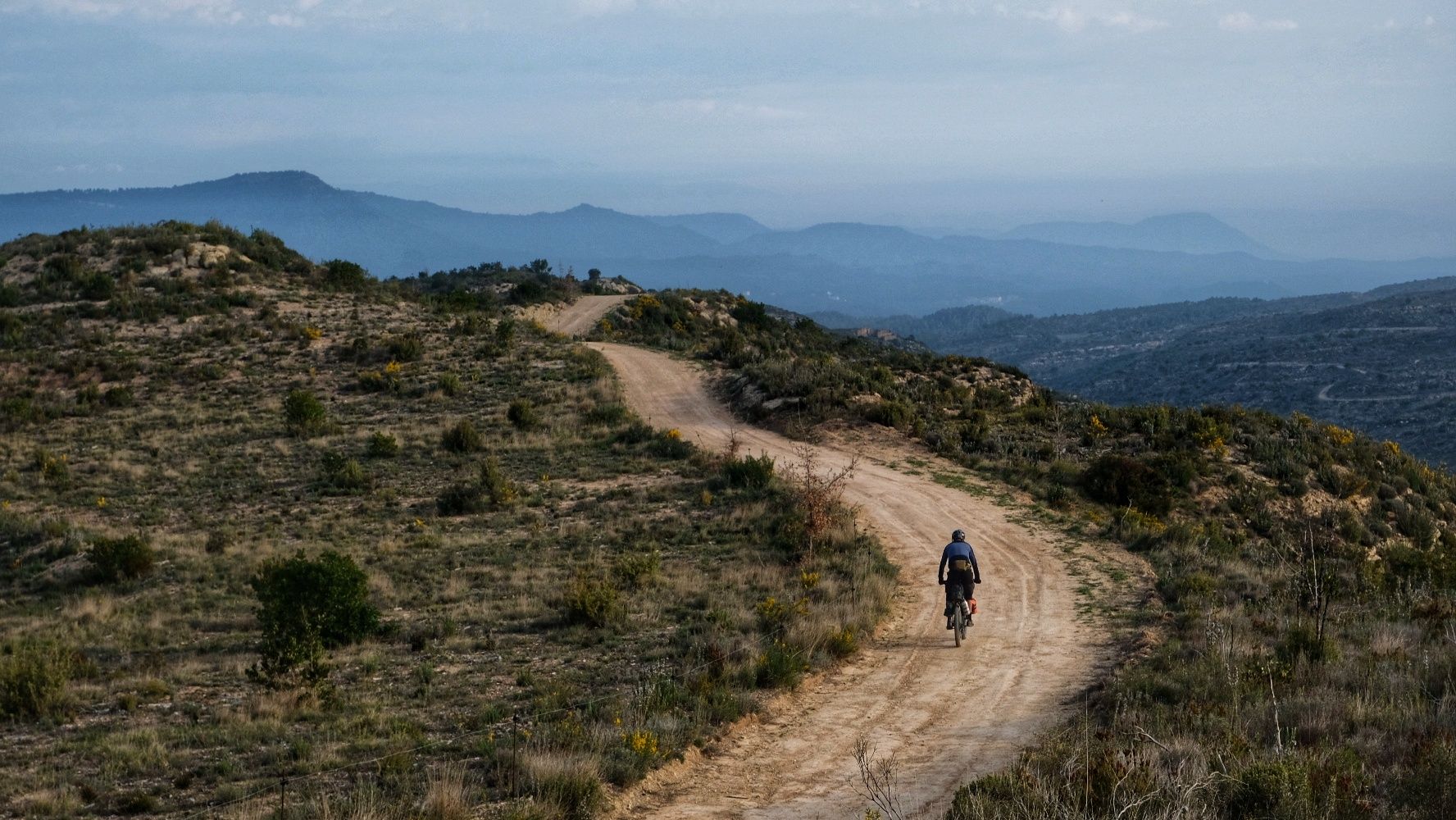
European Divide Trail — 7,600 km across the continent
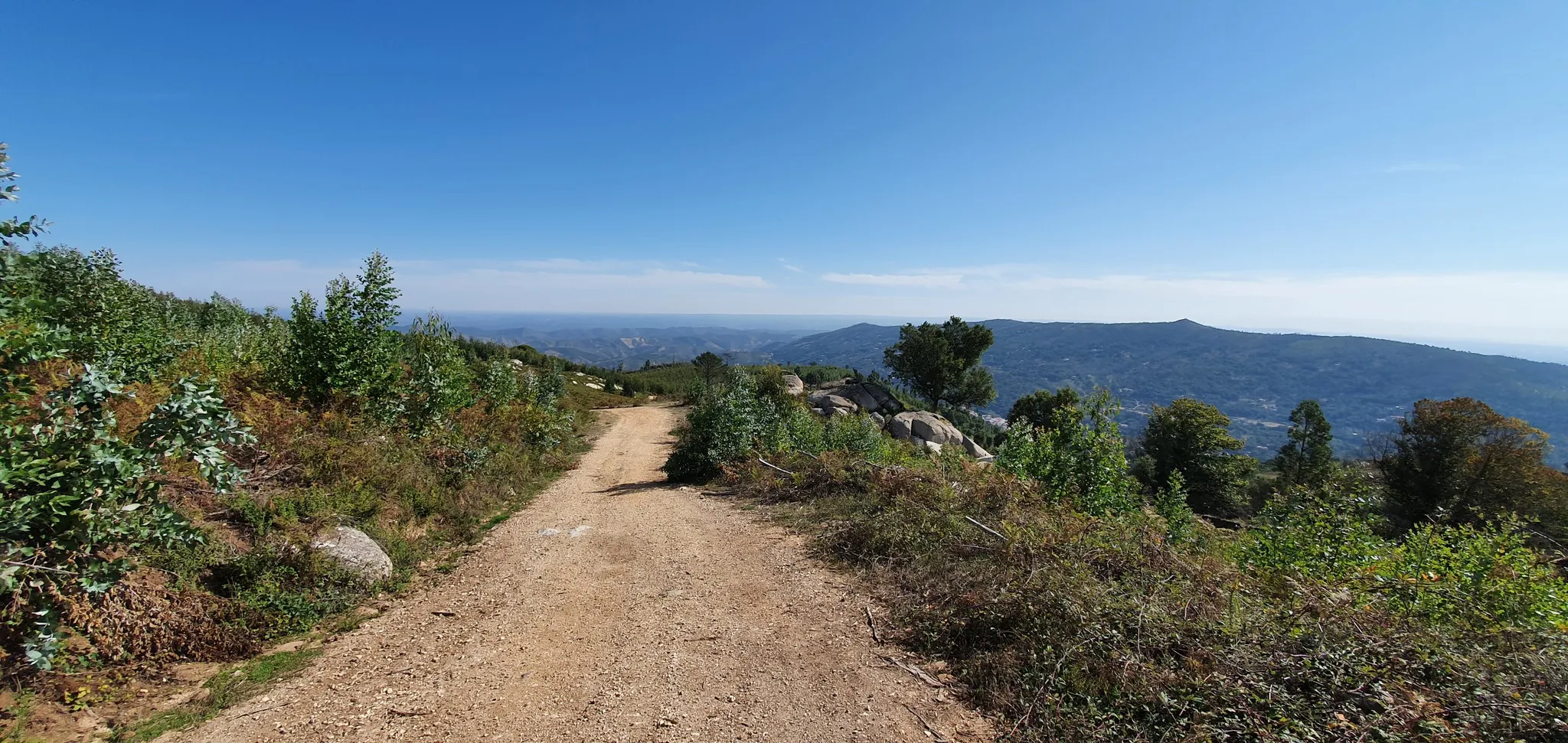
Via Algarviana (GR 13) - hidden corners of the south
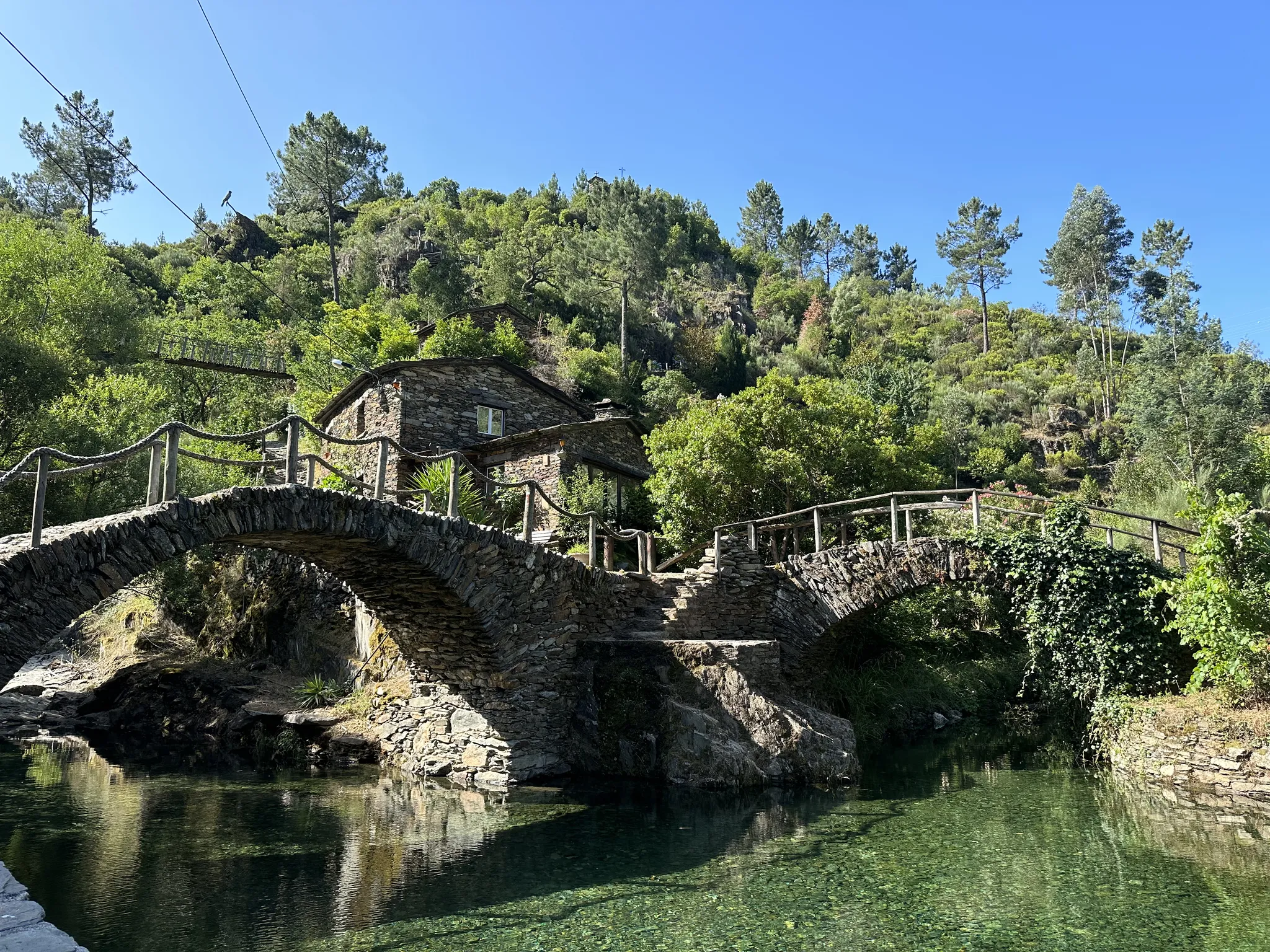
Great Route of Historic Villages (GR 22 south loop) – A nation is born
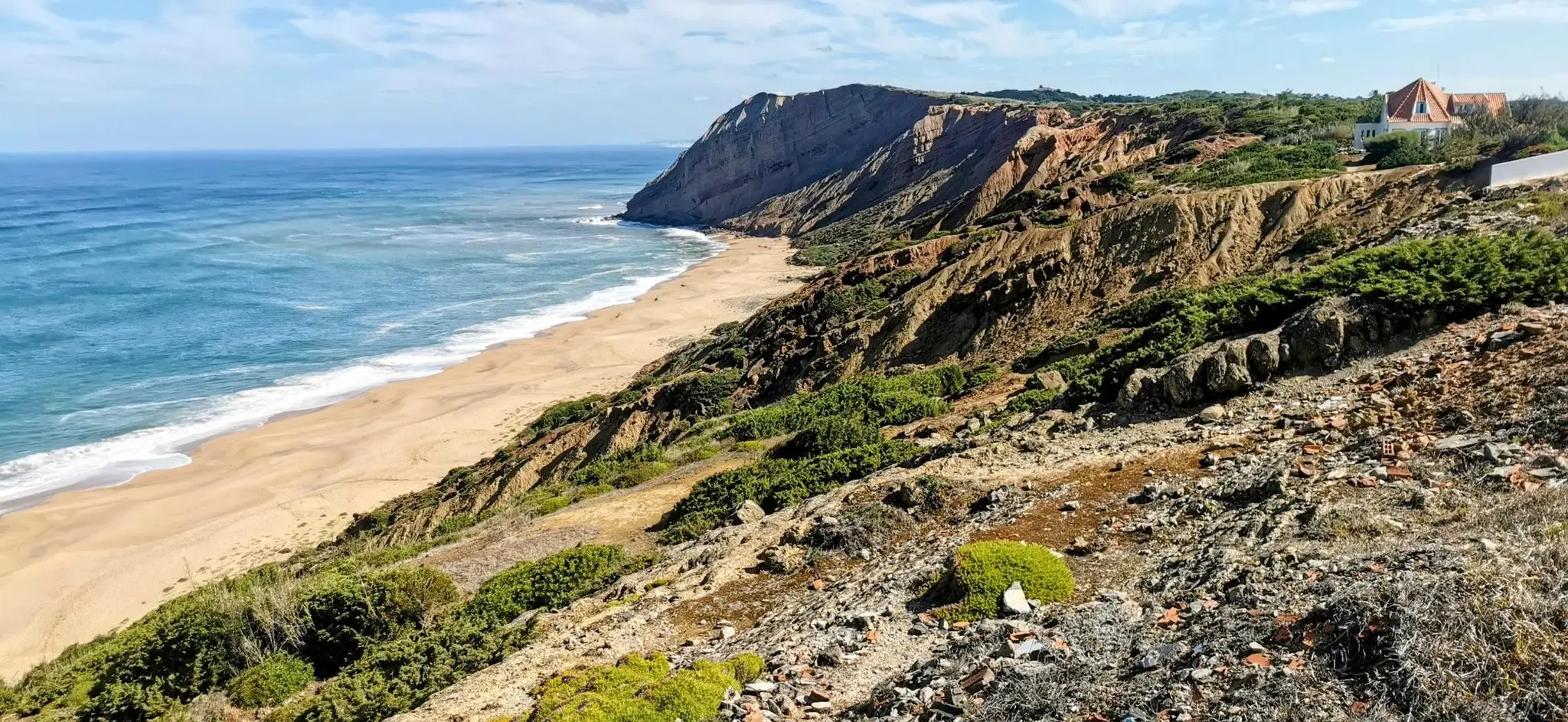
EuroVelo 1 Portugal – Cycle the Atlantic Coast
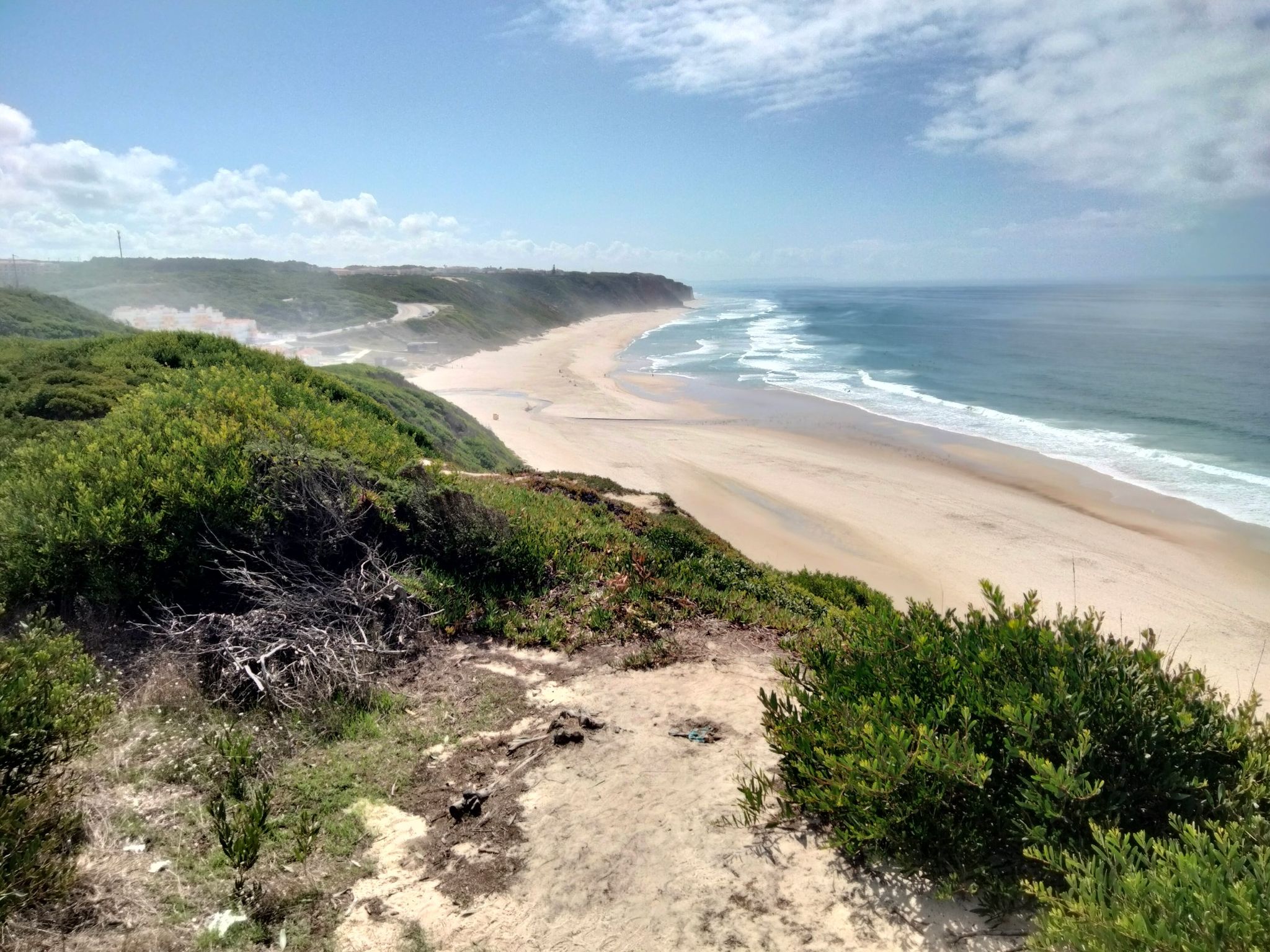
Portugal's Atlantic coast (north) – from Caminha to Lisbon
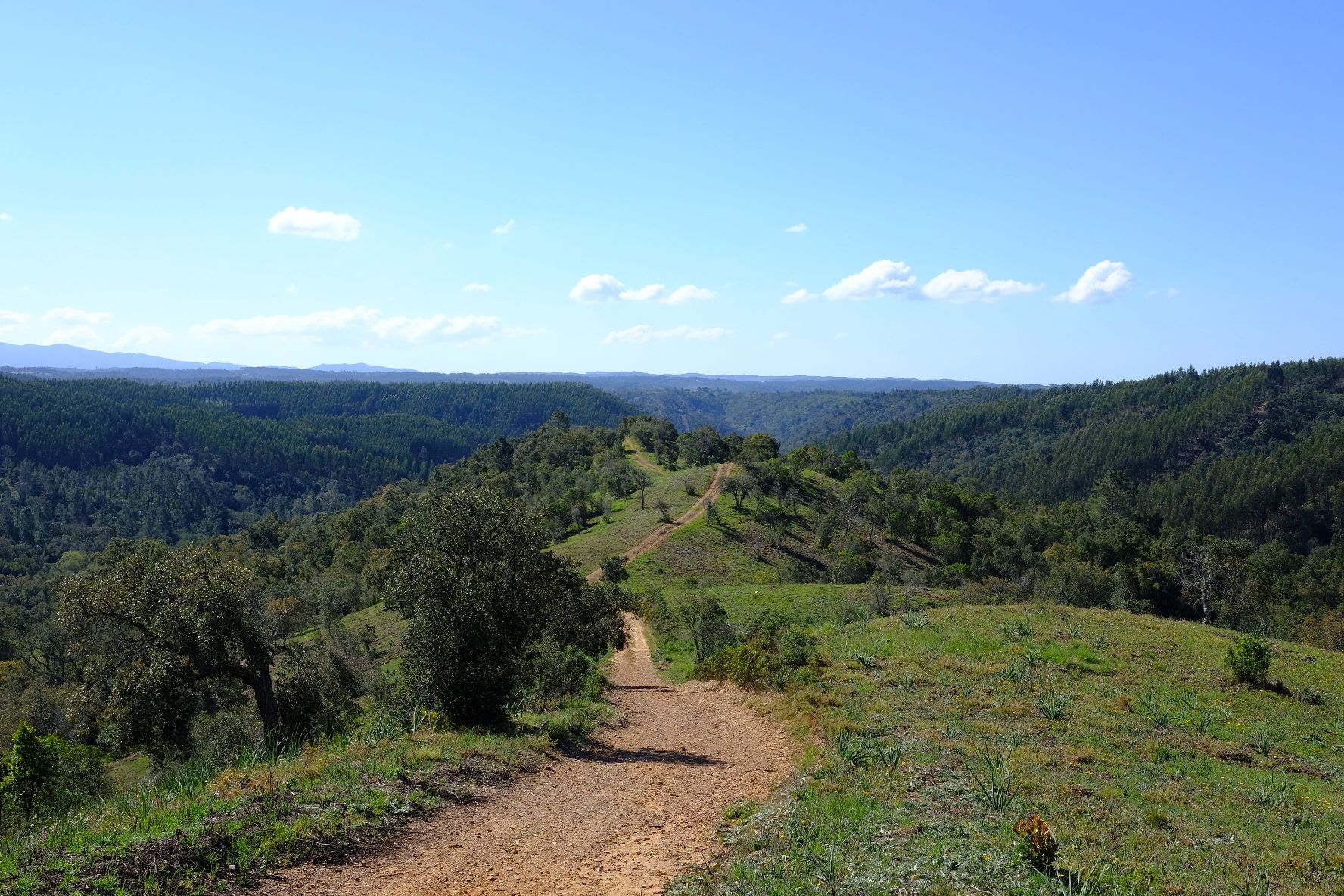
Caminho Histórico – Discover Portugal's beauty and history
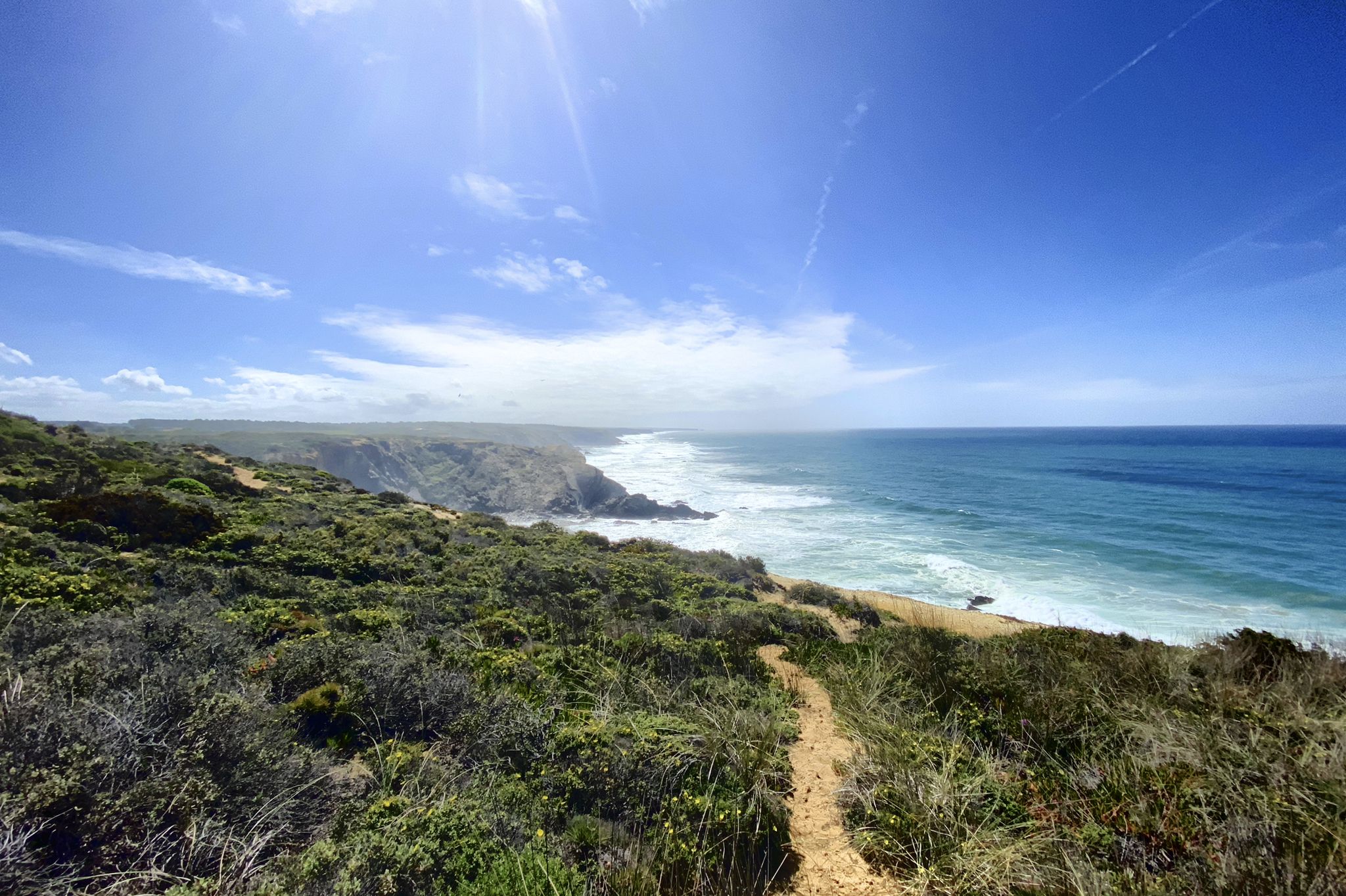
Trilho dos Pescadores – Portugal's Fishermen's Trail
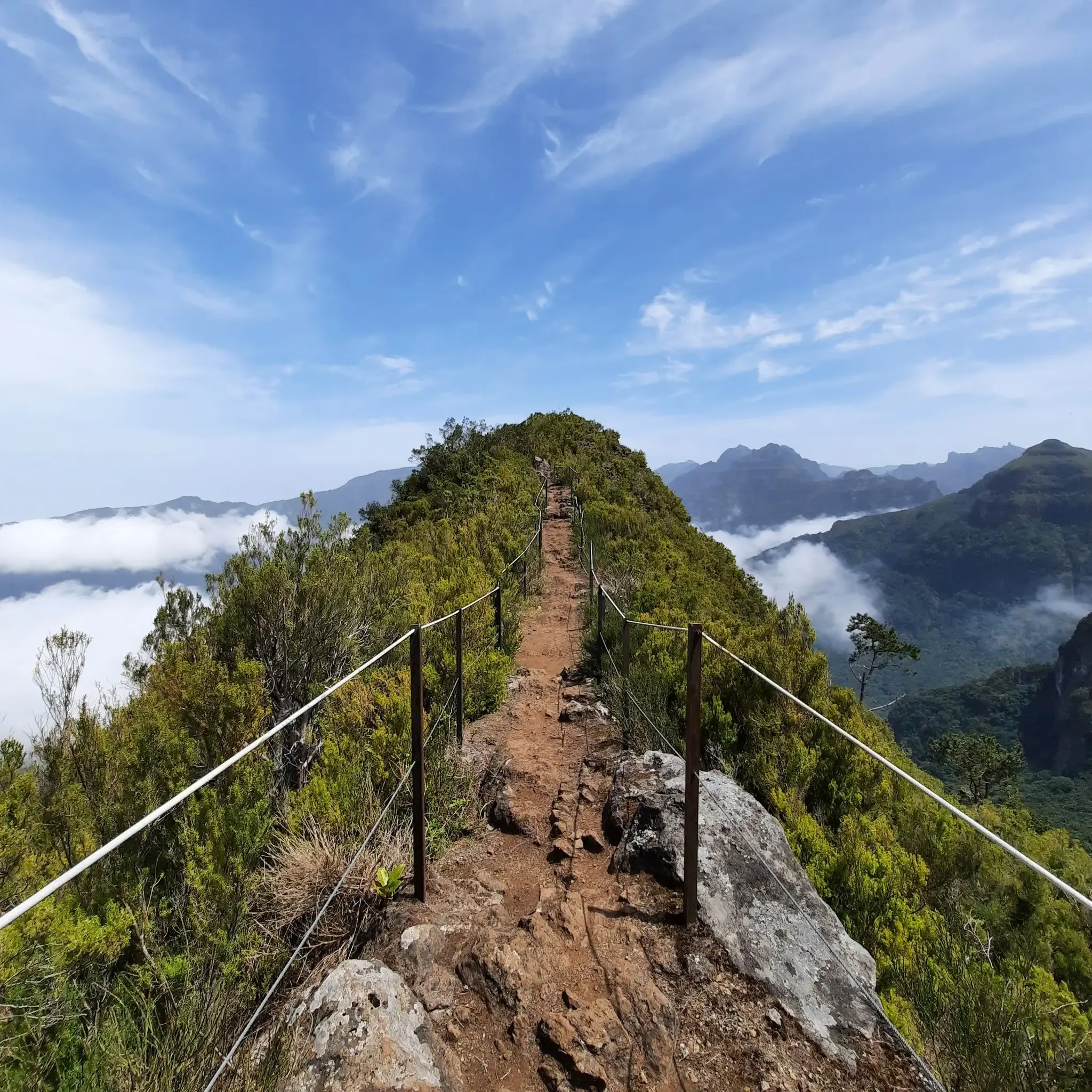
Madeira Island Ultra-Trail – A unique challenge
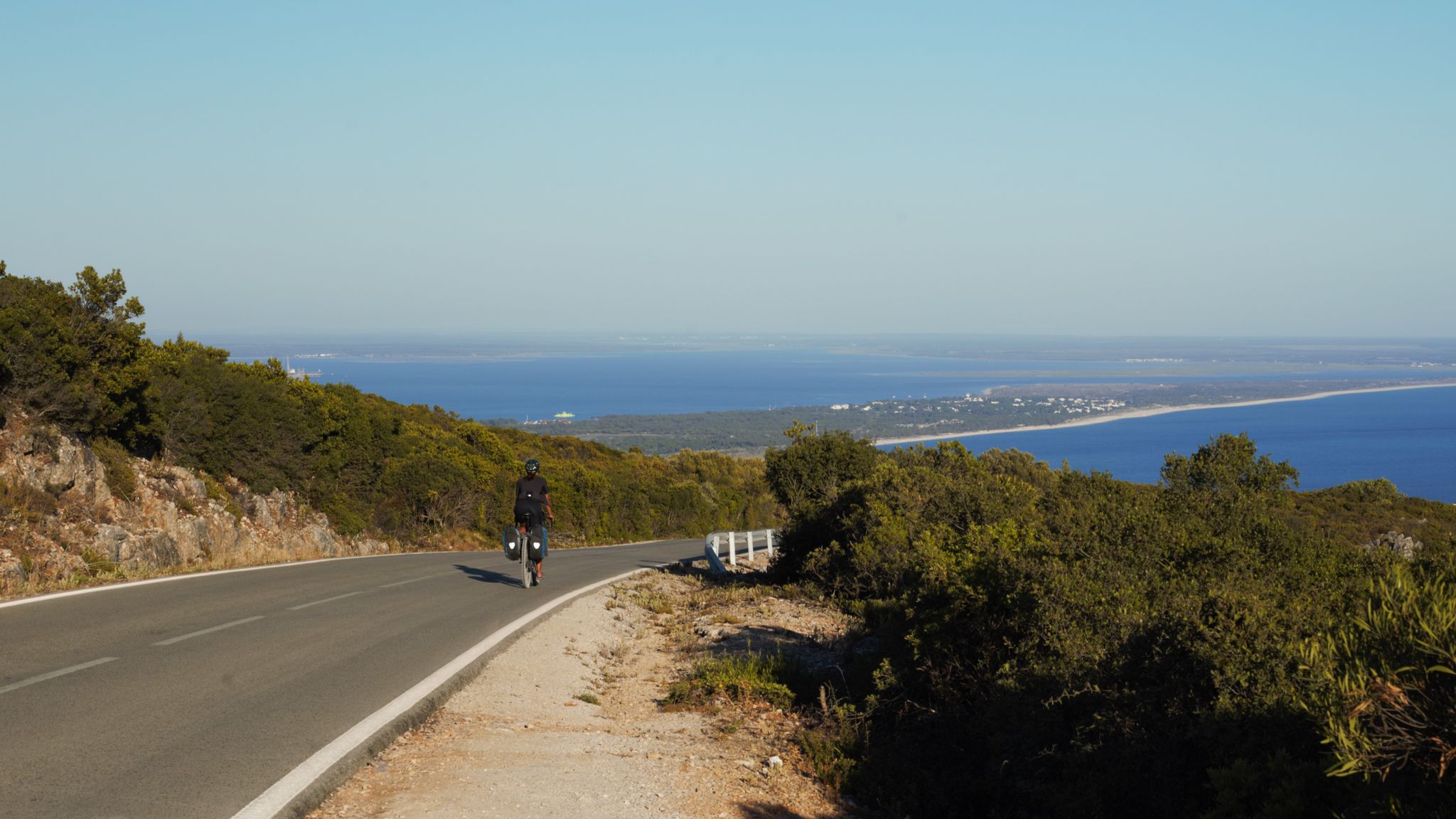
The breaking waves – cycle along the Atlantic coast of Portugal
Other adventures in Portugal


Tips from the Community

The staircase to Pico Ruivo winds its way up the slope in numerous steps, noticeably gaining altitude. As your thighs work, breathtaking views of the valleys and surrounding mountain ridges repeatedly open up. It's the perfect section to climb at your own pace and prepare yourself for the panoramic view from the summit.
6
0
The ascent to Pico Ruivo leads you along a well-maintained, but sometimes steep, mountain path up to Madeira's highest peak. Along the way, breathtaking views open up into deep valleys and across to the jagged mountain ridges all around. Once you reach the top, a 360° panorama awaits, easily making every drop of sweat worthwhile – in windy or rainy weather, it's best to bring warm layers.
3
0
From this viewpoint, you have a magnificent view of Ponta de São Lourenço, its rugged cliffs, and the deep blue sea that surrounds the peninsula on both sides. The contrasting colors and dramatic coastline showcase the wild beauty of the eastern tip particularly impressively. A perfect spot to enjoy Madeira's unique landscape.
4
0

At the top of the Monchique mountain range rises Foia, the highest point in the Algarve, at 902 meters altitude. Its antennas mark the summit where the sky seems closest and, on clear days, the view reaches the Atlantic. Up here, the wind blows freely and the view is simply unforgettable.
2
0
Picota, at 774 meters, is the second highest point in the Algarve and one of the most breathtaking. Here, it's worth stopping, taking a deep breath, and letting your gaze wander across the 360° landscape: rolling mountains and even the Alentejo region in the distance, if the day is clear. It's a magical feeling of almost touching the clouds.
4
0

This tour is a true PR8
5
1

It is the highest mountain in Portugal, the third highest mountain in the Atlantic, and on top of that, you can experience the heat emanating from a virtually extinct volcano at the summit!
1
0

Frequently Asked Questions
What are some of the most popular hiking trails in Portugal's mountain regions?
Portugal offers diverse mountain hiking experiences. On Madeira, popular trails include the challenging route from Pico do Arieiro to Pico Ruivo Summit, which features dramatic scenery and steps like the Pico Ruivo Steps. For a less strenuous option to Pico Ruivo, you can start from Achada do Teixeira. In mainland Portugal, the Serra da Estrela Natural Park, home to Torre, provides expansive views and trails, while Peneda-Gerês National Park is excellent for exploring oak forests and waterfalls.
How difficult are the mountain peaks in Portugal to climb?
The difficulty varies significantly. Portugal's highest peak, Pico Mountain Summit in the Azores, is considered challenging, requiring good physical condition and often gloves for the ascent. Madeira's Pico Ruivo Summit can be reached via a strenuous route from Pico do Arieiro or a shorter, easier path from Achada do Teixeira. Torre in Serra da Estrela is unique as it's accessible by a paved road, making it very easy to reach the summit.
Are there family-friendly mountain peaks or trails in Portugal?
Yes, several areas are suitable for families. The path to Pico Ruivo Summit from Achada do Teixeira on Madeira is considered family-friendly. Foia Summit is also listed as family-friendly, offering facilities and parking. Additionally, Monte Brasil in the Azores provides a public park with amenities, a bird park, and a playground, making it a great family destination.
What kind of natural features can I expect to see on Portugal's mountain peaks?
Portugal's mountain peaks showcase a diverse range of natural features. You'll find volcanic landscapes, such as the symmetrical cone and crater of Pico Mountain Summit in the Azores, and the dramatic jagged cliffs and lush valleys around Pico Ruivo Summit and Pico do Arieiro on Madeira. Mainland peaks like Torre in Serra da Estrela offer high plateaus and glacial valleys, while Peneda-Gerês National Park features regenerating oak forests, granite mountains, and numerous waterfalls and natural lagoons.
What is the best time of year to hike in Portugal's mountains?
The best time depends on the region and desired activity. For mainland peaks like Torre in Serra da Estrela, snow occurs between October and April, making it suitable for winter sports, while summer offers expansive views. For the Azores and Madeira, hiking is generally pleasant outside of the peak summer heat and winter rains, though conditions can change rapidly at higher elevations. Always check local weather forecasts before heading out.
Can I find any unique wildlife in Portugal's mountain regions?
Yes, especially in protected areas. Peneda-Gerês National Park is a prime location for wildlife spotting, home to grey wolves, wild boar, roe deer, and wild garrano ponies. Madeira's Pico Ruivo Summit is also a significant site for bird protection, hosting species like the firecrest and chaffinch.
Which mountain peaks offer the best panoramic views in Portugal?
Many peaks offer stunning vistas. Pico Ruivo Summit on Madeira provides magical views of the island and its jagged cliffs, often above the clouds. Pico Mountain Summit in the Azores offers spectacular views across Pico Island and the Atlantic Ocean. Torre in Serra da Estrela boasts magnificent panoramic views of the surrounding countryside, stretching up to 100 km on clear days. Pico do Arieiro is renowned for its dramatic mountain scenery and sunrises above a 'sea of clouds'.
What outdoor activities are available near Portugal's mountain peaks?
Beyond hiking, you can enjoy a variety of outdoor activities. In Peneda-Gerês National Park, canyoning and canoeing are popular. The region also offers numerous running trails, such as those found in the Running Trails in Portugal guide, including routes like 'Pico do Areeiro e Pico Ruivo'. For those interested in waterfalls, the Waterfall hikes in Portugal guide lists trails like '25 Fontes, Risco, and Alecrim Levadas Loop' near mountain areas.
How can I access the mountain peaks like Torre or Pico do Arieiro?
Accessibility varies. Torre, the highest point in mainland Portugal, is uniquely accessible by a paved road (Regional Road 339), allowing you to drive directly to the summit. Pico do Arieiro on Madeira is also easily accessible by car, making it a popular starting point for hikers. For Pico Mountain Summit, you'll need to register at Casa da Montanha, about halfway up the western slope, and permits are required for the climb.
What do visitors enjoy most about the mountain peaks in Portugal?
Visitors consistently praise the breathtaking views and the sense of accomplishment. Many highlight the 'absolutely magical view' from Pico Ruivo Summit and the 'fantastically beautiful landscape' on the trails leading to it. The dramatic scenery, especially when hiking above the clouds, and the unique geological formations like the volcanic crater of Mount Pico, are frequently mentioned as highlights. The opportunity to experience diverse ecosystems and traditional villages also adds to the appeal.
Are there any specific tips for climbing Mount Pico?
Yes, climbing Pico Mountain Summit requires preparation. It's recommended to start early, ideally by 8:00 am, as there's a limit of 160 people per day allowed to ascend. You must register at the entry point, and a GPS locating device is provided. The cost is €15 for the crater rim and an additional €5 for the summit. Good shoes, enough water, provisions, layers of clothing (sweater, fleece, rain jacket), sunscreen, and gloves for scrambling are highly recommended. The descent can be extremely impassable.
What makes the Serra da Estrela region unique for mountain enthusiasts?
Serra da Estrela is unique as it hosts Torre, the highest point in mainland Portugal, which is accessible by road. It's one of the few places in Portugal where you can experience winter sports due to significant snowfall between October and April. The region is part of the Serra da Estrela Natural Park, the largest protected landscape in Portugal, featuring glacial valleys, historic villages like Piódão, and the intriguing Covão dos Conchos.
What can I expect when visiting Peneda-Gerês National Park?
Peneda-Gerês National Park, Portugal's only National Park, offers a rugged mountainous terrain with regenerating oak forests and rich biodiversity, including grey wolves and wild garrano ponies. You'll find rapidly flowing rivers, numerous waterfalls like Arado and Tahiti, and natural lagoons. The park also features ancient Roman roads and traditional villages such as Pitões das Júnias. It's an ideal destination for nature lovers and outdoor enthusiasts seeking hiking, canyoning, and canoeing amidst stunning landscapes.
Most popular routes in Portugal
Most popular attractions in Portugal

Get inspired with the komoot mobile app


Didn’t find what you were looking for?
Discover Portugal’s best peaks and summits by region:
Explore more
See even more amazing summits in Portugal with these guides:
