Top 20 Waterfalls in Italy
Waterfalls in Italy are found across diverse landscapes, from the Alps to the Apennines. The country features both powerful natural cascades and significant man-made waterfalls. These sites often provide opportunities for hiking and exploring natural beauty within various regions. Many waterfalls are integrated into national parks or accessible via established trails.
Best waterfalls in Italy
- The most popular waterfalls is Rastenbach Gorge Waterfall, a waterfall located within an impressive gorge in South Tyrol. This site is known for its spectacular and steep terrain.
- Another must-see spot is Rastenbachklamm Waterfall, a waterfall within the Rastenbach Gorge. Visitors can expect to see several smaller waterfalls that provide refreshment and cooling during summer.
- Visitors also love Parcines Waterfall (Partschinser Wasserfall), a waterfall with a 97-meter drop. This natural monument is known for its impressive power and the rainbow colors that appear when exposed to the sun.
- Italy is known for natural cascades, man-made waterfalls, and thermal waterfalls. The variety of waterfalls to see and explore includes those with significant drops, those within gorges, and those with unique mineral properties.
- The waterfalls in Italy are appreciated by the komoot community. There are more than 1300 highlights, with over 1800 photos and more than 3100 upvotes from visitors.
Last updated: October 9, 2026
View of Lake Garda from the Ponale Trail
Highlight • Viewpoint
Translated by Google •
Tip by

Rastenbach stream gorge
Highlight (Segment) • Waterfall
Translated by Google •
Tip by

Sign up now to discover places like this
Get recommendations on the best single tracks, peaks, & plenty of other exciting outdoor places.
Rastenbachklamm Waterfall
Highlight • Waterfall
Translated by Google •
Tip by

Parcines Waterfall (Partschinser Wasserfall)
Highlight • Waterfall
Translated by Google •
Tip by

Schnuggenbach Waterfall and Stone Steps
Highlight • Waterfall
Translated by Google •
Tip by

Passer Gorge Trail
Highlight • Trail
Translated by Google •
Tip by

View of Lake Caldaro
Highlight • Viewpoint
Translated by Google •
Tip by

Biotop Rastenbachklamm - Biotop Rastenbach stream gorge
Highlight • Gorge
The Rastenbachklamm between Altenburg and Lake Kaltern is an impressive natural monument with its waterfalls and pools, ivy-covered trees, fallen trunks and rippling cool water.
Translated by Google •
Tip by

Passer Gorge
Highlight • Gorge
Translated by Google •
Tip by

Passer Gorge
Highlight • Gorge
About 340 vertical meters are to be overcome to the finish. But you get special impressions of the forces of nature and also a look at the Stuller waterfalls, always alternating with more leisurely passages through the forest on the valley slope.
This gorge is a very special experience. Only to be recommended :-).
Translated by Google •
Tip by

Sign up for free to discover even more waterfalls in Italy.
Already have an account?
Start today with a free account
Your next adventure awaits.
Popular around Italy
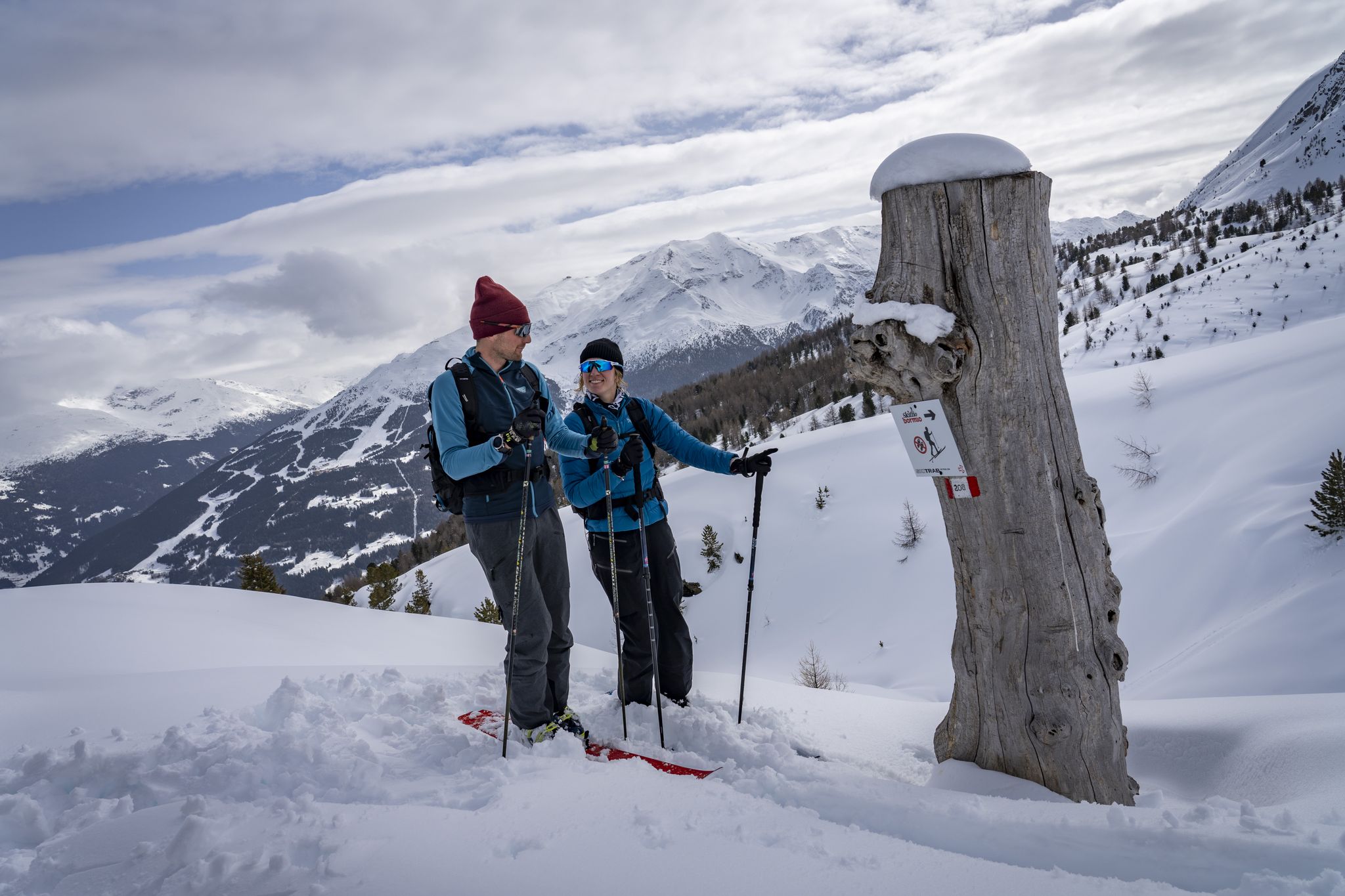
Stelvio Natural Skimo Trails – ski mountaineering adventures in Bormio
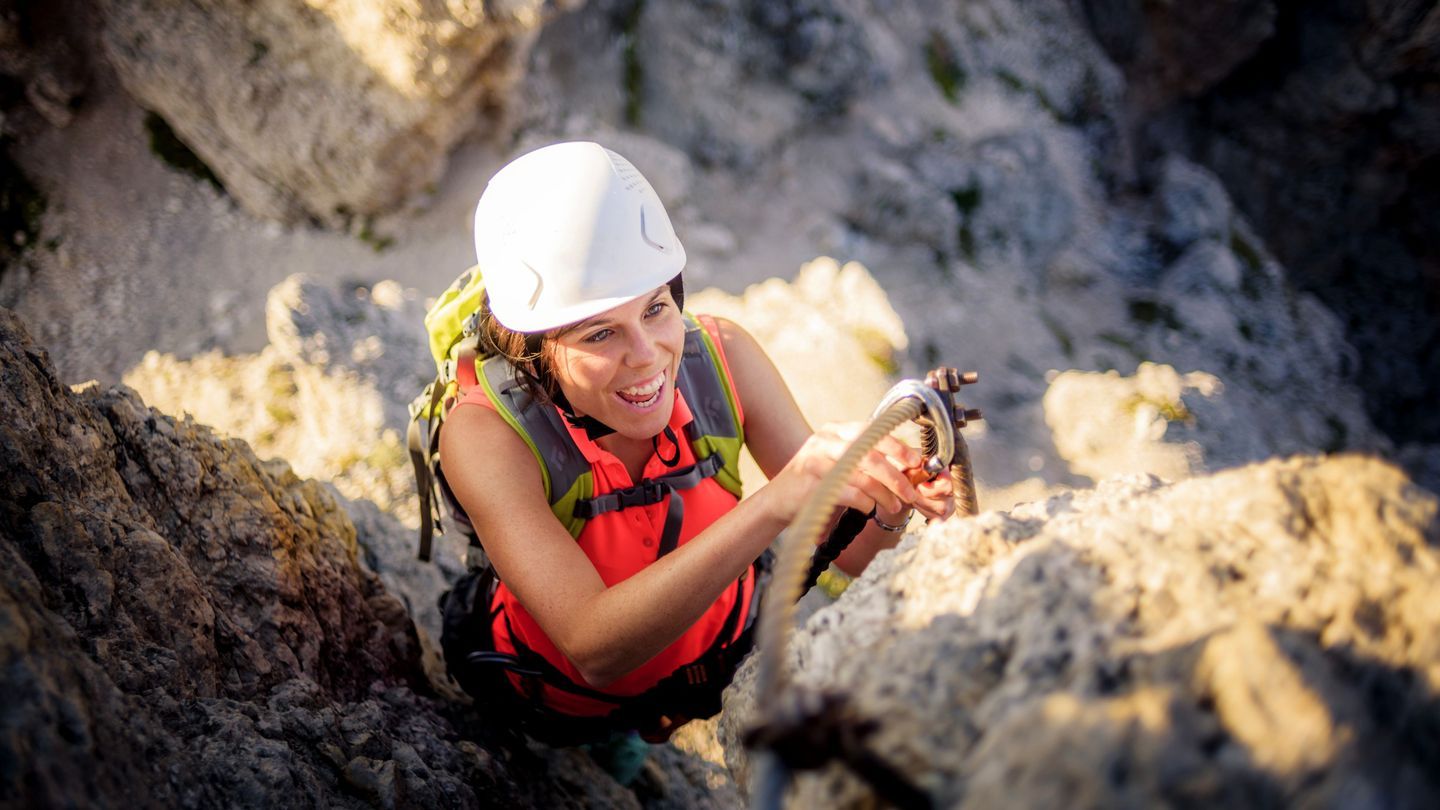
Via ferratas in Val Gardena – Dolomites
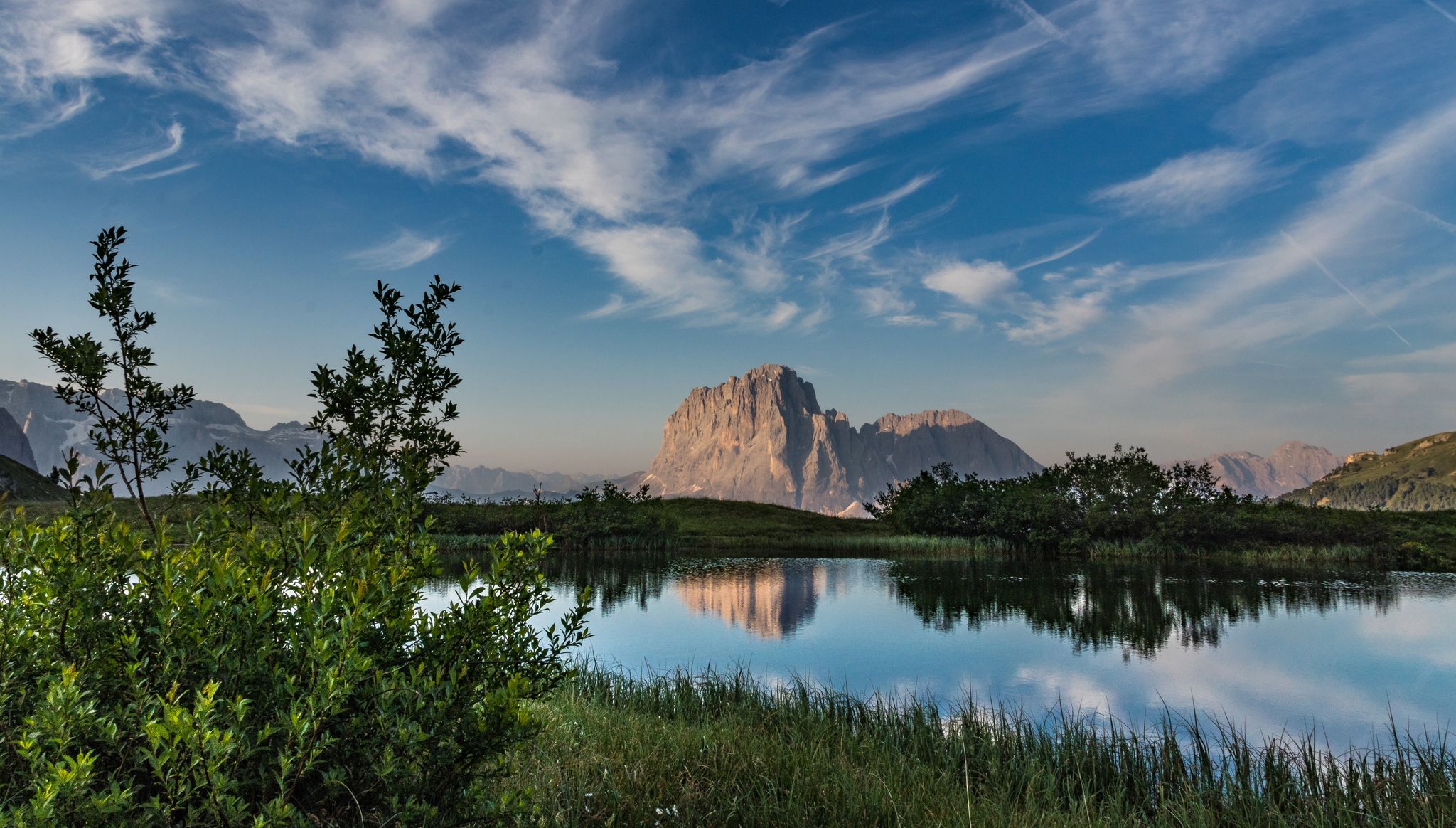
Secret Dolomites - beautiful spring in Val Gardena
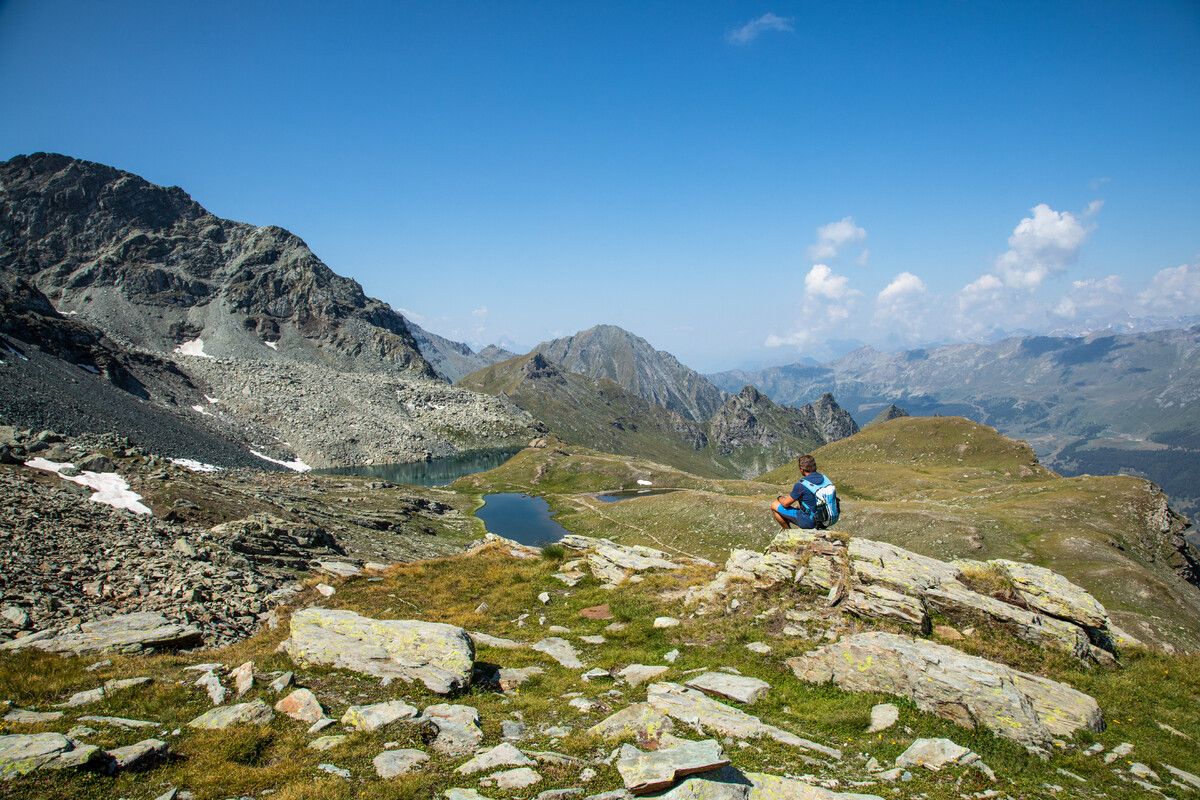
Alta Via n. 1 of the Aosta Valley — a walk among Italian giants
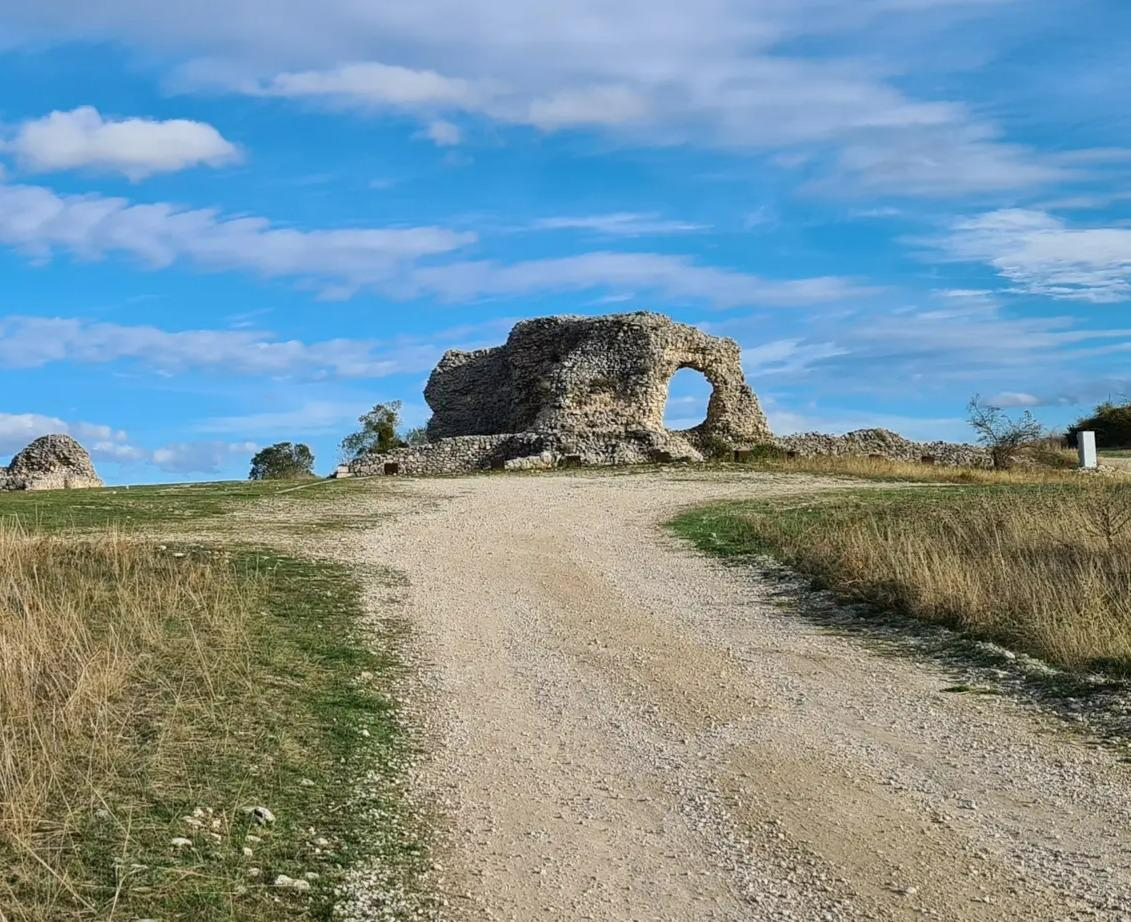
Tratturo Magno – On the roads of transhumance
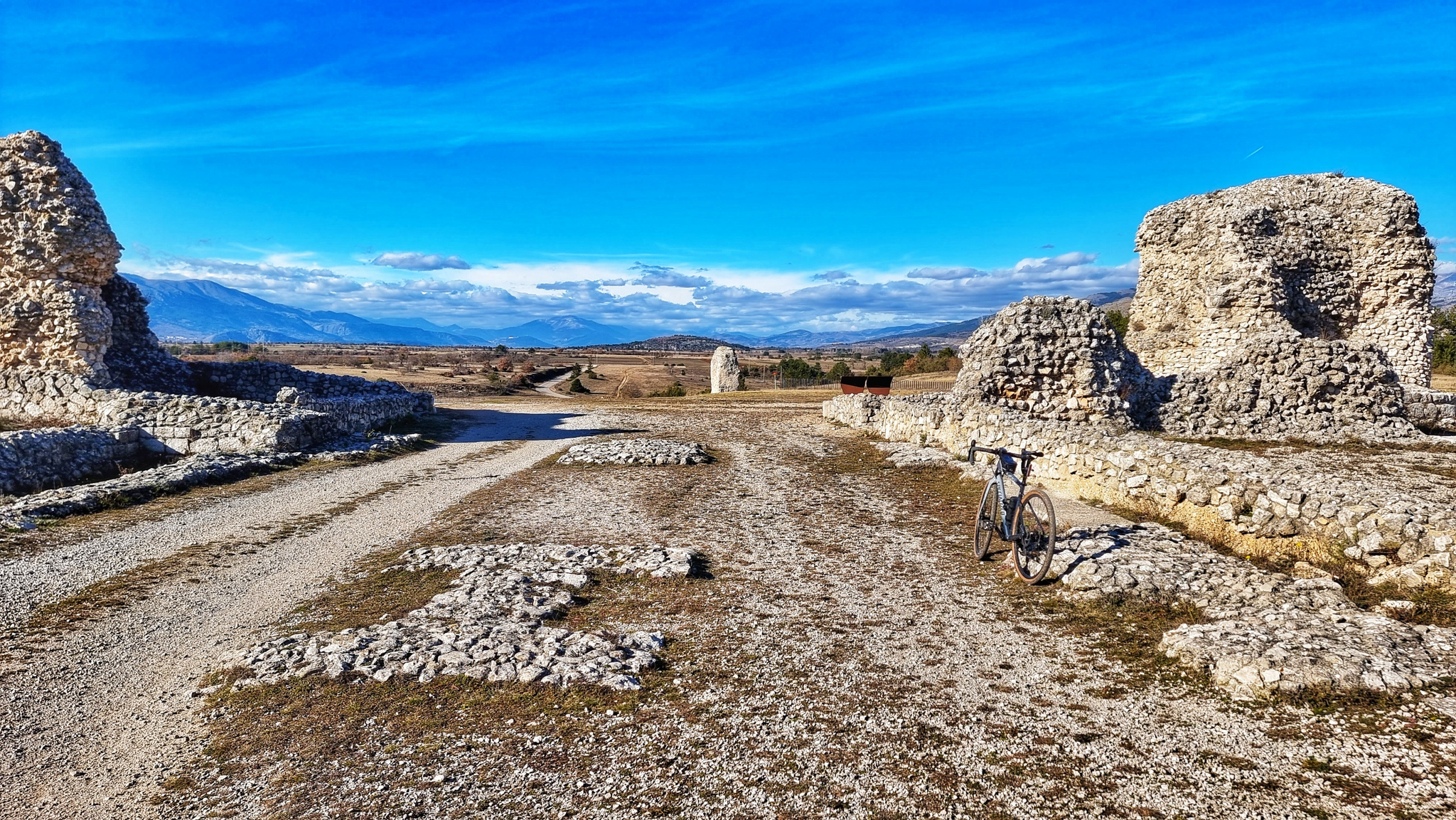
The Tratturo Magno – From the Apennines to the TavoIiere, 300 kilometers
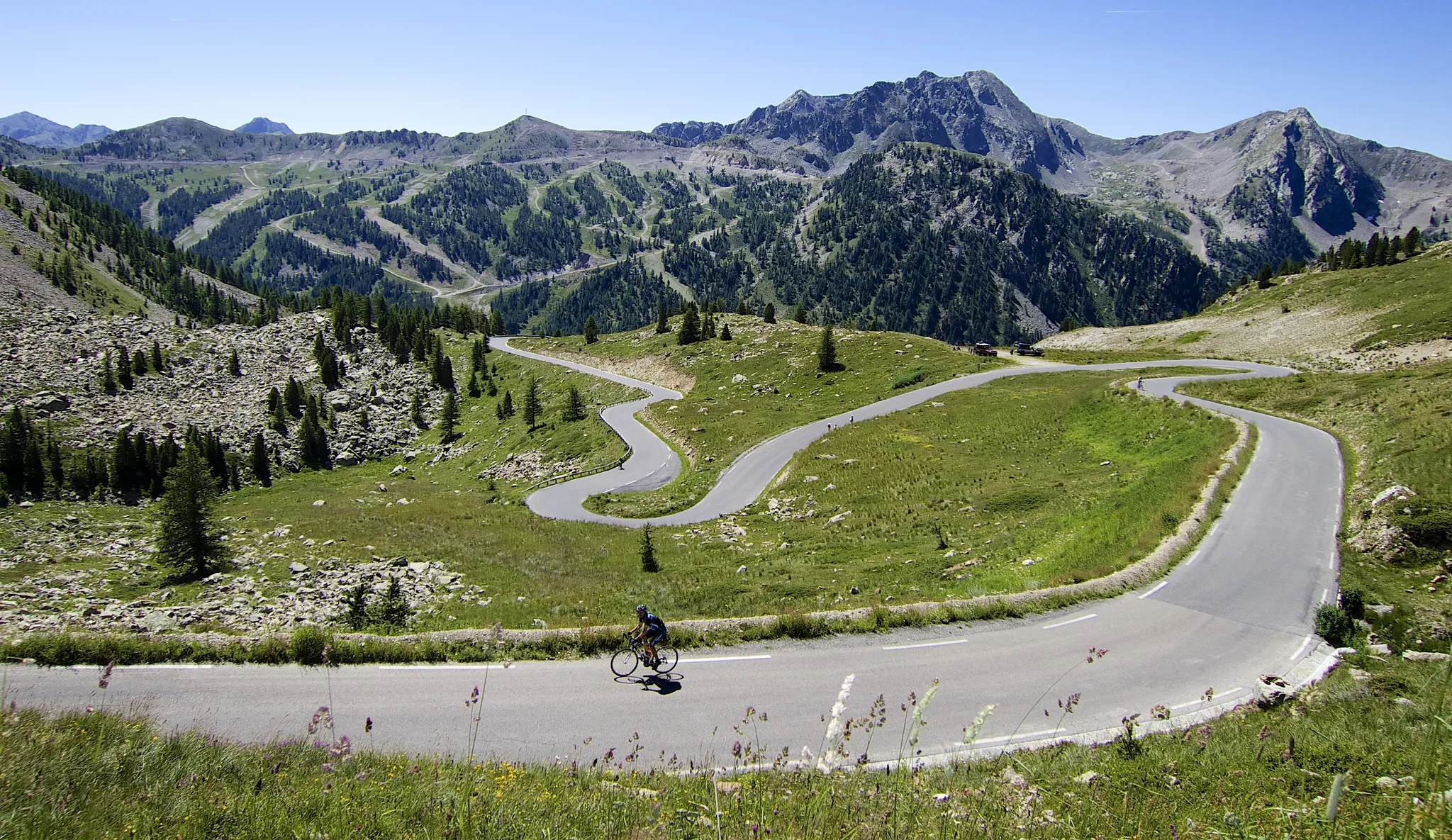
Haute Route Alps 2025 — Assaulting the Alps
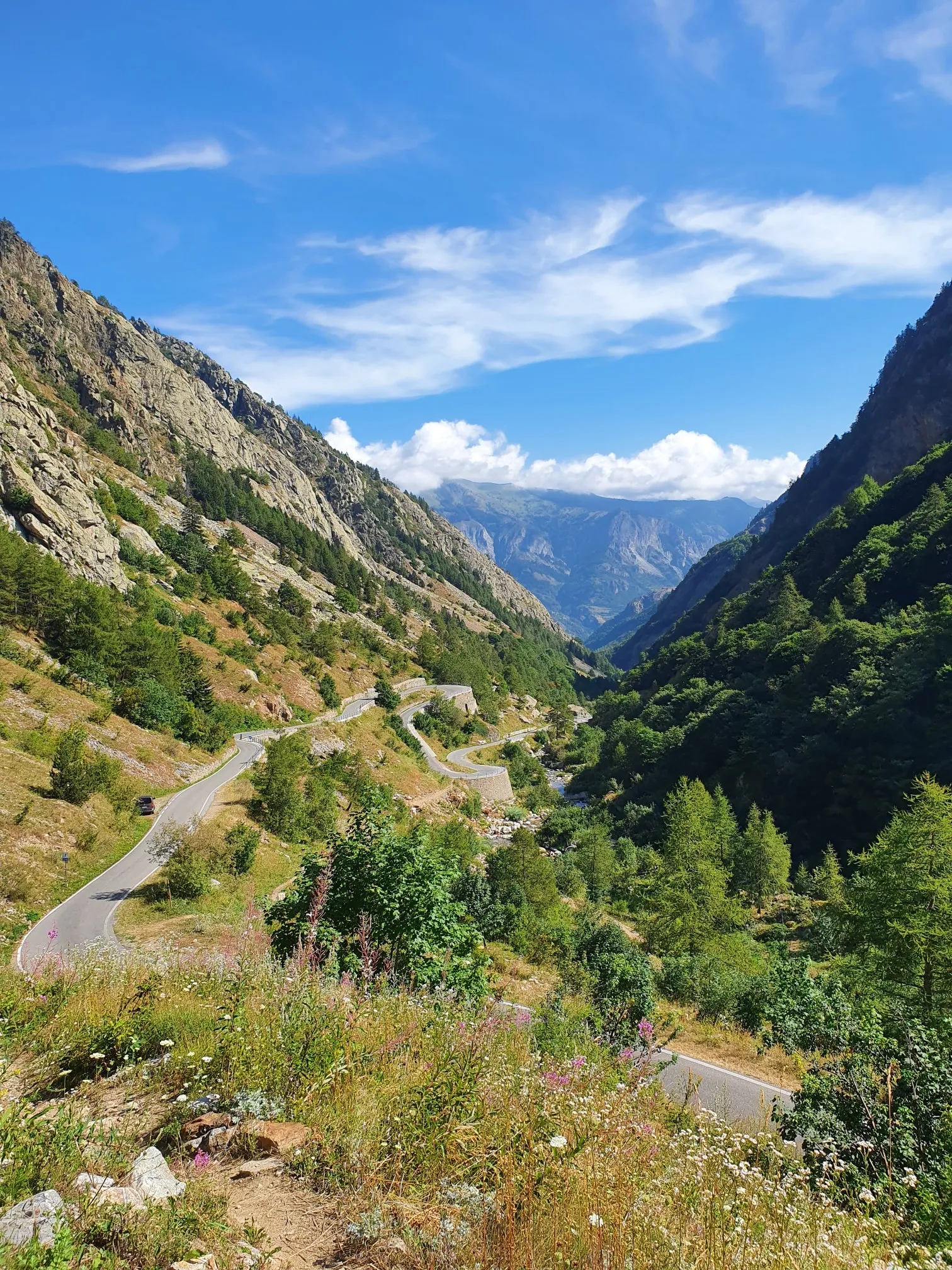
In the footsteps of the pilgrims in Valle Stura
Historic and spiritual trails in the province of Torino
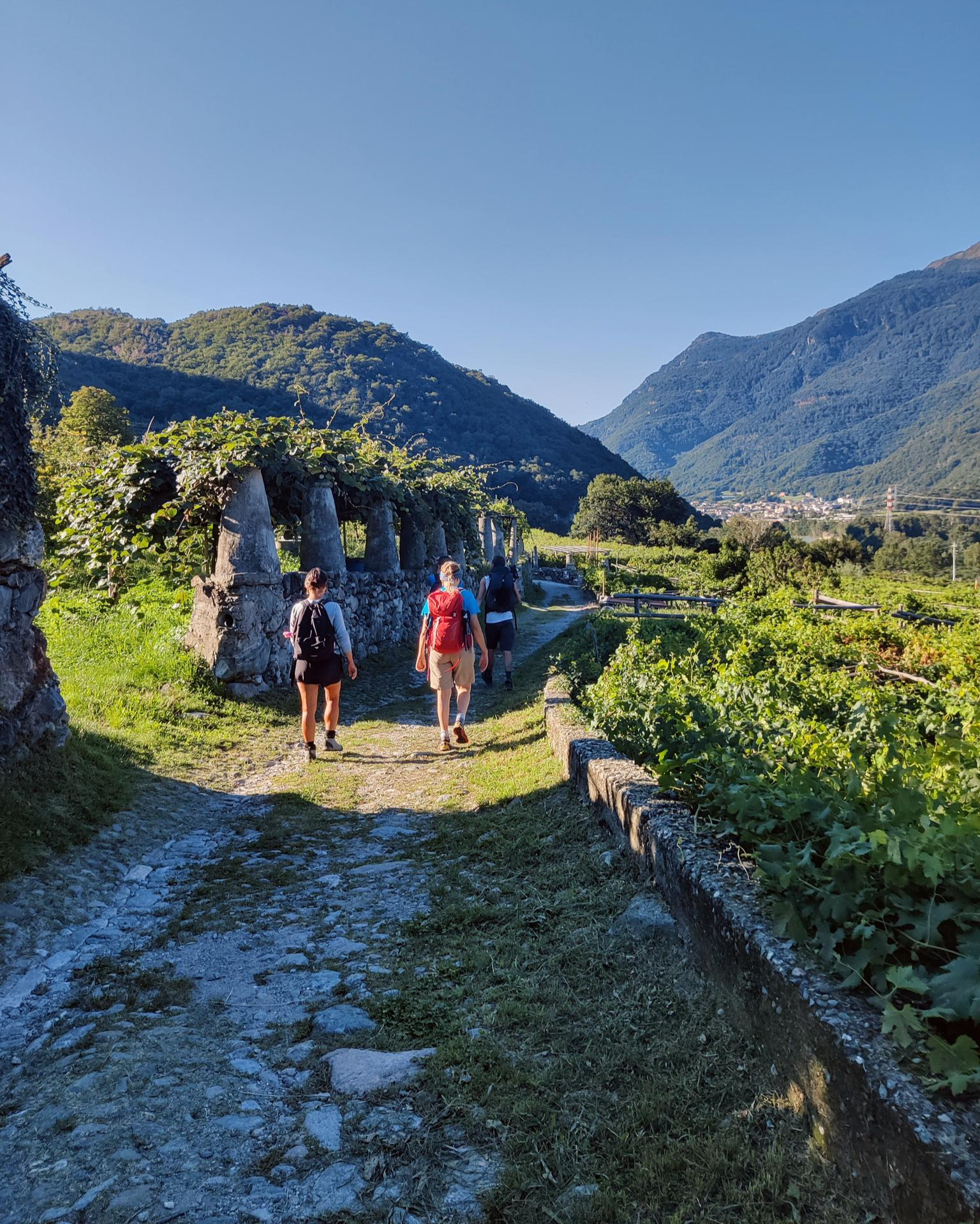
Piemont's Via Francigena
Other adventures in Italy


Tips from the Community

I wasn't expecting this waterfall and wonderful short climb. Great 😲
5
0

great varied hike with great views
5
0

Between Moso and San Leonardo in Passiria, the Passirio stream (Passer in German) forms a suggestive gorge near the hamlet of Plata. From here you can see it from above, while you can walk on an iron footbridge. It is a very suggestive walkway.
2
1

Beautiful hiking trail through the Rastenbach Gorge over many steps. Various viewpoints, waterfalls and a hiking trail along the stream make the effort worthwhile.
6
0

One of many vantage points with a fantastic view of the lake. The path through the gorge requires surefootedness and appropriate footwear. 🥾
4
1

Beautiful but here too I wouldn't just recommend flip flops!!
2
0

The path leads downhill via the stone-carved steps to the Schnuggenbach with its small waterfall. From now on, the path is flat and very comfortable along the Waal
10
1

Incredibly beautiful. Streams, a large waterfall. View of Lake Kaltern. Wonderful
3
2
Frequently Asked Questions
What are some of the most popular waterfalls in Italy?
Italy features a variety of impressive waterfalls. Among the most popular are the Rastenbach Gorge Waterfall, known for its spectacular and steep terrain, and the Parcines Waterfall (Partschinser Wasserfall), which boasts a powerful 97-meter drop and often displays rainbow colors. The Marmore Falls in Umbria, a significant man-made cascade, and the Cascate del Serio in Lombardy, Italy's tallest, are also highly regarded.
When is the best time to visit waterfalls in Italy?
The best time to visit many Italian waterfalls depends on their nature. For those with regulated flow like Cascate del Serio and Toce Waterfall, specific opening days, usually between June and October, are announced for their full display. Natural waterfalls like Parcines Waterfall are most impressive during snowmelt (May to July) or after heavy rains. Thermal waterfalls like those in Saturnia can be enjoyed year-round.
Are there family-friendly waterfalls in Italy?
Yes, several waterfalls in Italy are suitable for families. The First Reinbach Waterfall is part of a series of impressive cascades that are great for a family outing. The Cascate del Rio Verde in Abruzzo also offers a family-friendly hike of one to two hours. Additionally, the Passer Gorge, which includes waterfalls, is noted as a beautiful and family-friendly hiking route.
What kind of natural features can I expect to see around Italian waterfalls?
Italian waterfalls are often set within diverse natural landscapes. You can expect to see deep gorges like the Rastenbach Gorge, lush forests, and impressive rock formations. Many are located within national parks, offering rich biodiversity. Some, like the Waterfalls of Saturnia, feature unique thermal springs and natural pools, while others are fed by glaciers, creating powerful flows.
Are there any waterfalls in Italy with unique historical significance?
Yes, Italy has waterfalls with notable historical connections. The Marmore Falls in Umbria is a prime example, being one of Europe's tallest man-made waterfalls, created by ancient Romans in 271 BC. The Acquafraggia Falls in Valchiavenna were even admired and mentioned by Leonardo da Vinci in his 'Codex Atlanticus,' highlighting their long-standing appeal.
What outdoor activities can I do near these waterfalls?
Many waterfalls in Italy are excellent starting points for outdoor adventures. You can find numerous hiking opportunities, ranging from easy strolls to challenging treks. For instance, you can explore easy hikes in Italy or more extensive hiking trails. Some areas also offer gravel biking routes, such as those found in the gravel biking guides for Italy.
Are there any waterfalls located within towns or easily accessible urban areas?
The Cascate del Liri is unique as it is the only waterfall in Italy located directly within a town, flowing through Isola del Liri. This urban waterfall offers a distinctive natural spectacle in the heart of Ciociaria, making it easily accessible for visitors exploring the town.
What do visitors enjoy most about the waterfalls in Italy?
Visitors frequently praise the impressive power and beauty of the waterfalls, often describing them as spectacular natural monuments. Many appreciate the refreshing and cooling effect of the water, especially during summer. The surrounding trails and viewpoints, offering stunning vistas and a 'jungle feeling' in gorges like Rastenbachklamm, are also highly valued.
Are there any waterfalls in Italy known for therapeutic properties?
Yes, the Waterfalls of Saturnia, also known as Cascate del Mulino or Gorello, are famous for their warm, sulfurous thermal waters. These mineral-rich springs cascade into natural pools, and the waters are believed to have therapeutic benefits, drawing visitors seeking relaxation and rejuvenation.
Can I find less crowded waterfalls in the Italian Alps?
While some popular waterfalls can attract crowds, exploring areas like the Aurina Valley for the Riva Waterfalls or Val di Genova for the Nardis Waterfalls can offer a more serene experience. These are often set within natural parks, providing ample space and numerous trails to explore away from the busiest spots.
What should I wear for waterfall hikes in Italy?
For waterfall hikes, especially those that get you close to the cascades, it's advisable to wear waterproof or water-resistant clothing, including a rain jacket. Sturdy, non-slip hiking shoes are essential for navigating potentially wet and uneven terrain. Layers are also recommended as temperatures can vary, especially in gorges or shaded areas.
Are there waterfalls in Italy that are particularly impressive during snowmelt?
Yes, several waterfalls are at their most powerful during the snowmelt season. The Parcines Waterfall, for instance, exhibits its most significant water flow between May and July. Similarly, the Nardis Waterfalls, fed by glaciers in the Adamello Brenta Nature Park, are strongest during the spring snowmelt, offering a truly impressive sight.
Most popular routes in Italy
Most popular attractions in Italy

Get inspired with the komoot mobile app


Didn’t find what you were looking for?
Looking for more great places nearby? See even more amazing waterfalls in Italy with these guides per region:
Explore more
Happy to travel a little further afield? Then browse these guides for the best waterfalls in Italy:
