Top 20 Castles in Spain
Castles in Spain reflect a rich history shaped by diverse cultures, including Moorish influences and the Christian Reconquista. The country features thousands of fortresses, many strategically located on rocky outcrops, near mountains, or overlooking coastal areas. These structures showcase a blend of architectural styles, from Islamic artistry to Gothic and Romanesque designs. They stand as testaments to Spain's complex past and varied landscapes.
Best castles in Spain
- The most popular castles is Montgrí Castle, a castle that is a…
Last updated: October 9, 2026
Punta de n'Amer Castle
Highlight • Castle
Translated by Google •
Tip by

Punta de n'Amer
Highlight • Castle
Translated by Google •
Tip by
Sign up now to discover places like this
Get recommendations on the best single tracks, peaks, & plenty of other exciting outdoor places.
Alaró Castle
Highlight • Castle
Translated by Google •
Tip by

Alaró Castle
Highlight • Castle
Translated by Google •
Tip by

The Alcazaba of Málaga and the Roman Theatre
Highlight • Historical Site
Translated by Google •
Tip by

Sanctuary of Sant Salvador de Artà
Highlight • Religious Site
Translated by Google •
Tip by

Vila Vella Fortress, Tossa de Mar
Highlight • Castle
Translated by Google •
Tip by

Montgrí Castle
Highlight • Castle
Translated by Google •
Tip by

San Nicolás Viewpoint
Highlight • Viewpoint
Translated by Google •
Tip by
The Royal Palace of Madrid
Highlight • Historical Site
Translated by Google •
Tip by

Sign up for free to discover even more castles in Spain.
Already have an account?
Start today with a free account
Your next adventure awaits.
Popular around Spain
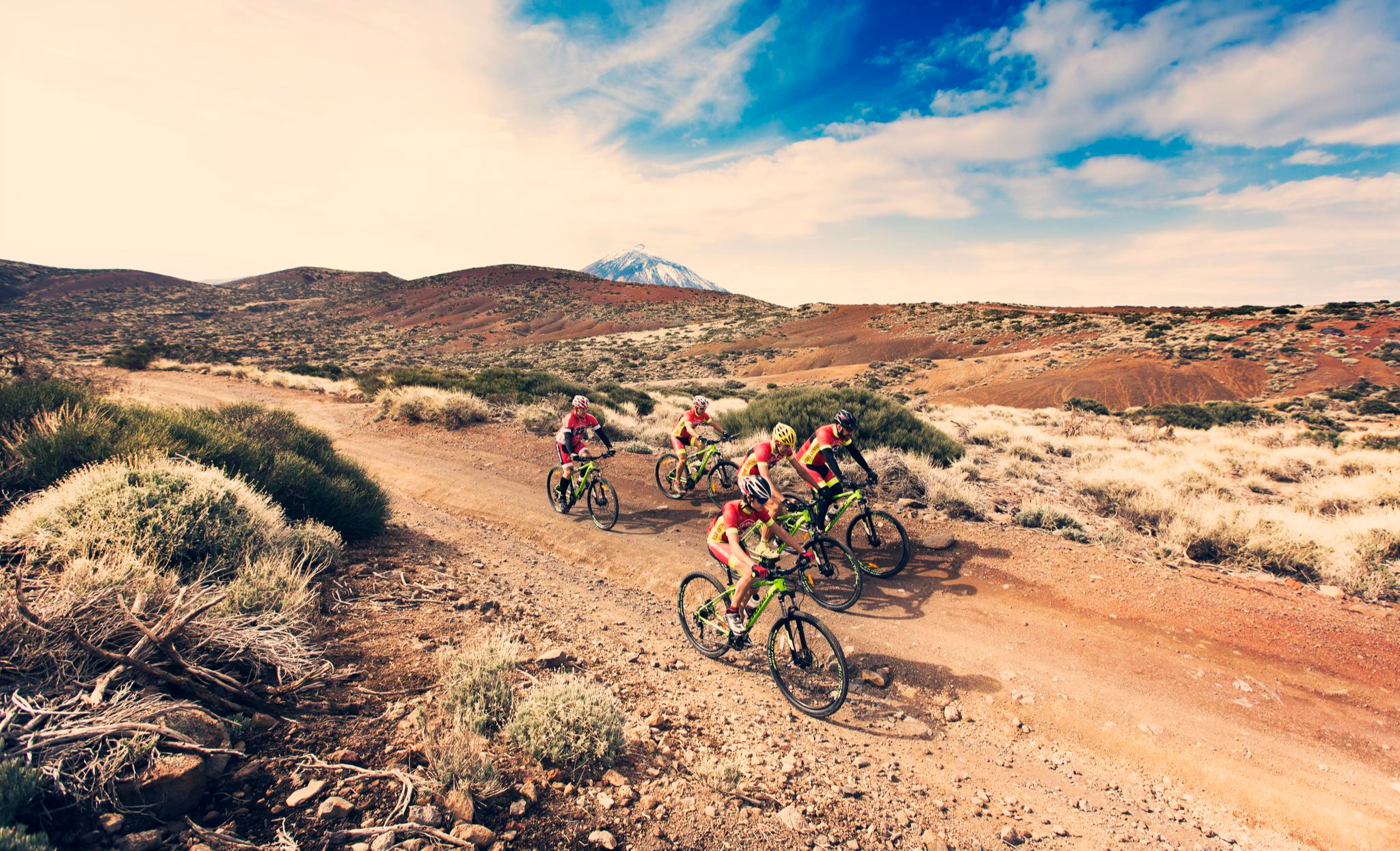
Mountain biking through the wild heart of Tenerife
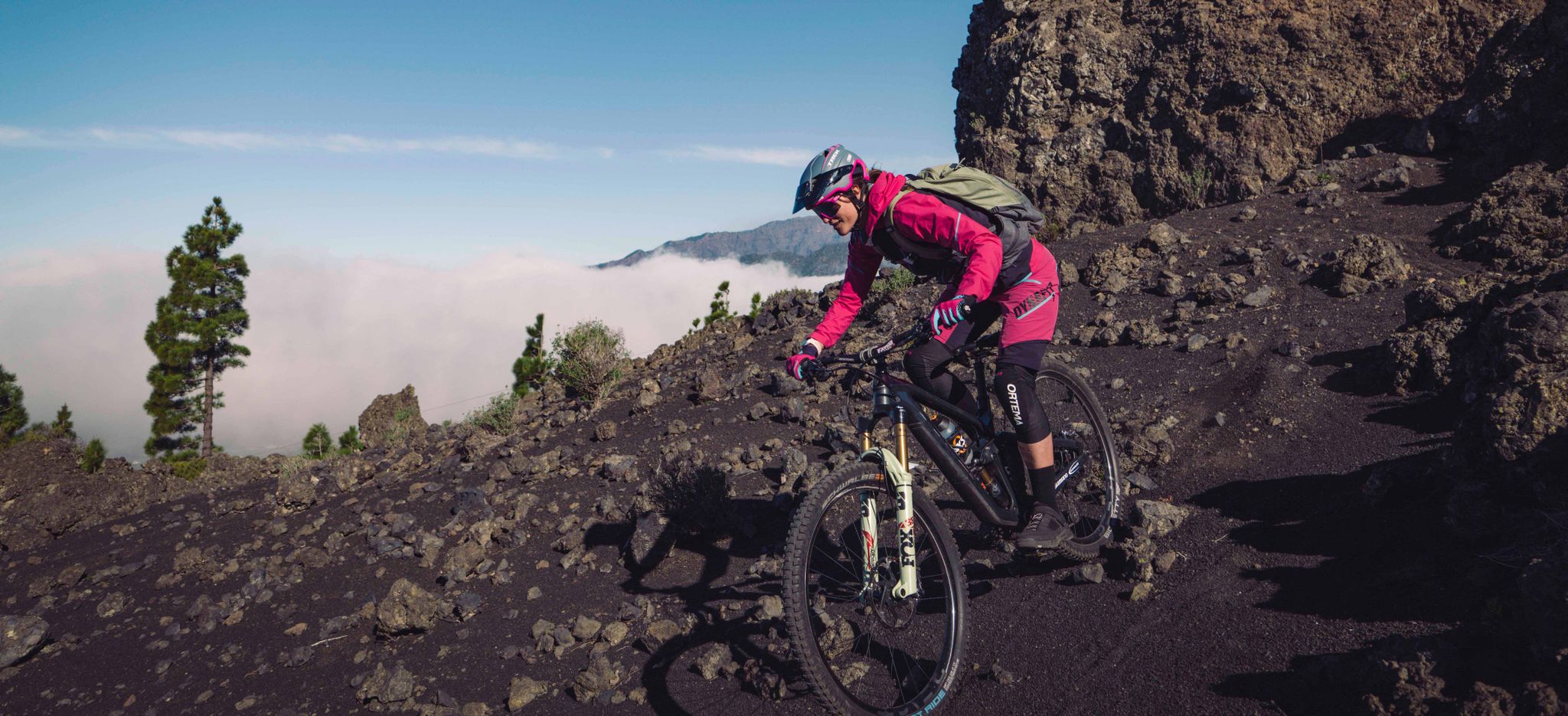
La Palma – my favourite Tours on the Canary Islands’ Isla Bonita

Triathlon 360 – my journey around the world
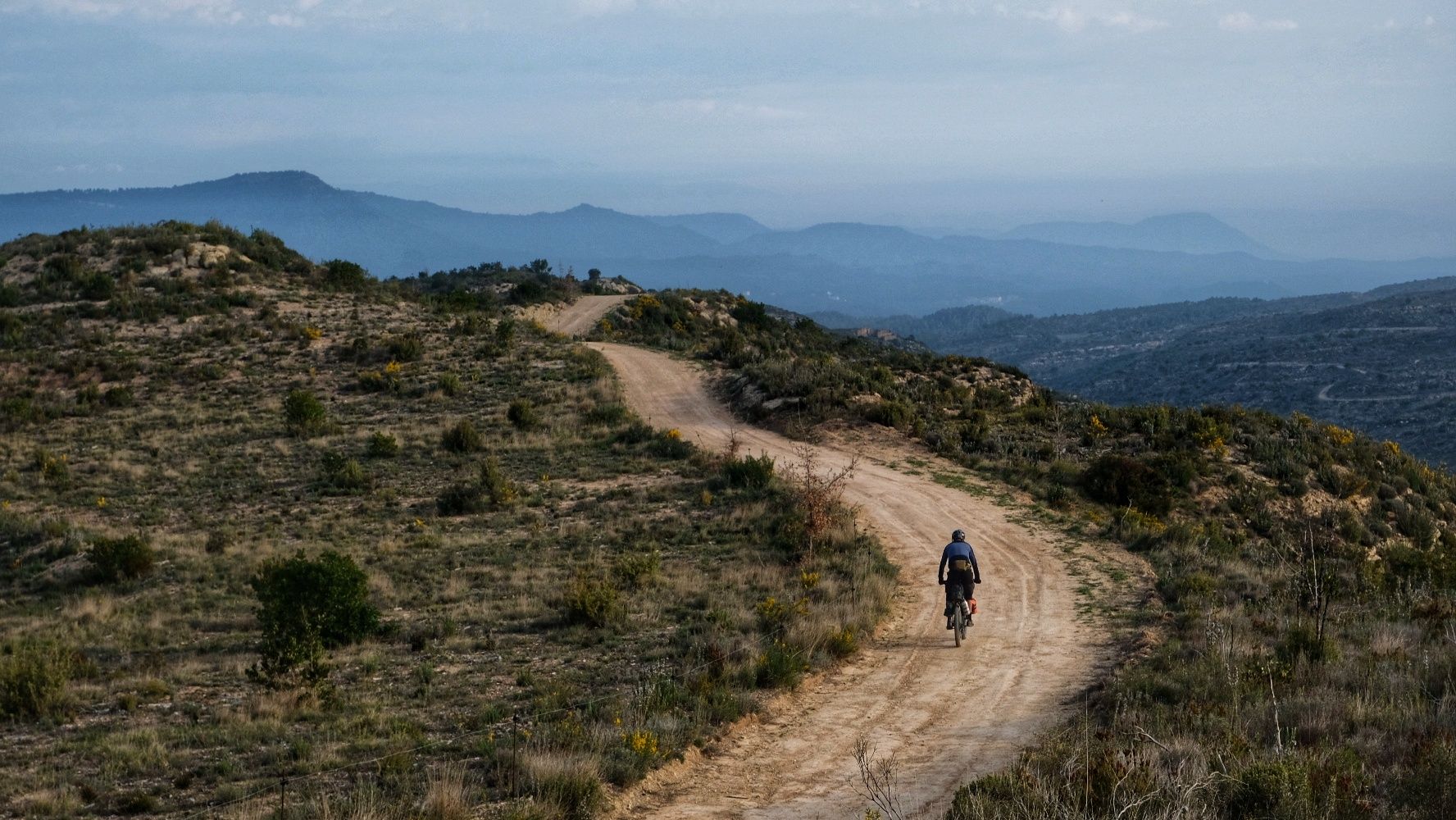
European Divide Trail — 7,600 km across the continent
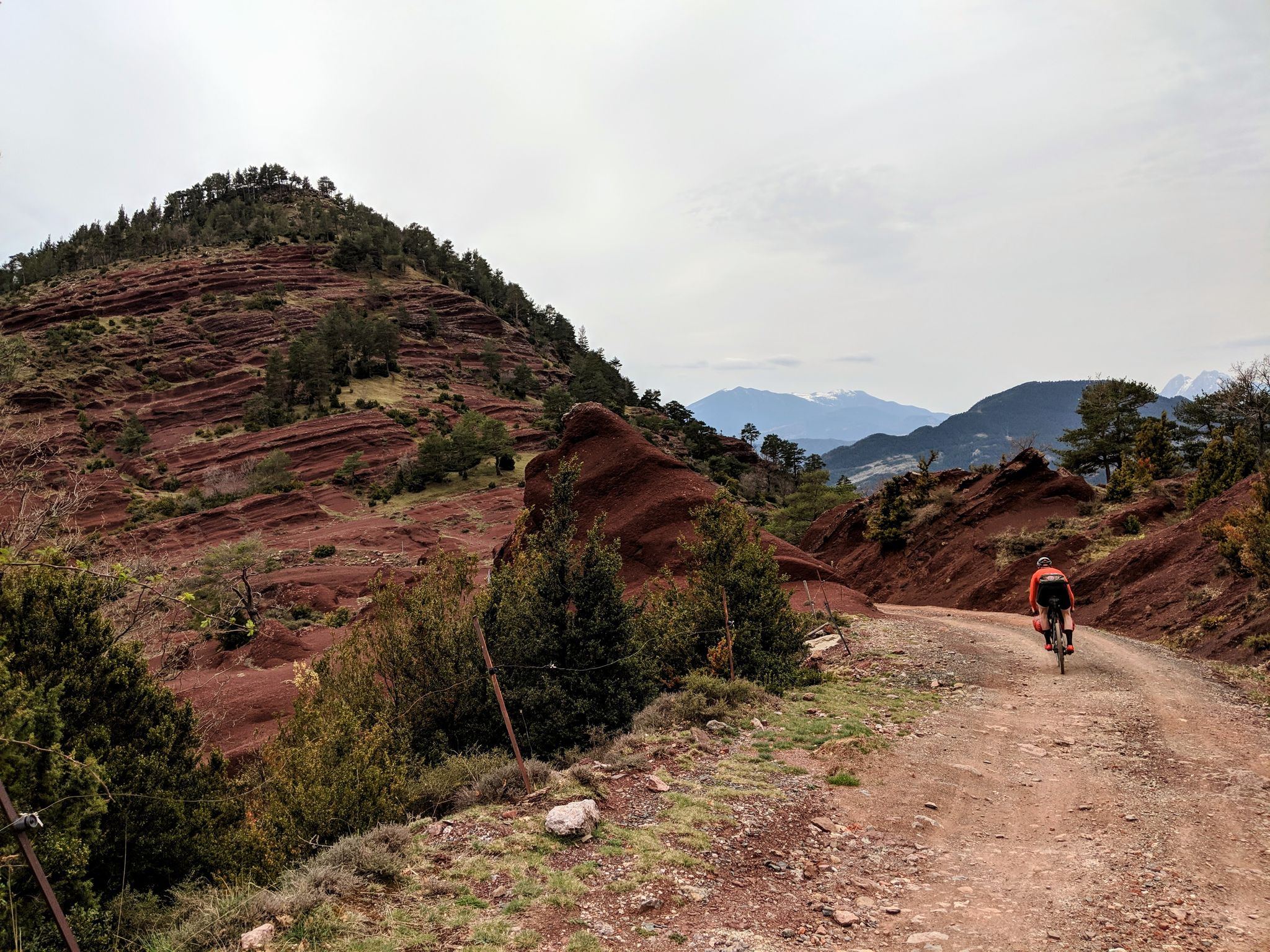
Catalunya Trail — Bikepacking in the Pyrenees
Camino Francés and Camino Finisterre – Cycling pilgrimages in Spain
Sulayr Trail (GR 240) — 300 kilometers in the mountain of the sun
MTB Transhumance — Cañada Real Soriana Occidental
Grand Tour of Catalonia Gravel – your bikepacking adventure
GR 238 Tierra del Vino - A journey on foot through lands of silence
Other adventures in Spain


Tips from the Community

Recorded on October 8, 2026 after the very severe storm and heavy rain
0
0

From afar, the church of Sant Salvador de Artà with its fortress wall can be seen on the mountain. The old town is also very impressive.
5
0

Nasrid origin (11th century): it served the old Azitini Mosque and was supplied by the Aynadamar irrigation ditch, a sophisticated Andalusian hydraulic system. Christian reconstruction (17th century): on top of the original Muslim cistern, next to the current Church of San Nicolás. The current structure dates from 1646 according to Henríquez de Jorquera.
9
0

The Torre d'Homenatge is the most striking surviving tower of the Castell d'Alaró on Mallorca. Dating from the early 14th century, it was completed between 1319 and 1320 and served as the main entrance to the castle. It was also the residence of the Castellan, the commander of the fortress. The tower is particularly windy and exposed on the ridge of the castle complex. Hikers who spend a long time there, especially during cool winds from the north or west, are prone to chills. This gave rise to the local joke that one "catches a cold" there, which is why the tower is popularly known as "es Constipador."
2
1

Also called "the cold gate" because many sweaty people cool off in the wind under the tower ;-)
1
0

The Alcazaba of Malaga is an imposing 11th-century Moorish fortress that towers majestically over the city; with its graceful arches, opulent courtyards and winding pathways, it offers an enchanting blend of Islamic architecture and history, while its strategic position on Gibralfaro Hill not only served as a defence but now also offers breathtaking panoramic views over the glittering Mediterranean Sea and the bustling city below, making it an unmissable destination for anyone wanting to experience Malaga's rich cultural heritage.
8
0

The Alcazaba is a palatial fortress built during the Muslim Al-Andalus period. Construction of the current complex began in the 11th century and was altered or rebuilt several times until the 14th century. It is one of the best-preserved alcazabas in Spain. The Alcazaba is also connected to the higher-lying Gibralfaro Castle by a walled corridor, and next to the Alcazaba entrance are the remains of a Roman theater dating back to the 1st century AD. Opening hours: November 1 to March 31: 9:00 a.m. to 6:00 p.m. - last entry at 5:15 p.m. April 1 to October 31: 9:00 a.m. to 8:00 p.m. - last entry at 7:15 p.m. Bicycles must be parked and locked in advance; bicycles cannot be taken inside. Further information at: https://en.wikipedia.org/wiki/Alcazaba_of_Málaga https://alcazabaygibralfaro.malaga.eu/de/visitas/alcazaba/ https://en.wikipedia.org/wiki/Alcazaba_of_Málaga
12
0
The Roman Theatre of Malaga is the most important surviving evidence of the Roman era in Malaga and is located at the foot of the Cerro de la Alcazaba, right in the centre of the city. After being buried under the ground for centuries and covered with buildings, it was rediscovered during construction work in 1951. It was built in the first century AD during the reign of Emperor Augustus. The theatre was used until the third century. The Arabs used parts of the theatre to build their Alcazaba fortress. For example, column shafts and column capitals were used to support the horseshoe arches of the portals. Next to the site there is also an interpretation centre where you can learn about the life and customs of this era using new technologies.
11
0
Frequently Asked Questions
Which castles in Spain are particularly family-friendly?
Several castles in Spain offer a great experience for families. For instance, Punta de n'Amer Castle on Mallorca is a 17th-century fortified tower with an outbuilding that now houses a restaurant, making it convenient for a family outing. The Alcazaba of Málaga and the Roman Theatre are also listed as family-friendly, offering historical exploration. Additionally, the Vila Vella Fortress in Tossa de Mar provides well-preserved old town streets and defense towers that can be engaging for all ages. The Royal Palace of Madrid is also a family-friendly historical site.
Are there castles in Spain known for their unique architectural styles?
Absolutely. Spain's castles showcase a rich blend of architectural styles reflecting its diverse history. The Alhambra in Granada is a pinnacle of Islamic architecture, renowned for its delicate carvings, intricate tilework, and lush courtyards. Coca Castle in Segovia is a striking example of Spanish Mudéjar brickwork, blending Islamic artistry with Gothic architecture, and is unique for being built entirely of brick. Bellver Castle on Mallorca stands out as Europe's oldest circular Gothic castle, offering a distinctive design.
What kind of historical significance do Spain's castles hold?
Spain's castles are steeped in history, reflecting periods from Moorish rule to the Christian Reconquista. The Alcázar of Segovia, for example, was originally an 11th-century Muslim fortress later expanded by Christian kings. Loarre Castle, one of Europe's best-preserved Romanesque castles, played a critical role as a military outpost during the Reconquest. Ponferrada Castle was built by the Knights Templar along the Camino de Santiago, offering a glimpse into the history of chivalry. These structures are testaments to centuries of conflict, royalty, and cultural exchange.
Which castles offer impressive panoramic views?
Many Spanish castles are strategically located to provide breathtaking views. The Alcázar of Segovia offers panoramic views of the city and its surroundings from its towers. The Alhambra in Granada provides stunning vistas of the Sierra Nevada mountains. From Montgrí Castle, you can enjoy wide views over the Alt- and Baix Empordà regions, including the Mediterranean Sea. Bellver Castle on Mallorca offers splendid views of Palma Bay and the Mediterranean.
Are there castles in Spain that are less crowded or considered hidden gems?
While the most famous castles attract many visitors, Spain has numerous less crowded options. Coca Castle, with its distinctive Mudéjar architecture, is celebrated but often less frequented than the Alcázar of Segovia. Loarre Castle in Huesca, despite its historical significance and excellent preservation, offers a more serene experience. The Palace of the King of Navarre in Olite and Cardona Castle outside Barcelona are also notable for their grandeur without the overwhelming crowds of some larger sites.
What outdoor activities can I do near castles in Spain?
Many castles are situated in regions perfect for outdoor activities. For instance, you can find numerous hiking opportunities across Spain, with routes like the challenging Talaia d'Alcúdia and Penya des Migdia Loop or the moderate Cala Bóquer via the Portell de Sementer. For mountain biking enthusiasts, there are trails such as the Corralejo North Coast and Volcanoes Loop. You can explore more options for hiking and mountain biking near castles by visiting the Hiking in Spain or MTB Trails in Spain guides.
Are there castles near Barcelona that are worth visiting?
Yes, if you're near Barcelona, Vila Vella Fortress in Tossa de Mar is a well-preserved medieval walled town right on the coast, offering beautiful views and charming streets. Further afield, Cardona Castle, a medieval stronghold from the 9th century, provides panoramic views and a deep dive into Catalonia's history.
What is the best time of year to visit castles in Spain?
The best time to visit castles in Spain generally depends on the region and your preference for weather. Spring (April-May) and autumn (September-October) offer pleasant temperatures, making it ideal for exploring outdoor castle grounds and avoiding the intense summer heat, especially in southern Spain. These seasons also tend to be less crowded than peak summer months. Some castles, particularly those in more temperate regions, remain open in winter, offering a unique, quieter experience.
Can I find cafes or restaurants near Spanish castles?
Yes, many castles, especially popular ones, have amenities nearby. For example, Punta de n'Amer Castle includes an outbuilding with a restaurant. In larger cities or towns hosting castles, you'll often find a variety of cafes and restaurants within walking distance, allowing you to enjoy local cuisine after your visit.
Which castles are known for their unique natural settings?
Many castles in Spain are integrated into stunning natural landscapes. The Alcázar of Segovia is dramatically perched on a rocky outcrop where two rivers meet. Loarre Castle is strategically located in the southern foothills of the Pyrenees, commanding impressive views. Punta de n'Amer Castle is situated on a peninsula that is a nature reserve, offering a blend of historical exploration and natural beauty.
What do visitors enjoy most about the castles in Spain?
Visitors frequently appreciate the rich history and diverse architectural styles, from the Islamic artistry of the Alhambra to the Gothic designs of Bellver Castle. The stunning panoramic views from locations like Montgrí Castle and the Alcázar of Segovia are also highly praised. Many enjoy the well-preserved nature of sites like Loarre Castle and the unique charm of places like Vila Vella Fortress, which invite exploration of their small streets and historical details.
Are there any castles in Spain that have been featured in films or TV shows?
Yes, some Spanish castles have gained international recognition through their appearances in media. Loarre Castle, for instance, was a filming location for Ridley Scott's "Kingdom of Heaven." Almodóvar del Río Castle in Córdoba, an 8th-century Muslim-built fortress, even served as a filming location for "Game of Thrones," adding another layer of appeal for visitors.
Most popular routes in Spain
Most popular attractions in Spain

Get inspired with the komoot mobile app


Didn’t find what you were looking for?
Explore Spain’s best castles region by region:
Explore more
Looking for the best castles somewhere else? Discover other guides in Spain:
