Top 20 Waterfalls in Spain
Waterfalls in Spain are found across diverse landscapes, from the Pyrenees to the Canary Islands. The country's varied geography, including mountain ranges and river systems, creates numerous opportunities for natural cascades. These locations often feature unique geological formations and provide access to natural areas. Spain offers a range of waterfall experiences, from towering drops to multi-tiered systems and unique colored falls.
Best waterfalls in Spain
- The most popular waterfalls is Los Cahorros Gorge, Monachil, a gorge with waterfalls and hanging bridges. This route offers an attractive path through a narrow gorge with refreshing riverside landscapes.
- Another must-see spot is Arure Waterfall, a natural monument with an approximate 15-meter drop. The path to this waterfall runs in the shade, following the watercourse.
- Visitors also love Waterfall in Barranco de Arure, a challenging waterfall route. This adventurous route through reeds and along the stream is suitable for hot days as the barranco has water year-round.
- Spain is known for towering cascades, multi-tiered systems, and unique colored waterfalls. These natural features offer a variety of experiences for exploration.
- The waterfalls in Spain are appreciated by the komoot community, with over 1126 upvotes and 1173 photos shared across more than 848 highlights.
Last updated: October 9, 2026
New Bridge
Highlight • Bridge
Showing Translation
Tip by

Arure Waterfall
Highlight • Waterfall
Translated by Google •
Tip by

Sign up now to discover places like this
Get recommendations on the best single tracks, peaks, & plenty of other exciting outdoor places.
Short climbing passage in the Barranco de Arure
Highlight • Waterfall
Translated by Google •
Tip by

Garganta de Los Cahorros de Monachil
Highlight • Gorge
Tip by

Barranco de Arure
Highlight (Segment) • Gorge
Tip by
Small Waterfall
Highlight • Waterfall
Tip: wear a raincoat so that the humidity of the humid bioclimate does not penetrate your body in case you stay for a while to enjoy nature.
Translated by Google •
Tip by

Hanging Bridge of Los Cahorros
Highlight • Bridge
If you ever have the chance to visit Los Cahorros, be sure to cross this impressive suspension bridge. The photos you take there will be unforgettable!
Translated by Google •
Tip by

Large Waterfall
Highlight • Waterfall
There is a path that continues up the ravine and passes more waterfalls, but it is closed due to the danger of landslides.
Translated by Google •
Tip by

Ruiz Gorge Trail
Highlight (Segment) • Trail
Translated by Google •
Tip by

Colorful Waterfall
Highlight • Waterfall
Best of all, the Cascade de Colores is the destination of a very nice walk through a Barranco.
Translated by Google •
Tip by

Sign up for free to discover even more waterfalls in Spain.
Already have an account?
Start today with a free account
Your next adventure awaits.
Popular around Spain
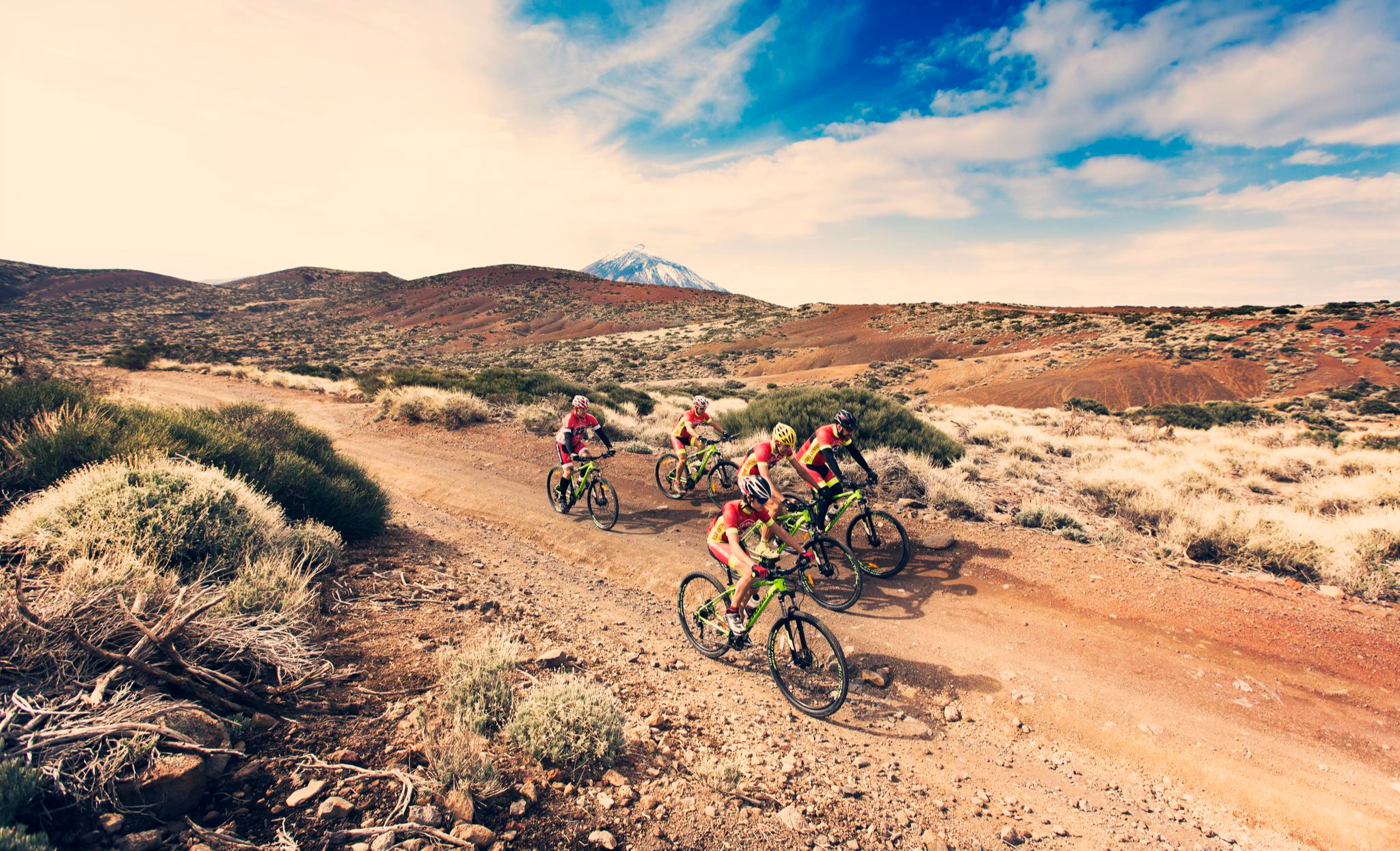
Mountain biking through the wild heart of Tenerife
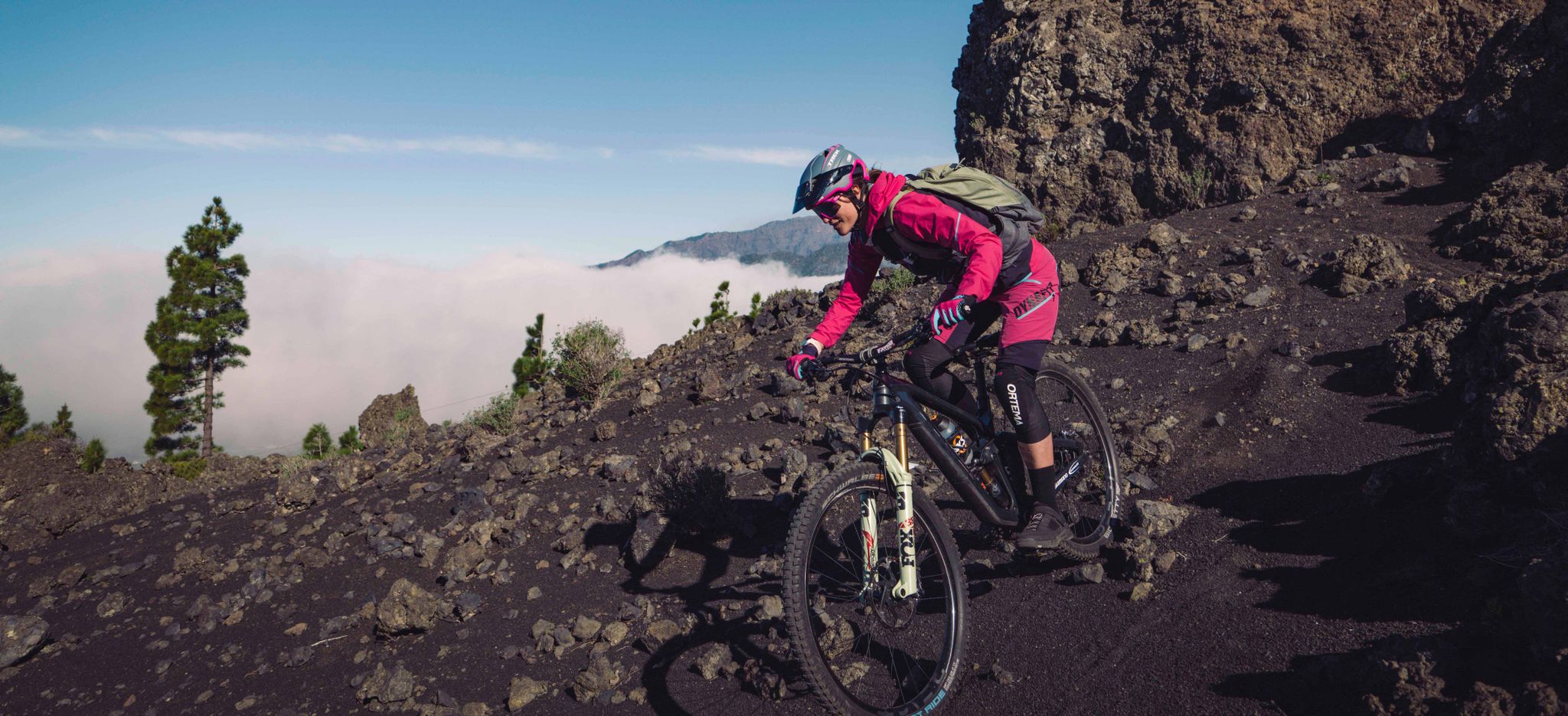
La Palma – my favourite Tours on the Canary Islands’ Isla Bonita

Triathlon 360 – my journey around the world
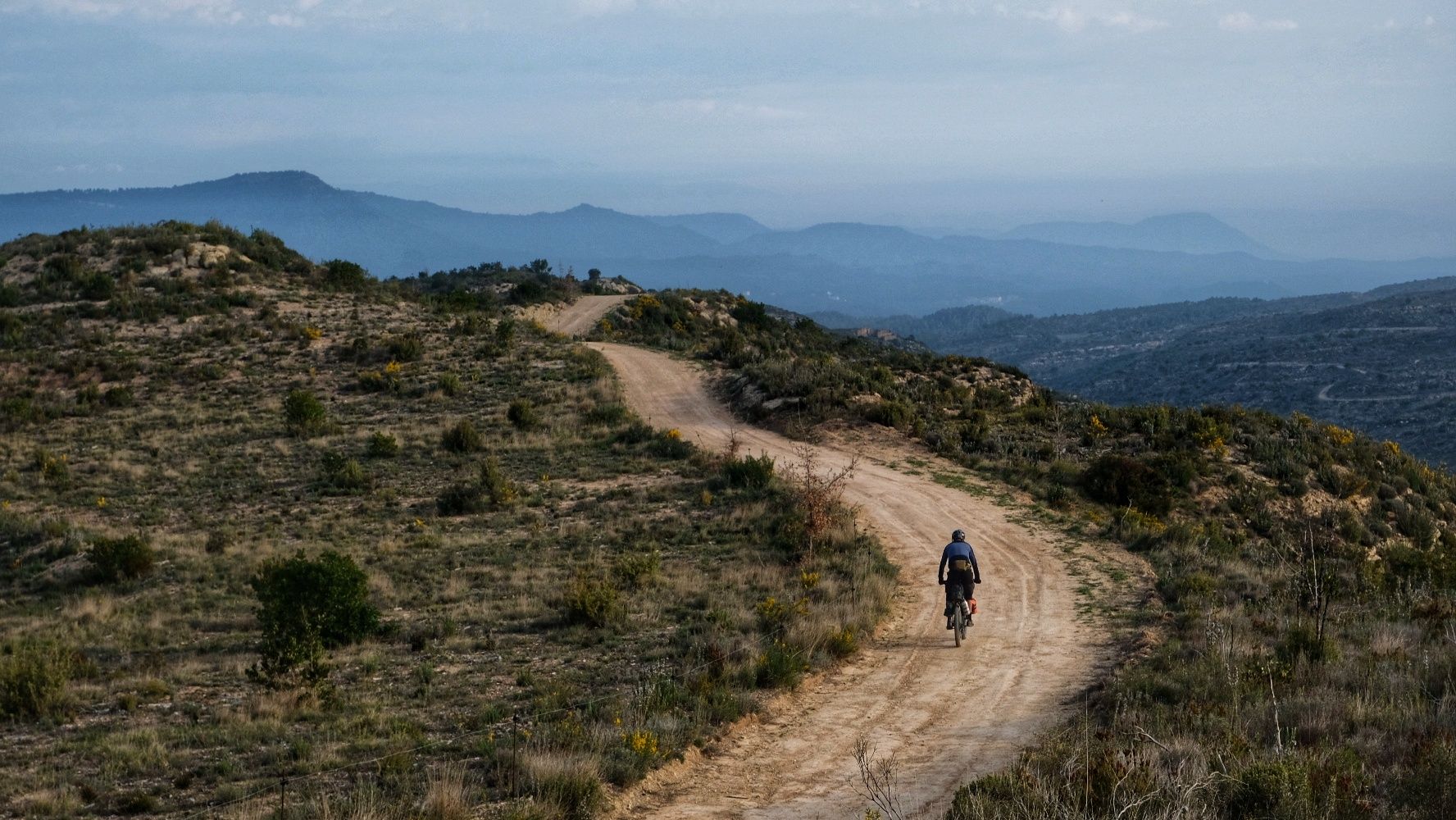
European Divide Trail — 7,600 km across the continent
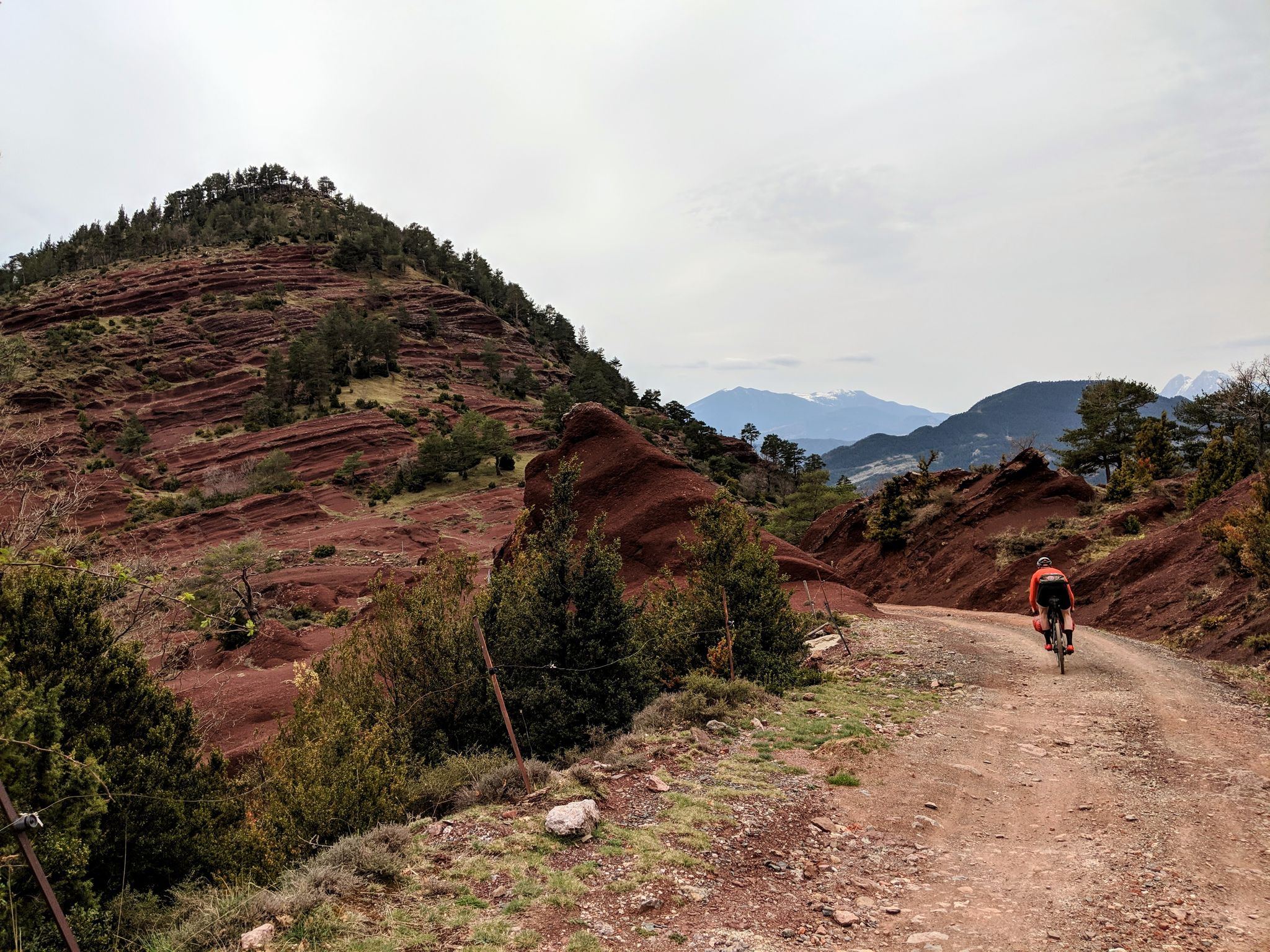
Catalunya Trail — Bikepacking in the Pyrenees
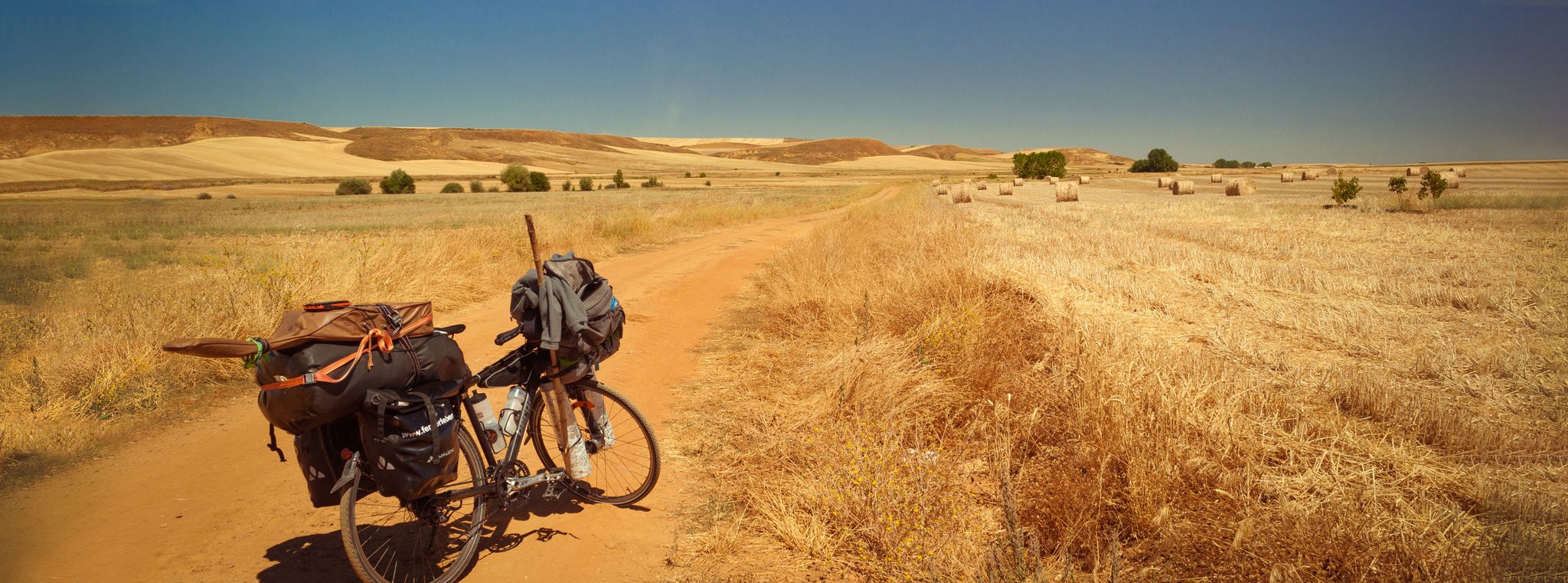
Camino Francés and Camino Finisterre – Cycling pilgrimages in Spain
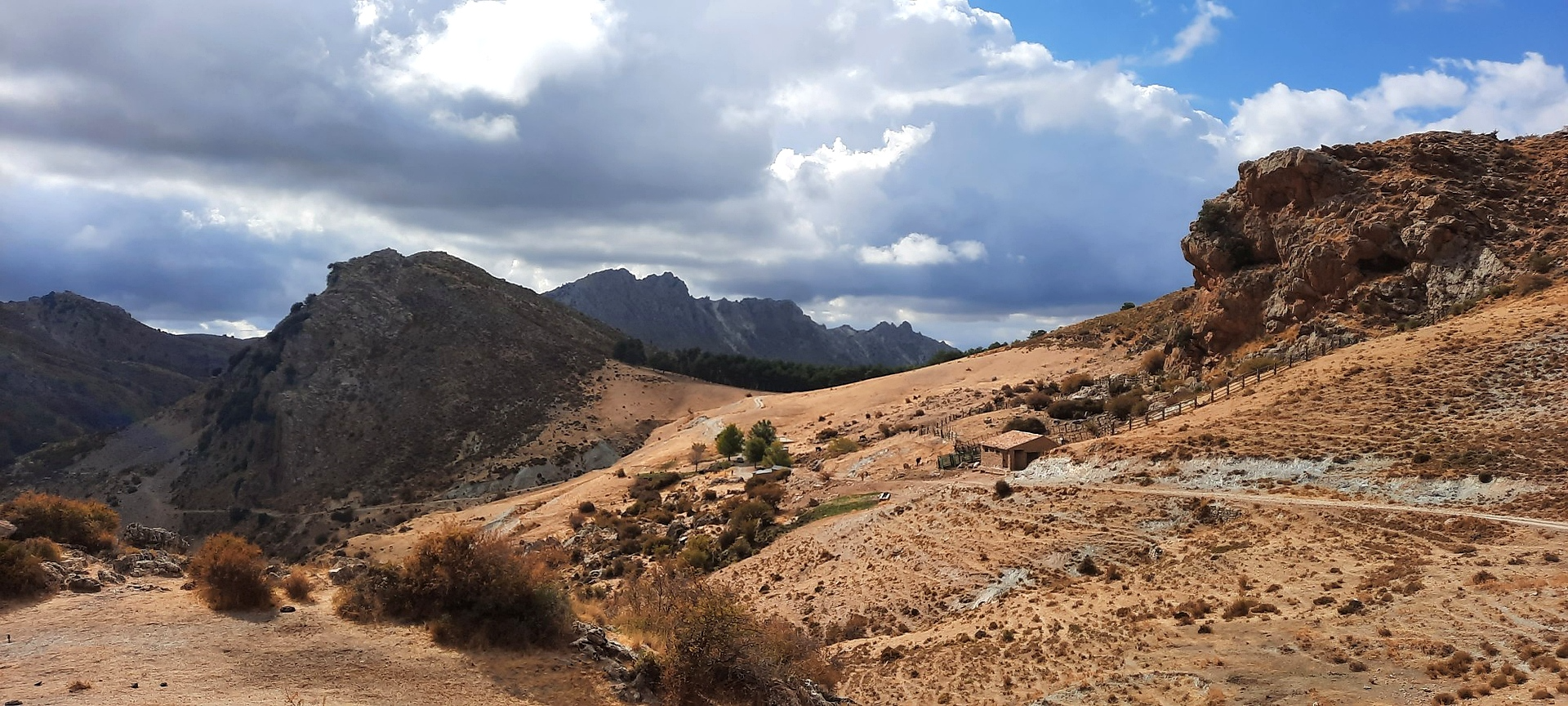
Sulayr Trail (GR 240) — 300 kilometers in the mountain of the sun
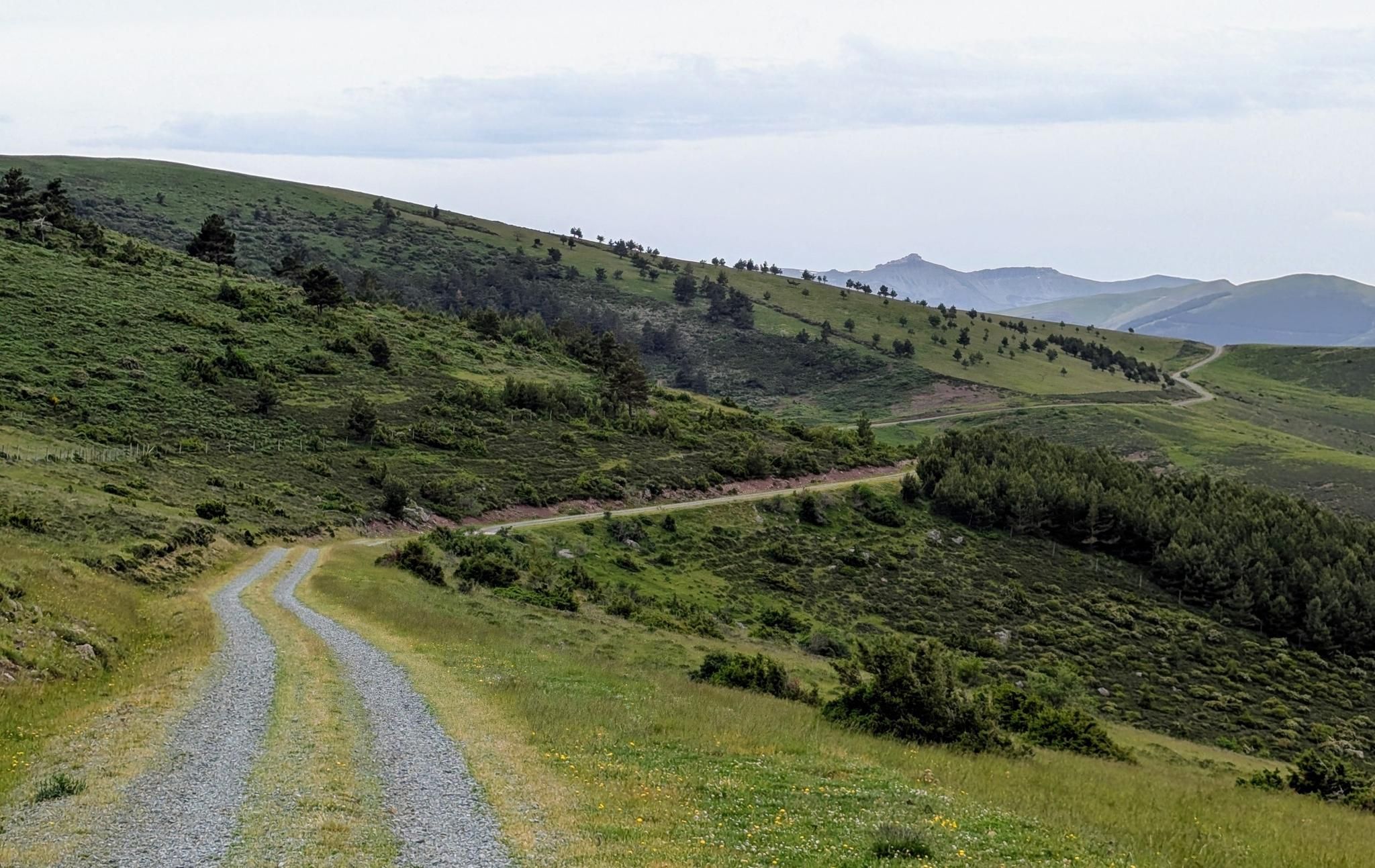
MTB Transhumance — Cañada Real Soriana Occidental
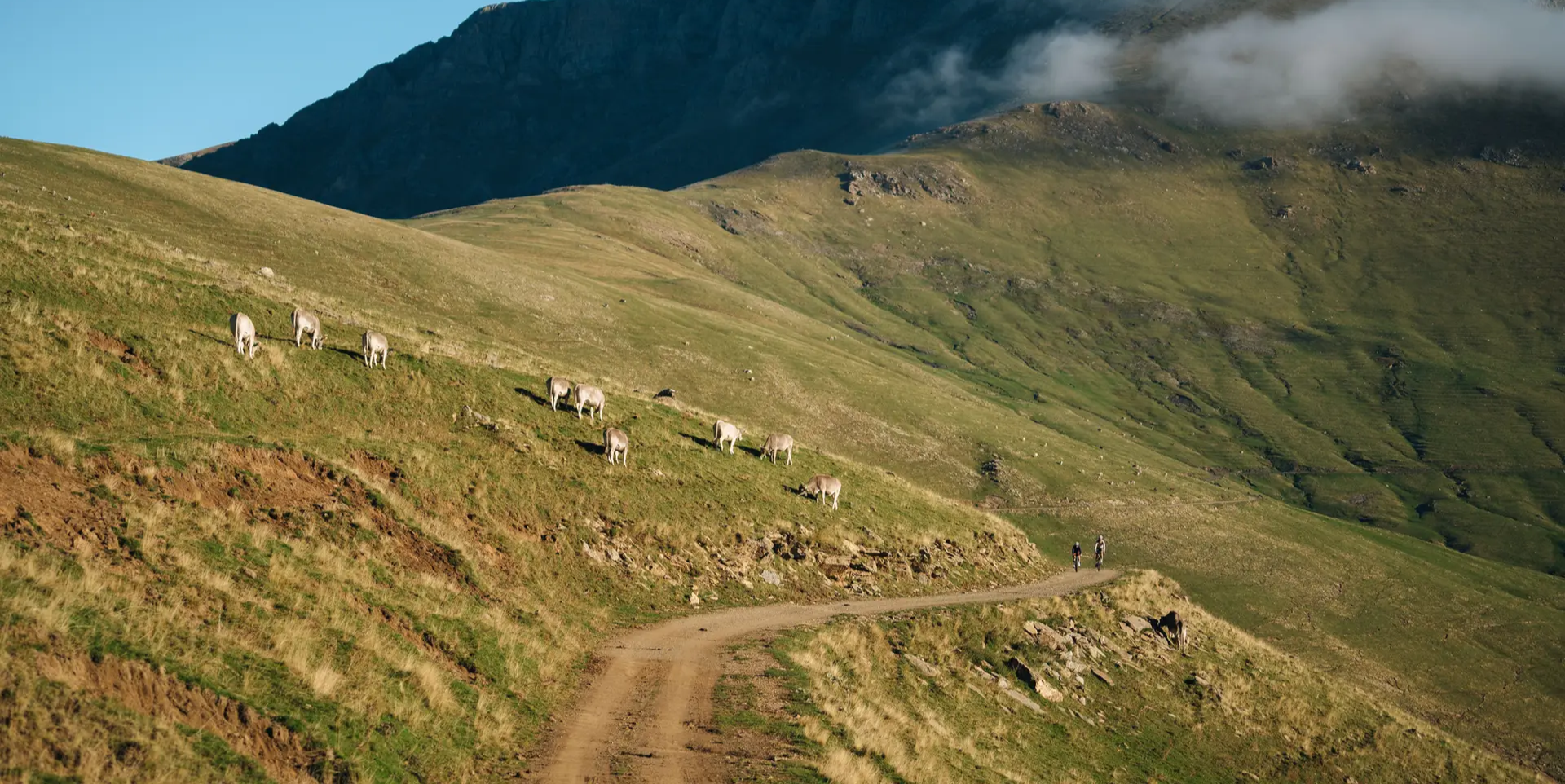
Grand Tour of Catalonia Gravel – your bikepacking adventure
GR 238 Tierra del Vino - A journey on foot through lands of silence
Other adventures in Spain


Tips from the Community

The path is currently closed when coming from above. It's probably not closed when coming from below.
0
0

A stunning waterfall and the hiking trail leading there. Highly recommended.
4
1

In August, the water is low, so you can sometimes take refuge at the edge of the riverbed 😉
3
0

Great tour. But sturdy shoes and a bit of a thrill are a must!😅😀
1
1


The 10.6 km loop is not recommended! The description says it takes 3-4 hours, but it took us over 6 hours and we still didn't finish. The entire trail is difficult to find. This is an extremely difficult tour with many climbing sections. Not for those with a fear of heights! We strongly advise against the "10.6 km" tour.
0
1

Very nice walk through a valley where a path winds through. A small canal drains the water that flows down from the waterfalls. Recommended.
0
0

From the new bridge there is a good view of Puente Viejo: an old stone bridge that is one of three bridges that spans the deep Tajo de Ronda gorge with the Guadalevín river in it.
19
1
Frequently Asked Questions
What are some of the most unique or impressive waterfalls to visit in Spain?
Spain offers a diverse range of waterfalls. For sheer height, the Salto del Nervión in the Basque Country/Burgos is the highest in Spain, with a drop of over 270 meters. The Cola de Caballo in Ordesa y Monte Perdido National Park is iconic for its shape and the stunning hike to reach it. For a truly unique experience, the Cascada de los Colores in La Palma features vibrant natural shades due to dissolved minerals. You can also explore the numerous cascades within the historic grounds of Monasterio de Piedra in Zaragoza.
Are there any waterfalls in Spain that are particularly suitable for families with children?
Yes, several waterfalls in Spain are great for families. The Los Cahorros Gorge, Monachil, near Granada, is popular for its hanging bridges, refreshing riverside landscapes, and rock pools suitable for swimming. The Hanging Bridge of Los Cahorros specifically is noted as family-friendly. The Fonts de l'Algar in Alicante also offers natural pools perfect for swimming and is a popular family destination. Additionally, the Cascada del Cimbarra in Jaén provides an opportunity for a family excursion combining natural beauty with historical insights.
What is the best time of year to visit waterfalls in Spain?
The best time to visit most waterfalls in Spain is typically after heavy rains or during the spring thaw (late winter to spring). This ensures the highest water flow, making the cascades more spectacular. For example, Salto del Nervión is best visited when water levels are high, as it can sometimes dry up in summer. Summer can be a good time for waterfalls with swimming opportunities, like Fonts de l'Algar or Cascada del Diablo, but some falls might have reduced flow.
What kind of hiking experiences can I expect around Spanish waterfalls?
Hiking near Spanish waterfalls ranges from easy strolls to challenging treks. For instance, the route to Arure Waterfall offers a shaded path along the watercourse. The Waterfall in Barranco de Arure provides a more adventurous route through reeds and along the stream, sometimes requiring balancing over rocks. The trek to Cola de Caballo is a famous hike in Spain, offering spectacular views and passing several other waterfalls. Many routes, like those near Pozo de los Humos, are short and simple.
Are there opportunities for wild swimming or bathing near waterfalls in Spain?
Yes, several waterfall locations in Spain offer opportunities for wild swimming or bathing. The Fonts de l'Algar near Benidorm is renowned for its natural pools where visitors can swim. The Cascada del Diablo in Extremadura forms 'marmitas de gigante' (giant's kettles) at its base that are suitable for bathing in the summer. Additionally, the Los Cahorros Gorge, Monachil, features rock pools perfect for a refreshing dip.
What are some notable natural features or landmarks near Spanish waterfalls?
Many waterfalls are nestled within stunning natural landscapes. Near Salto del Nervión, you'll find the Sierra de Orduña natural park and panoramic views of the Orduña Valley from Mount Santiago. The Cola de Caballo is located within the UNESCO World Heritage site of Ordesa y Monte Perdido National Park. The Cascada del Cimbarra is part of the Despeñaperros Natural Park, an area rich in natural and historical value, including cave paintings. The Pozo de los Humos is situated in the Arribes del Duero nature reserve, known for its dramatic river canyons.
What outdoor activities can I do near waterfalls in Spain?
Beyond hiking to the waterfalls themselves, Spain offers a wide range of outdoor activities. You can find numerous hiking trails, including challenging routes like the Cola de Caballo via the Soaso Steps. For those who enjoy cycling, there are many cycling routes across the country, from coastal rides to mountain ascents. Running trails are also popular, such as the scenic routes in Valencia or along the coast.
Are there any waterfalls in Spain that are easily accessible or have good viewpoints?
Yes, many waterfalls offer good accessibility and dedicated viewpoints. For instance, Salto del Nervión has a specially designed viewpoint to observe its impressive drop. The Cascada del Diablo features a viewpoint at its highest part, offering panoramic views. While some require a hike, the paths to waterfalls like Arure Waterfall are generally well-maintained, making them accessible for many visitors.
What makes the Monasterio de Piedra waterfalls unique?
The Monasterio de Piedra in Zaragoza is unique because it's a natural park with an abundance of waterfalls and caves, all set within the grounds of an ancient monastery founded in 1194. Visitors can explore numerous cascades, enchanting gardens, and ancient castle ruins, offering a full day of exploration that combines natural beauty with historical and architectural interest.
Which waterfall in Spain is known for its width rather than its height?
The Cascada de Pedrosa de Tobalina in Burgos is notable for its impressive width, spanning over 100 meters, creating a wide curtain of water. While its height is a more modest 12 meters, its expansive flow makes it a striking and serene sight, popular for refreshing dips in the summer.
What do visitors particularly enjoy about the Los Cahorros Gorge and its waterfalls?
Visitors to Los Cahorros Gorge, Monachil, particularly enjoy the attractive route through the narrow gorge, which features refreshing riverside landscapes, multiple hanging bridges, and small waterfalls. The area also offers rock pools for swimming and narrow caves and tunnels to explore, making it an engaging and adventurous experience for many.
Most popular routes in Spain
Most popular attractions in Spain

Get inspired with the komoot mobile app


Didn’t find what you were looking for?
Looking for more great places nearby? See even more amazing waterfalls in Spain with these guides per region:
Explore more
Happy to travel a little further afield? Then browse these guides for the best waterfalls in Spain:
