Top 20 Caves in St. Gallen
Best caves in St. Gallen are found within a diverse landscape featuring river valleys, alpine foothills, and the Rhine Valley. This Swiss canton offers a range of natural formations, from deep gorges carved by rivers to historical cave sites. The region's geology contributes to unique subterranean experiences, including crystal formations and waterfall-fed grottoes. St. Gallen provides opportunities for exploring natural monuments and historical sites with cave elements.
Best caves in St. Gallen
- The most popular caves is Brudertobel Cave with Waterfall, a cave that features an imposing cave with a waterfall. Visitors describe it as worth seeing and experiencing, with a popular fireplace inside.
- Another must-see spot is Ofenloch Gorge, a gorge with deep gorges, caves, and waterfalls. Visitors can expect spectacular paths through a mystical, original landscape, though surefootedness is required.
- Visitors also love Kristallhöhle Kobelwald, a cave known for its unique crystal formations. This walk-in, water-bearing cave features substantial deposits of calcite crystals, some exceeding 20 cm in length, and is developed for tourism with electric lighting and well-maintained paths.
- St. Gallen is known for natural caves, historical cave sites, and grottoes. The variety of caves to see and explore includes those with impressive geological formations, archaeological significance, and accessible tourist facilities.
- The caves in St. Gallen are appreciated by the komoot community, with more than 500 upvotes and over 700 photos shared by users.
Last updated: July 1, 2026
Thur Waterfalls
Highlight • Waterfall
Translated by Google •
Tip by

Ofenloch Gorge
Highlight • Gorge
This highlight is at the bottom of the gorge and can only be reached from the Ampferenboden side via Necker-Bach. The waterfall shown in many photos (see September highlight) is not here (!), but one floor higher and only accessible from the upper dashed path, not from the lower gorge path.
Translated by Google •
Tip by

Sign up now to discover places like this
Get recommendations on the best single tracks, peaks, & plenty of other exciting outdoor places.
Sign up for free
Brudertobel Cave with Waterfall
Highlight • Cave
Translated by Google •
Tip by

Wildenmannli’s Cave
Highlight • Cave
Translated by Google •
Tip by

Ofenloch and Waterfalls in the Neckar Gorge
Highlight (Segment) • Gorge
Translated by Google •
Tip by

Pilgrimage Church of St. Idaburg
Highlight • Religious Site
Translated by Google •
Tip by

Kristallhöhle Kobelwald
Highlight • Cave
Translated by Google •
Tip by

Seerenbach Falls and Rinquelle
Highlight (Segment) • Waterfall
Gigantic spectacle of nature
The best view of all three levels of the waterfall is from the chapel in Betlis. The middle of the three cascades is one of the highest free-falling waterfalls in the world with a height of 305 meters.
Refreshing destination
Coming from Weesen or Quinten, the Seerenbach Falls with the source of the Rin are a special highlight of every hike. It is a short hike from the picturesque village of Betlis to stand on the viewing platform at the foot of the third cascade and watch the roaring waterfalls up close. In warm weather, they provide cool refreshment. In spring after the snow has melted or after heavy rainfall, the Seerenbach Falls are particularly impressive due to the large amounts of water.
Mystery source of Rin
Where the Seerenbach falls imposingly fall into the valley, they unite with the Rinquelle, one of the largest karst springs in Europe. At the beginning of the 20th century, researchers began to study the source of the Rin and the cave system that branched out for kilometers. There is a turnoff about three kilometers from the cave entrance. From here the water disappears inside the mountain. Where? That will probably remain a secret.
See also: Christian Steiner - cave diver at Lake Walen
Translated by Google •
Tip by

Gonzen Iron Mine in Sargans
Highlight • Historical Site
Das zwischen Quintnerkalk liegende Erzlager hatte eine Mächtigkeit von 0,5–2,2 m und erstreckte sich über eine Grundfläche von über 3 Quadratkilometer. Der Eisengehalt betrug ca. 50–60 %, es kamen auch reine Manganerze vor. Der tiefste Abbaupunkt lag auf etwa 350 m, während sich der höchstgelegene Abbaupunkt auf ca. 1400 m befand. In zeitlicher Reifenfolge wurden die Vorkommen zuerst von oben her ausgebeutet. Dabei wurde das Erz mittels hölzernen, ab 1839 eisernen, Hunden aus der Grube und nachfolgend per Schlitten auf steilen Wegen zu Tal befördert. Der Abbau der Grube I fand während der Frühzeit und der Blütezeit im 15. bis 19. Jahrhundert statt und endete 1918. In der 1842 wieder entdeckten Grube II und in der Grube IV wurden grössere Erzmengen gefördert (überwiegend 1764–1774). Die Grube III war ein eher unbedeutendes Grubenfeld.
1823 kaufte Johann Georg Neher das Eisenwerk Plons und das Bergwerk Gonzen von der Familie Bernold und erbaute 1825 in Plons einen Hochofen, welcher bis 1868 und später, in verbesserter Form, erneut von 1873 bis 1878 betrieben wurde.[3] Die Familie Neher förderte bis 1873 überwiegend über diese Gruben mittels Sprengstoff. In dieser Zeit wurden ca. 140'000 Tonnen Eisenerz gefördert. Der Abbau fand im Pfeilerbauverfahren ohne Holzeinbau und ohne Versatz statt, da das Hangende fest und tragfähig war. Die Verhüttung der Erze fand bis ca. 1900 vollständig in der Schweiz statt. Ab 1921 wurde der Grossteil der Erze ins deutsche Ruhrgebiet verkauft. Die reinen Manganerze, welche begehrt waren, wurden überwiegend in der Schweiz abgesetzt. 1917 wurde ca. 500 m nordöstlich von Grube I ein weitere Stollen, Nausgrube genannt, auf ca. 1000 m ü. M. in den Berg getrieben.
1919 wurde die Eisenbergwerk Gonzen AG gegründet, deren Abbaukonzession 2003 um weitere 80 Jahre verlängert wurde. Um 1920 beschäftigte das Werk 150 bis 180 Personen. 1942 förderten 380 Bergarbeiter 116'000 Tonnen Eisenerz. Von 1920 bis 1951 wurden die Erze mit einer 1800 Meter langen Luftseilbahn von Naus zur Aufbereitungsanlage im Tal abtransportiert.[4] Nach Errichtung des Grundstollens wurde diese zurückgebaut.[5] Vor der Errichtung der Seilbahn und des Grundstollens wurde das Erz mit Schlitten ins Tal befördert.
1949 wurde bei Vild im Tal mit dem Bau des Grundstollens begonnen, welcher nach 1700 m auf den Erzgang (Steillager) stiess. Nachfolgend wurde der Abbau über die Nausgrube von Naus (Scheitel) eingestellt. 1963 wurde ein Erdgasvorkommen in der Nähe der Fluewand-Verwerfung entdeckt, was die Kosten für die Sicherung der Arbeiter in die Höhe trieb. In diesem Zuge wurde auf elektronische Sprengung umgestellt und es erfolgte eine kontinuierliche Messung des Methangehalts der Luft.
Bis 1921 wurde das Eisenerz direkt in der Grube oder unmittelbar vor der Grube sortiert. Danach entstand in Malerva eine Reinigungs- und Sortieranlage. Die Anlage hatte einen Gleisanschluss mit dem Bahnhof Sargans der SBB. Sie diente auch als Talstation der Luftseilbahn. 1939 brannte sie komplett aus, wurde aber wiedererrichtet. Nach Fertigstellung des Grundstollens konnte das Eisenerz mit der Grubenbahn direkt nach Malerva transportiert werden. Dafür wurde eine Betonbrücke am Eingang des Bergwerkes gebaut. Bis 1954 wurden die Erze per Hand zumeist von Frauen sortiert. 1954 errichtete die Eisenbergwerk Gonzen AG eine automatische Sortieranlage. Die automatische Sortieranlage war in der Lage, Kalk mit einer Korngrösse bis 2 mm auszusortieren. Von Hand gelang das höchstens bis zu einer Korngrösse von 15 mm.
Nach Kriegsende sank die Jahresproduktion auf 18'000 Tonnen. Wegen sinkender Weltmarktpreise und der erhöhten Förderkosten (viele Stollen, starke Verwerfungen, geringe Mächtigkeit des Lagers) wurde der Abbau am 2. Mai 1966 eingestellt. Die Gesamtförderung betrug 2,7 Millionen Tonnen Eisenerz. Noch heute werden die Roteisensteinvorräte auf 5,5 Millionen Tonnen
Tip by

Thur Waterfall at Alte Mühle, Felsegg
Highlight • Waterfall
Translated by Google •
Tip by
Sign up for free to discover even more caves in St. Gallen.
Sign up for free
Already have an account?
Start today with a free account
Your next adventure awaits.
Login or Signup
Popular around St. Gallen
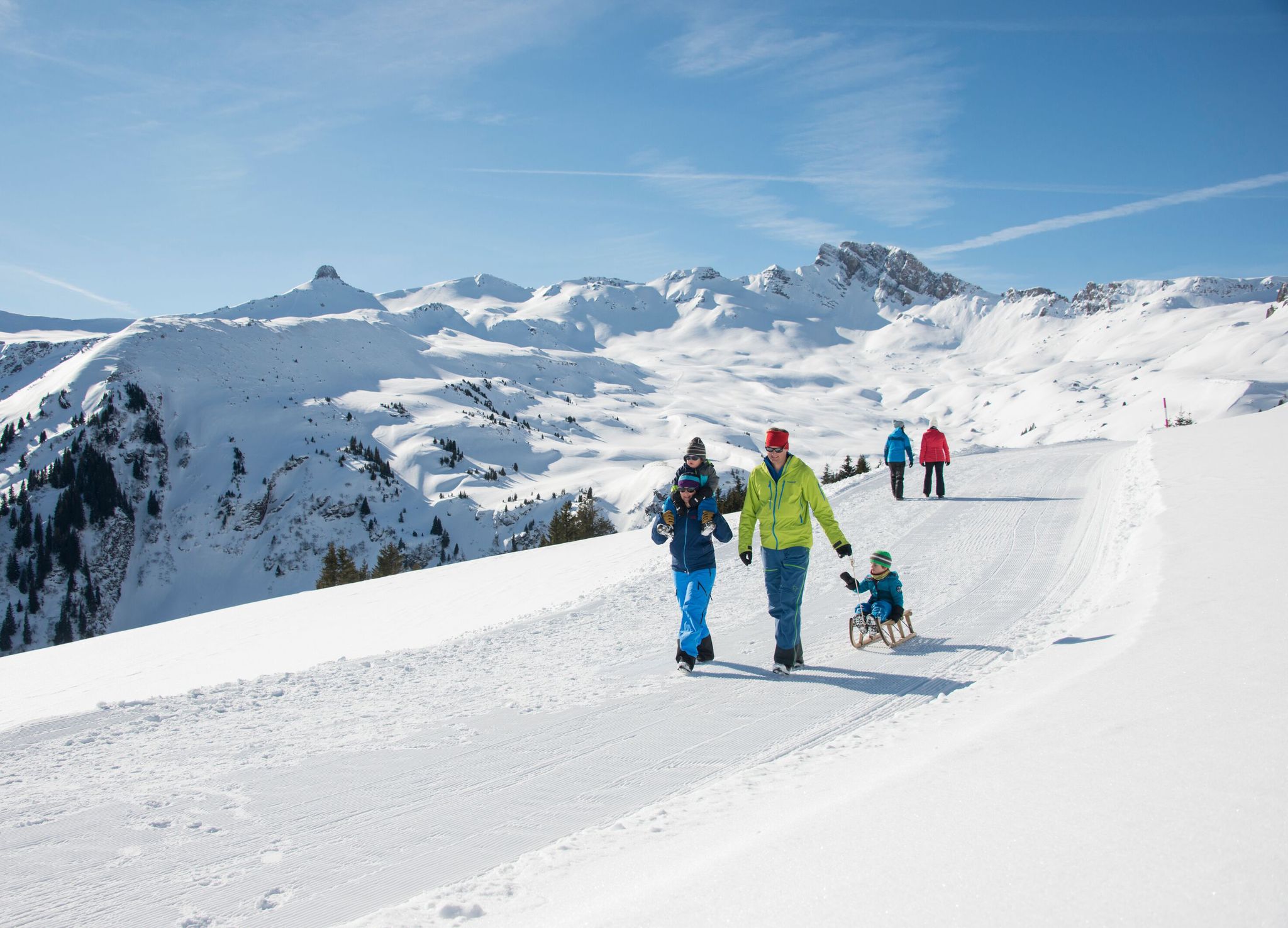
Family-friendly winter hikes in Eastern Switzerland
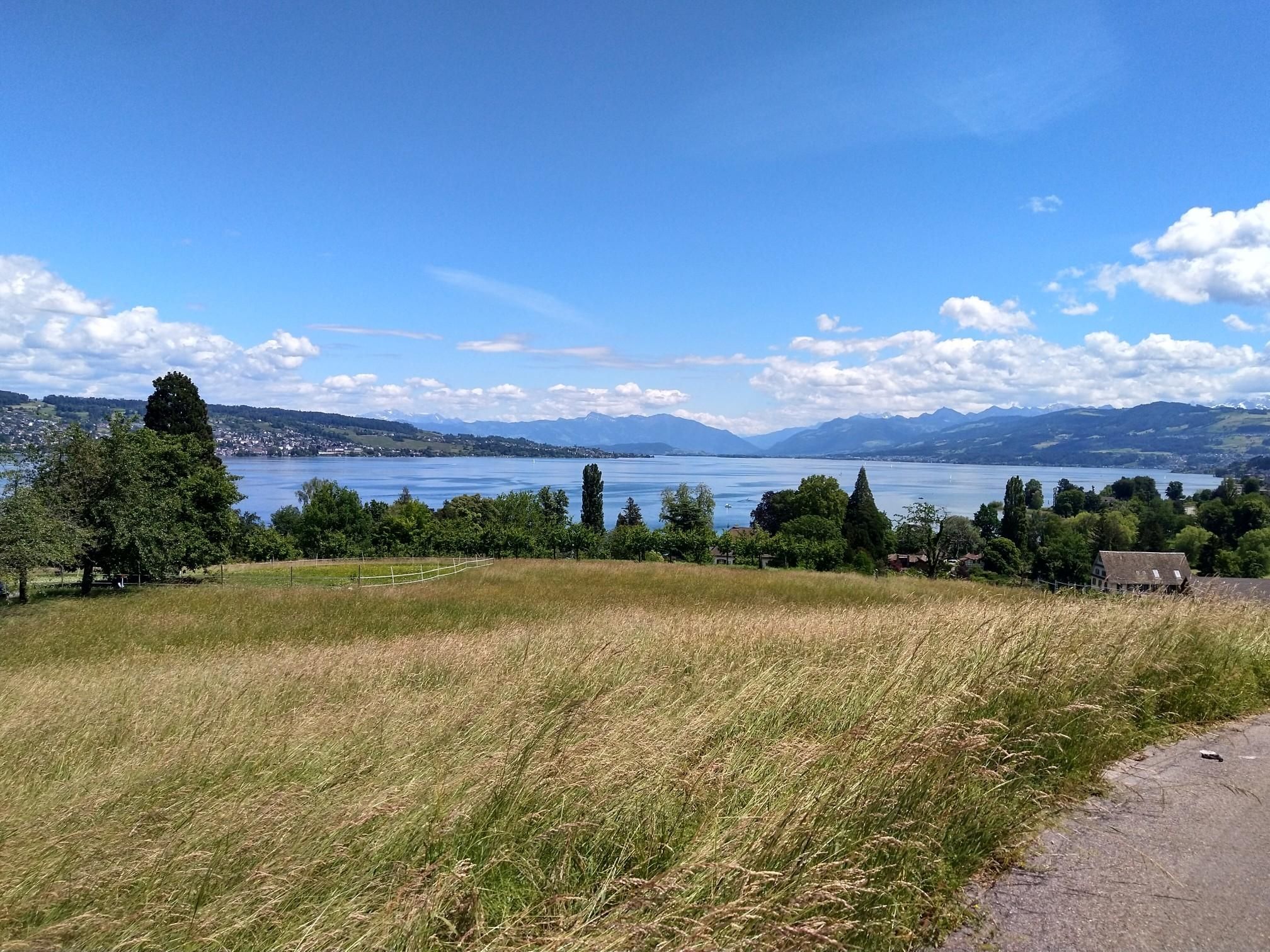
Lake Zurich loop – A land of contrasts
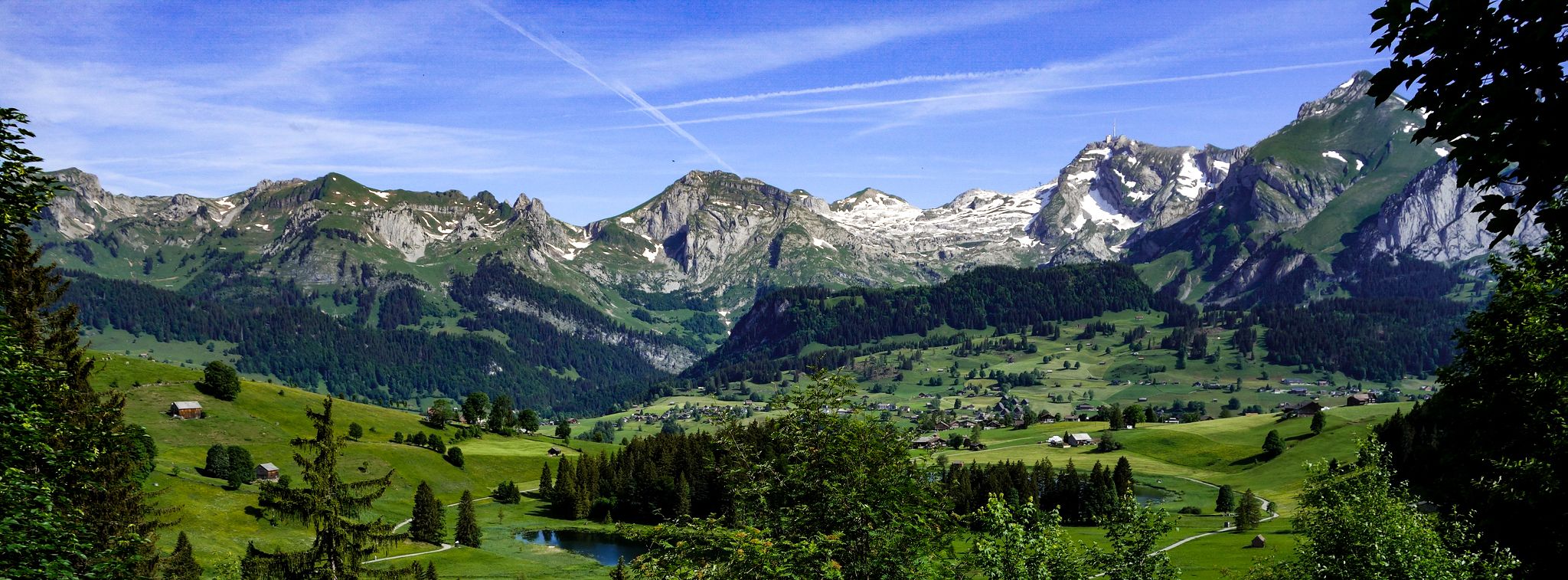
Toggenburger Höhenweg – Demanding hiking near St. Gallen
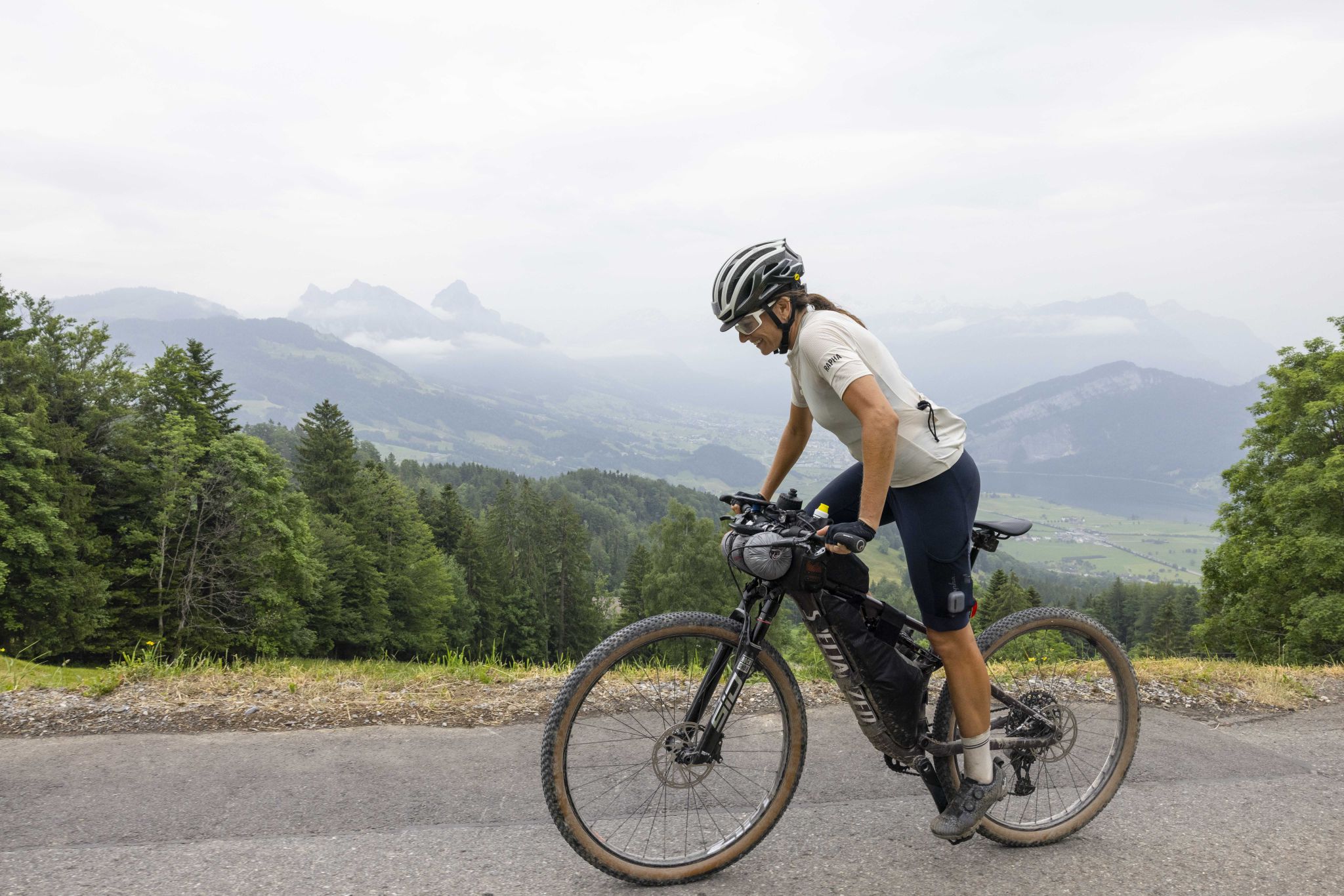
Hope 1000 – Bikepacking Switzerland in 11 stages
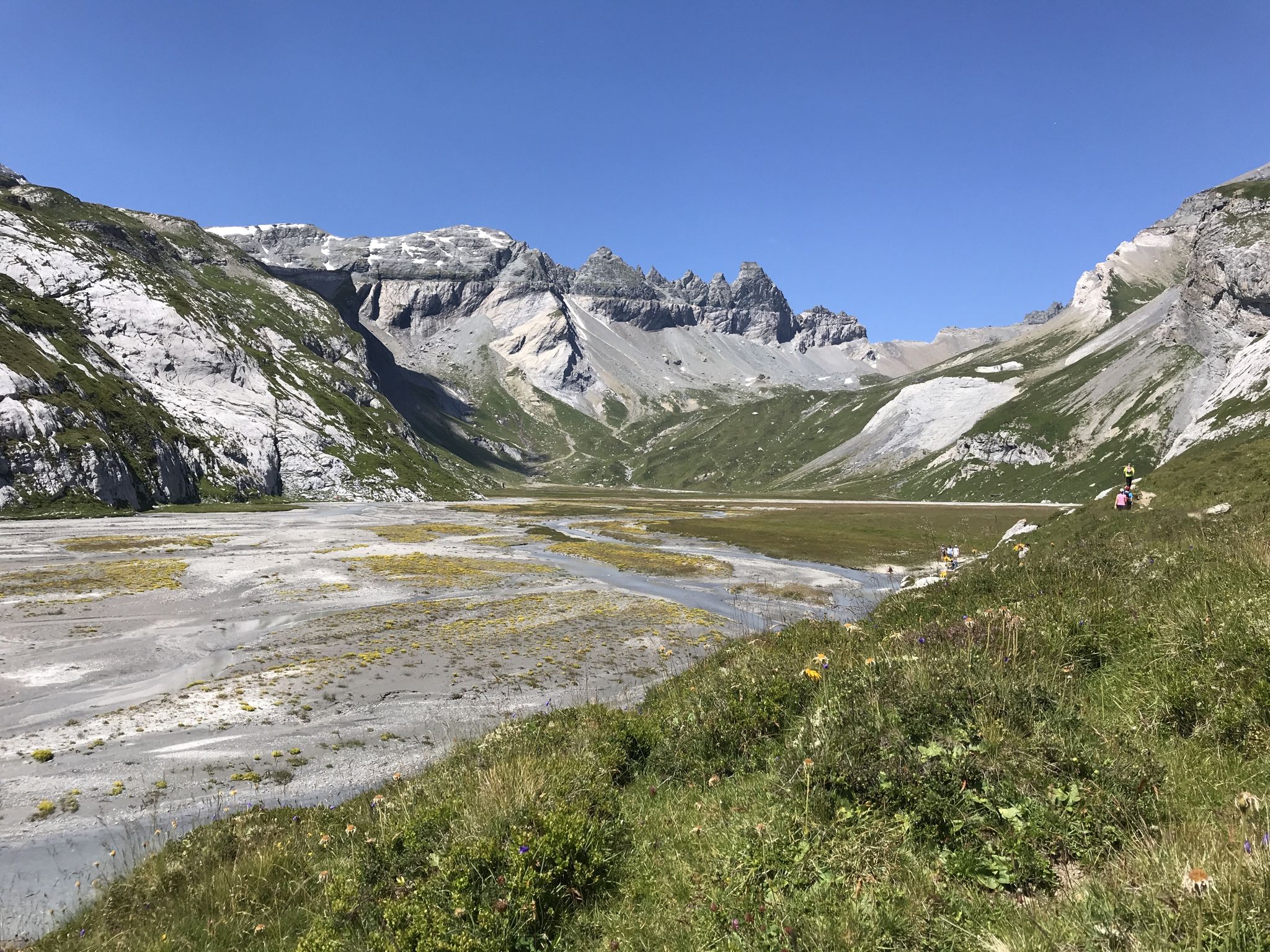
Sardona World Heritage Trail – Where the Alps once formed
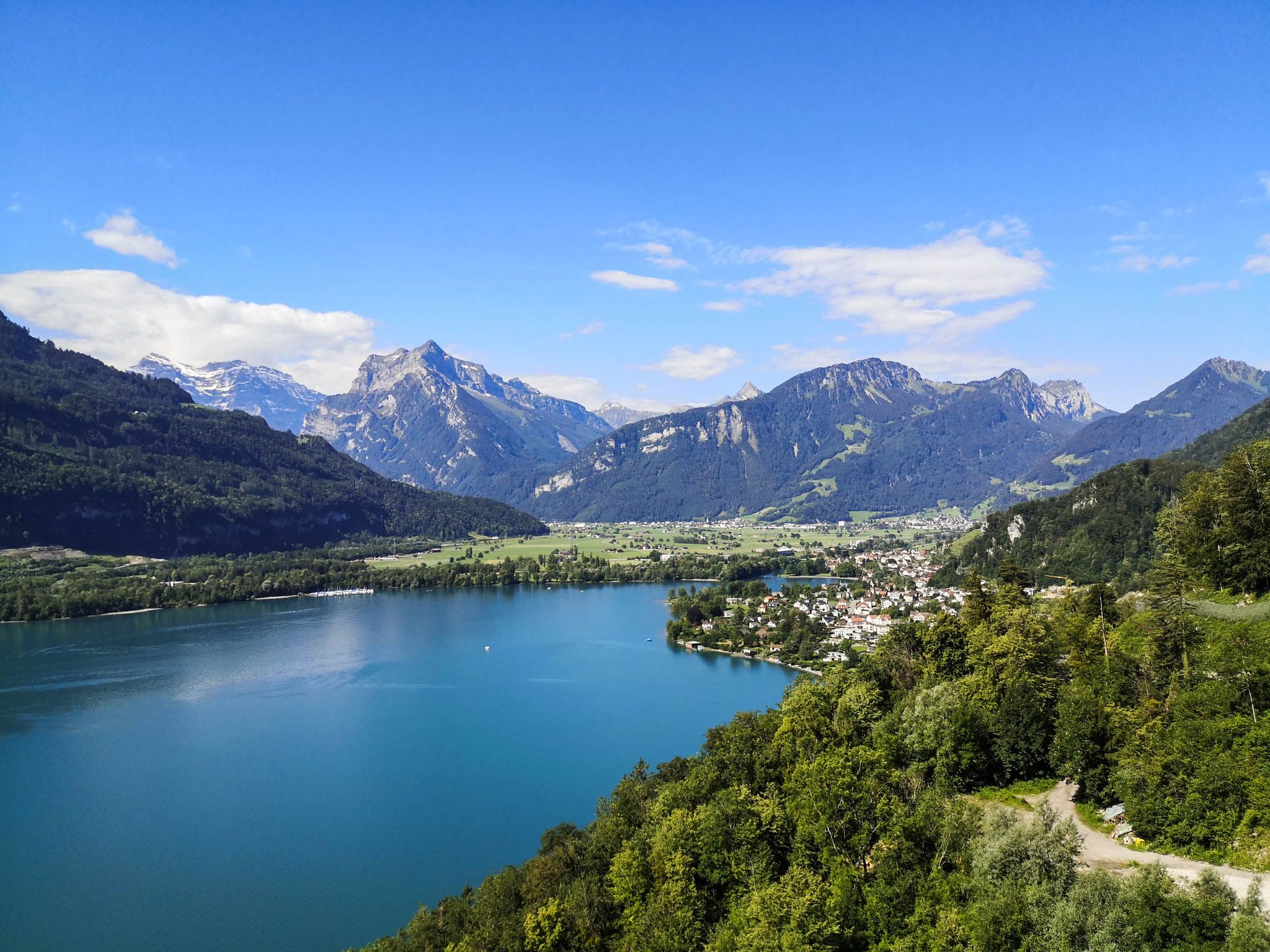
Alpine Panorama Trail in Switzerland – Keep your eyes on the mountains
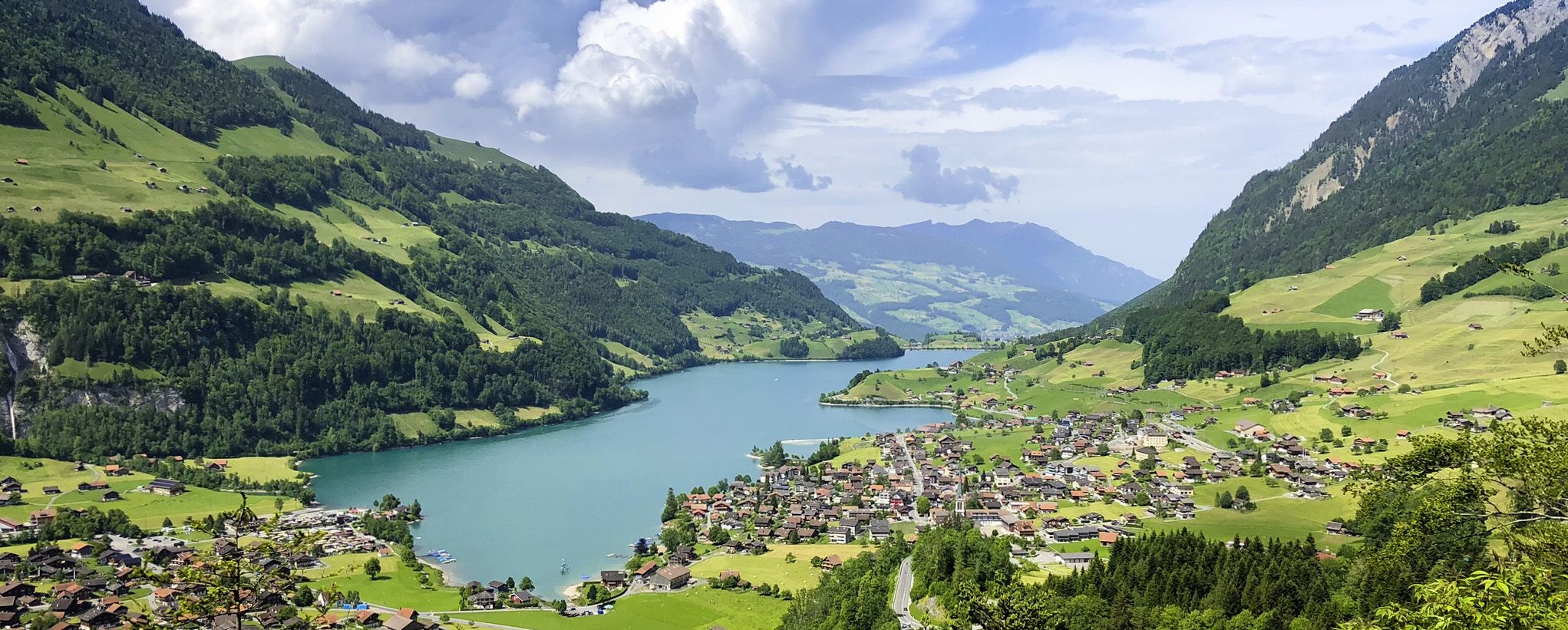
The Lakes Route – Picture-postcard views in the Swiss alpine foothills
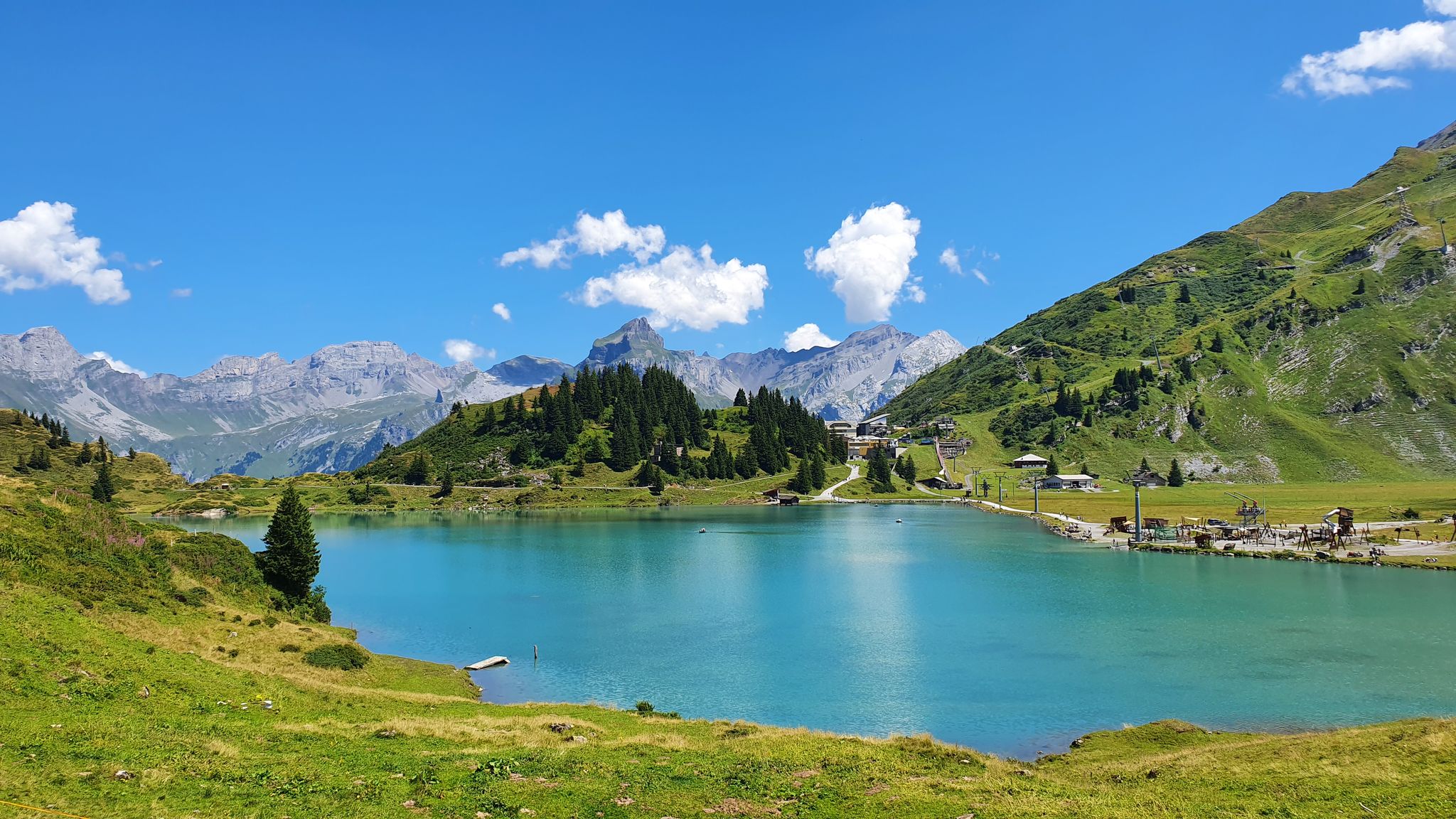
Via Alpina – The 15 stages of the Green Route
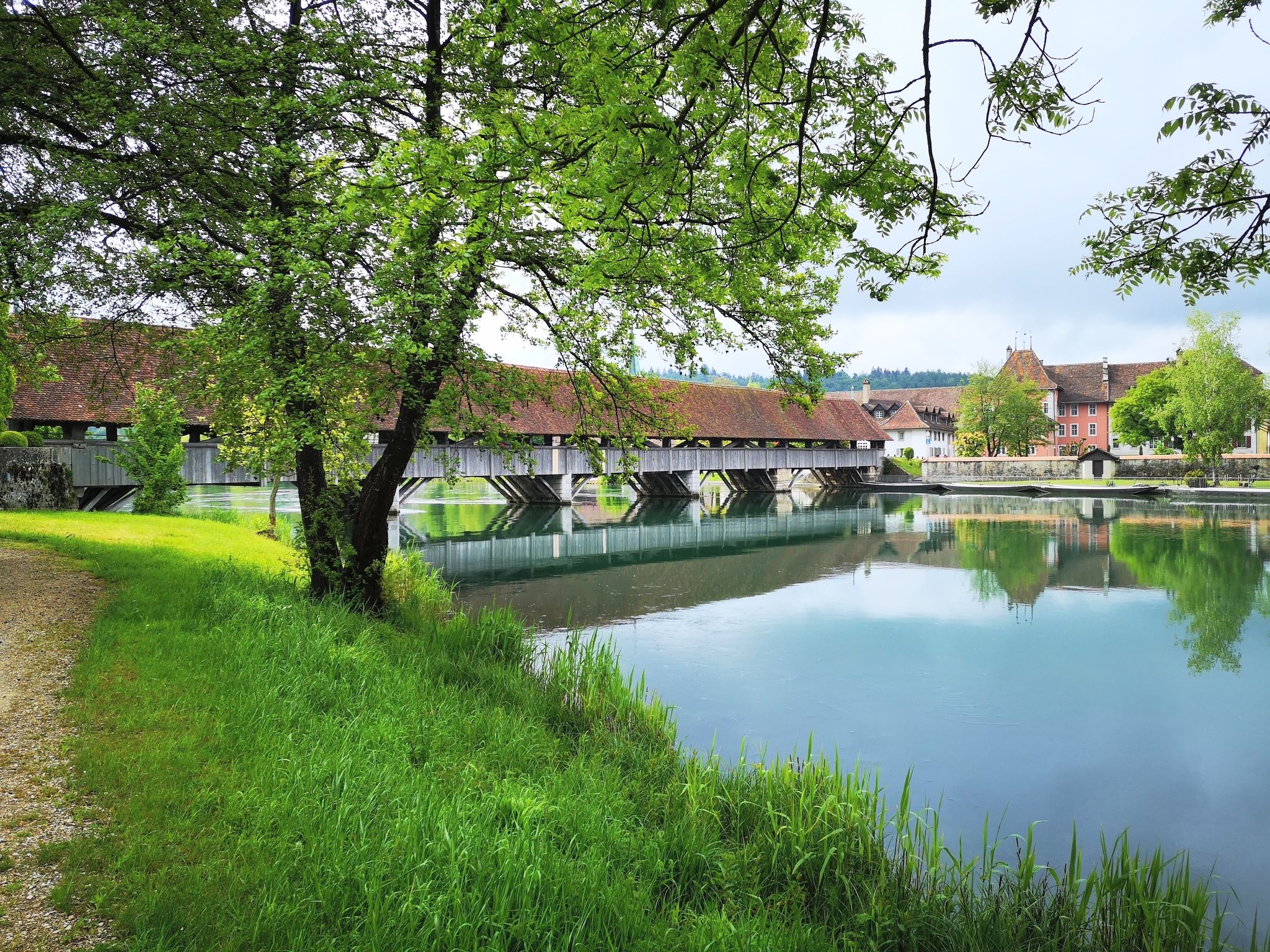
The Mittelland Route – Between Lake Constance and Lake Geneva
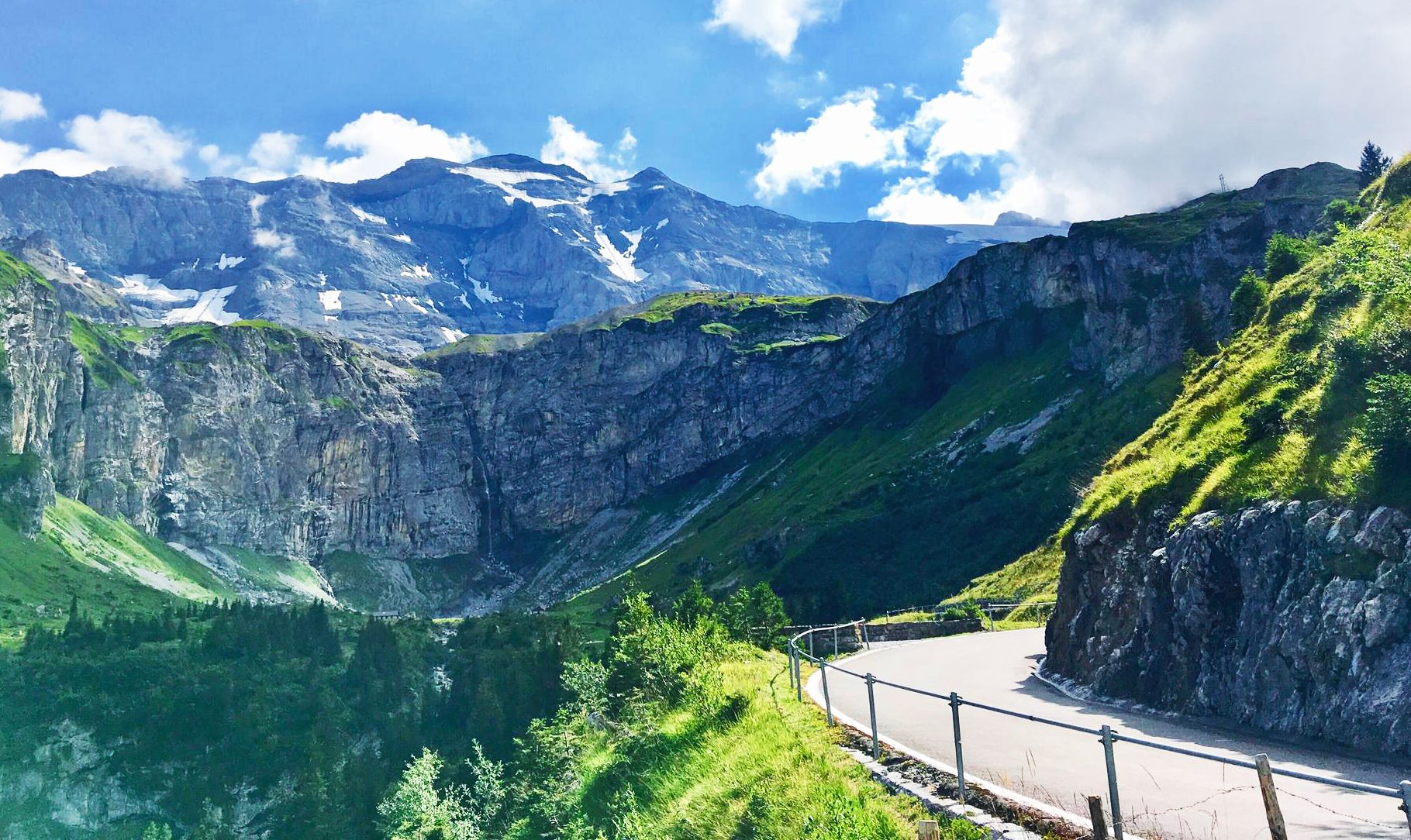
Alpine Panorama Route — 8 stages through the foothills of the Alps
Other adventures in St. Gallen


Tips from the Community


interesting and fresh
0
0

Great cave, definitely worth a visit.
8
0

Guided tours are only available on certain dates or with pre-registered groups (see website). However, the restaurant and museum are always open; the restaurant in the mine is beautifully designed, with an outdoor terrace in front of the entrance.
1
0

On the eastern side of the Seluner-Ruck there is a cave, the Wildmannlisloch. Its gate is so large that one can drive in with a horse and cart. It leads an hour and a half deep into the mountain, and the passages inside are so wide that several men can walk upright side by side. At the front the wild men have carved out tables and benches for themselves; a quarter of an hour further in is a small lake, surrounded by boulders; the dwarves have rolled around these to form cool resting places; even further back are the dwellings. The dwarves lived on roots and milk. They helped the neighboring herdsmen to "shear" the stables, feed the cattle, and make hay on the mountain. Once they fetched the midwife from Starkenbach, who had to assist a wild woman. As a reward she received an entire apron full of lumps of earth. On the long way out of the cave, however, she paid no attention to the worthless gift; When she came out into the daylight and looked at the last piece, it was pure gold. Rochholz, Swiss legends.
1
0

Very short steep climb, a bit difficult with a stroller, but you can get through
1
1

Great gorge at Ofenloch, safety is mandatory
1
0

is a very impressive place - used to be a pub (hobby)
1
0
Frequently Asked Questions
What makes the caves in St. Gallen unique?
St. Gallen's caves offer a diverse experience, from impressive geological formations to historical sites. The Kristallhöhle Kobelwald stands out for its substantial deposits of calcite crystals, making it unique in Switzerland. Other sites feature deep gorges, waterfalls, and archaeological significance.
Which caves in St. Gallen are developed for tourism and easy to visit?
The Kristallhöhle Kobelwald is well-developed for tourism. The first 128 meters are equipped with electric lighting and well-maintained paths, making it easily accessible for visitors. Guided tours are also available.
Are there any caves with historical significance in St. Gallen?
Yes, several sites have historical importance. The Kristallhöhle Kobelwald was discovered in 1682 and is one of Switzerland's earliest known mineral sites. The Wildenmannli’s Cave and Drachenloch are known for significant Paleolithic archaeological finds, though they are not primarily accessible tourist caves. The St. Iddaburg Pilgrimage Church and Lourdes Grotto also features a grotto with historical and religious context.
What can I expect when visiting <a href="https://www.komoot.com/highlight/719158" target="_blank" rel="noopener">Brudertobel Cave with Waterfall</a>?
Visitors describe Brudertobel Cave with Waterfall as an imposing and impressive site, definitely worth seeing and experiencing. It features a waterfall within the cave and a popular fireplace, making it a unique spot for a break.
Are the caves in St. Gallen suitable for families?
Yes, some caves are family-friendly. The Kristallhöhle Kobelwald is often a destination for school trips and family outings due to its accessibility and unique crystal formations. The Thur Waterfalls, which include cave elements, are also accessible on a flat path and offer barbecue areas.
What is the typical terrain and difficulty for exploring caves in St. Gallen?
The terrain varies. For developed caves like Kristallhöhle Kobelwald, paths are well-maintained but can be damp and uneven, requiring good footwear. Other sites like Ofenloch Gorge, which features caves, require surefootedness and can be challenging due to spectacular but exposed paths.
What should I wear when visiting caves in St. Gallen?
Due to the damp and often uneven surfaces inside caves, good, sturdy footwear with grip is highly recommended. Even in summer, cave interiors can be cool, so bringing an extra layer of clothing is advisable.
What are the best times of year to visit caves in St. Gallen?
The Kristallhöhle Kobelwald has specific seasonal opening hours, typically from spring to autumn. It's best to check their official website for current schedules. For outdoor cave-related sites like gorges and waterfalls, late spring to early autumn generally offers the most pleasant weather conditions for exploration.
Are there parking facilities or public transport options for reaching the caves?
For the Kristallhöhle Kobelwald, information on parking is usually available on their site. Many natural attractions in St. Gallen, including those with cave elements, are accessible by public transport, often with bus stops nearby, such as the Thur Waterfalls which are a few minutes from a post bus stop.
What outdoor activities can I combine with a visit to the caves in St. Gallen?
St. Gallen offers a variety of outdoor activities. You can find numerous road cycling routes, MTB trails, and gravel biking routes throughout the region. Many cave highlights are part of hiking trails, allowing you to combine cave exploration with scenic walks through gorges and forests.
Are there places to eat or other amenities near the caves?
Yes, some cave-related sites offer amenities. The St. Iddaburg Pilgrimage Church and Lourdes Grotto has a restaurant nearby. The Gonzen Iron Mine in Sargans, which includes cave elements, also features a restaurant. For other locations, you may find options in nearby towns or villages.
What do visitors particularly enjoy about the caves in St. Gallen?
Visitors frequently praise the mystical and impressive atmosphere of the caves and gorges. The unique crystal formations of Kristallhöhle Kobelwald are a major draw, as are the spectacular paths and wild beauty of places like Ofenloch Gorge. The combination of natural beauty and historical significance also adds to the appeal.
Most popular routes in St. Gallen
Most popular attractions in St. Gallen

Get inspired with the komoot mobile app


Didn’t find what you were looking for?
Discover more caves in St. Gallen region by region:
Explore more
Extend your search for the best caves by checking out these guides of the top ones in St. Gallen:
