Top 4 Castles on Usedom
Best castles on Usedom are found on this island, known for its historic charm and natural beauty. Usedom features a variety of estate complexes and stately homes that offer insight into its past. The island's landscape combines coastal areas with inland forests and lakes, providing diverse settings for these historical sites. These structures represent the island's aristocratic and architectural heritage.
Best castles on Usedom
- The most popular castles is Mellenthin Water Castle, a castle that was built between 1575…
Last updated: October 9, 2026
Mellenthin Water Castle
Highlight • Castle
Translated by Google •
Tip by

Stolpe Castle
Highlight • Castle
Translated by Google •
Tip by

Sign up now to discover places like this
Get recommendations on the best single tracks, peaks, & plenty of other exciting outdoor places.
Ruins of the Peenemünde Oxygen Plant
Highlight • Historical Site
Translated by Google •
Tip by

Langhoff's Bakery
Highlight • Cafe
Translated by Google •
Tip by

Gutshof Café Insel Usedom
Highlight • Cafe
Translated by Google •
Tip by

Sign up for free to discover even more castles on Usedom.
Already have an account?
Start today with a free account
Your next adventure awaits.
Popular around Usedom
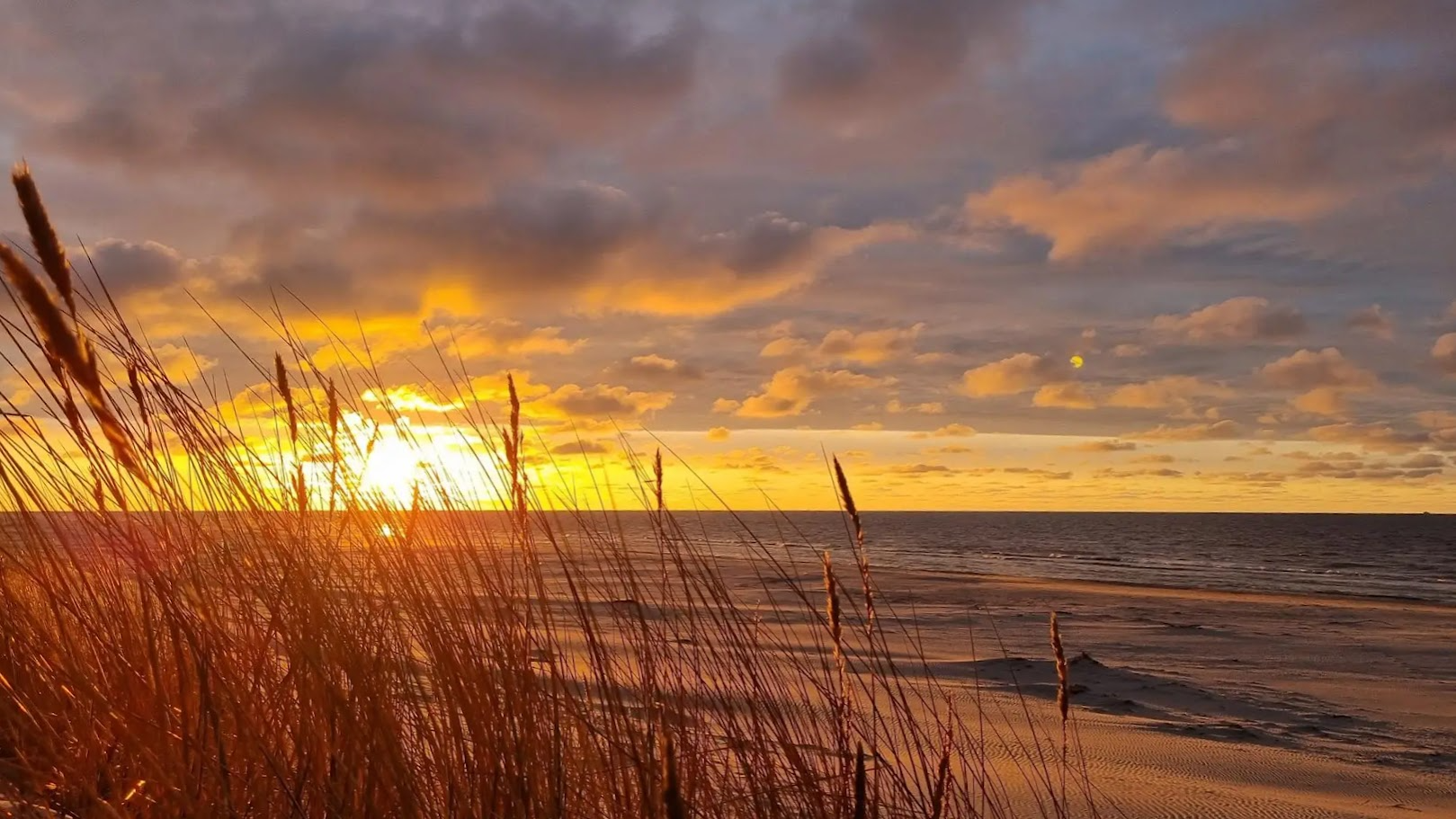
Seaside Trail – the beauty and majesty of the Baltic beaches
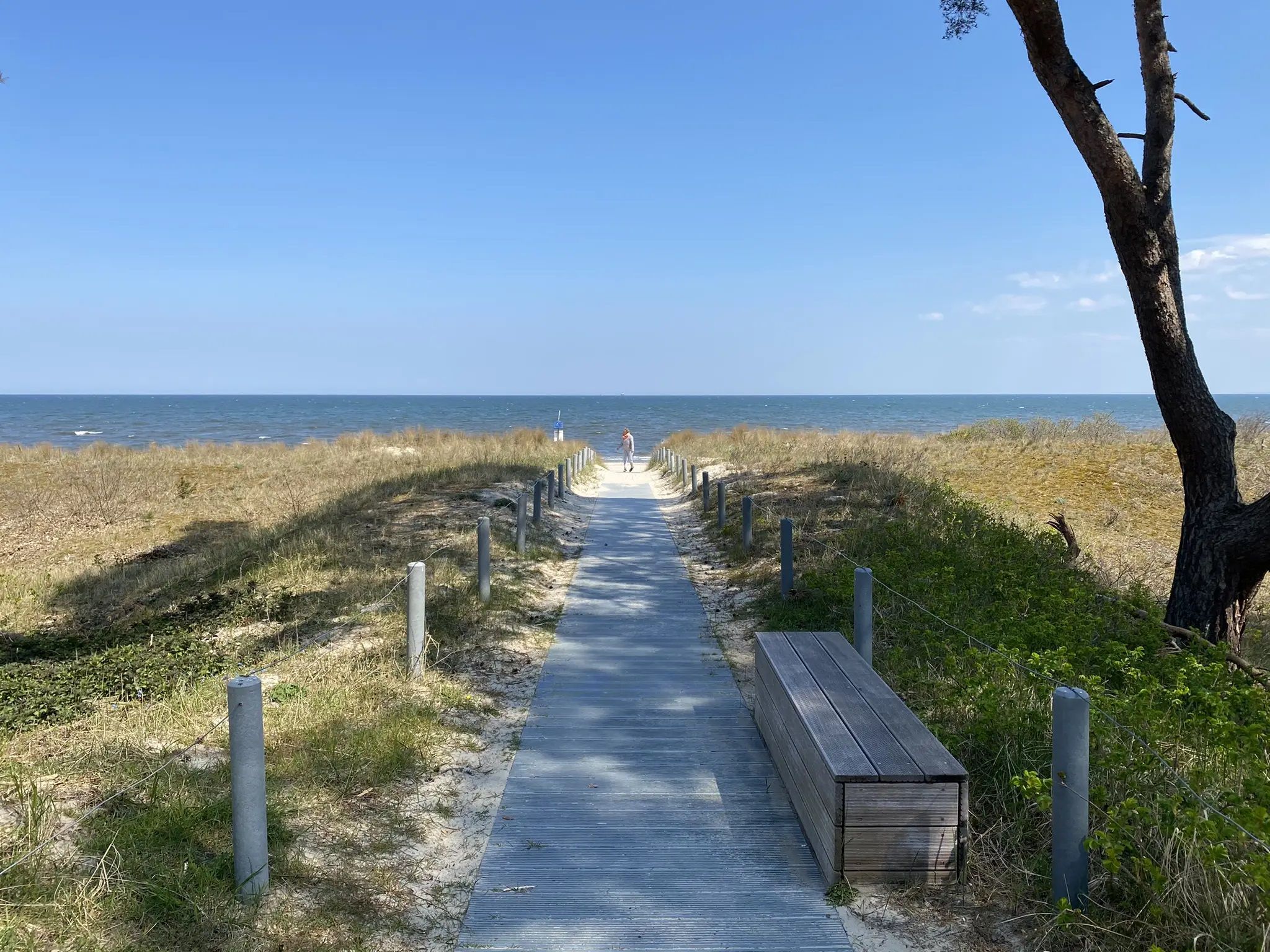
Berlin-Usedom – To the seaside in 4 days
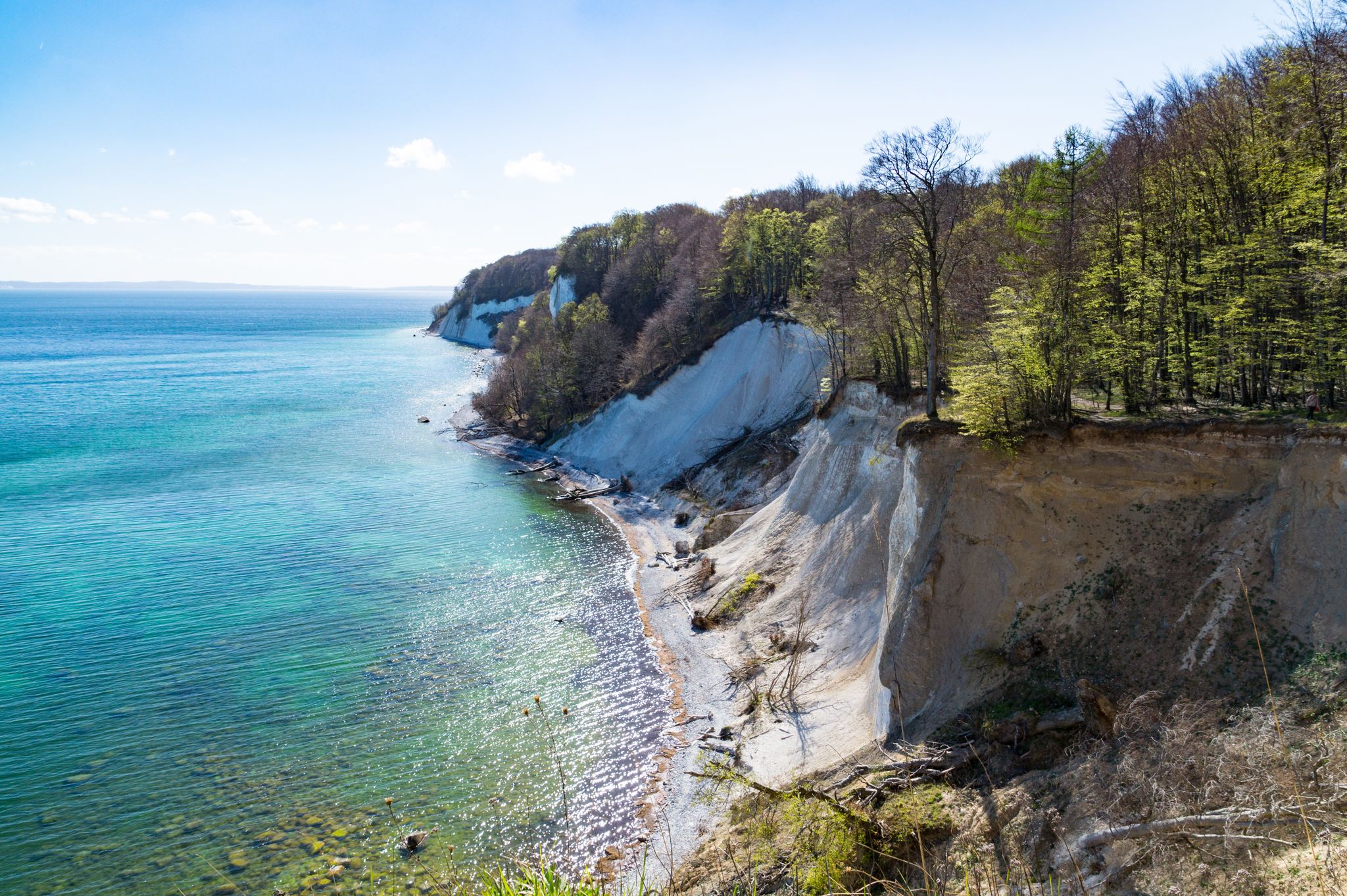
The National Natural Landscapes in Mecklenburg-Vorpommern
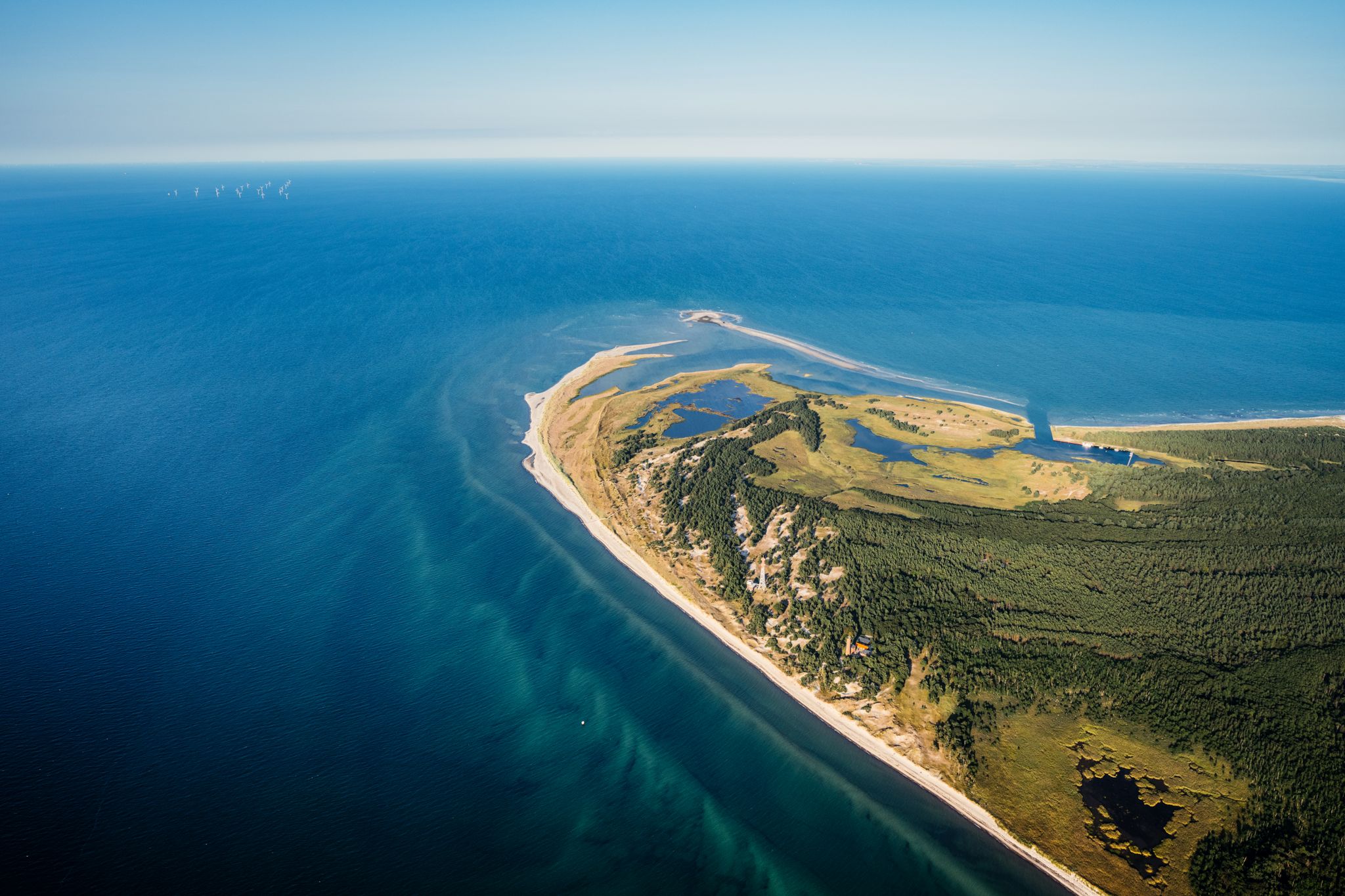
Coast, forest and moors – hike in Mecklenburg-Vorpommern
German Cycling Network – Cycling all over the country on the D-Routes
To the sea and back – bikepacking from Berlin to the Baltic Sea
Pure idyll — bike rides around Heringsdorf on the Baltic Sea
In the midst of beautiful nature — rides around Germany’s Usedom
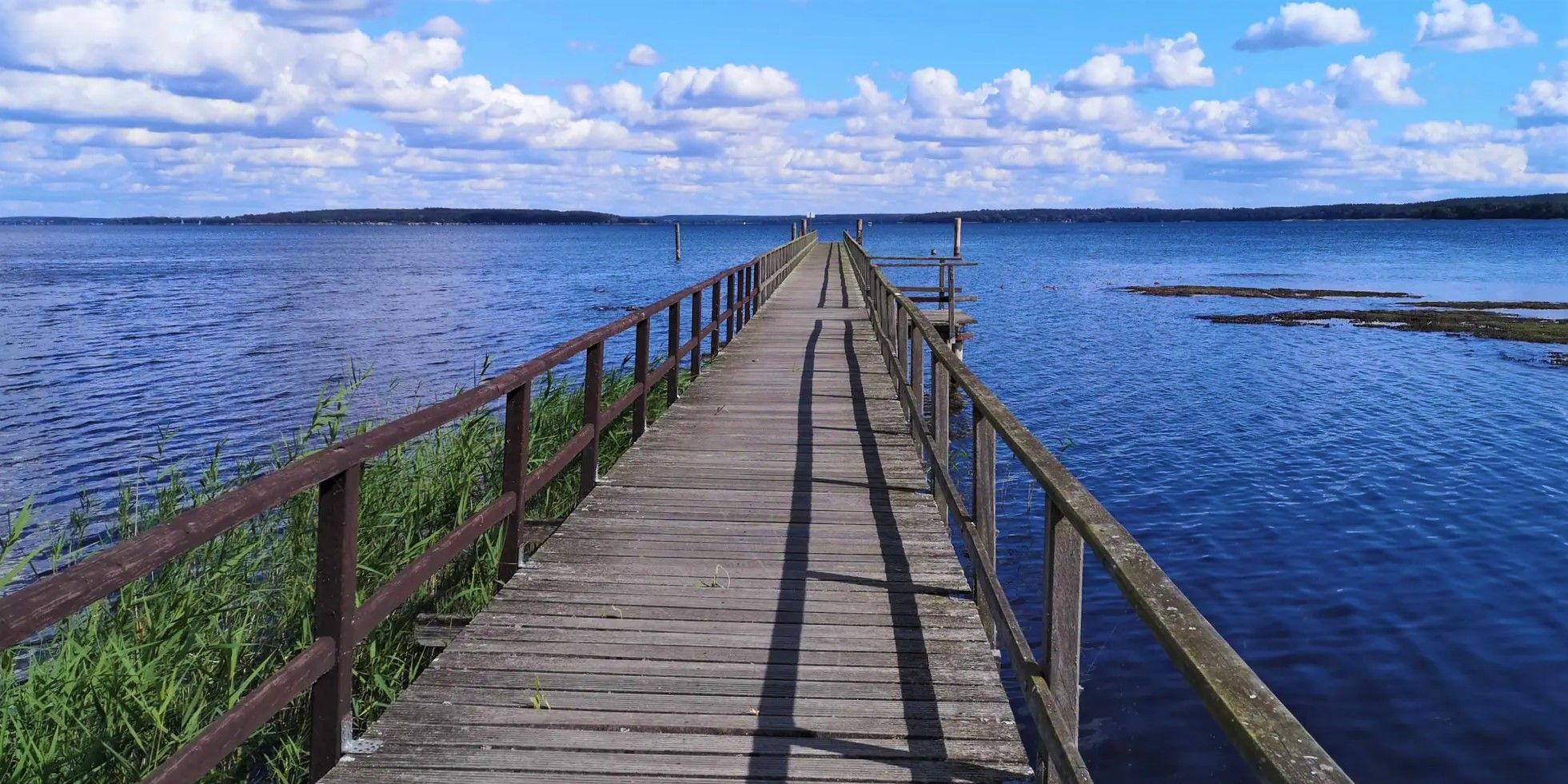
Cycling and swimming fun – Mecklenburg Lakes Cycle Route
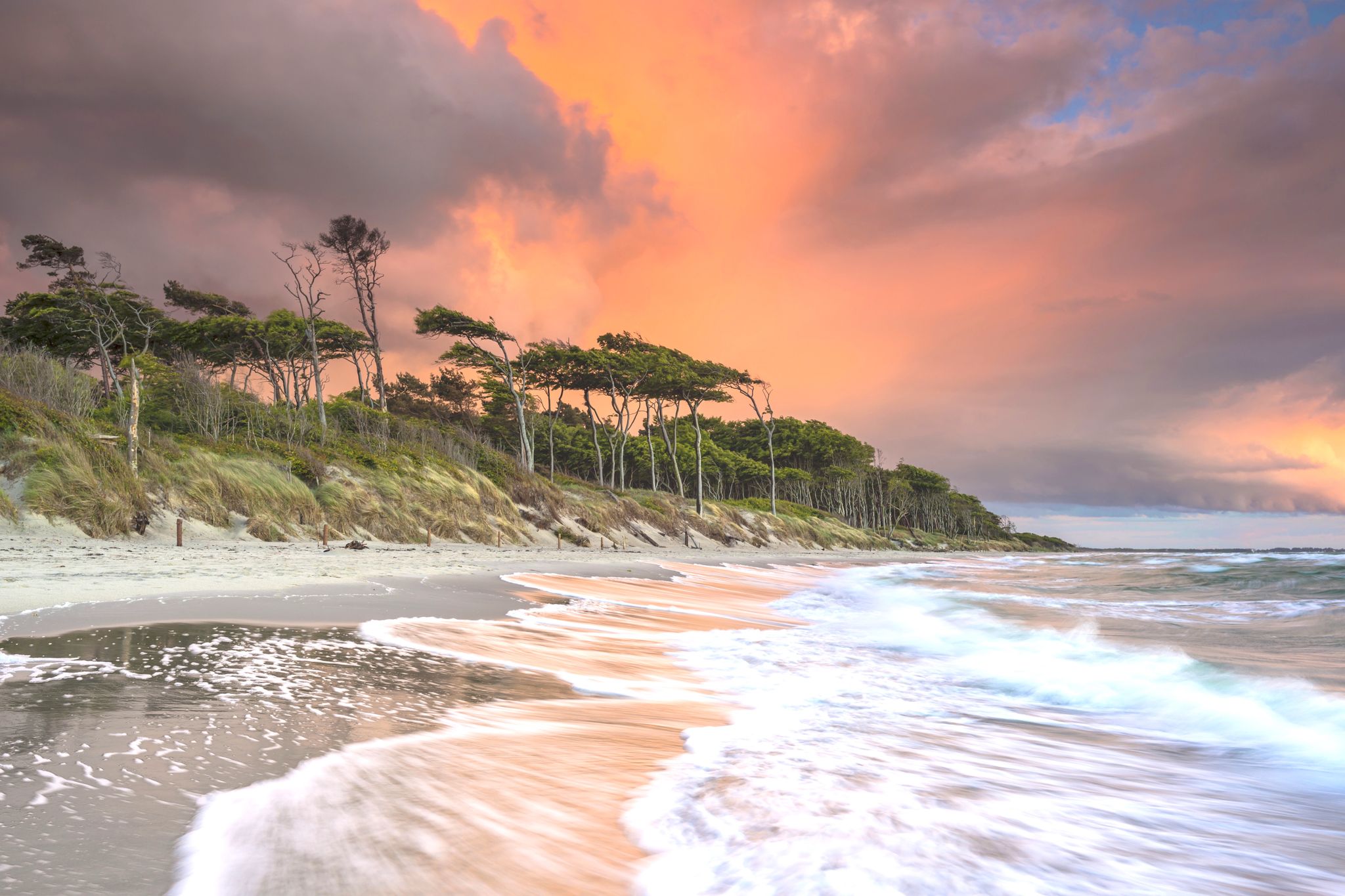
Hiking the Mecklenburg Lake District and Baltic coast – winter in the North
Other adventures on Usedom


Tips from the Community


The ruins of Oxygen Plant II, one of the two large buildings of the Army Research Institute that have been preserved Around four tons of oxygen burned with four tons of 75 percent alcohol each time an A4 rocket was launched. The first oxygen plant was soon no longer sufficient for the Army Research Institute's increased demand. Oxygen Plant II went into operation in 1942. Production continued until the end of the war, and since then the red brick building has stood as a ruin. At the time of construction, both the technology and the factory were unique in Europe. Oxygen production was based on the Linde process, which breaks air down into its components at -183 °C and liquefies oxygen. The plant was built by specialists from Messer & Co. from Griesheim near Frankfurt. The process was very energy-intensive; the oxygen plant alone required 22 of the 30 kW of the nearby power plant. In continuous operation, up to 13 tons of the oxidizer could be produced daily.
2
0

The oxygen plant in Peenemünde is part of what was once the largest military-industrial research complex in Nazi Germany, the former Peenemünde test facilities. Liquid oxygen was produced here to power the A4 unit, also known as Vergeltungswaffe 2 (V2).
4
0

The former warehouse is now used as a waffle bakery with a café.
7
2

Beautiful property with a small market in the yard. However, to get there, a bridge toll of 2 euros per person has to be paid. You would get the bridge duty charged when you eat it, but that took too long for us
12
1

Top cake-definitely stop and try it 👍
2
0
Frequently Asked Questions
What kind of historical buildings can I expect to see on Usedom?
Usedom is home to a variety of historical estate complexes and stately homes, often referred to as castles, rather than traditional fortified castles. These include Renaissance-style manor houses like Mellenthin Water Castle and Stolpe Castle, as well as the historic Pudagla Castle. Additionally, the island's Imperial Baths feature magnificent villas with ornate architecture, offering a castle-like impression and showcasing the island's rich past as a resort destination.
Are there family-friendly castles to visit on Usedom?
Yes, several castles on Usedom are considered family-friendly. Mellenthin Water Castle, Stolpe Castle, and Pudagla Castle are all noted for being suitable for families. Mellenthin, in particular, hosts medieval festivals during summer months, which can be engaging for all ages.
What activities can I do at Mellenthin Water Castle?
Mellenthin Water Castle offers a diverse experience. It houses a hotel, a brewery, and a coffee roastery, allowing visitors to enjoy local brews and coffee. During the summer, it frequently hosts medieval festivals. You can also explore the surrounding park with its ancient oak trees, one of which is estimated to be 670 years old. There's also a circular route around the castle and its moat, offering unique views.
What is the best time to visit Usedom's castles?
The summer months are particularly vibrant for visiting Usedom's castles, especially for events like the medieval festivals at Mellenthin Water Castle. However, the island's historical sites are generally accessible year-round, offering different charms depending on the season. Checking specific opening hours for individual locations is always recommended.
Are there cafes or restaurants near Usedom's castles?
Yes, you can find dining options near some of Usedom's castles. Mellenthin Water Castle has its own brewery and coffee roastery, as well as a restaurant. Near Mellenthin, you can also find the Café & Restaurant Waffle Bakery. Stolpe Castle also features a restaurant in its coach house, and Pudagla Castle offers a cozy patio.
What is the history of Stolpe Castle?
Stolpe Castle's main building was constructed in Renaissance style in the late 16th century. After suffering damage in the Thirty Years' War, it underwent Baroque reconstruction between 1690-1700. Its current appearance dates back to 1905. The castle has been undergoing extensive renovation since 1996, and today hosts exhibitions and cultural events, preserving its long history.
Can I find walking or cycling routes near Usedom's castles?
Yes, Usedom offers various outdoor activities near its historical sites. For example, there's a circular route around Mellenthin Water Castle. The island also has numerous hiking trails, MTB trails, and gravel biking routes that allow you to explore the scenic surroundings of the castles and the wider island.
What makes Pudagla Castle unique?
Pudagla Castle is a former castle of the Dukes of Pomerania, located in the village of Pudagla. It is known for its historical significance, including its role during World War II when it housed a department for rocket research. Today, visitors can appreciate its historical ambiance and enjoy its cozy patio.
Are there any hidden gems among Usedom's historical sites?
While Mellenthin Water Castle, Stolpe Castle, and Pudagla Castle are well-known, exploring the smaller villages might reveal lesser-known manor houses or the impressive historic villas of the Imperial Baths (Ahlbeck, Heringsdorf, and Bansin). These villas, with their ornate facades, offer a unique architectural experience and a glimpse into Usedom's aristocratic past.
What do visitors enjoy most about Usedom's castles?
Visitors frequently appreciate the well-preserved historical ambiance and architectural beauty of Usedom's castles. The opportunity to experience local culture, such as the brewery and coffee roastery at Mellenthin Water Castle, or the cultural events at Stolpe Castle, is also highly valued. The picturesque settings, often with ancient trees and surrounding nature, add to the appeal.
Is it possible to stay overnight at any of Usedom's castles?
Yes, Mellenthin Water Castle operates as a hotel, offering guests the unique experience of staying within a historic Renaissance moated castle. This provides an immersive way to enjoy the castle's amenities and its beautiful surroundings.
Most popular routes on Usedom
Most popular attractions on Usedom

Get inspired with the komoot mobile app


Explore more
Looking for the best castles somewhere else? Discover other guides on Usedom:
