Top 20 Mountain Passes in Ticino
Best mountain passes in Ticino are located in the Italian-speaking canton of Switzerland, offering routes through the Alps. This region connects different valleys and cantons, serving as historical trade and travel routes. The landscape features high-alpine terrain, forested slopes, and lakes, providing diverse environments for exploration.
Best mountain passes in Ticino
- The most popular mountain passes is San Lucio Pass, a mountain pass and historical site that features a church and a refuge. This pass offers views of Val…
Last updated: October 13, 2026
Alpe di Neggia — pass summit and Ritrovo di Neggia restaurant
Highlight • Mountain Pass
Translated by Google •
Tip by

Guex Monument at Gotthard Pass
Highlight • Monument
Translated by Google •
Tip by

Sign up now to discover places like this
Get recommendations on the best single tracks, peaks, & plenty of other exciting outdoor places.
San Lucio Pass
Highlight • Mountain Pass
Translated by Google •
Tip by

Lukmanier Pass
Highlight • Mountain Pass
Translated by Google •
Tip by

Val Mara Hairpin Climb
Highlight • Climb
Translated by Google •
Tip by

Gotthard Pass
Highlight • Mountain Pass
Translated by Google •
Tip by

Old Hospice of St. Gotthard
Highlight • Mountain Hut
The St. Gotthard Pass was first used as a pass starting in the 13th century, and the hospice, built at …
Translated by Google •
Tip by

First tight hairpin bends of the Tremola
Highlight • Mountain Pass
Translated by Google •
Tip by

San Giacomo Pass
Highlight • Mountain Pass
Translated by Google •
Tip by

Passo del Sole
Highlight • Mountain Pass
Translated by Google •
Tip by

Sign up for free to discover even more mountain passes in Ticino.
Already have an account?
Start today with a free account
Your next adventure awaits.
Popular around Ticino
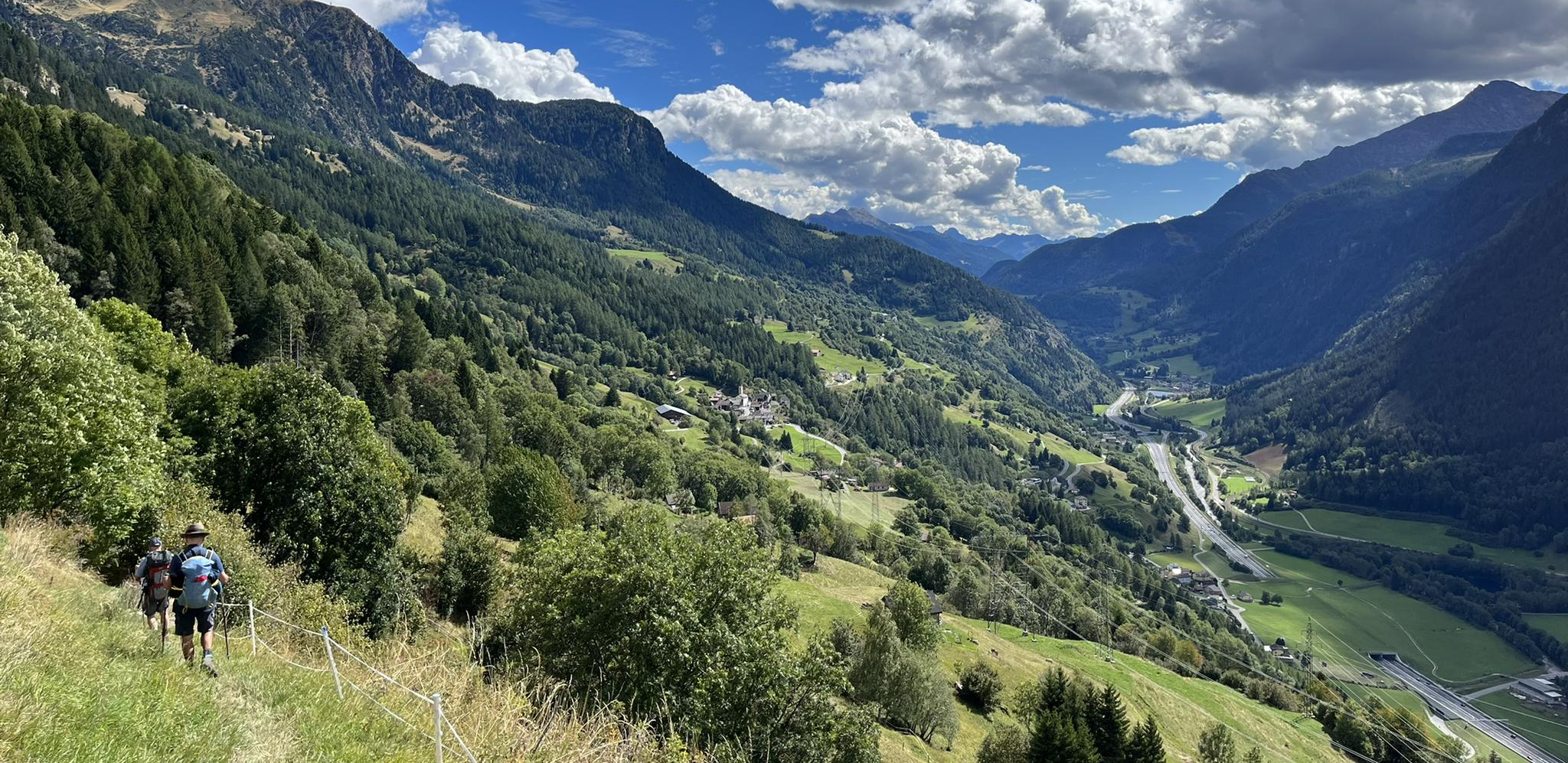
Strada alta – Hiking in the sun terrace of Switzerland
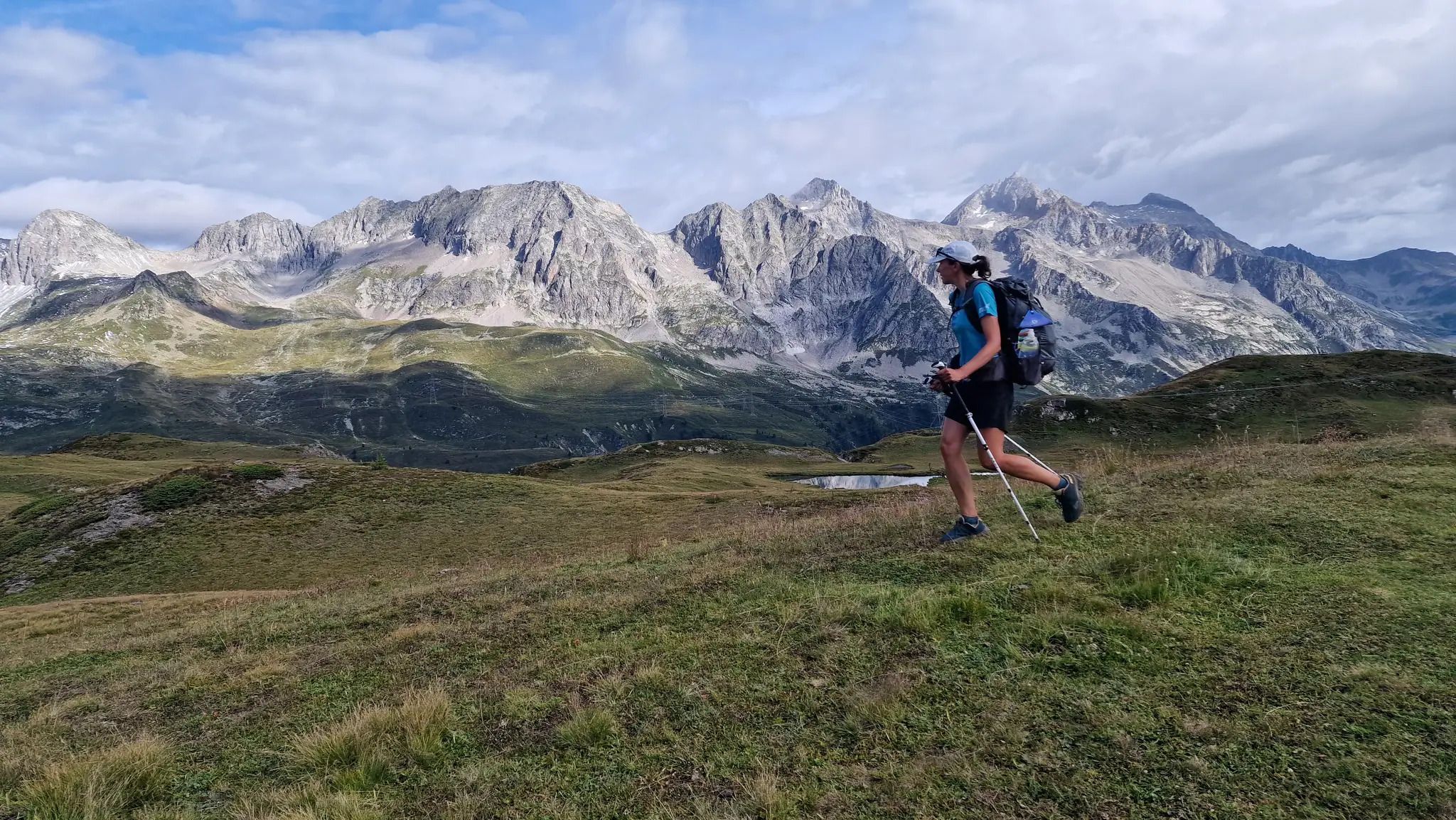
Alpine Passes Trail – hiking 700km across Switzerland
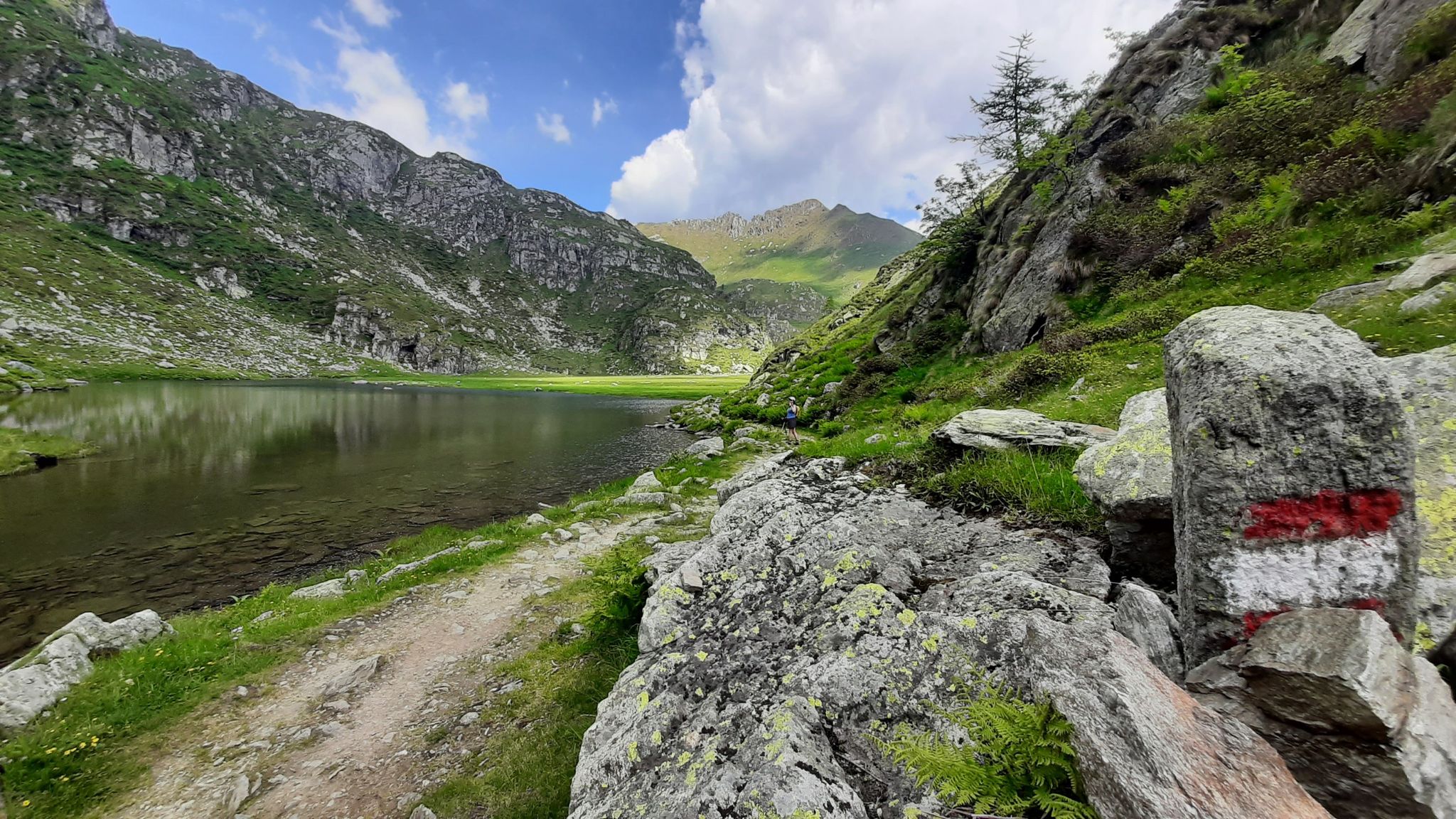
GTA North Piedmont – Among ancient Walser settlements
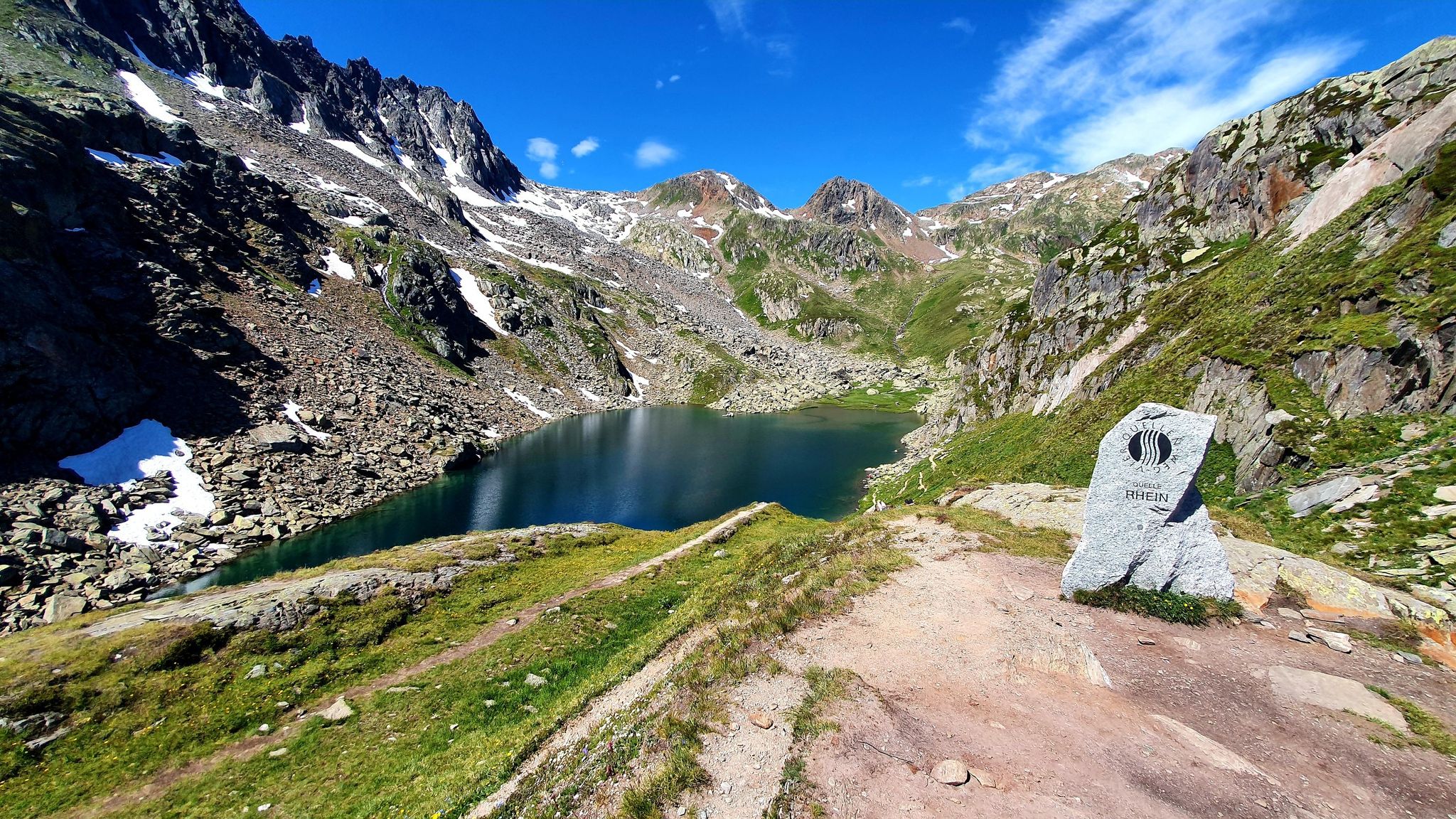
Four Springs Trail — Find flow in Switzerland's Gotthard Massif
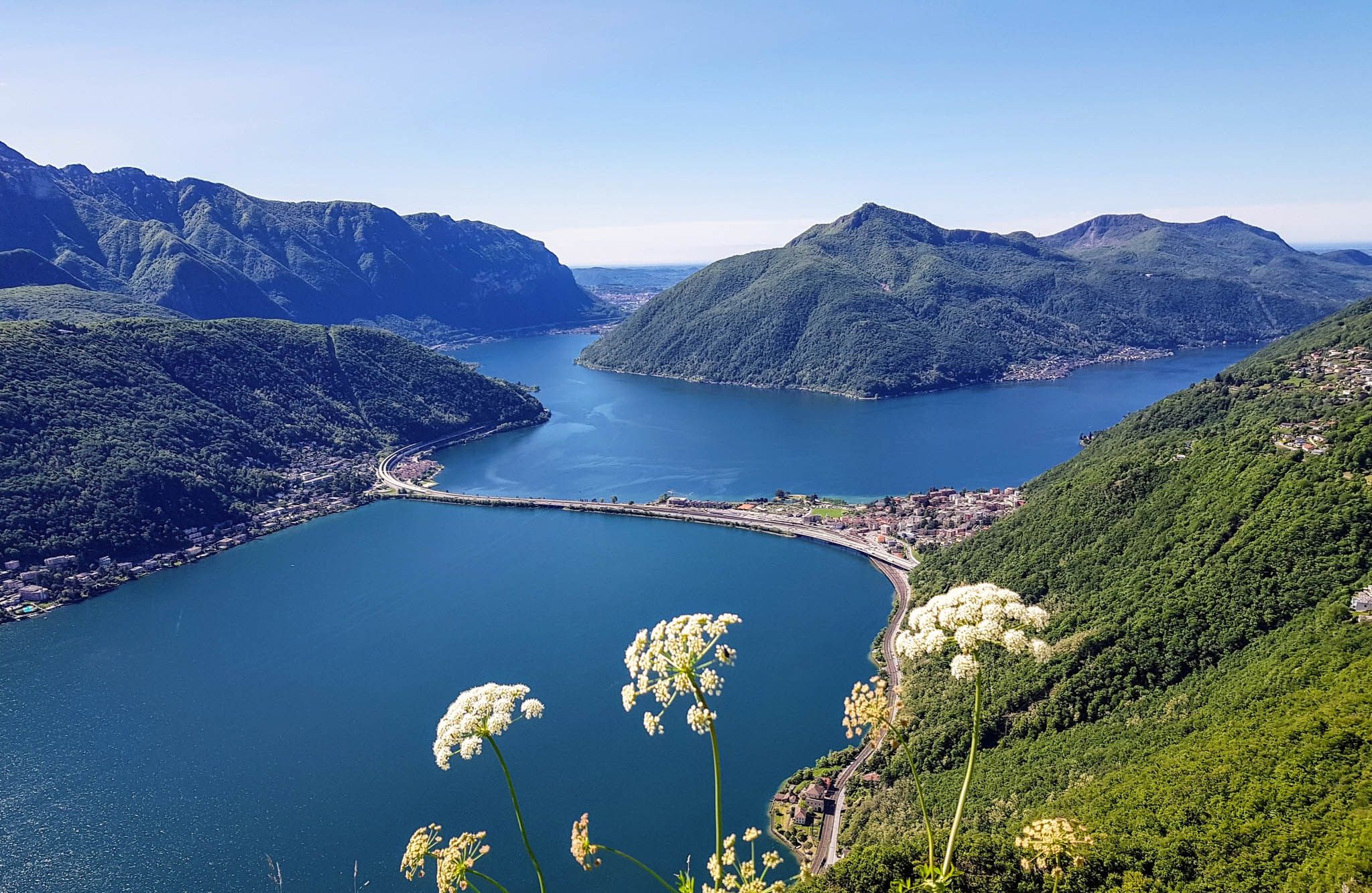
Sentiero Lago di Lugano – Between summits and lakes
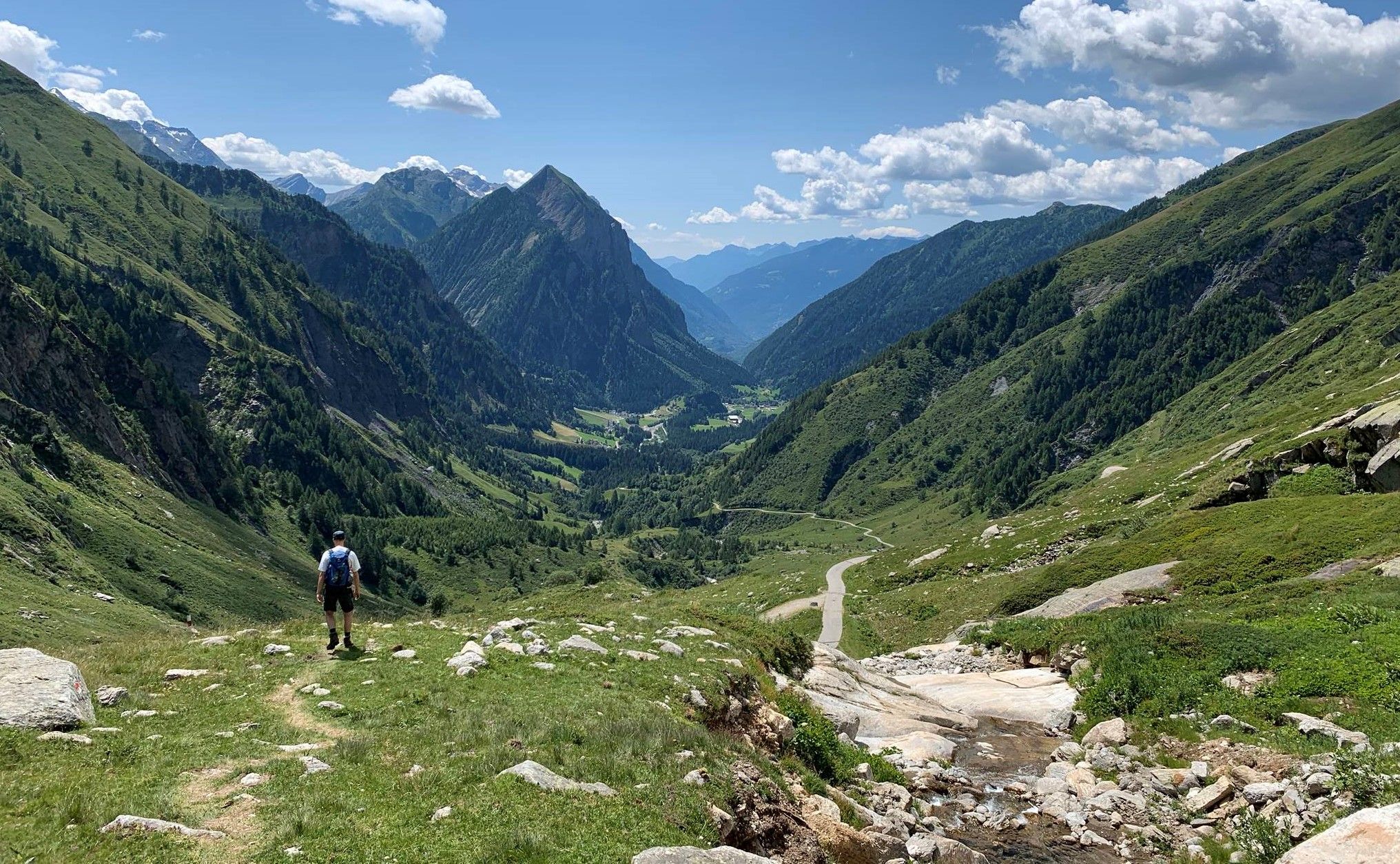
Alpine Passes Trail in Switzerland – 34 stages of pure mountain fun
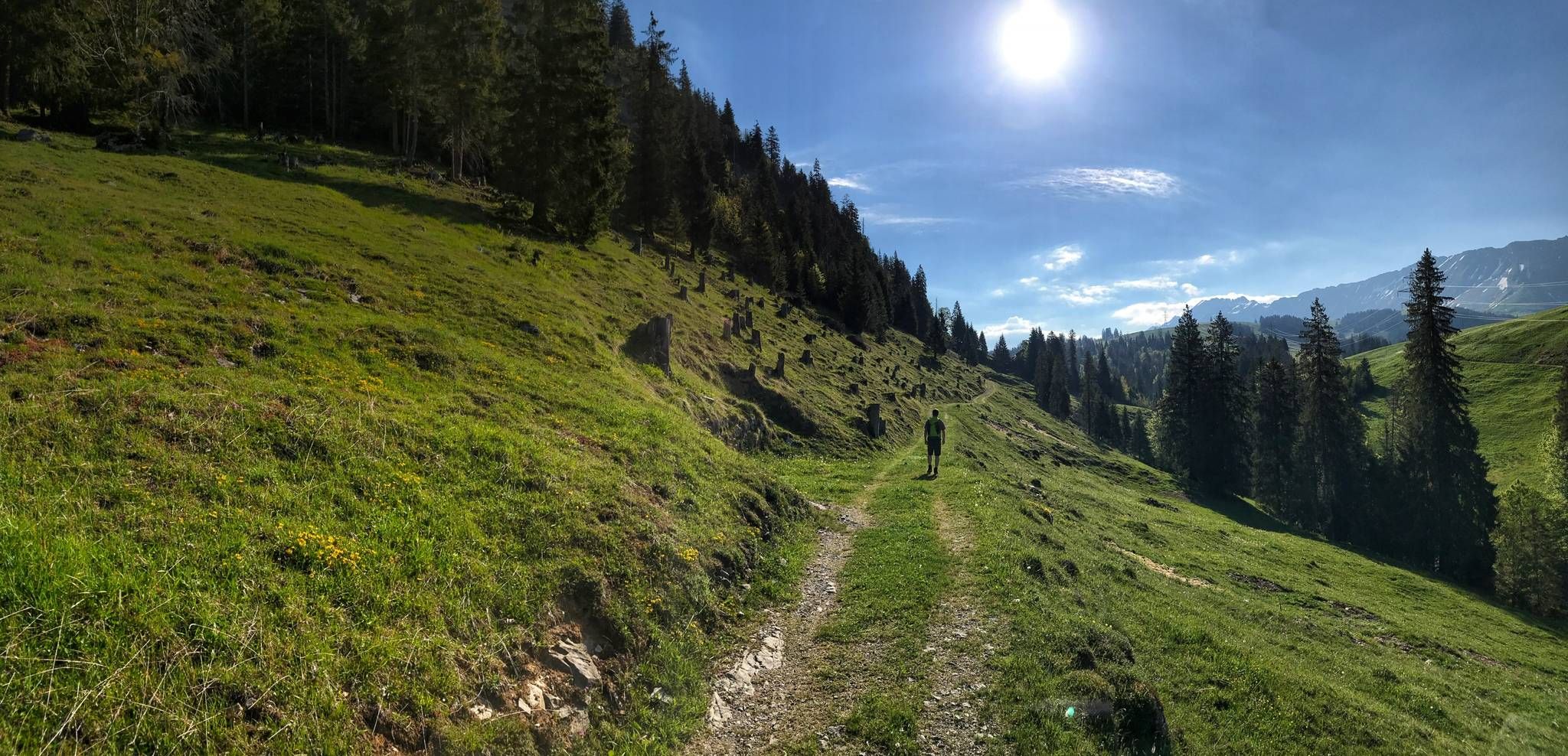
Trans Swiss Trail – Hiking across Switzerland
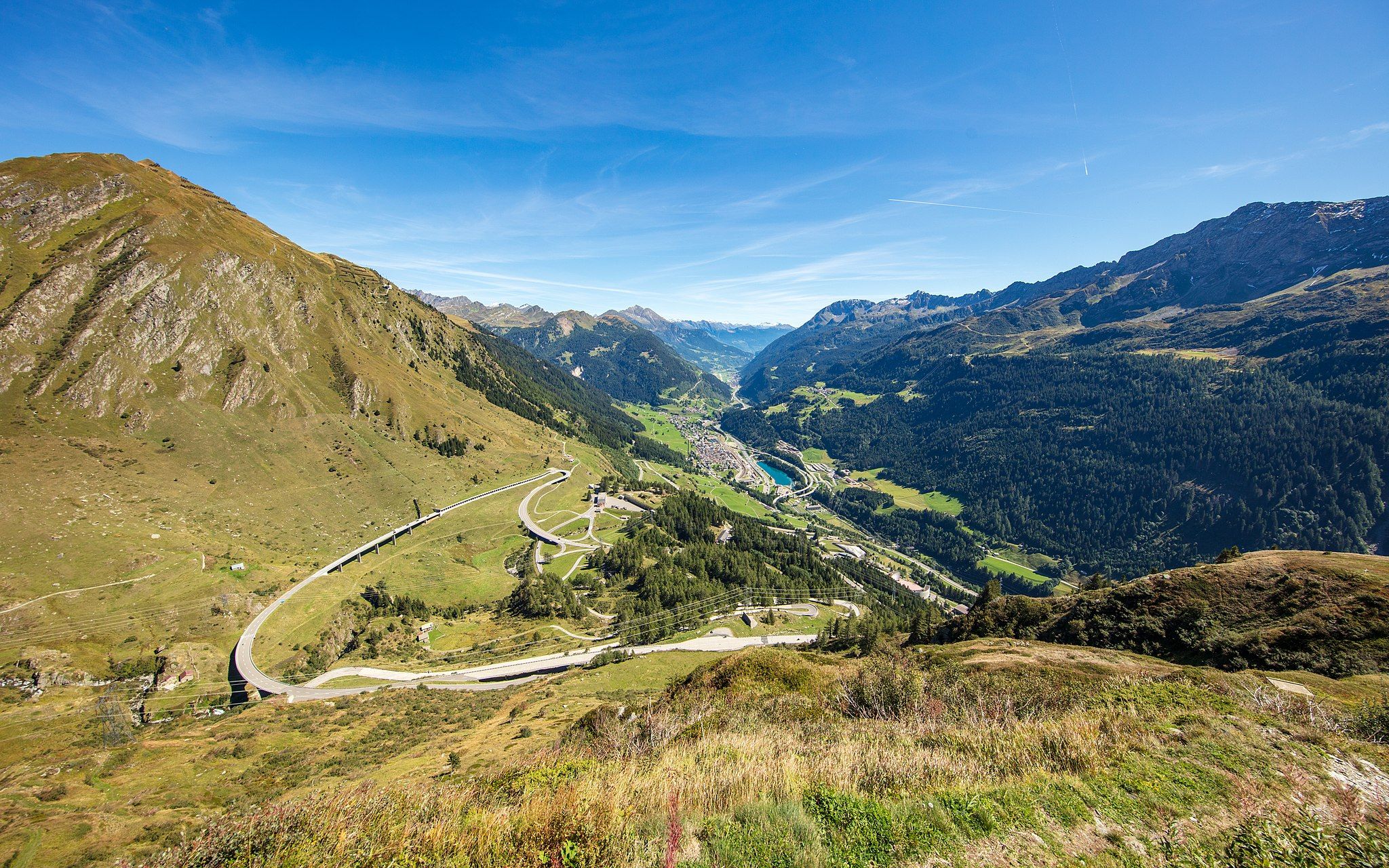
Via Gottardo – Following historic trails
Ticino Traverso: exploring southern Switzerland, one detour at a time
Rugged trails, spectacular views: trail adventures in the high valley of Goms
Other adventures in Ticino


Tips from the Community

A really beautiful pass! And also for hiking from the pass summit: many possibilities.
0
0

The old hospice on the Gotthard Pass was converted and extended into a 3-star hotel between 2008 and 2010. Architects Miller & Maranta and civil engineers Conzett Bronzini Gartmann created, in close collaboration, a modern structure that appears to have always existed in this location. It integrates naturally into the spatial and historical context, and its simplicity is reflected in the architecture and the supporting structure.
1
0

The Gotthard Pass is one of Switzerland's most famous and historic Alpine passes. Located at an altitude of 2,106 meters above sea level in the Lepontine Alps, it connects Central Europe to Southern Europe. Specifically, it serves as a direct road link between the Canton of Ticino (Airolo) and the Canton of Uri (Hospental). The summit and the massif can be crossed in various ways depending on travel needs: The New Pass Road: This is the modern, paved road variant, scenic and smooth during the summer months. La Tremola: The famous historic southern slope, characterized by 24 hairpin bends paved with porphyry, much loved by cyclists, motorcyclists, and nostalgics. The Road Tunnel (A2): The 16.9 km long motorway tunnel, open all year round, fast but often subject to traffic and queues. The Railway Tunnels: Including the pioneering tunnel from 1882 and the modern Gotthard Base Tunnel, at very high speed.
2
0

Going uphill must be very tough. There are ramps at 20%. Going downhill you have to be careful.
0
0

Cappella di San Gottardo - Chapel at the Gotthard Hospice The St. Gotthard Pass was first used as a pass starting in the 13th century, and the hospice, built at the behest of Milanese Archbishop Galdino (1171), also dates from this period. A chapel was built alongside the hospice on the site of a small church dating back to the 9th/10th century. It was rebuilt towards the end of the 18th century at the instigation of the Capuchins, who managed the hospice until 1799. Text / Source: Agenzia turistica ticinese SA https://www.ticino.ch/de/commons/details/Kapelle-beim-Gotthard-Hospiz/4741.html#:~:text=Der%20Sankt%20Gotthard%20wur de%20as%20Pass%C3%BCtransition%20first%20from,century%20,%20a%20chapel%20was%20built%20side%20of%20hospice%20.
16
0
St. Gotthard Pass The Gotthard Pass divides waterways and connects various cultural and linguistic areas. Its significance as an "Alpine transversal" began at the beginning of the 13th century with the construction of the legendary Devil's Bridge in the Schöllenen Gorge. For many centuries, trade caravans (trading cattle and cheese for grain, wine, rice, and salt), mercenaries, messengers, and even entire armies crossed the pass. Between 1818 and 1836, the canton of Uri, with the help of other cantons, expanded the pass road, thus achieving its predominance among Swiss Alpine passes. The Gotthard Pass has significantly shaped the economy and culture of Central Switzerland for centuries. Until the opening of the Gotthard Railway in 1882, the Gotthard Pass was also used in winter. Dozens of roadmen and shovel workers were employed for this purpose. In 1922, the post bus replaced the stagecoach, and with the introduction of gasoline duties in 1923, the expansion of the pass roads began, continuing to this day. The old pass road on the south side, the Tremola between the top of the pass and Airolo, is still preserved and passable. This stretch of road recalls more tranquil journeys over the Gotthard that occurred not so long ago. In the 19th and 20th centuries, the Gotthard Pass was "condensed" into a myth, a symbol of Switzerland's independence, unity, and identity. Text / Source: Interest Group for Alpine Passes IAP, PO Box 11, 6491 Realp https://alpen-paesse.ch/de/alpenpaesse/gotthardpass
15
1

The pass between Italy and Switzerland. From the Maria Luisa Refuge, the route is easy and can also be used by mountain bikers.
1
1

Border Excursion 🇮🇹🇨🇭 to the San Giacomo Pass 🚴
1
0
Frequently Asked Questions
Which mountain passes in Ticino offer the most spectacular views?
Ticino is renowned for its panoramic mountain passes. For breathtaking vistas, consider the San Lucio Pass, which provides stunning views of Val Colla and Lake Lugano. The Lukmanier Pass is celebrated for its dramatic scenery, transitioning from green valleys to snow-capped peaks. Additionally, the Nufenen Pass, as the highest paved pass entirely within Switzerland, offers expansive high-alpine panoramas.
Are there any family-friendly mountain passes in Ticino?
Yes, several mountain passes in Ticino are suitable for families. The Alpe di Neggia is categorized as family-friendly and features a restaurant and viewpoint. The Guex Monument at Gotthard Pass area is also considered family-friendly, offering historical sites and amenities like restaurants at the summit.
What historical sites can be found at Ticino's mountain passes?
Ticino's mountain passes are rich in history. The San Lucio Pass features a historical church and refuge. At the Gotthard Pass, you can visit the Old Hospice of St. Gotthard, founded in 1237, and the Guex Monument. The Gotthard Pass itself was a crucial route for pilgrims and trade since the Middle Ages. The Lukmanier Pass is also one of Switzerland's oldest Alpine crossings, with historical significance.
Which mountain passes are best for cycling enthusiasts in Ticino?
Cycling enthusiasts will find several rewarding passes in Ticino. The Lukmanier Pass is an excellent choice due to its scenic beauty, relatively gentle gradients, and less traffic, making it a favorite for professional races like the Tour of Switzerland. The historic Tremola Road to Gotthard Pass, with its distinctive cobbled hairpin bends, offers a challenging and scenic uphill experience for cyclists.
What outdoor activities can I do near the mountain passes in Ticino?
Beyond exploring the passes themselves, Ticino offers a variety of outdoor activities. You can find numerous MTB trails, including challenging routes like the Cardada Bike Trail. For gravel biking, the Alpi Bedretto Gravel Tour is a popular option. There are also many running trails, such as the scenic run along the shores of Lake Lugano.
Is the Gotthard Pass accessible by public transport, and what facilities are available?
The Gotthard Pass is generally accessible, and at its summit, you'll find various facilities. These include Piazza Lake, the San Gottardo hospice, a visitor center with restaurants, and coffee shops. The pass is a significant transport hub, and while specific public transport links vary by season, it's a well-connected and serviced Alpine crossing.
What makes the San Giacomo Pass unique among Ticino's mountain passes?
The San Giacomo Pass is unique for its historical significance as a border crossing between Italy and Switzerland, connecting Val Bedretto with Val Formazza. It offers an easy pass crossing (T2 difficulty) and is a less-used alternative route for hikers. Remnants of a planned 'tourist road' from the 1920s can still be found on the Italian side, adding to its historical intrigue.
When is the best time of year to visit the mountain passes in Ticino?
The best time to visit Ticino's mountain passes largely depends on your desired activity. For driving and cycling, late spring to early autumn (May to October) is ideal when most passes are open and free of snow. Some passes, like the Lukmanier, remain open in winter, offering a different, snow-covered landscape, though with restricted hours. Always check current weather and road conditions before your trip.
Are there any challenging climbs for experienced cyclists or hikers in Ticino's passes?
Absolutely. For experienced cyclists, the Val Mara Hairpin Climb is known for its significant gradients, with sections reaching 18-20%, offering a true test of endurance. The historic Tremola Road to Gotthard Pass also presents a challenging uphill cycling experience with its cobbled surface and numerous hairpin bends.
What natural features can I expect to see around the mountain passes?
The mountain passes in Ticino are surrounded by diverse natural beauty. You'll encounter high-alpine scenery, such as at the Nufenen Pass, and picturesque lakes like Piazza Lake at the Gotthard Pass. The Lukmanier Pass is known for its tranquil natural beauty and dramatic changes in scenery. The region also features forested slopes and is close to protected areas like the Gotthard Region Nature Park.
What do visitors enjoy most about the mountain passes in Ticino?
Visitors consistently praise the breathtaking panoramas and dreamy landscapes offered by Ticino's mountain passes. Many appreciate the unique blend of natural beauty, historical significance, and diverse outdoor activities. Cyclists often highlight the thrill of tackling challenging climbs like the Tremola Road, while others enjoy the tranquility and photo opportunities found at passes like Lukmanier. The presence of refuges and restaurants, such as at San Lucio Pass, also enhances the experience.
Most popular routes in Ticino
Most popular attractions in Ticino

Get inspired with the komoot mobile app


Didn’t find what you were looking for?
Find even more amazing mountain passes in Ticino organized by region:
Explore more
See even more epic mountain passes by checking out these guides in Ticino:
