Top 12 Caves in Ticino
Caves in Ticino offer a diverse range of underground experiences within Switzerland's southernmost canton. This region features ancient natural shelters, fossil-rich caverns, and historical quarries. Beyond geological formations, Ticino is also known for its traditional "grotti," rustic eateries often integrated into natural rock formations. The landscape provides opportunities for both scientific exploration and cultural immersion.
Best caves in Ticino
- The most popular caves is Gorge of Lucomagno, a gorge that features caves and gorges slightly off marked trails. This site is located in the middle of a plateau.
- Another must-see spot is From Mines to Fossils, a natural monument and historical site. This area is a UNESCO World Heritage Site known for diverse fossil discoveries from 240 million years ago, with a small mine entrance and museum providing further information.
- Visitors also love Cava Ronchetti Quarry, an ancient stone quarry. This site extracted Caprino stone, a hard material used for building houses in Lugano, and offers views of Lake Lugano.
- Ticino is known for natural caves, fossil sites, and historical quarries. The region offers a variety of underground explorations, from paleontological sites to mineral grottoes.
- The caves in Ticino are appreciated by the komoot community, with 12 highlights documented and 23 upvotes from users. Many users have also contributed 4 photos of these locations.
Last updated: October 4, 2026
From Mines to Fossils
Highlight • Natural Monument
Translated by Google •
Tip by

Casa dei Pagani, Dongo
Highlight • Historical Site
Translated by Google •
Tip by

Sign up now to discover places like this
Get recommendations on the best single tracks, peaks, & plenty of other exciting outdoor places.
Gorge of Lucomagno
Highlight • Gorge
Translated by Google •
Tip by

Cava Ronchetti Quarry
Highlight • Structure
The stones were transported with large boats to the river Cassarate on the opposite side of the lake.
Tip by

Cioss Prato Crystal Cave
Highlight • Cave
Translated by Google •
Tip by

Nevèra di Bordei
Highlight • Cave
Translated by Google •
Tip by
Grotta dei Pagani
Highlight • Cave
Valley legends tell that Herman Hesse spent a few days of meditation with his friend Gusto Græser.
Tip by
Grotta della Bögia
Highlight • Cave
Translated by Google •
Tip by
Via dell'Acqua Stone Arch Bridge and Cave
Highlight (Segment) • Bridge
Tip by

Tri Böcc Cave Castle Ruin
Highlight • Castle
Translated by Google •
Tip by
Sign up for free to discover even more caves in Ticino.
Already have an account?
Start today with a free account
Your next adventure awaits.
Popular around Ticino
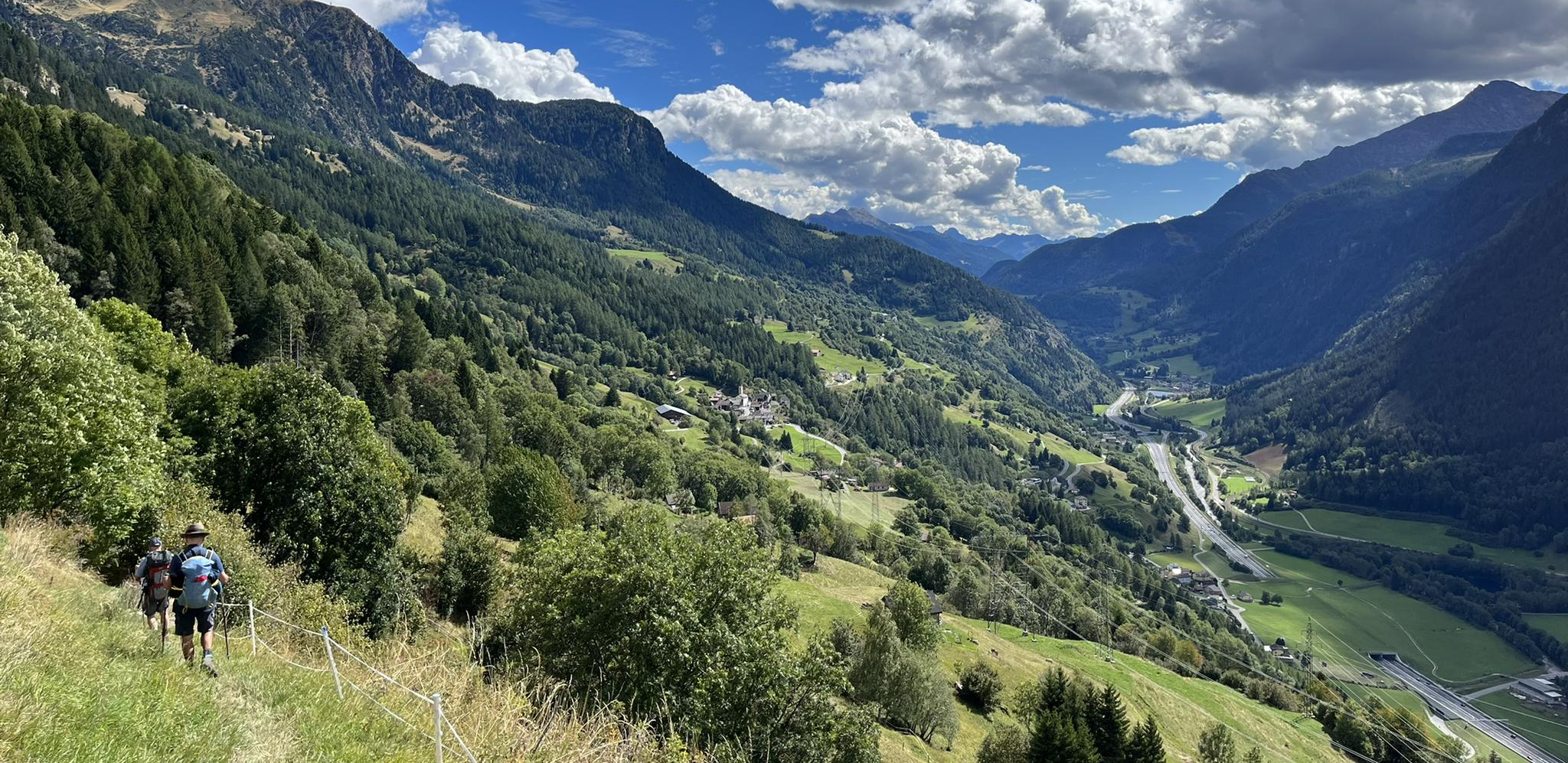
Strada alta – Hiking in the sun terrace of Switzerland
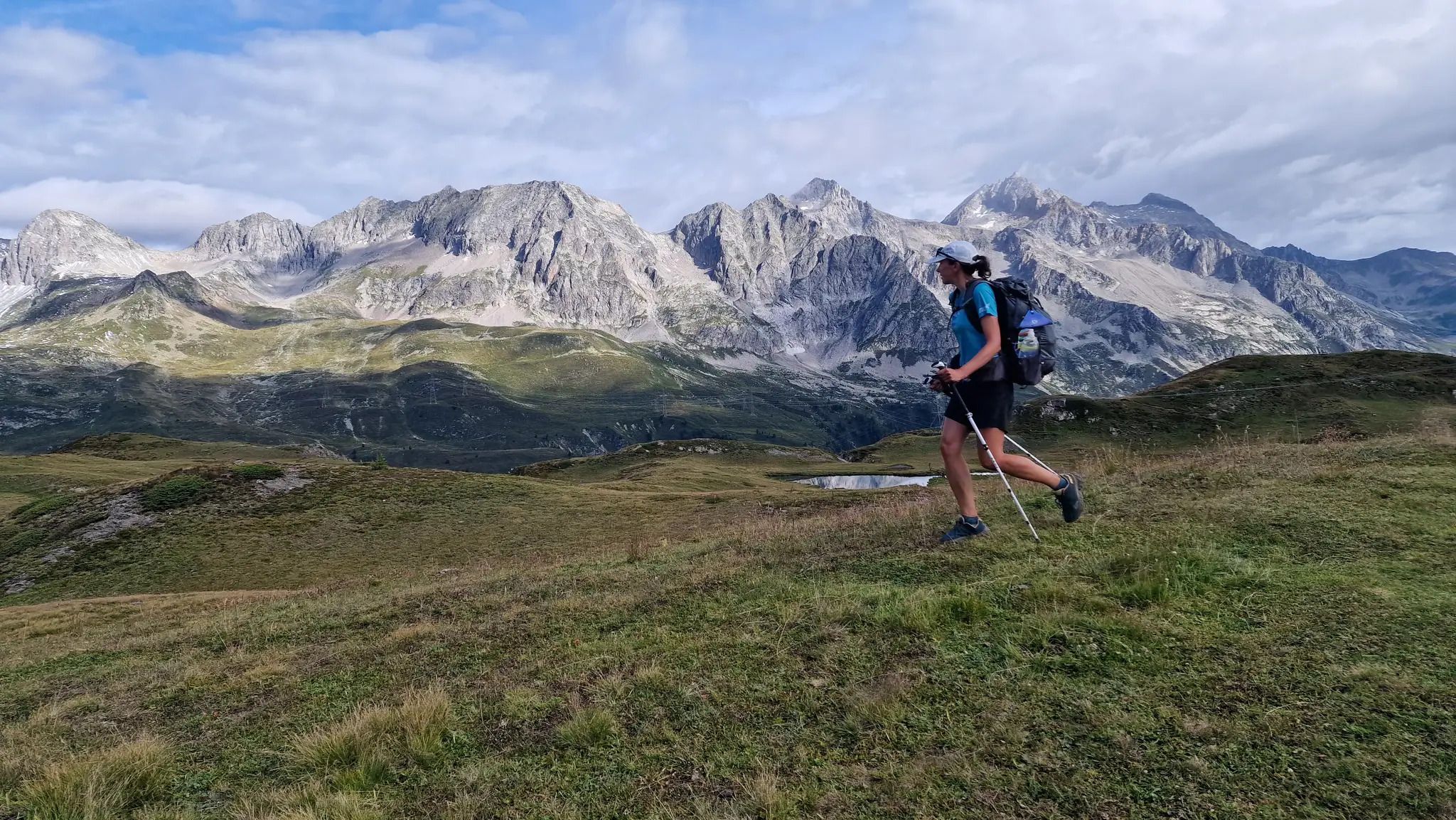
Alpine Passes Trail – hiking 700km across Switzerland
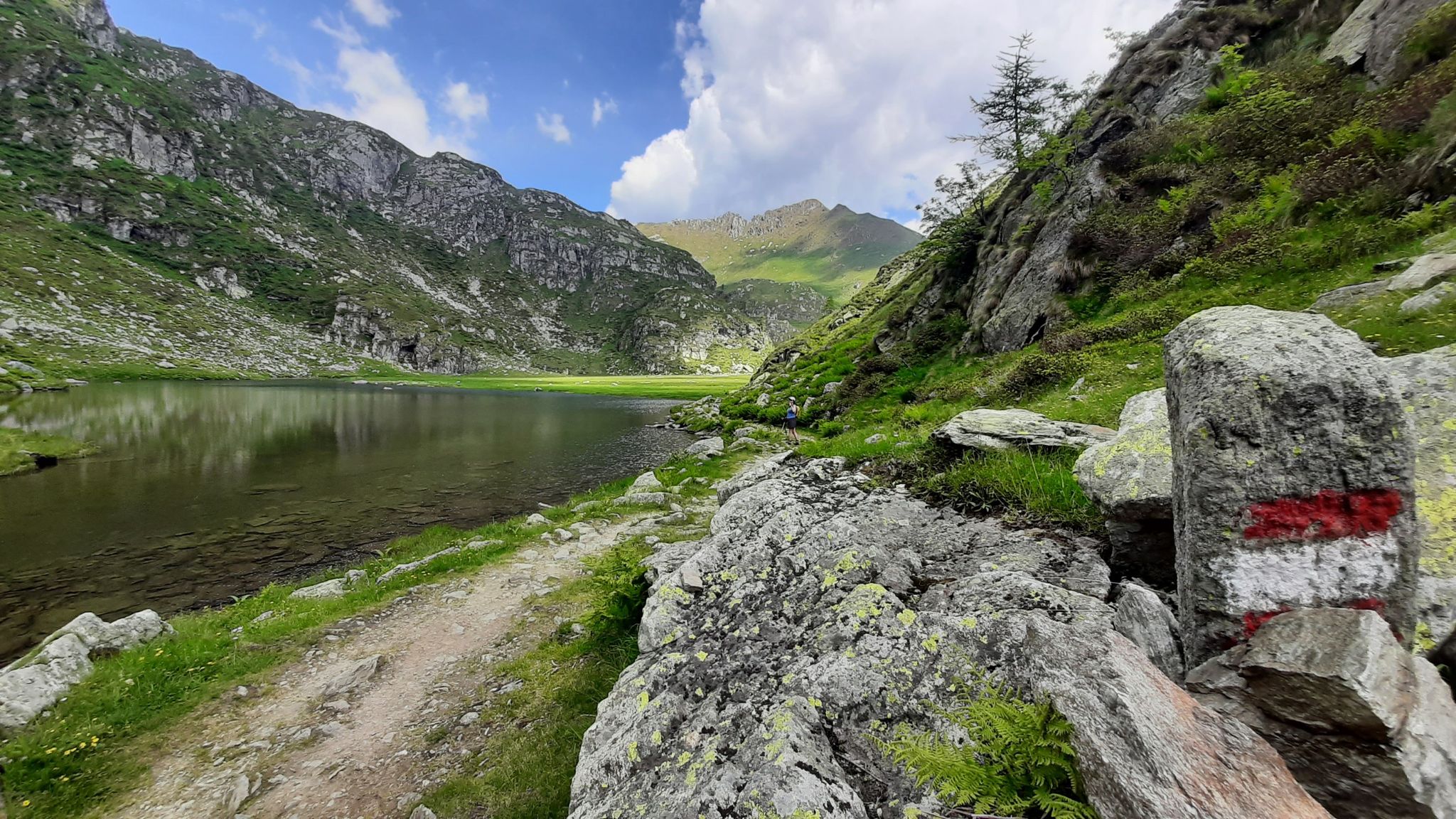
GTA North Piedmont – Among ancient Walser settlements
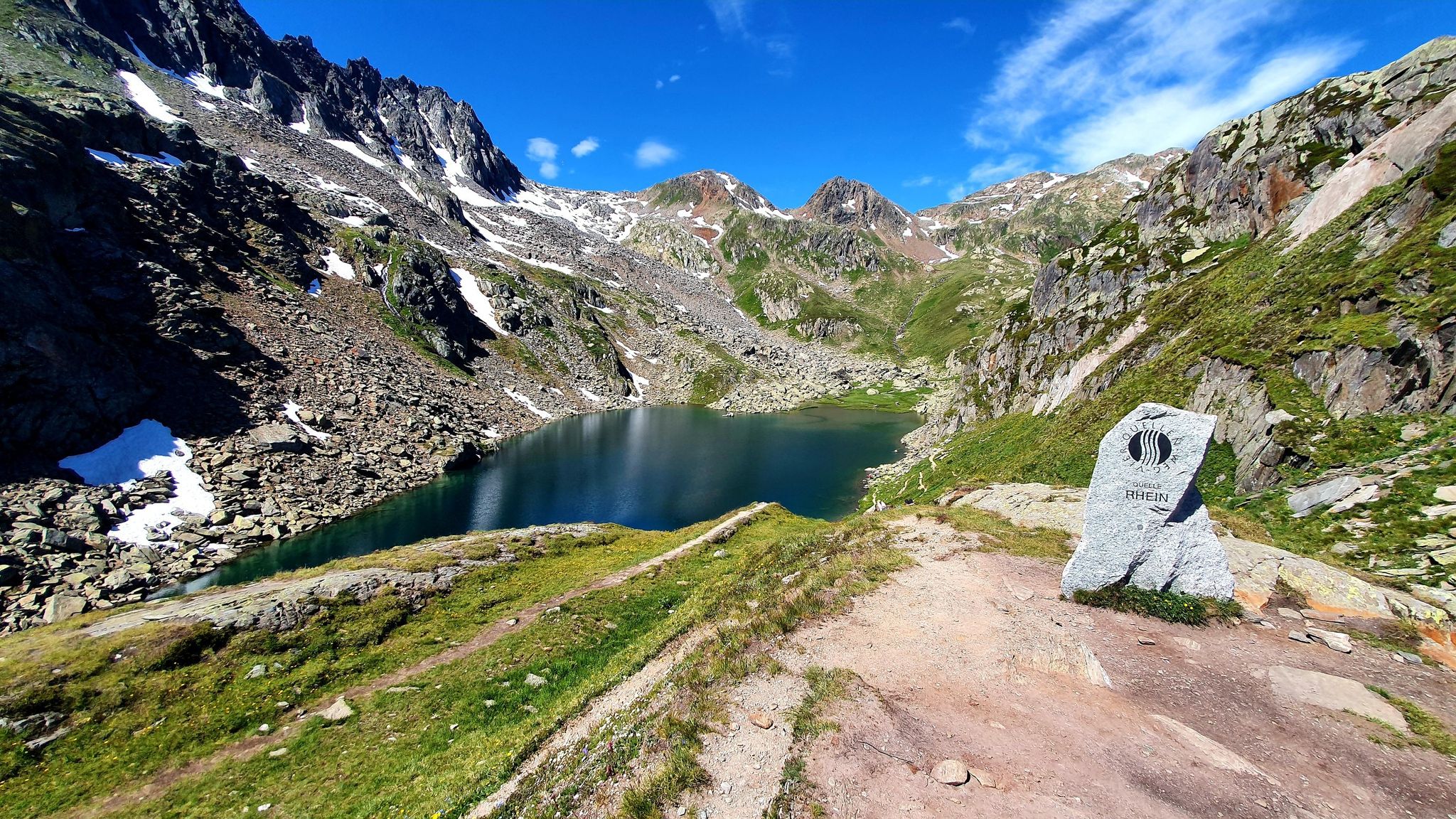
Four Springs Trail — Find flow in Switzerland's Gotthard Massif
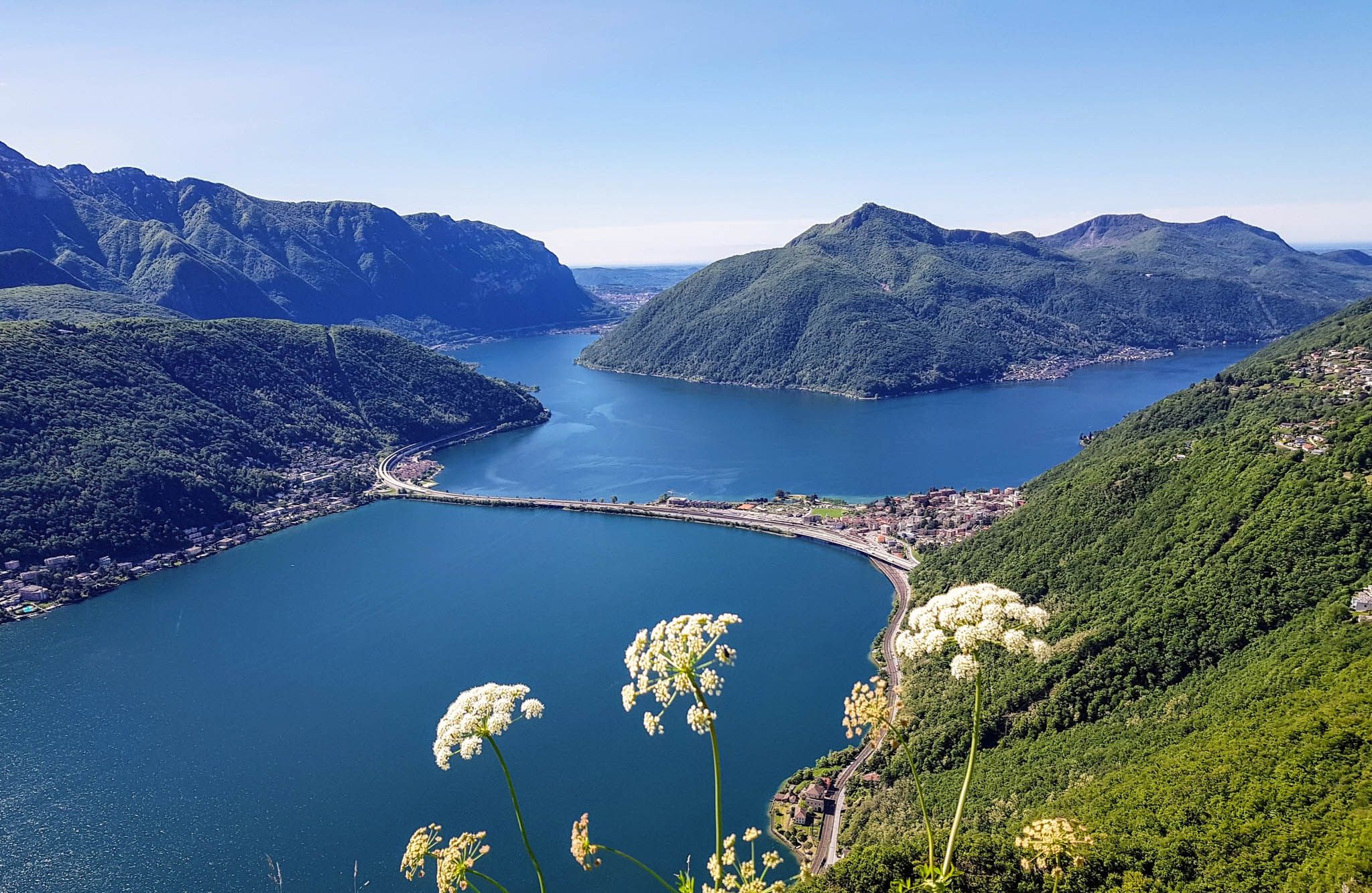
Sentiero Lago di Lugano – Between summits and lakes
Alpine Passes Trail in Switzerland – 34 stages of pure mountain fun
Trans Swiss Trail – Hiking across Switzerland
Via Gottardo – Following historic trails
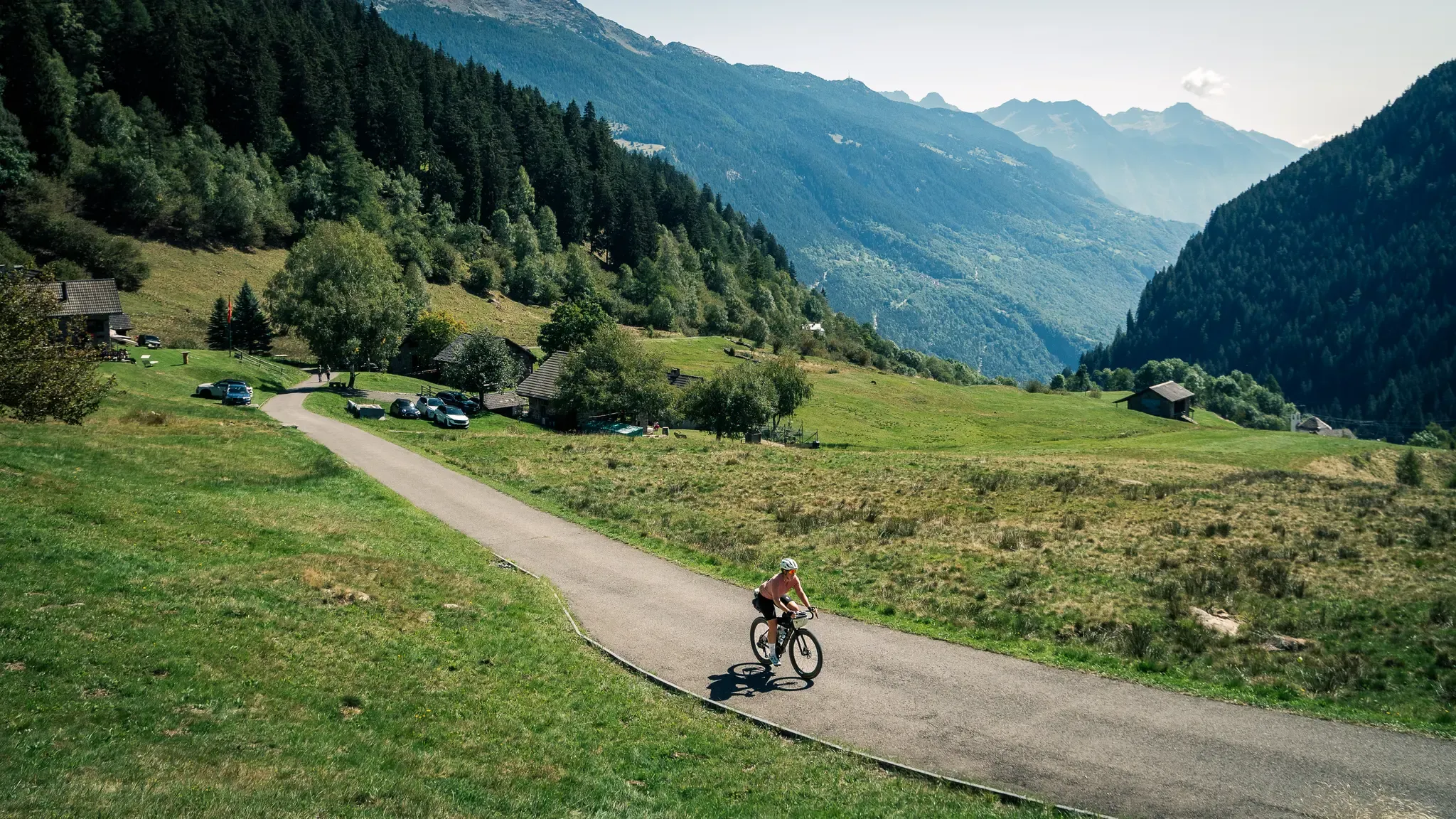
Ticino Traverso: exploring southern Switzerland, one detour at a time
Rugged trails, spectacular views: trail adventures in the high valley of Goms
Other adventures in Ticino


Tips from the Community

„The richness and diversity of the fossilized remains of life on Earth at Monte San Giorgio are unique worldwide. The mountain holds the secrets of the prehistoric history of life on Earth from over two hundred million years ago, including the history of our own origins as humans,“ reports the website of the – highly recommended – television series »Treasures of the World – Heritage of Humanity«, which presents UNESCO World Heritage sites from all eras and continents in several hundred short (fifteen-minute) film contributions. The episode can be accessed via this link to the ARD Mediathek =>> https://www.ardmediathek.de/video/schaetze-der-welt/monte-san-giorgio-schweiz-folge-326/swr/Y3JpZDovL3N3ci5kZS82ODQ5MjE4
0
0

Beautifully far from the road and a primeval landscape. But quite steep for hiking.
0
0

Discover the official MTB tours nearby: www.komoot.com/it-it/collection/3576744/-blenio-bike-28-tour-mtb-in-valle-di-blenio-la-valle-del-sole or on the official association website: www.bleniobike.ch
0
0

It is a classic type of cavity with an articulated karst morphology. It opens a few meters above the stream bed and has a triangular entrance. It has galleries, tunnels, narrow passages, halls, shafts, a small lake and numerous ascending and descending branches with different gradients. The main ascending branch has always been known, but subsequent studies, explorations and deconstruction work by Alex "Pino" Beati, Francesco Bianchi-Demicheli, Nicola Oppizzi, Riki Pontiggia and Luigi Tantardini have brought to light a descending branch with considerable development and important tributaries. There are numerous forms of concretions. The galleries are crossed by water curtains and drains, while the lower sections are hydrologically active. The clay deposits are considerable in places.
0
0

The Houses of the Pagans are ancient defensive buildings located in the Blenio valley, in some caves or balms. They perhaps served as shelters or signal posts. They are linked to the legends of the pagans who lived in the caves and their dating is uncertain, but they range from the 3rd to the 15th century.
2
0
Ruins of a small cave castle, clearly visible and with exposed access in the rock walls north of Mendrisio. A straight, three-story wall closes the natural cave. The main openings and probably the namesake are a high entrance and two windows. There is a cast iron window above the climb. Several embrasures and light hatches have been preserved. According to architectural criteria, the castle dates back to the 15th century. It probably served as a defensive refuge for a local leadership group. The Tanùn (Tanone), another cave on the ascent, which is closed off with a low wall, was probably related to Tri Böcc. An at least indirect connection is conceivable with the grotto hermitage of San Nicolao, which, according to tradition, was built by Loterio Rusca in 1413 in a higher rock echelon.
1
0

At this point is the famous fossil mine (World Heritage Site) of a world that has been past 240 million years. You can find out more about this on the sign next to the small mine entrance and the corresponding museum in Meride or Besano. The mine is famous for the variety of fossils that have been excavated.
3
0
C. or Casa dei Cröisch is the name given to a number of small defensive structures in the Blenio Valley, which are built in caves or under balms. Both names and variants also stand for undeveloped caves as well as for old buildings and ruins within and occasionally outside the Blenio Valley. The fortifications known today are located in the former municipalities of Aquila, Dongio (three), Malvaglia, Marolta and Torre. The building called Castello in the former municipality of Chiggiogna in Leventina, which neighbors the Blenio Valley, belongs to this group due to its location and structural features. All systems except one are in a clear spatial area. Relationship to a settlement. They are difficult to access and are usually additionally protected by truss-like walls. The vestibule, fireplace and small finds prove that it is habitable. In addition to the preserved, irregular mortar masonry, several of the buildings were partly made of wood. Numerous controversial hypotheses about the population and function of the C., such as signal posts, refuges of the last pagans or Saracen bases, were based on its location or its name. In folklore. In this respect, the buildings, with the legendary tradition of the pagans living on the C. living in the valley, similar to the Grottes aux Fées in Valais, are closely related to the idea of motherly. powers. Since the written sources are silent, the interpretation remains archaeological. Finds and findings: According to two C-14 dates that have not been further confirmed, the building can be dated to the 3rd-7th century. (Malvaglia), or 9th-11th. Century (Dongio 1). After thorough Although the C. of Malvaglia was destroyed around 1200, it was rebuilt and probably served as a residence for members of the local ruling class until the 14th or 15th century.
5
1
Frequently Asked Questions
What types of underground experiences can I find in Ticino?
Ticino offers a diverse range of underground explorations, including ancient natural shelters, fossil-rich caverns, and historical quarries. Beyond geological formations, the region is also famous for its traditional "grotti," rustic eateries often nestled within natural rock formations or cellars.
Where can I explore significant paleontological sites in Ticino?
The From Mines to Fossils area, a UNESCO World Heritage Site, is renowned for its diverse fossil discoveries from 240 million years ago. You can also visit the Bear's Cave on Monte Generoso, an important paleontological site housing significant remains of the cave bear (Ursus spelaeus).
Are there caves in Ticino with impressive mineral formations?
Yes, the Cioss Prato Crystal Cave in Bedretto offers a unique visual experience. It showcases an impressive collection of huge crystals from the Gotthard region, including rare smoky quartz and radiant quartz, all embedded in a meticulously arranged setting.
What historical cave sites can I visit in Ticino?
You can explore the Casa dei Pagani in the Blenio Valley, ancient defensive structures found within caves or overhangs, dating from the 3rd to the 15th century. Another historical site is the Cava Ronchetti Quarry, an ancient stone quarry where "Caprino stone" was extracted for building houses in Lugano.
What is the Sovaglia Cave known for?
The Sovaglia Cave, near Rovio, is a karst cave of significant speleological interest. It extends for approximately 500 meters and features a picturesque spring, making it ideal for diving due to a deep shaft.
Are there family-friendly cave experiences in Ticino?
Yes, the Cioss Prato Crystal Cave is considered family-friendly, offering an accessible and visually engaging experience with its crystal displays. The Bear's Cave on Monte Generoso also provides an educational visit for families interested in paleontology.
What are "grotti" and where can I find them in Ticino?
"Grotti" are traditional, rustic restaurants unique to Ticino, often built into natural rock formations, cellars, or secluded, shaded areas. They are integral to the Ticinese culinary experience, serving local dishes and wines. You can find many grotti throughout the canton, such as Grotto Ca' Nostra in Brione sopra Minusio or Grotto dei due Ponti in Giornico. For more information on grotti, you can visit MySwitzerland.com.
What outdoor activities can I combine with a cave visit in Ticino?
Ticino offers various outdoor activities that can be combined with cave exploration. You can find numerous hiking opportunities, including easy hikes, mountain hikes, and waterfall hikes. Some caves, like the Hidden Caves of Vallemaggia, even offer guided spelunking tours for the adventurous.
What is the best time of year to visit caves in Ticino?
The best time to visit caves in Ticino generally depends on the specific cave. Many natural caves are accessible during the warmer months, typically from spring to autumn, when outdoor conditions are more favorable for reaching them. Some commercial or managed sites may have specific seasonal opening hours, so it's advisable to check in advance.
Are there any caves in Ticino that are considered challenging to access?
Yes, the Gorge of Lucomagno features caves and gorges slightly off marked trails, which can be challenging. Additionally, the Grotta della Bögia is categorized as challenging, suggesting a more demanding exploration experience.
Can I bring my dog to caves in Ticino?
Dog access varies significantly by specific cave and site regulations. While some outdoor areas leading to caves might be dog-friendly, entry into the caves themselves, especially managed or protected sites like the Bear's Cave or Cioss Prato Crystal Cave, often has restrictions for safety and preservation. It's best to check individual site policies before planning your visit with a dog.
Most popular routes in Ticino
Most popular attractions in Ticino

Get inspired with the komoot mobile app


Didn’t find what you were looking for?
Discover more caves in Ticino region by region:
Explore more
Extend your search for the best caves by checking out these guides of the top ones in Ticino:
