The 6 Most Amazing Peaks in Potsdam
Best mountain peaks in Potsdam provide elevated natural features that contribute to the city's unique landscape. These areas often feature historical sites and offer panoramic views. Potsdam's terrain includes hills shaped by glacial activity and human endeavor, providing diverse exploration opportunities. These elevated points are significant for their cultural importance and scenic vistas.
Best mountain peaks in Potsdam
- The most popular mountain peaks is Belvedere on the Pfingstberg, a man_made_monument that offers a unique view of Potsdam and the…
Last updated: May 11, 2026
Belvedere on the Pfingstberg
Highlight • Monument
The opening times of …
Translated by Google •
Tip by

Belvedere on the Klausberg
Highlight • Monument
From Klausberg …
Translated by Google •
Tip by

Sign up now to discover places like this
Get recommendations on the best single tracks, peaks, & plenty of other exciting outdoor places.
Sign up for free
Loggia Alexandra on Böttcherberg
Highlight • Monument
Translated by Google •
Tip by

Kleiner Ravensberg Summit and Observation Tower
Highlight • Summit
Translated by Google •
Tip by

Luisen Hills
Highlight • Summit
Translated by Google •
Tip by

Großer Herzberg
Highlight • Summit
Translated by Google •
Tip by

Schwarzer Berg
Highlight • Summit
Translated by Google •
Tip by

Kahler Berg
Highlight • Forest
Translated by Google •
Tip by
View of the Neues Palais from Kellerberg
Highlight • Viewpoint
Translated by Google •
Tip by

View from Reiherberg
Highlight • Viewpoint
Translated by Google •
Tip by

Start today with a free account
Your next adventure awaits.
Login or Signup
Popular around Potsdam
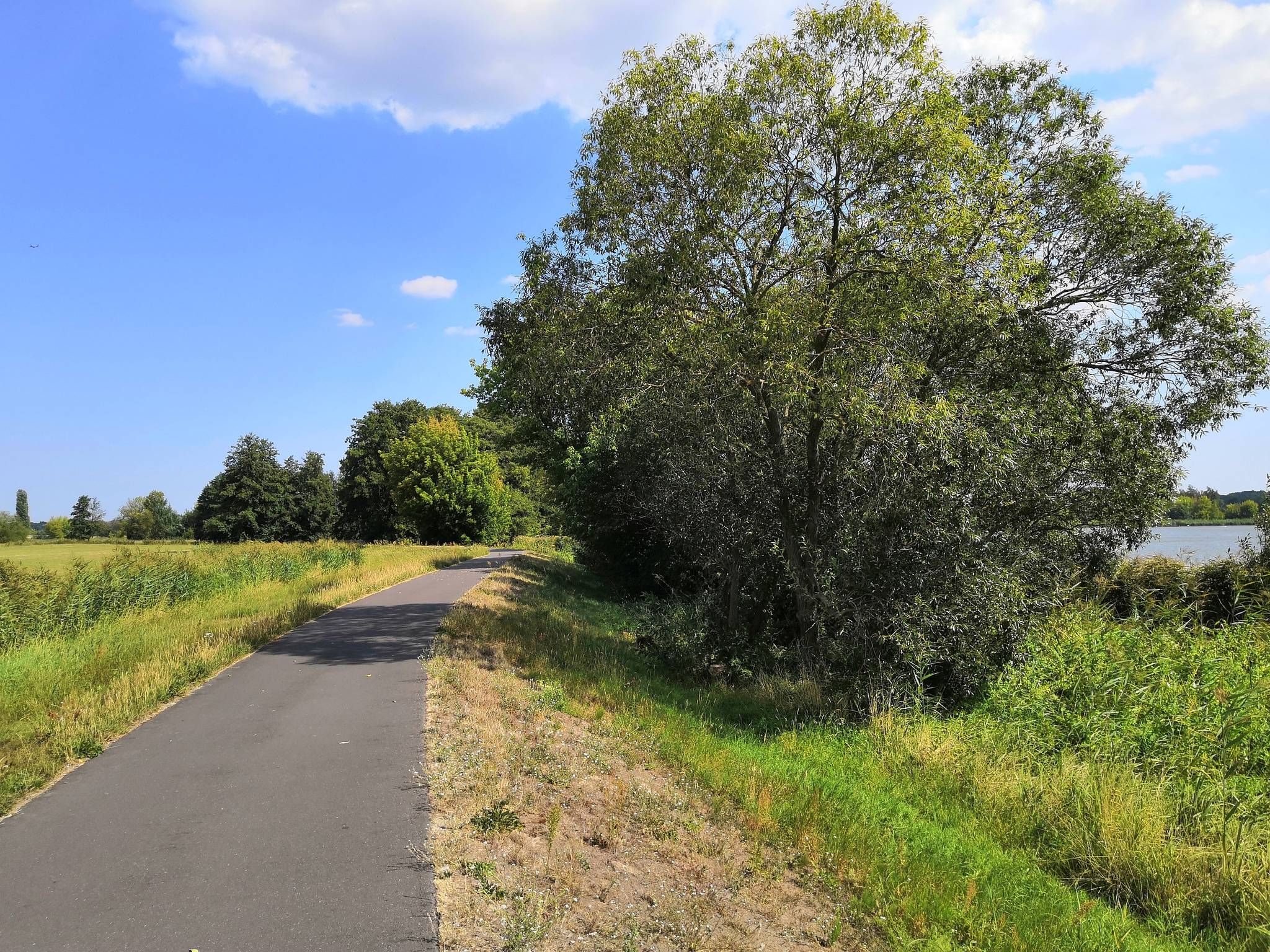
The Havel Cycle Path – in 6 stages from its source to its mouth
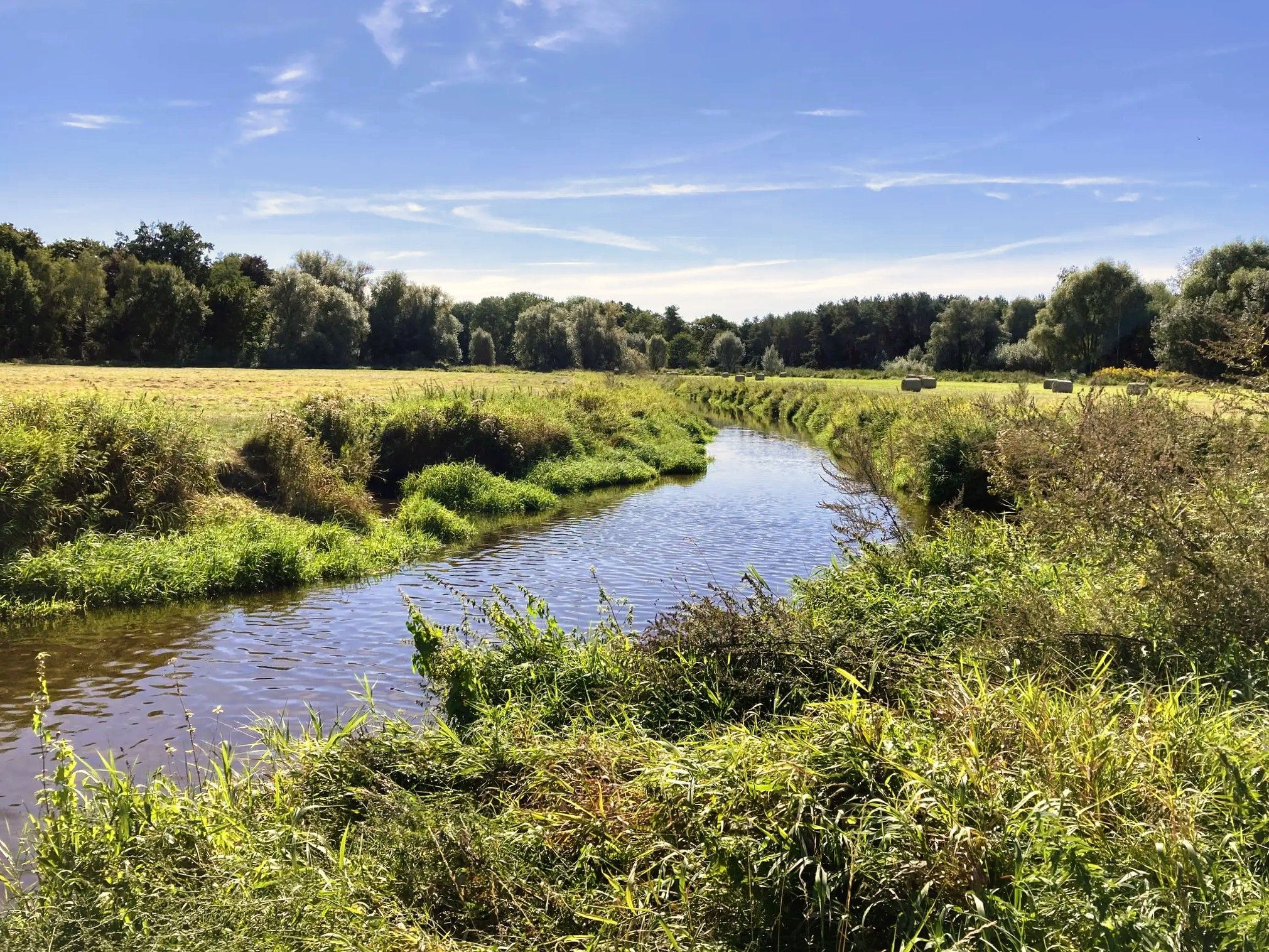
Relaxation after work – evening hikes with the S-Bahn
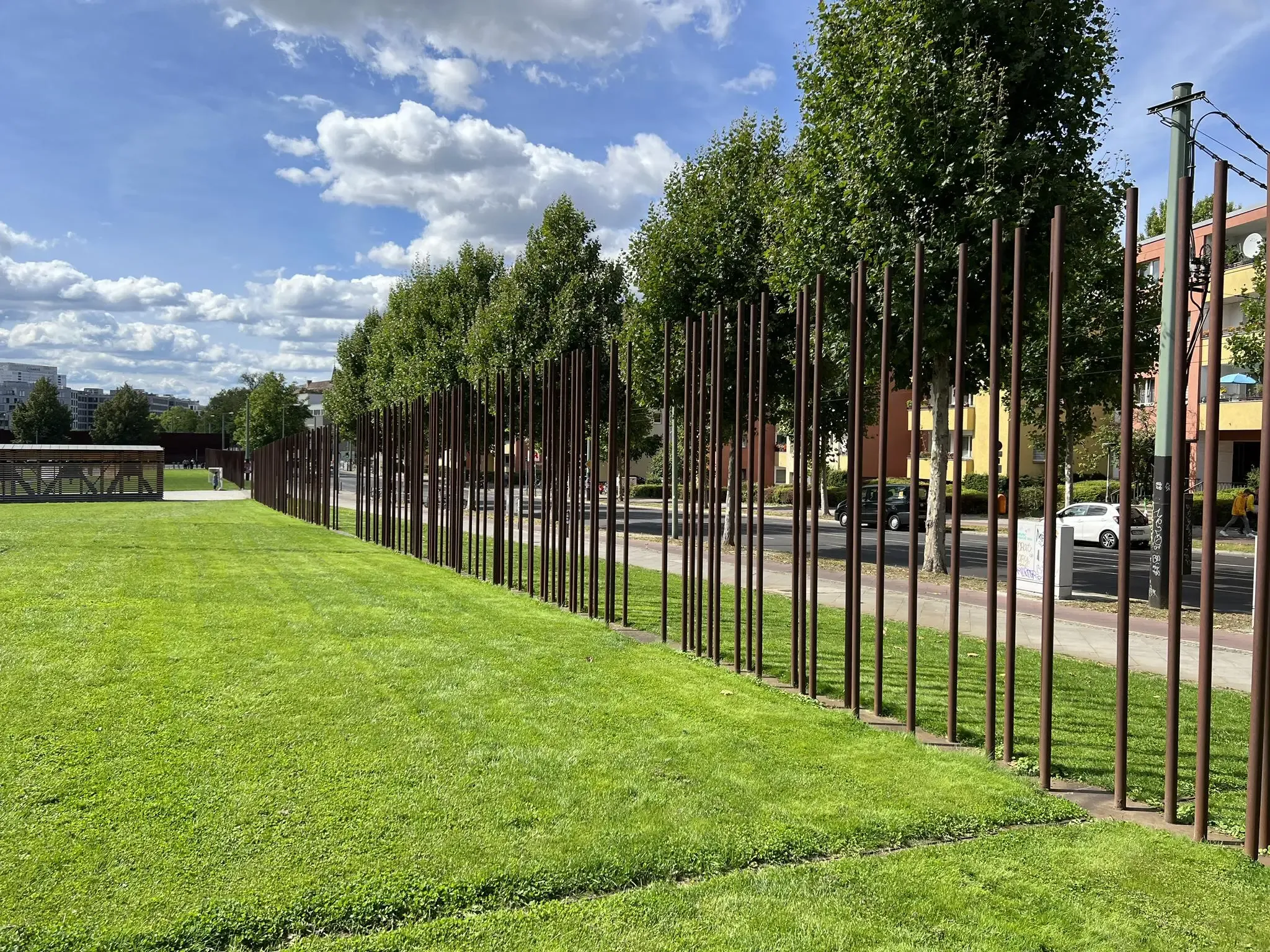
Hiking the Berlin Wall Trail
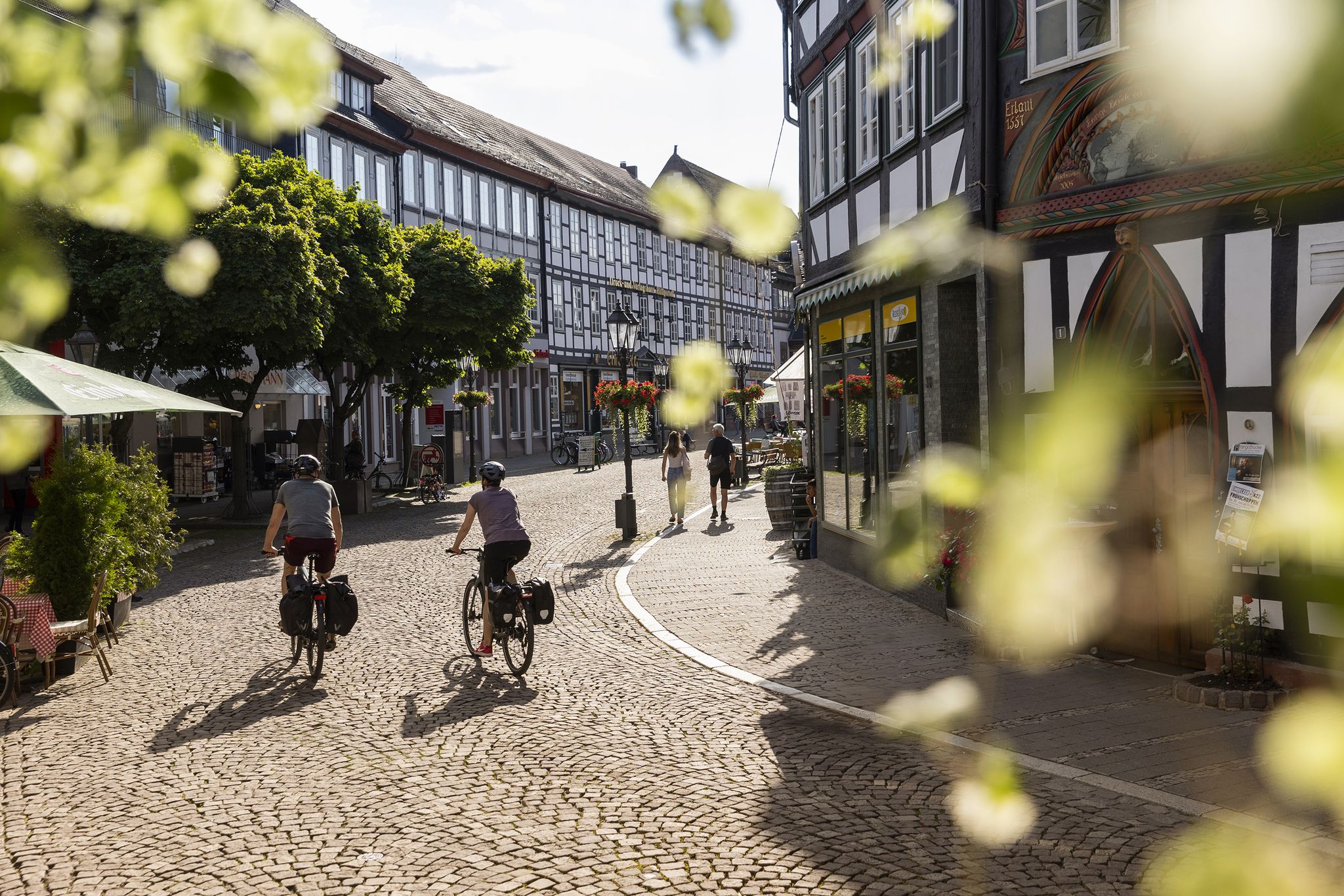
Experience cultural history on D-Route 3 – European Cycle Route R1
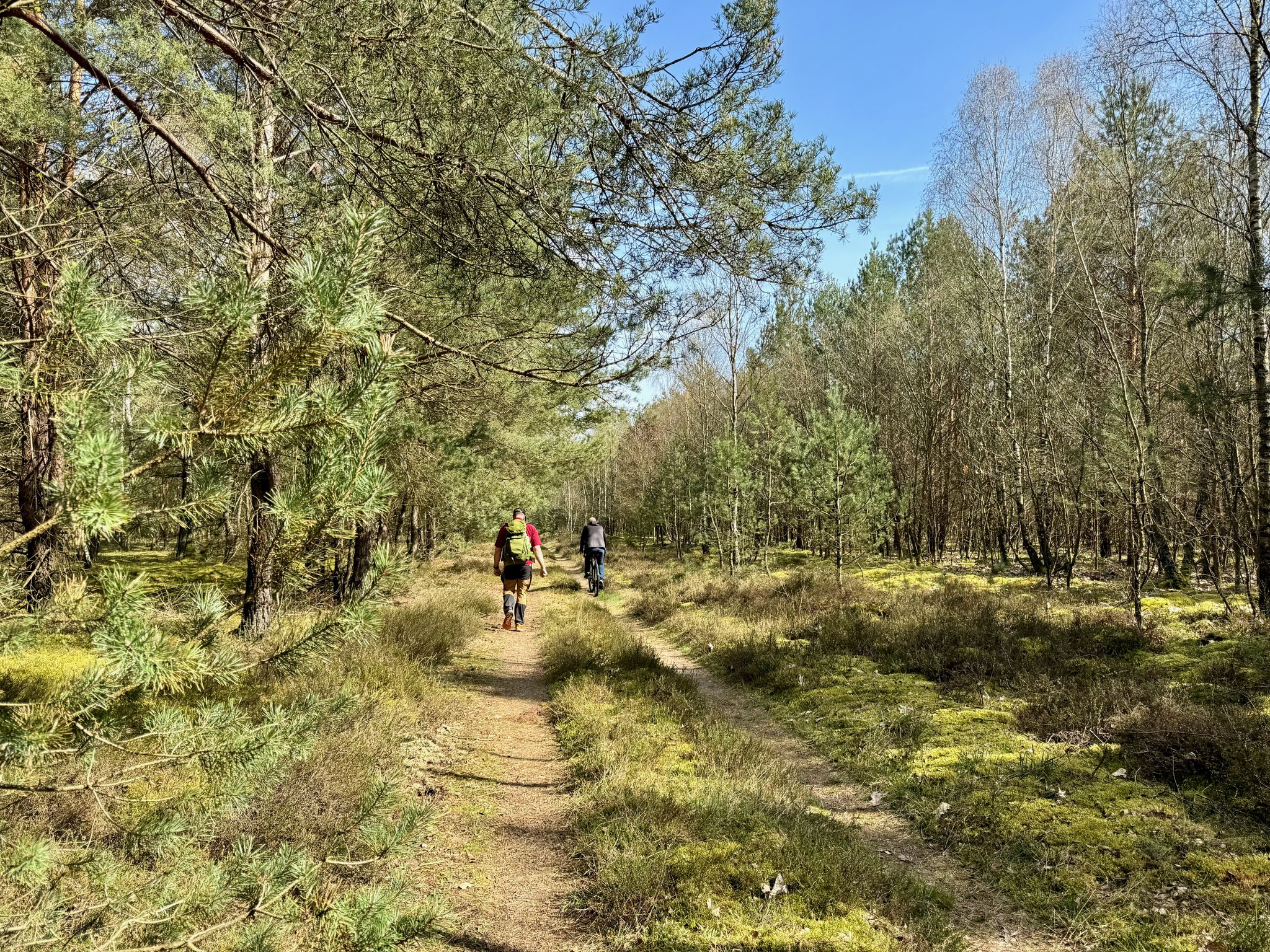
Hut or cask, tent or room – two-day hiking with the S-Bahn
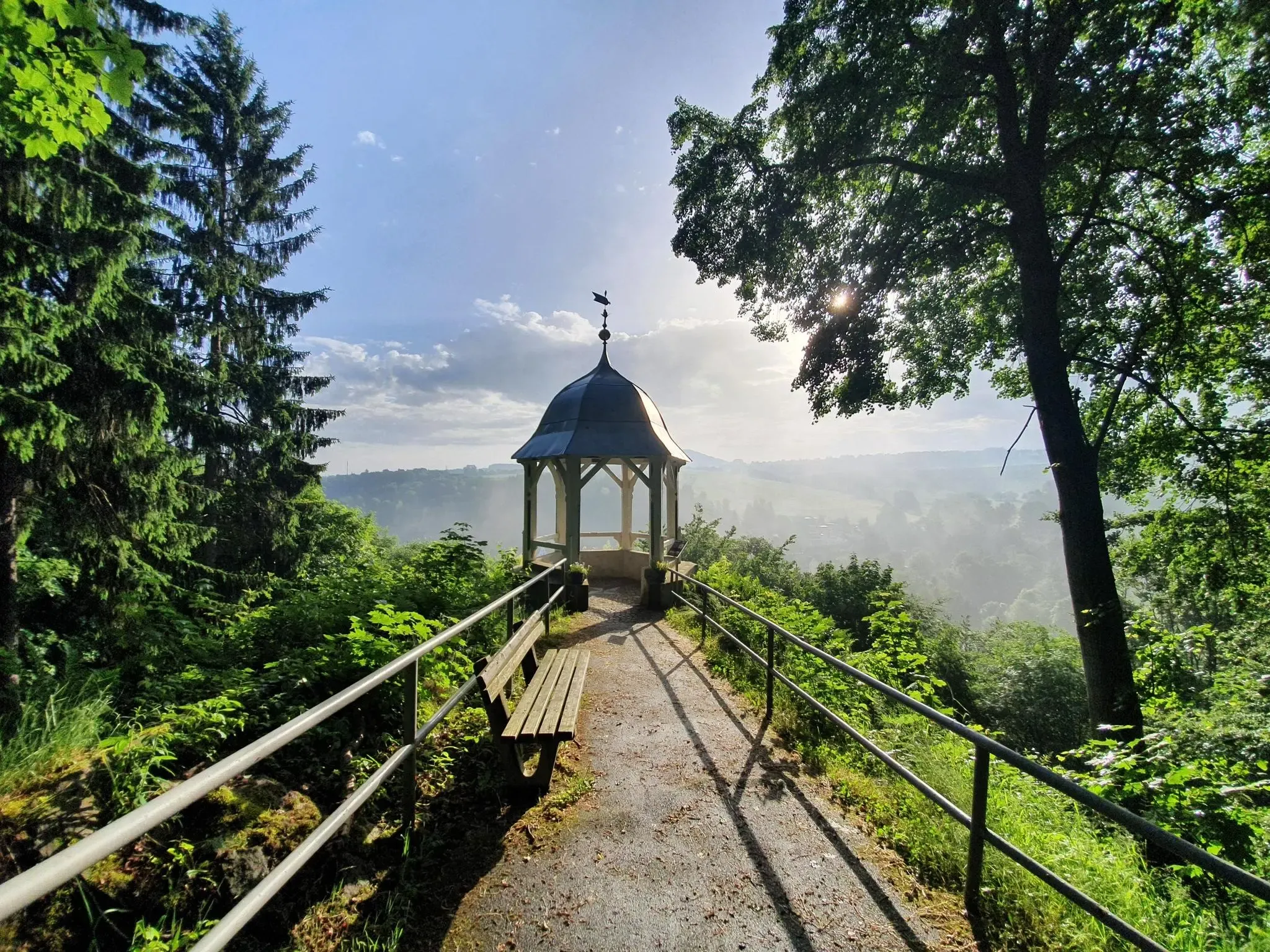
#GoFurther – discover the views of Germany!

Gravel riding in Brandenburg with Steffi Marth
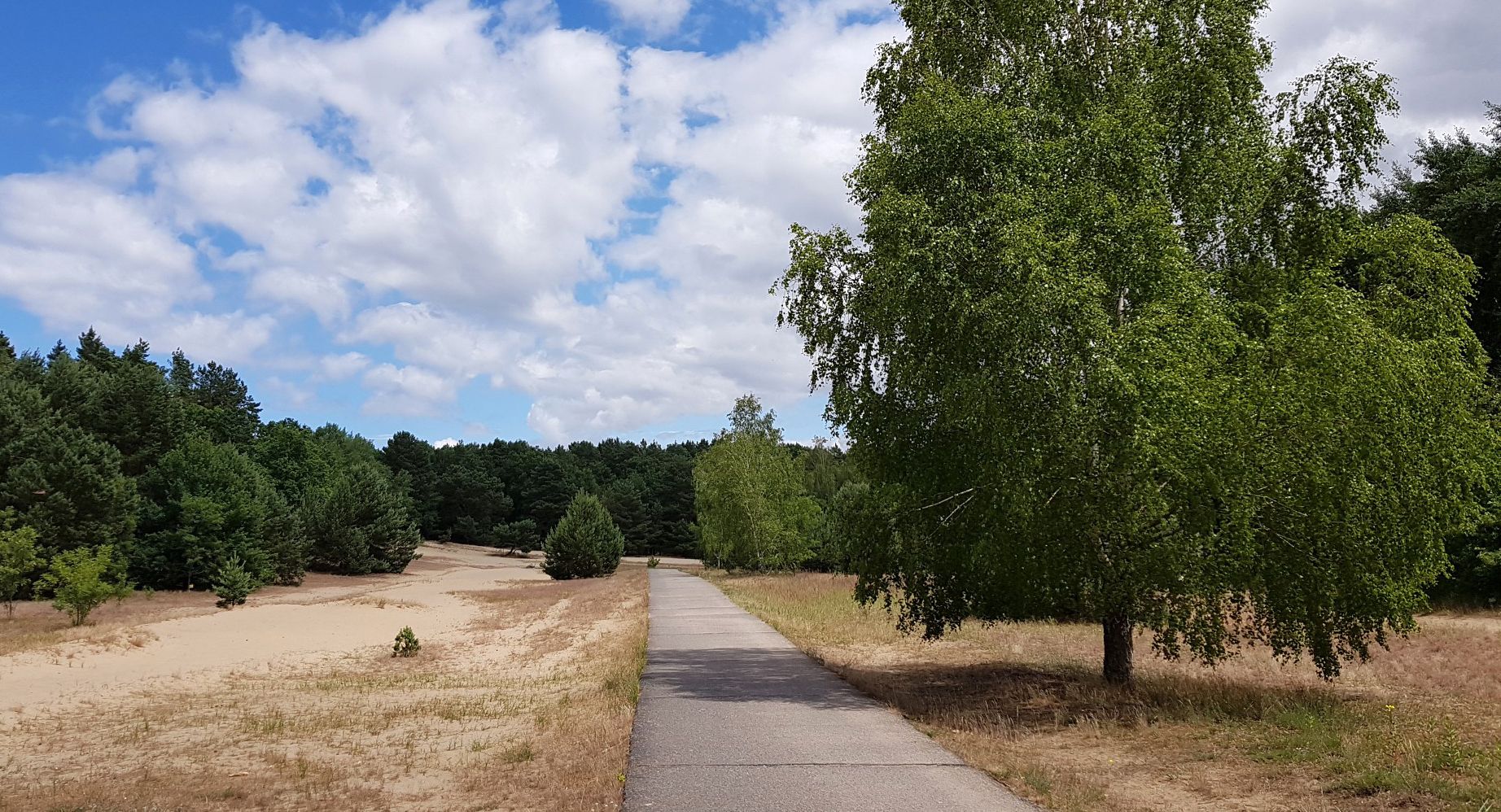
Berlin Wall – tracing history with the S-Bahn
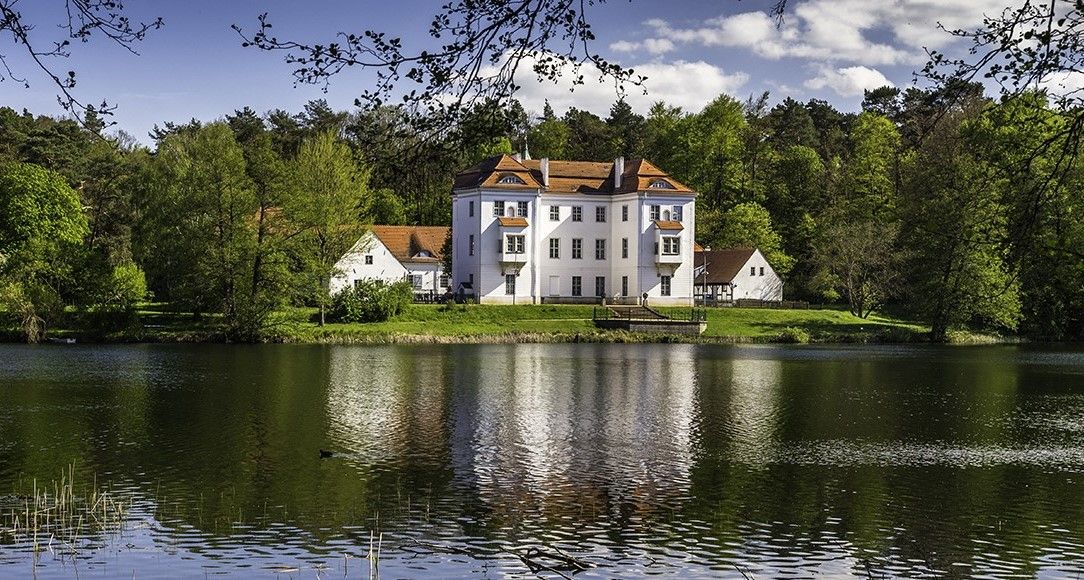
Where the Hohenzollerns worked — searching for traces with the S-Bahn
Hike Theodor Fontane’s beloved Brandenburg – S-Bahn Berlin
Other adventures in Potsdam


Tips from the Community

nice view towards Werder
0
0

There are a lot of Berlin wonder garlic up here.
0
0

Because of the beautiful view over Potsdam and the surrounding area as far as Berlin, Friedrich Wilhelm IV had the Belvedere built on the Pfingstberg according to his own plans. The Italian-influenced building was carried out from 1847 by Ludwig Persius, Friedrich Stüler and Ludwig Ferdinand Hesse. Originally planned as a large observation palace complex with open staircases and water features, the Belvedere was completed in 1863 in a much smaller form. After 1945, the building fell into disrepair. The Belvedere on the Pfingstberg has been fully accessible to visitors again since the end of June 2003. In recent years, the east tower, the eastern and northern colonnade and the east arcade of the Belvedere have been extensively reconstructed. Today, tens of thousands of visitors a year enjoy "Potsdam's most beautiful view" from the palace towers in the UNESCO World Heritage Site, over 100 metres above sea level 😊...
3
0

Was built in 1869-1870 in memory of Tsarina Alexandra Feodorovna by her brother. At the end of the extensive restoration, safety glazing was installed in 2001.
0
0

For summit collectors: The highest point is difficult to determine, but it is definitely not the point on the map... (and green is more appropriate than black 😉)
1
0

Beautiful view towards the New Palace.
1
1

"Belvedere" means "beautiful view". From the Klausberg there are charming views across Sanssouci Park to the hilly landscape with many lakes and the city of Potsdam. The two-storey rotunda with two balconies and a dome crowned by the will of Frederick the Great was modeled on an attempt to reconstruct Emperor Nero's imperial palace in Rome.
16
0
Frequently Asked Questions
What is the highest point within Potsdam's city limits?
The highest point within Potsdam is the Kleiner Ravensberg Summit and Observation Tower, reaching an elevation of 114 meters (374 feet). From its summit, you can enjoy views of the surrounding area through the treetops, which is a notable feature for the region.
Which elevated features in Potsdam offer the best panoramic views?
For breathtaking panoramic views, the Belvedere on the Pfingstberg is highly recommended. Climbing its towers provides unparalleled photographic opportunities and a grand sense of the region's scale, including views of Potsdam's lakes and even glimpses of Berlin on a clear day. Another excellent spot is the Belvedere on the Klausberg, which offers delightful views across Park Sanssouci to the hilly, lake-rich landscape and the city.
Are there historical sites or cultural attractions on Potsdam's elevated features?
Yes, several elevated features in Potsdam are rich in history and culture. The Belvedere on the Pfingstberg is a UNESCO World Heritage site featuring an Italianate palace and grounds designed by Peter Joseph Lenné. Belvedere on the Klausberg is another historical site with a restored rotunda offering insights into Frederick the Great's architectural vision. Additionally, the Loggia Alexandra on Böttcherberg is a beautiful little castle built as a vantage point in memory of Princess Charlotte.
Are Potsdam's elevated areas suitable for family outings?
Many of Potsdam's elevated features are family-friendly. The Belvedere on the Pfingstberg, Loggia Alexandra on Böttcherberg, View of the Neues Palais from Kellerberg, and View from Reiherberg are all categorized as family-friendly. These spots often combine gentle walks with interesting sights and views, making them enjoyable for all ages.
What kind of hiking experience can I expect on Potsdam's hills?
Potsdam's hills offer a diverse hiking experience, ranging from easy strolls to intermediate trails. While not towering mountains, they provide noticeable elevation changes for the region. You can find forested paths, such as those leading to Kleiner Ravensberg Summit or Großer Herzberg, which are perfect for a quiet walk. Some paths, like the final ascent to Kleiner Ravensberg, can be quite steep, offering a good workout. Many trails are well-maintained and suitable for beginners, focusing on scenic views and historical exploration rather than strenuous climbs.
What is the best time of year to visit Potsdam's elevated features?
Potsdam's elevated features can be enjoyed year-round, each season offering a different charm. Spring and summer are ideal for lush greenery and vibrant gardens, especially around the Belvedere sites. Autumn provides beautiful foliage, while winter, particularly in the leafless season, can offer clearer, more expansive views from spots like the View from Reiherberg. Always check local weather conditions before your visit.
Are there specific routes or trails near Potsdam's peaks for outdoor activities?
Yes, the areas around Potsdam's elevated features are well-suited for various outdoor activities. You can find numerous routes for cycling, mountain biking, and running. For example, there are many MTB Trails in Potsdam and Cycling routes in Potsdam that pass by or near these hills, offering scenic rides. Additionally, Running Trails in Potsdam provide options for joggers looking for varied terrain and beautiful surroundings.
How accessible are Potsdam's peaks by public transport?
Many of Potsdam's elevated features are accessible by public transport, making them convenient to visit. For instance, Pfingstberg, home to the Belvedere, is well-connected. While specific bus stops vary, Potsdam has a comprehensive public transport network that can get you close to most major attractions and natural areas. It's advisable to check local transport schedules for the most direct routes to your chosen destination.
Can I bring my dog to the elevated areas in Potsdam?
Generally, many of Potsdam's natural areas and parks, including some elevated features, are dog-friendly, especially if dogs are kept on a leash. However, specific rules can vary for historical sites or protected areas. For example, the Kleiner Ravensberg Summit area is known for its quiet forest paths, which are suitable for walks with dogs. Always look for local signage regarding dog regulations before your visit.
Are there any unique natural features to explore on Potsdam's hills?
Beyond the historical structures, Potsdam's hills offer interesting natural features. The Luisen Hills are recognized as a natural monument, providing a glimpse into the region's unique flora and fauna. The hills themselves are often shaped by glacial activity, contributing to the diverse landscape. You'll find dense forests, like those surrounding Großer Herzberg and Schwarzer Berg, offering peaceful natural environments.
What do visitors enjoy most about Potsdam's elevated viewpoints?
Visitors particularly enjoy the combination of historical significance and stunning natural beauty. The unique blend of Italianate architecture at the Belvedere on the Pfingstberg with its expansive views is a highlight. Many appreciate the tranquility of places like Telegrafenberg, offering peaceful perspectives away from crowds. The ability to stand on Potsdam's highest natural point at Kleiner Ravensberg and enjoy views through the treetops is also a popular experience.
Can I find cafes or restaurants near Potsdam's elevated features?
Yes, you can often find cafes or restaurants near Potsdam's more popular elevated features, especially those integrated into historical parks or tourist areas. For example, the area around Pfingstberg and the New Garden often has dining options. While specific cafes might not be directly on every summit, the city of Potsdam itself is well-equipped with culinary choices, usually a short walk or drive from the natural areas.
Most popular routes in Potsdam
Most popular attractions in Potsdam

Get inspired with the komoot mobile app


Explore more
See even more amazing summits in Potsdam with these guides:
