The 20 Most Amazing Peaks at the Baltic Sea
Best mountain peaks at the Baltic Sea are primarily hills and uplands, offering elevated areas for scenic views and recreational opportunities. While the region is generally known for its low-lying landscapes, these points provide unique natural beauty. They are considered the highest points within the Baltic states and along the Baltic coast. These locations are worth visiting for those exploring the region's diverse natural features.
Best mountain peaks at the Baltic Sea
- The most popular mountain peaks is Pelzerhaken Lighthouse, a man_made_monument that was first built in 1842. The site of the lighthouse is fenced, with views possible from a distance.
- Another must-see spot is Hessenstein Tower, a man_made_monument. From the viewing platform, visitors can look over the Baltic Sea to Fehmarn, and in clear weather, even to Denmark.
- Visitors also love View from Bakenberg, a viewpoint. The highest hill here offers views extending over the entire Mönchsgut and its adjacent waters.
- Baltic Sea is known for viewpoints, lighthouses, and natural monuments. The region offers a variety of elevated spots to see and explore.
- The mountain peaks at the Baltic Sea are appreciated by the komoot community, with more than 1800 upvotes and 397 photos shared across 28 highlights.
Last updated: June 22, 2026
Pelzerhaken Lighthouse
Highlight • Monument
Lighthouse in Neustadt in Holstein. The first tower on this site was built in 1842 and 1843 under Danish rule. It was a square, plastered building with an annex.
Translated by Google •
Tip by

Streckelsberg
Highlight • Viewpoint
Translated by Google •
Tip by

Sign up now to discover places like this
Get recommendations on the best single tracks, peaks, & plenty of other exciting outdoor places.
Sign up for free
South Perd pilot tower and pilot house
Highlight • Viewpoint
Translated by Google •
Tip by

Hessenstein Tower
Highlight • Monument
Translated by Google •
Tip by

View from Bakenberg
Highlight • Viewpoint
Translated by Google •
Tip by

Sign up for free to discover even more peaks at the Baltic Sea.
Sign up for free
Already have an account?
Start today with a free account
Your next adventure awaits.
Login or Signup
Popular around Baltic Sea
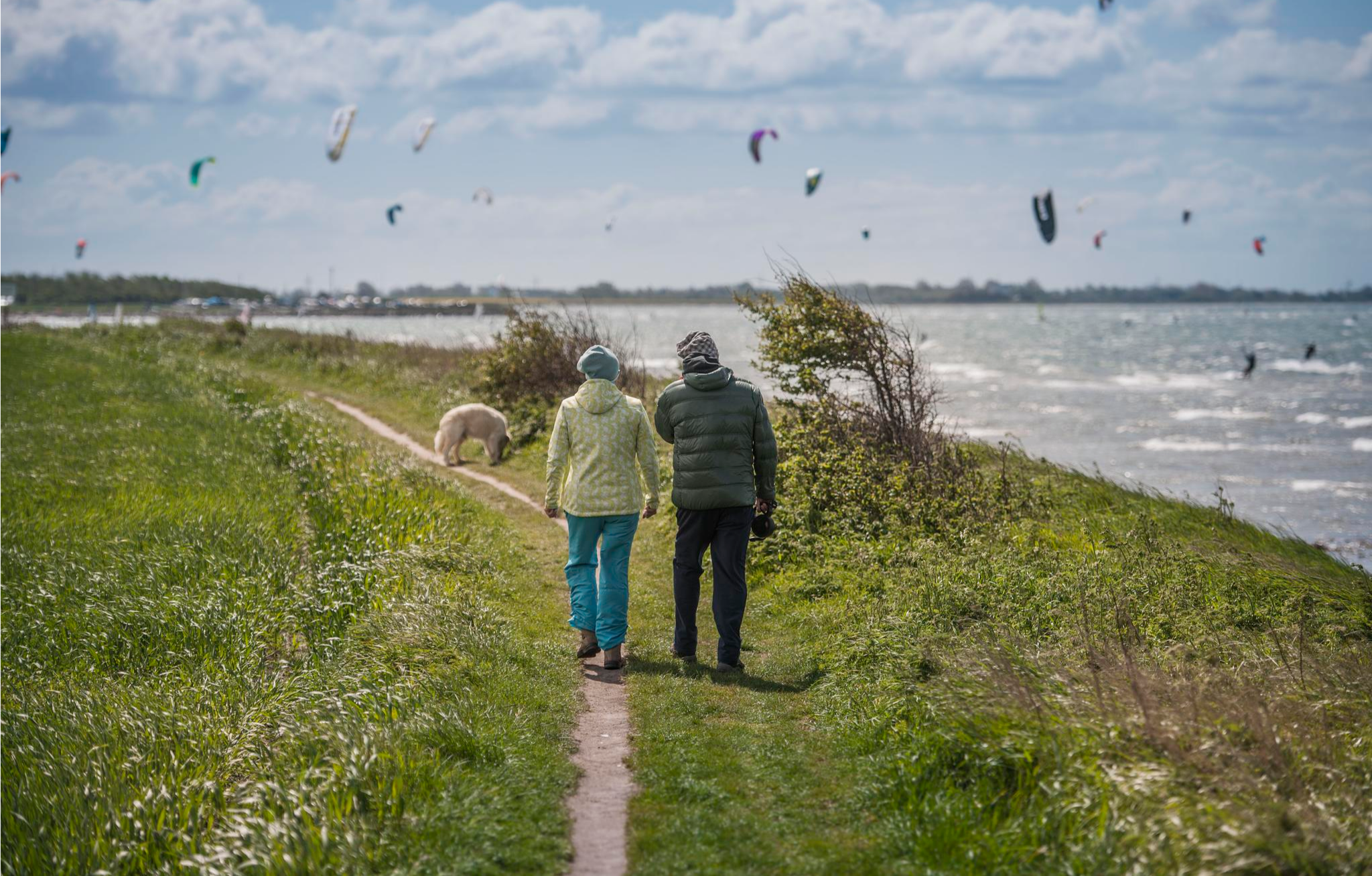
Autumn walks on Fehmarn – between coast and culture
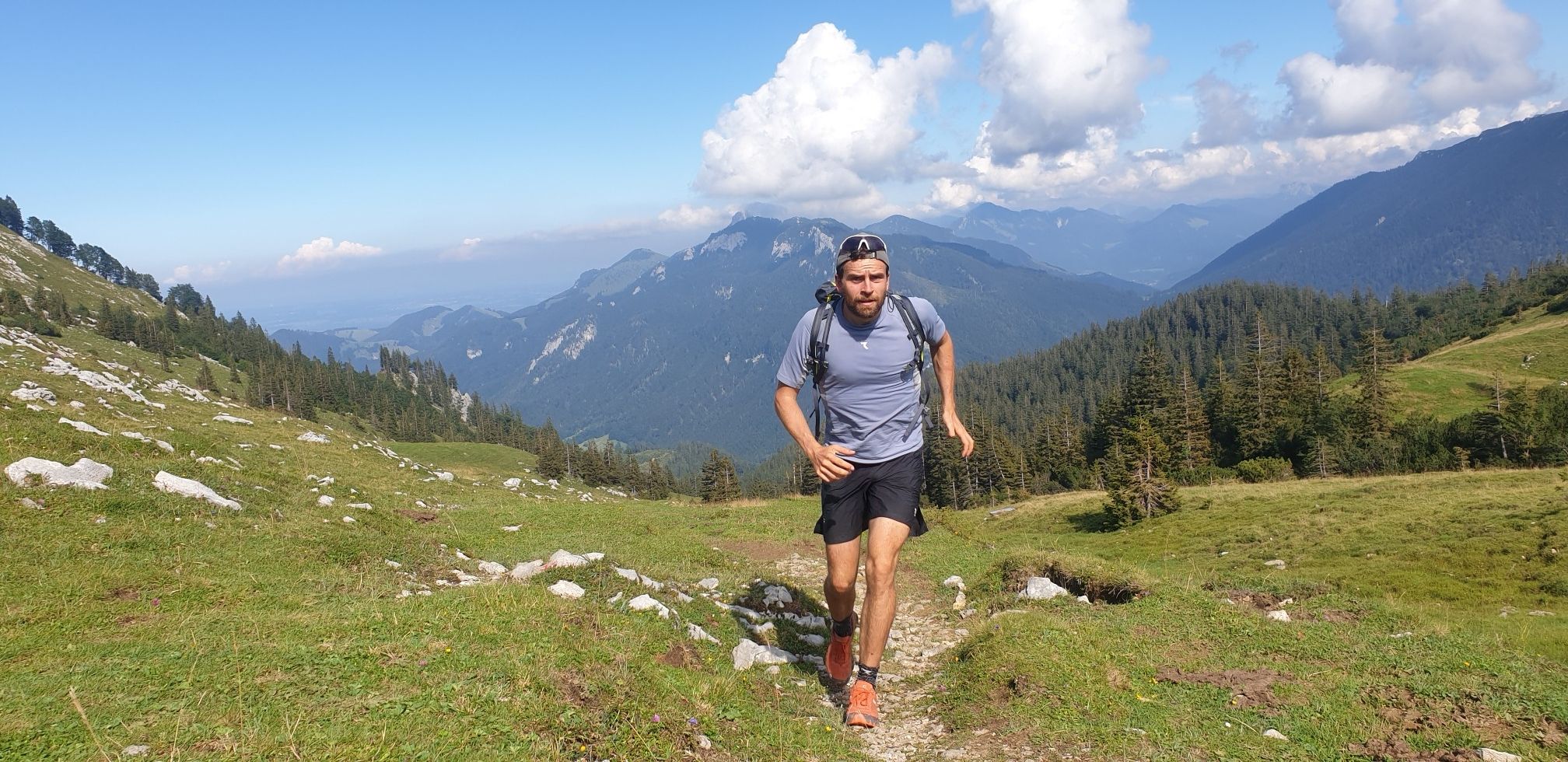
Triathlon around Germany
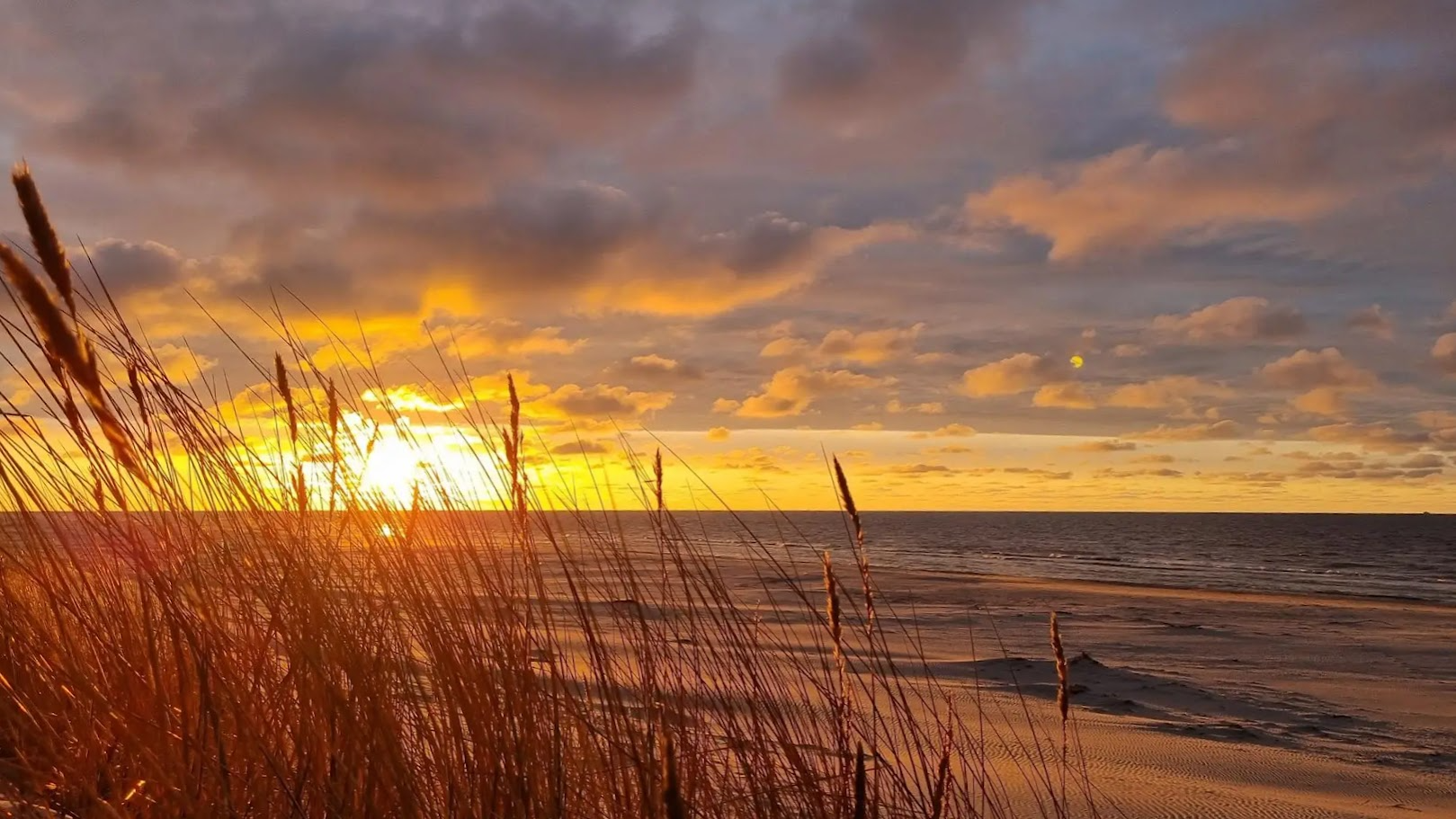
Seaside Trail – the beauty and majesty of the Baltic beaches
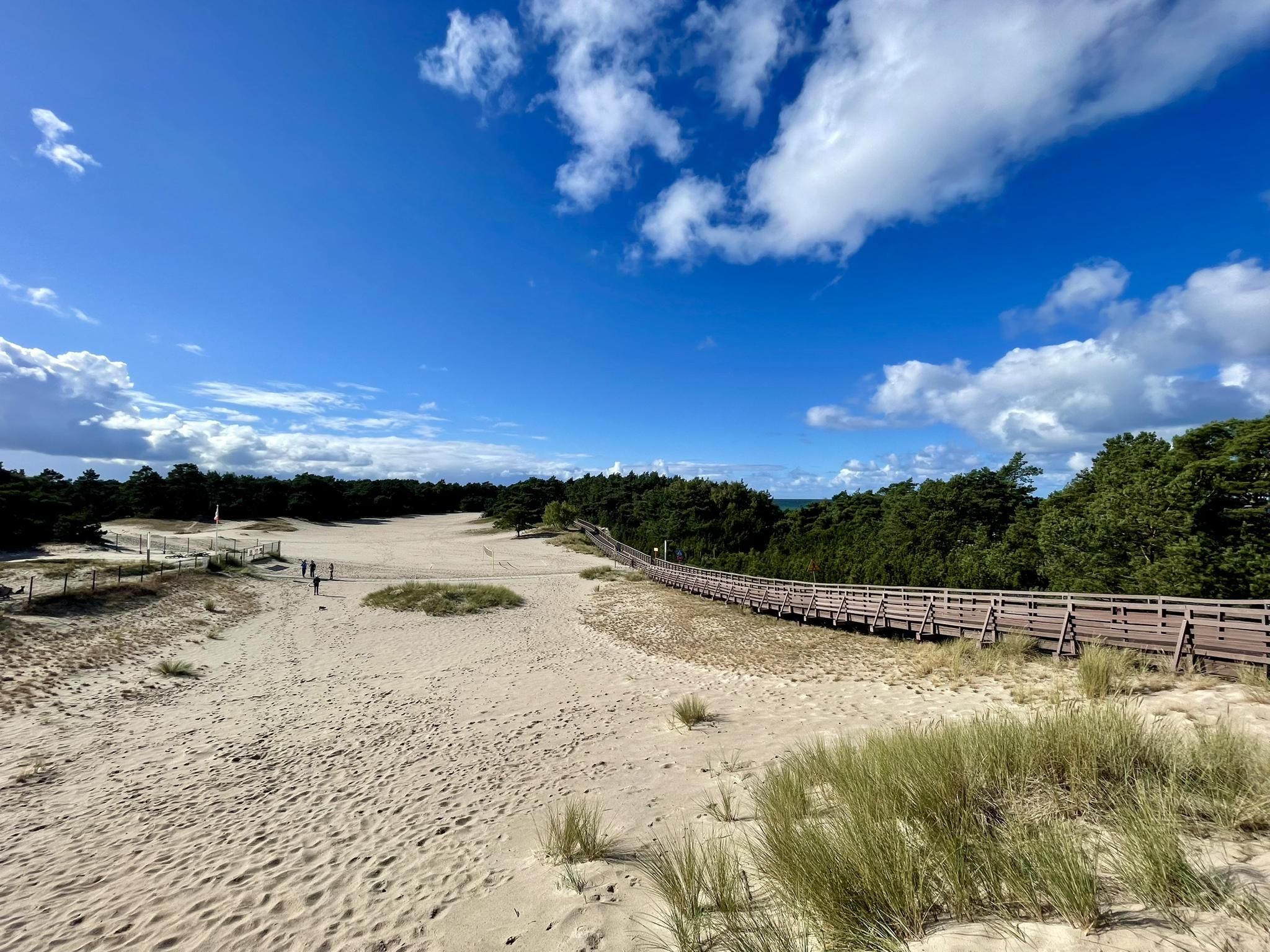
Velo Baltica – Seaside classic for the summer
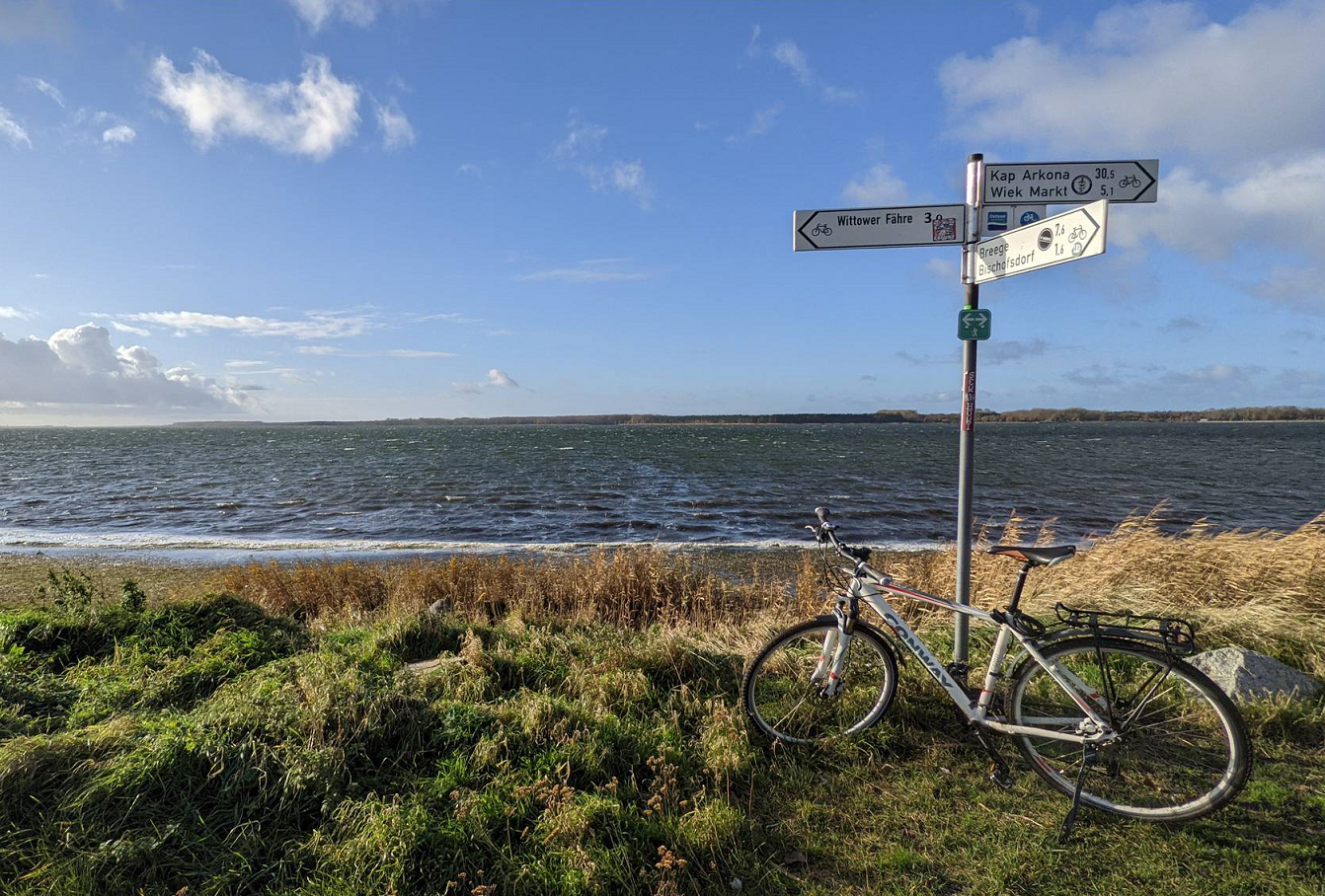
The Rügen circular route – Riding around Germany's largest island
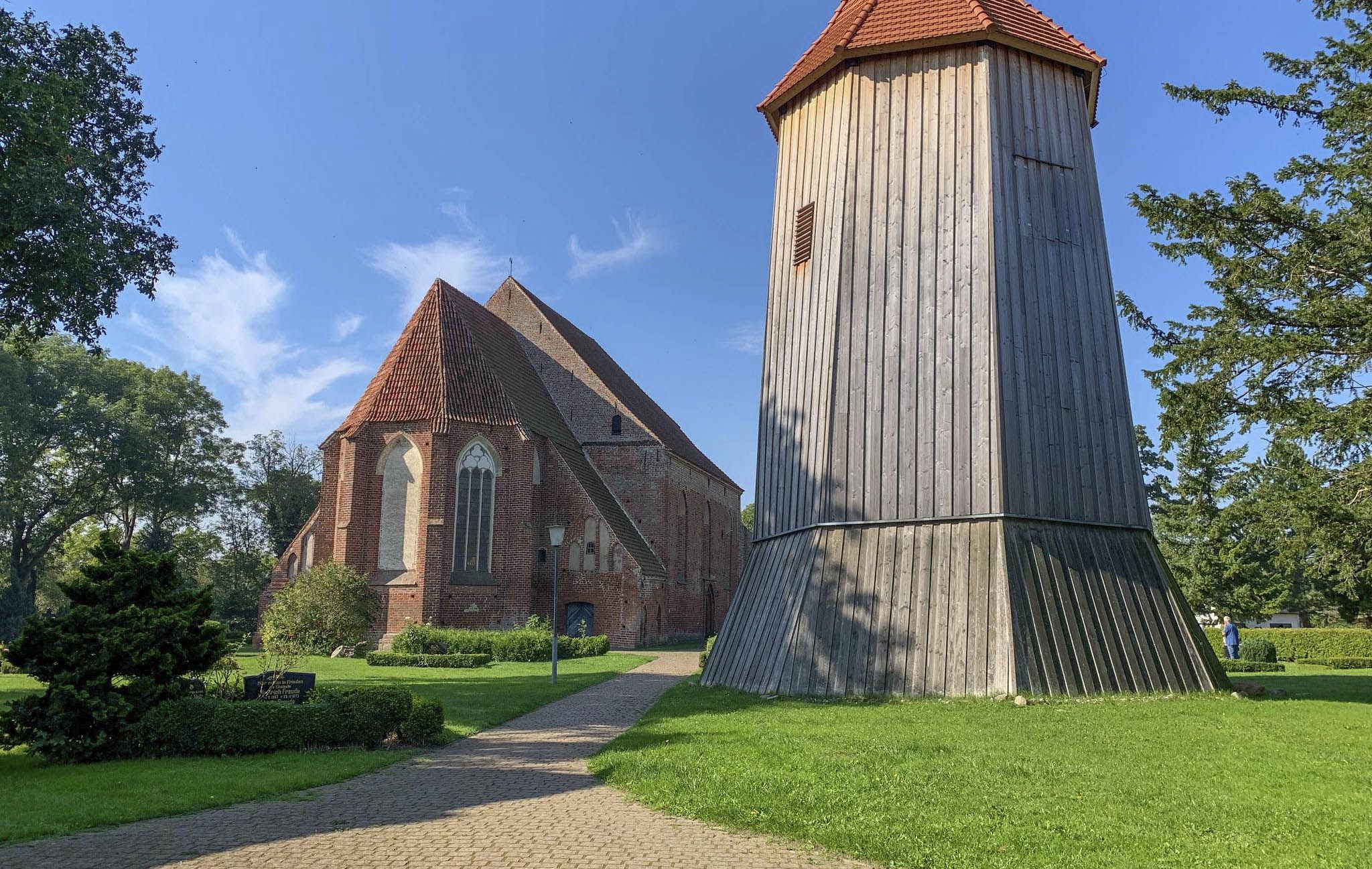
Discover Brick Gothic by bike in Germany's Western Pomerania
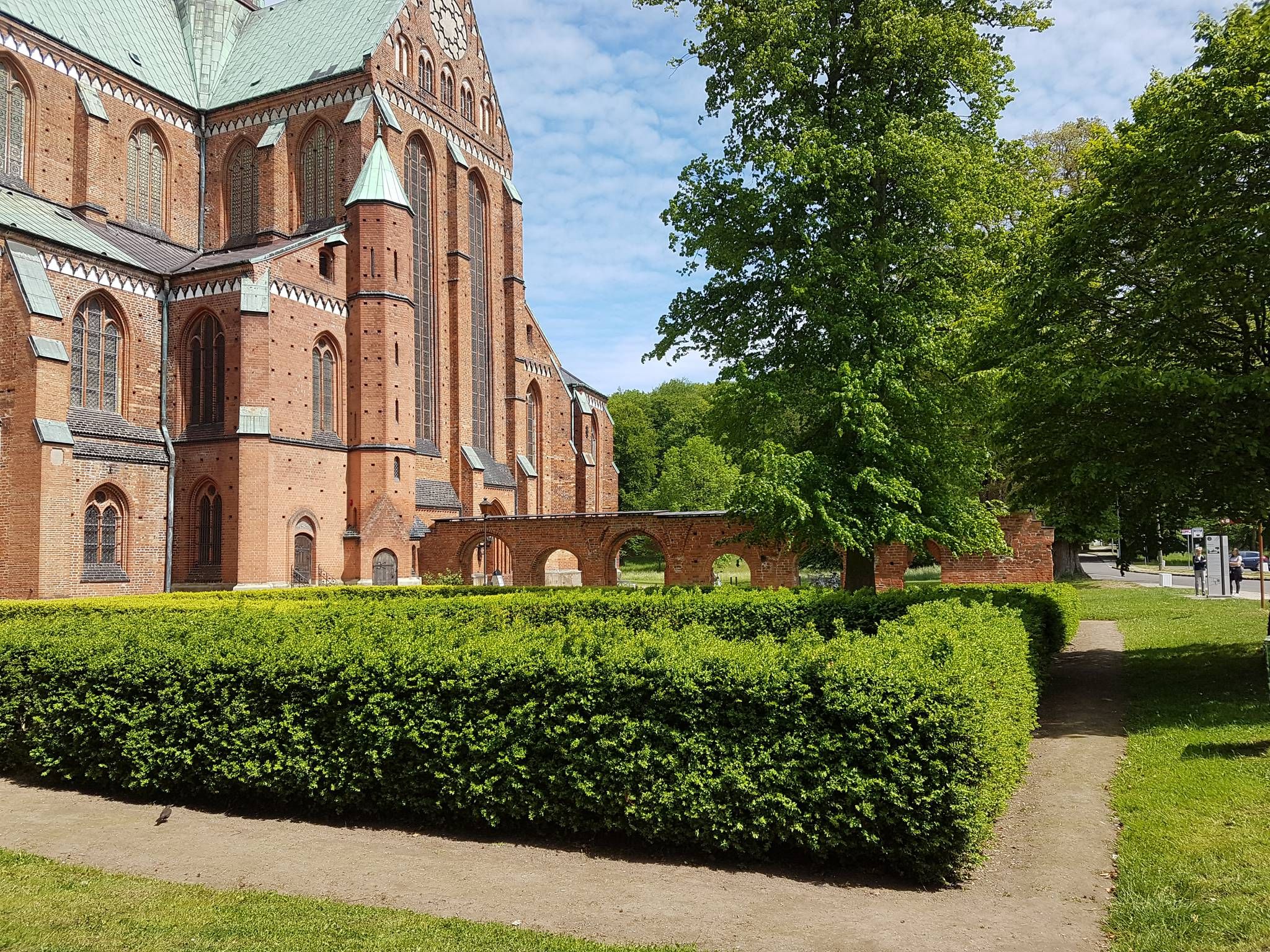
Discover Brick Gothic architecture by bike in Mecklenburg
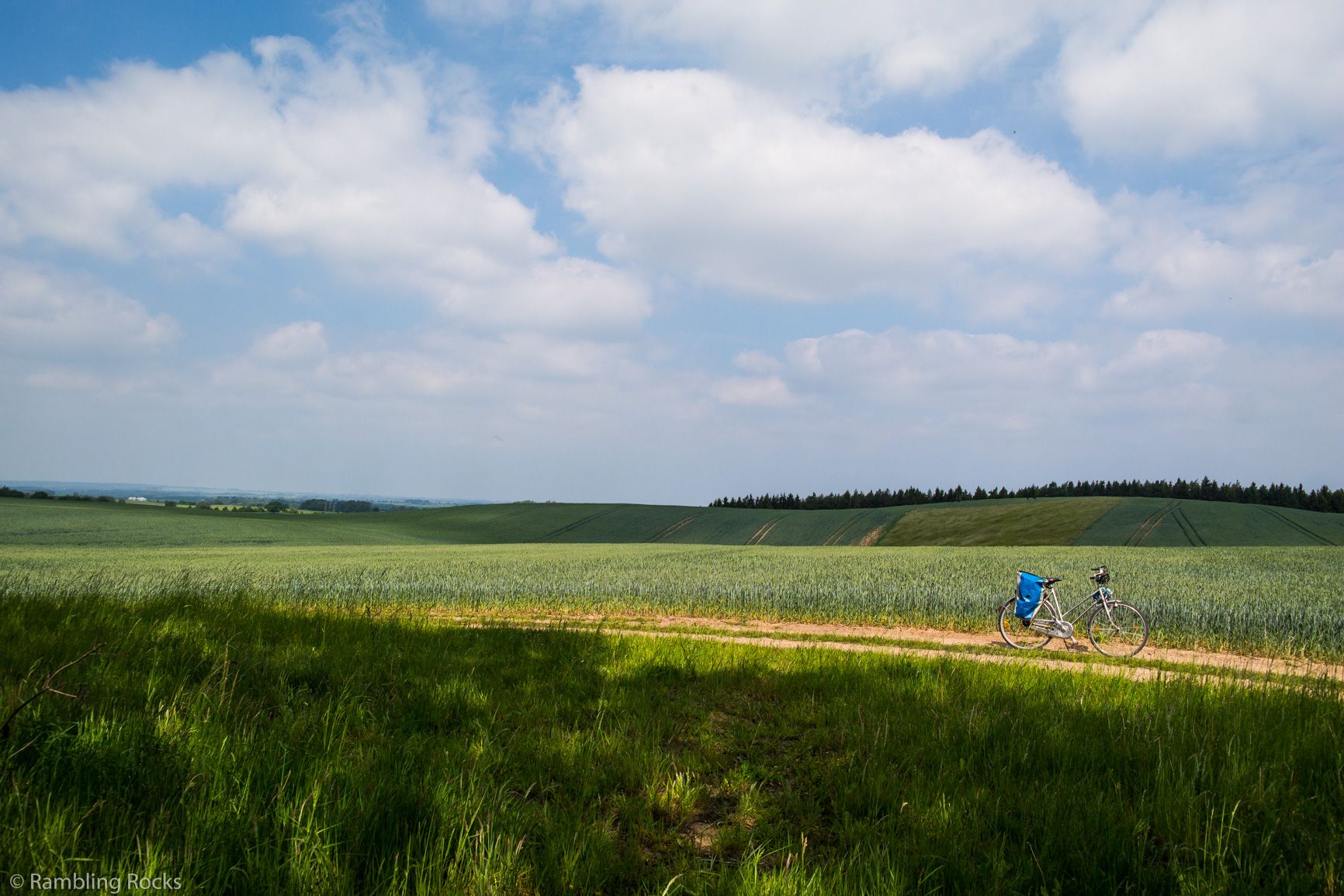
The Hanseatic Way – Cycling across North Germany to Poland, follow the cog!
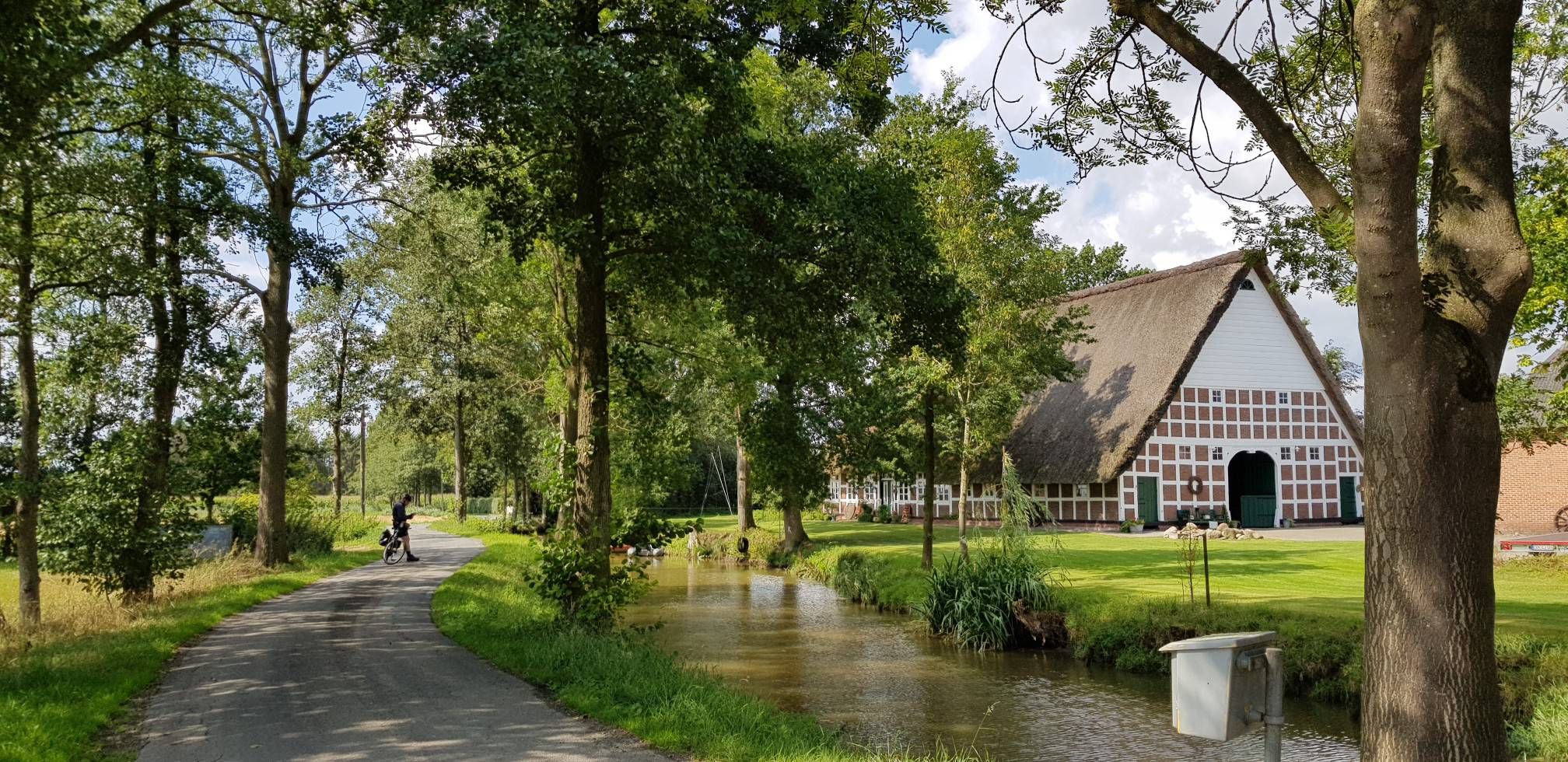
The Monks' Trail – From Bremen to the Baltic Sea
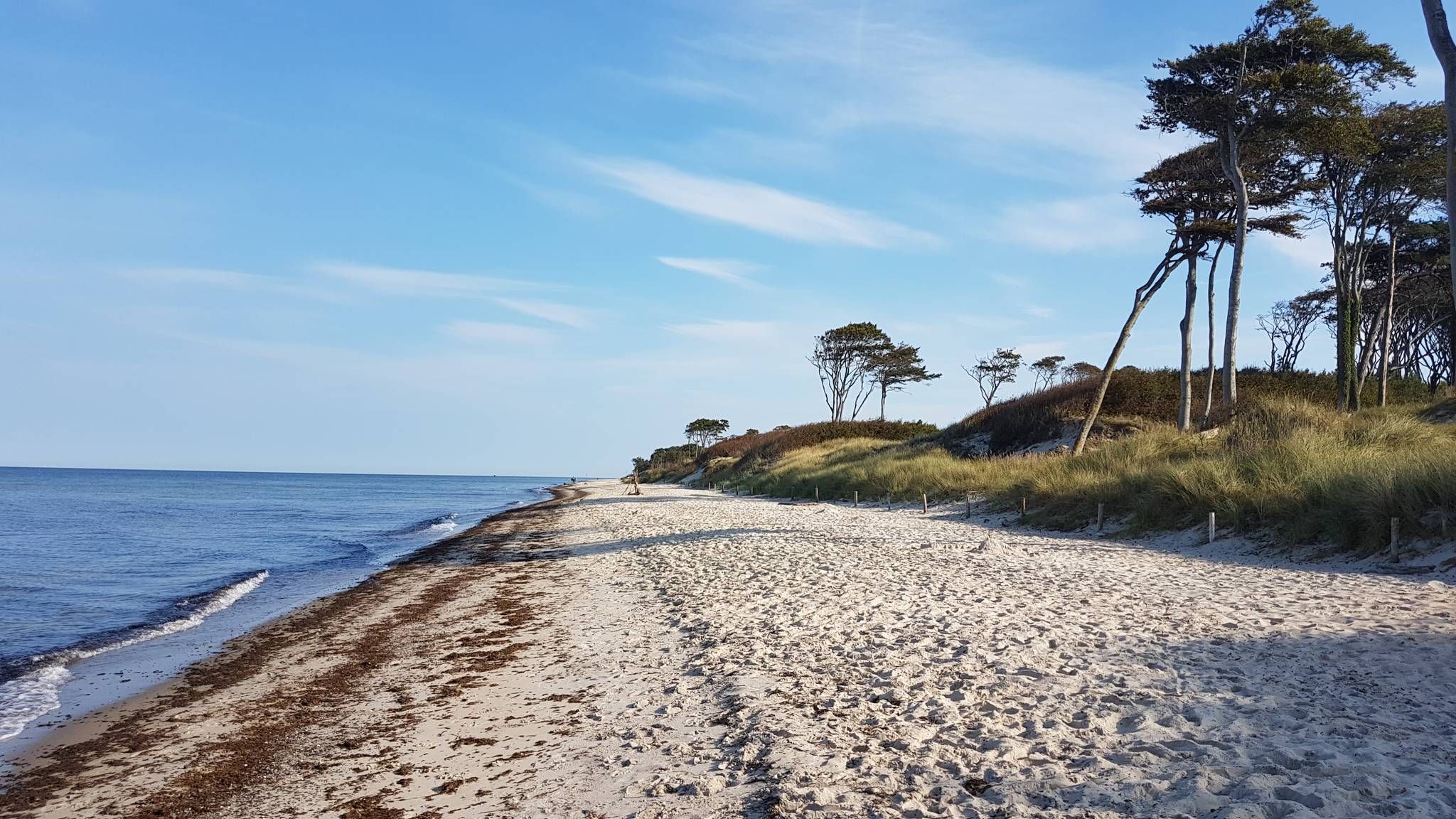
The E9 along the Baltic Sea — Explore an epic coastline
Other adventures at the Baltic Sea


Tips from the Community

The Baltic Sea Waterways and Shipping Authority is responsible for the maintenance and upkeep of the tower; the fire is monitored and remotely controlled from the branch office in Travemünde. Entry to the fenced-in area and viewing of the tower are prohibited.
14
2
The first tower on this site was built in 1842 and 1843 under Danish rule. It was a square, plastered building with an extension.[1] The adjoining lighthouse keeper's house housed the pilot quarters until 1876. The lighthouse keeper also served as customs assistant until 1864/65.[2] The 12-meter-high tower was equipped with a rotating lens. A kerosene lamp provided the continuous white light, which was interrupted twice every two minutes, each time for 13 seconds at 15-second intervals.
14
2
The Pelzerhaken Lighthouse is located about four kilometers southeast of Neustadt in Holstein in the Pelzerhaken district on the Baltic Sea. It serves as a navigation light for ships in Neustadt Bay, a subbay of the Bay of Lübeck.
15
1
Pelzerhaken Lighthouse Lighthouse in Neustadt in Holstein. The first tower on this site was built in 1842 and 1843 under Danish rule. It was a square, plastered building with an annex.
17
1

The highest hill here the view extends over the entire Mönchsgut and its adjacent waters.
12
0

Originally built as a pilot watchtower, the tower now serves as a mobile communications and observation tower.
4
0

Here you have a great view, it's worth it!
9
1

Once you have cycled up the Pilsberg and then mastered the spiral staircase from the Hessenstein, you will be rewarded with a fantastic panoramic view of Lake Selent, the Baltic Sea and the beautiful surrounding landscape.
4
2
Frequently Asked Questions
What are the highest points in the Baltic Sea region?
The highest points in the Baltic Sea region are primarily hills and uplands located in the Baltic states. These include Suur Munamägi in Estonia (318 meters), Gaiziņkalns in Latvia (311.94 meters), and Aukštojas Hill in Lithuania (293.84 meters). These peaks offer unique natural beauty and cultural significance within their respective countries.
What makes Suur Munamägi in Estonia a significant peak?
Suur Munamägi, or 'Big Egg Mountain,' is Estonia's highest point and the highest across all three Baltic states. It features an observation tower, the sixth in its history, offering breathtaking views of the Estonian landscape for up to 50 kilometers on a clear day. The surrounding Haanja Upland is known for its diverse nature, including forests and agricultural land. There is a fee to use the observation tower, which has both stairs and an elevator. For more information, you can visit visitestonia.com.
What can I expect when visiting Gaiziņkalns in Latvia?
Gaiziņkalns is Latvia's highest point, situated within the 2,016-hectare Gaiziņkalns Nature Park. It's a popular destination for winter sports, offering skiing, snowboarding, and sledding. During spring, summer, and autumn, visitors can enjoy walks and picturesque views, which are particularly stunning in autumn. Visiting the mountain itself is free.
What is unique about Aukštojas Hill in Lithuania?
Aukštojas Hill is Lithuania's highest point. The summit is marked by a stone carved with its name and height. It features a low observation tower, benches, an information stand, and a sculpture called the 'Baltic Sun Wheel,' symbolizing the unity of the Baltic tribes. Visiting Aukštojas is free, providing opportunities for walks and enjoying the natural surroundings.
Are there family-friendly mountain peaks or viewpoints in the Baltic Sea region?
Yes, several spots are considered family-friendly. For instance, Streckelsberg offers a beautiful family hiking trail with information boards and lookout points. The observation tower at Suur Munamägi is also accessible via an elevator, making it suitable for families. Many viewpoints, like View from Bakenberg, provide easy access to scenic vistas.
What kind of views can I expect from the peaks and viewpoints at the Baltic Sea?
From these elevated points, you can expect diverse and expansive views. Highlights like Hessenstein Tower offer panoramic views over the Baltic Sea, sometimes even extending to Denmark on clear days. From View from Bakenberg, you can see over the entire Mönchsgut and its adjacent waters. The observation tower at Suur Munamägi provides views of the Estonian landscape for up to 50 kilometers. Many locations offer views of forests, agricultural land, and the coastline.
Are there any historical sites among the peaks at the Baltic Sea?
Yes, some peaks and viewpoints have historical significance. For example, Pelzerhaken Lighthouse, a man-made monument, had its first tower built in 1842 under Danish rule. Hessenstein Tower is also a historical man-made monument. Aukštojas Hill in Lithuania features a sculpture symbolizing the unity of Baltic tribes, adding a cultural and historical layer to the natural site.
What is the best time of year to visit the Baltic Sea peaks?
The best time to visit depends on your interests. Autumn is particularly beautiful for its vibrant foliage, offering picturesque views from places like Gaiziņkalns and Suur Munamägi. Winter transforms the landscape into a fairytale-like white, and Gaiziņkalns is popular for winter sports. Spring and summer are ideal for walks and enjoying the natural surroundings, with generally milder weather.
What outdoor activities can I do near the Baltic Sea peaks?
The region offers a variety of outdoor activities. You can find numerous hiking trails, ranging from easy to moderate, such as those mentioned in the Easy hikes at the Baltic Sea guide. Cycling is also popular, with routes like the 'Circumnavigation of the island' and 'Harbour Tour' detailed in the Cycling at the Baltic Sea guide. Winter sports are a major draw at Gaiziņkalns in Latvia.
Are there specific hiking trails near these mountain peaks?
Yes, there are many hiking opportunities. For example, near the Baltic Sea coast, you can explore trails like the 'Hike to the KÖNIGSSTUHL National Park Centre' or the 'Darßer Ort circular hiking trail.' The Hiking at the Baltic Sea guide provides details on various routes, including 'Geltinger Birk: Nature on the Baltic Sea' and 'Maasholm: fishing village with a view'.
What do visitors enjoy most about the Baltic Sea peaks and viewpoints?
Visitors frequently praise the stunning panoramic views, especially from observation towers like the one at Suur Munamägi or Hessenstein Tower. The natural beauty of the landscapes, including forests and coastlines, is highly appreciated. Many also enjoy the well-maintained trails, such as the family-friendly path at Streckelsberg, and the opportunity for diverse outdoor activities throughout the seasons.
Are there any costs associated with visiting the highest peaks in the Baltic states?
Visiting the highest points themselves, such as Gaiziņkalns in Latvia and Aukštojas Hill in Lithuania, is generally free. However, there is a fee to access the observation tower at Suur Munamägi in Estonia. Some man-made monuments or towers along the German Baltic coast, like Hessenstein Tower, may also have a small entrance fee, typically around 1 Euro.
Most popular routes at the Baltic Sea
Most popular attractions at the Baltic Sea

Get inspired with the komoot mobile app


Explore more
See even more amazing summits at the Baltic Sea with these guides:
