Top 20 Castles in the Vulkaneifel
Best castles in the Vulkaneifel are found amidst a unique volcanic landscape, offering a captivating array of historical structures. These range from well-preserved complexes to evocative ruins, providing a glimpse into centuries of history. The region's castles are often situated on scenic mountain spurs or above rivers, making them notable landmarks. Visitors can explore various types of castles, from medieval fortresses to those integrated with wildlife parks.
Best castles in the Vulkaneifel
- The most popular castles is Freudenkoppe Castle Ruins…
Last updated: June 23, 2026
Kerpen Castle (Eifel)
Highlight • Castle
Translated by Google •
Tip by

Dreimühlen Castle Ruins
Highlight • Castle
Translated by Google •
Tip by

Sign up now to discover places like this
Get recommendations on the best single tracks, peaks, & plenty of other exciting outdoor places.
Sign up for free
Freudenkoppe Castle Ruins
Highlight • Castle
Translated by Google •
Tip by

View of the Kasselburg
Highlight • Castle
Translated by Google •
Tip by

Löwenburg (Gerhardstein Castle) ruins, Gerolstein
Highlight • Castle
Translated by Google •
Tip by

Kerpen Castle
Highlight • Castle
Translated by Google •
Tip by

Kasselburg Eagle and Wolf Park
Highlight • Castle
Translated by Google •
Tip by

Bertradaburg
Highlight • Castle
Translated by Google •
Tip by

Bertradaburg Mürlenbach
Highlight • Castle
Translated by Google •
Tip by

Ruins of Neublankenheim Castle
Highlight • Castle
Freely accessible.
Had our snack here 🥪🥐🥖
🏰The castle stands on an elevation approx. 355 meters above NHN and thus …
Translated by Google •
Tip by

Sign up for free to discover even more castles in the Vulkaneifel.
Sign up for free
Already have an account?
Start today with a free account
Your next adventure awaits.
Login or Signup
Popular around Vulkaneifel
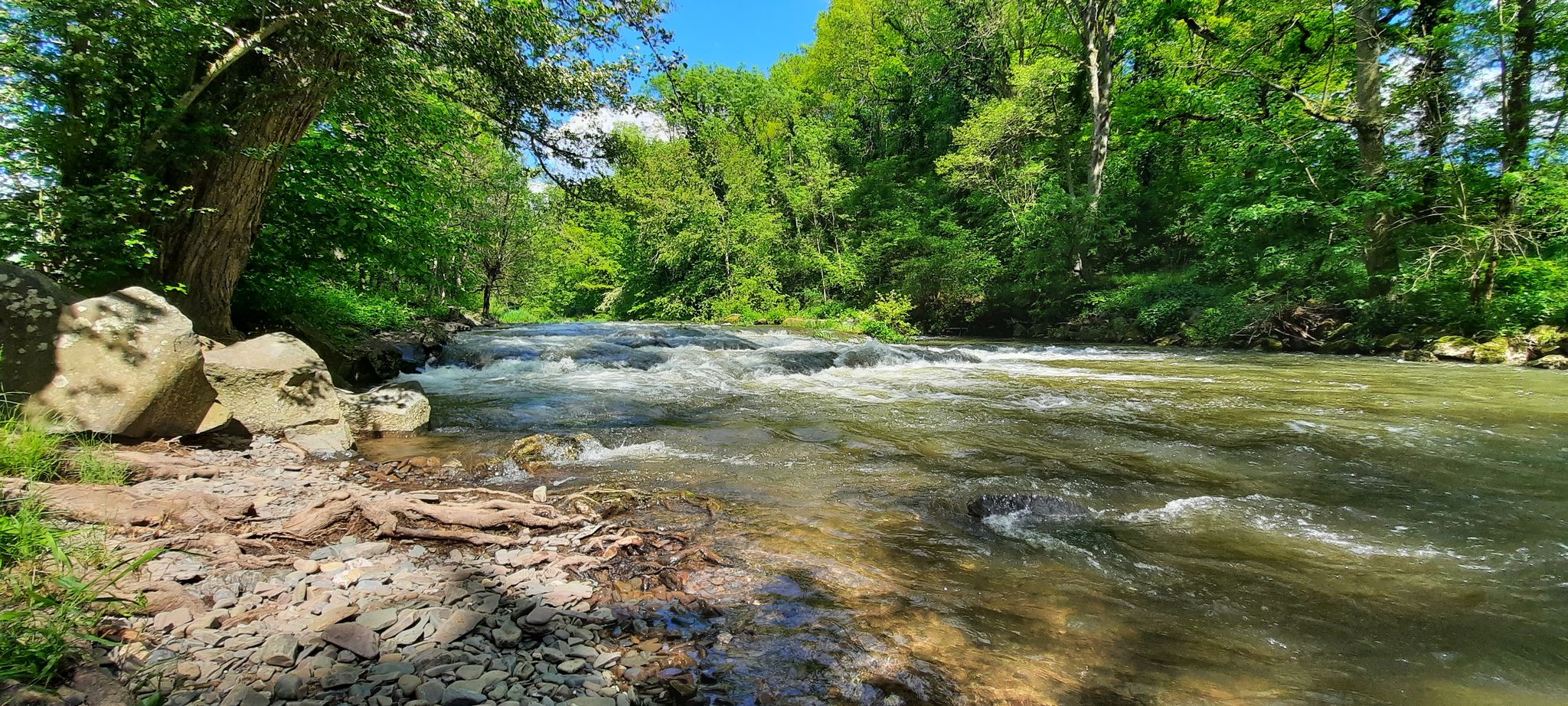
Lieserpfad between the Eifel and the Moselle rivers – Wild forests, wild water
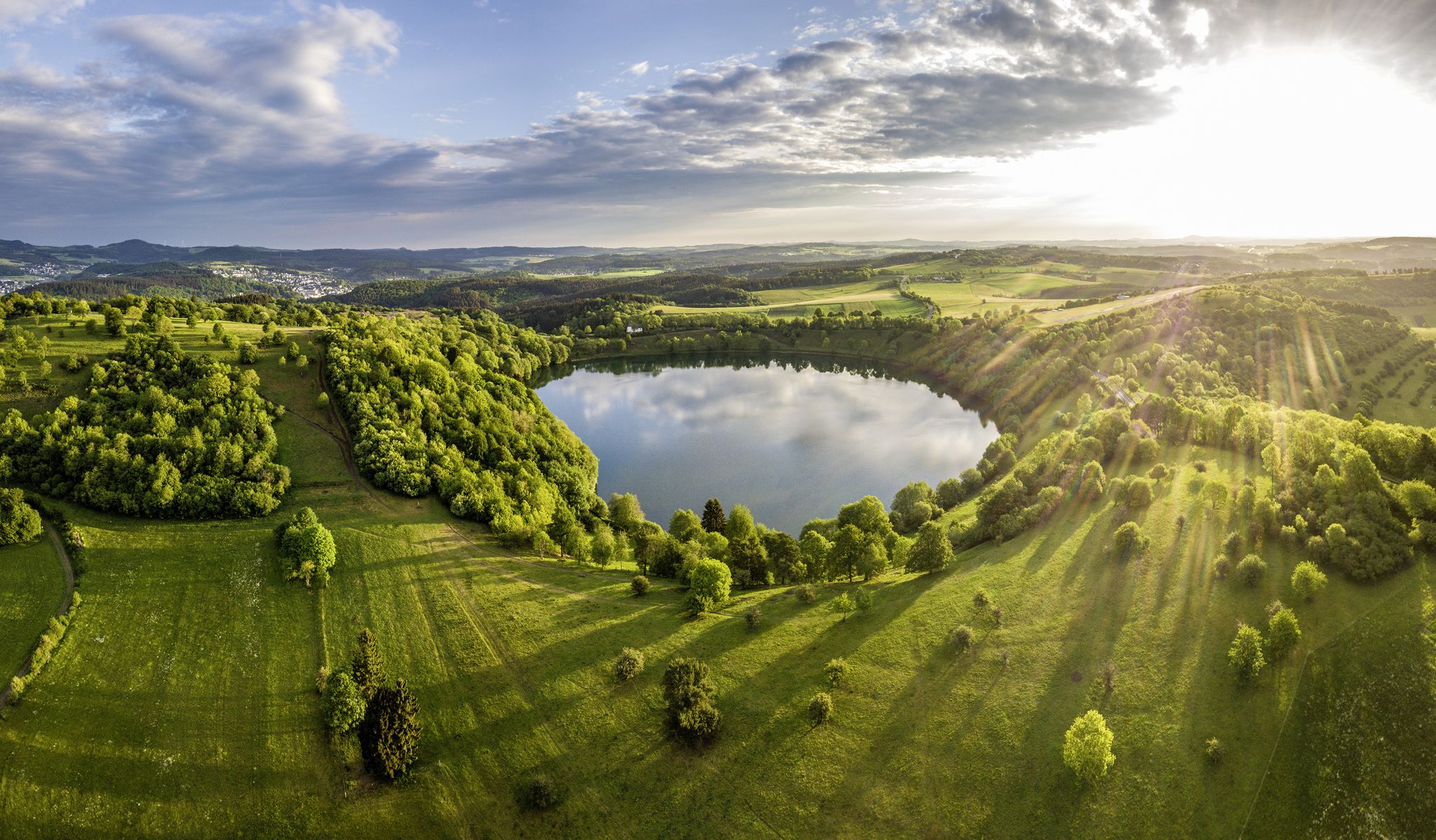
Germany’s Most Beautiful Hiking Trails in the Vulkaneifel
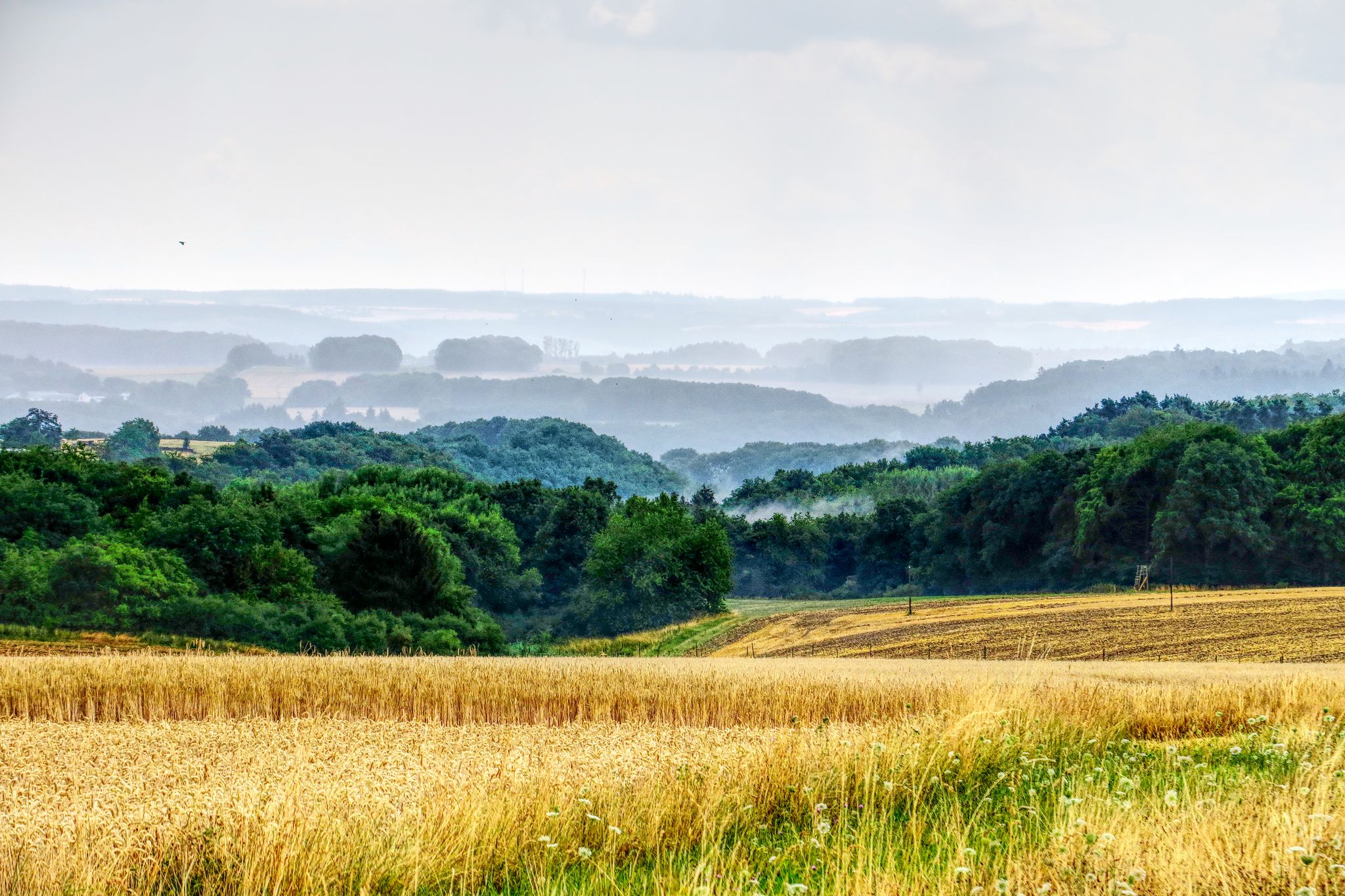
The National Natural Landscapes in Rheinland-Pfalz
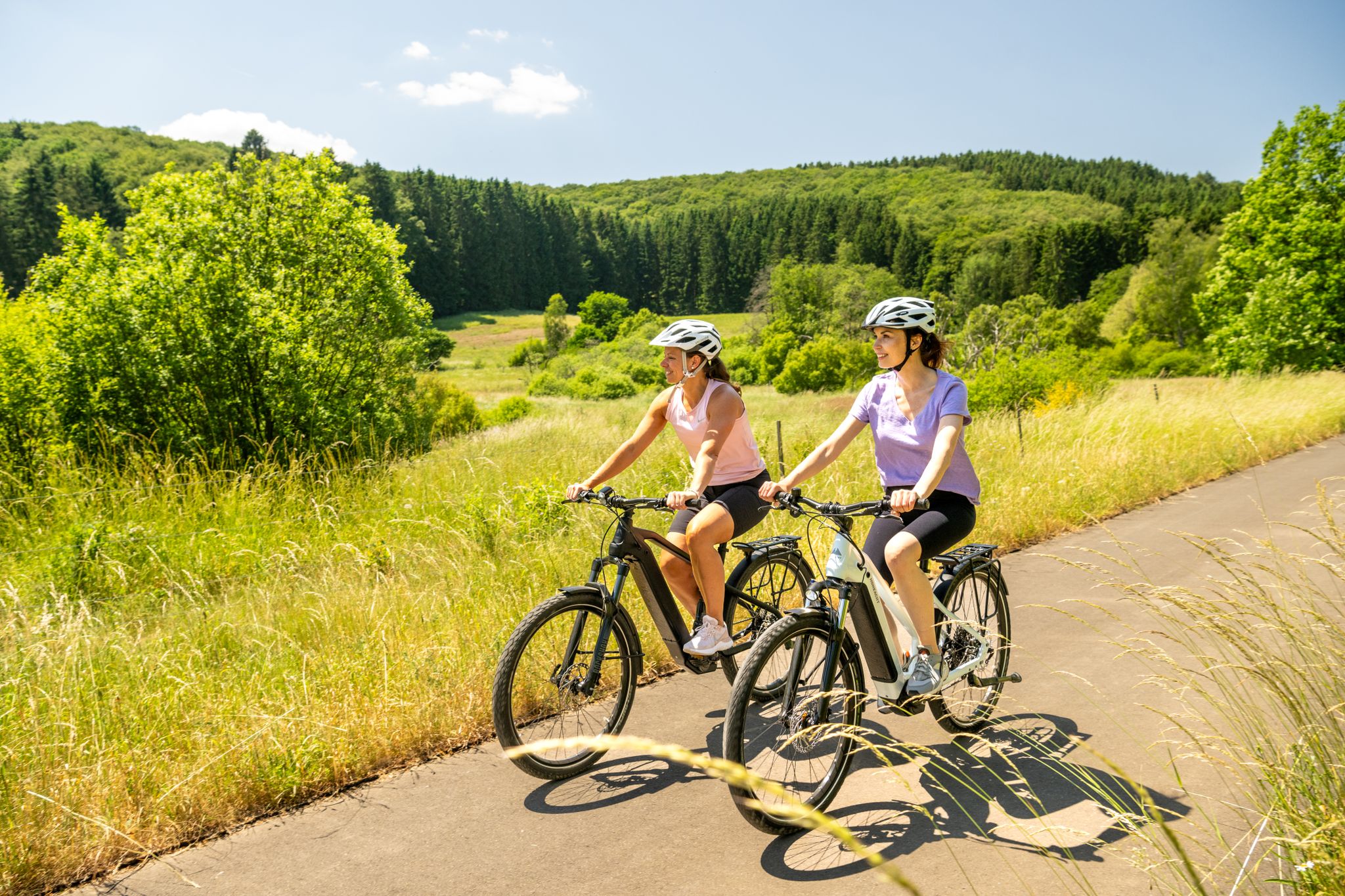
E-biking through the Volcanic Eifel
Vennbahn-Variant: A new gravel/MTB adventure
#GoFurther – discover the views of Germany!
Excellent paths in the Vulkaneifel – Explore the HeimatSpuren
Crater lakes and lava rock – hiking in Germany’s Volcanic Eifel
Ride the Prümtal Cycle Route over Germany’s Eifel Mountains
Award-winning hikes – explore the Volcanic Eifel on acclaimed trails
Other adventures in the Vulkaneifel


Tips from the Community

As always, castle ruins have a strong attraction for me. I can hardly escape their magic.
0
0

The exact origins of Kerpen Castle are shrouded in the mists of history. It is considered very likely that its builder was Sigibertus de Kerpene, first mentioned in documents in 1136, or his son Heinrich I (1142–1177). However, an exact construction date cannot yet be given.
15
2

Very pretty little town but unfortunately absolutely dead.
2
0

In the Eagle and Wolf Park Kasselburg, visitors can experience everything to do with wolves, eagles, falcons and other birds of prey. Here you can learn how conflict-free coexistence between humans and wild animals is possible. A visit to the Eagle and Wolf Park is something extraordinary that you won't forget in a hurry. See: https://adler-wolfspark.de/
1
0
The Kasselburg is the ruin of a hilltop castle on a 490-meter-high basalt rock in Pelm near Gerolstein in the Vulkaneifel district of Rhineland-Palatinate. See: http://www.adler-wolfspark.de/
1
0

In 1670 the castle was badly damaged by a lightning strike in the Powder Tower. It was occupied by the French on July 6, 1691, but was recaptured on August 5 of the same year. Gerolstein is destroyed in the process. In 1840 the castle was also known as Jungkernburg. The remaining remnants of the wall were partially demolished in the 18th century and further destroyed in the Second World War. Today only a few remains remain, but they have been restored. Excerpt from Wikipedia
3
0
The complex consists of the privately inhabited front castle and the ruins of the main castle behind it, accessible via a wooden bridge, from which there is a good view of Gerolstein and the rocks of the Munterlay.
3
0

The steep climb to the castle is quite difficult. A real calf biter! But once at the top you forget it all. Beautiful ruin and the cave is more than worth it.
5
0
Frequently Asked Questions
What are some historically significant castles in the Vulkaneifel?
The Vulkaneifel is rich in history. Lissingen Castle, for example, has Roman origins and is unique for its dual ownership, evolving from a medieval moated castle. The Manderscheid Castles, Oberburg and Niederburg, showcase a fascinating history of rivalry between medieval powers. Bertradaburg is steeped in medieval sagas, with legends linking it to Charlemagne.
Which castles offer the best scenic views in the Vulkaneifel?
For breathtaking views, the ruins of Löwenburg (Gerhardstein Castle) provide a wonderful panorama over Gerolstein, its dolomites massif, and the Kyll valley. The Oberburg of Manderscheid also offers expansive views over Manderscheid and the Lieser Valley from its five-story keep. Freudenkoppe Castle Ruins, situated on a 610-meter-high basalt cone, also provides impressive vistas.
Are there family-friendly castles to visit in the Vulkaneifel?
Absolutely! The Kasselburg Eagle and Wolf Park, which incorporates the Kasselburg castle ruins, is an excellent choice for families. Here, you can observe wolves, eagles, and other birds of prey in a 20-hectare park. Lissingen Castle also offers a castle museum, guided tours, and a sculpture trail in its meadows, making it engaging for all ages.
Can I combine a castle visit with wildlife observation?
Yes, you can! The Kasselburg Eagle and Wolf Park is specifically designed for this. It's built around the Kasselburg ruins and allows visitors to observe animals like wolves and birds of prey in large enclosures, often with flight shows, offering a unique blend of history and nature.
Are there any castles in the Vulkaneifel that host special events or festivals?
The Manderscheid Castles (Oberburg and Niederburg) are famous for their annual Manderscheid Castle Festival. Every August, these castles transform into a vibrant medieval spectacle with knights, jugglers, crafts, and music, bringing history vividly to life. The Löwenburg (Gerhardstein Castle) ruins also host open-air theater performances every two years.
What outdoor activities can I do near the Vulkaneifel castles?
The Vulkaneifel region offers numerous outdoor activities. Many castles are integrated into scenic landscapes, perfect for hiking and cycling. For instance, Lissingen Castle is directly on the Kyll Valley Cycle Path. You can find various cycling routes and hiking trails throughout the region, including options for mountain hikes, often leading past these historical sites.
Are there hiking opportunities around the Vulkaneifel castles?
Yes, hiking is a popular activity around the Vulkaneifel castles. Many castles, like Kerpen Castle (Eifel), are privately owned but are excellent landmarks to hike around. The ruins of Oberburg in Manderscheid are also part of several hiking trails. You can explore various easy to challenging hiking routes that often include castle viewpoints.
Is it possible to cycle to any of the castles in the Vulkaneifel?
Yes, cycling is a great way to explore the castles. Lissingen Castle is conveniently located directly on the Kyll Valley Cycle Path, making it an ideal stop for cyclists. The region offers many cycling routes that pass by or near various historical sites.
What is the best time of year to visit the castles in the Vulkaneifel?
The castles in the Vulkaneifel can be visited almost year-round. Spring and autumn offer pleasant temperatures for exploring and hiking, with beautiful natural scenery. Summer is ideal for events like the Manderscheid Castle Festival. Some castles, like Lissingen Castle, are regularly open almost year-round, though specific events or park facilities like the Kasselburg Eagle and Wolf Park might have seasonal variations.
What do visitors enjoy most about the castles in the Vulkaneifel?
Visitors particularly appreciate the blend of rich history with stunning natural landscapes. The unique features, such as the dual ownership of Lissingen Castle or the wildlife experience at the Kasselburg Eagle and Wolf Park, are highly rated. The opportunity to hike around impressive ruins like Kerpen Castle (Eifel) and enjoy panoramic views is also a major draw.
Are there any lesser-known or 'hidden gem' castles worth exploring?
While many castles are well-known, the Vulkaneifel also has intriguing ruins that offer a sense of discovery. The Ruins of Neublankenheim Castle, for instance, are freely accessible and offer a nice photo motif in the middle of nature, with origins dating back to at least 1341. The Glaadt Castle Ruins also provide a glimpse into the region's past.
How long should I plan for a visit to a Vulkaneifel castle?
The duration of a visit varies by castle. For a comprehensive experience at a site like Kasselburg Eagle and Wolf Park, you might want to plan a full day, especially with children, to enjoy the animal enclosures and flight shows. For smaller ruins or viewpoints like View of the Kasselburg or Freudenkoppe Castle Ruins, a few hours or a stop during a hike might suffice.
Most popular routes in the Vulkaneifel
Most popular attractions in the Vulkaneifel

Get inspired with the komoot mobile app


Didn’t find what you were looking for?
Explore Vulkaneifel’s best castles region by region:
Explore more
Looking for the best castles somewhere else? Discover other guides in the Vulkaneifel:
