The 20 Most Amazing Peaks in the Vulkaneifel
Mountain peaks in the Vulkaneifel are characterized by a distinctive volcanic landscape within Germany's Eifel Mountains. The region features numerous summits, shaped by its volcanic past, including maars, woodlands, and rolling hills. This geological history provides unique natural beauty and insights. The area is a popular destination for hikers and nature enthusiasts seeking diverse outdoor experiences.
Best mountain peaks in the Vulkaneifel
- The most popular mountain peaks is Freudenkoppe Castle Ruins, a castle located on a 610 meter high basalt cone. This historical site features the well-preserved keep and impressive gables of a 15th-century castle house.
- Another must-see spot is Dronke Tower on the Mäuseberg, a viewpoint offering panoramic views over the region's maars. The tower stands on top of the Mouse Mountain, providing a direct view of the Gemündener Maar.
- Visitors also love Ernstberg, a volcano and summit. This nearly 700 meter high peak is the highest volcano in the Western Eifel and features exciting rock formations within its forested slopes.
- Vulkaneifel is known for volcanic peaks, forested summits, and peaks with historical structures. The region offers a variety of mountain peaks to explore, from those with panoramic viewpoints to those featuring unique geological formations.
- The mountain peaks in the Vulkaneifel are appreciated by the komoot community. The guide features more than 20 highlights, with over 3500 upvotes and more than 2300 photos shared by visitors.
Last updated: June 22, 2026
Dronke Tower on the Mäuseberg
Highlight • Viewpoint
Translated by Google •
Tip by

View of Gerolstein from the Munterley
Highlight • Viewpoint
Translated by Google •
Tip by

Sign up now to discover places like this
Get recommendations on the best single tracks, peaks, & plenty of other exciting outdoor places.
Sign up for free
Maarkreuz Schalkenmehren
Highlight • Viewpoint
Translated by Google •
Tip by

Millstone Cave at Nerother Kopf
Highlight • Cave
The millstone cave consists of lava boards and is an artificial cave in the Vulkaneifel, Rhineland-Palatinate. It was created by the production of millstones from a volcanic rock wall.
The Millstone Cave is located in the summit area of Nerother Head, a wooded hill of volcanic origin just east of Neroth. The entrance is located just below the castle ruin Freudenkoppe at an altitude of about 640 m and is accessible via a hiking trail. The cave is 18 meters deep and its vault up to ten meters high. It is walkable but unlit (flashlight required).
The Nerother head turned out early because of its steep vertical walls of lava panels as a suitable mining site for millstones. The date of commencement of quarrying is unknown, but probably lies before the castle was built around 1340. The millstones were broken out of the rock with a hammer and a chisel and finished on the spot. Unfinished blanks of these stones can still be found on the walls of the cave today. Outside the cave remains of broken millstones can be found. However, the lava rock was not only mined for millstone production, but was also used in the construction of Burg Freudenkoppe use. Even in later times millstones were recovered here again, the last testimony dates back to 1788. Presumably, the cave was larger at this time and also included a side exit, slipping earth but moved a part of the cave. According to a legend, the cave was even part of an underground corridor to other castles, which is also in the popular poem Op the Nerother Kopp / there sits the Deuwel drob / drives under the ground through / to the Altburg is expressed.
In the cave members of Wandervogel e met on December 31, 1919. V. to found the Nerother Wandervogel.
Since 1980, the cave is under protection as a cultural monument
Translated by Google •
Tip by

Freudenkoppe Castle Ruins
Highlight • Castle
Translated by Google •
Tip by
Dietzenley Observation Tower
Highlight • Viewpoint
Translated by Google •
Tip by

Ernstberg
Highlight • Volcano
Around the summit beautiful hiking trails lead through the forest, which are also popular with mountain bike riders.
Translated by Google •
Tip by

Caves and natural rock arch on the Ernstberg summit
Highlight • Cave
Translated by Google •
Tip by

View of the Vulkaneifel from the Ernstberg
Highlight • Viewpoint
Translated by Google •
Tip by

View from Hochkelberg
Highlight • Viewpoint
Translated by Google •
Tip by

Sign up for free to discover even more peaks in the Vulkaneifel.
Sign up for free
Already have an account?
Start today with a free account
Your next adventure awaits.
Login or Signup
Popular around Vulkaneifel
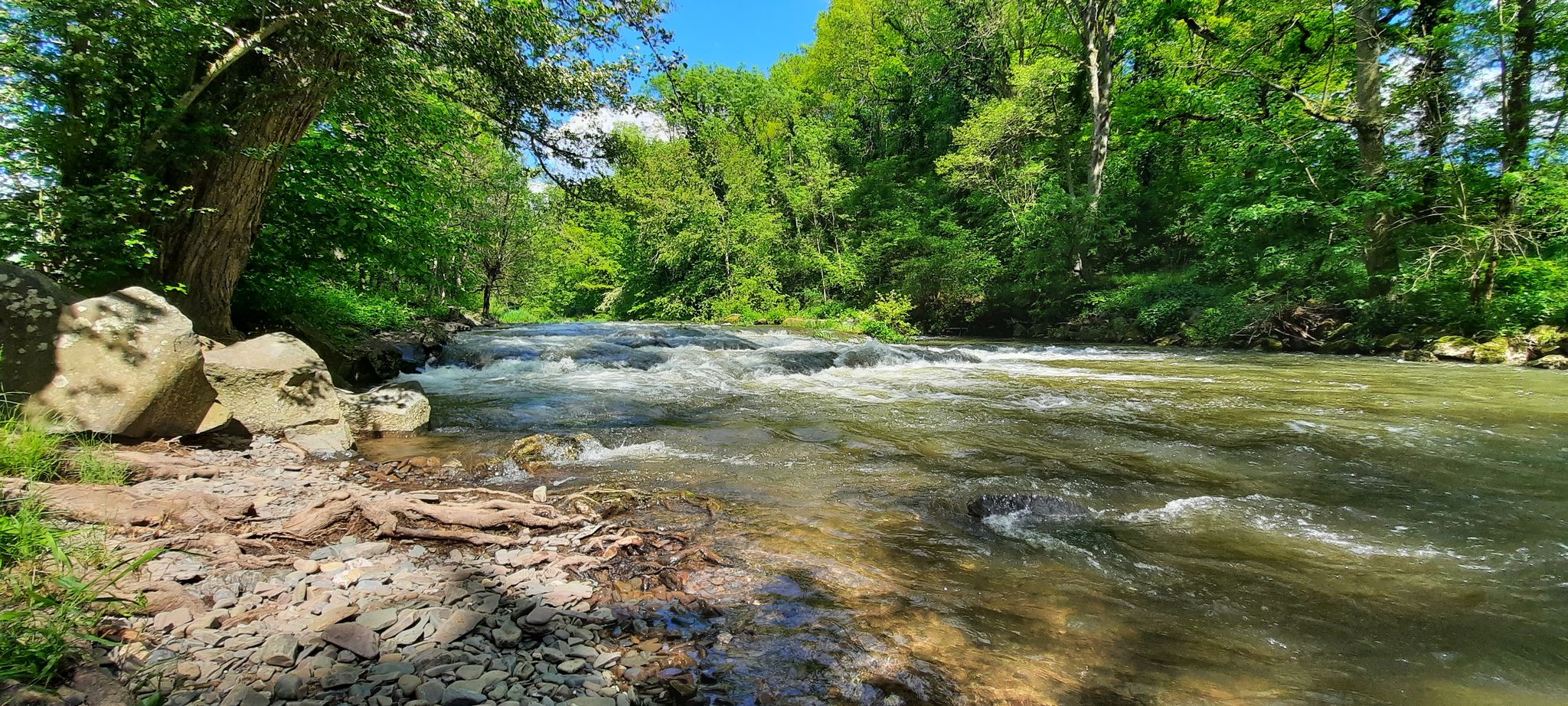
Lieserpfad between the Eifel and the Moselle rivers – Wild forests, wild water
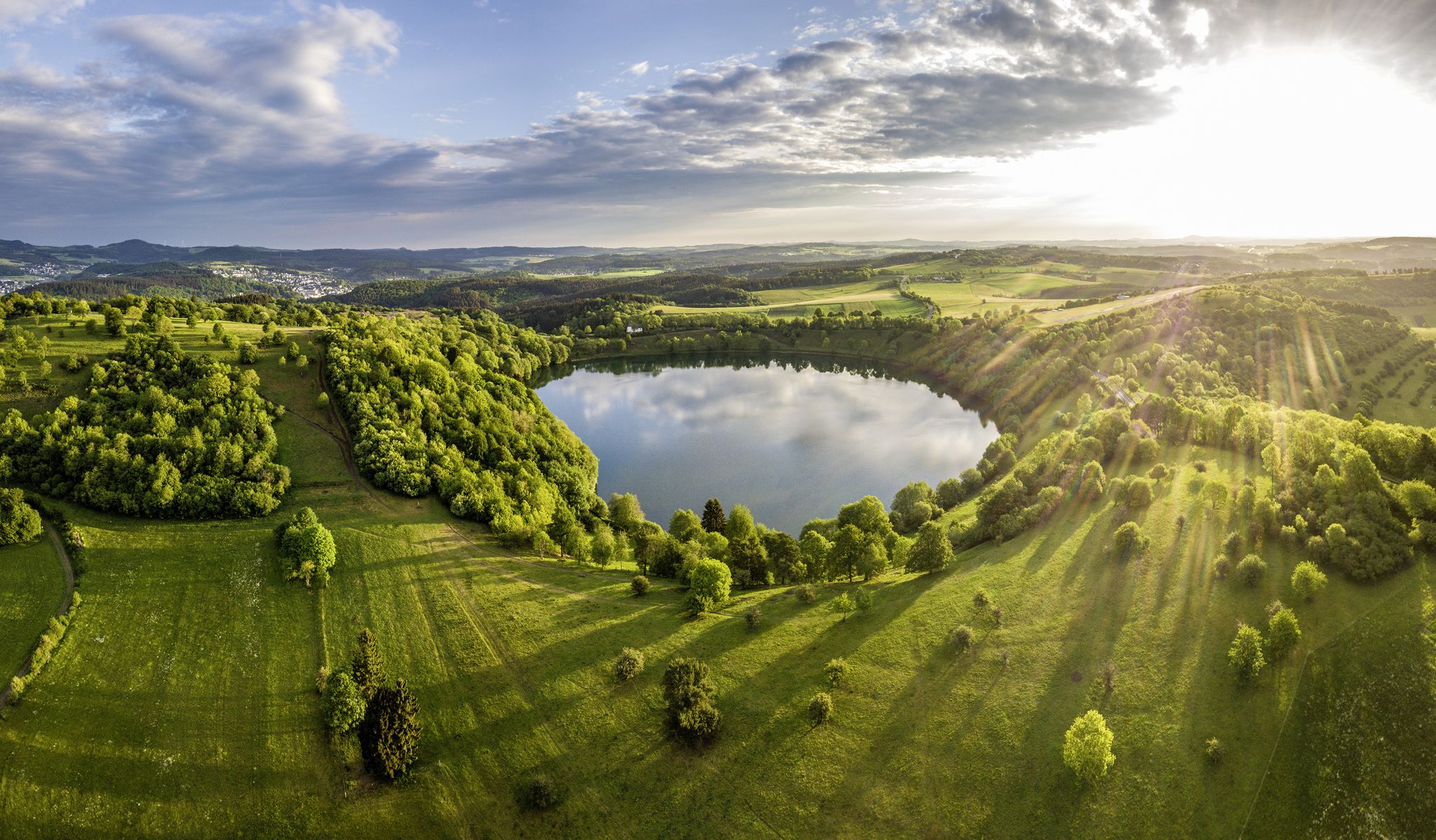
Germany’s Most Beautiful Hiking Trails in the Vulkaneifel
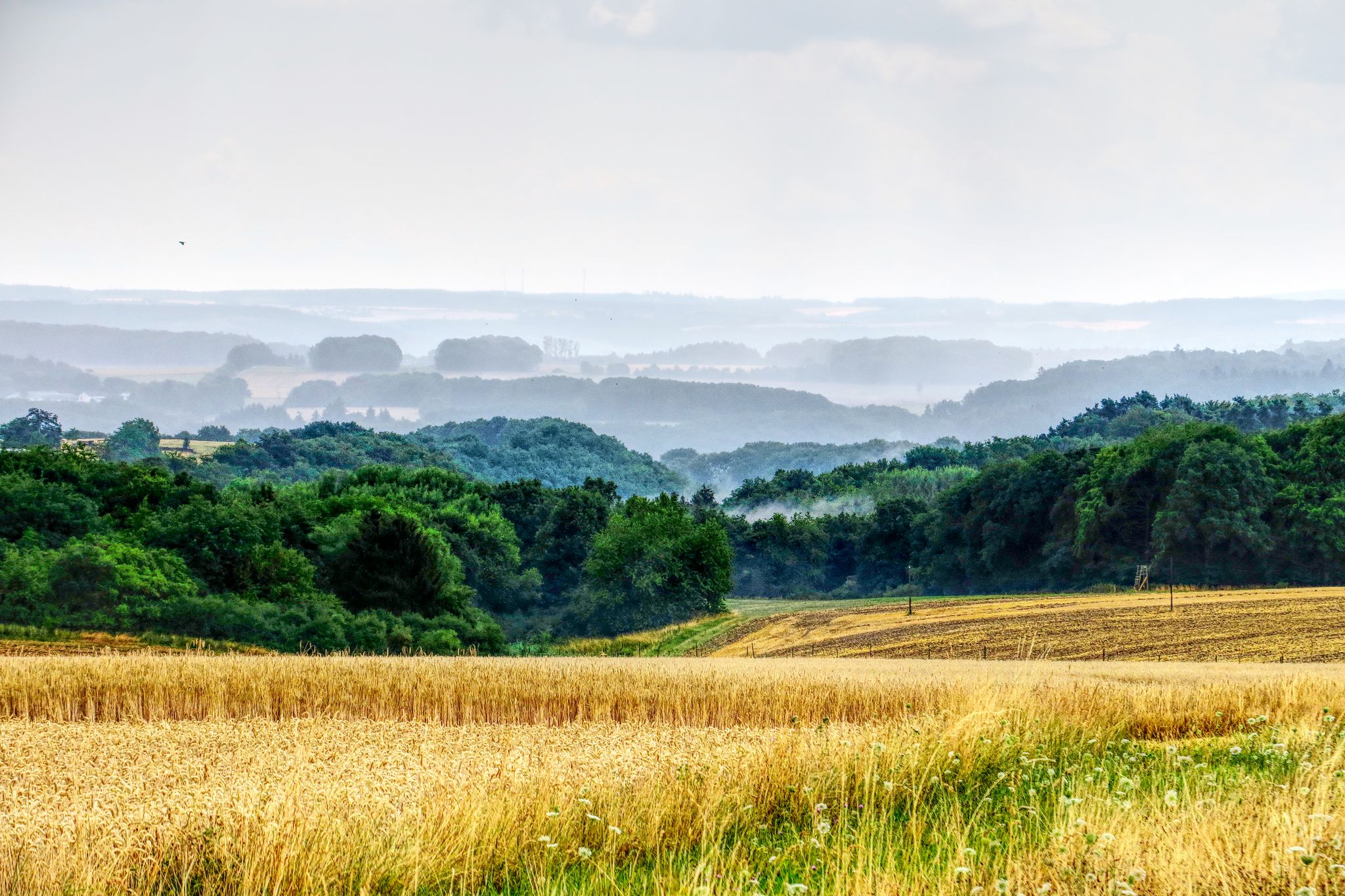
The National Natural Landscapes in Rheinland-Pfalz
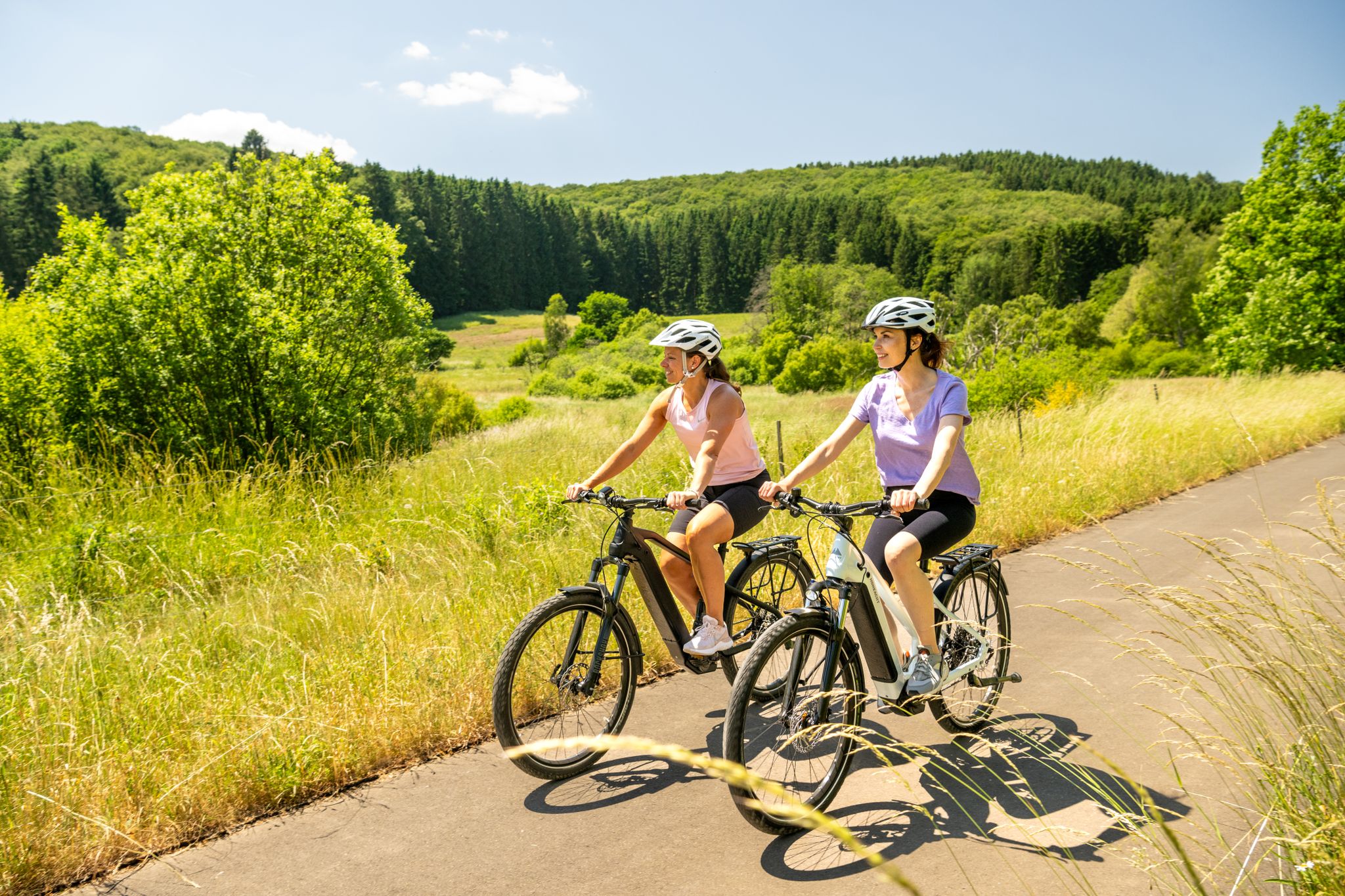
E-biking through the Volcanic Eifel
Vennbahn-Variant: A new gravel/MTB adventure
#GoFurther – discover the views of Germany!
Excellent paths in the Vulkaneifel – Explore the HeimatSpuren
Crater lakes and lava rock – hiking in Germany’s Volcanic Eifel
Ride the Prümtal Cycle Route over Germany’s Eifel Mountains
Award-winning hikes – explore the Volcanic Eifel on acclaimed trails
Other adventures in the Vulkaneifel


Tips from the Community

As with most Eifel views, you can also enjoy a wonderful view from the Eifel View Ernstberg when the weather is good.
3
0
When the weather is clear, the Eifel-Blick Ernstberg offers visitors a wonderful view over the heights of the volcanic Eifel. You should definitely take a little time to enjoy it.
3
0
The 699 meter high Ernstberg is the highest elevation in the Eifel after the Hohe Acht. Since the summit is covered in forest, you unfortunately don't have a clear view of the surrounding landscape of the Volcanic Eifel from up here. About 500 meters away and about 60 meters lower is the Eifel-Blick Ernstberg, which offers us a wonderful panorama in clear weather.
3
1
The Ernstberg is an old Pleistocene stratovolcano with a distinctive ring-shaped arrangement of welding slag and basalt deposits. Its summit consists of welding slag, which builds up a crater wall that is open to the east. This is where the basalt masses flowed out, forming a semicircle on the eastern slope of the mountain; from the Middle Ages until around 1930, millstones were quarried at the foot of the mountain. Source: Wikipedia
4
0
After the climb to the summit of the Ernstberg, the benches offer a well-deserved breather.
3
0
At these heights, millstones were once quarried from the basalt rock.
4
0

This cave is located at the top of the Ernstberg
3
0
Strenuous climb to a lot of rocks in the forest, a beautiful piece of unspoilt nature.
2
0
Frequently Asked Questions
What are some of the most prominent mountain peaks to visit in the Vulkaneifel?
The Vulkaneifel region offers several prominent peaks, each with unique attractions. Ernstberg is the highest volcano in the Western Eifel, known for its primeval atmosphere and rock formations. The Dronke Tower on the Mäuseberg provides wonderful views over the region's maars, while Hochkelberg is another significant peak with identified hiking routes. For historical interest, Freudenkoppe Castle Ruins sits atop a basalt cone near Nerother Kopf.
What unique geological features can I explore on the Vulkaneifel's peaks?
The Vulkaneifel is rich in geological wonders due to its volcanic past. On Ernstberg, you can discover fascinating rock formations emerging from the forest floor. The Nerother Kopf is home to the intriguing Millstone Cave, an artificial cave created from lava boards during millstone production. The region's maars, explosion crater lakes, are also a direct result of volcanic activity and can be viewed from peaks like Mäuseberg.
Which mountain peaks offer the best panoramic views in the Vulkaneifel?
For breathtaking vistas, head to the Dronke Tower on the Mäuseberg, which offers a direct view of the Gemündener Maar and the wider volcanic landscape. The Munterley provides a fantastic view over Gerolstein and the beautiful Kylltal. Additionally, the Dietzenley Observation Tower offers an impressive view of the Vulkaneifel landscape, including Gerolstein and Büscheich.
Are there any historical sites or structures on the Vulkaneifel's mountain peaks?
Yes, several peaks feature historical significance. The Freudenkoppe Castle Ruins, located on a 610-meter high basalt cone near Nerother Kopf, is a well-preserved 14th-century castle. The Millstone Cave at Nerother Kopf is an artificial cave with historical ties to lava board mining. The Dietzenley Observation Tower stands on a site that was once a Celtic housing estate about 2500 years ago.
What hiking opportunities are available around the Vulkaneifel's mountain peaks?
The Vulkaneifel is a hiker's paradise. You can find beautiful trails around Ernstberg, which is also part of the 'Volcano Summit Trail'. The 'Hochkelberg via Ville Eifel Weg' is a known route around Hochkelberg. For more options, explore the numerous hiking routes in the region, such as the Gerolsteiner Felsenpfad or the HeimatSpur MaareGlück. You can find detailed information on these and other trails in the Hiking in the Vulkaneifel guide.
Are there family-friendly mountain peaks or trails in the Vulkaneifel?
Many areas in the Vulkaneifel are suitable for families. While some paths to viewpoints like the Dronke Tower on the Mäuseberg can be steep, the overall region offers diverse terrain. The Munterley viewpoint is considered family-friendly, and many trails are accessible for various skill levels. Look for routes marked as 'moderate' or 'easy' in the Hiking in the Vulkaneifel guide for suitable options.
Can I find challenging hikes among the Vulkaneifel's peaks?
Yes, the Vulkaneifel offers challenging routes for experienced hikers and mountain bikers. The paths leading up to the Dronke Tower on the Mäuseberg are described as beautiful but steep, ideal for those seeking a challenge. The 'Volcano Summit Trail' that traverses several volcanic summits, including Ernstberg, also presents a significant challenge. For more difficult options, check the Hiking in the Vulkaneifel guide for routes marked as 'difficult'.
What is the highest mountain peak in the Vulkaneifel region?
The highest volcano in the Western Eifel, and the second-highest mountain in the entire Eifel region, is Ernstberg, standing at nearly 700 meters. While its summit is densely forested, the slopes offer fascinating rock formations and beautiful hiking trails.
What do visitors enjoy most about the mountain peaks in the Vulkaneifel?
Visitors to the Vulkaneifel's mountain peaks particularly enjoy the unique volcanic landscape, the panoramic views, and the diverse hiking opportunities. The primeval atmosphere around Ernstberg, the stunning vistas from the Dronke Tower, and the geological insights offered by sites like the Millstone Cave are frequently praised. The komoot community has shared over 2300 photos and given more than 3500 upvotes to the region's highlights, reflecting a high level of satisfaction.
Are there mountain biking trails near the Vulkaneifel peaks?
Yes, the Vulkaneifel is popular with mountain bikers. The paths leading up to the Dronke Tower on the Mäuseberg are described as steep and suitable for mountain bikers seeking a challenge. Trails around Ernstberg are also popular for mountain biking. For a comprehensive list of routes, refer to the MTB Trails in the Vulkaneifel guide, which includes routes like 'Eifel Allerlei' and 'Von Maar zu Maar'.
What is the best time of year to visit the Vulkaneifel mountains?
The Vulkaneifel region is beautiful year-round, but the best time to visit for hiking and outdoor activities is typically from spring to autumn (April to October). During these months, the weather is generally milder, and the trails are more accessible. Autumn offers particularly scenic views with vibrant foliage. While winter hiking is possible, some trails might be more challenging due to snow or ice, and certain facilities may have reduced hours.
Are there cycling routes that incorporate views of the Vulkaneifel's peaks?
Absolutely. The Vulkaneifel offers various cycling routes that provide stunning views of the volcanic landscape and its peaks. Many routes traverse the rolling hills and offer glimpses of maars and forested summits. For specific cycling tours, you can consult the Cycling in the Vulkaneifel guide, which features routes like the 'Cycle path on a railroad line' and tours around the maars.
Is it possible to reach the Vulkaneifel mountain trails using public transport?
While specific public transport details for every trailhead can vary, the Vulkaneifel region generally has bus connections to its towns and villages. From these points, many trails are accessible. It's advisable to check local bus schedules and routes in advance to plan your journey to specific mountain peaks or trailheads. Some popular starting points for hikes might have better public transport links than more remote areas.
Most popular routes in the Vulkaneifel
Most popular attractions in the Vulkaneifel

Get inspired with the komoot mobile app


Didn’t find what you were looking for?
Discover Vulkaneifel’s best peaks and summits by region:
Explore more
See even more amazing summits in the Vulkaneifel with these guides:
