Top 20 Caves in Upper Bavaria
Best caves in Upper Bavaria are found within a region characterized by alpine landscapes and a significant underground world. This area features diverse geological formations, including karst systems and ice caves. The natural environment of Upper Bavaria provides conditions for various cave types, from accessible show caves to challenging rock formations. Exploring these sites offers insight into the region's geological history and natural processes.
Best caves in Upper Bavaria
- The most popular caves is Stopselzieher Via Ferrata (Zugspitze), a…
Last updated: September 26, 2026
Low Tunnel in Almbach Gorge
Highlight • Structure
Translated by Google •
Tip by

Small waterfall in the Partnach Gorge
Highlight • Waterfall
Translated by Google •
Tip by

Sign up now to discover places like this
Get recommendations on the best single tracks, peaks, & plenty of other exciting outdoor places.
Rock Arch Unteremmendorf
Highlight • Natural Monument
Translated by Google •
Tip by

Arndthöhle Cave
Highlight • Cave
Audio Guide Naturpark Altmühltal:
audioguide.naturpark-altmuehltal.de/tour/item/arndthoehle_bei_attenzell-36/?hash=05b177fef9bb7574f00cc31409306c27.
Showing Translation
Tip by
Torfelsen Rock Arch
Highlight • Natural Monument
Translated by Google •
Tip by
Engelstein
Highlight • Natural Monument
Translated by Google •
Tip by

Berchtesgaden Salt Mine
Highlight • Historical Site
Showing Translation
Tip by

Eiskapelle at the Watzmann East Face
Highlight • Natural Monument
Translated by Google •
Tip by

Stopselzieher Via Ferrata (Zugspitze)
Highlight (Segment) • Climb
Translated by Google •
Tip by

Kindinger Klause Cave
Highlight • Cave
Translated by Google •
Tip by

Sign up for free to discover even more caves in Upper Bavaria.
Already have an account?
Start today with a free account
Your next adventure awaits.
Popular around Upper Bavaria

Triathlon 360 – my journey around the world
Triathlon around Germany
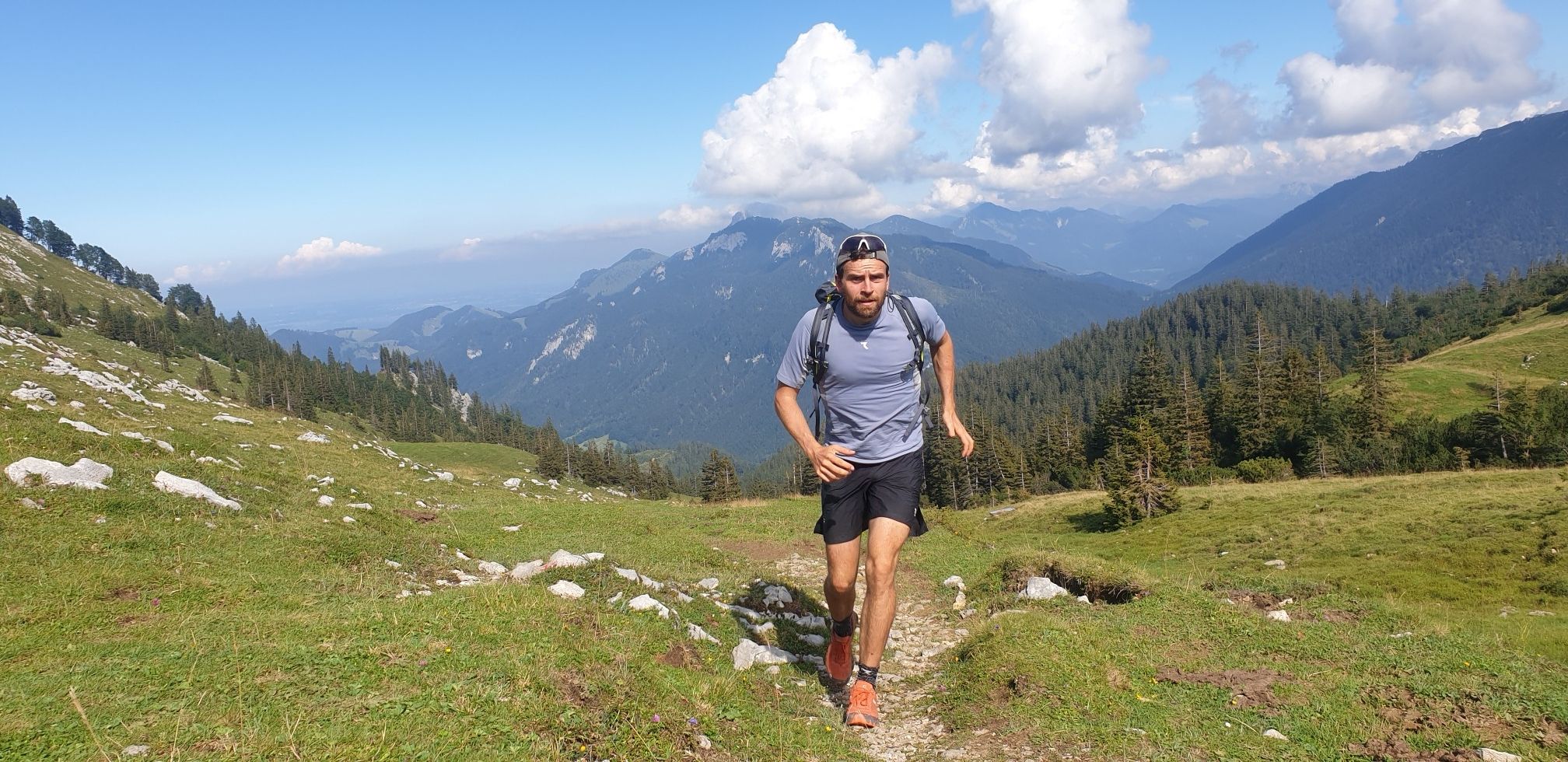
Zugspitz Ultratrail – experience Germany's highest mountain over 3 days
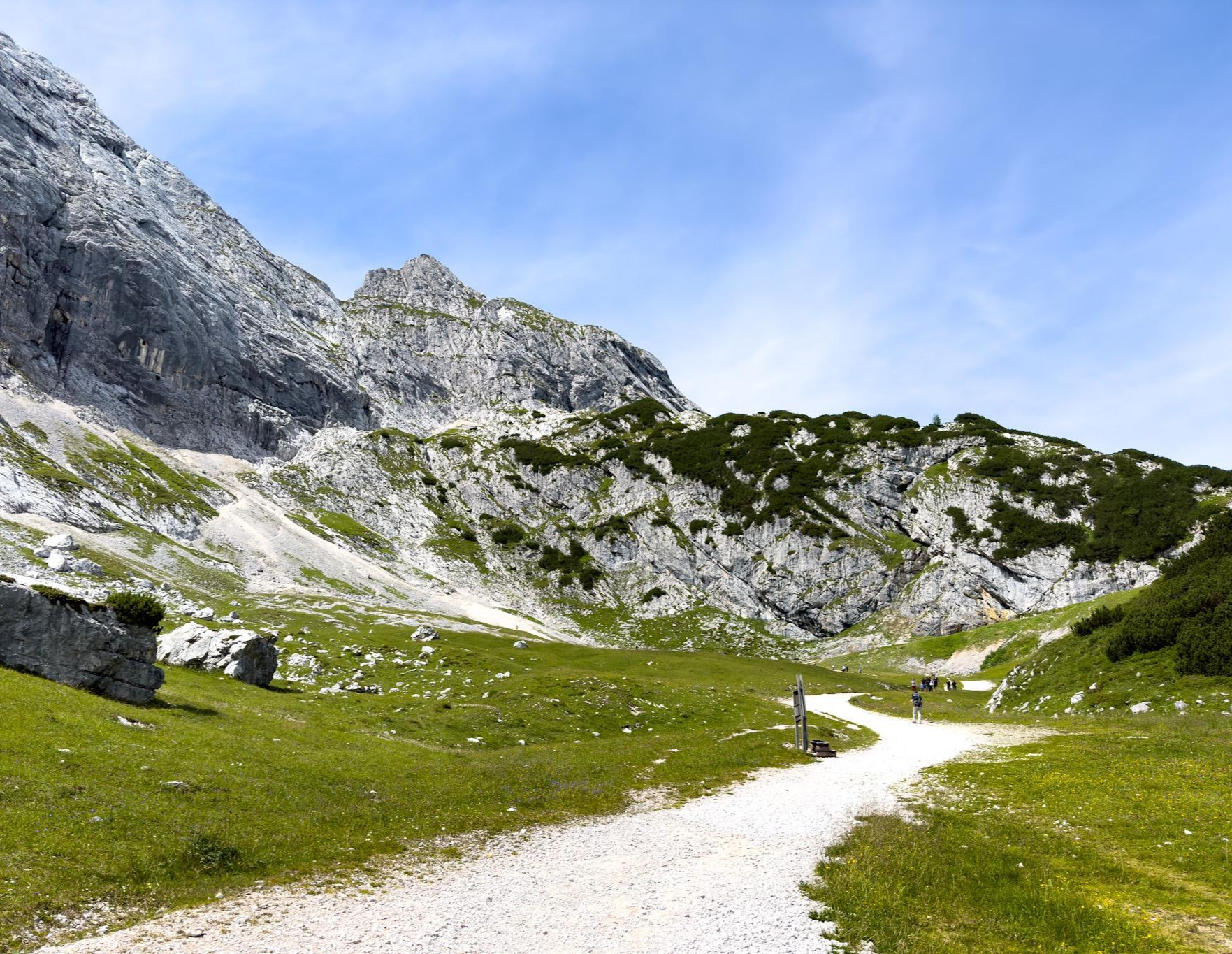
From Bavaria to the Adriatic - My Bikepacking Adventure to Croatia 2023
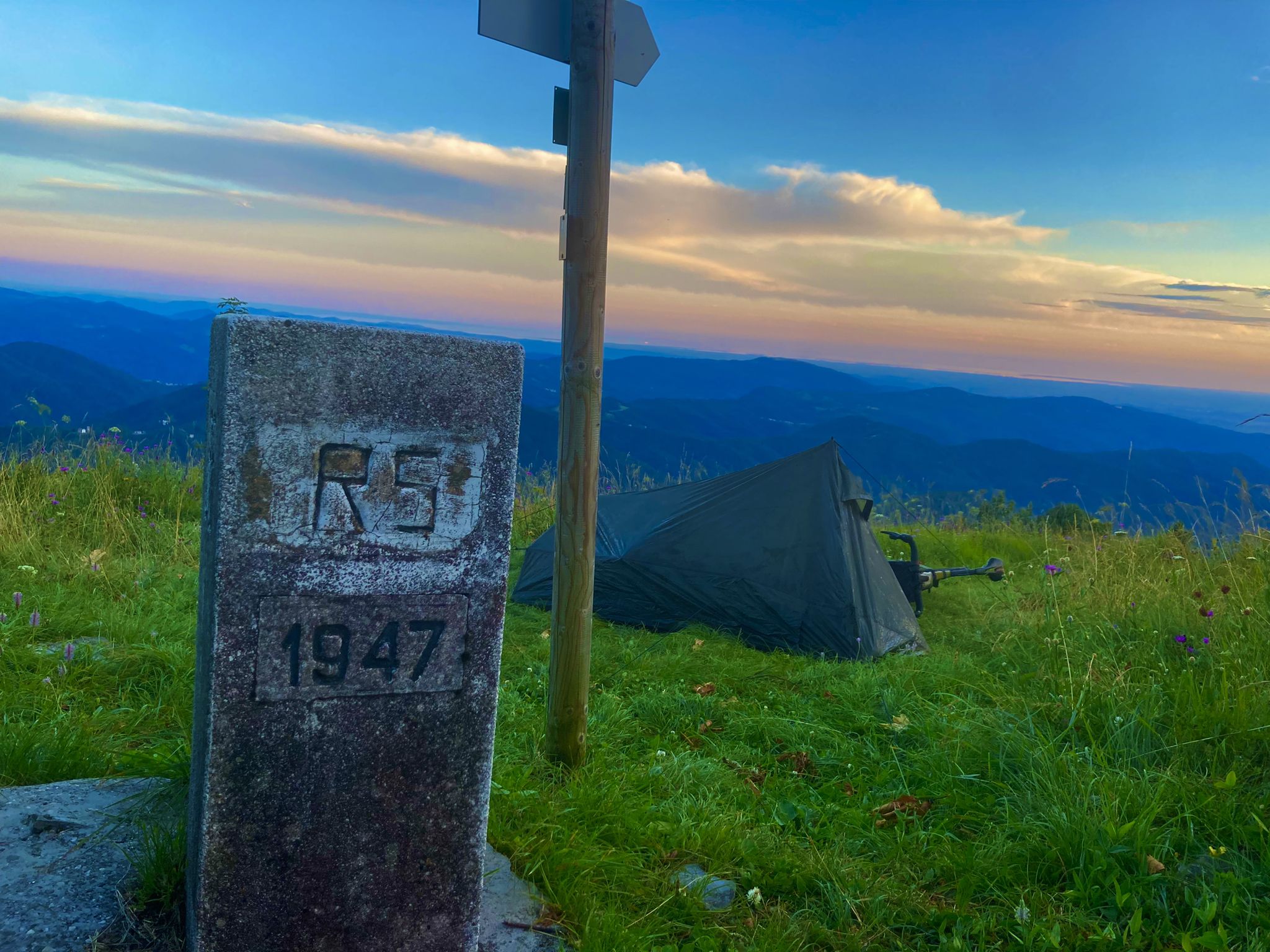
The SalzAlpenSteig – On the tracks of white gold
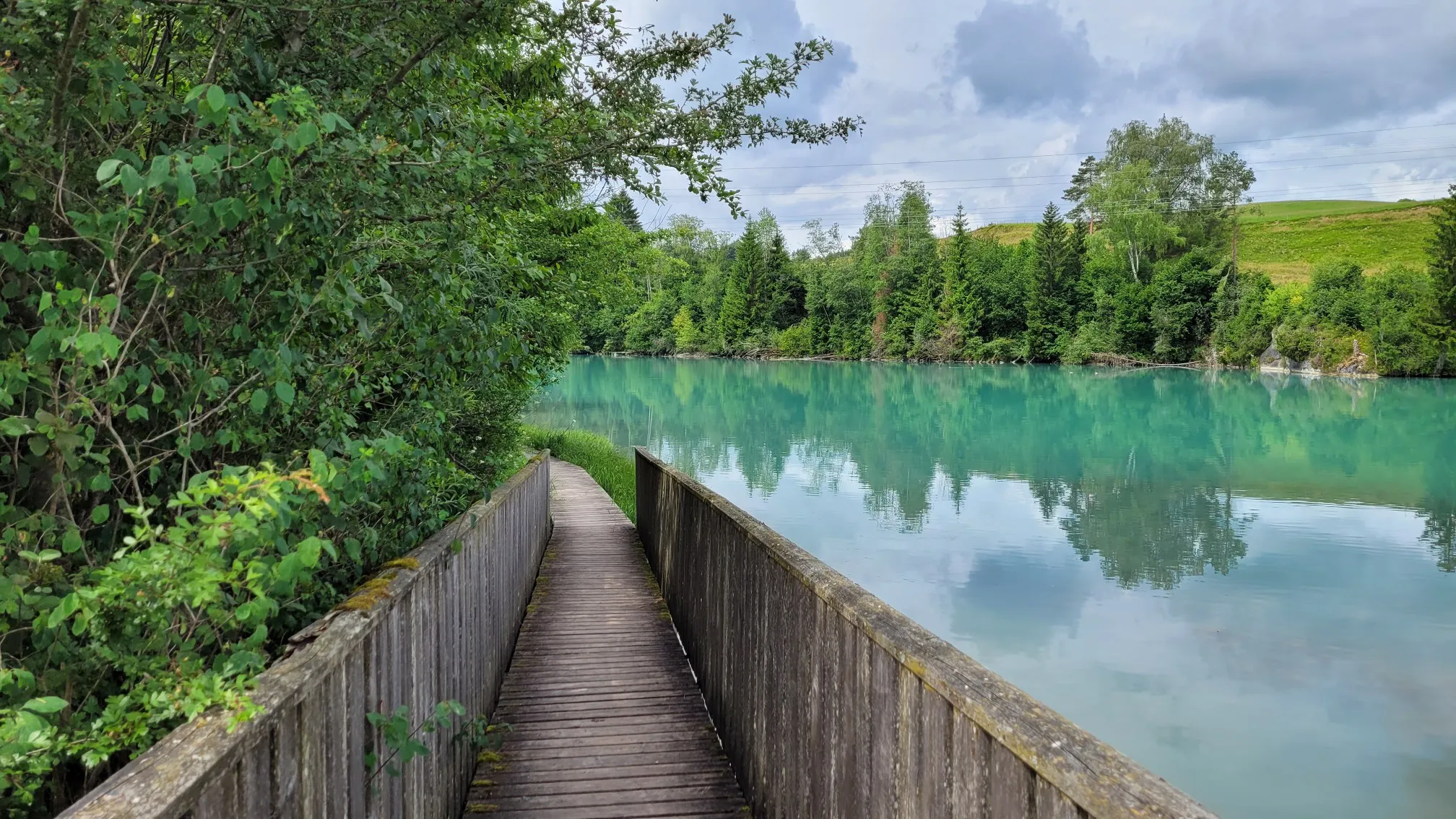
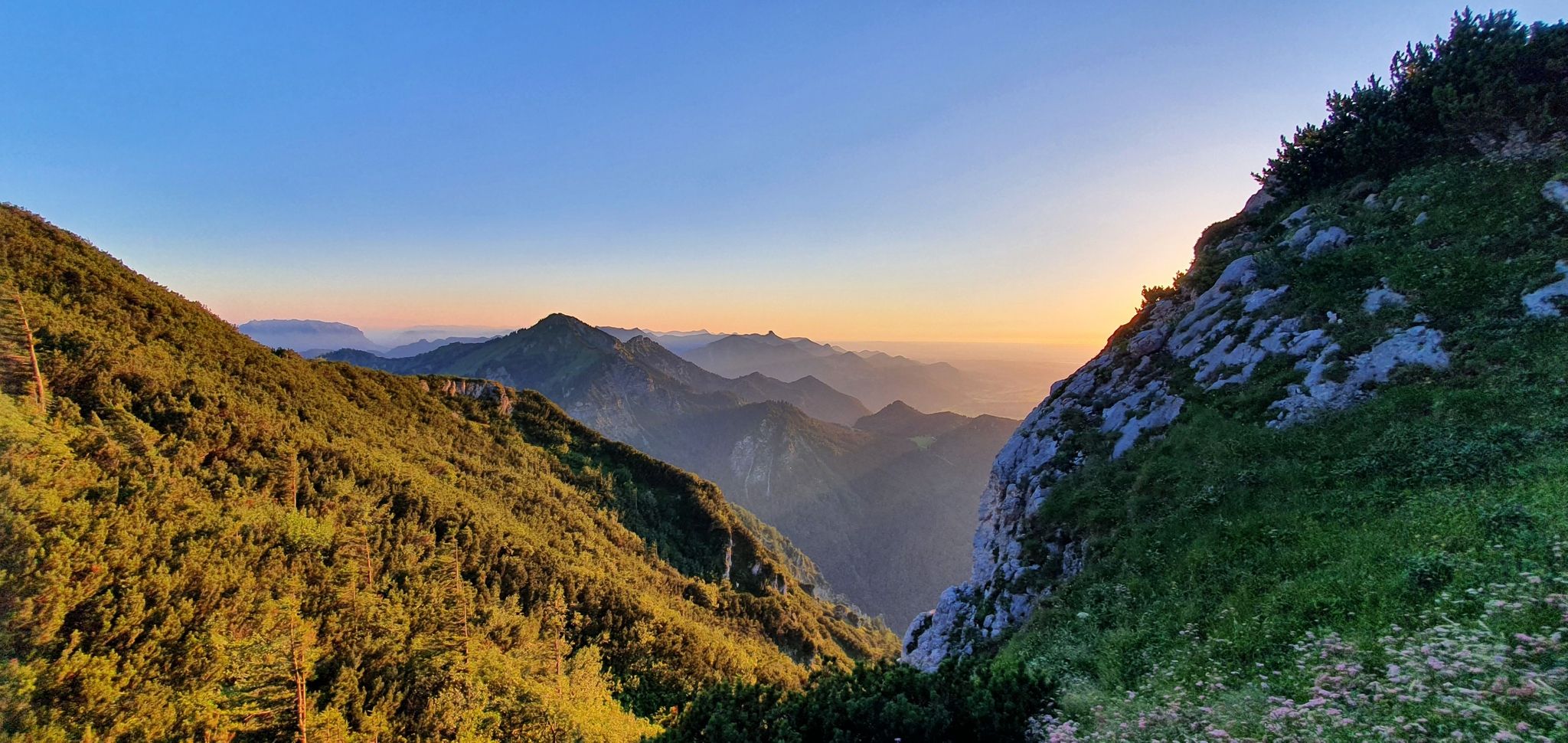
LechErlebnisWeg – multi-day Tour from Landsberg to Füssen
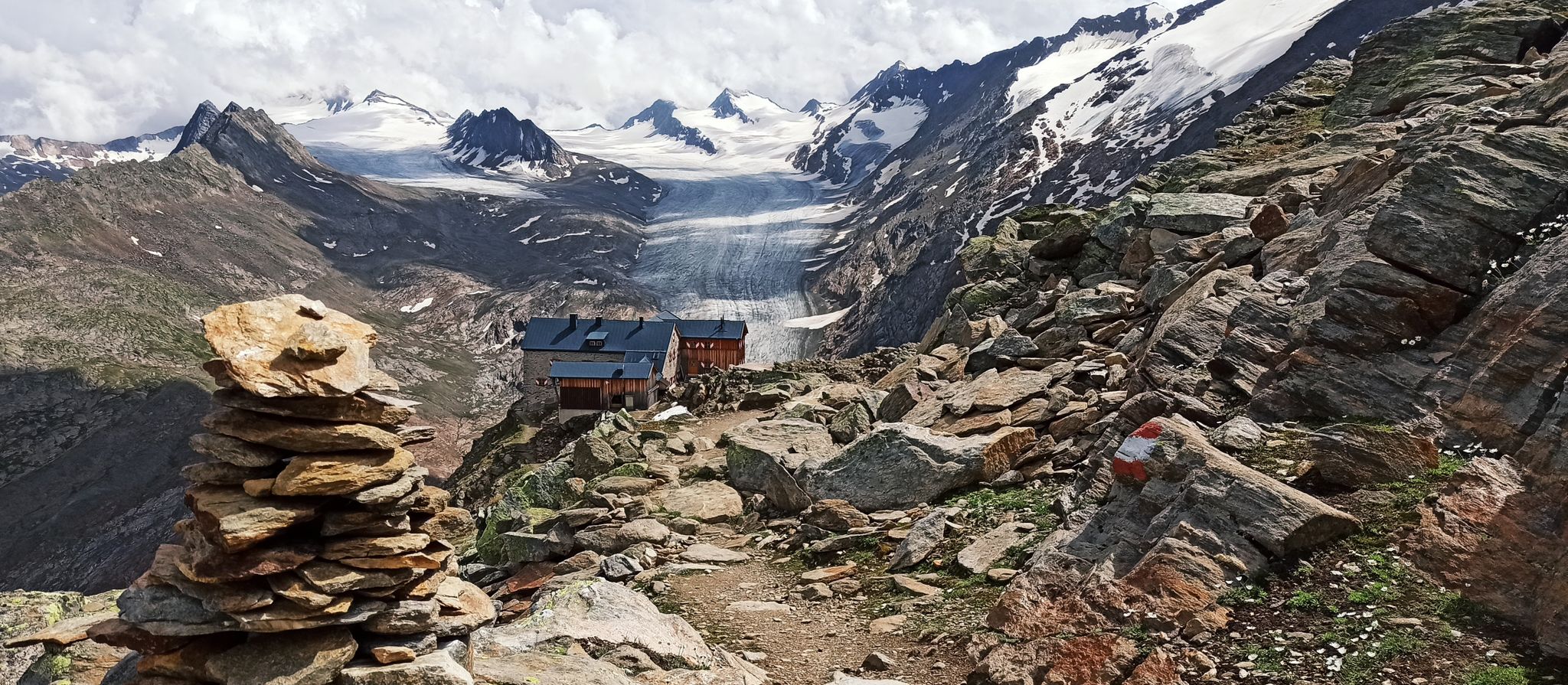
L1 from Garmisch to Brescia – Far from the classic Alpine crossings
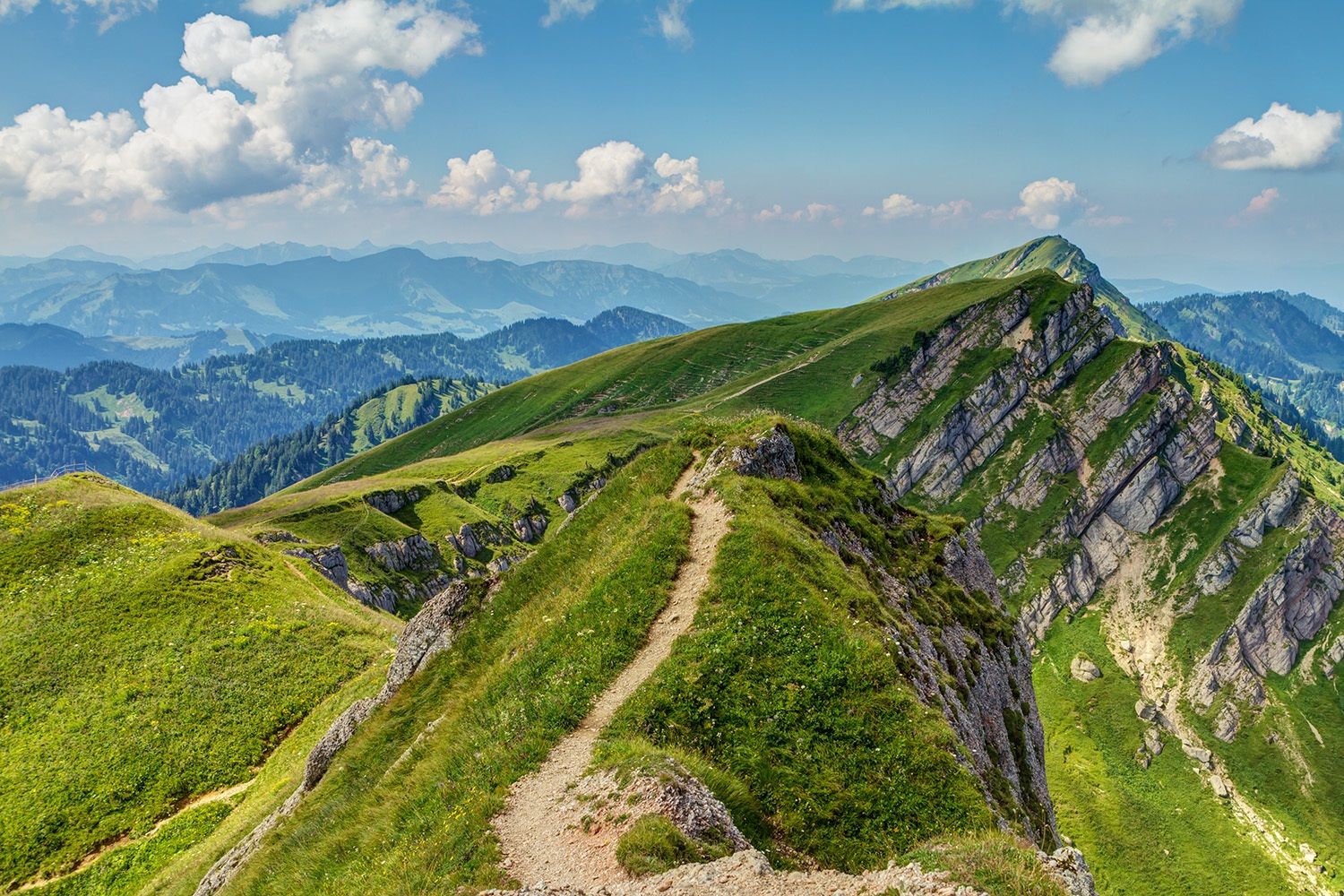
Maximilian Trail in Germany — Lake Constance to Königssee
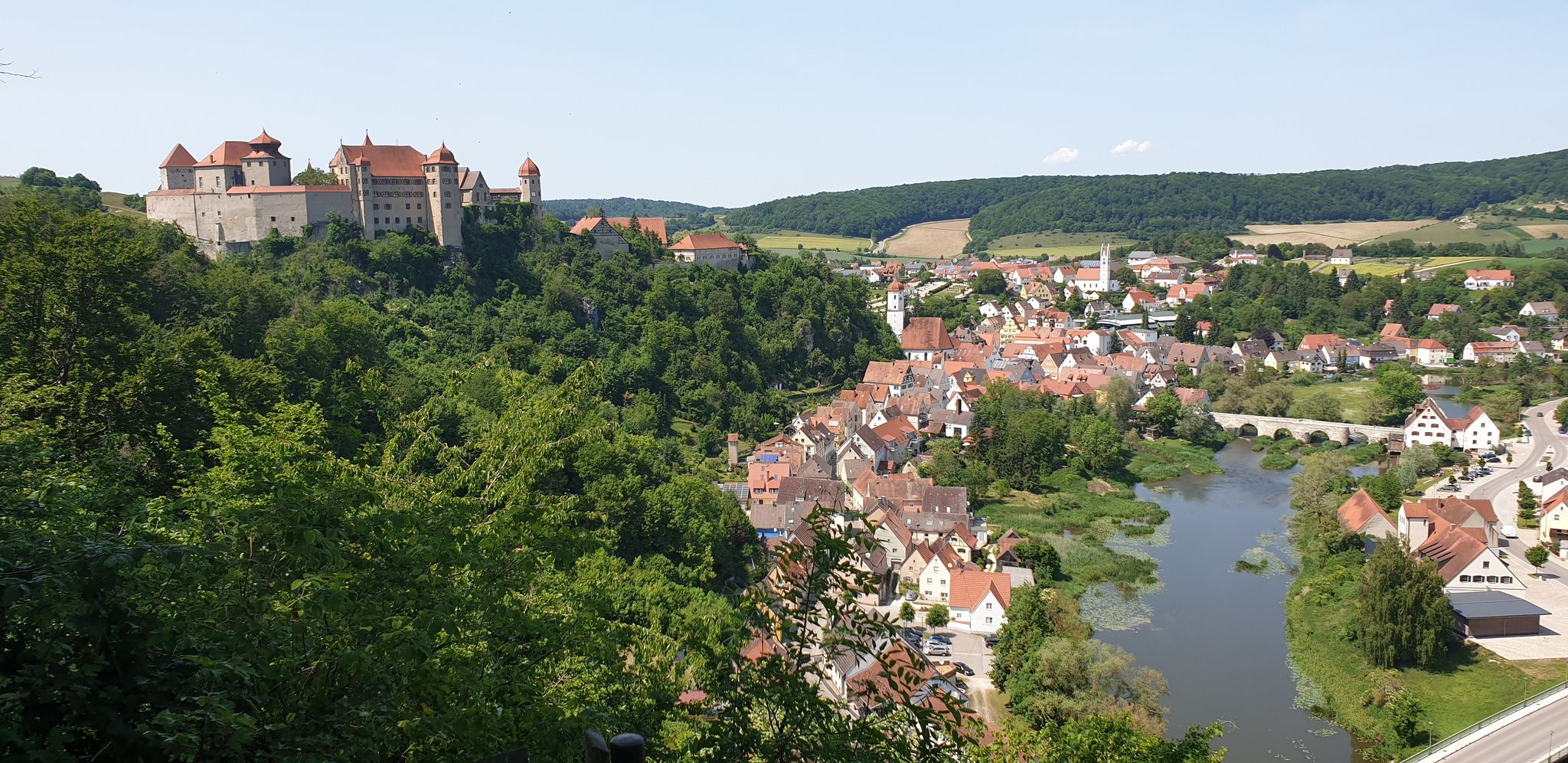
The Romantic Road – To the Pearls of Southern Germany
Ammergau Alps meditation path in Bavaria – Breathe in, breathe out
Other adventures in Upper Bavaria


Tips from the Community

The climb is not particularly demanding and easy to manage. From the car park at the Roman Bridge, you can get here in just under 15 minutes.
2
0

From St. Bartholomä, which is at an altitude of 600 meters, the path goes to the Ice Chapel through the forest past a chapel and from 800 meters above sea level through the gravel bed of the former ice channel. The valley is framed by the north face of the Kleiner Watzmann and the Watzmannkinder, on the south side by Hachelkopf and Hirschwiese and with the east face of the Watzmannmittelspitze and -Südspitze as the head of the valley, in which the lowest permanent ice field of a glacier in the German Alps is located, the Ice Chapel at an altitude of 820 meters.
3
0

Your taxi into the underground... sit on it... head straight... arms not stretched out... and the journey into the interior of the mountain begins
11
0
A dream world in itself... Updated September 25...: which unfortunately no longer exists... the chapel has collapsed... there is currently an absolute risk of rockfall and life-threatening danger there!
3
0

The Kindinger Klause served as a shelter for people for thousands of years. Finds prove that the hermitage was already used in the Paleolithic period.
3
0

Nice viewing rock, but the summit has to be earned (T4+, II)
0
0

Very nice hike on partly narrow paths, this time via the Braunlehen route (red hike even if it is still marked as blue in the gorge!!)
4
0
Frequently Asked Questions
What types of caves and underground formations can I explore in Upper Bavaria?
Upper Bavaria offers a diverse range of underground formations. You can explore significant ice caves like the Schellenberger Eishöhle, which is Germany's largest and only ice cave open to tourists. There are also karst caves with impressive dripstone formations, such as the Osterhöhle, and natural rock arches like Rock Arch Unteremmendorf and Beixenhart Rock Arch. The region also features unique natural phenomena like the Eiskapelle at the Watzmann East Face, a firn field with a large ice cavity.
Are there any family-friendly caves or cave-related attractions in Upper Bavaria?
Yes, several attractions are suitable for families. The Berchtesgaden Salt Mine offers an engaging historical experience underground. While not a cave, the Almbachklamm near Marktschellenberg provides a picturesque hike through a gorge with water-sculpted rock formations and the historic Kugelmühle (marble mill), which can be a fun outdoor activity for families.
When is the best time to visit the caves in Upper Bavaria?
The best time to visit depends on the type of cave. Ice caves like the Schellenberger Eishöhle typically operate from June to September/October, depending on weather conditions. Dripstone caves like the Osterhöhle are usually open during the summer months on weekends. For other natural formations and rock arches, access is often year-round, though weather conditions in winter might make some trails challenging.
What should I wear when visiting caves in Upper Bavaria?
Even in summer, temperatures inside caves can be very low, often below freezing, especially in ice caves. It is essential to wear warm clothing, including a jacket, and sturdy, non-slip footwear. For some caves, like the Arndthöhle Cave or the Osterhöhle, bringing a flashlight is recommended or even required, as tours might use traditional lighting.
Are there caves in Upper Bavaria with historical or archaeological significance?
Yes, some caves hold historical and archaeological importance. The Arndthöhle Cave is known for its historical and archaeological findings, including potsherds from the Hallstatt period and medieval ceramic remains, suggesting human use over centuries. The Osterhöhle also has archaeological findings from the Late Hallstatt/Early La Tène period and the late Middle Ages.
What outdoor activities can I do near the caves in Upper Bavaria?
The region around the caves offers numerous outdoor activities. You can find many hiking opportunities, including easy hikes like the Eibsee Loop Trail or the Malerwinkel circuit in Berchtesgaden National Park. For more challenging adventures, consider mountain biking on trails like 'Around Garmisch-Partenkirchen’s Wetterstein mountains' or 'From Königssee to Gotzenalm'. There are also beautiful waterfall hikes, such as the Premium hiking trail Klausenbachklamm. You can explore more routes in the Easy hikes in Upper Bavaria, MTB Trails in Upper Bavaria, and Waterfall hikes in Upper Bavaria guides.
Are there any challenging cave experiences or climbs in Upper Bavaria?
For those seeking a challenge, the Stopselzieher Via Ferrata (Zugspitze) is a well-secured via ferrata that includes a washout cave at its beginning. This route offers a demanding climb to the Zugspitze summit. Other challenging natural features include the Engelstein, which involves climbing and offers great viewpoints.
What unique natural phenomena can be observed in Upper Bavaria's underground world?
Beyond traditional caves, Upper Bavaria features unique natural phenomena. The Eiskapelle at the Watzmann East Face is a natural monument with a firn field and a large ice cavity that changes seasonally, offering impressive ice formations. The Kuhflucht Waterfalls, while not an accessible cave, are fed by karst springs from an unseen underground system, showcasing the powerful geological processes at play.
Are there any lesser-known or 'hidden gem' caves in Upper Bavaria?
While some caves are well-known, others offer a more secluded experience. The Kindinger Klause Cave is a notable cave with historical significance and viewpoints. The Mittagsscharte also features a cave as part of its natural monument status, offering a challenging yet rewarding experience away from the most popular spots.
What do visitors enjoy most about exploring caves and rock formations in Upper Bavaria?
Visitors appreciate the unique natural spectacles and the sense of adventure. Highlights like the Rock Arch Unteremmendorf are praised for their impressive natural origin. The Arndthöhle Cave is noted for its spectacular access and slightly eerie atmosphere, while the Eiskapelle at the Watzmann East Face is celebrated for its terrific views and impressive natural ice formations that evolve with the seasons.
Are there any caves in Upper Bavaria that are particularly important for wildlife, such as bats?
Yes, caves in Upper Bavaria serve as crucial habitats for wildlife. The Arndthöhle Cave, for instance, is a wintering ground for several highly endangered bat species, including mouse-eared, long-eared, and horseshoe bats. For their protection, visits to such caves are often restricted to specific periods, typically from April to October.
Most popular routes in Upper Bavaria
Most popular attractions in Upper Bavaria

Get inspired with the komoot mobile app


Didn’t find what you were looking for?
Discover more caves in Upper Bavaria region by region:
Explore more
Extend your search for the best caves by checking out these guides of the top ones in Upper Bavaria:
