The best road cycling routes around Klueser Wald
4.6
(572)
7,288
riders
595
rides
Road cycling routes around Klueser Wald are situated between Flensburg and Harrislee in Schleswig-Holstein, North Germany. The region features a notably hilly landscape, a geological legacy of the Weichselian Ice Age, which provides engaging inclines and descents for cyclists. Klueser Wald itself is a forest characterized by tree species such as beech, oak, and ash. Its proximity to the Flensburg Fjord and the Danish border offers diverse scenic views along routes that often utilize quiet, paved roads.
Best road cycling…
Last updated: July 10, 2026
37
riders
57.6km
02:23
330m
330m
Moderate road ride. Good fitness required. Mostly well-paved surfaces and easy to ride.
5.0
(2)
34
riders
35.8km
01:23
90m
90m
Easy road ride. Great for any fitness level. Mostly well-paved surfaces and easy to ride.

Sign up for free
4.5
(2)
16
riders
57.3km
02:15
180m
180m
Moderate road ride. Good fitness required. Some segments of this route may be unpaved and difficult to ride.
4.0
(1)
7
riders
28.6km
01:10
120m
120m
Moderate road ride. Great for any fitness level. Some segments of this route may be unpaved and difficult to ride.
2.0
(1)
6
riders
32.9km
01:25
130m
130m
Easy road ride. Great for any fitness level. Mostly well-paved surfaces and easy to ride.
Get access to more routes and recommendations from other explorers.
Sign up for free
Already have an account?
Our route recommendations are based on thousands of hikes, rides, and runs completed by other people on komoot.
Start today with a free account
Your next adventure awaits.
Login or Signup



Other adventures around Klueser Wald

Tips from the Community

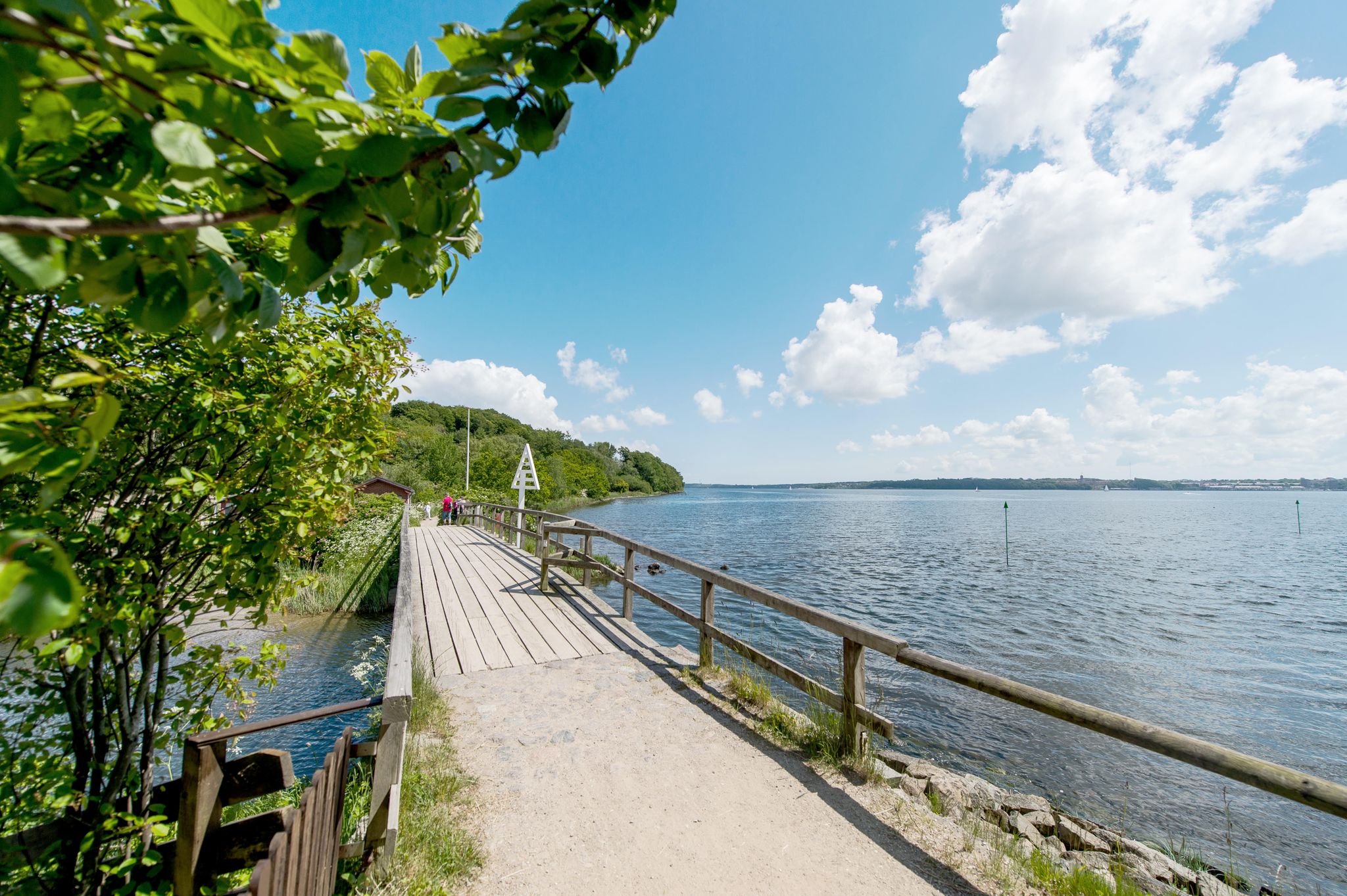
The view, the prospects to the other bank across the border are a charm of the Gendarmsti. What once had to be controlled and defended, today leaves a feeling of how close everything is.
0
0

Bike path along the road with a view.
1
0
Bike path on both sides, nice view. A separate bike path would be nicer.
1
0

Nice border crossing, hardly any traffic
0
0

Suitable sculpture for the bike tour
0
0

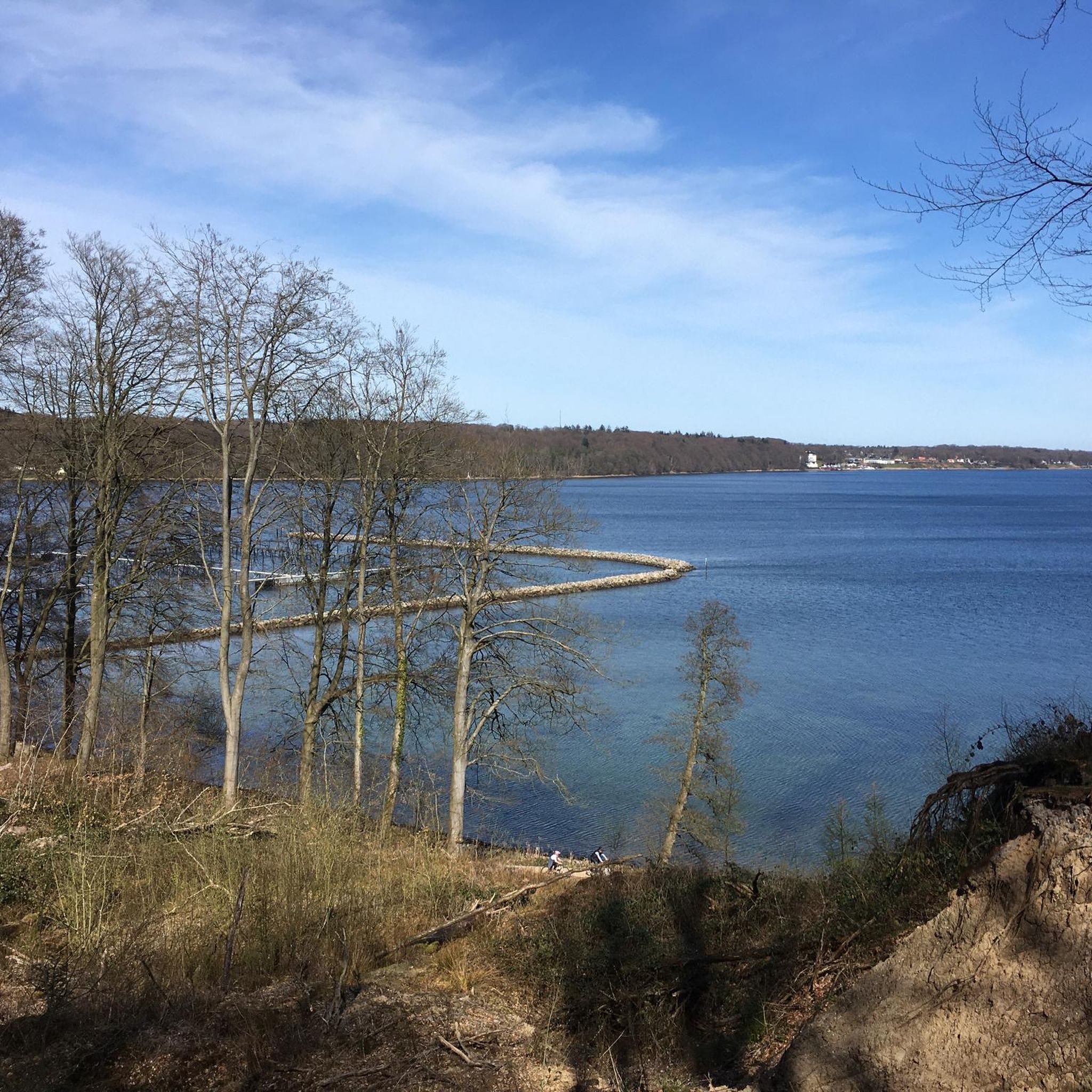
The Flensburg Fjord (Danish: Flensborg Fjord) is an approximately 40 to 50-kilometer-long inlet of the western Baltic Sea and forms the border between Germany (Schleswig-Holstein) and Denmark along its northern and southern sides. Geologically, it was formed by the indentation of a glacial tongue in the inland ice during the Weichselian glaciation. It is classified as a fjord rather than a fjord because its flanks are relatively low. The fjord is divided into two sections: the inner fjord toward Flensburg and the outer fjord, separated by the Holnis peninsula. At its western end, in Flensburg, it flows inland—the westernmost point of the Baltic Sea also lies along this line. Today, the region is an important sporting area, especially for sailors, and hosts major regattas such as the Flensburg Fjord Regatta and the Rum Regatta. Fjord Week, with events for classic yachts, is also part of the regular schedule. The Flensburg Fjord is also attractive for its landscape and tourism. It offers charming shorelines with beaches, steep coastlines, and moraine cliffs, nestled among gentle sandy areas. Nature and culture lovers will find a wealth of destinations along both shores: Flensburg with its historic old town and museum harbor, Glücksburg Castle, the Holnis peninsula with its protected salt marshes and lighthouses, as well as the Geltinger Birk nature reserve and the towns along the northern shore with the Gendarmenpfad (Gendarmen Trail) – a former border path along the Danish border. For centuries, the fjord has been shaped by passenger and freight traffic – historic steamers connected Flensburg with towns on both sides. Today, leisure boating, excursion boats, traditional yachts and marine activities dominate in Mürwik.
3
0

A very beautiful beach.
0
0
Here the road surface was recently renewed, a wonderful drive on the new surface
0
0
Frequently Asked Questions
How many road cycling routes are available around Klueser Wald?
There are over 600 road cycling routes available around Klueser Wald, catering to various skill levels. This includes 176 easy routes, 427 moderate routes, and a few challenging options for experienced cyclists.
What is the typical terrain and elevation like for road cycling in the Klueser Wald area?
The region around Klueser Wald is characterized by a notably hilly landscape, a geological legacy of the Weichselian Ice Age. This means you can expect engaging inclines and descents, along with dense woodlands and scenic coastal sections, especially along the Flensburg Fjord. Routes often utilize quiet, paved roads.
Are there circular road cycling routes available around Klueser Wald?
Yes, many of the road cycling routes around Klueser Wald are circular. For example, the popular View of the Ochsen Islands – View of Flensburg loop from Kruså and the Wassersleben Beach – Wassersleben Beach loop from Kruså are both excellent circular options.
What natural features can I expect to see while road cycling near Klueser Wald?
While cycling, you'll encounter a diverse landscape. Klueser Wald itself is a forest with beech, oak, and ash trees. The routes often offer views of the Flensburg Fjord and the Danish border, providing a mix of woodland scenery and coastal vistas. The hilly terrain also adds to the natural beauty.
Are there any interesting landmarks or viewpoints along the road cycling routes?
Yes, the routes often pass by or offer views of several interesting points. You can cycle along the Bike path along the Flensburg Fjord, visit Wassersleben Beach, or explore sections of the Krusau Tunneltal Border Trail. Many routes also provide expansive views of the Flensburg Fjord and the Ochsen Islands.
What do other road cyclists enjoy most about road cycling in Klueser Wald?
The area is highly rated by the komoot community, with an average score of 4.6 stars from over 500 reviews. Cyclists often praise the varied terrain, which includes both challenging hills and scenic coastal sections, as well as the quiet, paved roads that make for an enjoyable ride. The diverse views of the Flensburg Fjord are also frequently highlighted.
Is Klueser Wald suitable for family-friendly road cycling?
While Klueser Wald itself is hilly, the broader Flensburg area offers routes suitable for families. There are 176 easy routes available, such as the Roadbike loop from Nordstadt, which navigates through surrounding areas on quiet roads. The forest also features a natural children's playground and recreational clearings, making it a good destination for a combined outing.
Where can I park my car when road cycling in Klueser Wald?
While specific cyclist parking areas within Klueser Wald are not detailed, the forest is situated between Flensburg and Harrislee. You can generally find parking in these surrounding towns, which provide convenient access points to the regional cycling network that borders or passes near the forest.
Can I reach Klueser Wald by public transport with my bicycle?
Flensburg, being a larger city, has public transport options. It is advisable to check with local bus or train operators in Flensburg regarding their policies for transporting bicycles, as this can vary. Many regional routes are accessible from Flensburg's urban areas.
Are there bike rental services available near Klueser Wald?
While not directly within Klueser Wald, bike rental services are typically available in the nearby city of Flensburg. It's recommended to check local providers in Flensburg for availability and booking options.
What is the best time of year to go road cycling in Klueser Wald?
The region is well-suited for outdoor activities, suggesting that spring, summer, and early autumn offer the most pleasant conditions for road cycling. During these seasons, you can best enjoy the natural beauty of the forest, the coastal views, and the generally milder weather.
Are there any long-distance cycle routes that connect near Klueser Wald?
Yes, the broader Flensburg area is part of a well-developed cycling infrastructure. Long-distance routes like the Pilgrim route (D-Route 7) and the Baltic Sea Coast Cycle Route (D-Route 2) connect near Flensburg, offering extensive riding opportunities through varied landscapes, including coastal areas and charming villages. The 'Border Route' also provides a 130 km ride through the German-Danish border region.
Most popular routes around Klueser Wald
Most popular attractions around Klueser Wald

Get inspired with the komoot mobile app


Explore more
Browse the best Road cycling routes in other regions.
