The best walks and hikes around Bois de la Cambre - Terkamerenbos
4.5
(5928)
33,092
hikers
1,097
hikes
Hiking around Bois de la Cambre - Terkamerenbos offers access to an expansive urban park in Brussels, characterized by lush greenery and diverse tree species. This 123-hectare area features a picturesque artificial lake with a central island, providing a unique natural element. The terrain includes gentle hills, offering varied perspectives within its wooded northern sections. As a natural extension of the larger Sonian Forest, it shares some of its ecological characteristics.
Best hiking trails around Bois de la Cambre - Terkamerenbos
- The most popular hiking route is Vuilbeek Valley – Ganzepoot Pond loop from Boondael - Boondaal, an 11.3 miles (18.1 km) trail that takes 4 hours 49 minutes to complete. This moderate route explores the natural features of the Vuilbeek Valley and Ganzepoot Pond.
- Another top favourite among local hikers is Hoefijzervijver – Vuilbeek Valley loop from Boondael - Boondaal, a moderate 5.8 miles (9.4 km) path. This trail offers a pleasant walk through the park's varied landscape, passing by Hoefijzervijver.
- Local hikers also love the Hoefijzervijver – Drowned Children's Ponds loop from Ixelles - Elsene, a 9.2 miles (14.8 km) trail leading through wooded areas and past significant ponds, often completed in about 3 hours 53 minutes.
- Hiking around Bois de la Cambre - Terkamerenbos is defined by expansive green spaces, diverse woodlands, and a notable artificial lake with an island. The network offers options for different ability levels, from easy strolls to more challenging moderate routes.
- The routes in Bois de la Cambre - Terkamerenbos are highly rated by the komoot community with an average score of 4.5 stars from over 4900 reviews. More than 30000 hikers have used komoot to explore Bois de la Cambre - Terkamerenbos's varied terrain.
Last updated: August 27, 2026
4.7
(160)
633
hikers
17.8km
04:45
190m
190m
Moderate hike. Good fitness required. Easily-accessible paths. Suitable for all skill levels.
4.8
(225)
784
hikers
9.43km
02:31
100m
100m
Moderate hike. Good fitness required. Easily-accessible paths. Suitable for all skill levels.

Sign up for free
4.5
(31)
170
hikers
Hard hike. Very good fitness required. Easily-accessible paths. Suitable for all skill levels.
4.5
(23)
117
hikers
14.9km
03:54
120m
120m
Moderate hike. Good fitness required. Easily-accessible paths. Suitable for all skill levels.
4.9
(28)
90
hikers
Moderate hike. Good fitness required. Easily-accessible paths. Suitable for all skill levels.
Get access to more routes and recommendations from other explorers.
Sign up for free
Already have an account?
Our route recommendations are based on thousands of hikes, rides, and runs completed by other people on komoot.
Start today with a free account
Your next adventure awaits.
Login or Signup
Popular around Bois de la Cambre - Terkamerenbos

Tips from the Community

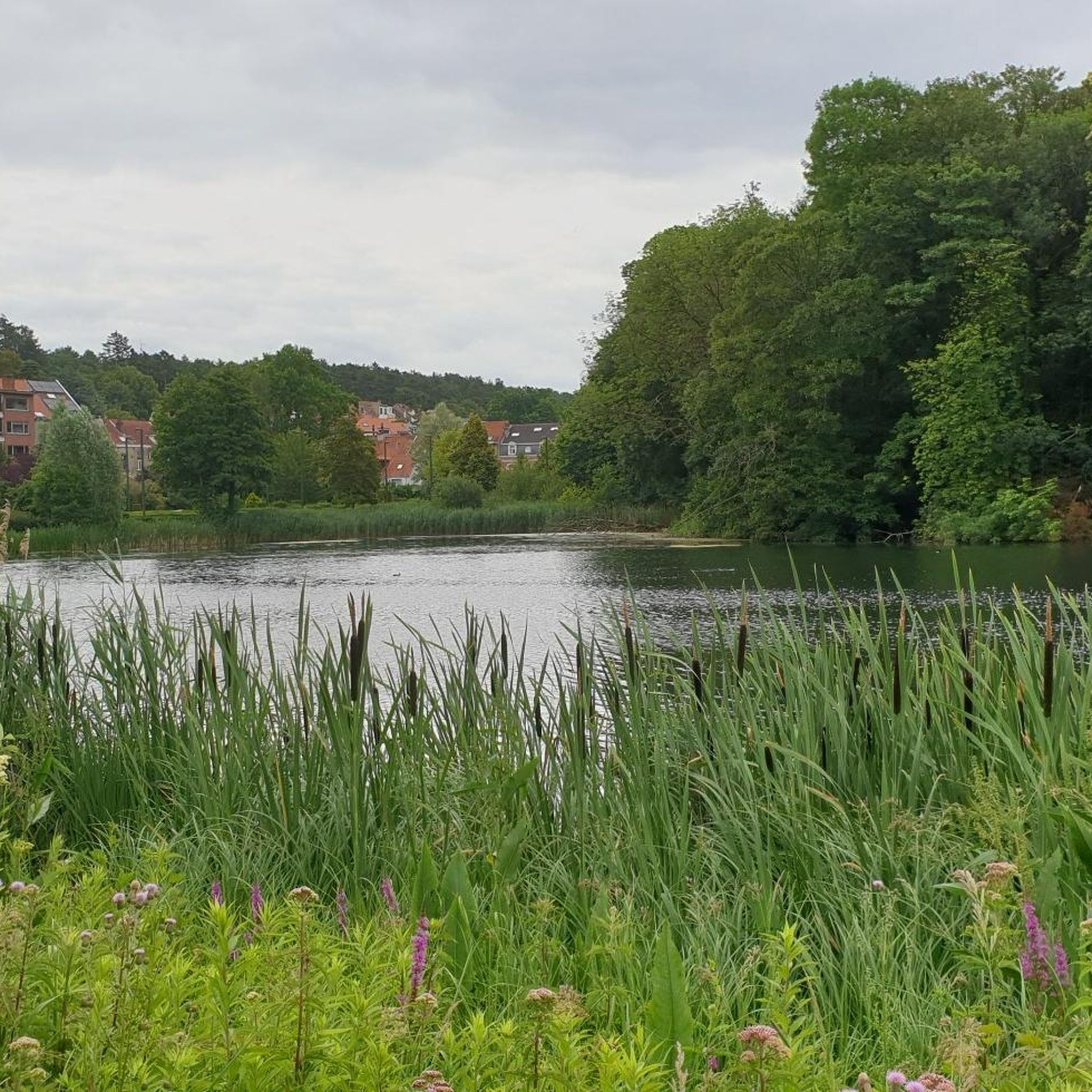
Known for its distinctive shape with three protrusions that resemble the toes of a goose foot.
3
0

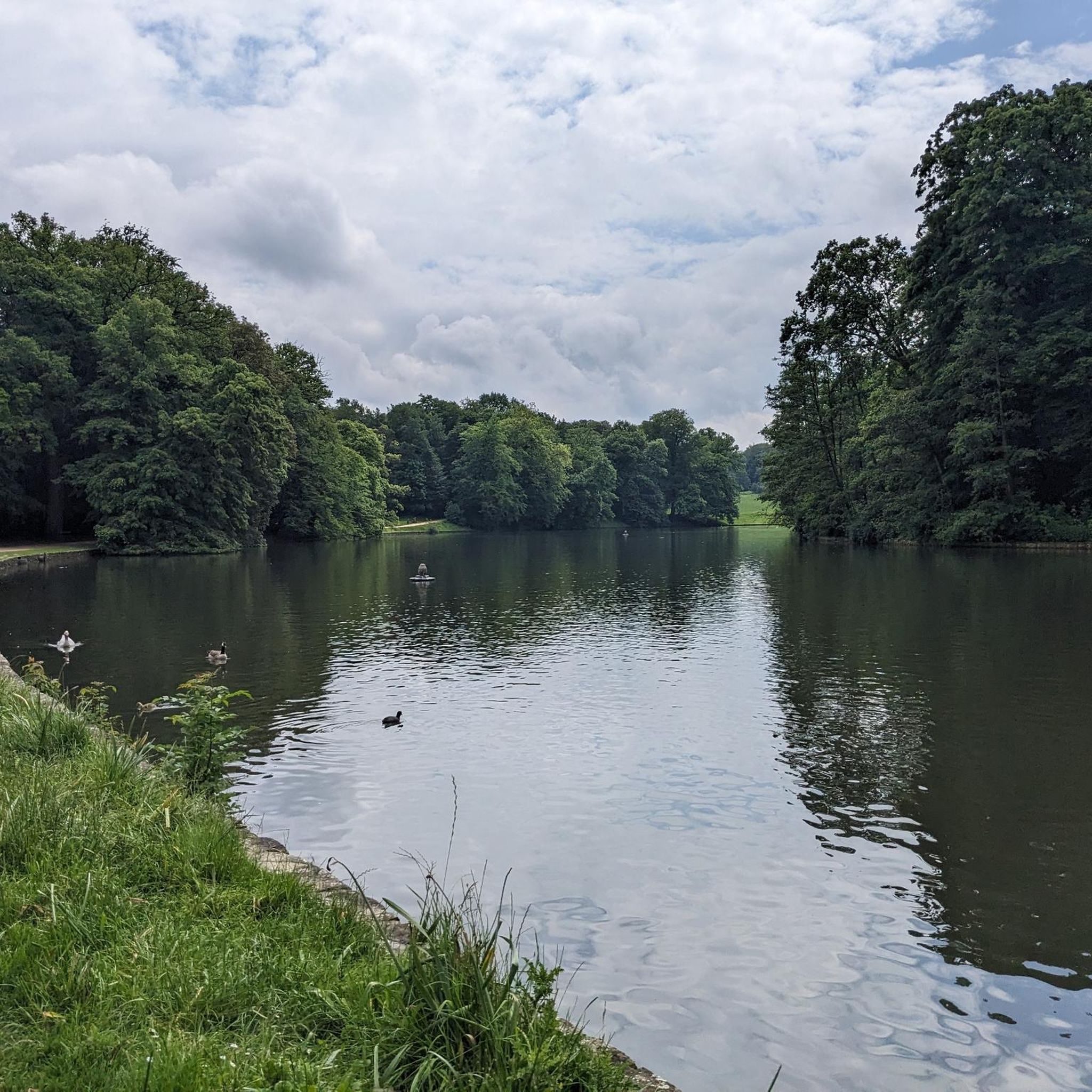
A solid wood bridge crosses the Horseshoe Pond, which is thus divided into two parts.
3
0


one of the most beautiful trails in the Soignies forest
0
0

Any time of year... here with goldenrod. Bosvoorde pond, Vuursteenweg near IS. Just review it.
1
0

A 1600m long racecourse ideal for interval training. It has a fine gravel surface.
0
0

Here we see a watercourse, which is enough for a beaver. If the beaver builds a dam here, it can become a pond or a lake in two or three years. The animal can change an entire ecosystem, simply because its dam retains water and rain. These natural beaver dams are very efficient in combating floods and droughts, because they regulate the flow of small watercourses. Locally, they can shape the forest through flooding by flooding parts of the forest, causing the tree vegetation to die. When the beavers leave their dam and their beaver pond, a succession from pioneer forest to climax forest can start again after the reservoir has drained.
1
0
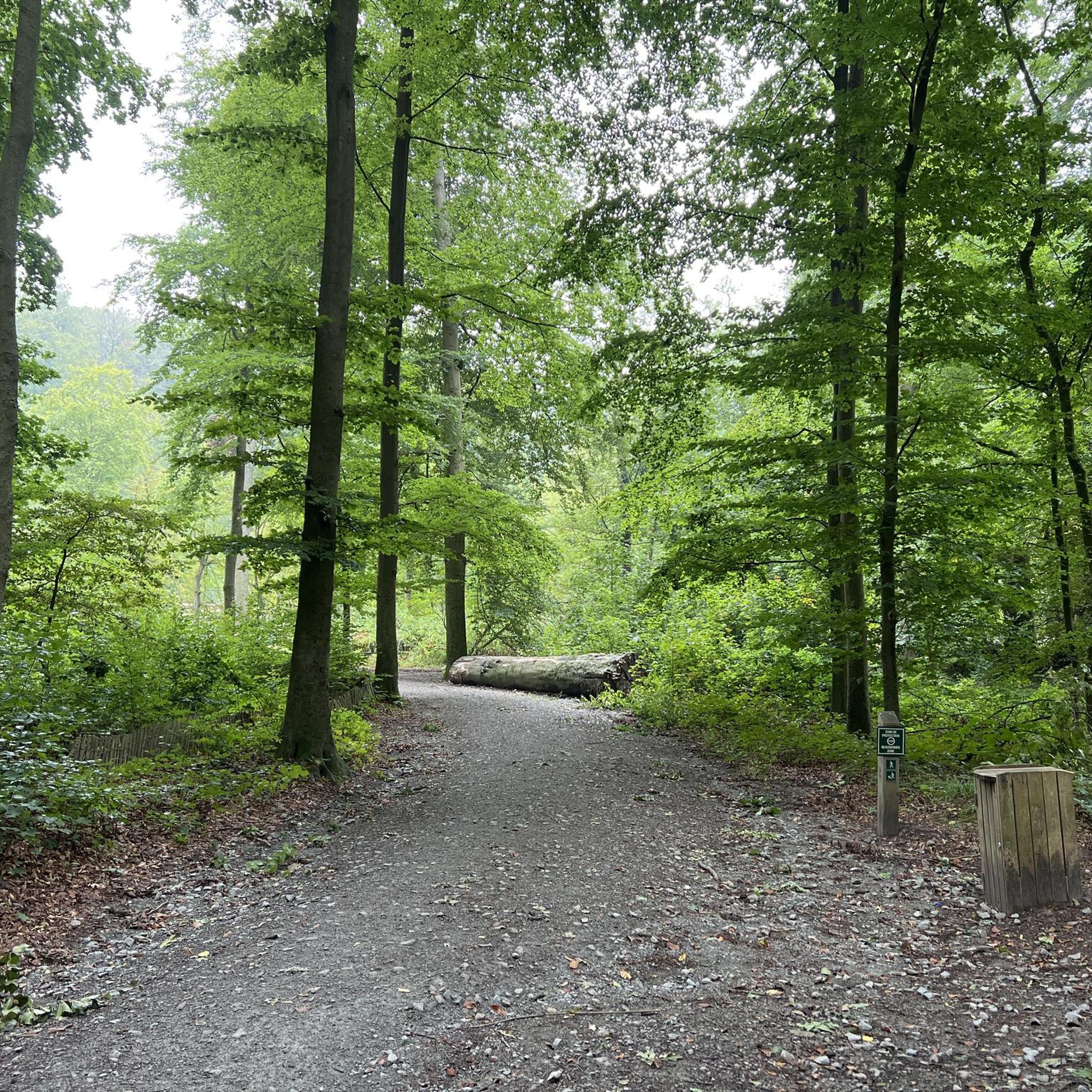
A beech tree likes shade in its youth. They can establish themselves in the shade of other more light-loving tree species. Conversely, no tree is able to establish itself under a closed canopy of beeches. We therefore call the beech the climax tree species. It closes off the natural forest succession and can maintain it for a very long time, provided that no large-scale and brutal disturbances disrupt its kingdom. This place is very typical of the forest management of the Sonian Forest: all the trees are the same age and of the same species. In this part you see monospecific forest management, they are all beeches.
1
0
Frequently Asked Questions
How many hiking trails are available in Bois de la Cambre - Terkamerenbos?
There are over 1000 hiking trails in Bois de la Cambre - Terkamerenbos, offering a wide variety of options for all skill levels. The komoot community has recorded 1079 routes in total.
What is the general difficulty of hiking trails in Bois de la Cambre - Terkamerenbos?
The trails in Bois de la Cambre - Terkamerenbos are generally accessible, with a significant number of easy routes. Out of over 1000 trails, 682 are rated as easy, 350 as moderate, and 47 as difficult, ensuring options for every hiker.
Are there any circular hiking routes in Bois de la Cambre - Terkamerenbos?
Yes, many of the trails in Bois de la Cambre - Terkamerenbos are circular, allowing you to start and end your hike at the same point. For example, the Vuilbeek Valley – Ganzepoot Pond loop from Boondael - Boondaal is a popular moderate circular route.
What natural features can I expect to see while hiking in the park?
Bois de la Cambre - Terkamerenbos features lush greenery, diverse tree species (including over 80 classified as 'exceptional'), and a picturesque artificial lake with a central island. The northern part is particularly wooded, and the park's hilly landscape offers varied perspectives. You might even spot roe deer or various bat species.
Are there any specific landmarks or points of interest along the trails?
Yes, hikers can explore several points of interest. The artificial lake features Bois de la Cambre itself, with its central Robinson Island where you'll find Chalet Robinson. Other notable spots include an Adventurous arch/bridge and a Rock Formation with Waterfall.
Is Bois de la Cambre - Terkamerenbos suitable for family hikes?
Absolutely. The park offers many easy and relatively flat paths, making it ideal for families with children. The diverse scenery and attractions like the lake and Chalet Robinson provide an engaging experience for all ages.
Can I bring my dog on the hiking trails?
Bois de la Cambre - Terkamerenbos is generally dog-friendly, offering ample space for walks with your canine companion. However, it's always recommended to keep dogs on a leash, especially in busier areas or near wildlife habitats, and to check local regulations for specific zones.
What do other hikers enjoy most about Bois de la Cambre - Terkamerenbos?
The area is highly rated by the komoot community, with an average score of 4.5 stars from over 4900 reviews. Hikers often praise the park's expansive green spaces, the variety of trails for different abilities, and its refreshing escape from city life, especially the picturesque lake and wooded sections.
Are there places to eat or drink within or near the park?
Yes, a notable spot is Chalet Robinson, located on Robinson Island in the middle of the lake, which offers a charming place for a coffee break or a meal during your hike. There are also various cafes and establishments in the surrounding urban areas of Brussels.
What is the best time of year to go hiking in Bois de la Cambre - Terkamerenbos?
Bois de la Cambre - Terkamerenbos is enjoyable year-round. Spring brings blooming flora, summer offers lush shade, autumn showcases vibrant foliage, and even winter provides a serene, crisp atmosphere. The park's accessible trails make it suitable for hiking in most weather conditions.
How can I get to Bois de la Cambre - Terkamerenbos using public transport?
Being an urban park in Brussels, Bois de la Cambre - Terkamerenbos is well-served by public transport. Various tram and bus lines have stops around the perimeter of the park, making it easily accessible from different parts of the city.
Is parking available for hikers at Bois de la Cambre - Terkamerenbos?
Yes, parking is generally available around the perimeter of Bois de la Cambre - Terkamerenbos. However, as it's an urban park, parking can sometimes be limited, especially during peak hours or on weekends. It's advisable to arrive early or consider public transport.
Most popular routes around Bois de la Cambre - Terkamerenbos
Most popular attractions around Bois de la Cambre - Terkamerenbos

Get inspired with the komoot mobile app


Explore more
Browse the best Hikes in other regions.
