The best road cycling routes around Forêt Domaniale de Compiègne
4.3
(241)
6,130
riders
13
rides
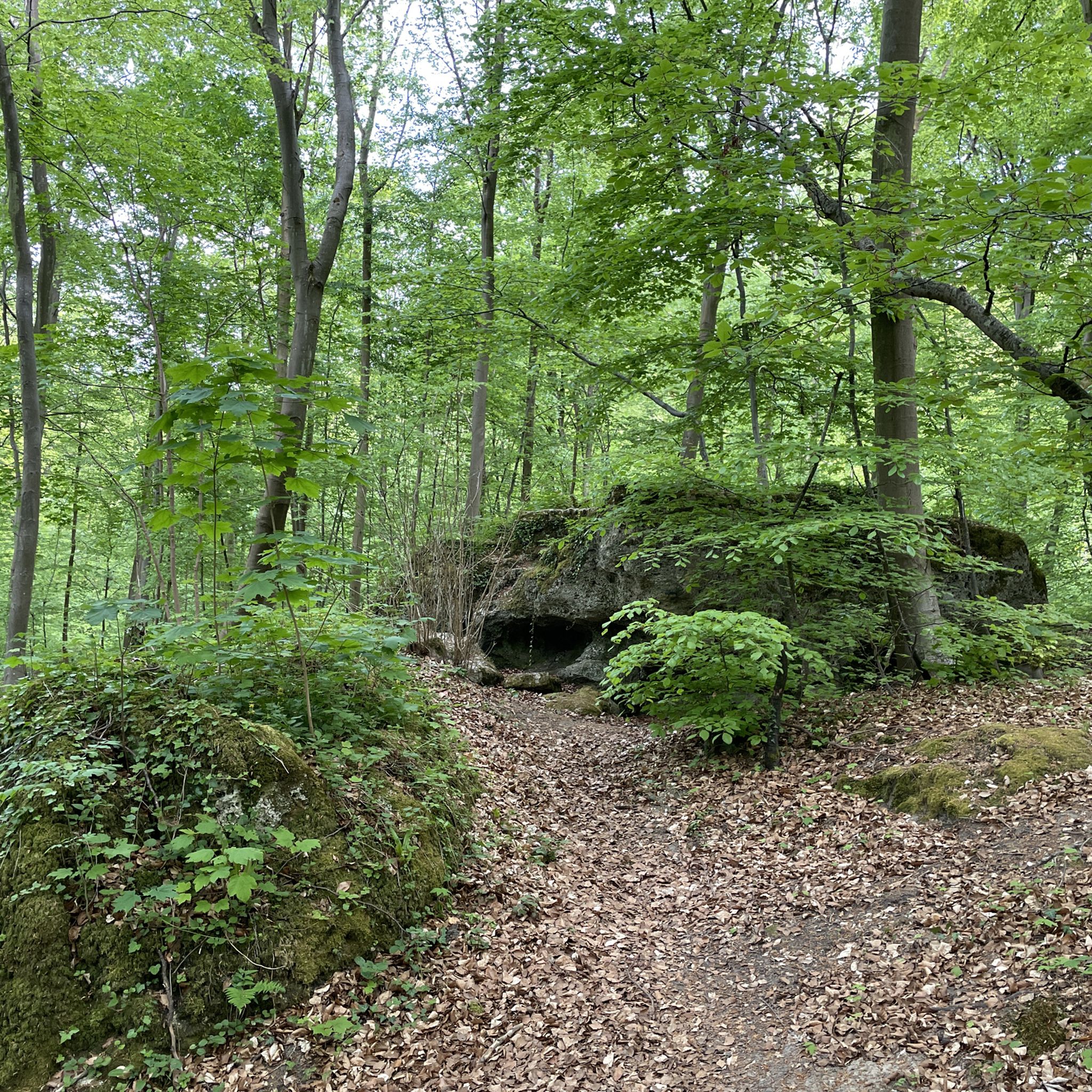
Road cycling routes around Forêt Domaniale de Compiègne traverse a vast forest covering over 14,000 hectares, characterized by extensive networks of well-paved paths and varied landscapes. The terrain is largely flat, featuring gentle hills and plateaus, with adjacent rivers like the Oise and Aisne contributing to its lush environment. This region offers over 1000 kilometers of roads and paths, including dedicated cycle paths, making it suitable for various fitness levels.
Best road cycling routes around Forêt Domaniale de Compiègne
- The…
Last updated: July 1, 2026
5.0
(4)
73
riders
26.3km
01:09
150m
150m
Moderate road ride. Great for any fitness level. Some segments of this route may be unpaved and difficult to ride.
4.0
(5)
86
riders
28.5km
01:09
150m
150m
Easy road ride. Great for any fitness level. Mostly well-paved surfaces and easy to ride.

Sign up for free
32
riders
80.8km
03:21
540m
530m
Moderate road ride. Good fitness required. Mostly well-paved surfaces and easy to ride.
16
riders
43.2km
01:45
200m
200m
Moderate road ride. Great for any fitness level. Some segments of this route may be unpaved and difficult to ride.
5
riders
46.5km
02:06
380m
380m
Moderate road ride. Good fitness required. Mostly well-paved surfaces and easy to ride.
Get access to more routes and recommendations from other explorers.
Sign up for free
Already have an account?
Our route recommendations are based on thousands of hikes, rides, and runs completed by other people on komoot.
Start today with a free account
Your next adventure awaits.
Login or Signup


Tips from the Community

charming village with a beautiful church and a very reputable old inn!
0
0


Bakery, bar, tobacconist... Perfect for starting and finishing a hike
0
0
Ideal for starting a hike
1
0

The square itself houses a statue of Joan of Arc, a tribute to the city's historical connection to this iconic figure. The Town Hall, with its rich history and stunning architecture, continues to captivate visitors, offering a glimpse into the past while remaining a vibrant part of Compiègne's present.
2
0
The architecture of the town hall is a true feast for the eyes. The central structure is dominated by a tall bell tower, flanked by two turrets connected by a decorative railing. This imposing façade, 47 meters high and 24 meters wide, is decorated with striking Gothic elements such as pinnacles and basket arches. The large niche now houses a high relief depicting the equestrian statue of Louis XII. It is an original creation from 1869 by the sculptor Henri-Alfred Jacquemart in the realistic style so prevalent at the time. However, contrary to the usual appearance of equestrian statues during the reign of Louis XII, Henri-Alfred Jacquemart chose not to build a horse walking "à l'amble," that is, with both straight legs raised simultaneously. On October 12, 1530, a clock was placed on the summit of the bell tower. From that time on, every quarter of an hour, she animated three wooden jaquemarts with bell hammers. The Compiègneis quickly gave them three nicknames corresponding to the enemies of the time: Langlois for the English, Flandrin for the Flemish, and Lansquenet for the Germans. Even today, they chant the life of the city by "punching the time," that is, by striking their hammer to strike the hours.
2
0

In the heart of the village of Vic-sur-Aisne, surrounded by a leafy park and overlooking the Aisne valley, lies the imposing Château de Vic-sur-Aisne. What today appears to be an elegant country house, bears in its walls the traces of a turbulent past. Originally built on the foundations of a medieval castrum, the estate grew in the 17th century into a stately castle, with symmetrical facades, round towers and an impressive thirteen-metre high keep — a remnant from the 13th century. The architecture reflects the transition from defensive structure to residential comfort: robust, but refined. The gardens, partly in French style with straight lines and box hedges, partly in English landscape style with winding paths and romantic corners, invite you to stroll and contemplate.
8
0
Frequently Asked Questions
What is the general terrain like for road cycling in Forêt Domaniale de Compiègne?
The Forêt Domaniale de Compiègne offers a diverse yet largely accessible terrain for road cycling. While many routes are well-paved and relatively flat, you will also encounter gentle hills and plateaus. The forest is cut by valleys and gorges, and features numerous small lakes, ponds, and brooks, providing varied scenery without overly challenging climbs.
Are there dedicated cycle paths in the Forêt Domaniale de Compiègne?
Yes, the Forêt Domaniale de Compiègne boasts an extensive network of paths, including 54 kilometers of dedicated cycle paths. These paths traverse the forest from north to south and east to west, offering safe and enjoyable riding experiences away from vehicular traffic.
What historical landmarks can I see while road cycling in the Compiègne forest?
Road cycling routes in the Forêt Domaniale de Compiègne often lead to or pass by significant historical sites. You can explore the area around the grand Château de Compiègne, or cycle towards the picturesque Château de Pierrefonds. Another notable landmark is the Armistice Clearing (Clairière de l’Armistice), a historically important site where significant armistices were signed.
Are there any scenic viewpoints along the road cycling routes?
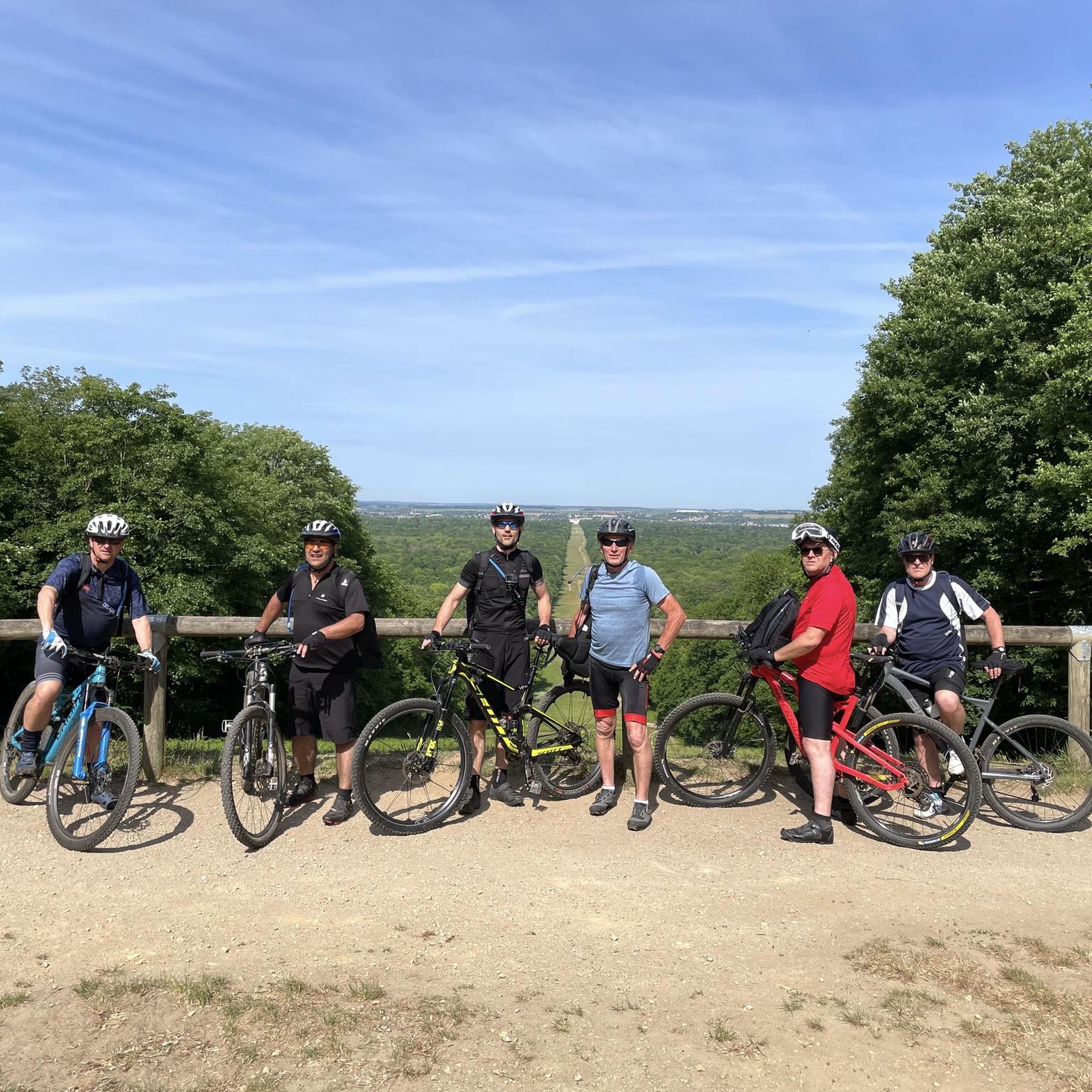
Yes, the Forêt Domaniale de Compiègne offers several scenic spots. The Avenue des Beaux-Monts provides a picturesque promenade into the woods, and the Beaux Monts Viewpoint offers impressive vistas over the expansive woodlands.
What kind of natural features can I expect to see while cycling?
The forest is primarily composed of magnificent oak and beech trees, with some areas featuring centenarian oaks. You'll find varied landscapes including gentle hills, plateaus, and numerous small lakes, ponds, brooks, and springs. The adjacent rivers Oise and Aisne also contribute to the lush environment, and you might encounter diverse wildlife such as deer, wild boars, and various birds.
Are there road cycling routes suitable for families or beginners?
The Forêt Domaniale de Compiègne offers routes suitable for various fitness levels. Many paths are well-paved and relatively flat, making them accessible for families and beginners. While there are no routes specifically classified as 'easy' in our guide, the generally gentle terrain and dedicated cycle paths provide a comfortable environment for less experienced cyclists.
What do other road cyclists say about the routes in Forêt Domaniale de Compiègne?
The road cycling routes in Forêt Domaniale de Compiègne are highly rated by the komoot community, with an average score of 4.2 stars from over 200 reviews. Cyclists often praise the expansive woodlands, the variety of terrain, and the well-maintained paths that offer a refreshing natural escape.
Can I find circular road cycling routes in the Compiègne forest?
Yes, many of the road cycling routes in the Forêt Domaniale de Compiègne are designed as loops, allowing you to start and end at the same point. An example is the moderate Château de Compiègne – Joan of Arc Tower (Compiègne) loop from Carrefour d'Humière, which is 26.8 km long and passes by historical landmarks.
Are there any challenging road cycling routes for experienced riders?
While most routes are moderate, the Forêt Domaniale de Compiègne does offer segments that can be more challenging, including some unpaved sections or longer distances. For instance, the region features sections of the legendary Paris-Roubaix course, known as 'The Hell of the North,' offering a more demanding experience for seasoned cyclists.
What is the best time of year to go road cycling in Forêt Domaniale de Compiègne?
The Forêt Domaniale de Compiègne is enjoyable for road cycling throughout much of the year. Spring and autumn offer pleasant temperatures and beautiful foliage, while summer provides longer daylight hours. The extensive tree cover also offers shade during warmer months. Always check local weather conditions before heading out.
Are there places to eat or drink near the road cycling routes?
Many road cycling routes in the Forêt Domaniale de Compiègne pass through or near charming villages such as Saint-Jean-aux-Bois and Vieux-Moulin. These villages often provide opportunities to find cafes, restaurants, or other amenities where you can refuel during your ride.
Where can I find parking for road cycling in Forêt Domaniale de Compiègne?
The Forêt Domaniale de Compiègne has numerous access points and parking areas, particularly near popular starting points for routes and attractions. For example, the Château de Compiègne – Joan of Arc Tower (Compiègne) loop starts from Carrefour d'Humière, which is a common parking location.
Most popular routes around Forêt Domaniale de Compiègne
Most popular attractions around Forêt Domaniale de Compiègne

Get inspired with the komoot mobile app


Explore more
Browse the best Road cycling routes in other regions.
