The best walks and hikes around Ravensbosch
4.4
(22976)
97,999
hikers
1,490
hikes
Hiking around Ravensbosch, located in the Limburg region, features a landscape characterized by dense forests, rolling hills, and river valleys. The area offers a variety of terrain suitable for different hiking experiences, from gentle forest paths to more undulating routes. Trails often follow natural contours, providing varied elevation changes without significant climbs. The region's geology contributes to its distinct natural features, making it a popular destination for outdoor activities.
Best hiking trails around Ravensbosch
- The most popular hiking route is…
Last updated: August 14, 2026
4.7
(13)
51
hikers
5.20km
01:23
60m
60m
Easy hike. Great for any fitness level. Easily-accessible paths. Suitable for all skill levels.
4.2
(13)
56
hikers
10.6km
02:51
140m
130m
Moderate hike. Good fitness required. Easily-accessible paths. Suitable for all skill levels.

Sign up for free
4.7
(210)
737
hikers
23.0km
06:18
350m
350m
Hard hike. Very good fitness required. Easily-accessible paths. Suitable for all skill levels.
4.6
(365)
1,173
hikers
Moderate hike. Good fitness required. Easily-accessible paths. Suitable for all skill levels.
4.7
(195)
592
hikers
14.9km
04:02
200m
200m
Moderate hike. Good fitness required. Easily-accessible paths. Suitable for all skill levels.
Get access to more routes and recommendations from other explorers.
Sign up for free
Already have an account?
Our route recommendations are based on thousands of hikes, rides, and runs completed by other people on komoot.
Start today with a free account
Your next adventure awaits.
Login or Signup

Tips from the Community

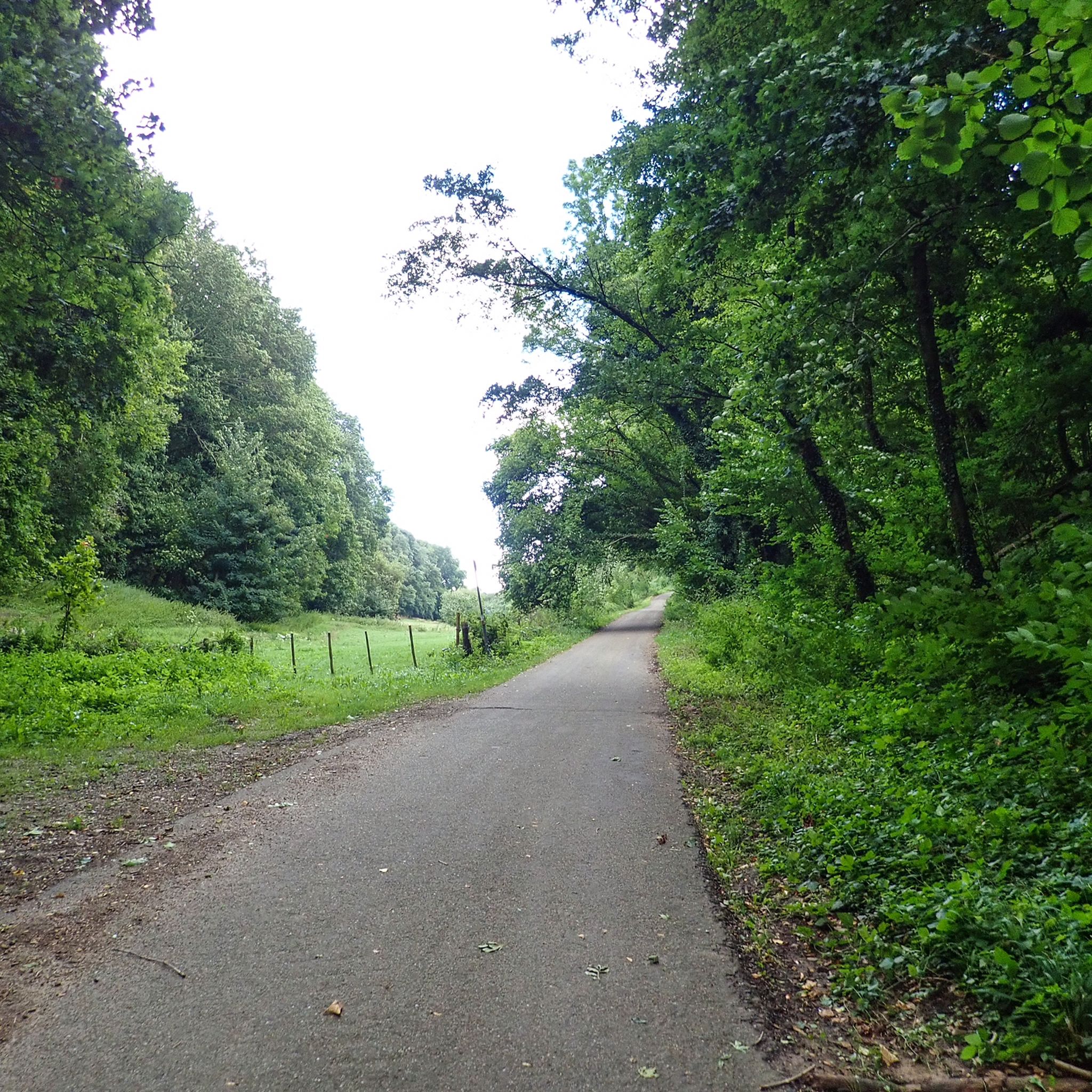
Nice path along the Meertensgroeve
0
0

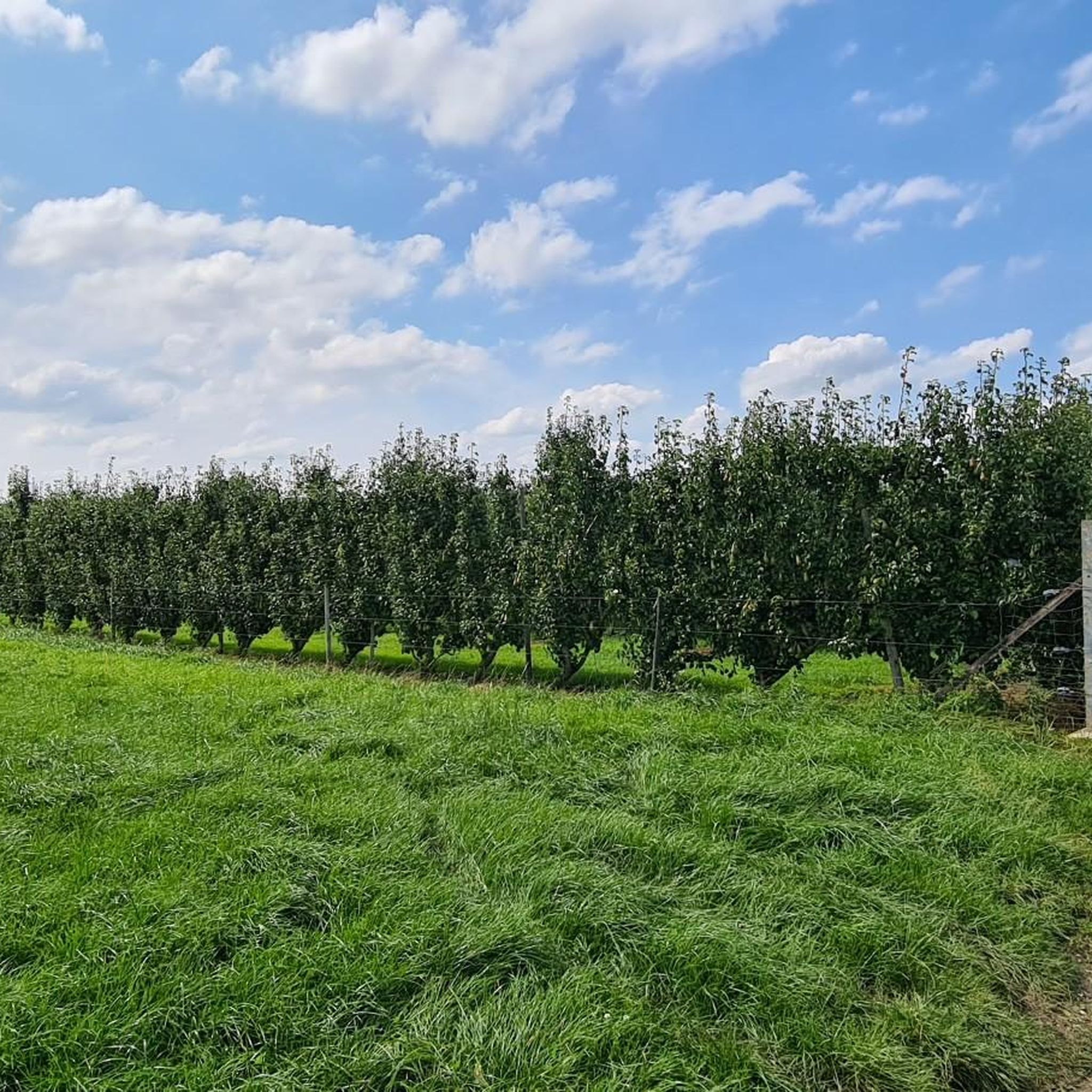
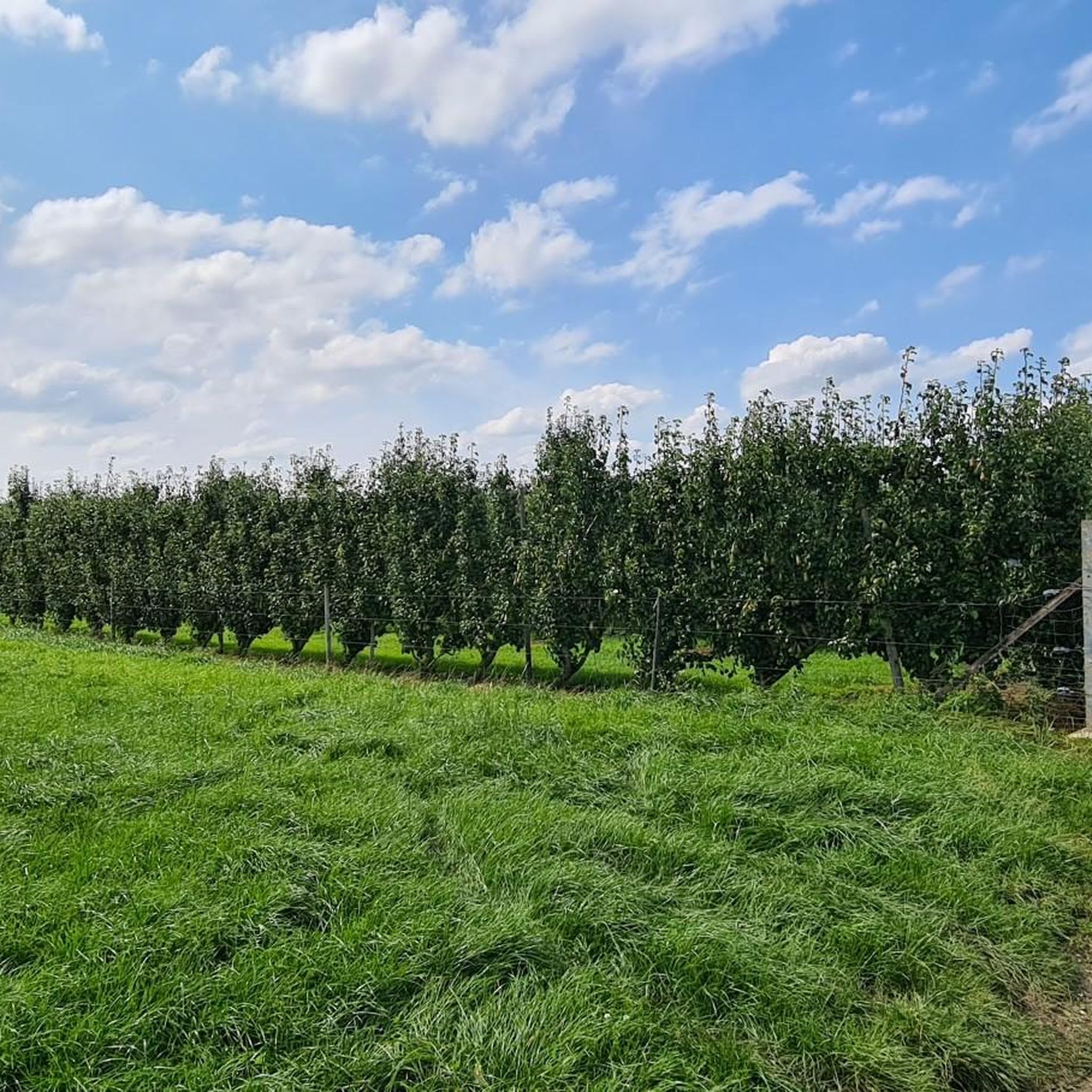
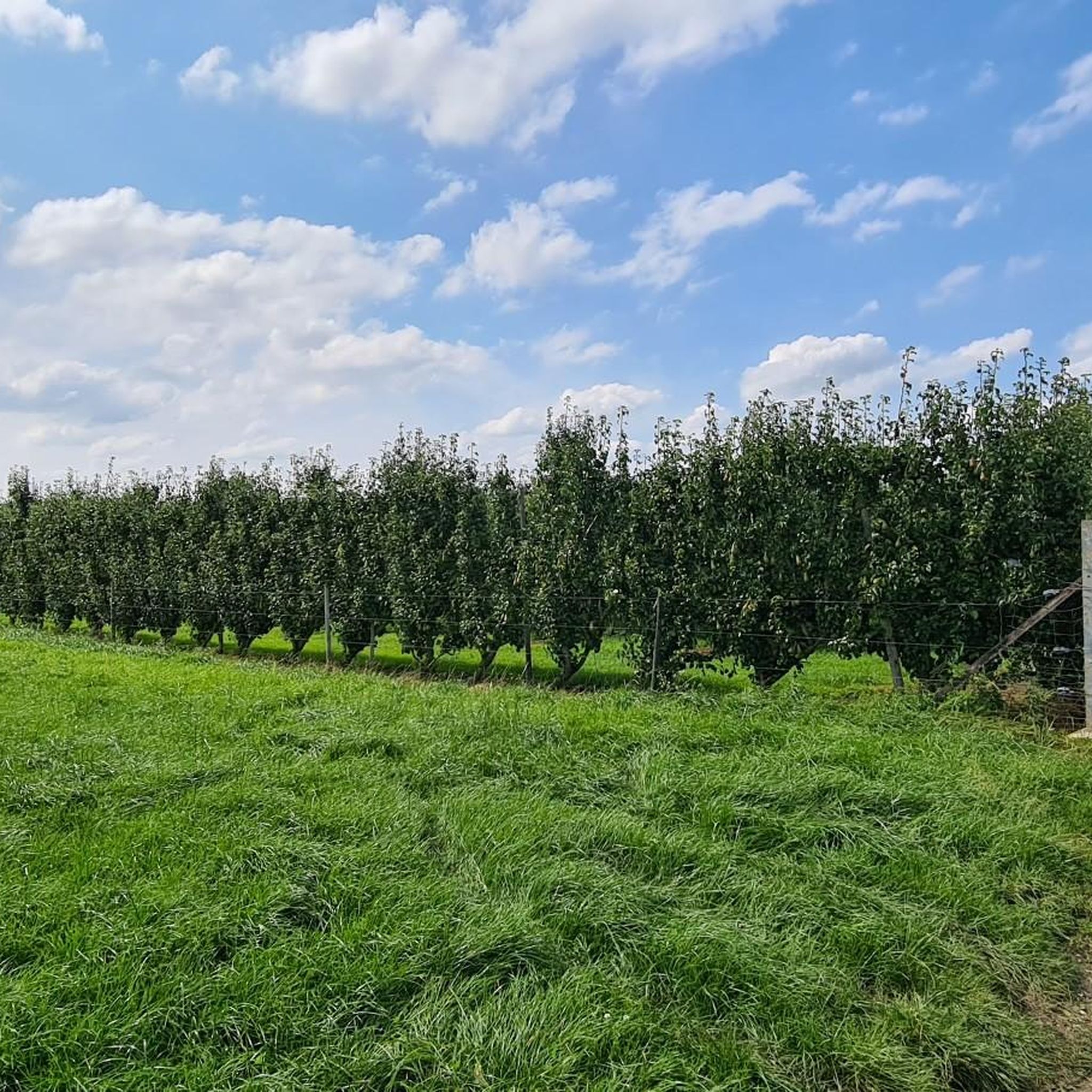
Beautiful view over the hilly countryside (L)
0
0

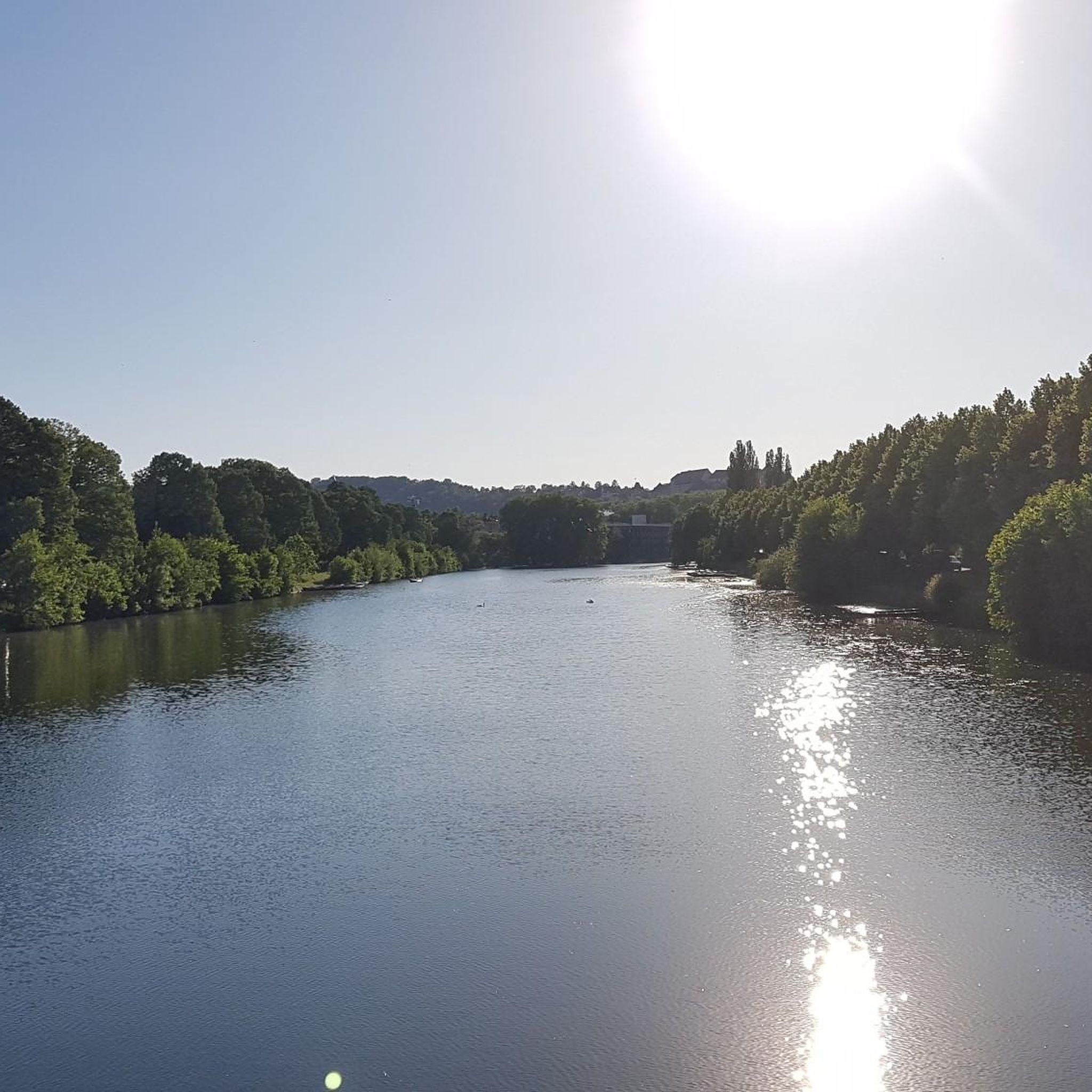
Along the rippling Geul River, an impressive marlstone wall rises, a silent witness to Limburg's underground landscape. These calcareous rocks were used for centuries for construction and crafts and now offer a fascinating sight for hikers and nature lovers. The wall forms a natural boundary along the water and, in some places, harbors small caves and niches where flora and fauna have found a home. The contrast of the white marl against the green foliage and the glistening water of the Geul makes this a particularly photogenic and tranquil spot during your walk.
0
0
From this vantage point, you have a magnificent view of the Geul Valley, where forests, meadows, and meandering streams create a picturesque landscape. The valley exudes tranquility and history, with its ancient villages, fields, and hills that typify the typical Limburg hills. The view changes with the seasons: in spring, wildflowers bloom along the banks, in summer the Geul reflects the sun's rays, and in autumn, the valley takes on warm shades of gold and red.
1
0
The Geul Valley is one of the most beautiful and characteristic landscapes in South Limburg. Here, the Geul meanders like a silver ribbon through green meadows, sloping forests, and flower-filled grasslands. The valley exudes tranquility and history: it is a landscape shaped over the centuries by water, man, and nature. Along the river lie countless old watermills, once the beating heart of the Limburg countryside. Mills such as the Volmolen, the Geulhemermolen, and the Schaloensmolen recall a time when flowing water brought not only life but also labor and crafts. Some mills are still in operation, while others have been lovingly restored into cafés, homes, or museums… all with the rhythm of the Geul as a backdrop.
0
0
The Geul is one of the most characteristic rivers in South Limburg. It rises in Belgium near the village of Lichtenbusch and then winds for approximately 58 kilometers through the Limburg hills before flowing into the Meuse near Bunde. Along the way, the Geul forms the heart of numerous nature reserves, such as the Geul Valley Ingendael and the Gerendal, and flows past charming villages like Valkenburg Meerssen and Epen. What makes the Geul so special is its natural course… it is allowed to meander freely, constantly creating new bends, gravel banks, and levees. This dynamic attracts countless animals, from kingfishers to brook lampreys, and ensures that the river is constantly changing with the seasons. Along its banks, you'll find quiet walking paths, old mills, bridges, and field crosses. The gentle murmur of the water accompanies you along the way, while the scent of grass and damp earth reminds you that this valley has been alive and breathing for centuries.
0
0
Between Valkenburg aan de Geul and Houthem-St. Gerlach stretches the enchanting Ingendael nature reserve—a semi-wild area where the Geul River is allowed to meander freely through grasslands, thickets, and copses. The area is managed by Natuurmonumenten (Dutch Society for Nature Conservation) and is a prime example of how nature is allowed to find its own way. Here, Galloway cattle and Konik horses graze freely, causing the landscape to constantly change. Ancient river arms, flower-rich grasslands, and wet thickets foster a rich biodiversity with rare plants and countless birds. In spring, the meadows are bathed in yellow marsh marigolds, while in autumn, mist hangs over the valley… a magical sight. A walk or bike ride through Ingendael brings you close to the Geul's natural course and offers magnificent views of Château St. Gerlach and the surrounding hills. The silence, the gentle murmur of the water, and the crunch of hay underfoot create a place of pure tranquility.
0
0
From this vantage point, you have an impressive view of the Meertens Quarry, an old marl quarry that stretches like an open wound across the hilly landscape. The light, yellow-white marl contrasts beautifully with the surrounding greenery of grass and young trees that are slowly reclaiming their territory. What was once a place of labor and quarrying is now a silent witness to the geological history of South Limburg. The quarry clearly reveals the layers of limestone that formed millions of years ago on the bottom of a tropical sea. The name refers to the Meertens family, who were once active in marl quarrying here. Today, it serves as a haven of peace and an educational viewpoint: a place where nature, time, and human history intersect.
0
0
Frequently Asked Questions
How many hiking trails are available in Ravensbosch?
Ravensbosch offers a wide selection of hiking opportunities, with over 1,300 routes available. These range from easy strolls through the forest to more challenging long-distance trails, catering to all experience levels.
Are there easy or beginner-friendly hiking trails in Ravensbosch?
Yes, Ravensbosch is very welcoming for beginners and those looking for an easy walk. Over 800 of the available routes are rated as easy. A great option is the Ravens Wood – Ravensbos Forest loop from Schimmert, an easy 3.2-mile (5.2 km) trail that takes about 1 hour 23 minutes through the heart of the forest.
What kind of longer or more challenging hikes can I find in Ravensbosch?
For hikers seeking a greater challenge, Ravensbosch offers a variety of moderate to difficult routes. You can explore trails like the Viewpoint Gulpen – Schaloen Castle loop from Valkenburg, a difficult 14.1-mile (22.7 km) trail with significant elevation changes, often completed in about 6 hours 13 minutes. Another moderate option is the Railrunnerroutes: From station Valkenburg to station Voerendaal, which is 6.6 miles (10.6 km) long.
Are there any circular walks in Ravensbosch?
Many of the trails in Ravensbosch are designed as circular routes, allowing you to start and end at the same point. The Ravens Wood – Ravensbos Forest loop from Schimmert is a popular easy circular option. For a more challenging loop, consider the Viewpoint Gulpen – Schaloen Castle loop from Valkenburg.
What are the best times of year to hike in Ravensbosch?
Ravensbosch is beautiful year-round, but each season offers a different experience. Spring brings lush greenery and blooming wildflowers, while autumn transforms the forests into a vibrant display of colors. Summer is ideal for long days on the trails, and winter offers serene, quiet landscapes, especially after a snowfall. The varied terrain makes it suitable for hiking in most conditions.
Are the hiking trails in Ravensbosch family-friendly?
Yes, Ravensbosch has many trails suitable for families. The region's gentle forest paths and rolling hills provide accessible options for all ages. Look for the 'easy' rated trails, which are generally shorter and have less elevation gain, perfect for a family outing.
Can I bring my dog on the hiking trails in Ravensbosch?
Many trails in Ravensbosch are dog-friendly, allowing you to enjoy the natural beauty with your canine companion. It's always recommended to keep dogs on a leash, especially in nature reserves or areas with wildlife, and to check local signage for any specific restrictions.
What interesting natural features or landmarks can I see along the trails?
Ravensbosch is rich in natural beauty and historical sites. Along your hikes, you can explore the dense Ravens Wood, discover the tranquil Strabeek Stream in Ravensbos, or visit the Large Pond in Ravensbosch. Historical sites like Holswick Farm also dot the landscape, offering glimpses into the region's past.
What do other hikers enjoy most about hiking in Ravensbosch?
The komoot community highly rates hiking in Ravensbosch, with an average score of 4.4 stars from over 19,000 reviews. Hikers frequently praise the extensive forests, the varied terrain with gentle river valleys and rolling hills, and the well-maintained paths that offer a pleasant experience for all ability levels.
Is there public transport access to the hiking trails in Ravensbosch?
Yes, some trails in Ravensbosch are accessible via public transport. For example, the Railrunnerroutes: From station Valkenburg to station Voerendaal is specifically designed to connect two train stations, making it convenient for those using public transport. Valkenburg is a key hub with good connections to the wider region.
Are there viewpoints or scenic spots along the Ravensbosch trails?
Absolutely. The rolling hills and varied landscape of Ravensbosch offer several scenic spots. Trails like the Viewpoint Gulpen – Schaloen Castle loop from Valkenburg are specifically named for their scenic viewpoints, providing expansive vistas over the surrounding countryside and valleys.
Where can I find parking for hiking in Ravensbosch?
Parking is generally available at various access points around Ravensbosch, particularly near popular trailheads and villages like Schimmert or Valkenburg. While specific parking lots are not detailed for every route, these towns typically offer public parking facilities that serve as convenient starting points for your hikes.
Most popular routes around Ravensbosch
Most popular attractions around Ravensbosch

Get inspired with the komoot mobile app


Explore more
Browse the best Hikes in other regions.
