The best walks and hikes around Dohma
4.7
(3111)
10,163
hikers
43
hikes
Hiking around Dohma offers access to the diverse landscapes of the Elbe Sandstone Mountains and the Saxon Switzerland National Park. The region is characterized by dramatic sandstone rock formations, deep gorges, and dense forests, providing varied terrain for outdoor exploration. Situated on a plateau between the Bahretal and Gottleubatal valleys, Dohma features a mix of hilly, green environments and historical sandstone quarries. This area provides a network of trails suitable for different hiking preferences.
Best hiking trails around Dohma
- The…
Last updated: June 28, 2026
4.5
(30)
143
hikers
6.14km
01:43
130m
130m
Easy hike. Great for any fitness level. Easily-accessible paths. Suitable for all skill levels.
4.6
(47)
180
hikers
9.88km
02:48
230m
230m
Moderate hike. Good fitness required. Easily-accessible paths. Suitable for all skill levels.

Sign up for free
4.7
(49)
166
hikers
10.5km
02:54
170m
170m
Moderate hike. Good fitness required. Easily-accessible paths. Suitable for all skill levels.
4.5
(12)
47
hikers
Moderate hike. Good fitness required. Easily-accessible paths. Suitable for all skill levels.
4.8
(8)
32
hikers
12.3km
03:25
230m
230m
Moderate hike. Good fitness required. Easily-accessible paths. Suitable for all skill levels.
Get access to more routes and recommendations from other explorers.
Sign up for free
Already have an account?
Our route recommendations are based on thousands of hikes, rides, and runs completed by other people on komoot.
Start today with a free account
Your next adventure awaits.
Login or Signup
Tips from the Community

According to the explanation, the three penitential crosses were brought together here, although there were once five. Interestingly, these crosses are also called murder crosses, and the middle cross even depicts the murder weapon, a hatchet, which is quite recognizable, especially after the explanation.
0
0
Over the centuries, much has changed and been built, including a castle, a church with a cemetery, and much more. Cotta had a favorable starting position for development, as it was located directly on the postal road, which, however, also meant increased dangers during wartime. Predecessor buildings on the site of the Großcotta church existed as early as the 14th century. At the end of the 15th century, a new building was erected, which was remodeled or extended several times in the 17th and 18th centuries. It was already a parish church in the 16th century, encompassing Kleincotta and Neundorf. Around 1620, it received its squat-looking church tower, and since 1746, it has been equipped with a sundial. In 1813, during the Wars of Liberation, Grand Duke Konstantin of Russia stayed in the church. At that time, members of the Russian army also plundered the interior. The nave with its wooden ceiling was rebuilt in 1830. Another renovation took place in 1880. The chancel still has late Gothic rib vaults inside. In earliest times, there was a cemetery in the churchyard. As early as 1590, it was moved to the northern slope of the Spitzberg due to lack of space and expanded again in 1887.
0
1
Although it's not immediately apparent, Cotta Castle boasts a long history. This began around the year 1000 when the Burgraves of Dohna established an estate. Within this estate, a manor farm developed, which was first documented in 1307. From 1445 to 1517, the Rauber family of knights owned the manor. Under the Lords of Kospoth, who acquired it in 1517, it was elevated to a knight's estate in the mid-16th century. In 1661, they sold the Cotta estate to the Lords of Friesen. The following year, the Friesen family commissioned the construction of a new castle, while the former castle was subsequently converted into a brewery. Cotta Castle remained in the possession of the Friesen family until 1821, when it was acquired at auction by Gottfried Christoph Härtel. Cotta Castle After his death in 1832, his daughter, Baroness Elwine von Leyser, inherited the castle and manor, which she had remodeled in the Neoclassical style the following year. With her second marriage, the manor passed into the possession of Eduard von Burchardi in 1840. In 1868, it was sold to the Bohemian Baron Bradsky von Laboun. The last owner was Dorothea von Eschwege, who commissioned a Neo-Renaissance renovation in 1895 and had the park laid out. She took her own life the day after the end of the war, and her land was divided among newly settled farmers. In 2017, an entrepreneur from Freital acquired the castle from the municipality and subsequently had it extensively renovated. Today, the castle houses two private, luxurious apartments, offering guests an unforgettable stay. A true gem, hidden in a place where one would least expect to find it.
0
1
The Little Bastei is of course nowhere near as spectacular as the real Bastei and the view is also significantly less impressive, but it is quiet, cozy and unspoiled with few tourists.
0
1

Very narrow path, but wonderful to ride
0
1

It's just incredibly beautiful here 😊.
0
0
It's just incredibly beautiful here 😊.
0
0
Frequently Asked Questions
How many hiking trails are available around Dohma?
There are over 40 hiking trails around Dohma, offering a variety of options for different skill levels. This includes 26 easy routes and 16 moderate routes, ensuring there's something for everyone to explore.
What kind of terrain and landscapes can I expect on hikes near Dohma?
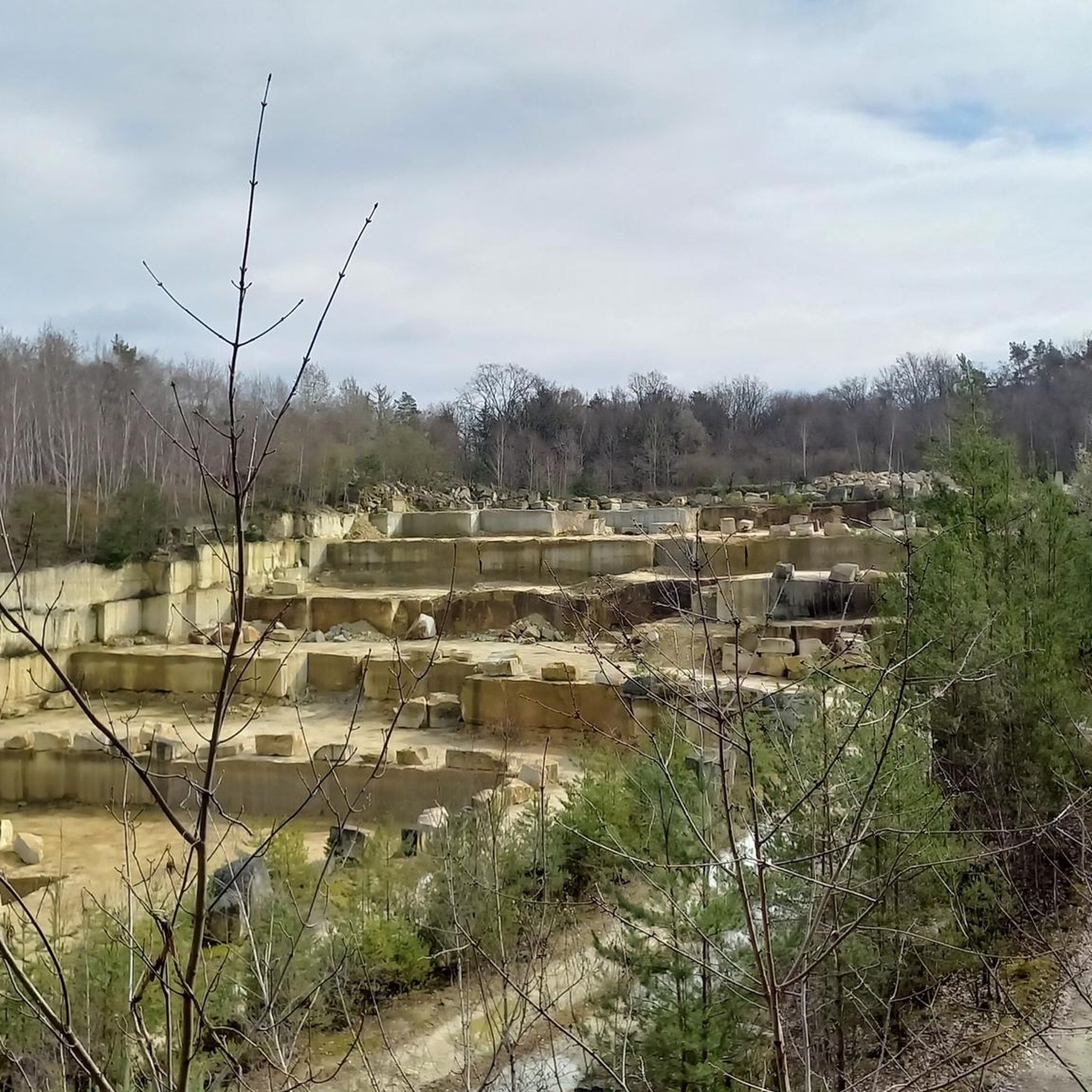
Hikes near Dohma feature the dramatic landscapes of the Elbe Sandstone Mountains and the Saxon Switzerland National Park. You'll encounter bizarre rock formations, deep gorges, and dense forests. The region also includes the picturesque Gottleuba valley and historical sandstone quarries like those in Lohmgrund, offering a mix of hilly, green environments and unique geological features.
Are there any family-friendly hiking options around Dohma?
Yes, Dohma offers several easy trails suitable for families. For instance, the View from Weißenoher Weg – Großcotta Church loop from Cotta is an easy 3.8-mile (6.1 km) route that takes about 1 hour 43 minutes, perfect for a leisurely family outing.
Can I bring my dog on the hiking trails in Dohma?
Many trails in the Dohma region are suitable for dogs, allowing you to enjoy the natural beauty with your canine companion. Always ensure your dog is on a leash, especially in protected areas or near wildlife, and check local regulations for specific trails within the Saxon Switzerland National Park.
What are some notable landmarks or viewpoints to see while hiking near Dohma?
The region is rich in natural and historical landmarks. You can explore the historical sandstone quarries and an old tunnel in Lohmgrund. For stunning views, consider routes that pass by the Bastei Viewpoint or the Kanapee View over the Elbe. Other attractions include the Bastei Bridge and the Neurathen rock castle.
Are there any circular hiking routes available in Dohma?
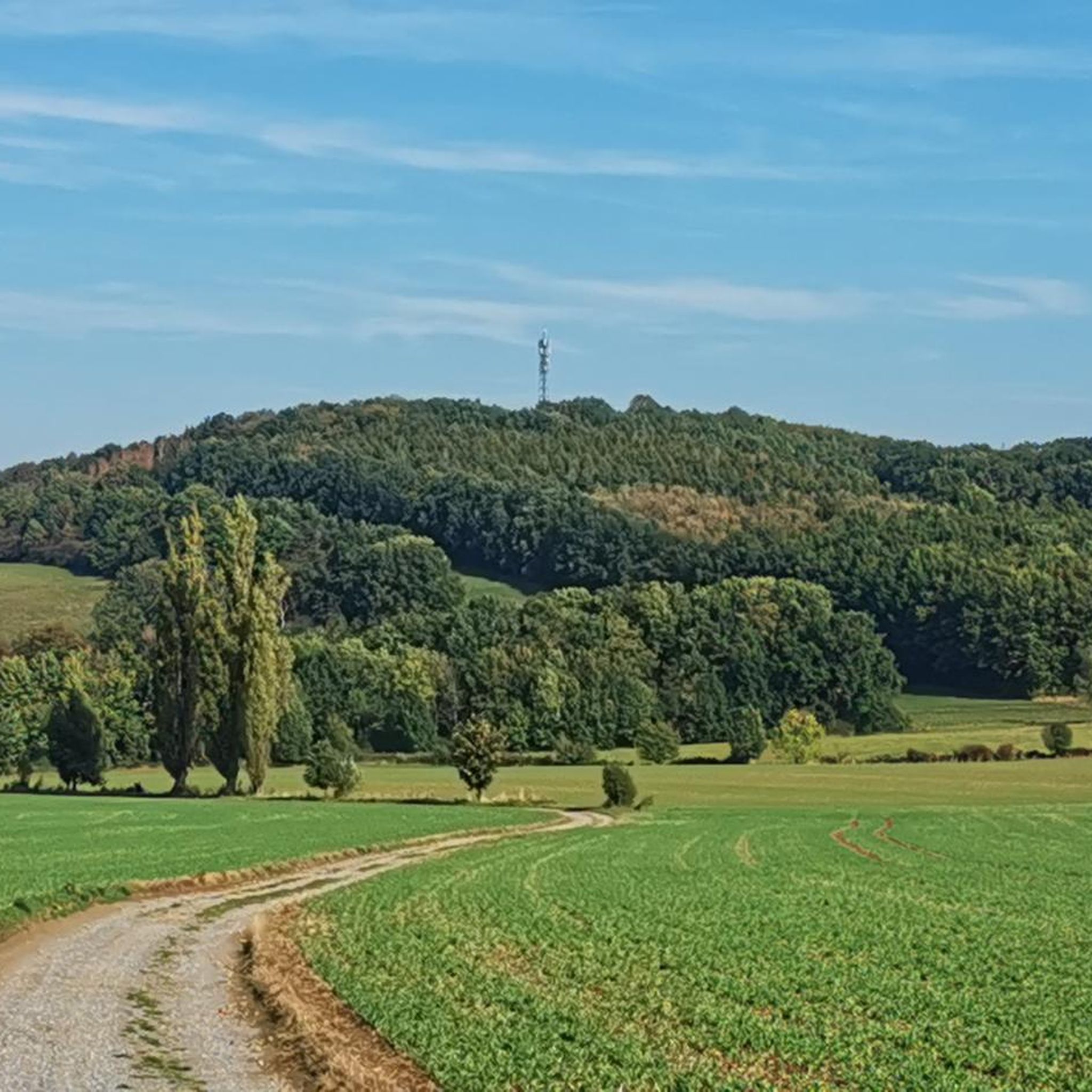
Yes, many of the trails around Dohma are designed as circular routes, allowing you to start and end at the same point. Examples include the View from Weißenoher Weg – Großcotta Church loop from Cotta and the View of Cottaer Spitzberg – Kleine Bastei Berggießhübel loop from Cotta, which offers views of Cottaer Spitzberg and rock formations like Kleine Bastei.
What is the best time of year to go hiking in Dohma?
Dohma offers beautiful hiking experiences throughout the year. Spring brings blooming flora, summer provides lush green landscapes, and autumn showcases vibrant fall colors. Winter hiking is also possible, with the snow-covered sandstone formations creating a unique atmosphere, though some paths might be more challenging.
How long do hikes around Dohma typically take?
Hike durations vary depending on the route and your pace. Easy trails like the View from Weißenoher Weg – Großcotta Church loop from Cotta can be completed in under two hours. Moderate routes, such as the View from Weißenoher Weg – Lohmgrund Tunnel loop from Cotta, typically take around 2 hours 48 minutes for a 6.1-mile (9.9 km) distance.
What do other hikers enjoy most about the trails around Dohma?
The trails around Dohma are highly rated by the komoot community, with an average score of 4.8 stars from over 2,700 reviews. Hikers often praise the diverse landscapes, the impressive sandstone rock formations, and the well-maintained network of trails that cater to various abilities.
Are there options for public transport or parking near the hiking trails in Dohma?
Dohma's strategic location provides good accessibility. Many hiking paths are easily accessible, with options to use local buses at various points along the routes. Parking facilities are also available in and around Dohma and its surrounding villages, making it convenient for hikers arriving by car.
Are there any caves or gorges to explore near Dohma?
Yes, the region features several interesting geological formations. You can explore gorges like the Teufelskammer Gorge and Teufelsschlüchte (Devil's Gorges). There are also caves such as Lichter Cave (Kleinhennersdorfer Rock), Hering's Cave, and Diebskeller Cave, adding an adventurous element to your hike.
What are the longest moderate hikes I can find around Dohma?
For a longer moderate hike, consider the View from Weißenoher Weg – Zehistaer Cliffs loop from Cotta. This route spans 7.6 miles (12.3 km) and offers varied terrain and scenic views, typically taking around 3 hours 25 minutes to complete.
Most popular attractions around Dohma

Get inspired with the komoot mobile app


Explore more
Browse the best Hikes in other regions.
