The best MTB trails around Voßnacken
4.6
(3133)
11,386
riders
298
rides
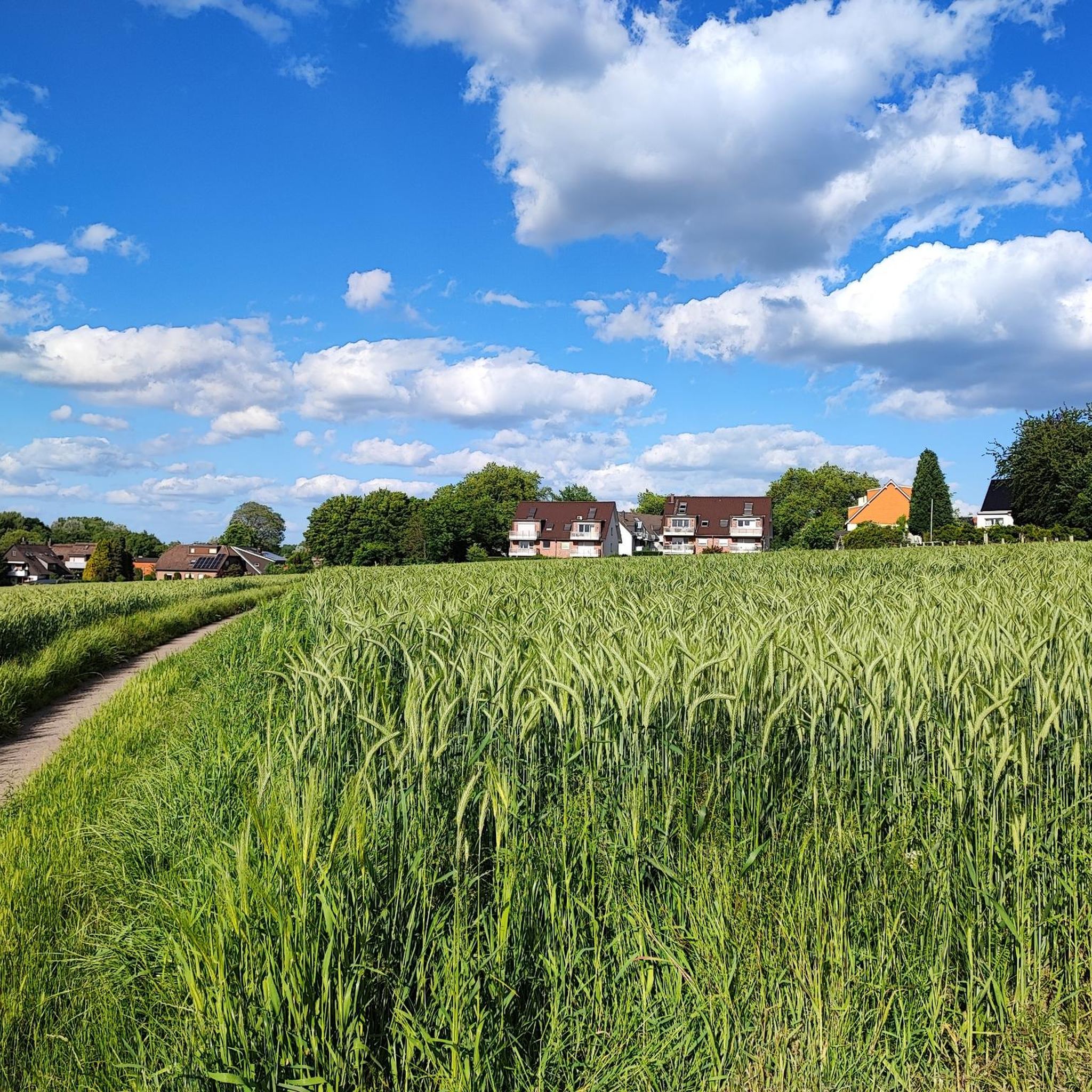
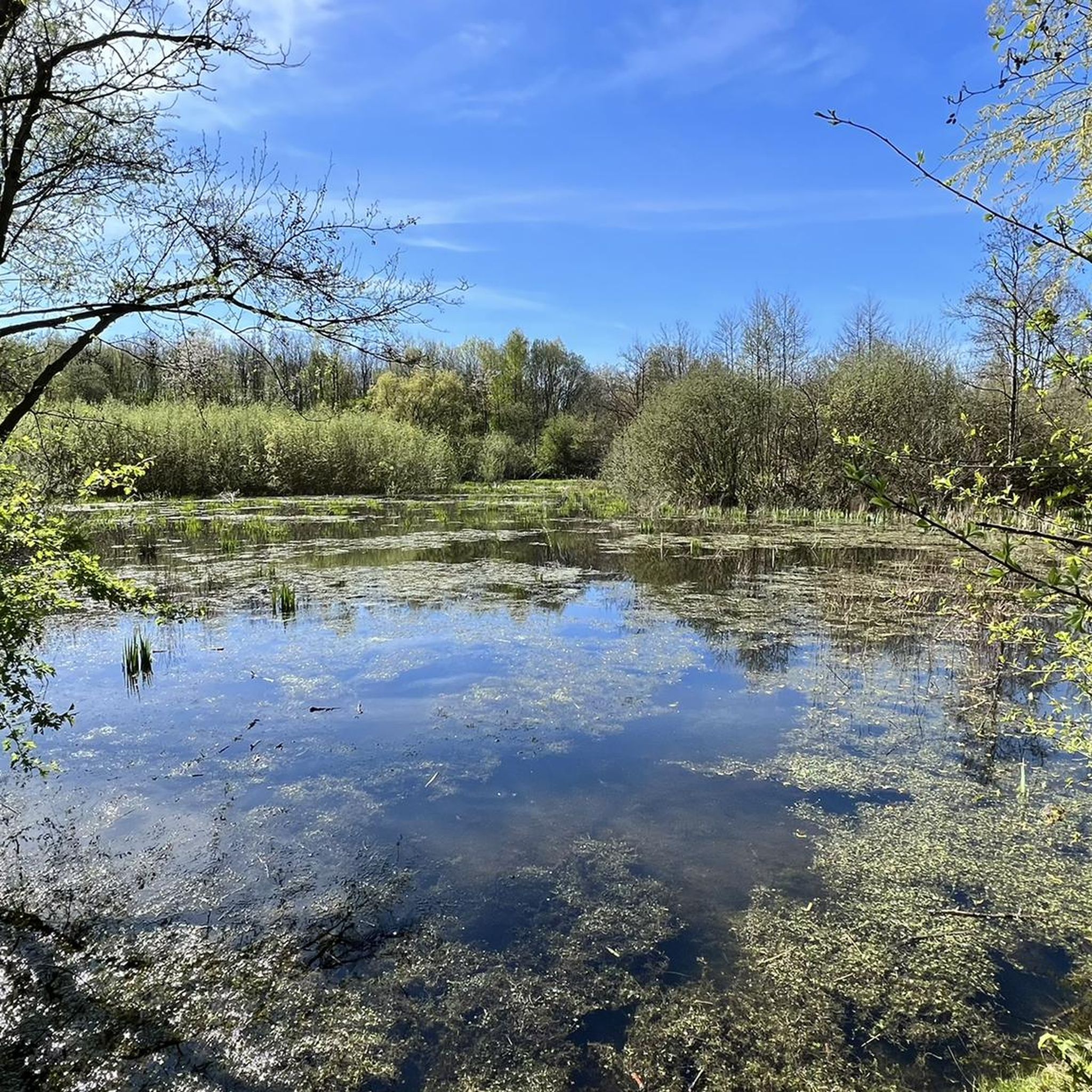
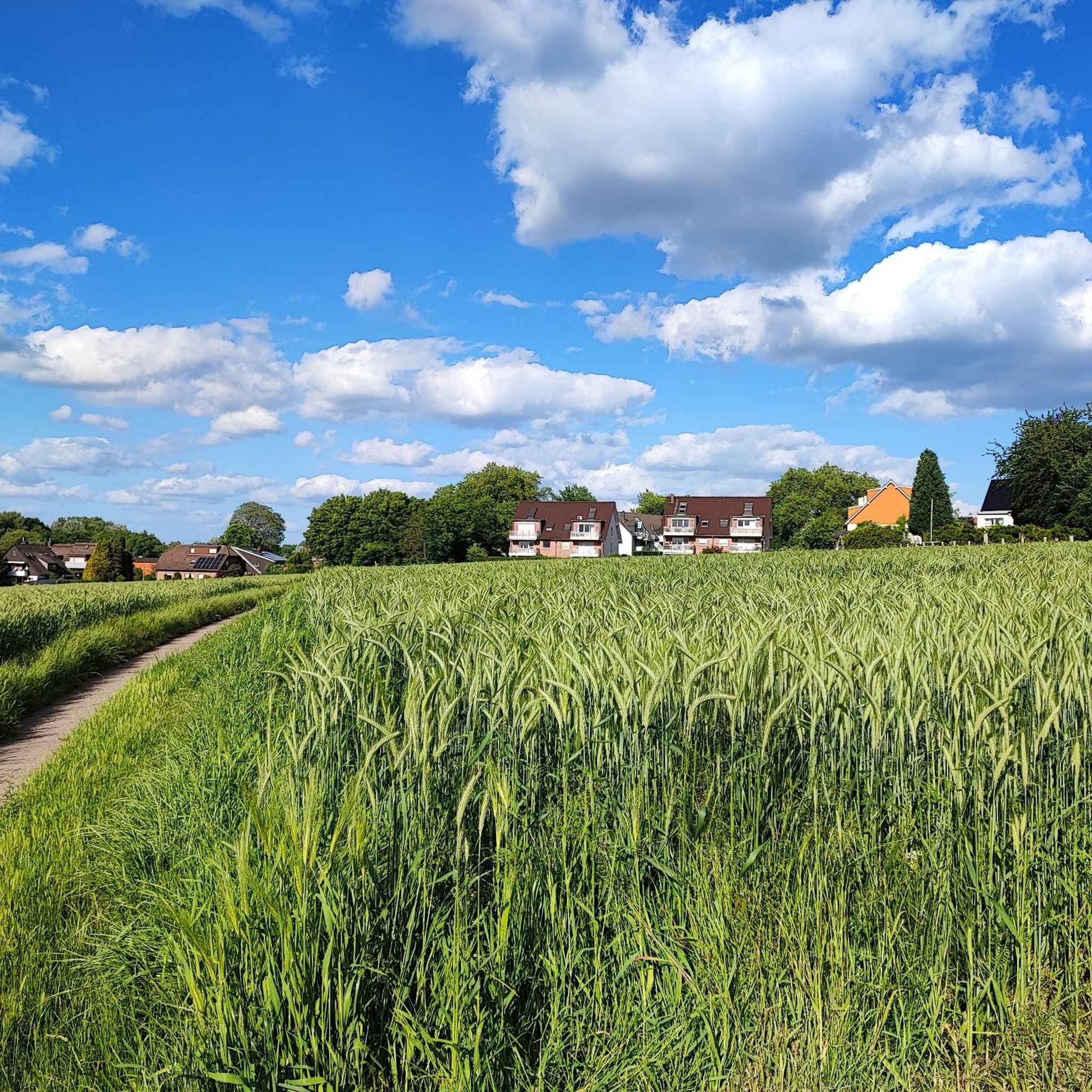
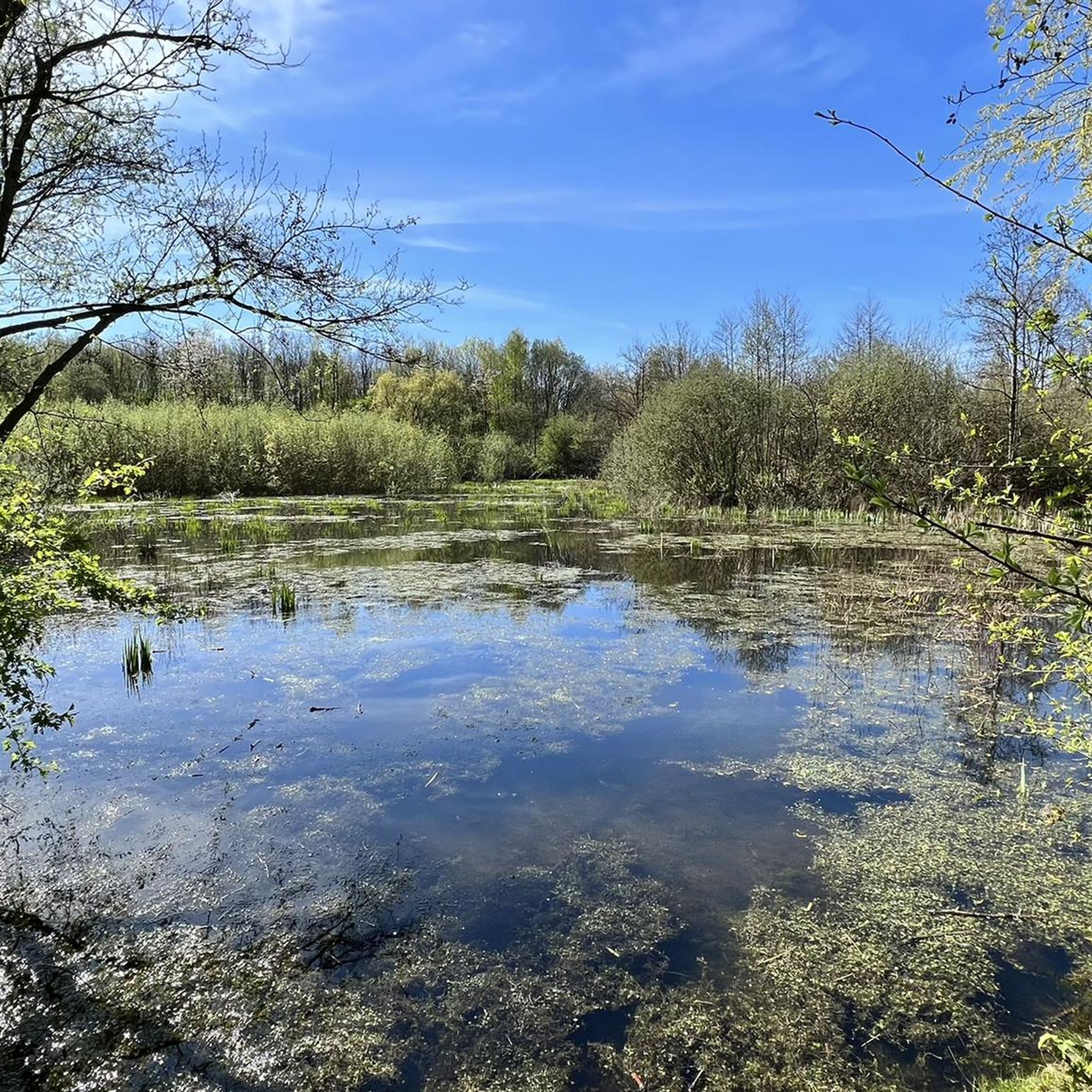
Mountain biking around Voßnacken offers diverse terrain within the Bergisch-Märkisches Hügelland, characterized by rolling hills and varied elevations ranging from approximately 55 to 242 meters. The area features steeply sloping, heavily wooded sections, primarily with beech trees, alongside agricultural land on flatter hilltops. The Deilbach stream flows past the eastern side, integrating a scenic valley into the broader network of trails.
Best mountain bike trails around Voßnacken
- The most popular mountain bike trail is Wanne-Eickel Lock – Grimberger Sichel Bridge…
Last updated: August 20, 2026
4.4
(16)
45
riders
37.4km
02:04
110m
110m
Moderate mountain bike ride. Good fitness required. Suitable for all skill levels.
4.3
(8)
17
riders
Moderate mountain bike ride. Good fitness required. Advanced riding skills necessary.

Sign up for free
5.0
(2)
5
riders
Moderate mountain bike ride. Good fitness required. Suitable for all skill levels.
4.8
(10)
15
riders
23.6km
01:25
120m
120m
Easy mountain bike ride. Great for any fitness level. Suitable for all skill levels.
5.0
(7)
14
riders
18.0km
01:01
70m
70m
Easy mountain bike ride. Great for any fitness level. Suitable for all skill levels.
Get access to more routes and recommendations from other explorers.
Sign up for free
Already have an account?
Our route recommendations are based on thousands of hikes, rides, and runs completed by other people on komoot.
Start today with a free account
Your next adventure awaits.
Login or Signup

Tips from the Community

Small viewpoint over the Emscherland. The gravel paths are easy to ride with a gravel bike.
1
0
From the end of the Herne-Ost lock, you have a great view of the Herner Meer
1
0

Simply beautiful, what the Emscher has become in the meantime. Almost like the transformation from the ugly duckling to the proud swan.
0
0

The most beautiful view of the newly renaturalized section can be had from the Kawamata Tower.
1
0

Anyone who knows the Emscher from the past will be amazed.
0
0

I think it's very worthwhile to look at the pictures as well. Here you can see railway and mining history.
1
0


There is still something to learn here
1
0
Frequently Asked Questions
How many mountain bike trails are available around Voßnacken?
There are over 300 mountain bike trails available around Voßnacken, offering a wide range of options for different skill levels and preferences. The komoot community has explored more than 12,100 of these routes.
What kind of terrain can I expect when mountain biking in Voßnacken?
Voßnacken, situated in the Bergisch-Märkisches Hügelland, features diverse terrain with rolling hills, elevations ranging from 55 to 242 meters, and a mix of steeply sloping, heavily wooded areas (primarily beech forests) and agricultural land on flatter hilltops. The Deilbach Valley also integrates scenic sections into the trail network.
Are there mountain bike trails suitable for beginners or less experienced riders?
Yes, Voßnacken offers a good selection of trails for less experienced riders. Approximately 100 of the routes are rated as easy, providing accessible options to enjoy the region's natural beauty without overly technical challenges.
What options are there for advanced mountain bikers seeking a challenge?
For advanced mountain bikers, Voßnacken and the surrounding Velbert area provide challenging routes. There are over 30 trails rated as difficult, featuring technical sections, steep climbs, and exhilarating descents. An example of a challenging route is the Rhein-Herne Canal Path – Emscher Bridge, Emscherland loop from Herne-Börnig, which covers over 45 km with significant elevation changes.
Can I bring my dog on the mountain bike trails in Voßnacken?
While many trails in natural areas are dog-friendly, it's always recommended to keep dogs on a leash, especially in wooded areas, near agricultural land, or when encountering other trail users. Always check local regulations or specific route descriptions for any restrictions.
Are there any family-friendly mountain bike routes in the Voßnacken area?
Yes, the region offers routes suitable for families. The varied terrain includes less technical paths that can be enjoyed by riders of different ages. Look for routes categorized as 'easy' on komoot, which often feature smoother surfaces and gentler gradients, making them ideal for family outings.
Where can I park my car when visiting the mountain bike trails?
Parking options are generally available near trailheads or in nearby towns within the Velbert region. Specific parking information is often provided in individual route descriptions on komoot, or you can look for public parking areas in Velbert or other access points to Voßnacken.
Is it possible to reach the mountain bike trails by public transport?
Voßnacken is integrated into the broader Velbert region, which has public transport connections. While direct access to every trailhead might vary, you can often reach the vicinity of the trails by bus or train, particularly to Velbert or surrounding districts. Planning your route with public transport in mind is advisable.
What natural features or landmarks can I see along the mountain bike trails?
The trails in Voßnacken offer views of dense beech forests, agricultural landscapes, and the scenic Deilbach Valley. The region is part of the Bergisches Land, known for its rolling hills and natural beauty. While specific landmarks are not highlighted in the immediate data, the varied topography itself provides a rich visual experience.
What do other mountain bikers say about the trails in Voßnacken?
The mountain bike trails around Voßnacken are highly regarded by the komoot community, holding an average rating of 4.6 stars from nearly 3,000 reviews. Riders often praise the diverse terrain, the mix of wooded and open sections, and the opportunities for both challenging and relaxed rides.
Are there any long-distance mountain bike routes for extended rides?
Yes, for extended rides, you can find longer routes that traverse the region. For example, the Lake Baldeney – Ruhr River loop from Herne is a moderate route spanning over 83 km, offering a full day's adventure with significant elevation gain.
When is the best time of year to go mountain biking in Voßnacken?
The varied terrain of Voßnacken makes it suitable for mountain biking through much of the year. Spring and autumn offer pleasant temperatures and vibrant scenery, with autumn providing stunning fall foliage in the dense forests. Summer is also popular, though some trails might be busier. Winter riding is possible, but conditions can be challenging with potential for mud or ice.
Are there places to eat or stay near the mountain bike trails?
Voßnacken is close to Velbert and other towns in the region, where you can find various cafes, restaurants, and accommodation options. While specific establishments aren't listed for the immediate trailheads, a short ride into a nearby village or town will provide amenities for refreshments and overnight stays.
Most popular routes around Voßnacken

Get inspired with the komoot mobile app


