The best road cycling routes around Lennebergwald
4.4
(2336)
31,335
riders
455
rides
Road cycling around Lennebergwald offers diverse routes within a 700-hectare wooded area near Mainz. The region features a unique landscape, including a dune area with sandy subsoil and steppe vegetation, contrasting with pine and oak forests. While generally flat, routes incorporate gentle inclines, providing varied terrain for road cyclists. The area is characterized by well-maintained paved surfaces suitable for different fitness levels.
Best road cycling routes around Lennebergwald
- The most popular road cycling route is Burgkirche Ingelheim loop from Uhlerborn…
Last updated: July 4, 2026
17
riders
52.4km
02:39
760m
760m
Moderate road ride. Good fitness required. Mostly well-paved surfaces and easy to ride.
16
riders
18.4km
00:49
90m
90m
Moderate road ride. Great for any fitness level. Some segments of this route may be unpaved and difficult to ride.

Sign up for free
5
riders
44.4km
02:36
550m
550m
Moderate road ride. Good fitness required. Some segments of this route may be unpaved and difficult to ride.
4.5
(2)
5
riders
27.9km
01:07
100m
100m
Easy road ride. Great for any fitness level. Mostly well-paved surfaces and easy to ride.
5.0
(4)
220
riders
77.4km
03:35
770m
770m
Moderate road ride. Good fitness required. Mostly well-paved surfaces and easy to ride.
Get access to more routes and recommendations from other explorers.
Sign up for free
Already have an account?
Our route recommendations are based on thousands of hikes, rides, and runs completed by other people on komoot.
Start today with a free account
Your next adventure awaits.
Login or Signup
Tips from the Community

The smaller and older of the two Wendelinus chapels was built in 1776. A chapel had already stood on the same spot before, also dedicated to Saint Wendelin. It is said to have been donated by the people of Budenheim because of a foot-and-mouth disease raging among their livestock, as the saint is considered the patron saint of shepherds and farmers. (It is open during the day for visits and prayer.) The newer and larger of the two Wendelinus chapels was built on the orders of the Budenheim citizens from 1862 onwards, diagonally opposite the older chapel, and completed in 1866. The rubble stone building is in the Neo-Gothic style and was probably crowned with a steeple after 1880. (You can look inside through peepholes. It is sometimes open on Monument Day.) https://de.wikipedia.org/wiki/Wendelinuskapellen_von_Budenheim
1
0

It is a wonderful view of the Rheingau (on the right bank of the Rhine) from what the people of Rheingau call the "ebsch Seit", meaning the ugly/unattractive side (of the Rhine). Impressive, next to Ehrenfels Castle, is the Niederwald Monument with the towering statue of Germania. Built in the 1870s to commemorate and celebrate the founding of the German Empire after the Franco-Prussian War (with the proclamation of the German Emperor Wilhelm I in Versailles in 1871).
0
0

A true place of power amidst the vineyards: The Jakobsberg Monastery combines impressive distant views with a special spiritual atmosphere. Those who take a break here will be rewarded with peace, vastness, and beautiful views over the Rhine Valley.
2
0
One of the oldest medieval stone bridges in Germany. The short stop is worthwhile for anyone who wants to discover a piece of history on their bike tour.
2
0

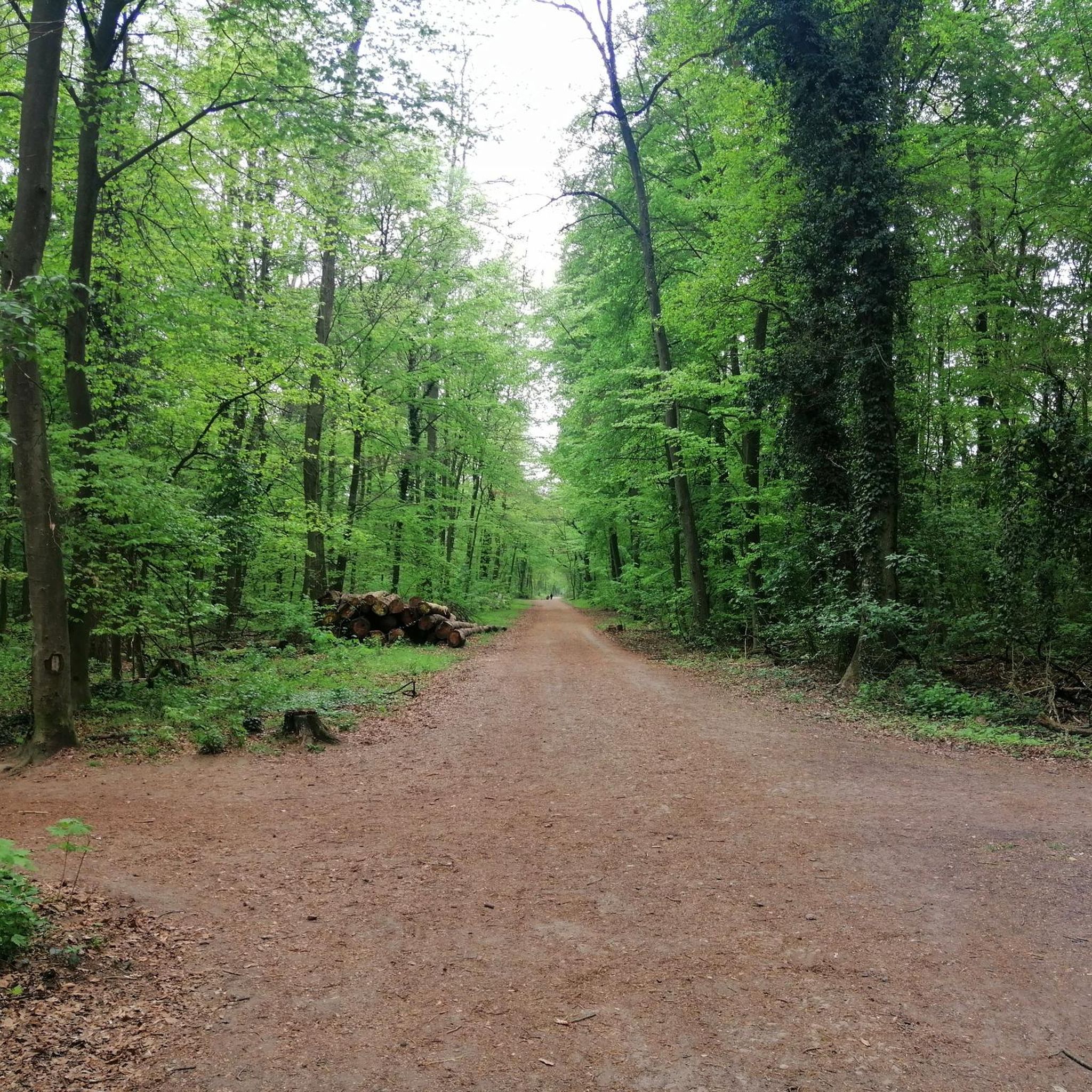
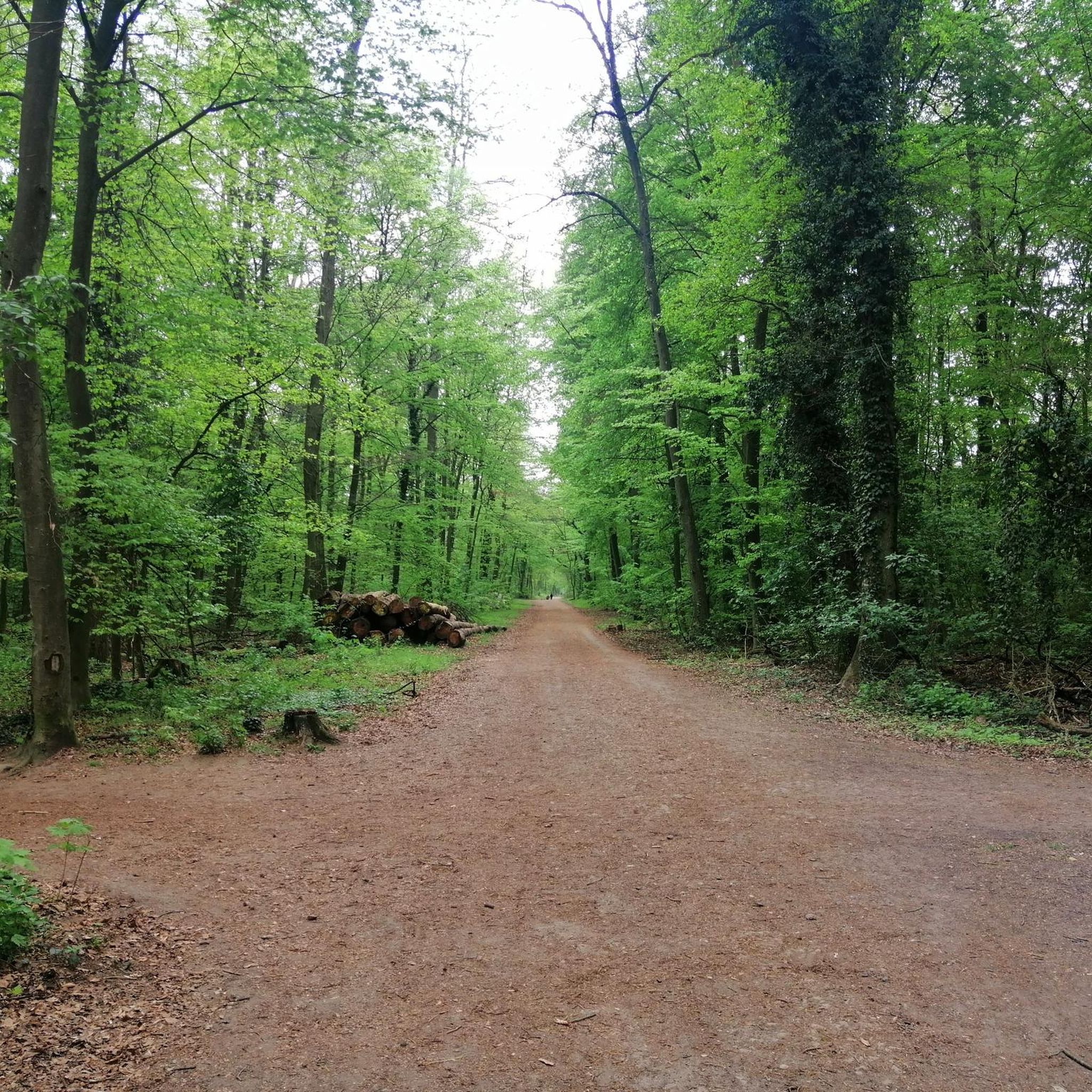
The "Pendler" cycle path allows for a quick connection with the best asphalt. A tractor or a moped rarely appears here. A real little High(desheim)way!
0
0

The new Drusus Bridge, still visible today, was built 100 years later under Archbishop Willigis (975-1011). This bridge was destroyed by the French in 1689. It was rebuilt by 1772. In March 1945, a special command blew up the bridge arch in front of the advancing troops of the Allies. Today, the 1000-year-old Drusus Bridge, in new splendor, once again shapes the cityscape of Bingen.
1
0
The Drusus Bridge owes its name to the Roman general Drusus, who is said to have built the first wooden bridge over the Nahe. It probably originated in the decade before Christ's birth, but was probably in a different location. At that time, Drusus fortified the left bank of the Rhine border of the Roman Empire by building fortifications and may have had a convenient path built across the Nahe. The wooden bridge was destroyed in 70 AD. The current stone bridge is a construction from the 11th century.
2
0

A very beautiful panoramic view with water and vineyards.
1
0
Frequently Asked Questions
How many road cycling routes are available around Lennebergwald?
There are over 460 road cycling routes available around Lennebergwald, offering a wide range of options for different skill levels and preferences. This includes more than 100 easy routes, over 270 moderate routes, and around 80 challenging routes.
What kind of terrain can I expect on road cycling routes near Lennebergwald?
The road cycling routes in the broader region around Lennebergwald are primarily characterized by well-maintained paved surfaces, making them ideal for road bikes. You'll encounter a mix of agricultural landscapes, small towns, and vineyard paths. While the Lennebergwald itself features unique sandy soils and gravel paths that are less suitable for road bikes, the surrounding area offers excellent asphalted routes. The terrain is generally flat, but many routes incorporate gentle inclines and descents, providing varied riding experiences.
Are there easy road cycling routes suitable for beginners or families?
Yes, Lennebergwald offers over 100 easy road cycling routes. A great option for an accessible ride is the Heidesheim Town Hall – Gau-Algesheim Market Square loop from Uhlerborn, which is 17.3 miles (27.9 km) long and features mostly paved surfaces through pleasant agricultural areas. These routes are perfect for those looking for a relaxed ride without significant elevation gain.
What are some notable landmarks or natural features I can see along the road cycling routes?
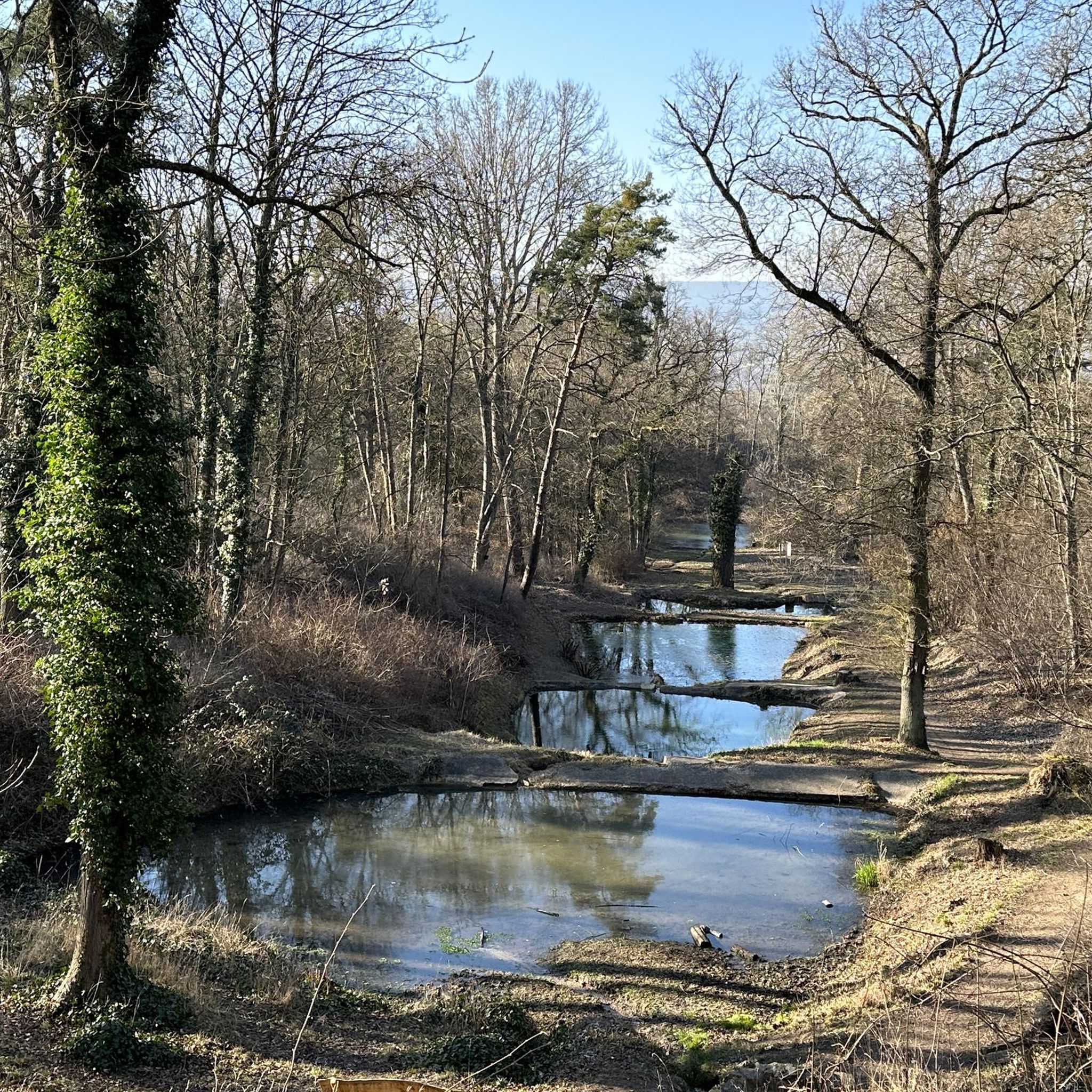
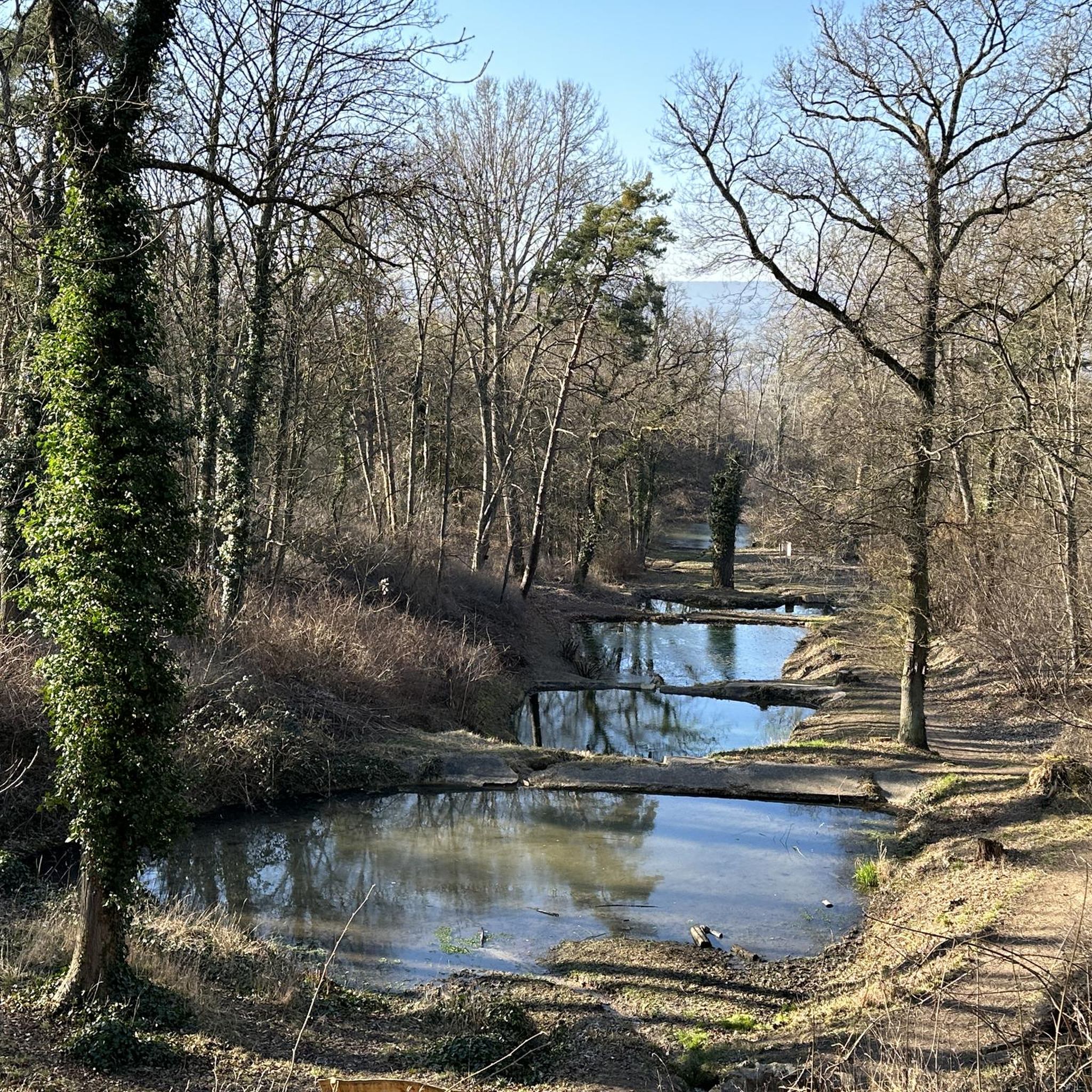
While cycling the routes around Lennebergwald, you can explore several interesting landmarks and natural features. The region is known for its unique steppe vegetation and pine and oak forests. You might pass by the Mainzer Sand Part II Nature Reserve, an important ecological site, or the picturesque Seven ponds of the Lenneberg Forest. The Wooden spirit carvings in the Lenneberg Forest also offer a unique sight.
Are there challenging road cycling routes for experienced riders?
Absolutely. For experienced riders seeking a challenge, there are approximately 80 difficult routes around Lennebergwald. The Burgkirche Ingelheim loop from Uhlerborn is a popular choice, covering 32.6 miles (52.4 km) with notable climbs and descents, and an elevation gain of over 750 meters. Another challenging option is the Dike Path – Binger Weg Vineyard Path loop from Budenheim, which is 47.7 miles (76.8 km) long and features significant elevation changes.
What is the best time of year for road cycling in Lennebergwald?
The best time for road cycling around Lennebergwald is generally from spring through autumn. During these seasons, the weather is typically mild, and the natural landscapes are at their most vibrant. While winter cycling is possible, be prepared for colder temperatures and potentially wet or icy conditions on some paths.
Can I find circular road cycling routes in the area?
Yes, many of the road cycling routes around Lennebergwald are designed as loops, allowing you to start and end at the same point. Examples include the Burgkirche Ingelheim loop from Uhlerborn and the Gonsenheim Church – Wendelinus Chapel loop from Budenheim. These circular routes make planning your ride convenient.
Are there cafes or restaurants along the road cycling routes?
Yes, the region around Lennebergwald includes several towns and villages where you can find cafes, pubs, and restaurants. While specific establishments vary by route, popular cycling areas often have options for refreshments and meals. Planning your route with komoot allows you to discover points of interest, including eateries, along your chosen path.
Is Lennebergwald suitable for road cycling with dogs?
While the Lennebergwald itself is a nature reserve popular for walks, the suitability for road cycling with dogs depends on local regulations and the specific route. Many road cycling routes in the surrounding area are on paved roads where dogs can accompany you, often on a leash. Always check local signage and ensure your dog is comfortable with the distance and terrain.
How long are the road cycling routes around Lennebergwald?
The road cycling routes around Lennebergwald vary significantly in length. You can find shorter loops, such as the Gonsenheim Church – Wendelinus Chapel loop from Budenheim at 11.3 miles (18.1 km), which takes about 45 minutes. Longer routes, like the Dike Path – Binger Weg Vineyard Path loop from Budenheim, can be up to 47.7 miles (76.8 km) and take over 3 hours to complete, offering options for all endurance levels.
What do other road cyclists enjoy most about road cycling in Lennebergwald?
The road cycling experience around Lennebergwald is highly rated by the komoot community, with an average score of 4.4 stars from over 2,100 reviews. Cyclists often praise the diverse terrain, from flat sections through agricultural landscapes to routes with gentle inclines, and the well-maintained paved surfaces. The unique natural environment, including the steppe vegetation and pine forests, also contributes to a pleasant riding experience.
Most popular routes around Lennebergwald
Most popular attractions around Lennebergwald

Get inspired with the komoot mobile app


Explore more
Browse the best Road cycling routes in other regions.
