The best walks and hikes around Bellheimer Forest
4.5
(2656)
12,737
hikers
17
hikes
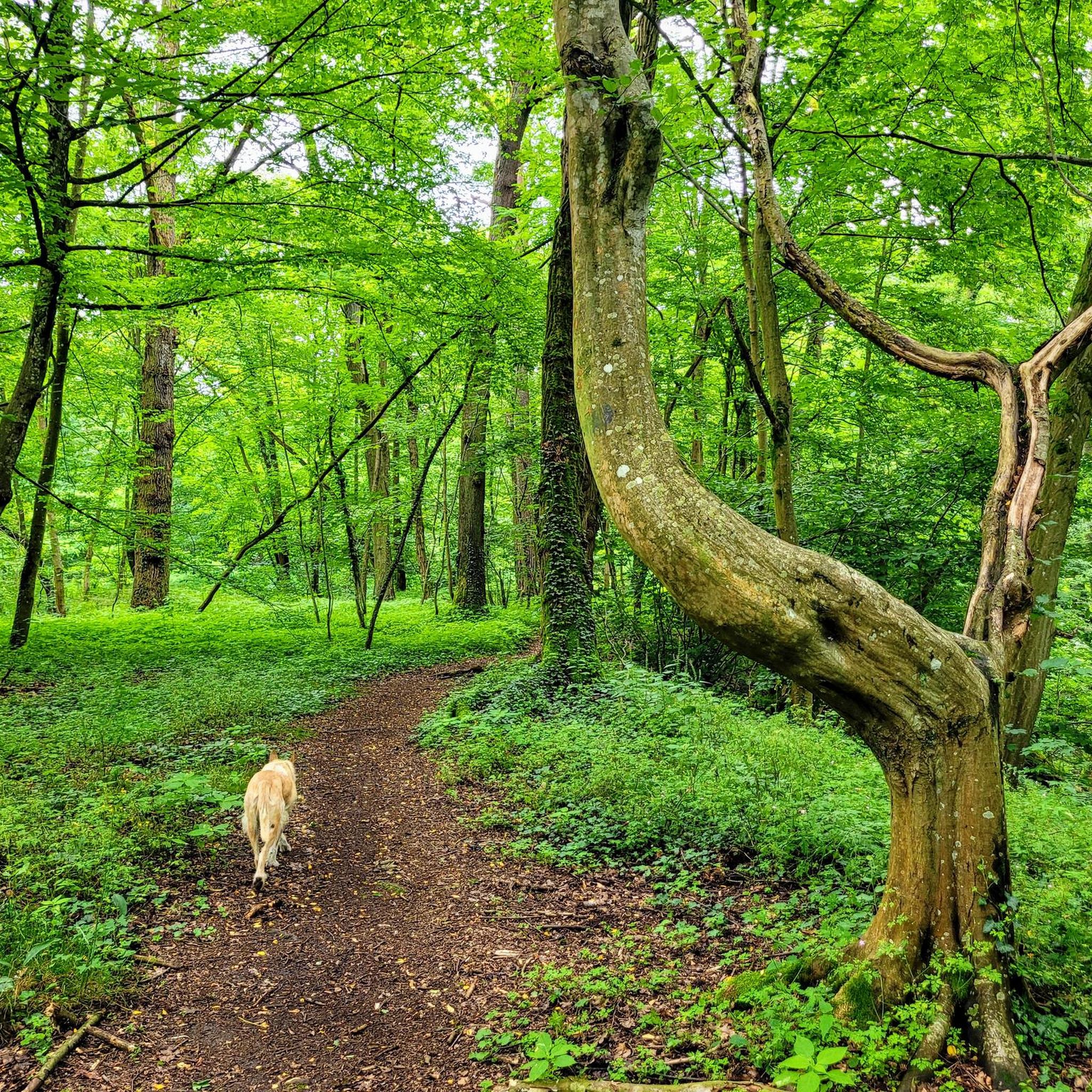
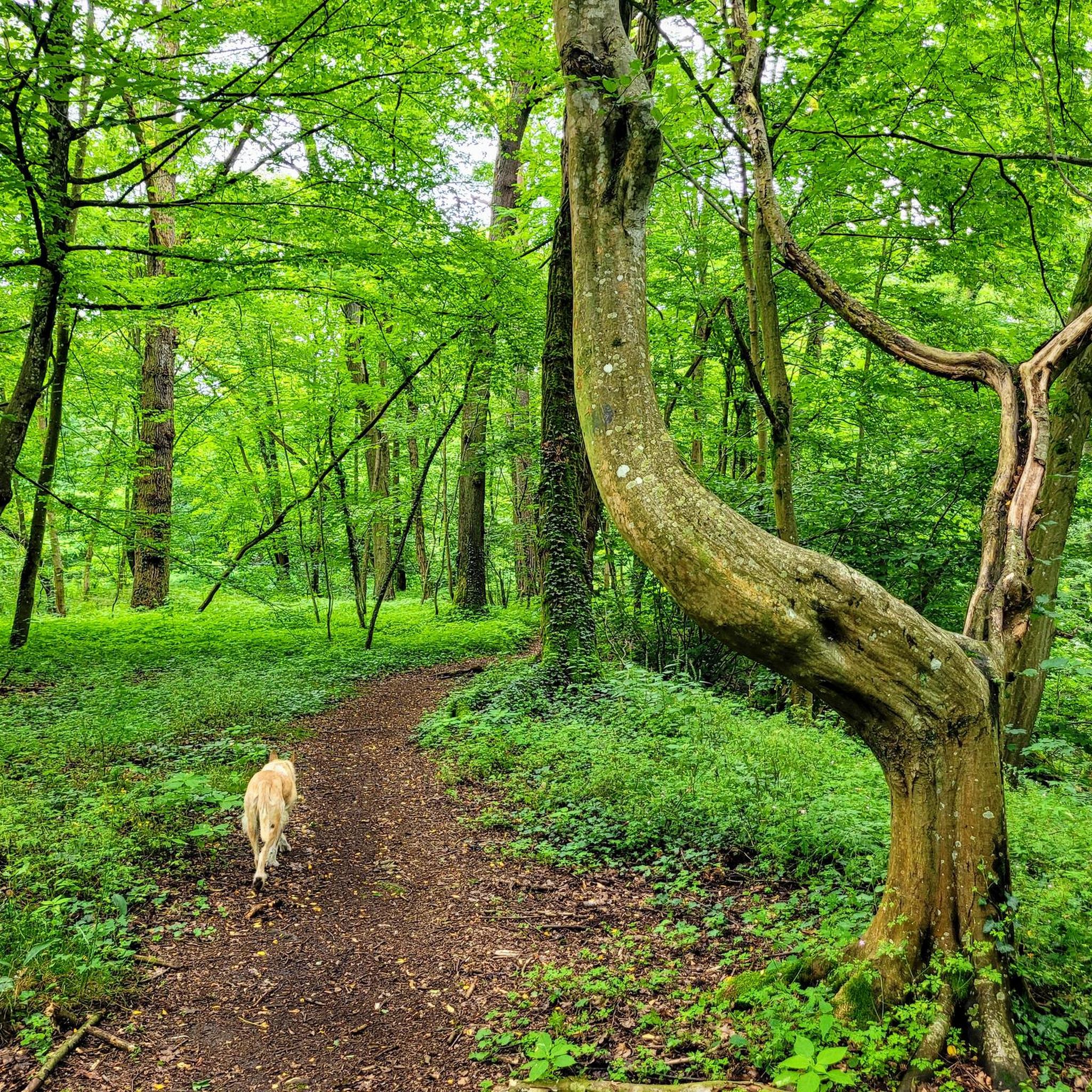
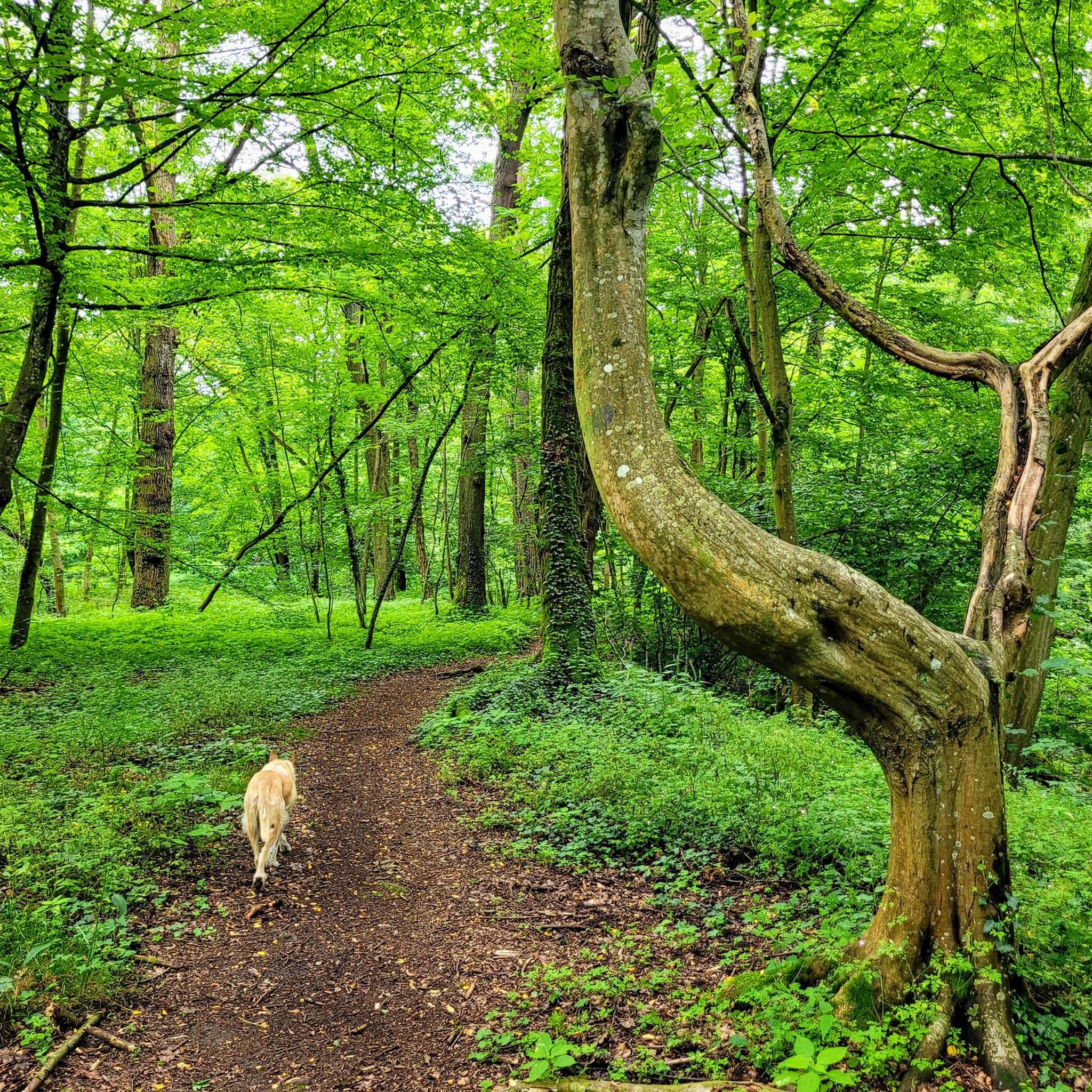
Hiking around Bellheimer Forest offers a varied landscape in the Germersheim region of Rhineland-Palatinate, Germany. The area features a blend of dense woodlands, open Queich meadows, and proximity to the Rhine River, including primeval-like floodplain forests. The terrain is generally flat, with gentle hills and riverbanks providing diverse environments for exploration. This region is characterized by its well-maintained network of trails suitable for various activity levels.
Best hiking trails around Bellheimer Forest
- The most popular hiking route is Heinz-Dangelmayer Trail…
Last updated: May 8, 2026
4.4
(54)
177
hikers
8.60km
02:11
20m
20m
Moderate hike. Good fitness required. Easily-accessible paths. Suitable for all skill levels.
5.0
(3)
9
hikers
3.67km
00:56
10m
10m
Easy hike. Great for any fitness level. Easily-accessible paths. Suitable for all skill levels.

Sign up for free
5.0
(1)
15
hikers
7.38km
01:52
10m
10m
Easy hike. Great for any fitness level. Easily-accessible paths. Suitable for all skill levels.
5.0
(1)
19
hikers
3.55km
00:54
10m
10m
Easy hike. Great for any fitness level. Easily-accessible paths. Suitable for all skill levels.
5.0
(4)
14
hikers
4.81km
01:13
10m
10m
Easy hike. Great for any fitness level. Easily-accessible paths. Suitable for all skill levels.
Get access to more routes and recommendations from other explorers.
Sign up for free
Already have an account?
Our route recommendations are based on thousands of hikes, rides, and runs completed by other people on komoot.
Start today with a free account
Your next adventure awaits.
Login or Signup

Tips from the Community

Information panels explain the technique of meadow irrigation, which was recognized by UNESCO as an intangible cultural heritage in 2023. I will come back again in the spring and participate in one of the guided tours.
0
0
Today it seemed deserted, but it must be very busy here in the summer.
0
0

Not far from Lochmühlsee, you cross the Druslach River over a long bridge. You can roll your bike down the steps on the side and push it back up at the end of the bridge.
2
0

Three of the 100 remaining boundary stones mark the border of the Lingenfeld district at this point. The tallest stone bears the year 1781. At that time, the land belonged to the Prince-Bishopric of Speyer. The cross, flanked by the initial letter "D" (left) and a "C" to be added at the missing right corner, indicates the cathedral chapter and can also be seen on the shortest stone. The middle stone is unmarked. The drilled hole served as a tool for moving the heavy stone.
2
0

The “Loschter Handkeesfescht” is usually around May 1st and lasts for three days. THE HISTORY OF THE HANDKEESFESCH At the beginning of the 20th century, “butter-pushing” and “handkeesdrikking” were centuries-old traditions in “Loschter” households. After a large parade in Karlsruhe in 1924, at which a delegation of “Loschter Handkeesdrikker” were greeted with great enthusiasm, the two committed Lustadt residents Georg Lehr and Georg Ott decided to launch the 1st “Loschter Handkeesfescht” in 1925. The idyllic spot in the Lustadt Mayflower Forest was chosen as the location, and over the decades the name “Loschter Handkeesplatz” became a synonym for the Palatinate’s joie de vivre and coziness. The declared aim of the club’s founders was to organize a family-friendly folk festival at affordable prices. In 1925, only a few hundred visitors found their way to the festival grounds, but over the decades the initially modest festival has become one of the largest folk festivals in the southern Palatinate. Tens of thousands of festival-goers now visit us every year. In addition to around 5,000 seats (around 1,000 of which are covered), the festival grounds in the heart of the Mayflower Forest offer plenty of space for our guests. On nice days, it is especially young families who, well equipped with blankets, picnic in a sunny spot in the forest at moderate prices. (Excerpt from loschter-handkeesfescht.de)
1
0

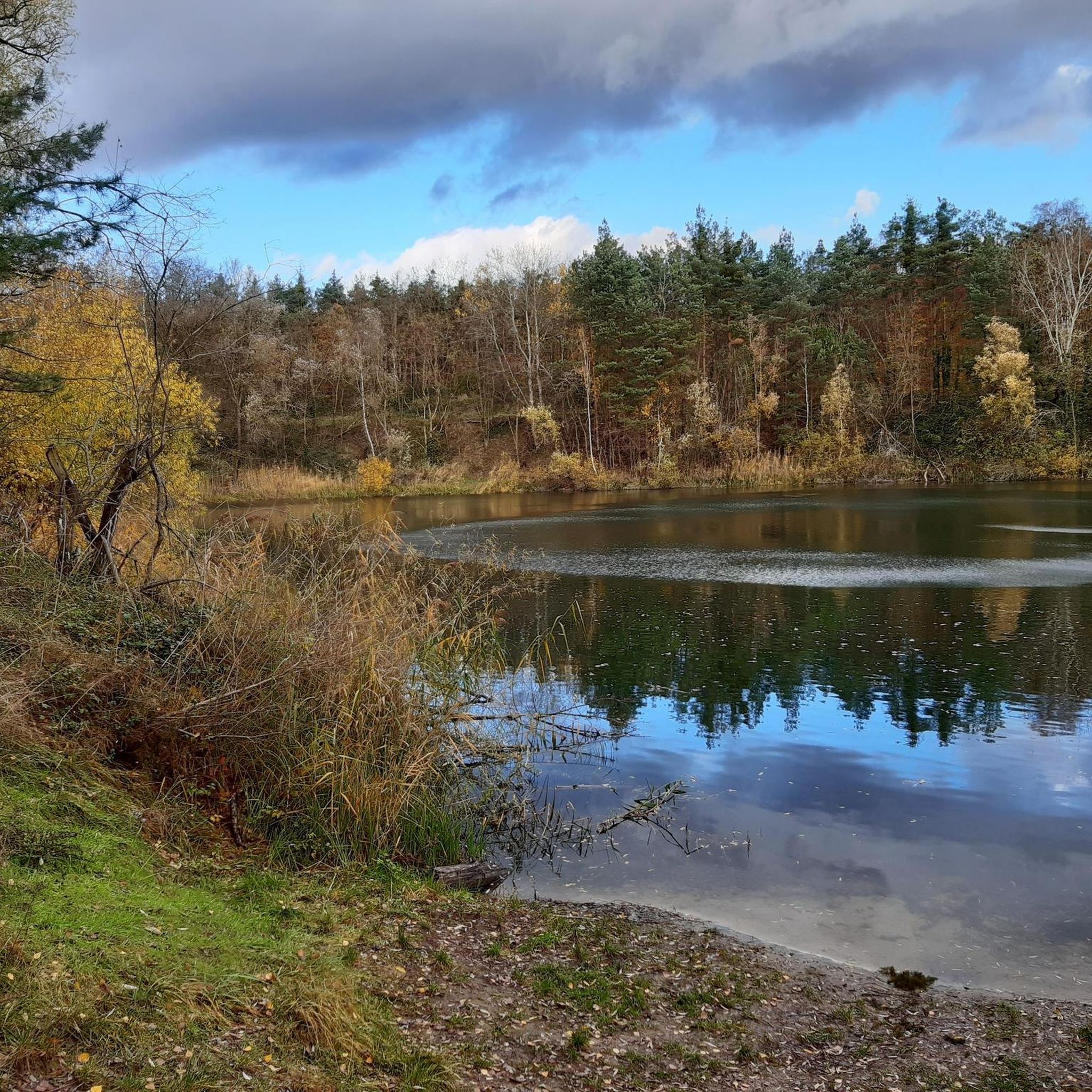
This bench with a view of the lake is located directly on the Druslacher Bacherlebnispfad.
1
0

sometimes the place is very overgrown
0
0
Frequently Asked Questions
How many hiking trails are available in Bellheimer Forest?
Bellheimer Forest offers a network of nearly 20 hiking trails. These routes cater to various preferences, with the majority being easy to moderate, making them accessible for many hikers.
What kind of terrain can I expect on hikes in Bellheimer Forest?
The terrain in Bellheimer Forest is generally varied, featuring a blend of dense woodlands, open Queich meadows, and riverbanks near the Rhine. Many paths are relatively flat, with gentle hills providing a dynamic backdrop for exploration. You can expect well-maintained trails suitable for different ability levels.
What natural features can I expect to see while hiking?
Hikers can explore the picturesque Queich meadows, which are recognized as an intangible cultural heritage site and are a haven for numerous storks from March to August. The region is also characterized by its proximity to the Rhine River, including 'primeval-like floodplain forests' along a branch of the Old Rhine near Sondernheim. Significant dense forest sections also offer opportunities to discover rare animal and plant species.
Are there any historical sites or landmarks to discover along the trails?
Yes, Bellheimer Forest is rich in history. You can explore the 18th-century French-built Queich Lines, which offer historical insights. Paths around Bellheim also pass four of the six still-preserved mills that once utilized the water power of the Queich and Spiegelbach rivers. Hikers can also discover the site of the former hunting castle Friedrichsbühl, now marked by a memorial stone.
Are there easy, family-friendly hiking options in Bellheimer Forest?
Absolutely. Many paths in Bellheimer Forest are relatively flat, making them ideal for families. For instance, the Druslachweiher loop from Westheim (Pfalz) is an easy 2.3-mile path perfect for a short, accessible walk. The area also features an adventure playground at the Schützenhaus in Bellheim for children.
What do other hikers enjoy most about Bellheimer Forest?
The area is highly rated by the komoot community, with an average score of 4.5 stars from over 600 reviews. Hikers often praise the varied landscape, from dense woodlands to open meadows, and the well-maintained network of trails. The opportunity to spot wildlife, especially storks in the Queich meadows, is also a frequently mentioned highlight.
Are there any circular hiking routes available?
Yes, Bellheimer Forest offers several appealing circular routes. The Loschter Handkeesplatz – Queich Weir loop from Bellheim is a popular 4.6-mile trail through the Queich River area. Another option is the View of the Queich Meadows loop from Bellheim, a shorter 3.5-mile route offering scenic views.
What is the best time of year to hike in Bellheimer Forest?
The best seasons for hiking in Bellheimer Forest are spring and autumn. During these times, the weather is mild, and nature displays its most vibrant colors, making for a particularly scenic experience. Spring also offers the chance to observe storks in the Queich meadows.
Can I bring my dog on the hiking trails?
While specific regulations for dogs may vary by trail section, generally, Bellheimer Forest is a dog-friendly area. Many trails are suitable for walks with leashed dogs, allowing them to enjoy the diverse natural environment alongside you. Always ensure your dog is under control and respect local signage.
Are there any longer or more challenging hikes?
While many routes are easy, there are options for those seeking a bit more challenge. The Heinz-Dangelmayer Trail – Bench with lake view loop from Lustadt is a moderate 5.3-mile trail that takes over two hours to complete, offering views of local waterways. The 'Hill Hike through the Palatinate Forest' (mentioned in region research) is also described as a more challenging circular trail with panoramic views.
Where can I find parking for the hiking trails?
Parking is generally available at various starting points for the trails. For routes beginning in Bellheim, such as the Weir on the River Queich – Ludwigsmühle loop, you can often find designated parking areas within or on the outskirts of the town. Specific parking information is usually provided on individual route descriptions.
Are there any lakes or water features to see?
Yes, the region features several water bodies. The Druslachweiher is a notable lake around which an easy hiking loop is centered. You can also find the Forest Reservoir in the Palatinate and the Lustadt Fishing Lakes, offering serene spots along your hike.
Most popular routes around Bellheimer Forest
Most popular attractions around Bellheimer Forest

Get inspired with the komoot mobile app


Explore more
Browse the best Hikes in other regions.
