The best mountain hikes around Levers Water
4.3
(4)
28
hikers
11
hikes
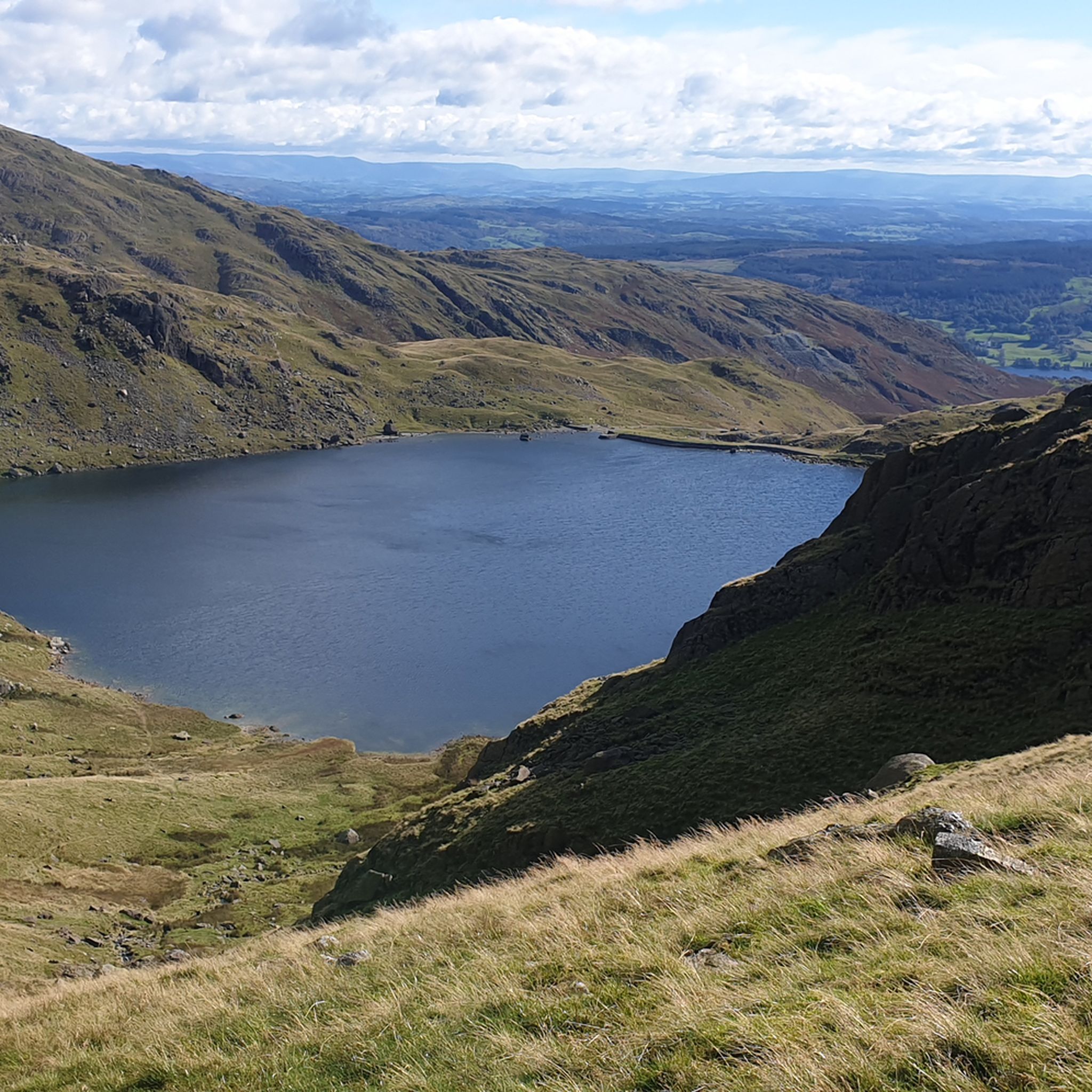
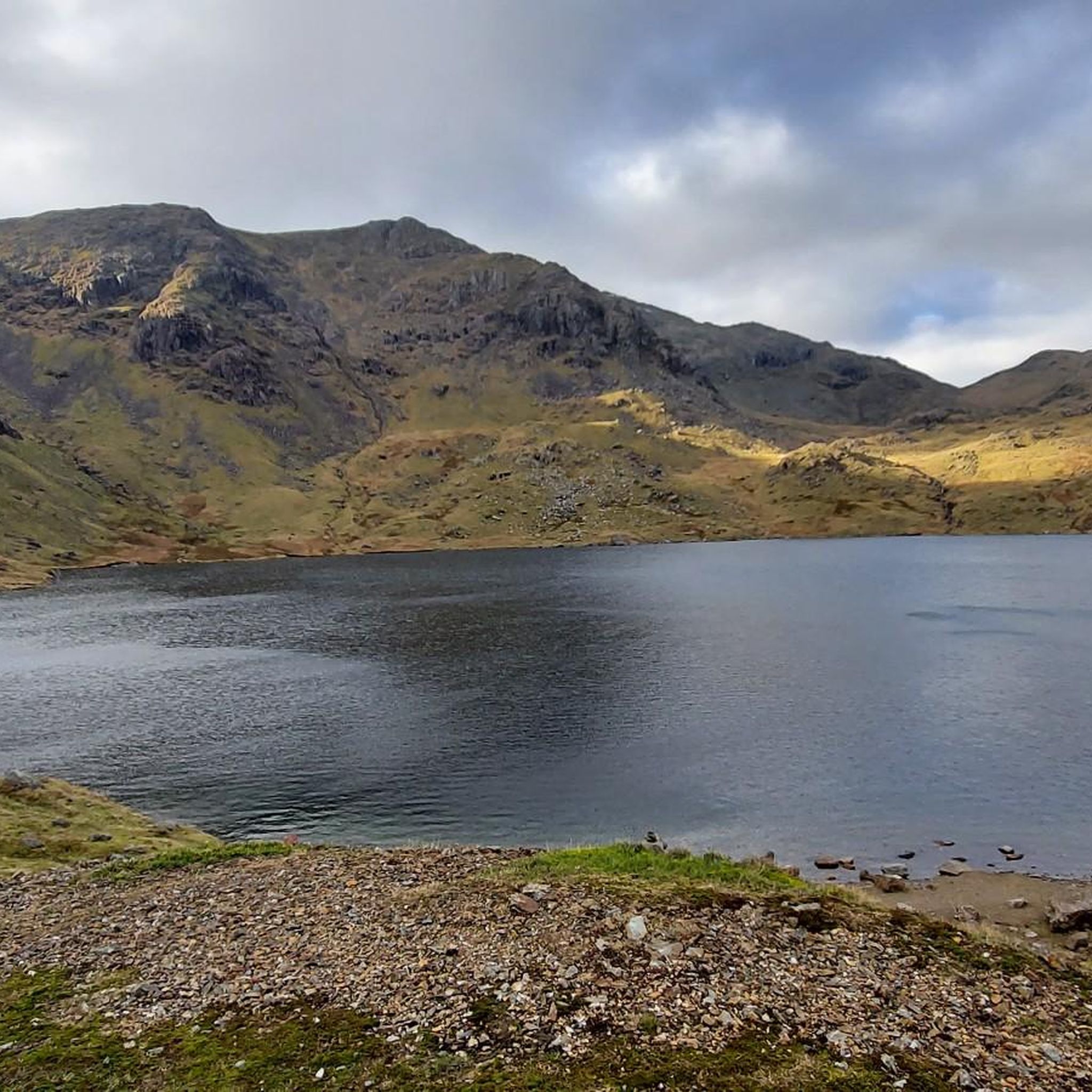
Mountaineering around Levers Water is characterized by high fell ascents and rocky mountain paths within the English Lake District. The region features significant fells such as the Old Man of Coniston, Swirl How, and Wetherlam, offering strenuous climbs and expansive views. Levers Water itself is an elevated tarn, and the Coppermines Valley below presents a landscape shaped by both nature and historical industry. This area provides challenging terrain for experienced mountaineers.
Best mountaineering routes around Levers Water
- The most popular…
Last updated: August 18, 2026
5.0
(2)
7
hikers
10.5km
04:18
700m
700m
Moderate mountaineering route. Good fitness required. Mostly accessible paths. Sure-footedness required.
5
hikers
12.3km
05:06
740m
740m
Hard mountaineering route. Very good fitness required. Sure-footedness, sturdy shoes and alpine experience required.

Sign up for free
3.0
(1)
8
hikers
6.10km
02:56
610m
610m
Hard mountaineering route. Good fitness required. Sure-footedness, sturdy shoes and alpine experience required.
5.0
(1)
4
hikers
14.1km
05:43
850m
850m
Hard mountaineering route. Very good fitness required. Sure-footedness, sturdy shoes and alpine experience required.
4
hikers
12.2km
04:32
650m
650m
Hard mountaineering route. Good fitness required. Sure-footedness, sturdy shoes and alpine experience required.
Get access to more routes and recommendations from other explorers.
Sign up for free
Already have an account?
Our route recommendations are based on thousands of hikes, rides, and runs completed by other people on komoot.
Start today with a free account
Your next adventure awaits.
Login or Signup
Tips from the Community


To describe this mountain, here is a quote: "Although cruelly scarred and disfigured by the quarries, the Old Man has retained a dignified bearing and still lifts his proud and venerable head to the sky. His tears flow quietly into Low Water and Goats Water, two beautiful mountain tarns, whence they eventually... find their way to Coniston Water, bathing his ancient feet." Alfred Wainwright, "A Pictorial Guide to the Lakeland Fells, Book Four: The Southern Fells"
5
0
A beautiful waterfall, but difficult to view in the summer due to dense vegetation.
7
0

Bowfell has got a great hikers' pedigree for a reason. It has a distinctive, pyramid-shaped peak, and at 902 metres (2,959 feet), it is England's sixth-highest mountain. It is noted for the great scramble that is the climber's traverse. From its rocky, boulder-strewn top you have sweeping panoramic views across to Scafell Pike and the Langdale valley.
0
0
Crinkle Crags is a proper, rugged, craggy, undulating 859-metre mountain summit. The actual summit section is referred to as the 'Long Top'. The mountain massif itself has a series of five rocky undulations that create a number of other distinct tops, and they are all great little scrambly outings in their own way. There is also the 'Bad Step' on the southern approach to Long Top. This is a short but infamous rocky micro-scramble. If you like rock, Crinkle Crags is your place to be.
0
0
Great Knott is a 696-metre (2,283 feet) peak that sits on the ridge connecting Bowfell to Esk Pike. Its position on this rugged and dramatic ridgeline gives you outstanding views of the Langdale Valley and up towards Crinkly Crags. It is one of the UK's designated Nuttalls.
1
0
Great Langdale is a spectacular, U-shaped glacial valley in the heart of the Lake District National Park, renowned for its dramatic fells, waterfalls, and world-class hiking trails. Dominated by the iconic Langdale Pikes, it is the ultimate playground for outdoor enthusiasts.
6
0
Pike of Stickle is a great rocky outcrop of rock with a decent scramble to get to the top. There are rock steps going up the lower slope on the first part, and then there are two ways to scramble up to the top. You can go around to the right, which is supposed to be the easiest way, but I found going up direct to be fine. It requires you to use both your hands and feet, but there are plenty of holds. There are super views across to Loft Crag, Harrison Stickle, and the peaks surrounding the entire Mickleden Valley.
0
0
Frequently Asked Questions
How many mountaineering routes are available around Levers Water?
There are 16 mountaineering routes available around Levers Water. These range from moderate to difficult, offering a variety of challenges for outdoor enthusiasts.
Are there any family-friendly mountaineering options near Levers Water?
While the routes around Levers Water are generally characterized by high fell ascents and rocky mountain paths, making them more suitable for experienced mountaineers, some sections might be manageable for older, more adventurous families. For truly family-friendly walks, you might consider exploring trails closer to Coniston village, which offer less strenuous options.
Can I bring my dog on mountaineering routes around Levers Water?
Yes, dogs are generally welcome on public footpaths in the Lake District. However, it's crucial to keep them on a lead, especially when passing through areas with livestock or ground-nesting birds. Be prepared for rocky terrain and ensure your dog is fit enough for the strenuous climbs.
What are the parking options for accessing mountaineering routes near Levers Water?
Access to Levers Water routes typically involves parking in or around Coniston village. From there, trails lead up into the Coppermines Valley towards Levers Water. Specific parking areas might include public car parks in Coniston, which can fill up quickly during peak season.
Are there any circular mountaineering routes around Levers Water?
Yes, many of the mountaineering routes in the area are designed as loops. For example, the Coniston Waterfall – Old Man of Coniston summit loop from Coniston is a popular circular route that offers a challenging ascent and passes notable waterfalls.
What kind of natural features or attractions can I expect to see on these routes?
Mountaineering routes around Levers Water offer dramatic landscapes. You'll encounter high fell ascents, rocky mountain paths, and the historic Coppermines Valley with its old mine workings. Attractive waterfalls on Church Beck, known as Levers Water Falls, are a significant natural attraction on the way to the reservoir. From the summits, you'll enjoy expansive views of the Lake District landscape.
What is the best time of year for mountaineering around Levers Water?
The best time for mountaineering around Levers Water is typically from late spring to early autumn (May to October) when the weather is generally more stable and daylight hours are longer. Winter mountaineering is possible but requires significant experience, appropriate gear, and awareness of rapidly changing conditions, including snow and ice.
Are there any beginner-friendly mountaineering routes in the Levers Water area?
The routes around Levers Water are generally considered moderate to difficult due to high fell ascents and rocky terrain. There are no routes specifically classified as 'easy' for mountaineering in this guide. Beginners should consider shorter, less exposed walks in the wider Coniston area before attempting these more challenging routes.
What are some challenging mountaineering routes for experienced climbers?
Experienced mountaineers can tackle routes like the Bowfell Summit – Esk Pike Summit loop from Great Langdale, which traverses high fells and offers panoramic views. Another demanding option is the Vertical Rock Face Climb – Gunson Knott (822 m) loop from Great Langdale, leading through mountainous terrain.
What do other mountaineers enjoy the most about mountaineering in Levers Water?
The area is highly rated by the komoot community, with an average score of 4.7 stars. Mountaineers often praise the challenging terrain, the stunning panoramic views from the fells, and the unique blend of natural beauty with the historical mining landscape of the Coppermines Valley.
Can I reach Levers Water mountaineering routes using public transport?
Coniston village, the primary access point for Levers Water, is served by local bus routes. From Coniston, you can begin your ascent into the fells. It's advisable to check current bus timetables, especially if planning to start early or finish late.
Are there pubs or cafes near Levers Water for after a hike?
While Levers Water itself is a remote tarn, Coniston village, located at the base of the valley, offers several pubs, cafes, and accommodation options. These provide excellent spots to refuel and relax after a strenuous day of mountaineering.
What is the elevation gain on these mountaineering routes?
The mountaineering routes around Levers Water feature significant elevation gains. For instance, the Pike of Blisco Summit – Gunson Knott (822 m) loop from Great Langdale involves over 1000 meters of ascent, providing a substantial challenge.
Most popular routes around Levers Water

Get inspired with the komoot mobile app


Explore more
Browse the best Mountain Hikes & Routes in other regions.
