The best walks and hikes around Dieterskirchen
4.4
(382)
1,373
hikers
28
hikes
Hiking around Dieterskirchen offers diverse landscapes in the Upper Palatinate region of Germany. The area features varied terrain, including rolling hills and dense forests, providing a range of scenic experiences. Trails often incorporate historical points of interest, such as castle ruins and pilgrimage chapels. The network of hiking routes caters to different fitness levels, from easy paths to more challenging ascents.
Best hiking trails around Dieterskirchen
- The most popular hiking route is Path to Burgstall Warberg – Warberg Castle ruins…
Last updated: October 7, 2026
4.9
(11)
32
hikers
16.3km
04:44
420m
420m
Moderate hike. Good fitness required. Easily-accessible paths. Suitable for all skill levels.
4.9
(8)
20
hikers
Moderate hike. Good fitness required. Easily-accessible paths. Suitable for all skill levels.

4.2
(5)
21
hikers
8.28km
02:22
180m
180m
Moderate hike. Good fitness required. Easily-accessible paths. Suitable for all skill levels.
4.5
(4)
14
hikers
Hard hike. Very good fitness required. Easily-accessible paths. Suitable for all skill levels.
4.6
(7)
17
hikers
Hard hike. Very good fitness required. Easily-accessible paths. Suitable for all skill levels.
Get access to more routes and recommendations from other explorers.
Already have an account?
Our route recommendations are based on thousands of hikes, rides, and runs completed by other people on komoot.
Start today with a free account
Your next adventure awaits.
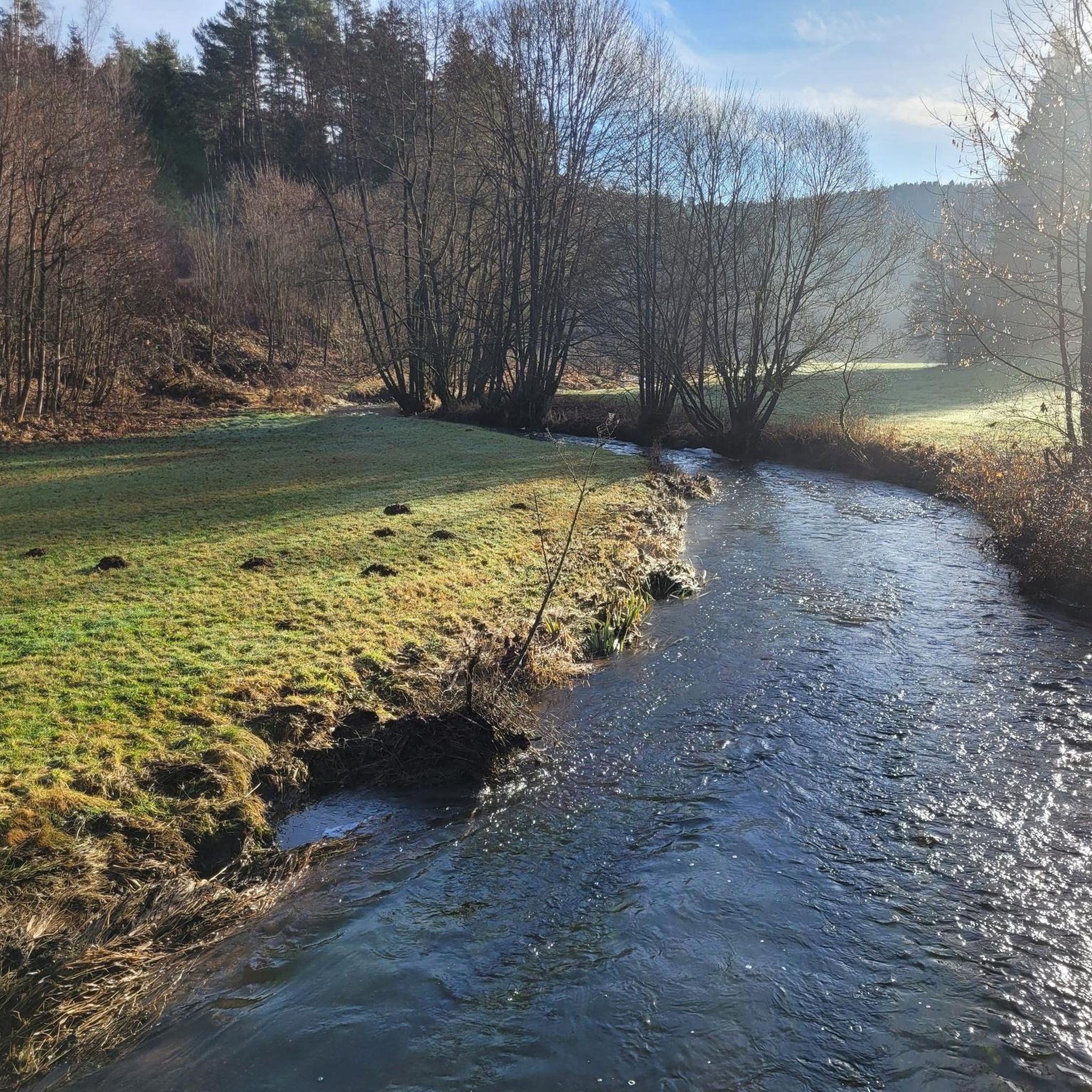
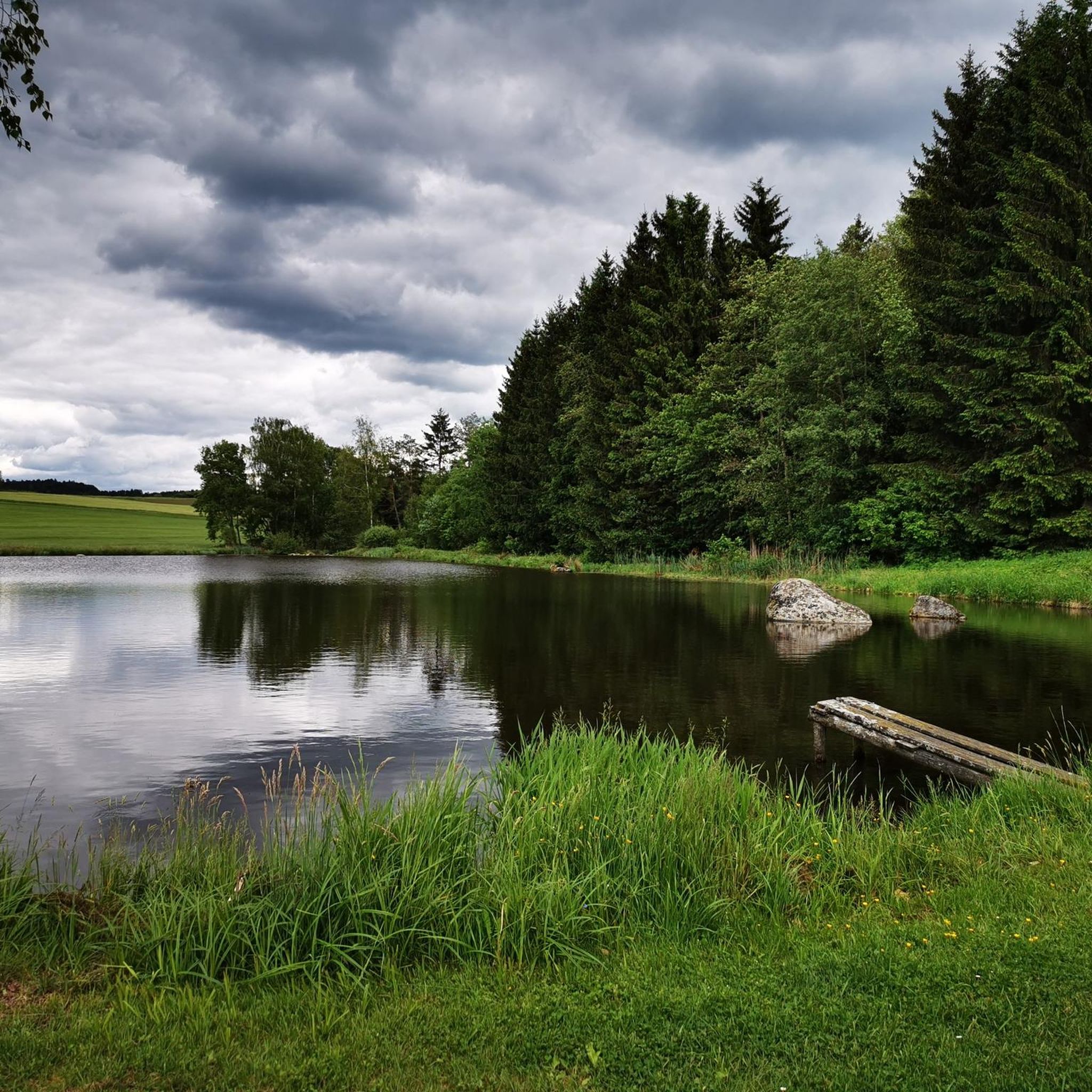
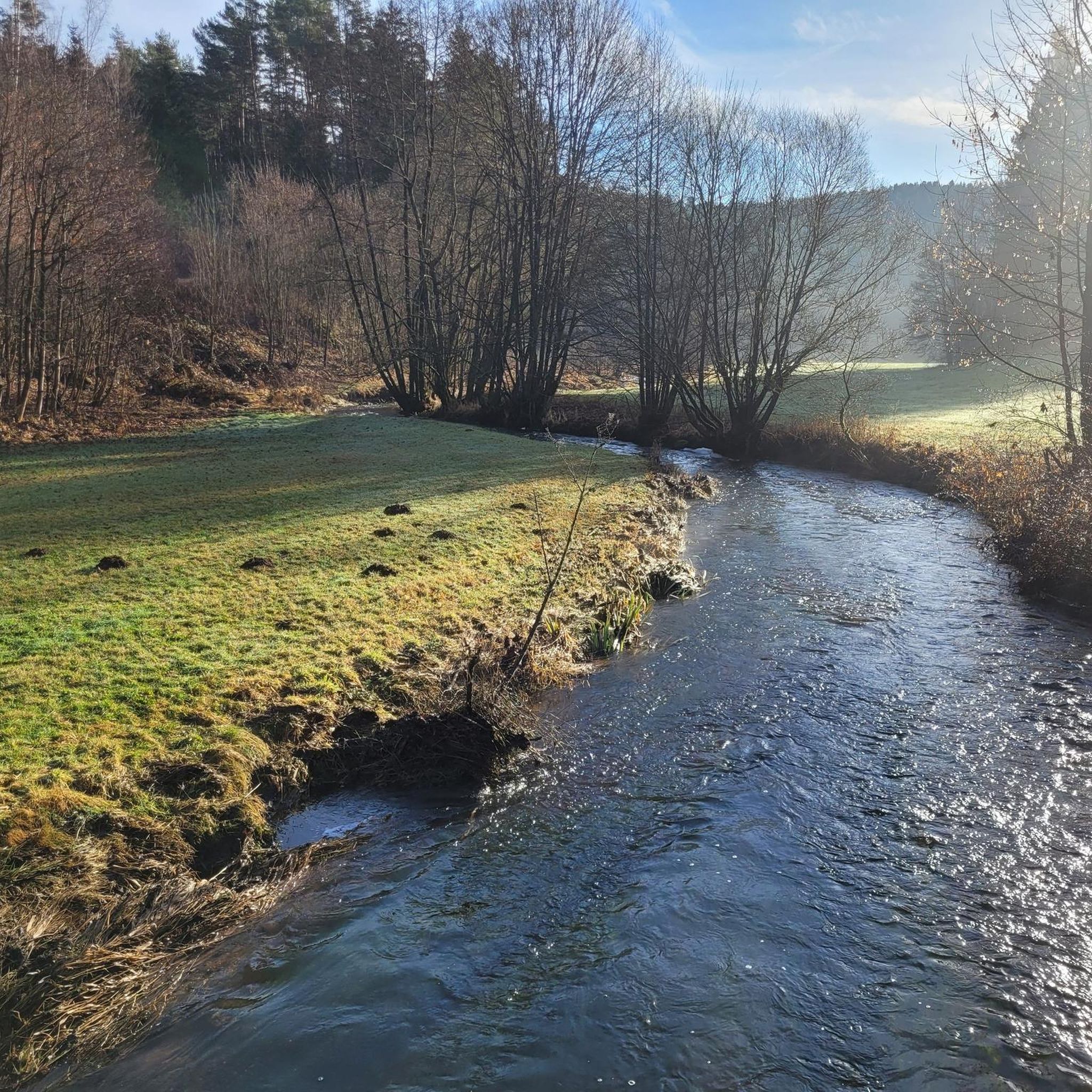
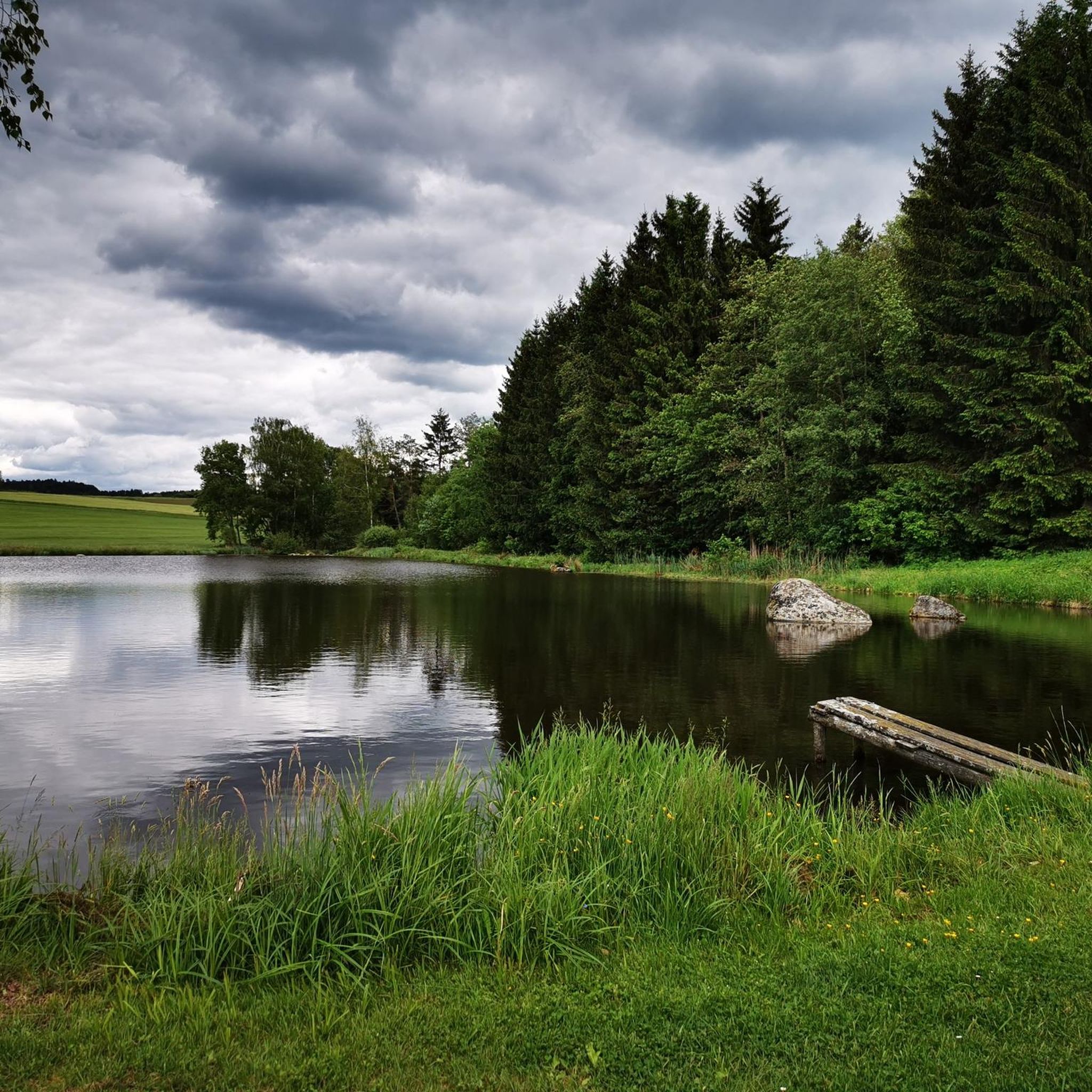

Tips from the Community

A very beautiful village fountain.
0
0

Adventurous playground near the castle.
0
0

A wonderful area with many sights
1
0

Wow, what a beautiful fountain! I could watch it for hours and enjoy all the lovely details!
0
0
A lovely little town with a special flair! I like it very much!
0
0

Pilgrimage Church of St. John Nepomuk - Johannisberg Church The pilgrimage to St. John Nepomuk at the Forst began when Pastor Florian Sigismund v. Miller from Oberviechtach built a small field chapel with a picture of John Nepomuk on the busy road from Regensburg to Bohemia in 1704. The chapel must have been very small. The pilgrimage was obviously very popular with the local population and passing traders, who donated generously to the small chapel, so that the desire to build a large pilgrimage church was soon expressed. Construction began in 1732: the farmers brought the necessary wood, stones and other materials. The church was built and fully furnished in just two years. Construction management was in the hands of unknown Electoral master masons from Amberg. Otherwise, the church as a whole is the creation of local craftsmen and artists. Spacious central building with a three-eighth choir, vaulted. The sacristy is attached to the north, with an upper floor as an oratory; they were only built in 1764/65. Nave has a flat roof with a cove. Gable turret. The stately high altar is dedicated to St. John Nepomuk. The altarpiece with the image of the church's patron saint by Matthias Pösl is flanked by two columns each; between the columns are the life-size figures of John the Baptist (left) and John the Evangelist (right). Above the altarpiece is a painting depicting God the Father, surrounded by numerous angel figures. The side altars are less elaborately designed: the left one is dedicated to the Queen of Heaven, the right one to St. Wendelin, the patron saint of cattle. The pulpit is erected on the left side of the nave, decorated with foliage and ribbon work and evangelist shields. Opposite is a high-quality, life-size wooden figure of St. John Nepomuk. The two late Gothic wooden relief figures of St. Barbara and St. Catherine are noteworthy. They appear very slim and delicate and were probably made around 1500. Where they came from and how they got to Johannesberg cannot be determined. An extensive renovation took place from 1972 to 1974. Source: Excerpts from pfarrei-oberviechtach.de/johannisberg/
2
0

From Kulz in the direction of Kulm the Drei Kreuz Weg stretches .........
1
0
Frequently Asked Questions
How many hiking trails are available around Dieterskirchen?
There are over 30 hiking trails around Dieterskirchen, offering a wide range of options for different skill levels and preferences. You'll find everything from easy strolls to more challenging, longer routes.
What kind of terrain can I expect on hikes around Dieterskirchen?
The region around Dieterskirchen is characterized by a diverse landscape, featuring a mix of gentle rolling hills and dense forests. This varied terrain ensures a dynamic and engaging hiking experience, with paths winding through woodlands and open areas.
Are there hiking trails suitable for beginners or those looking for an easy walk?
Yes, Dieterskirchen offers several easy hiking options. There are 12 routes classified as easy, perfect for a relaxed stroll. For example, the Lake in the Old Quarry – Old Quarry Prackendorf loop from Dieterskirchen is a moderate 8.3 km path that is manageable for most, exploring varied terrain including a lake within an old quarry.
Can I find trails that feature unique natural landscapes like bogs or old quarries?
Absolutely. The area is known for its distinctive natural features. You can explore the significant wetland of Prackendorfer Moor on the Information board Peat Cutting Site – Prackendorf Bog loop from Neunburg vorm Wald (VGem). Another unique experience is the Lake in the Old Quarry – Old Quarry Prackendorf loop from Dieterskirchen, which leads to a picturesque lake situated in an old quarry. The Old Quarry Prackendorf is a notable natural monument in the area.
Are there any historical sights or castle ruins to see on the trails?
Yes, many hiking routes in Dieterskirchen incorporate historical sights. The Path to Burgstall Warberg – Warberg Castle ruins and well loop from Neunburg vorm Wald (VGem) offers views of the historic Warberg Castle ruins. You can also find the Schwarzenburg Castle Ruins nearby. Additionally, the View of Obermurach Castle – Obermurach Bell Tower loop from Dieterskirchen provides glimpses of Burg Haus Murach.
Are there any challenging or longer hikes for experienced trekkers?
For experienced hikers seeking a challenge, Dieterskirchen offers 3 difficult routes. The View of Obermurach Castle – Obermurach Bell Tower loop from Dieterskirchen is a demanding 20.7 km trail with significant elevation gain. Another longer option is the Information board Peat Cutting Site – Prackendorf Bog loop from Neunburg vorm Wald (VGem), a 20.3 km route that takes around 5 hours 39 minutes to complete.
Are dogs allowed on the hiking trails around Dieterskirchen?
Generally, dogs are welcome on the hiking trails around Dieterskirchen. It's always a good idea to keep your dog on a leash, especially in nature protection areas or when passing through villages, and to be mindful of other hikers and wildlife. Please ensure you clean up after your pet.
When is the best time of year to go hiking in Dieterskirchen?
The hiking season in Dieterskirchen typically runs from spring through autumn, offering pleasant temperatures and vibrant scenery. Spring brings blooming wildflowers, while autumn showcases beautiful fall foliage. Summer is also popular, but be prepared for warmer weather. Winter hiking is possible, but some trails might be less accessible due to snow or ice.
What do other hikers say about the trails in Dieterskirchen?
The hiking routes in Dieterskirchen are highly regarded by the komoot community, with an impressive average rating of 4.4 out of 5 stars from over 300 reviews. More than 1,400 hikers have used komoot to explore the varied terrain, often praising the diverse landscapes, well-maintained paths, and the blend of natural beauty with historical sights.
Are there any lakes or reservoirs I can visit while hiking?
Yes, the region features several beautiful water bodies. The Eixendorfer Reservoir is a prominent lake in the area, offering scenic views. You can also visit the Old Quarry Prackendorf, which has a distinctive lake within it, accessible via hiking trails.
Are there many circular hiking routes in the Dieterskirchen area?
Yes, many of the hiking routes around Dieterskirchen are designed as circular walks, allowing you to start and end your journey at the same point. This is convenient for exploring the diverse landscapes and attractions without needing to arrange transport back to your starting location.
Most popular routes around Dieterskirchen
Most popular attractions around Dieterskirchen

Get inspired with the komoot mobile app


Explore more
Browse the best Hikes in other regions.
