The best mountain hikes around Blea Water
4.8
(5)
59
hikers
9
hikes
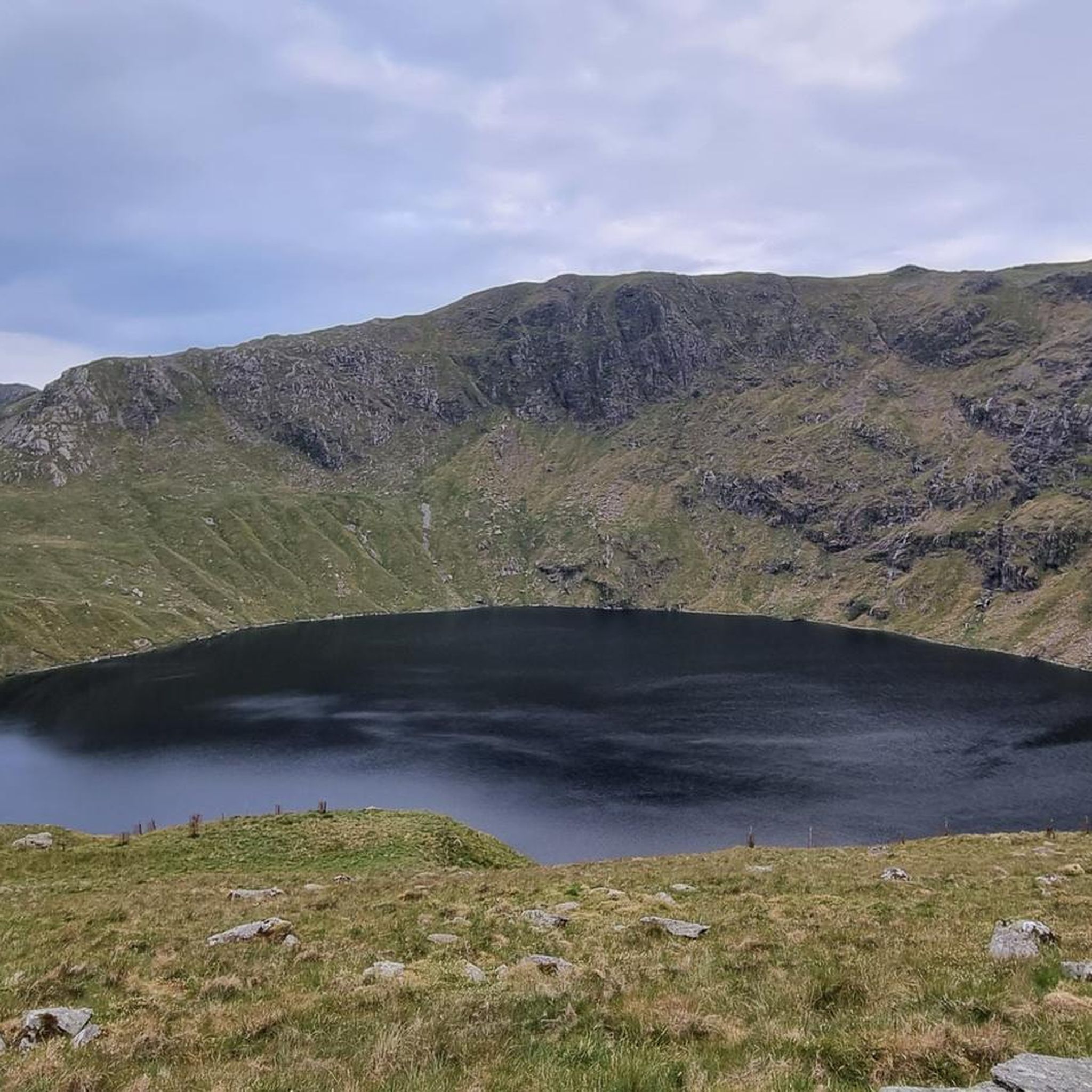
Mountaineering around Blea Water offers a range of routes through the fells of the Lake District. The terrain is characterized by elevated ridges, deep valleys, and prominent peaks, providing varied challenges for mountaineers. The region features a mix of open moorland, rocky ascents, and views over tarns and distant waters. These routes navigate through areas with significant elevation changes, typical of mountain environments.
Best mountaineering routes around Blea Water
- The most popular mountaineering route is Small Water – Mardale Ill…
Last updated: August 18, 2026
4.0
(1)
7
hikers
11.9km
04:28
680m
680m
Moderate mountaineering route. Good fitness required. Mostly accessible paths. Sure-footedness required.
5
hikers
9.27km
03:12
480m
480m
Moderate mountaineering route. Good fitness required. Easily-accessible paths. Suitable for all skill levels.

Sign up for free
4
hikers
12.3km
04:24
690m
690m
Moderate mountaineering route. Good fitness required. Mostly accessible paths. Sure-footedness required.
5.0
(1)
3
hikers
9.57km
03:18
490m
490m
Moderate mountaineering route. Good fitness required. Easily-accessible paths. Suitable for all skill levels.
1
hikers
18.6km
07:01
970m
970m
Hard mountaineering route. Very good fitness required. Mostly accessible paths. Sure-footedness required.
Get access to more routes and recommendations from other explorers.
Sign up for free
Already have an account?
Our route recommendations are based on thousands of hikes, rides, and runs completed by other people on komoot.
Start today with a free account
Your next adventure awaits.
Login or Signup
Tips from the Community

We did the loop from Hartsop over The Knott, High Street, Thornthwaite Crag and back through the Pasture Beck valley. (12 km)
0
0

Saint Sunday Crag is a super popular 841-metre Wainwright. It is a big Wainwright fell with a broad striking ridge with a cairned summit. It has sweeping views of the Helvellyn and Fairfield tops. If you come up from Patterdale, you will have a stiff climb to look forward to. Coming to it from Cofa Pike is a much more amicable affair for your legs.
0
0
Tarn Crag (664 metres or 2,178 feet) is a great little summit, especially on a sky blue day. There is a small cairn at the true summit, and then there is the marvellous "beacon". This is actually a stone survey pillar that was built in the 1930s as a sighting frame when they built the Haweswater Aqueduct. It was built in order to make sure that the underground tunnel was perfectly aligned. It is a great photo location, as there is a small photogenic pond right next to it, and the views across to Kentmere Pike are super nice.
0
0

Branstree is a 713-metre (2,339 ft) Wainwright's Top fell in the Far Eastern Lake District, known for its flat, boggy summit, minute stone cairn and floor-level circular concrete trig station. It looks like the purists have had a go at the cairn because only the trig station is left. You won't get the best views from this point, but you will soon get them coming off the top down over Haweswater.
0
0
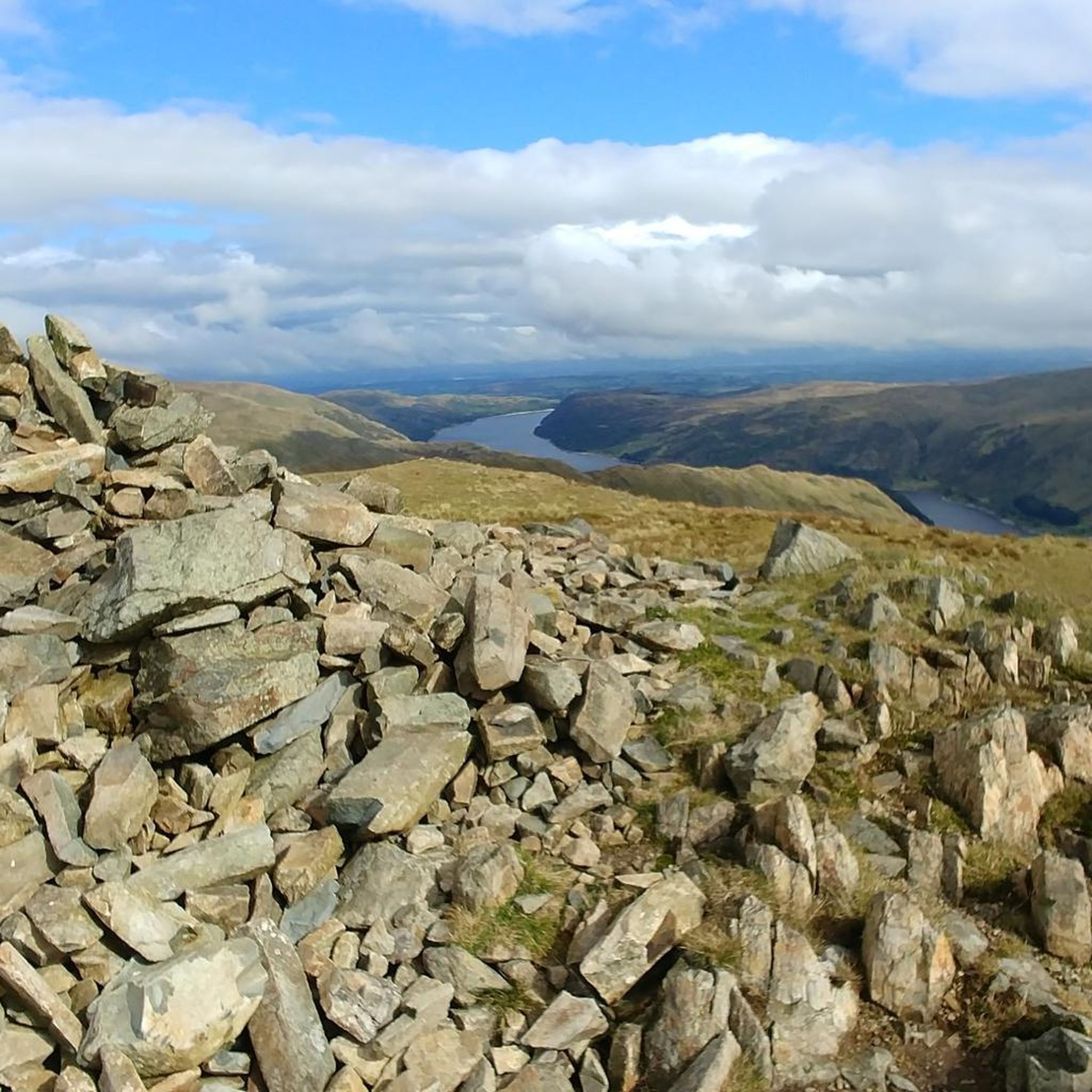
Mardale III Bell is a 760-metre (2,490 ft) Wainwright summit that sits just in between High Street and Harter Fell. It makes for a good vantage point to look down at Haweswater, and it has a small stone cairn on its broad top. It can be walked in a number of ways, including the Kentmere Horseshoe or the Mardale Loop, both excellent walks.
0
0
The trig-pointed summit of High Street is a broad, flat plateau rather than a dramatic, sharp peak or cliff edge as is common in the Lake District. It is a super good place for a rest break, as there are nearby stone walls for a windbreak. While barren, it has good views of the surrounding fells.
0
0
The trig-pointed summit of High Street is a broad, flat plateau rather than a dramatic, sharp peak or cliff edge as is common in the Lake District. It is a super good place for a rest break, as there are nearby stone walls for a windbreak. While barren, it has good views of the surrounding fells.
0
0
Frequently Asked Questions
What is the general difficulty level of mountaineering routes around Blea Water?
The mountaineering routes around Blea Water offer a mix of challenges. You'll find both moderate and difficult options, catering to various experience levels. The terrain typically involves significant elevation changes, rocky ascents, and open fell walking.
Are there any circular mountaineering routes available near Blea Water?
Yes, several routes are designed as loops, allowing you to start and finish in the same location. For example, the Small Water – Mardale Ill Bell loop from Branstree is a popular moderate option, and the Branstree – Selside Pike loop from Branstree also offers a rewarding circular experience.
How long do the mountaineering routes around Blea Water typically take to complete?
The duration varies depending on the route's length and difficulty. For instance, the moderate Grey Crag – Tarn Crag loop from Longsleddale can be completed in about 3 hours 14 minutes, while more challenging routes like the St Sunday Crag – Grisedale Valley loop from Patterdale might take around 5 hours 27 minutes.
What are the best times of year for mountaineering in the Blea Water area?
The best time for mountaineering around Blea Water is generally from late spring through early autumn (May to October) when the weather is more stable and daylight hours are longer. However, conditions in the Lake District can change rapidly, so always be prepared for all types of weather, even in summer.
What should I wear for mountaineering around Blea Water?
Given the varied and often exposed terrain, it's essential to wear appropriate gear. This includes sturdy, waterproof hiking boots, layered clothing (including waterproof and windproof outer layers), and a hat and gloves, even in milder weather. Always carry extra layers and protection from the elements.
Are there any advanced or more challenging mountaineering routes near Blea Water?
Yes, for experienced mountaineers seeking a greater challenge, routes like the View of Red Tarn – Helvellyn Summit loop from Patterdale offer significant elevation gain and demanding terrain. These routes are classified as difficult and require good fitness and navigational skills.
What are the conditions like for winter mountaineering around Blea Water?
Winter mountaineering in the Blea Water area can be very challenging and should only be attempted by experienced individuals with appropriate winter gear and skills. Expect snow, ice, strong winds, and significantly shorter daylight hours. Navigation becomes much harder, and avalanche risk can be present on steeper slopes.
Where can I park when visiting Blea Water for mountaineering?
Parking options vary depending on your chosen starting point. Many routes begin from small villages or designated car parks within the Lake District National Park. It's advisable to arrive early, especially during peak season, as parking can be limited. Always park responsibly and consider local residents.
Do I need a permit to go mountaineering in the Blea Water region?
No, you do not typically need a permit for general mountaineering or hiking on public rights of way in the Lake District National Park, including the Blea Water area. However, always respect private land and follow the Countryside Code.
Are there any less crowded mountaineering routes around Blea Water?
While some routes are more popular, exploring options slightly off the main trails can offer a quieter experience. Consider routes that venture into less frequented fells, or plan your visit during off-peak times or weekdays to encounter fewer people.
What do other mountaineers enjoy most about the routes around Blea Water?
The area is highly rated by the komoot community, with an average score of 4.8 stars. Reviewers often praise the expansive ridge walks, the challenging ascents, and the stunning views over remote tarns and the wider Lake District landscape.
Most popular routes around Blea Water

Get inspired with the komoot mobile app


Explore more
Browse the best Mountain Hikes & Routes in other regions.
