The best cycling routes around Friedberger Baggersee
4.5
(5919)
46,430
riders
1,094
rides
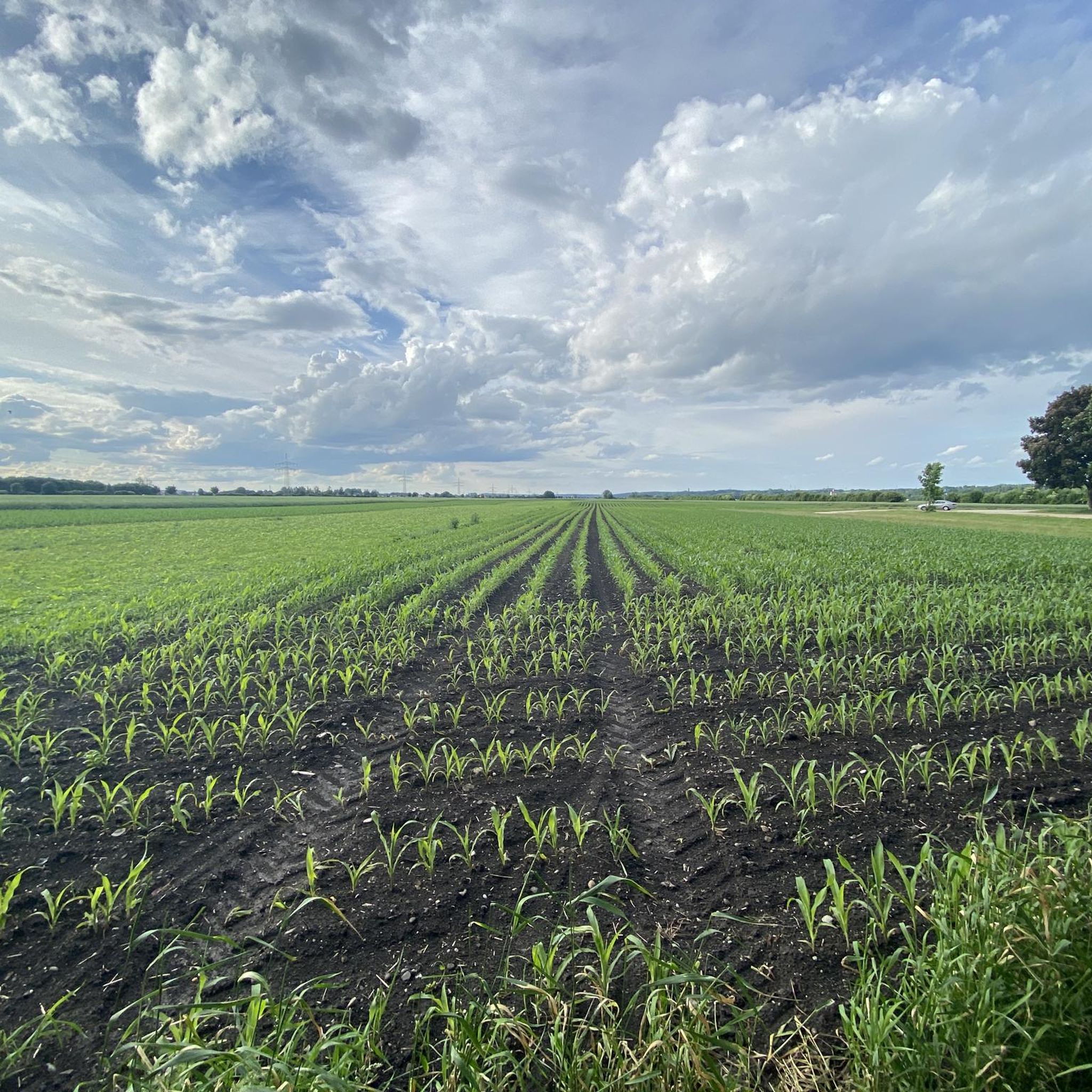
Touring cycling around Friedberger Baggersee offers a diverse landscape for riders, situated between Augsburg-Hochzoll and Friedberg in Bavaria, Germany. The region is characterized by the central Friedberger Baggersee, a groundwater-fed lake, and numerous other gravel pit lakes in the vicinity. Cycling routes traverse varied terrain, including flat paths along the Lech river, green meadows, and gentle hills, providing options for different skill levels. The area combines natural waterside scenery with access to the historical town of Friedberg.
Best touring cycling…
Last updated: August 23, 2026
4.7
(3)
27
riders
11.4km
00:45
30m
30m
Easy bike ride. Great for any fitness level. Mostly paved surfaces. Suitable for all skill levels.
13
riders
17.9km
01:02
40m
40m
Easy bike ride. Great for any fitness level. Mostly paved surfaces. Suitable for all skill levels.

Sign up for free
4.0
(2)
15
riders
14.7km
00:55
40m
40m
Easy bike ride. Great for any fitness level. Mostly paved surfaces. Suitable for all skill levels.
11
riders
26.6km
01:36
150m
150m
Moderate bike ride. Good fitness required. Mostly paved surfaces. Suitable for all skill levels.
9
riders
7.28km
00:28
40m
40m
Easy bike ride. Great for any fitness level. Mostly paved surfaces. Suitable for all skill levels.
Get access to more routes and recommendations from other explorers.
Sign up for free
Already have an account?
Our route recommendations are based on thousands of hikes, rides, and runs completed by other people on komoot.
Start today with a free account
Your next adventure awaits.
Login or Signup
Tips from the Community

Lunch at Zieglerbräu can be enjoyed with a view of the town hall and fountain.
0
0

The present church stands on a site that already featured several church buildings between the 8th and 15th centuries. These originated from pilgrimages to venerate Saint Afra (d. 304). Bishop Ulrich of Augsburg was buried near Afra's shrine in 973. Since 1012, the holy site has been cared for by the Benedictine monastery of St. Ulrich and Afra in Augsburg. The lower church, containing the crypts of Saints Ulrich and Afra, was designed in 1962. St. Ulrich and Afra is a steep, three-aisled brick basilica with a transept and a long, east-facing chancel. Since 1594, the 93-meter-high onion dome of the Catholic basilica has been visible from the Swabian countryside. Only this structure—also known as the Afra Tower—on the north side of the nave was ever built. A planned tower on the south side was never constructed due to lack of funds. The parish house of the Catholic community adjoins the church on the northeast side. On the southeast side is a private green space containing the remains of the St. Godehard Chapel, dating from the Merovingian and pre-Romanesque periods. Adjoining the south side of the basilica are the modern buildings of the Haus Sankt Ulrich conference hotel, belonging to the Diocese of Augsburg. It was built between 1971 and 1974 as an educational and pastoral care center, designed by the Munich architect Alexander Freiherr von Branca in the postmodern style. From 2006 to 2009, it was renovated and redesigned, transforming it into a conference hotel and convention center according to plans by the Munich architectural firm Blum Architekten. The west side of the church is also surrounded by buildings. Outside the nave, the ensemble with the Protestant St. Ulrich Church is impressive, a popular subject for photographs, and symbolizes Augsburg's parity. (https://bistum-augsburg.de/Glaube-und-Lehre/Wallfahrten/Wallfahrtsorte-und-Gebetsstaetten/Bildergalerien/Augsburg-Basilika-St.-Ulrich-u.-Afra)
1
0

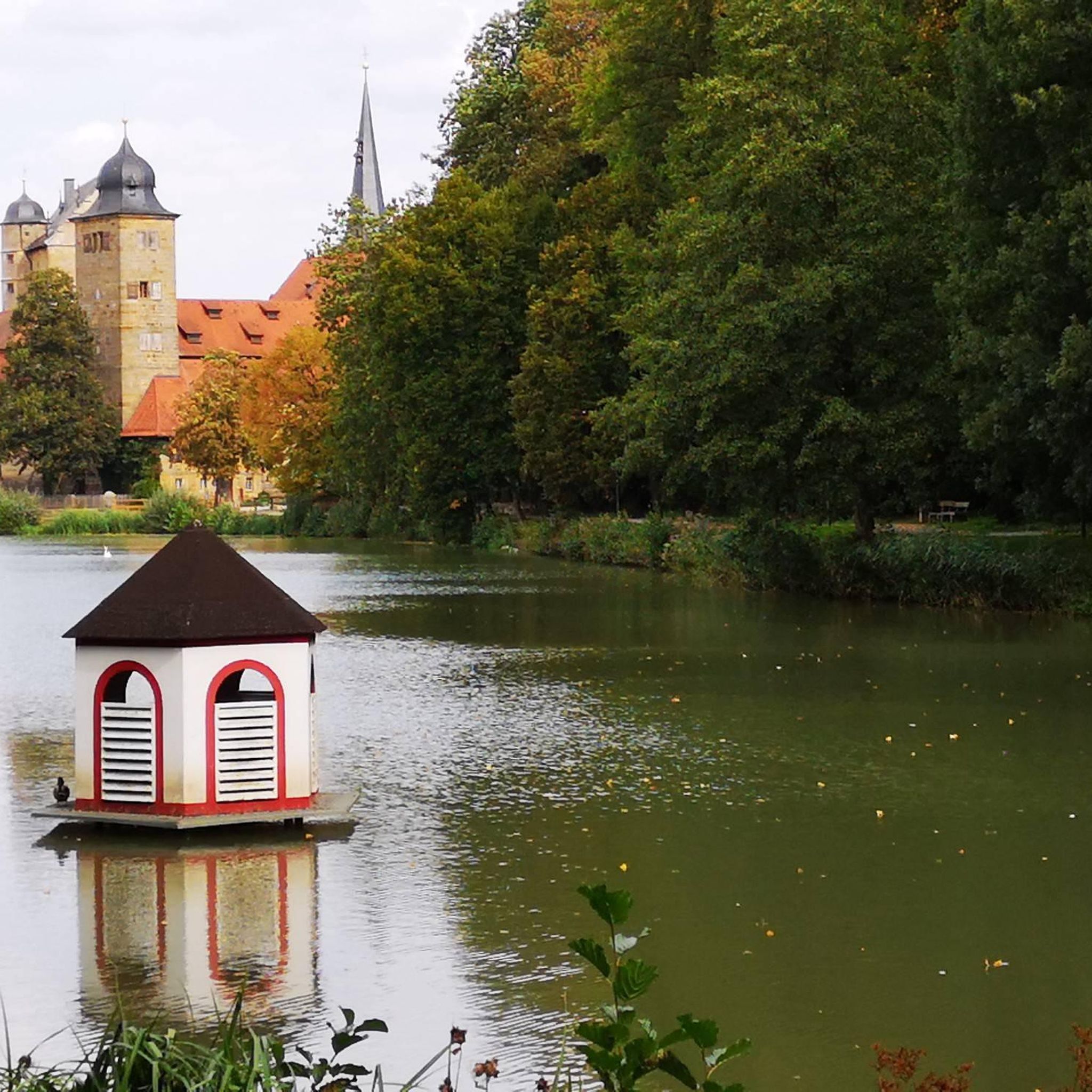
A country inn with delicious food and very friendly service! The dining room leads to the small beer garden. Information on opening hours and menu: http://gasthof-zum-schloss.eatbu.com/
0
0

View of the Beautiful Basilica
0
0

Augsburg offers four competition courses nestled in natural surroundings. The courses range in difficulty from beginners to international professional levels. The courses branch into two branches: the Jugendkanal (Youth Canal), which continues toward the city center, and the Olympic course "Eiskanal" (Ice Canal), which flows into the Lech River at its end.
0
0

Hall church from 1641, dating back to a predecessor church from 1470. Square north tower with pointed roof
0
0

A beautiful corner of Marienplatz. From the cozy and shady places to stop for refreshments, you have a great view of the wonderful town hall and the Marienbrunnen fountain.
2
0

Frequently Asked Questions
How many touring cycling routes are available around Friedberger Baggersee?
There are over 1100 touring cycling routes around Friedberger Baggersee. This extensive network offers options for various skill levels, from easy, flat paths to more moderate routes with gentle climbs.
What types of terrain can I expect on touring cycling routes in the Friedberger Baggersee area?
The region offers diverse terrain, including flat paths along the Lech river, green meadows, and gentle hills. You'll find routes that traverse picturesque natural settings, charming village paths, and serene waterside landscapes around the various gravel pit lakes.
Are there easy touring cycling routes suitable for beginners or leisurely rides?
Yes, the Friedberger Baggersee area has over 640 easy touring cycling routes. An example is the Lechleite – View of Friedberg loop from Friedberg, which is 7.1 miles long and offers pleasant views of the historic town.
What are some notable landmarks or attractions I can see while cycling around Friedberger Baggersee?
Beyond the beautiful Friedberger Baggersee itself, you can explore the historic town of Friedberg with its baroque town hall and medieval heritage. Routes like the Jakobertor, Augsburg – Hercules Fountain loop from Friedberg connect to landmarks in Augsburg, offering a mix of urban and natural scenery. The North Shore of Friedberger Baggersee is also a popular spot.
Are there any circular touring cycling routes around Friedberger Baggersee?
Yes, many routes in the area are circular. For instance, the Friedberg Town Hall – Marian Fountain, Friedberg loop from Hochzoll Nord is a 16-mile loop that takes you through the town of Friedberg. The region is known for its circuits directly around the lake and longer tours like the '7-Seen Rad-Rundtour' which incorporates multiple lakes.
What do other touring cyclists say about their experience in Friedberger Baggersee?
The area is highly rated by the komoot community, with an average score of 4.5 stars from over 5000 reviews. Touring cyclists often praise the diverse landscape, the well-maintained paths, and the combination of natural beauty with cultural sights like the town of Friedberg.
Are there family-friendly touring cycling routes in the Friedberger Baggersee region?
Yes, the region offers many easy, flat paths suitable for families. The routes directly around Friedberger Baggersee are generally accessible and provide a pleasant experience. The lake itself has amenities like playgrounds and a children's beach, making it a great destination for a family outing combined with cycling.
Can I find places to eat or drink along the cycling routes near Friedberger Baggersee?
Yes, the Friedberger Baggersee area is well-equipped with recreational amenities. You'll find restaurants with lakeside terraces and kiosks around the lake, providing opportunities for refreshments and meals during your ride. Many of the surrounding 'Baggerseen' also feature eateries.
What is the best season for touring cycling around Friedberger Baggersee?
The region is enjoyable for touring cycling throughout the warmer months, typically from spring to autumn. The pleasant riding experience along the Lech river and around the lakes is best appreciated when the weather is mild, allowing for comfortable exploration of the green landscapes and waterside scenery.
Are there touring cycling routes that connect to other lakes in the area?
Absolutely. The region is characterized by multiple 'Baggerseen' (gravel pit lakes) in the vicinity, such as Derchinger Baggersee, Autobahnsee, and the Afraseen. Routes like the '7-Seen Rad-Rundtour' are designed to connect several of these lakes, offering a unique waterside landscape to explore by bike.
Are there any routes that offer views of the Lech river?
Yes, many cycling routes in the broader Friedberg area extend along the Lech river. These paths are known for their flat terrain and provide scenic views of the riverine landscapes, offering a different kind of natural beauty compared to the lakes.
What is the difficulty level of the touring cycling routes in this area?
The routes around Friedberger Baggersee cater to various abilities. Over 640 routes are classified as easy, 326 as moderate, and 148 as difficult. This means you can find everything from leisurely, flat rides to more challenging routes with varied topography and gentle climbs.
Most popular routes around Friedberger Baggersee
Most popular attractions around Friedberger Baggersee

Get inspired with the komoot mobile app


Explore more
Browse the best Cycling routes in other regions.
