The best road cycling routes around Zermützelsee
4.6
(148)
1,379
riders
6
rides
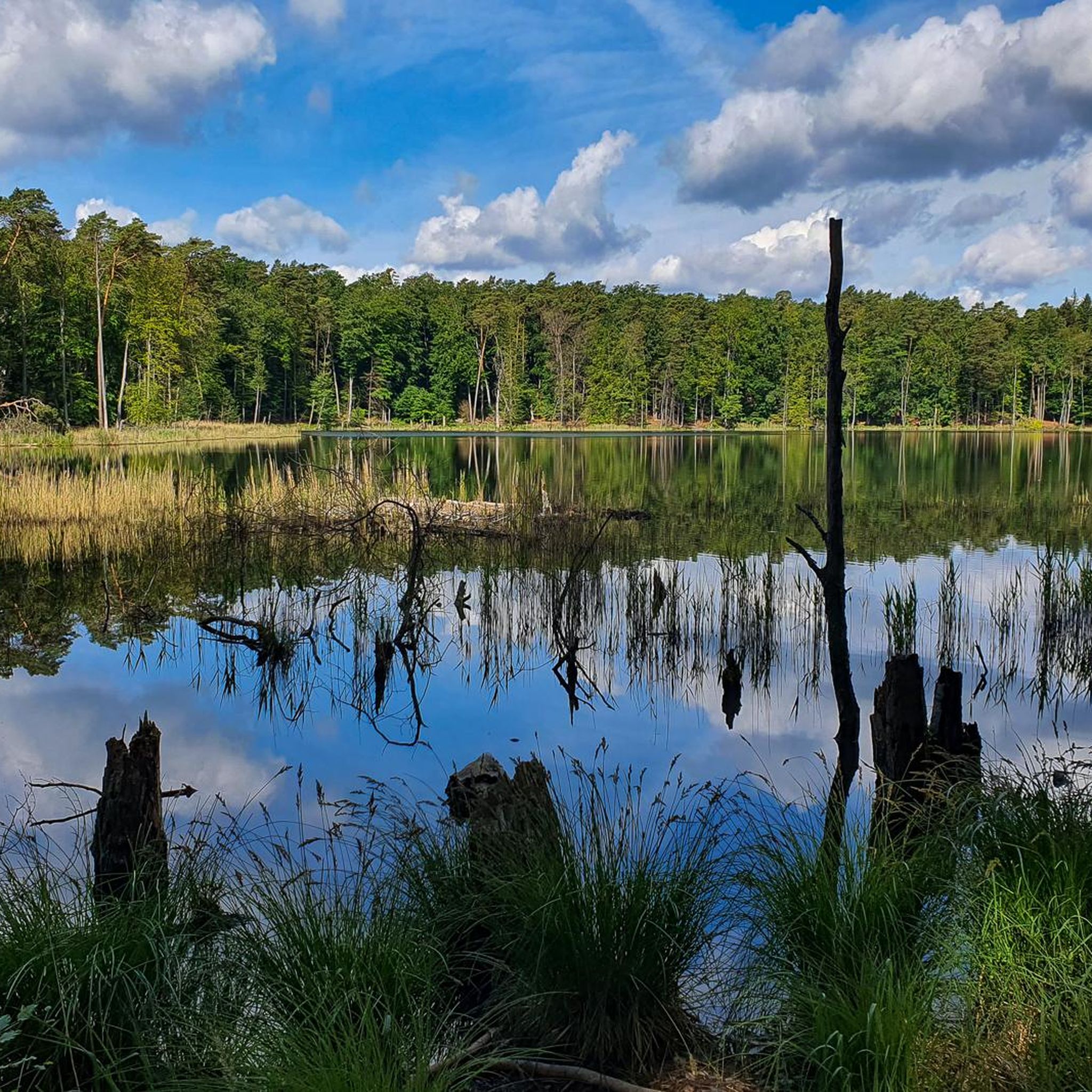
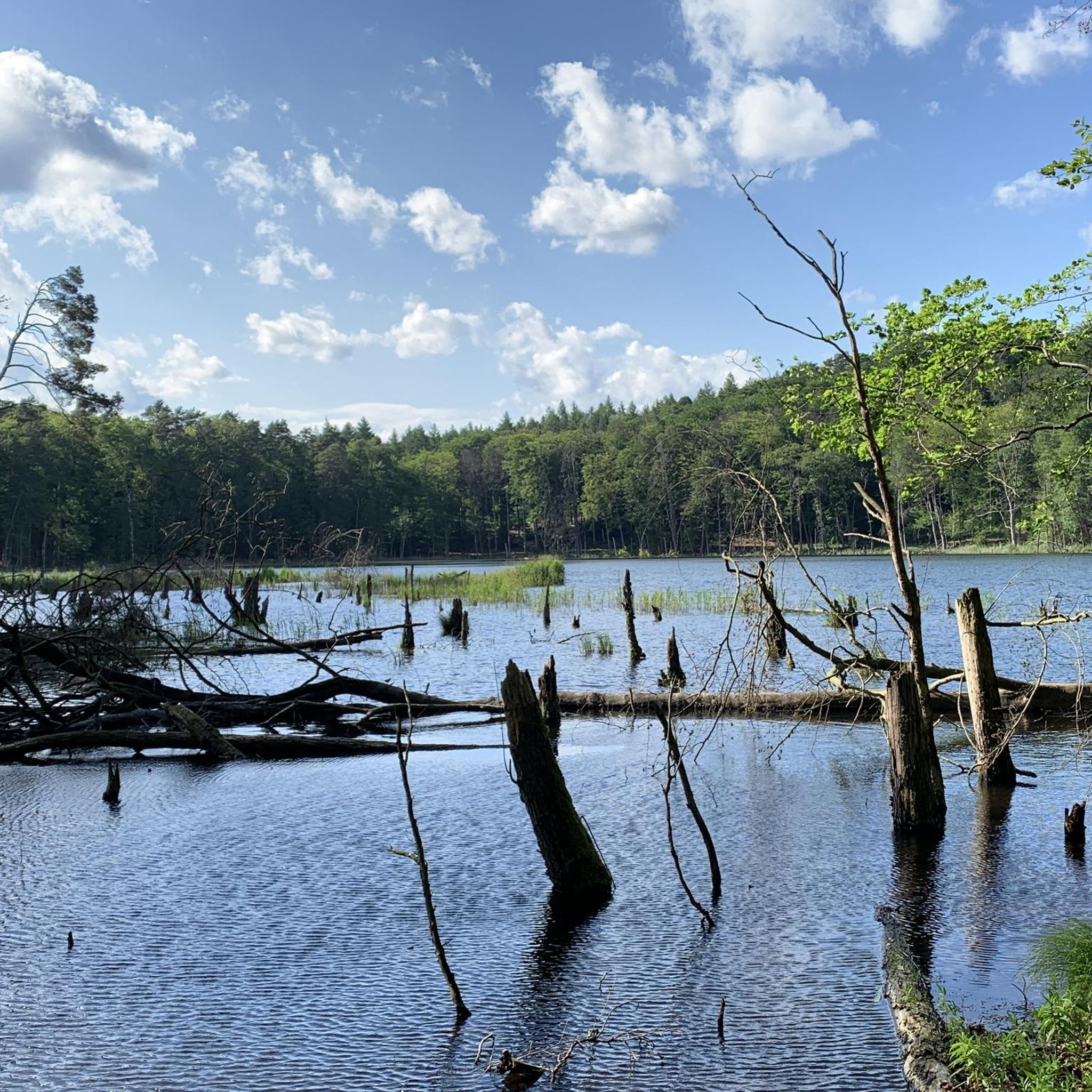
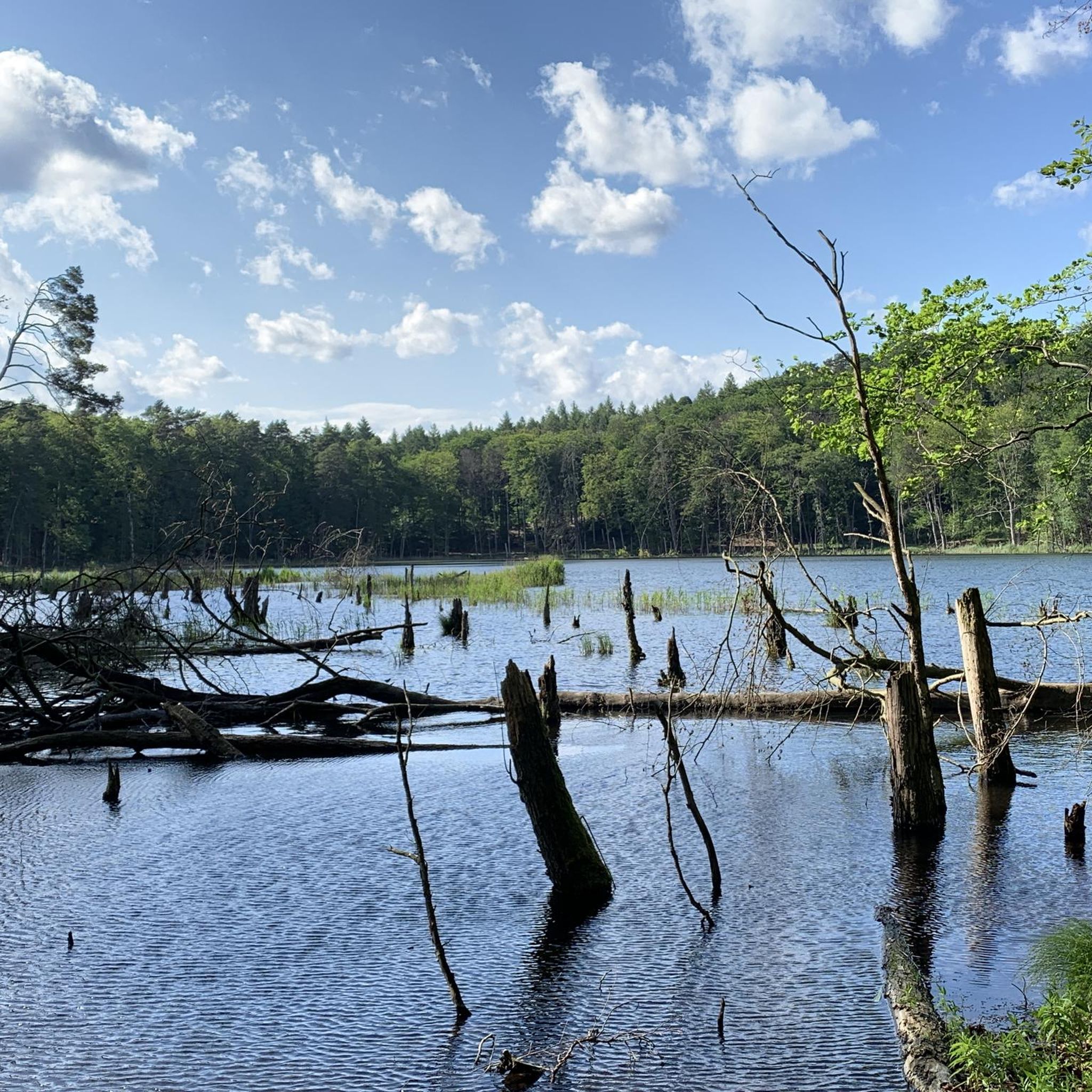
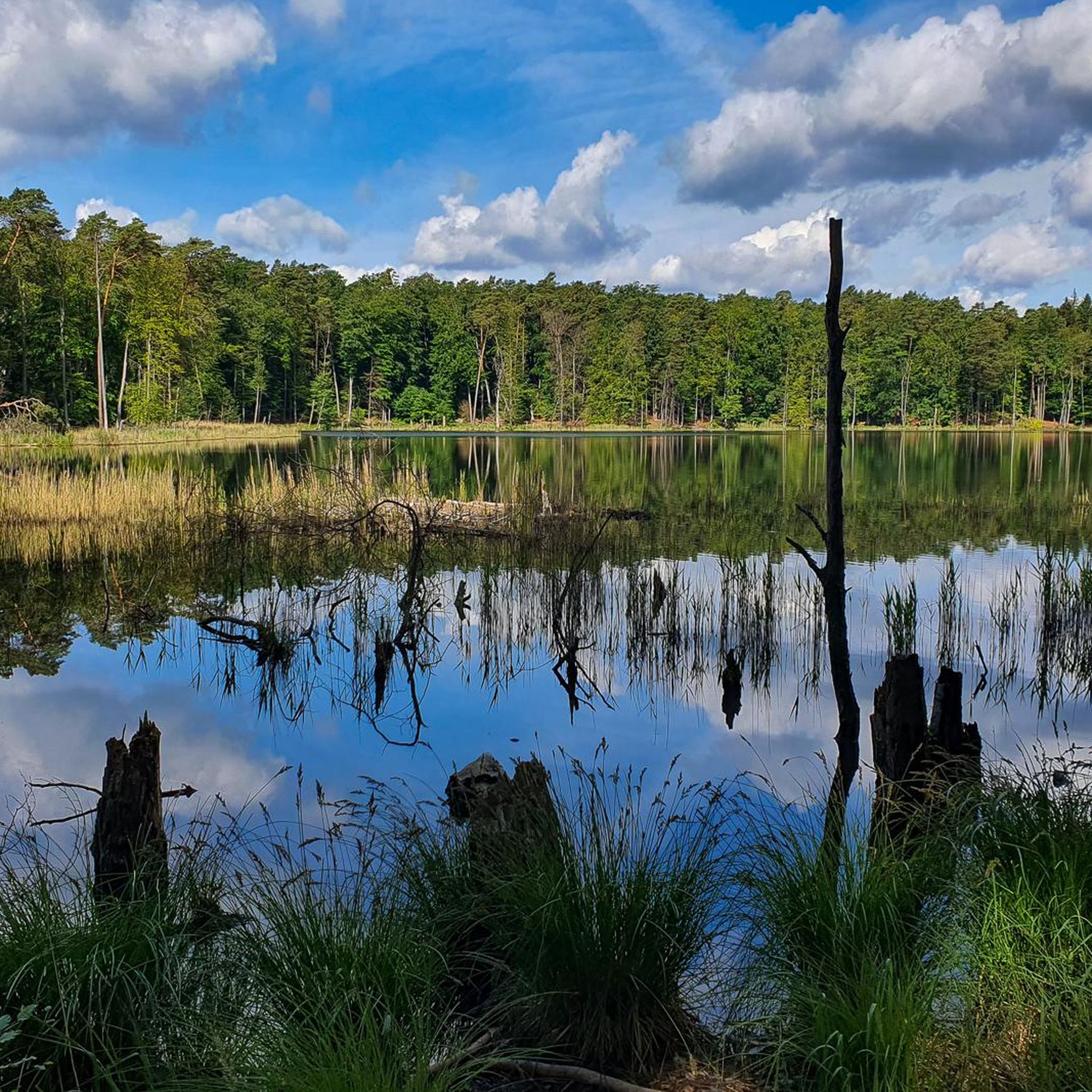
Road cycling around Zermützelsee is characterized by its location within the Ruppiner Schweiz, offering a landscape of rolling hills, mixed forests, and numerous lakes. The region features both flat and gently hilly sections, providing varied terrain for cyclists. Routes often traverse through shaded forests, past tranquil lakes, and along the Rhin River, which flows through the Zermützelsee itself. This area provides diverse natural features suitable for road cycling.
Best road cycling routes around Zermützelsee
- The most popular road cycling route…
Last updated: July 12, 2026
5
riders
19.6km
00:50
100m
100m
Moderate road ride. Great for any fitness level. Some segments of this route may be unpaved and difficult to ride.
5.0
(2)
25
riders
54.9km
02:20
240m
240m
Moderate road ride. Good fitness required. Some segments of this route may be unpaved and difficult to ride.

Sign up for free
8
riders
35.4km
01:25
170m
170m
Moderate road ride. Great for any fitness level. Some segments of this route may be unpaved and difficult to ride.
5.0
(1)
7
riders
41.4km
01:44
190m
190m
Easy road ride. Great for any fitness level. Mostly well-paved surfaces and easy to ride.
4.1
(14)
98
riders
39.8km
01:39
140m
140m
Moderate road ride. Great for any fitness level. Some segments of this route may be unpaved and difficult to ride.
Our route recommendations are based on thousands of hikes, rides, and runs completed by other people on komoot.
Start today with a free account
Your next adventure awaits.
Login or Signup
Tips from the Community

Great cycle path. Nicely wide and with a good surface.
0
0
Good cycle path. Those who want to make faster progress can switch to the little-used road.
0
0

Fantastic section, absolute highlight of any tour.
0
0
Section rode wonderfully. Increased visibility due to the railway embankment. Dreamlike.
0
0

Very poor road surface for road bikes! Deep potholes and many patches. Best to avoid it! Not recommended.
1
0

The St. George Hospital Chapel was first mentioned in 1362 and is the oldest half-timbered building in the city. The single-nave brick chapel, which was replaced by a half-timbered structure after 1450, acquired its present appearance following repeated repairs and, in particular, after the repair and re-walling in 1818. As of 2023, it belongs to the city-owned Neuruppin Housing Association, after the city of Neuruppin took it over from the dissolved foundation. You can find it at Straße des Friedens 8 in 16816 Neuruppin. https://www.goruma.de/staedte/neuruppin/neuruppin-sehenswuerdigkeiten
2
0
Even from afar, the landmark of the Fontane city of Neuruppin greets you – the St. Trinitatis Monastery Church on Lake Ruppin with its twin towers. In 1246, Gebhard von Arnstein founded a Dominican monastery here – the first Dominican monastery in what would later become the Margraviate of Brandenburg. Construction of the church began at the same time, and it was later expanded with the addition of a hall church. In 1517, the monastery lost its function due to the Reformation and was demolished. The church, however, survived and was extensively restored between 1836 and 1841 according to the plans of the architect Karl Friedrich Schinkel. The approximately 63-meter-high towers were added in 1907 and can be climbed during a night hike. Right next to the city wall, between the church and Lake Ruppin, stands the over 700-year-old Wichmann Linden tree. Legend has it that Father Wichmann, the first prior of the Dominican monastery, is buried here with a treasure. https://www.tourismus-neuruppin.de/kultur-erleben-neuruppin/sehenswertes-neuruppin/112-klosterkirche-st-trinitatis-wichmannlinde-neuruppin
2
0
The restored parish church of St. Mary now stands where the town's main church once stood. The former 13th-century church fell victim to the devastating town fire of 1787. Philipp Bernard Francois Berson built a transverse hall church on the same site between 1801 and 1806. The consecration of the church also marked the completion of Neuruppin's reconstruction. After extensive reconstruction at the end of the 20th century, the church reopened in 2002 as the cultural and conference center for the Fontane town of Neuruppin. The tower of the former church now offers a magnificent view of the town and a permanent exhibition on the town fire and reconstruction. https://www.tourismus-neuruppin.de/kultur-erleben-neuruppin/sehenswertes-neuruppin/115-kulturkirche-pfarrkirche-st-marien-neuruppin
2
0
Frequently Asked Questions
How many road cycling routes are available around Zermützelsee?
There are 6 road cycling routes around Zermützelsee listed on komoot. These include 1 easy route and 5 moderate routes, offering a range of options for different fitness levels.
What is the terrain like for road cycling in the Zermützelsee region?
The Zermützelsee region, part of the Ruppiner Schweiz, features a diverse landscape of rolling hills, mixed forests, and numerous lakes. Cyclists can expect both flat sections and gently hilly terrain, with routes often traversing through shaded forests and past tranquil lakes like the Teufelssee and Kellenseen. The Rhin River also flows through the area, adding to the scenic variety.
What do other cyclists say about road cycling around Zermützelsee?
The area is highly rated by the komoot community, with an average score of 4.6 stars. Over 1,200 road cyclists have explored the varied terrain, often praising the picturesque landscapes, the tranquility of the lakes, and the well-maintained paths through the forests.
Are there any interesting landmarks or viewpoints to see while cycling near Zermützelsee?
Yes, several points of interest enhance the cycling experience. You can enjoy views from the Bridge over the Rhin between Stendenitz and Zermützel, or stop at the Waldschenke Stendenitz, a restaurant with a boat and swimming area. Other notable spots include the Zermützel Bathing Area and various viewpoints offering perspectives of Lake Zermützel and its surroundings.
Where can I find places to rest or eat along the cycling routes?
The Waldschenke Stendenitz is a popular and convenient stop directly by the lake, offering refreshments and a pleasant atmosphere. The historic inn Boltenmühle is also a well-known destination on some routes, providing a place to recover and enjoy the surroundings. Additionally, the wider Ruppiner Seenland region has various cafes, pubs, and accommodation options.
Are there parking options for cyclists near Zermützelsee?
While specific dedicated cyclist parking areas are not detailed, the region around Zermützelsee, particularly near popular starting points for routes like Braunsberg or Zermützel, typically offers general parking facilities. It's advisable to check local signage upon arrival for the most current parking information.
Can I reach the Zermützelsee cycling routes using public transport with my bike?
Public transport options in the Ruppiner Seenland region may allow for bike transport, especially on regional trains or buses. However, policies can vary, and it's recommended to check with local transport providers regarding bike carriage rules and availability before planning your trip.
Are there any family-friendly road cycling routes around Zermützelsee?
Yes, the region offers routes suitable for families. The Molchow Bridge – Zippelsförde Fish Farm loop from Braunsberg is an easy route that could be a good option for families, featuring mostly paved sections and gentle elevation changes. The overall landscape with its flat and gently hilly sections is generally accommodating for various fitness levels.
Are there road cycling routes that are suitable for dogs around Zermützelsee?
While road cycling routes themselves are generally open, the suitability for dogs depends on individual dog's fitness and local regulations regarding dogs on paths and in natural areas. Many routes pass through mixed forests and along lakes, which can be pleasant for dogs on a leash. Always ensure your dog is comfortable with the distance and terrain, and respect local rules for pets in public spaces.
Are there circular road cycling routes around Zermützelsee?
Yes, many of the road cycling routes around Zermützelsee are designed as loops. For instance, the Molchow Bridge – Kellen Lakes loop from Zermützel and the Roadbike loop from Braunsberg are excellent examples of circular routes that allow you to start and end at the same point, exploring the diverse landscapes without retracing your steps.
What kind of elevation gain can I expect on road cycling routes here?
The Zermützelsee region, part of the Ruppiner Schweiz, features a mix of flat and gently hilly sections. While some routes are relatively flat, others can offer moderate elevation gains. For example, the Rheinsberg Palace – Altruppin Canal loop from Braunsberg includes approximately 243 meters (around 800 feet) of ascent over its 55 km distance, providing a good workout without overly steep climbs.
What is the best time of year for road cycling around Zermützelsee?
The spring, summer, and early autumn months generally offer the most pleasant conditions for road cycling around Zermützelsee. During these seasons, the weather is typically mild, and the natural landscapes are at their most vibrant. Summer provides longer daylight hours, while spring and autumn offer cooler temperatures and beautiful foliage, making for very scenic rides.
Most popular routes around Zermützelsee
Most popular attractions around Zermützelsee

Get inspired with the komoot mobile app


Explore more
Browse the best Road cycling routes in other regions.
