Attractions and Places To See around Manila - Top 15
Best attractions and places to see around Manila offer a diverse range of experiences. The region provides a variety of historical sites, natural areas, and cultural institutions. Visitors can explore urban parks, significant landmarks, and unique natural features. Manila is a destination where 3 hidden gems are waiting to be explored.
Best attractions and places to see around Manila
- The most popular attractions is Pink Lady Villa & Historic Carson Mansion, a historical site that showcases historic wooden villas…
Last updated: May 5, 2026
Pink Lady Villa & Historic Carson Mansion
Highlight • Historical Site
Tip by

Arcata Plaza
Highlight • Settlement
Charming shops selling locally handcrafted goods, sporting goods, boutiques, and restaurants line the Plaza and the streets beyond.
Translated by Google •
Tip by

Sign up now to discover places like this
Get recommendations on the best single tracks, peaks, & plenty of other exciting outdoor places.
Sign up for free
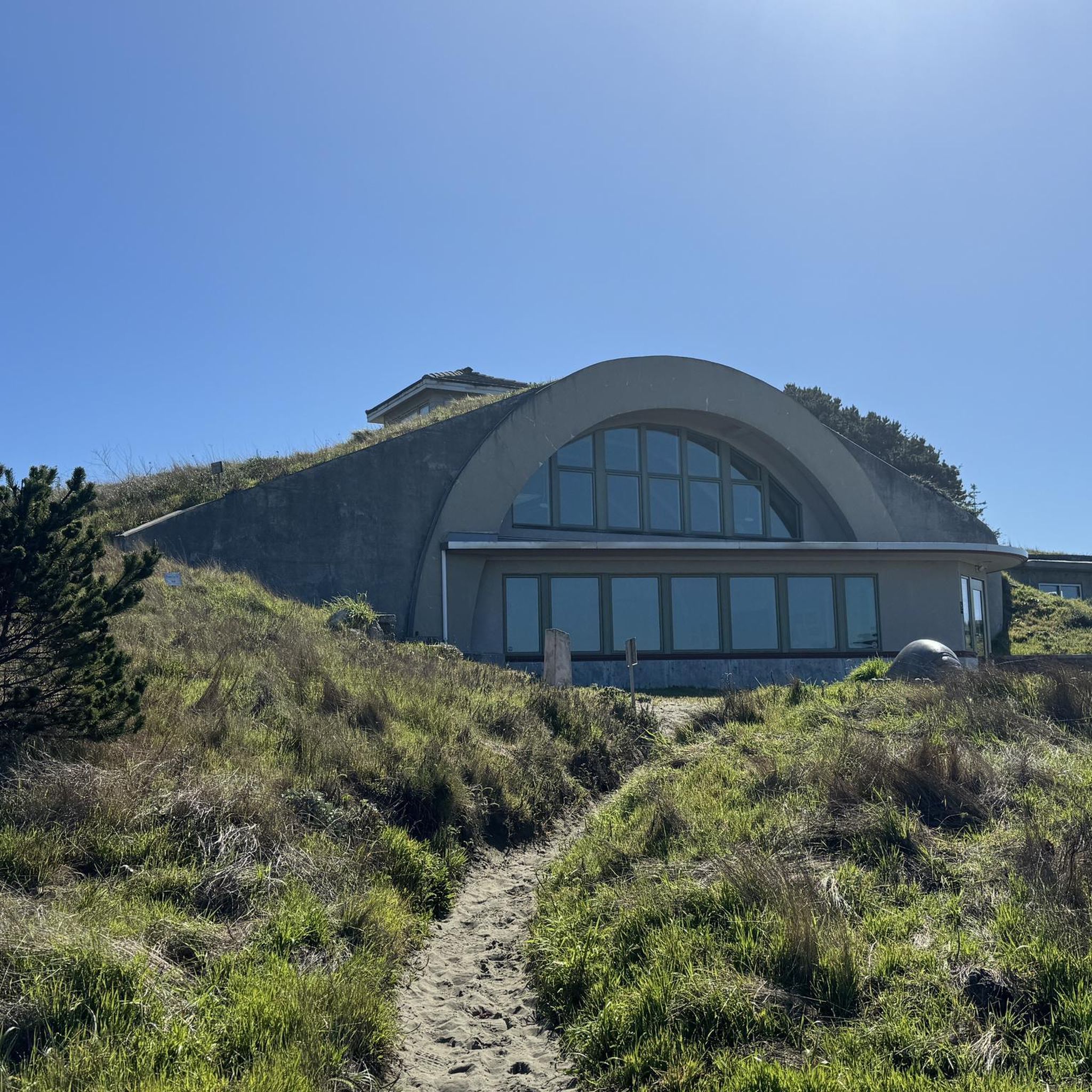
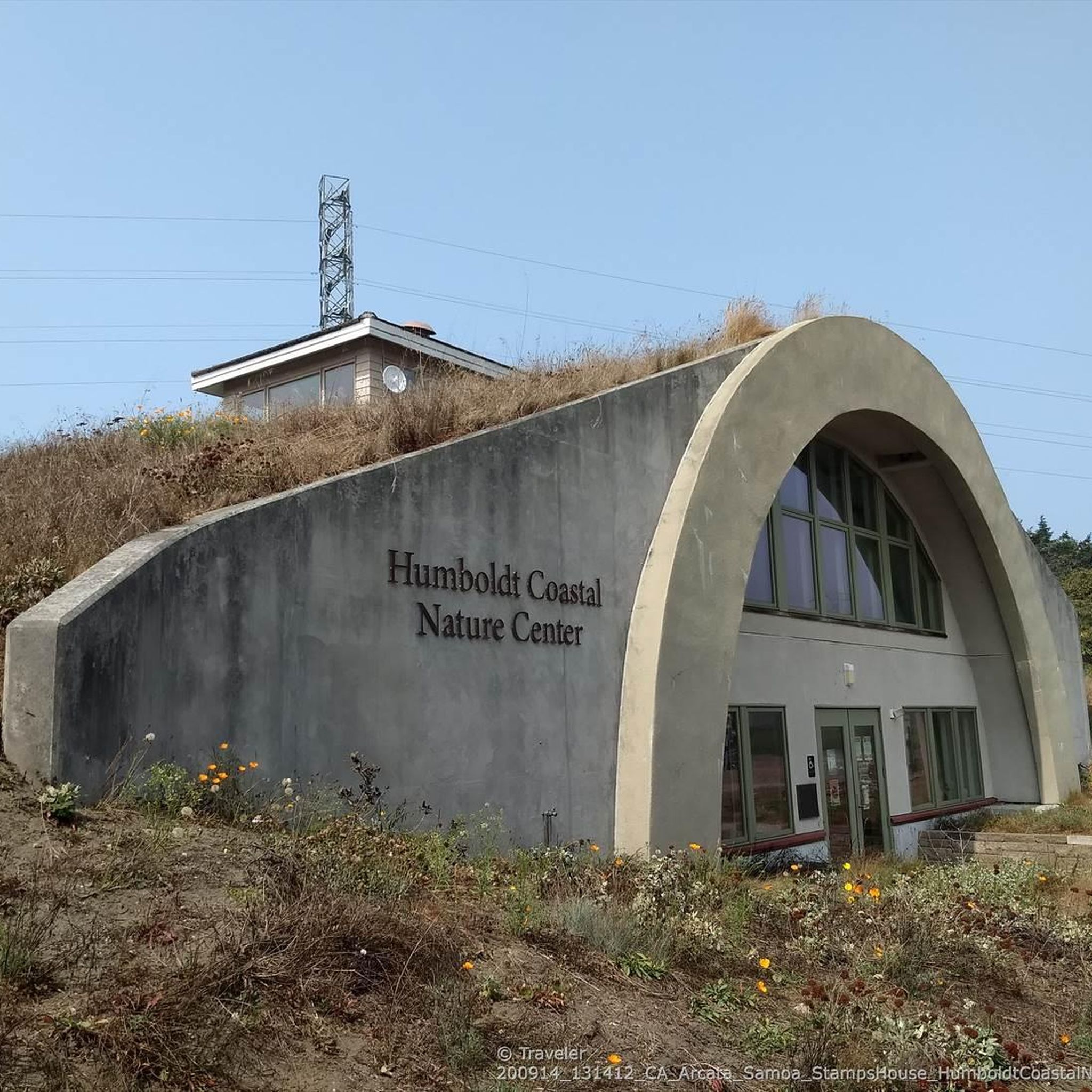
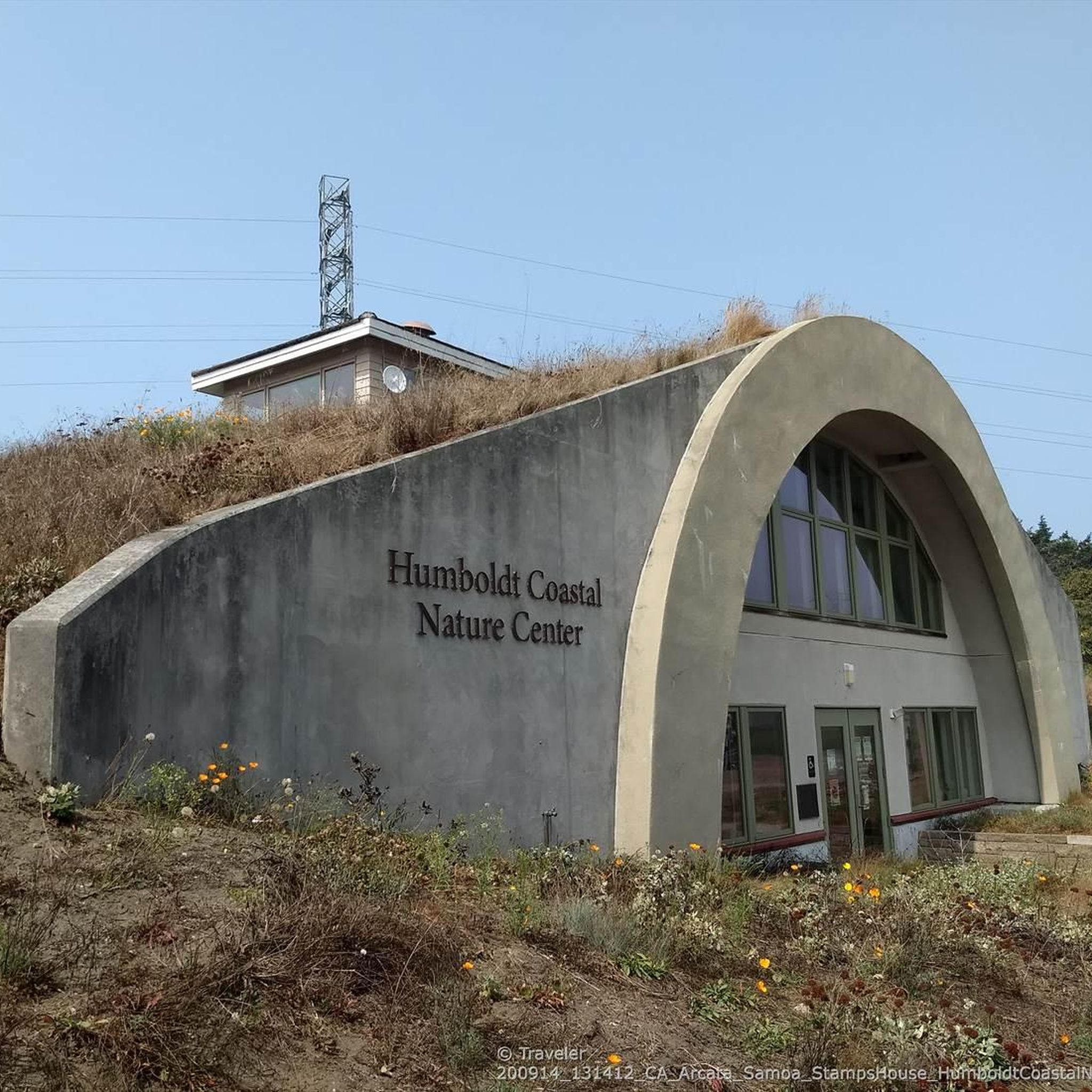
Humboldt Coastal Nature Center - Friends of The Dunes
Highlight • Rest Area
Tip by
Fort Humboldt State Historic Park
Highlight • Historical Site
Tip by
Ma-Le'l Dunes Trailhead
Highlight • Trail
Tip by
Sign up for free to discover even more attractions around Manila.
Sign up for free
Already have an account?
Start today with a free account
Your next adventure awaits.
Login or Signup

Tips from the Community

Stop by the Humboldt Coastal Nature Center (open Wed–Sun, 10am–4pm) to explore local exhibits and learn about the area. Self-guided tour brochures are available at the trailhead, where signs mark the route. Your pets are welcome, but you must keep them leashed.
0
0

The Plaza, with its lawns and flowerbeds, is the social and commercial center of Arcata. Charming shops selling locally handcrafted goods, sporting goods, boutiques, and restaurants line the Plaza and the streets beyond. Arcata is a college town with particularly interesting bookstores and coffeehouses. Stop at Arcata Artisans on the Plaza. Don't miss Jacoby's Storehouse. This restored historic building features shops and a delightful central area where you can sit, enjoy an ice cream cone or a snack, and relax.
1
0
The Ma-'e'l Dunes offer a range of recreational opportunities that allow visitors to experience a diverse and dynamic coastal landscape of forests and salt marshes, sand dunes and beaches. The northern portion of Ma-le'l is part of the Humboldt Bay National Wildlife Refuge (HBNWR). Access to the trails is limited to pedestrians only. The road to the north parking lot is closed to vehicles on Tuesday, Wednesday and Thursday to provide visitors with a "wilderness" experience. The southern portion of Ma-le'l, managed by the Bureau of Land Management (BLM), allows dog walking and equestrian activities on designated trails. Please protect natural and cultural resources by following visitor guidelines.
0
0
The Humboldt Coastal Nature Center is unique in the region. Its location makes it a public gateway to over 1,000 acres of coastal land, and its facilities and programs make it the only center on California's North Coast where people of all ages and abilities experience and learn about all of Humboldt Bay's diverse habitats. The Humboldt Coastal Nature Center's exhibits, trails, and programs combine experiential education, conservation-oriented recreational access, and hands-on restoration activities to enhance public understanding of local coastal environments and inspire community-oriented stewardship of these fragile resources.
0
0
“The Pinc,” as the new owners now affectionately call it, has seen plenty of history through its jewel-toned stained glass windows at 202 M Street in Eureka. Located on Humboldt Bay, the majestic, historic home was built in 1889 by lumber magnate William Carson as a wedding gift for his son J. Milton Carson and his wife Mary Amelia (Bell) Carson. William lived across the street in the famous Carson mansion, considered one of the most magnificent Victorian homes in America. The J. Milton Carson House, known locally as “The Pink Lady” over the years, is crowned with iconic, ornamental Victorian features. Famous as a classic example of the Queen Anne architectural style, its large bay windows, delicate cornices, graceful spires, and lace gingerbread trim attract tourists and architecture lovers alike.
0
0
Fort Humboldt State Historic Park is a California state park in Eureka. His displays interpret the former USA. The Army fort occupied from 1853 to 1870, the interactions between European Americans and Native Americans during roughly the same period, the logging equipment, and the area's local narrow-gauge railroad history. Within the collection are trains, logging equipment including a fully functioning steam donkey engine and an authentic excavated Native American canoe. The fort overlooks Humboldt Bay from a cliff. The North Coast regional headquarters of the California State Parks system is located locally.
0
0

Maps, restrooms, drinking water fountain at this trailhead, with the northern trail looping north an then west to the beach, while the sandy trail at the south end of the parking area is shortest distance to the beach
1
0
Frequently Asked Questions
What historical sites can I explore in Manila?
Manila is rich in history. You can explore the ancient walled city of Intramuros, which includes significant landmarks like Fort Santiago, where national hero Jose Rizal spent his final days. Other notable historical sites include the magnificent Manila Cathedral and the UNESCO World Heritage Site, San Agustin Church, the oldest stone church in the country. Don't miss Casa Manila for a glimpse into 19th-century colonial life.
Are there any natural parks or green spaces within Manila?
Yes, Manila offers several green spaces for relaxation. Rizal Park (Luneta Park) is a sprawling national park with ornamental gardens and monuments. You can also visit Arroceros Forest Park, often called Manila's 'last lung,' providing a lush urban forest. Paco Park, a historical park that was once a municipal cemetery, offers a peaceful escape with its circular layout and old trees.
What cultural attractions should I visit in Manila?
Manila boasts a vibrant cultural scene. The National Museum of the Philippines Complex houses the National Museum of Fine Arts, Anthropology, and Natural History, showcasing Filipino art and heritage. The Cultural Center of the Philippines (CCP) is the premier venue for performing arts. For a unique experience, explore Binondo (Chinatown), one of the oldest Chinatowns in the world, known for its cultural and culinary offerings.
What are some family-friendly attractions in Manila?
Families visiting Manila have several engaging options. Rizal Park offers open spaces and monuments for leisurely strolls. The Manila Ocean Park provides fascinating marine life exhibits. For a historical and educational outing, Intramuros and its sites like Fort Santiago are suitable. The National Museum of Natural History within the National Museum Complex is also a great choice for all ages.
Where can I find outdoor activities like cycling or running near Manila?
For outdoor enthusiasts, Manila and its surroundings offer various routes. You can find several cycling routes, including moderate loops like the Arcata Plaza – Clam Beach County Park loop or easier options like the Klopp Lake loop. Running trails are also available, with options ranging from moderate to difficult. For more details on routes and their difficulty, you can explore the dedicated guides for Cycling around Manila and Running Trails around Manila.
Are there any natural getaways or hiking spots a short drive from Manila?
Absolutely. For more expansive natural experiences, consider destinations a short drive away. These include the picturesque Taal Volcano in Batangas, the scenic Pagsanjan Falls in Laguna, and the clear waters of Masasa Beach in Batangas. Hiking enthusiasts can explore Mt. Daraitan in Rizal or Mount Purro Nature Resort at the base of the Sierra Madre Mountain Range.
What is the best time to visit attractions in Manila?
The best time to visit Manila is generally during the dry season, which runs from November to April. During these months, the weather is cooler and less humid, making it more comfortable for exploring historical sites, parks, and outdoor attractions. The rainy season, from May to October, can bring heavy downpours, which might affect outdoor plans.
Are there any unique shopping or culinary experiences in Manila?
Yes, Manila offers unique experiences for shoppers and foodies. Binondo (Chinatown) is renowned for its vibrant markets and flavorful street food, offering a rich cultural and culinary journey. For wholesale shopping, Divisoria Market is a bustling hub. You can also find charming shops and coffeehouses around areas like Arcata Plaza, which is known for local handcrafted goods and unique bookstores.
Can I find museums dedicated to art or anthropology in Manila?
Manila is home to several significant museums. The National Museum of Fine Arts is popular among art lovers for its classic and contemporary Filipino artworks. The National Museum of Anthropology features a vast collection of artifacts, including archaeological treasures. Additionally, the Ayala Museum in Makati focuses on Filipino culture, history, and art, with notable collections of gold objects and historical dioramas.
What are some significant religious landmarks in Manila?
Manila has several important religious landmarks. The Manila Cathedral in Plaza Roma is a magnificent structure with a rich history. The San Agustin Church, a UNESCO World Heritage Site, is the oldest stone church in the country. Quiapo Church, officially the Minor Basilica of the Black Nazarene, is one of Manila's most iconic religious sites, drawing millions of devotees.
Are there any places to enjoy scenic views or sunsets in Manila?
For scenic views, the Manila Baywalk along Roxas Boulevard is a popular promenade, especially known for its spectacular sunset views. Within Intramuros, the walls and Fort Santiago offer historical perspectives and views of the surrounding city. Fort Humboldt State Historic Park also provides great views from its blufftop location overlooking Humboldt Bay.
What kind of unique natural habitats can I explore near Manila?
Near Manila, you can explore diverse natural habitats. The Humboldt Coastal Nature Center - Friends of The Dunes offers public access to over 1,000 acres of coastal land, providing insights into various ecosystems like dunes and coastlines. The Ma-Le'l Dunes Trailhead is a starting point for hikes into a protected dune landscape, featuring forests, salt marshes, sand dunes, and beaches. For urban nature, La Mesa Eco Park (in Quezon City) is a sanctuary of various ecosystems.
Most popular routes around Manila

Get inspired with the komoot mobile app


Explore more
Still not found the Highlight you’re looking for? See guides of the top attractions in other regions:
