The best walks and hikes around Lippesee
4.4
(5403)
24,652
hikers
980
hikes
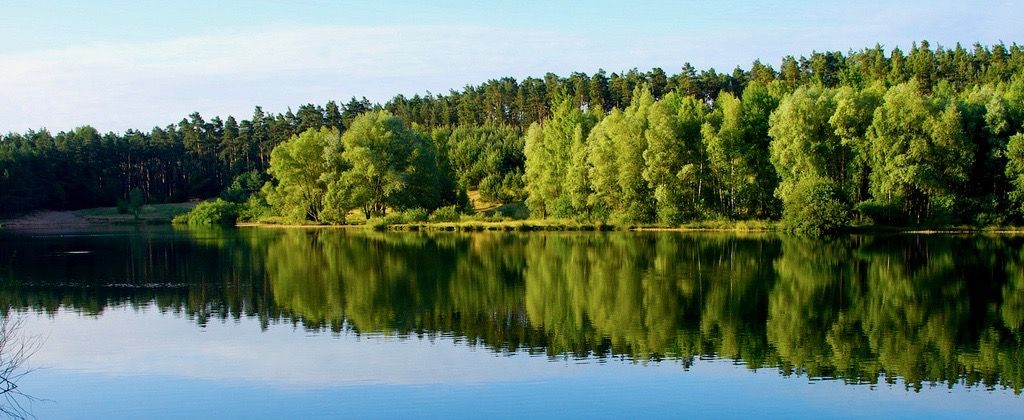
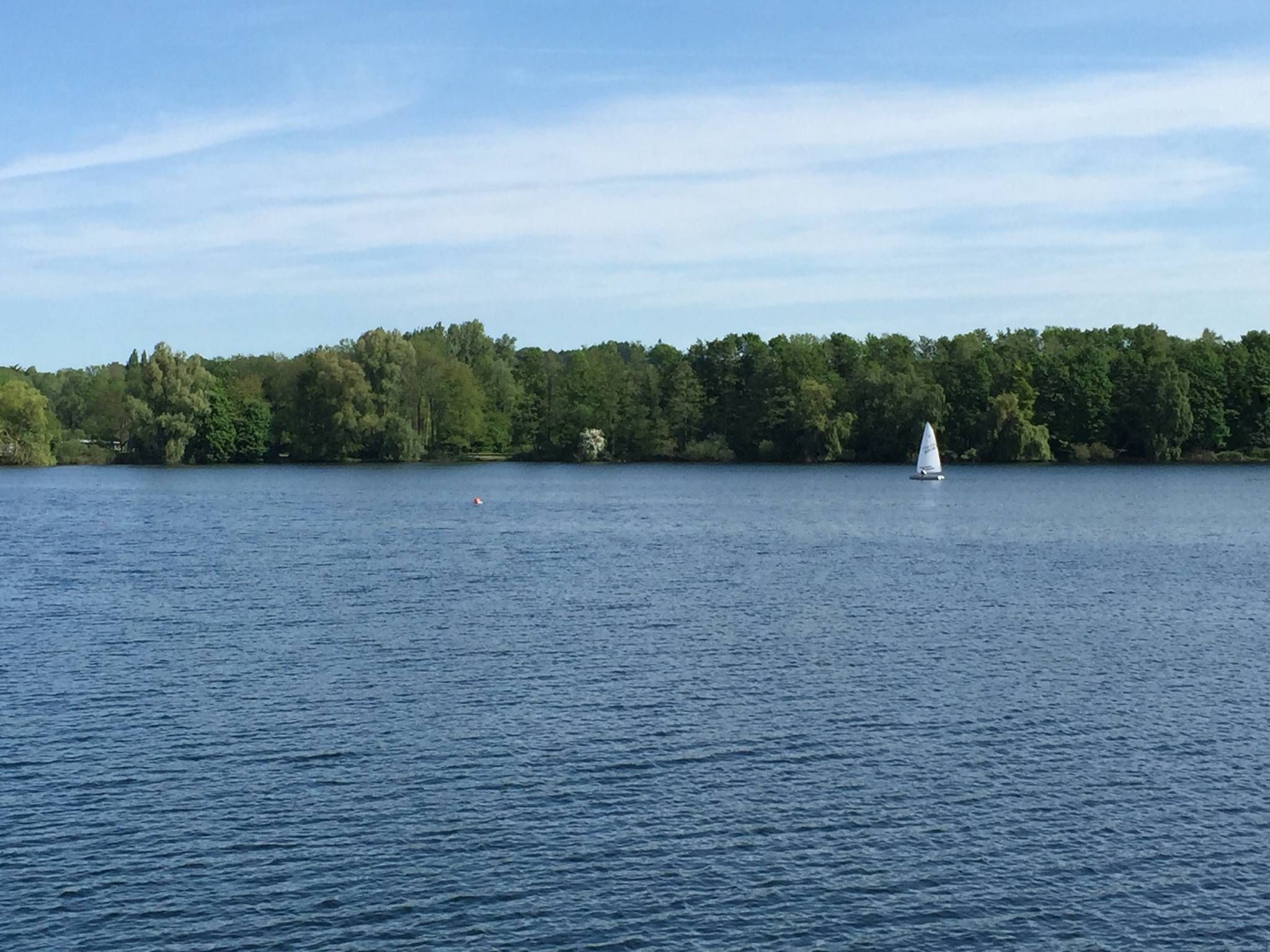
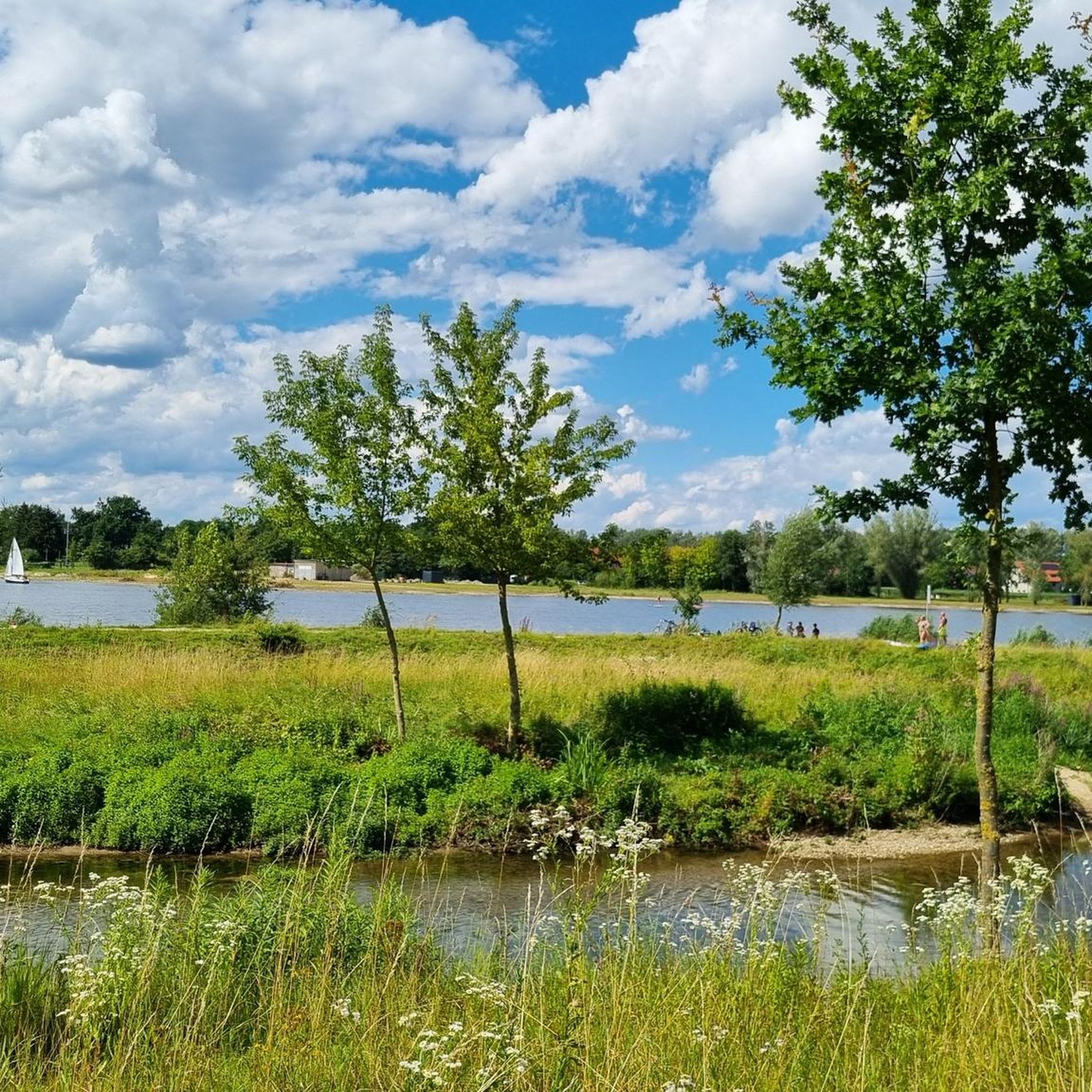
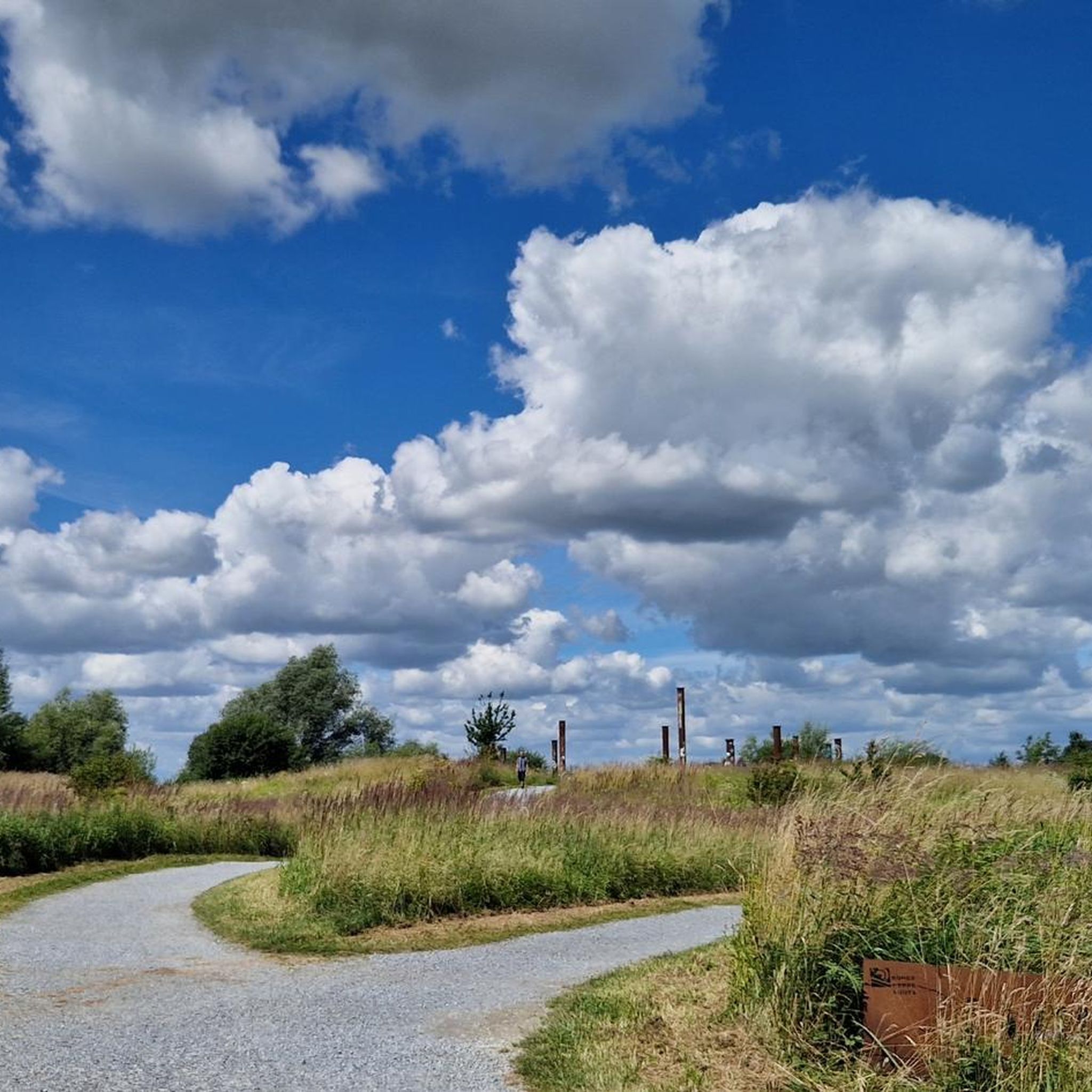
Hiking around Lippesee offers diverse landscapes centered on the artificial lake and its interconnected water bodies like Padersee and Nesthuser See. The region features flat terrain, diverse woodlands, and the broader Lippeaue nature reserve, which includes natural riverine structures and alluvial forests. These areas provide well-maintained paths suitable for various hiking experiences, with notable features like the Pader Springs accessible via longer trails.
Best hiking trails around Lippesee
- The most popular hiking route is Lippesee – View of Lippesee loop from Sande, a 3.9 miles (6.3 km) trail that takes 1 hour 36 minutes to complete. This easy route offers views over the lake.
- Another top favourite among local hikers is Neuhaus Castle – Pader Springs loop from Sande, a difficult 13.8 miles (22.2 km) path. This longer trail connects historical sites with natural springs.
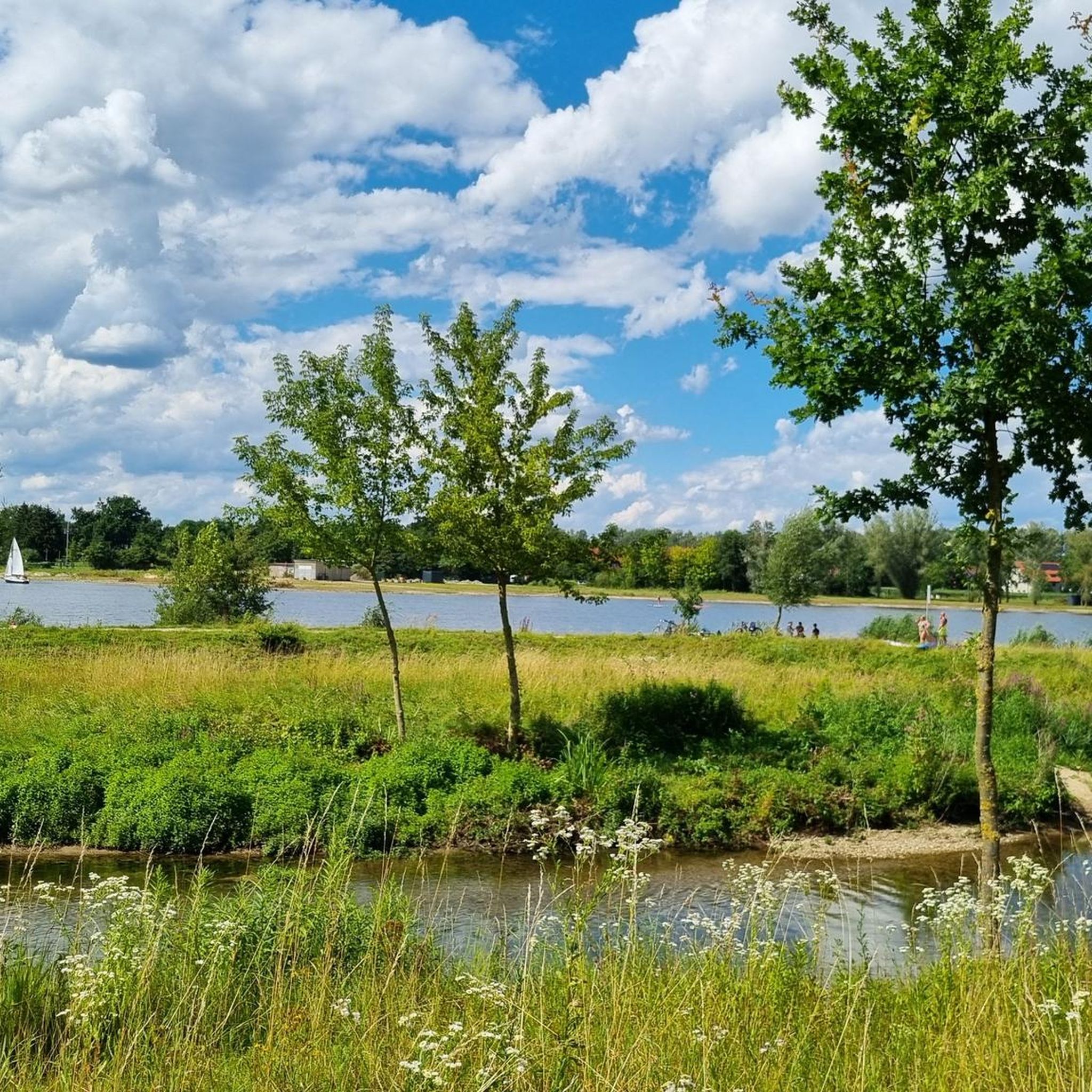
- Local hikers also love the View of the Lippe River – Gravel beach at Lippesee loop from Sande, a 2.8 miles (4.5 km) trail leading through riverine landscapes, often completed in about 1 hour 8 minutes.
- Hiking around Lippesee is defined by serene lake landscapes, flat terrain, and diverse woodlands. The network offers options for different ability levels, from easy walks to more demanding excursions.
- The routes in Lippesee are highly rated by the komoot community with an average score of 4.4 stars from over 4800 reviews. More than 23000 hikers have used komoot to explore Lippesee's varied terrain.
Last updated: June 29, 2026
4.6
(665)
2,688
hikers
6.32km
01:36
10m
10m
Easy hike. Great for any fitness level. Easily-accessible paths. Suitable for all skill levels.
3.8
(4)
74
hikers
Easy hike. Great for any fitness level. Easily-accessible paths. Suitable for all skill levels.

Sign up for free
4.7
(35)
123
hikers
22.2km
05:39
60m
60m
Hard hike. Very good fitness required. Easily-accessible paths. Suitable for all skill levels.
4.8
(9)
31
hikers
14.1km
03:35
30m
30m
Moderate hike. Good fitness required. Easily-accessible paths. Suitable for all skill levels.
4.0
(7)
24
hikers
13.7km
03:27
20m
20m
Moderate hike. Good fitness required. Easily-accessible paths. Suitable for all skill levels.
Get access to more routes and recommendations from other explorers.
Sign up for free
Already have an account?
Our route recommendations are based on thousands of hikes, rides, and runs completed by other people on komoot.
Start today with a free account
Your next adventure awaits.
Login or Signup


Tips from the Community

An absolutely great place to observe the lake in peace
0
0

The 6 branches of the Pader originate from a variety of sources
3
0
The Pader springs are among the most water-rich springs in Germany
4
0

Germany's shortest river, with three of the five main branches of the Pader River, originates in the western Pader spring area, right in the city center. Water emerges from more than 200 springs with an average discharge of 5,000 l/s. Today, the Pader spring area is Paderborn's green lung.
2
0

Great dirt park for kids.
0
0
Beautiful circular route.
0
0

The Bartholomew Chapel was probably built around 1017 as a palatine chapel and thus as part of the Ottonian new building of the royal palace in Paderborn. It is considered the oldest hall church north of the Alps. Bishop Meinwerk had it built by Byzantine builders, who created the unique vaults with hanging domes and the columns that support them. The column capitals are considered to be important examples of Ottonian architecture, and the chapel itself is the most important art-historical building in Paderborn.
11
0
The cathedral church of the Archdiocese of Paderborn, the High Cathedral, which is dedicated to the three saints Mary, Liborius and Kilian, dominates the townscape of Paderborn. Its striking, 93-meter-high west tower above the choir, which is flanked by two round towers, is predominantly in late Romanesque and Gothic forms. The current cathedral dates mainly from the 13th century. Around 1210, work began on almost completely replacing the 104-meter-long church building with a three-aisled hall church.
14
0
Frequently Asked Questions
How many hiking trails are available around Lippesee?
The Lippesee region offers a wide variety of hiking experiences, with over 980 routes available. These include 730 easy trails, 230 moderate paths, and 18 more challenging excursions, ensuring options for all fitness levels.
Are there circular hiking routes around Lippesee?
Yes, circular routes are a prominent feature of the Lippesee area. The most well-known is the approximately 6-kilometer loop around Lippesee itself, which is mostly paved and offers numerous viewing points. You can explore routes like the Lippesee Loop Trail – View over Lippesee loop from Sennelager, or the Lippesee Floodplain – View of Nesthauser Lake loop from Sennelager, which takes you through diverse landscapes.
What kind of terrain can I expect on hikes around Lippesee?
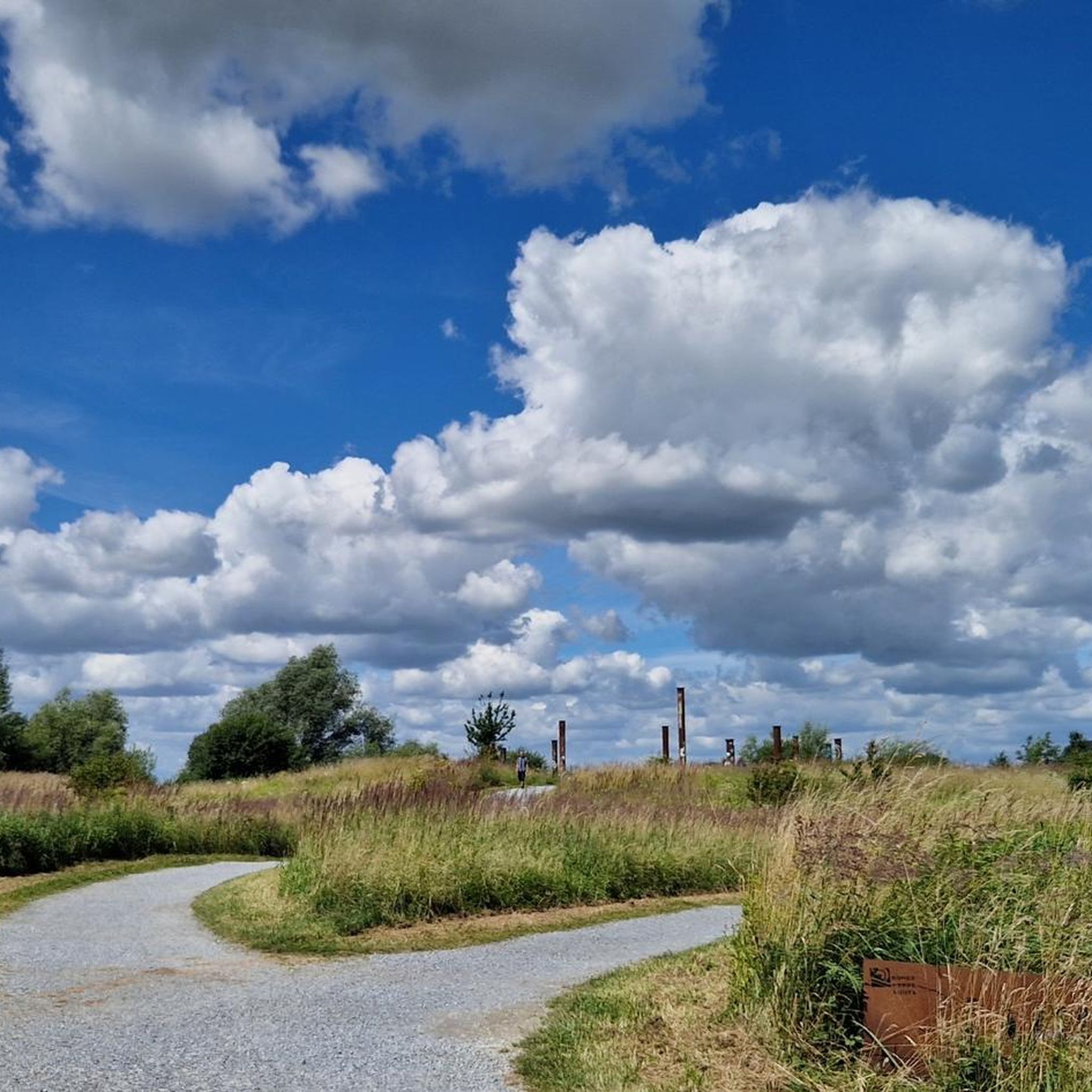
The terrain around Lippesee is generally flat, making it accessible for many hikers. You'll find well-maintained paths, often paved around the main lake, and natural trails through woodlands and the broader Lippeaue nature reserve. The region's landscape features serene lake shores, lush greenery, and riverine structures.
Are there any easy or beginner-friendly hikes in the Lippesee area?
Absolutely. The flat terrain and well-marked paths make Lippesee ideal for easy and beginner-friendly hikes. Many routes are suitable for casual walkers and families. For example, the View of the Lippe River – Gravel beach at Lippesee loop from Sennelager is an easy 4.5 km trail that offers pleasant views.
What are the best times of year to go hiking around Lippesee?
Lippesee is enjoyable for hiking throughout much of the year. Spring and autumn offer pleasant temperatures and beautiful natural scenery, with blooming flowers or vibrant fall foliage. Summer is also popular, especially with the leisure facilities available. Even in winter, the flat paths can be suitable for a refreshing walk, though conditions may vary.
Can I bring my dog on the hiking trails around Lippesee?
Yes, many trails around Lippesee are dog-friendly. The natural environment and open spaces provide a great opportunity to enjoy a walk with your canine companion. Always ensure your dog is kept on a leash where required and that you clean up after them to maintain the natural beauty for everyone.
What interesting landmarks or natural features can I see while hiking?
The Lippesee area is rich in natural beauty and points of interest. You can explore the artificial Lippesee itself, the Lippesee Circular Overflow Weir, and enjoy panoramic views from the View of the Lippesee from the south shore. Longer routes might take you past the Pader Springs or through the Schloss- und Auenpark in Schloß Neuhaus, blending natural beauty with historical elements.
Are there places to eat or relax near the hiking trails?
Yes, the Lippesee area offers amenities for hikers. You'll find places like the Seemöwe Bistro & Beer Garden at Lippesee, perfect for a break. The region also features children's playgrounds and picnic areas, making it convenient for families and those looking to relax after their hike.
What do other hikers enjoy most about hiking in Lippesee?
The area is highly rated by the komoot community, with an average score of 4.4 stars from over 4800 reviews. Hikers often praise the serene lake landscapes, the flat and well-maintained paths suitable for all abilities, and the diverse woodlands. The interconnected lake system and the variety of routes, from short loops to longer excursions, are also frequently highlighted.
Is there public transport access to the Lippesee hiking areas?
The Lippesee region is well-connected, and public transport options are available to reach the area. A scenic regional hiking trail, about 10 kilometers long, even connects the Pader springs in Paderborn city center directly to Lippesee, passing through Neuhaus Castle Park, which can be accessed via public transport.
Where can I park my car when visiting Lippesee for a hike?
There are designated parking areas available around Lippesee, especially near popular starting points for trails and recreational facilities. These parking options make it convenient for visitors to access the various hiking routes and enjoy the natural surroundings.
Are there longer, more challenging hikes available around Lippesee?
While many routes are easy, there are options for more demanding excursions. For instance, the Neuhaus Castle – Pader Springs loop from Sande is a difficult 22.2 km path that connects historical sites with natural springs, offering a longer and more challenging experience.
Most popular routes around Lippesee
Most popular attractions around Lippesee

Get inspired with the komoot mobile app


Explore more
Browse the best Hikes in other regions.
