Attractions and Places To See around San Diego - Top 20
Best attractions and places to see around San Diego include a diverse range of notable landmarks, natural features, and cultural sites. The region offers a varied landscape from coastal wilderness and beaches to historic urban areas. San Diego's geography provides opportunities for exploring both marine environments and desert landscapes.
Best attractions and places to see around San Diego
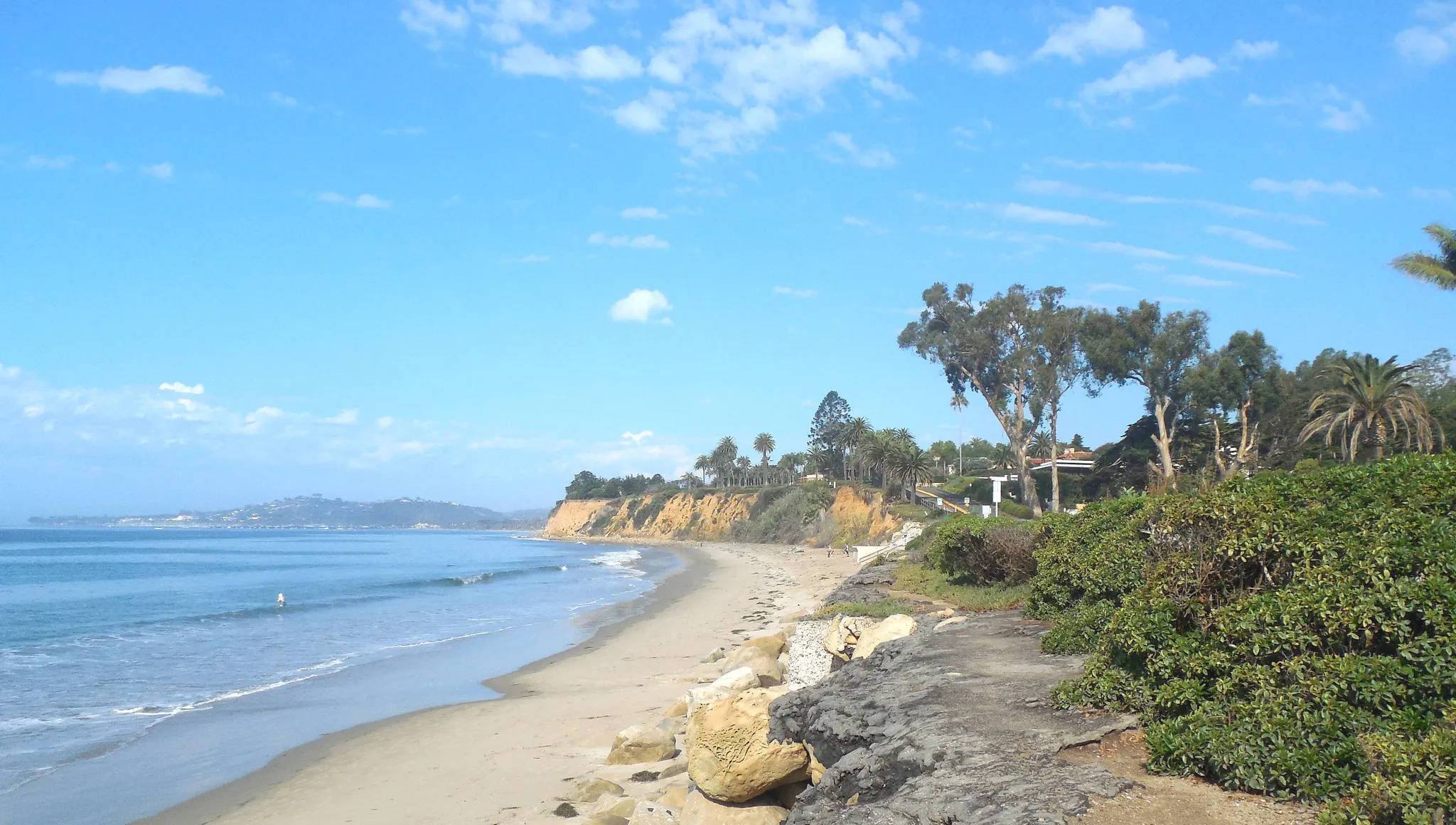
- The most popular attractions is Torrey Pines State Beach, a beach that features a unique coastal environment with rare Torrey Pine trees. It offers a beach trail that can lead back to the parking lot, depending on tide conditions.
- Another must-see spot is Potato Chip Rock, a natural monument known for its thin, "potato chip" like rock formation. This iconic San Diego hiking destination is a popular viewpoint on Mount Woodson.
- Visitors also love San Diego Embarcadero Waterfront, a viewpoint along the harbor. This lively waterfront area features historic ships like the USS Midway and Star of India, and offers views of the bay and city skyline.
- San Diego is known for its diverse natural features, historical landmarks, and cultural sites. Visitors can explore everything from extensive parks and beaches to museums and vibrant urban districts.
- The attractions around San Diego are appreciated by the komoot community, with 64 upvotes and 44 photos shared by visitors.
Last updated: October 10, 2026
Torrey Pines State Beach
Highlight • Beach
But there's a catch... If the tides are high, or there is big surf, you won't be able to make it back to the beach parking lot from where the beach trail hits the beach. The tides and/or surf sometimes close down the section of beach along the bottom of the cliffs, meaning you'd have to hike all the way back up the beach trail and then walk the road down again (not as fun, unless you're looking for the extra work and miles).
Pro tip: Check the surf and tides for when you'll be doing the hike. That way you'll have a better idea of where you should park (beach lot down at the bottom or trail parking lot up top), and know what kind of hike to expect.
Tip by

Potato Chip Rock
Highlight • Natural Monument
It is a very popular hike, so expect to see a lot of other hikers there, especially if you go on the weekend. Sometimes there is even a bit of a line to get your picture on the "chip", but it’s worth a little wait!
Tip by

Sign up now to discover places like this
Get recommendations on the best single tracks, peaks, & plenty of other exciting outdoor places.
Panama Plaza, Balboa Park
Highlight • Monument
Translated by Google •
Tip by

San Diego Embarcadero Waterfront
Highlight (Segment) • Viewpoint
Translated by Google •
Tip by

Old Mission Dam
Highlight • Monument
Tip by

Sign up for free to discover even more attractions around San Diego.
Already have an account?
Start today with a free account
Your next adventure awaits.

Other adventures around San Diego

Tips from the Community

A great place to relax and a central point for exploring the park.
0
0

The beach trail leads you right down to where you'd expect. One of the things people love to do is to 1) park at the beach parking lot right after the paid entry, and then walk the road all the way up to the top, then hike down the beach trail back to the beach where your final stroll along the beach leads you right back to your car. I highly recommend this. It's a unique thing to be able to do. But there's a catch... If the tides are high, or there is big surf, you won't be able to make it back to the beach parking lot from where the beach trail hits the beach. The tides and/or surf sometimes close down the section of beach along the bottom of the cliffs, meaning you'd have to hike all the way back up the beach trail and then walk the road down again (not as fun, unless you're looking for the extra work and miles). Pro tip: Check the surf and tides for when you'll be doing the hike. That way you'll have a better idea of where you should park (beach lot down at the bottom or trail parking lot up top), and know what kind of hike to expect.
1
0

From here you have a great view of Coronado Bridge
0
0

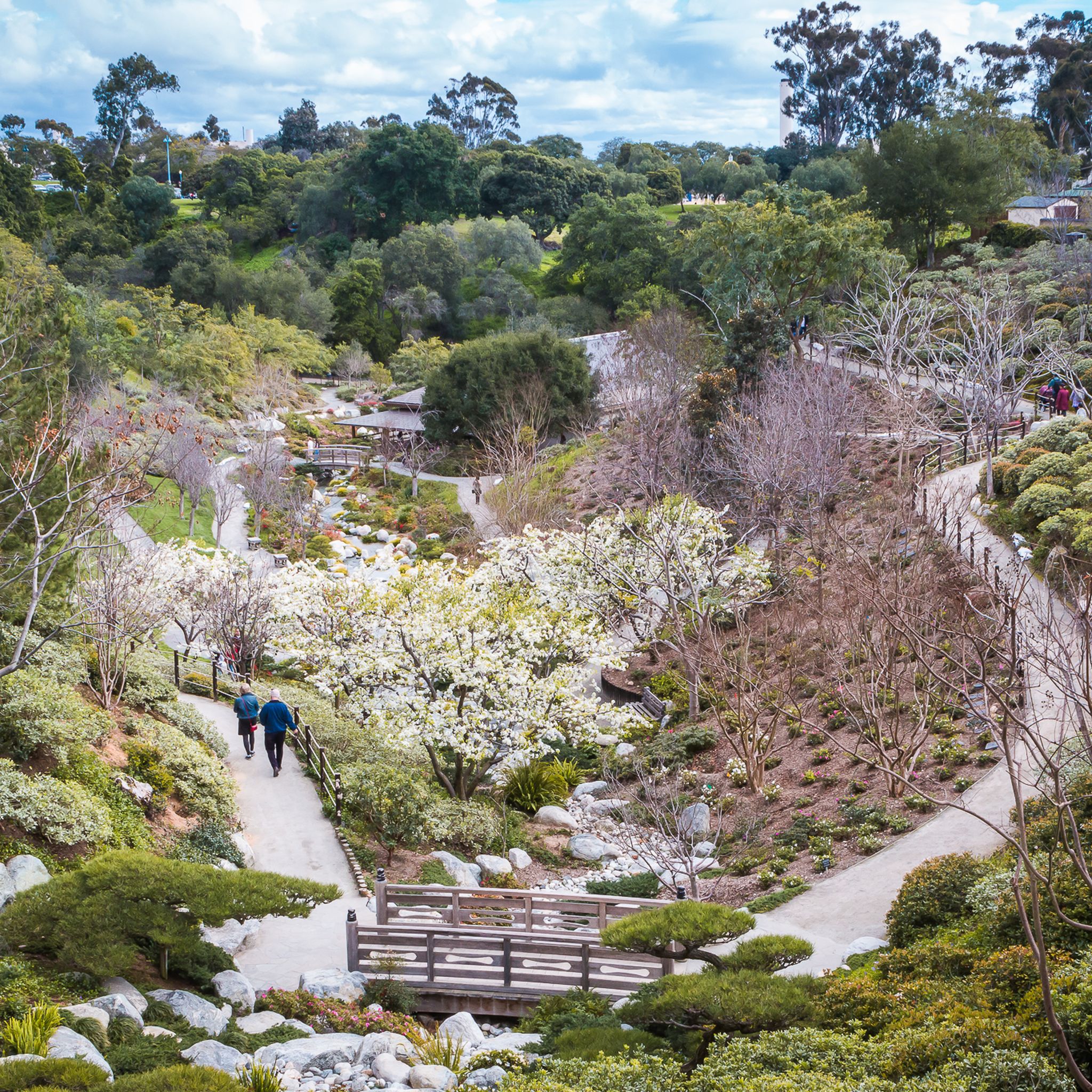
Balboa Park began as 1400 acres of land set aside in 1868 by San Diego civic leaders. Known then as “City Park”, the scrub-filled mesa that overlooked present-day Downtown San Diego sat without formal landscaping or development for more than 20 years. (Today the Park’s total land parcel has been reduced to 1,200 acres.) The first steps in Park beautification were made in 1892, largely due to the contributions of Kate Sessions. Sessions offered to plant 100 trees a year within the Park as well as donate trees and shrubs around San Diego in exchange for 32 acres of land within the Park boundaries to be used for her commercial nursery. Several popular species, including the birds of paradise, queen palm, and poinsettia were introduced into the Park’s horticulture because of Sessions’ early efforts. In fact, many of her original trees are alive and visible today. Just after the turn of the century, a master plan for Park improvements and beautification was formally introduced. Supported by a City tax levied in 1905, the process began in 1903 and continued through 1910. Water systems were installed, planting continued, roads were built, and the Park began to take on much of the familiar look of today. As San Diego was set to play host to the 1915 Panama-California Exposition, and “City Park” was a less-than-memorable or distinctive name for such an internationally prestigious event. In 1910, Park Commissioners announced plans to re-name City Park and the public was eager to throw potential names into the hat, including San Diego Park, Silver Gate Park, Horton Park, and Miramar Park. After months of discussion and great public interest, the Park Commissioners decided on the name Balboa Park, chosen in honor of Spanish-born Vasco Nuñez de Balboa, the first European to spot the Pacific Ocean while on exploration in Panama. https://balboapark.org/about-balboa-park/
3
0

San Diego's lively Waterfront Embarcadero covers the entire port area from Seaport Village in the south to the marina in the north. We start at Seaport Village with its shingle-roofed houses, shops, cafes and restaurants and stroll leisurely along the shore. We head north and in a few minutes we reach the decommissioned aircraft carrier USS Midway and the pier for the excursion boats, which offer interesting whale watching tours as well as harbor tours. From here there is also a ferry connection to the Point Loma headland and the Cabrillo National Monument. North of the pier is the International Visitor Information Center and the Maritime Museum with its interesting museum ships.
4
0

This overlook on the trail offers a cool bird's eye view of the Old Mission Dam. You can tell just how wide the structure spans when you get this higher perspective.
0
0

Built in 1803 by Kumeyaay Indians 'conscripted' by the Spanish, the dam was built across Mission Gorge to redirect water to the Mission San Diego de Alcala. The area is full of history as well as spectacular scenery and wildlife.
0
0

It is a lie that it is a hiking for beginners. The route is already marked, to reach the top, the floor is not completely level. If you have knee problems, abstain. Since the hills are steep and the return could cause injury. Don't expect the potato chip photo to be easy; It has a large and dangerous crack that if you are not in the right condition it will be very difficult to climb up to take the photograph. The stones are smooth so you must have hiking shoes. Six km in total, two hours of closed route. Refrain from going in summer or after 12 pm, as there is little shade.
2
2
Frequently Asked Questions
What are some of the most popular natural attractions in San Diego?
San Diego boasts several stunning natural attractions. Torrey Pines State Beach is highly popular, known for its unique coastal environment and rare Torrey Pine trees, offering a beach trail with ocean views. Another iconic spot is Potato Chip Rock, a distinctive rock formation on Mount Woodson that offers panoramic views after a challenging hike. Beyond these, visitors also enjoy La Jolla Cove for its sea caves and marine life, and Sunset Cliffs Natural Park for dramatic ocean views.
Are there any family-friendly attractions in San Diego?
Yes, San Diego offers many family-friendly attractions. The San Diego Embarcadero Waterfront is a lively area where families can explore historic ships like the USS Midway and enjoy views of the bay. Torrey Pines State Beach is also suitable for families, though it's important to check tide conditions for the beach trail. Balboa Park, with its numerous museums, gardens, and the San Diego Zoo, is another excellent choice for all ages.
Where can I find historical sites and landmarks in San Diego?
San Diego is rich in history. You can visit Old Mission Dam, a nationally registered historic landmark that also serves as a starting point for hikes. The San Diego Embarcadero Waterfront features historic ships like the USS Midway and the Star of India. Other significant historical sites include Old Town San Diego State Historic Park, which preserves the city's early heritage, Mission San Diego de Alcalá, California's first mission, and Cabrillo National Monument with its historic lighthouse.
What kind of outdoor activities can I do near San Diego's attractions?
San Diego offers a wide range of outdoor activities. For hiking, you can explore trails around waterfall hikes like Los Penasquitos Canyon Trail. Mountain biking enthusiasts can find routes such as the Los Peñasquitos Waterfall loop. If road cycling is your preference, consider the scenic Bayshore Bikeway or the Mission Bay and La Jolla Loop. Many attractions, like Torrey Pines State Natural Reserve, also offer their own dedicated hiking trails.
Are there any accessible attractions for visitors with mobility needs?
Yes, several attractions in San Diego strive for accessibility. The "Embracing Peace" sculpture at Tuna Wharf is wheelchair accessible. The San Diego Embarcadero Waterfront generally offers paved paths suitable for wheelchairs, allowing visitors to enjoy the bay views and historic ships. Balboa Park also has many accessible areas, including paths through gardens and accessible entrances to some museums.
What are some unique viewpoints in San Diego?
San Diego is home to several unique viewpoints. Potato Chip Rock on Mount Woodson offers a distinctive photo opportunity and expansive views. The San Diego Embarcadero Waterfront provides excellent views of the bay, city skyline, and Coronado Island. Cabrillo National Monument, standing 422 feet above sea level, offers some of the best panoramic views of San Diego, its harbor, and the Pacific Ocean.
What is the best time to visit San Diego for outdoor activities?
San Diego enjoys a mild climate year-round, making it suitable for outdoor activities almost any time. Spring (March to May) and Fall (September to November) offer pleasant temperatures and fewer crowds, ideal for hiking, cycling, and exploring natural reserves like Torrey Pines. Summer is popular for beaches and water sports, while winter remains mild enough for many outdoor pursuits, though some trails might be less shaded.
Can I bring my dog to San Diego's attractions?
While many places in San Diego are dog-friendly, it's important to check specific rules for each attraction. For example, dogs are generally not allowed on the beach at Torrey Pines State Beach. However, many parks and outdoor areas, especially designated dog parks and certain beaches like Fiesta Island, welcome leashed dogs. Always look for signage or check official websites before visiting with your pet.
Where can I experience San Diego's cultural side?
San Diego's cultural heart is undoubtedly Balboa Park, home to 17 museums covering art, science, and history, along with various performing arts venues. Old Town San Diego State Historic Park offers an immersive experience into the region's early history and culture. The Liberty Station Arts District, once a naval training center, is now a vibrant hub with galleries, studios, and theaters. Chicano Park is also notable for its impressive murals and cultural significance.
Are there any unique shopping or dining experiences near the attractions?
Yes, San Diego offers diverse shopping and dining experiences. The San Diego Embarcadero Waterfront includes Seaport Village, a collection of unique shops and restaurants. The Gaslamp Quarter is famous for its restored 19th-century architecture, lively restaurants, and nightlife. Little Italy is another neighborhood renowned for its vibrant dining scene and atmosphere, while Balboa Park also hosts several cafes and eateries.
What are some lesser-known natural spots or 'hidden gems' in San Diego?
Beyond the well-known sites, San Diego has some hidden gems. While not entirely hidden, the seven sea caves at La Jolla Cove offer a unique experience, accessible by kayak or snorkeling. Anza-Borrego Desert State Park, though a drive away, is California's largest state park and boasts rugged badlands, slot canyons, and hidden palm oases, offering a different natural landscape than the coast. Sunset Cliffs Natural Park also features a hidden sea cave at Luscomb's Point.
Most popular routes around San Diego
Most popular attractions around San Diego

Get inspired with the komoot mobile app


Explore more
Still not found the Highlight you’re looking for? See guides of the top attractions in other regions:
