Top 20 Natural Monuments around Mammoth Lakes
Best natural monuments around Mammoth Lakes showcase a landscape shaped by volcanic activity, glacial forces, and unique geological processes. The region features dramatic rock formations, high-altitude lakes, and active geothermal sites. These natural features offer diverse opportunities for exploration and appreciation of the Eastern Sierra's environment. The area provides a range of natural attractions, from towering peaks to unique water features.
Best natural monuments around Mammoth Lakes
- The most popular natural monuments is Rainbow Falls, a waterfall that plunges 101 feet down to the turbulent water below. The falls are named for the rainbows that appear in its mist throughout sunny summer days.
- Another must-see spot is Crystal Lake, an alpine lake that sits beneath the towering wall of the Mammoth Crest. The lake is a popular summertime destination.
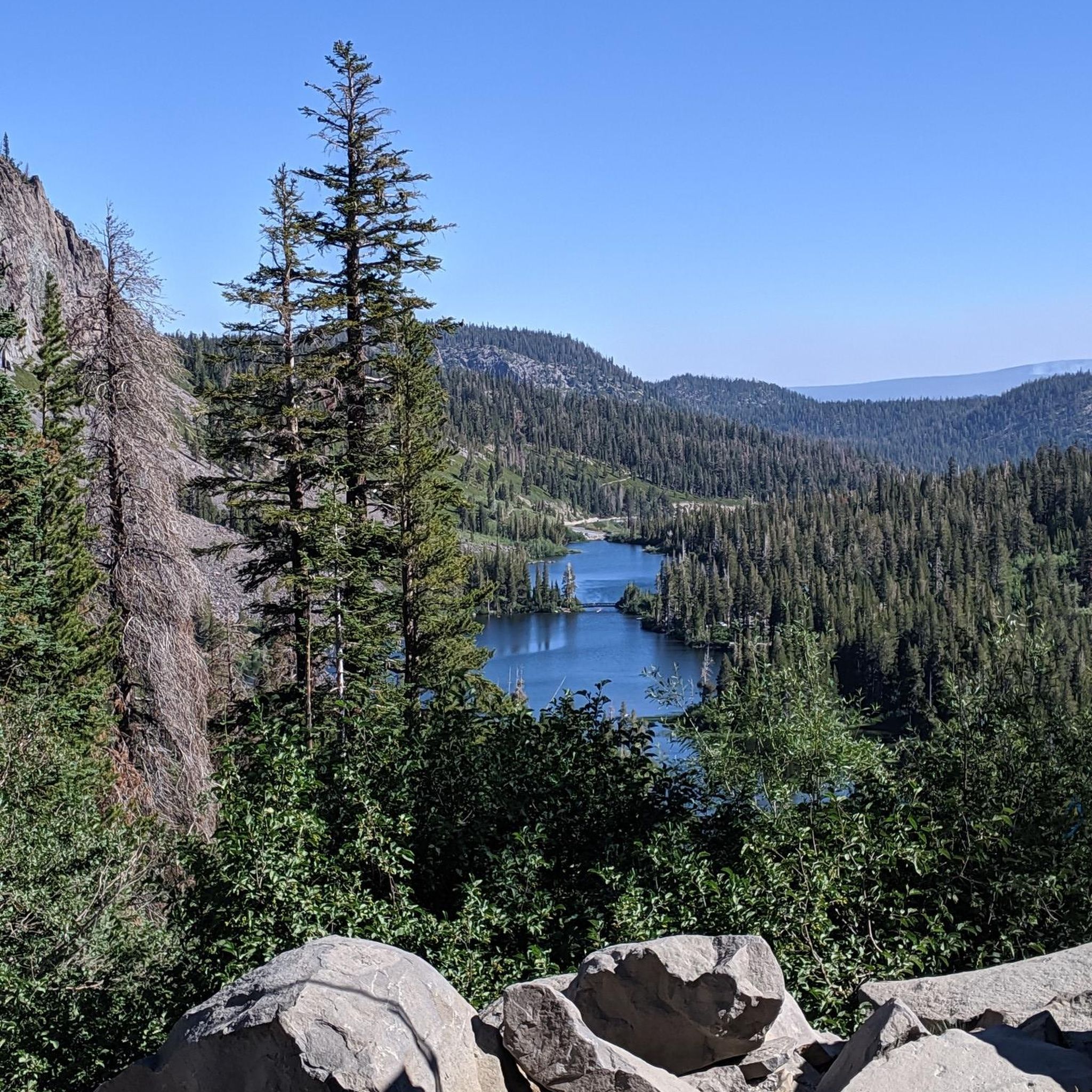
- Visitors also love Twin Lakes, a set of connected lakes to the southeast of Mammoth Mountain. In spring, a huge waterfall thunders from the mountains.
- Mammoth Lakes is known for its diverse natural monuments, including waterfalls, alpine lakes, and unique geological formations. The region offers a variety of natural monuments to see and explore.
- The natural monuments around Mammoth Lakes are appreciated by the komoot community, with more than 10 highlights and over 10 photos shared by visitors.
Last updated: October 13, 2026
Rainbow Falls
Highlight • Waterfall
It is located in Devils Postpile National Monument near Mammoth Mountain. The national monument protects Devil's Postpile, an unusual rock formation of columnar basalt. Devils Postpile National Monument encompasses 798 acres. In addition, the John Muir Trail and Pacific Crest Trail merge into one trail as they pass through the monument. Excluding a small developed area containing the monument headquarters, visitor center and a campground; the National Monument lies within the borders of the Ansel Adams Wilderness.
About 75,000 years ago, lava erupted from a vent just east of the present-day Falls. The eruption occurred in two stages. The first pulse of lava flowed about 1 kilometre (0.62 mi) westward and pooled in the Middle Fork of the San Joaquin drainage. The second pulse of lava insulated the first, allowing it to cool slowly and to fracture vertically. The layer above cooled under different conditions and fractured horizontally. Geologists describe these rocks as platy rhyodacite and are visible in the cliffs that surround Rainbow Falls.
As water rushes over the cliff, it erodes the vertically fractured rhyodacite more easily. A small cavern begins to form at the base of the Falls, and the overlying rock loses its support and collapses. This process, known as undercutting, causes the waterfall to recede slowly upstream. To date Rainbow Falls has retreated about 500 feet (150 m) due to undercutting.
en.wikipedia.org/wiki/Rainbow_Falls_%28California%29
en.wikipedia.org/wiki/Devils_Postpile_National_Monument
nps.gov/depo/planyourvisit/nearbyattractions.htm
Tip by

Devils Postpile
Highlight • Natural Monument
The main attraction of the park is Devils Postpile, an approximately 100 meters wide and 30 meters high cliff of vertical, volcanic basalt columns, which have a very symmetrical, hexagonal shape.
Tip by

Sign up now to discover places like this
Get recommendations on the best single tracks, peaks, & plenty of other exciting outdoor places.
Twin Lakes
Highlight • Lake
Translated by Google •
Tip by

Skelton Lake
Highlight • Lake
It is a short 1.5 mile hike (one-way) from Coldwater Creek parking lot. For backcountry camping, you must get a wilderness permit from the Inyo National Forest. recreation.gov/permits/233262
Tip by
Inyo Craters
Highlight • Volcano
Tip by
Sign up for free to discover even more natural monuments around Mammoth Lakes.
Already have an account?
Start today with a free account
Your next adventure awaits.
Tips from the Community

Devils Postpile National Monument is a United States national monument located near Mammoth Mountain in eastern California. The monument protects Devils Postpile, an unusual rock formation of columnar basalt, "all tightly and perfectly fitted together like a vast mosaic."
0
0

Twin Lakes, as its name suggests, is a park comprised of a set of connected lakes to the southeast of Mammoth Mountain. Eruptions of Mammoth Mountain caused the formation of lava cliffs on one side of the lakes. The other side has a campground and ski lodge.
0
0

The Devil's Postpile is a large cliff made of volcanic basalt columns. It is a very popular site, so there is a good possibility there will be others enjoying the site.
0
0
Rainbow Falls is a 101-foot waterfall, which is the largest falls on the San Joaquin River. The falls are located a short distance off the Pacific Crest Trail.
0
0

Twin Lakes is just a few minutes drive from Mammoth Lakes. In spring a huge waterfall thunders from the mountains. The lakes are filled with trout, so it is worth taking a fishing rod.
2
0


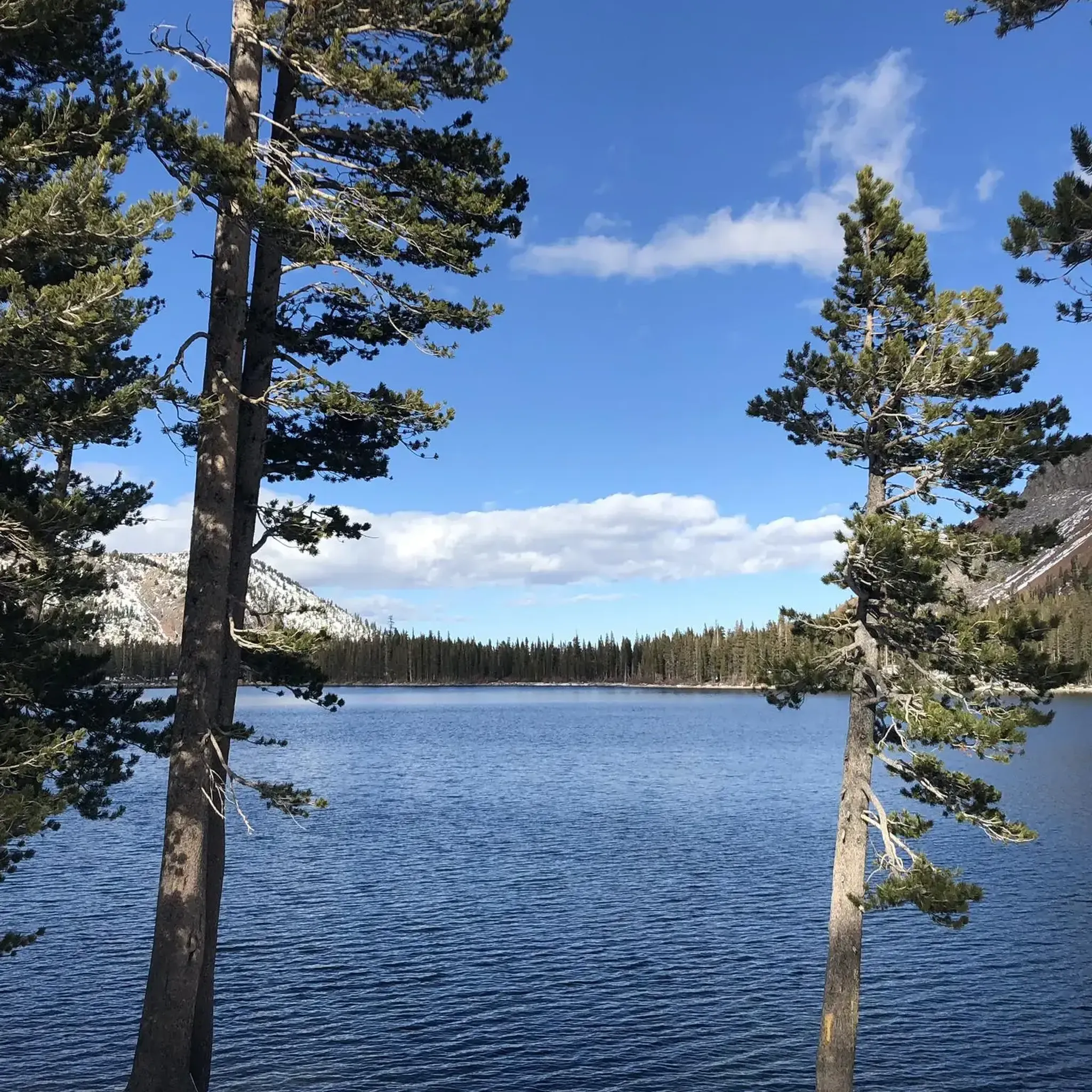
Skelton Lake is a wonderful place to enjoy. It can be reached by following the Duck Pass Trail, a very scenic route that is truly spectacular.
0
0

The Devils Postpile National Monument, which is only open from mid-June to mid-October, was once part of the Yosemite National Park and was only placed under protection as an independent park in 1911. The main attraction of the park is Devils Postpile, an approximately 100 meters wide and 30 meters high cliff of vertical, volcanic basalt columns, which have a very symmetrical, hexagonal shape.
6
0
Frequently Asked Questions
What are some of the most popular natural monuments to visit around Mammoth Lakes?
The Mammoth Lakes area boasts several highly-regarded natural monuments. Among the most popular are Rainbow Falls, known for the rainbows in its mist, and the unique columnar basalt formations of Devils Postpile. Visitors also frequently enjoy the scenic beauty of Twin Lakes and the tranquil alpine setting of Crystal Lake.
Are there natural monuments around Mammoth Lakes that are family-friendly?
Yes, several natural monuments are great for families. Twin Lakes offers a beautiful setting with a campground and opportunities for fishing. Horseshoe Lake is another excellent choice, inviting visitors for a swim or a short walk around its shores. The scenic gondola ride up Mammoth Mountain also provides an accessible and enjoyable experience for all ages, with interpretive exhibits at the summit.
What unique geological features can I explore in the Mammoth Lakes area?
The region is a geological marvel. You can witness the rare columnar basalt formations at Devils Postpile, a result of ancient volcanic activity. The Hot Creek Geological Site offers a rare opportunity to see active geothermal processes, with boiling water, fumaroles, and geyser eruptions creating an otherworldly landscape. Mono Lake Tufa State Natural Reserve features towering limestone formations called 'tufa towers' rising from its highly saline waters, showcasing a unique geological and ecological history.
What is the best time of year to visit the natural monuments around Mammoth Lakes?
The best time to visit largely depends on the specific monument and desired activities. Many sites, like Devils Postpile National Monument, are typically open from mid-June to mid-October due to snow. Summer and early fall offer the most accessible conditions for hiking and enjoying the lakes. For viewing the iconic rainbows at Rainbow Falls, sunny summer days, especially around midday, are ideal.
Are there hiking opportunities near the natural monuments?
Absolutely. The Mammoth Lakes area is a hiker's paradise. For example, you can hike a half-mile trail to the base of Devils Postpile and continue to its summit, or take the 2.5-mile trek from the ranger station to Rainbow Falls. Many other trails are available, including easy options like the Crystal Lake Trail and Horseshoe Lake Trail. For more hiking ideas, explore the Hiking around Mammoth Lakes guide.
Can I bring my dog to the natural monuments in Mammoth Lakes?
Many areas around Mammoth Lakes are dog-friendly, but it's always best to check specific regulations for each natural monument. For instance, Horseshoe Lake is noted as dog-friendly, offering a great spot for walks with your canine companion. Always keep dogs on a leash and clean up after them to preserve the natural environment.
What other outdoor activities can I do near these natural monuments?
Beyond hiking, the region offers a wide range of outdoor activities. You can enjoy running on trails like the Horseshoe Lake Loop, or explore road cycling routes such as the Lakes Basin Path. Convict Lake is excellent for fishing and boating, while Mono Lake offers unique kayaking and swimming experiences in its salty waters. Mammoth Mountain is a hub for mountain biking in summer and skiing/snowboarding in winter.
Where can I find panoramic views of the Sierra Nevada mountains?
For breathtaking panoramic views, head to Minaret Vista. Located just minutes from downtown Mammoth Lakes, it offers sweeping vistas of the majestic Minarets, pine forests, and wildflowers, making it an ideal spot for photography. The scenic gondola ride to the summit of Mammoth Mountain also provides stunning 360-degree views of the Sierra Nevada peaks and the San Joaquin Valley.
Are there any less crowded natural monuments for a more tranquil experience?
While popular sites can draw crowds, places like Convict Lake often offer a more serene experience. Its stunning glacier-carved setting within a rugged canyon provides a tranquil atmosphere for photography, fishing, or simply enjoying the natural beauty. Mono Lake, especially outside peak hours, can also feel very uncrowded and offers a peaceful, otherworldly landscape.
What should I know about visiting Hot Creek Geological Site?
Hot Creek Geological Site is an active geothermal area with boiling water and unpredictable geyser eruptions. While it's a fascinating place to witness geological processes, swimming is strictly prohibited due to dangerously rapid and unpredictable temperature fluctuations. Visitors can walk along well-maintained trails to observe the dramatic scenery. It's particularly photogenic at sunrise or sunset when the steam is more visible. For current conditions and safety information, check Visit Mammoth's guide.
What makes Mono Lake unique among natural monuments?
Mono Lake is truly unique due to its extreme salinity, being three times saltier than the ocean, and its distinctive 'tufa towers' – limestone formations rising from the water. As an endorheic basin with no outlet, its high mineral concentration supports a unique ecosystem of brine shrimp and alkali flies, which in turn sustain millions of migratory and nesting birds. It offers an otherworldly landscape and a rare opportunity to experience its unusual buoyancy if you choose to swim.
Is there public transport or shuttle access to natural monuments like Devils Postpile?
During its operating season (typically mid-June to mid-October), a mandatory shuttle bus system is often in place to access Devils Postpile National Monument and Rainbow Falls from the Mammoth Lakes area. This helps manage traffic and preserve the monument. It's advisable to check the official National Park Service website or local visitor centers for the most current information on shuttle schedules, parking, and any required permits before your visit.
Most popular routes around Mammoth Lakes
Most popular attractions around Mammoth Lakes

Get inspired with the komoot mobile app


Explore more
Extend your search for the best caves by checking out these guides of the top ones around Mammoth Lakes:
