The best walks and hikes around Daillens
4.4
(532)
3,658
hikers
192
hikes
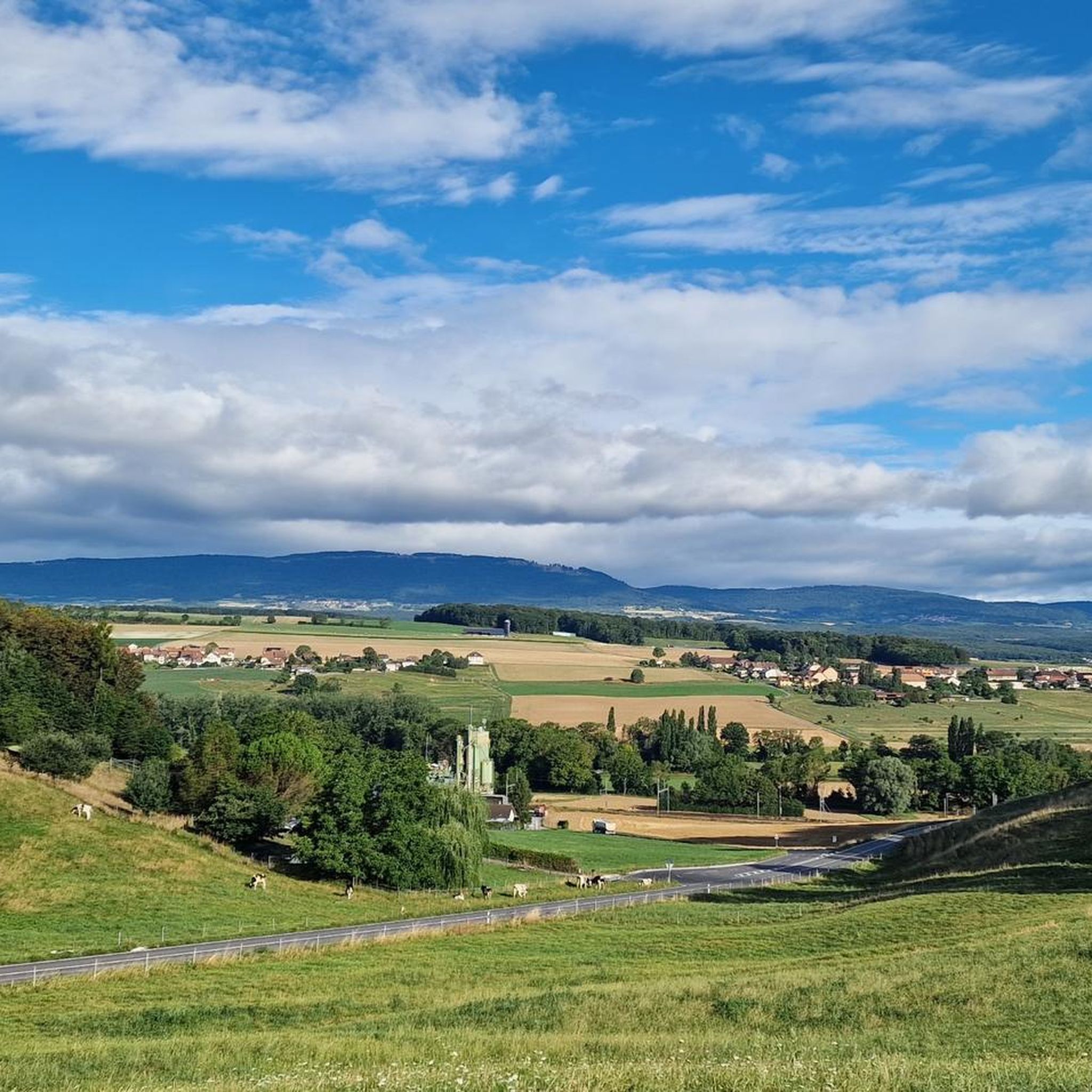
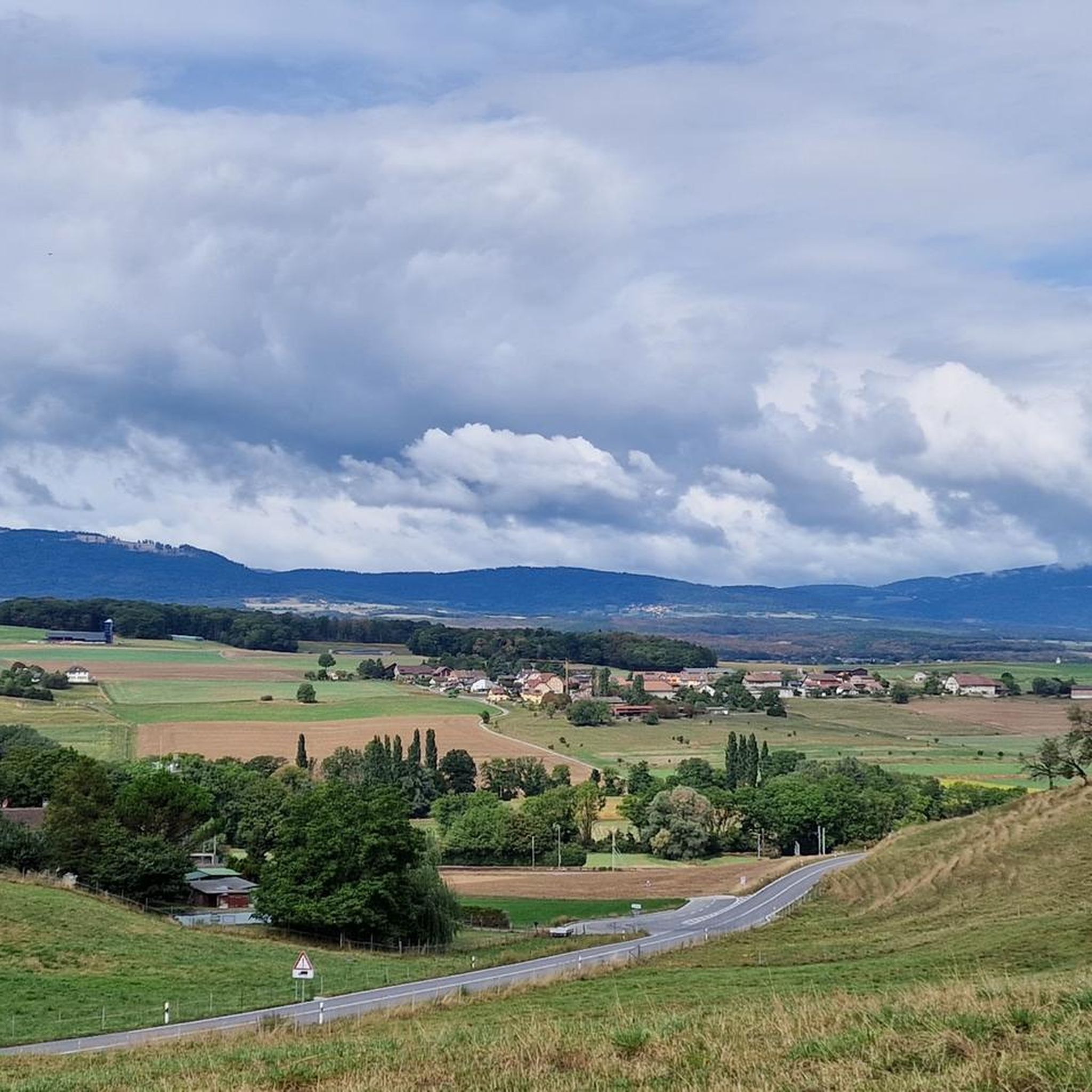
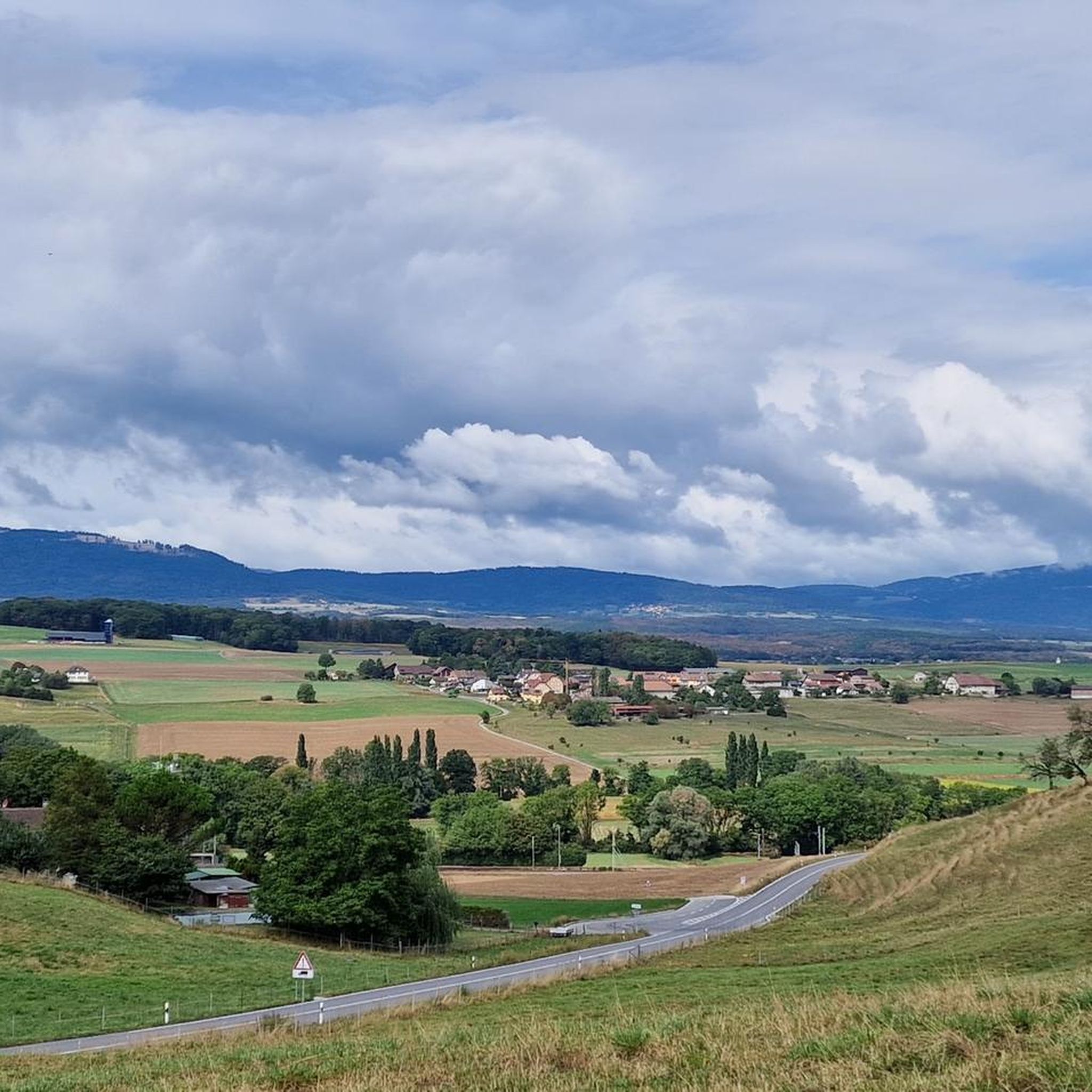
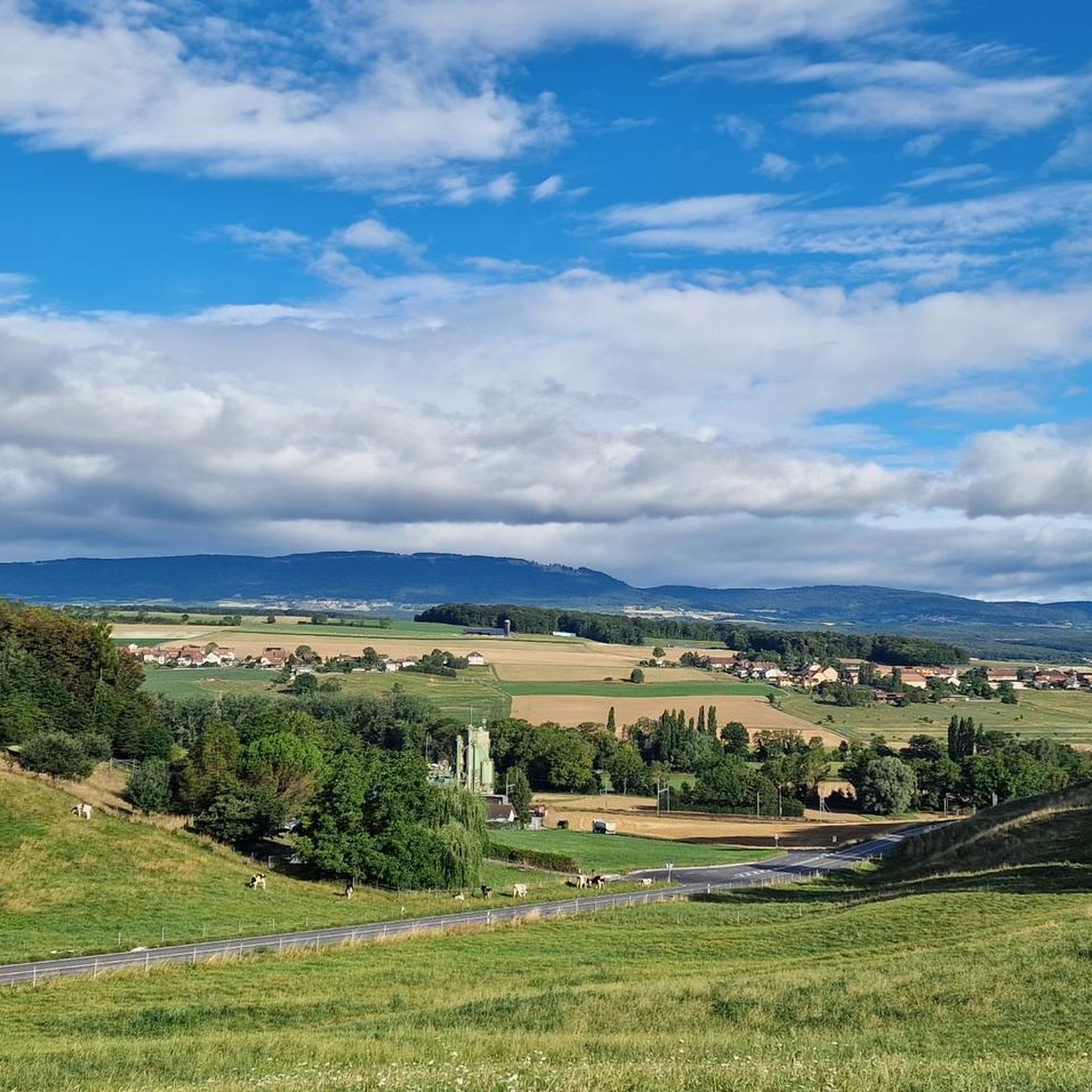
Hiking trails around Daillens traverse the gentle countryside of the Vaud canton in Switzerland. The region is characterized by a mix of forests, open fields, and rolling hills, providing varied terrain for walkers. Daillens is notably situated along the historic Via Francigena, offering connections to longer-distance routes.
Best hiking trails around Daillens
- The most popular hiking route is Countryside Road Near Vuarrens loop from Cossonay-Ville, a 4.0 miles (6.4 km) trail that takes 1 hour 43 minutes to complete.…
Last updated: August 17, 2026
4.3
(3)
23
hikers
6.37km
01:43
80m
80m
Easy hike. Great for any fitness level. Easily-accessible paths. Suitable for all skill levels.
4.4
(39)
113
hikers
12.0km
03:19
200m
200m
Moderate hike. Good fitness required. Easily-accessible paths. Suitable for all skill levels.

Sign up for free
6
hikers
10.9km
03:14
310m
310m
Moderate hike. Good fitness required. Easily-accessible paths. Suitable for all skill levels.
5.0
(1)
12
hikers
11.1km
03:12
260m
260m
Moderate hike. Good fitness required. Easily-accessible paths. Suitable for all skill levels.
4.5
(2)
10
hikers
5.43km
01:26
50m
50m
Easy hike. Great for any fitness level. Easily-accessible paths. Suitable for all skill levels.
Get access to more routes and recommendations from other explorers.
Sign up for free
Already have an account?
Our route recommendations are based on thousands of hikes, rides, and runs completed by other people on komoot.
Start today with a free account
Your next adventure awaits.
Login or Signup

Tips from the Community

very interesting castle with a highly interesting history
0
0


On the industrial site "La Filature" of the former blanket factory Girardet 1871-1977 and in close proximity to the river Venoge, stands a fascinating and eye-catching metal sculpture named "Désolé", by the artist Etienne Krähenbühl. It depicts a meteorite crushing a car.
0
0
In the rocky basin of the Tine de Conflens, the river has artfully carved out the surrounding rock over millennia. If you look closely, you will also discover the carved-out ❤️ there.
0
0

Entreroche is a historic place
0
0

The Tine de Conflens is an idyllic waterfall in the middle of nature between Ferreyres and La Sarraz.
1
0

The idea was to create a connection between Yverdon and the Mediterranean, with the goal of selling wine. Unfortunately, the project ran out of money...
1
0
Frequently Asked Questions
How many hiking trails are available around Daillens?
There are over 190 hiking routes around Daillens, offering a wide range of options for different skill levels. This includes more than 100 easy trails, 80 moderate routes, and a few more challenging paths.
What kind of scenery can I expect on hikes near Daillens?
Hiking around Daillens offers a pleasant mix of landscapes typical of the Vaud canton. You'll find trails winding through forests, across open fields, and over gentle rolling hills. The region provides a serene environment for walkers, with diverse flora and fauna.
Are there any circular hiking routes around Daillens?
Yes, many routes around Daillens are circular. For example, the easy Countryside Road Near Vuarrens loop from Cossonay-Ville takes you through rural landscapes. Another option is the moderate Château de La Sarraz – Woodland Art Camp loop from Vaud, which explores woodlands.
What are some good options for easy, shorter hikes?
For an easy and relatively short hike, consider the Countryside Road Near Vuarrens loop from Cossonay-Ville, which is about 6.4 km and takes under two hours. Another accessible option is the Path Along the Vineyards loop from Vaud, covering approximately 5.9 km.
Are there any waterfalls to see near Daillens?
Yes, the region around Daillens features several beautiful waterfalls. You can explore highlights like the Dard Waterfall, the Tine de Conflens Waterfall, or the impressive Orbe Waterfall and Dam. There's also the Cliffs and Waterfall Trail of Agiez for a more immersive experience.
Can I find trails that pass by lakes or natural reserves?
Absolutely. The area offers trails that lead to serene water bodies and natural reserves. Notable spots include the Creux de Terre Nature Reserve, Étang du Bois Neuf, and Sépey Pond. The Water Lily Pond of Parc du Désert is also a lovely spot to visit.
What do other hikers say about the trails in Daillens?
The hiking trails around Daillens are highly regarded by the komoot community, holding an average rating of 4.4 stars from over 400 reviews. Hikers often praise the well-maintained paths, the varied terrain, and the peaceful atmosphere of the Vaud countryside.
Are there any historical routes or significant paths in the area?
Yes, Daillens is notably situated along the historic Via Francigena. This ancient pilgrimage route offers a significant long-distance walking experience for those interested in its extensive path from Canterbury to St. Peter's Basilica in Rome, passing directly through the region.
Are there any moderate hikes that offer varied terrain?
For a moderate hike with varied terrain, consider the Canal d’Entreroches – Daffodils on Le Mormont loop from Eclépens. This 7.1 km route includes sections near the Canal d’Entreroches and takes about two hours to complete. A longer version, the Canal d’Entreroches – Daffodils on Le Mormont loop from Vaud, covers 10.6 km.
What is the best season for hiking near Daillens?
The Vaud canton, where Daillens is located, offers pleasant hiking conditions through much of the year. Spring brings blooming wildflowers, while summer provides lush green landscapes. Autumn is beautiful with changing foliage, and even mild winter days can be suitable for walks through the forests and countryside.
Are the trails around Daillens well-maintained?
Yes, the trails in the Vaud canton, including those around Daillens, are generally well-maintained. The region is known for its good infrastructure for hiking, ensuring a pleasant and accessible experience for walkers.
Most popular attractions around Daillens

Get inspired with the komoot mobile app


Explore more
Browse the best Hikes in other regions.
