The best walks and hikes in National Forests In Texas
4.5
(24)
276
hikers
59
hikes
Hiking in National Forests In Texas offers routes through the vast piney woods and hardwood bottomlands of the eastern part of the state. The region is characterized by dense pine and hardwood forests, along with bottomlands, prairies, marshes, and rivers. While generally relatively flat, the terrain includes rolling hills in some areas, providing varied landscapes for hikers. Numerous creeks, rivers, and large lakes like Sam Rayburn Reservoir and Lake Conroe crisscross or border the forest areas.
Best hiking trails in National Forests in Texas
- The most popular hiking route is Chinquapin Trail — Huntsville State Park, a 6.9 miles (11.1 km) trail that takes about 2 hours 55 minutes to complete. This moderate route follows the shoreline of Lake Raven.
- Another top favourite among local hikers is Sam Houston North Wilderness loop — Little Lake Creek Wilderness, a moderate 7.7 miles (12.4 km) path. The trail leads through a dense forest environment with varied tree species.
- Local hikers also love the Lone Star Hiking Trail loop — Little Lake Creek Wilderness, a 6.4 miles (10.4 km) trail leading through the Little Lake Creek Wilderness, often completed in about 2 hours 40 minutes.
- Hiking in National Forests In Texas is defined by shaded forest paths, lakeside trails, and routes through designated wilderness areas and swampy bogs. The trail network provides options for different ability levels, from short loops to sections of long-distance hiking trails.
- The routes in National Forests In Texas are highly rated by the komoot community with an average score of 4.5 stars from over 20 reviews. More than 200 hikers have used komoot to explore National Forests In Texas's varied terrain.
Last updated: October 11, 2026
7
hikers
15.4km
04:00
90m
110m
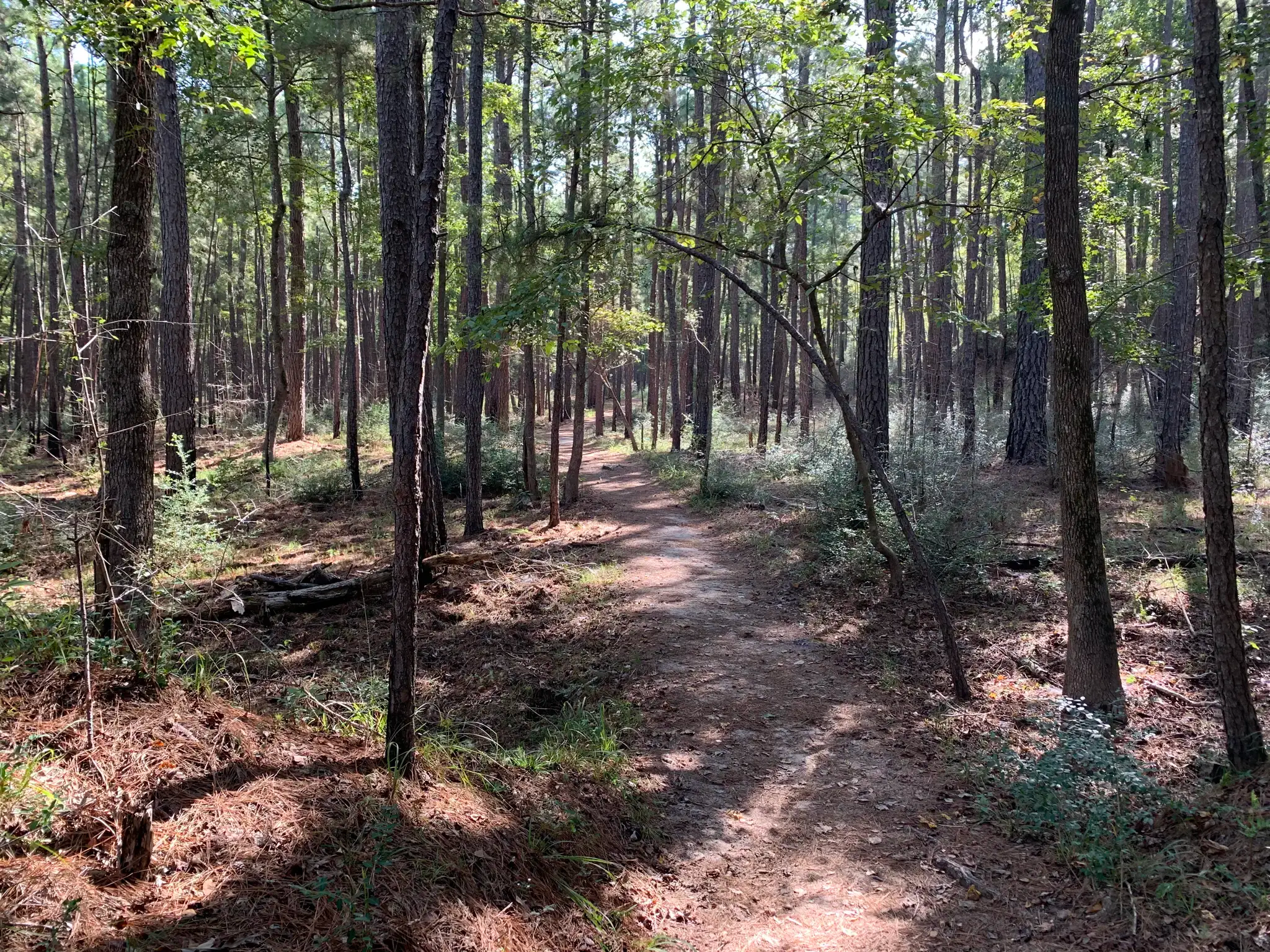
Embark on the Little Lake Creek Wilderness South Loop, a moderate hike spanning 9.5 miles (15.4 km) with a gentle elevation gain of 307 feet (94 metres). You can expect to complete this loop in about 3 hours and 59 minutes. As you hike, you will traverse diverse East Texas ecosystems, moving through mature pine and hardwood forests filled with towering loblolly pines. The path is mostly singletrack, often cushioned with leaves, and features gently rolling hills. Look out for unique swampy bogs and marshy areas that give the landscape an almost prehistoric feel.
To make the most of your hike, plan your visit to the Little Lake Creek Wilderness South Loop between late fall and early spring. During these months, the weather is more pleasant, and you will avoid the intense heat and high humidity common from May to September. The warmer season also brings a significant insect population, along with concerns about snakes, poison ivy, and ticks, so it's best to visit when conditions are cooler. This route is exclusively for foot traffic, ensuring a peaceful hiking experience.
This trail offers a chance to immerse yourself in the unique natural environment of East Texas. You will encounter rich bottomlands and towering loblolly pines, characteristic of the region's diverse forest types. Keep your eyes open for local wildlife, as deer and various bird species are often spotted along the route. The presence of distinct swampy bogs adds to the unique character of this wilderness area, making it a memorable journey through a varied landscape.
4.0
(2)
7
hikers
23.7km
06:11
170m
160m
The Little Lake Creek Loop Trail offers a substantial hiking experience, covering 14.7 miles (23.7 km) with a challenging 550 feet (168 metres) of elevation gain. You can expect to spend around 6 hours and 11 minutes navigating this difficult route through the Sam Houston National Forest. As you hike, you'll pass through towering pine forests and rich hardwood bottoms, experiencing diverse ecosystems. Keep an eye out for the unique palmetto forest in the eastern section, which provides a distinct change of scenery. The route also features scenic views along Little Lake Creek, adding to the natural beauty of your journey.
Planning your visit is straightforward, as parking is typically available right at the trailhead. The trail is generally well-marked with metal blazes, helping you stay on course throughout your adventure. This makes for easy access and navigation within the Sam Houston National Forest. If you have a canine companion, you'll be glad to know that dogs are welcome to join you on this trail.
This trail stands out for its diverse natural environment, showcasing a blend of ecosystems rarely found together. Beyond the towering pines, you'll encounter rich hardwood bottoms and the surprising palmetto forest, which gives a unique, almost Floridian feel to parts of the Texas landscape. Keep an eye peeled for local wildlife, including white-tailed deer and various bird species like the Red-cockaded Woodpecker, making the journey a rewarding experience for nature observation.

6
hikers
14.5km
03:47
100m
100m
Embark on the Four Notch Loop Trail for a moderate hiking adventure through the East Texas Piney Woods. This 9.0-mile (14.5 km) route guides you through scenic woodlands with rolling terrain, offering a diverse experience. You will gain 320 feet (97 metres) in elevation, and the journey typically takes around 3 hours and 47 minutes to complete. As you hike, you'll be shaded by massive longleaf pine trees, some with trunks reaching three feet in diameter, and you might even spot dogwood trees in bloom.
When planning your visit, be aware that conditions on the trail can vary. After heavy rains, many creek crossings may become wet or even impassable, and certain sections of the trail can be quite muddy and slow to navigate. Sturdy footwear and trekking poles are highly recommended to help you handle the uneven ground and potentially slick banks. Also, be prepared for mosquitoes, especially during wet periods, and consider bringing appropriate repellent.
The Four Notch Loop Trail is known for its engaging character, featuring numerous creek crossings that add to the natural beauty of the route. Keep an eye out for local wildlife and enjoy the many birding opportunities as you explore. This trail offers a wonderful chance to immerse yourself in the natural environment of the Sam Houston National Forest, providing a peaceful escape into its rich ecosystem.
6
hikers
2.43km
00:37
10m
10m
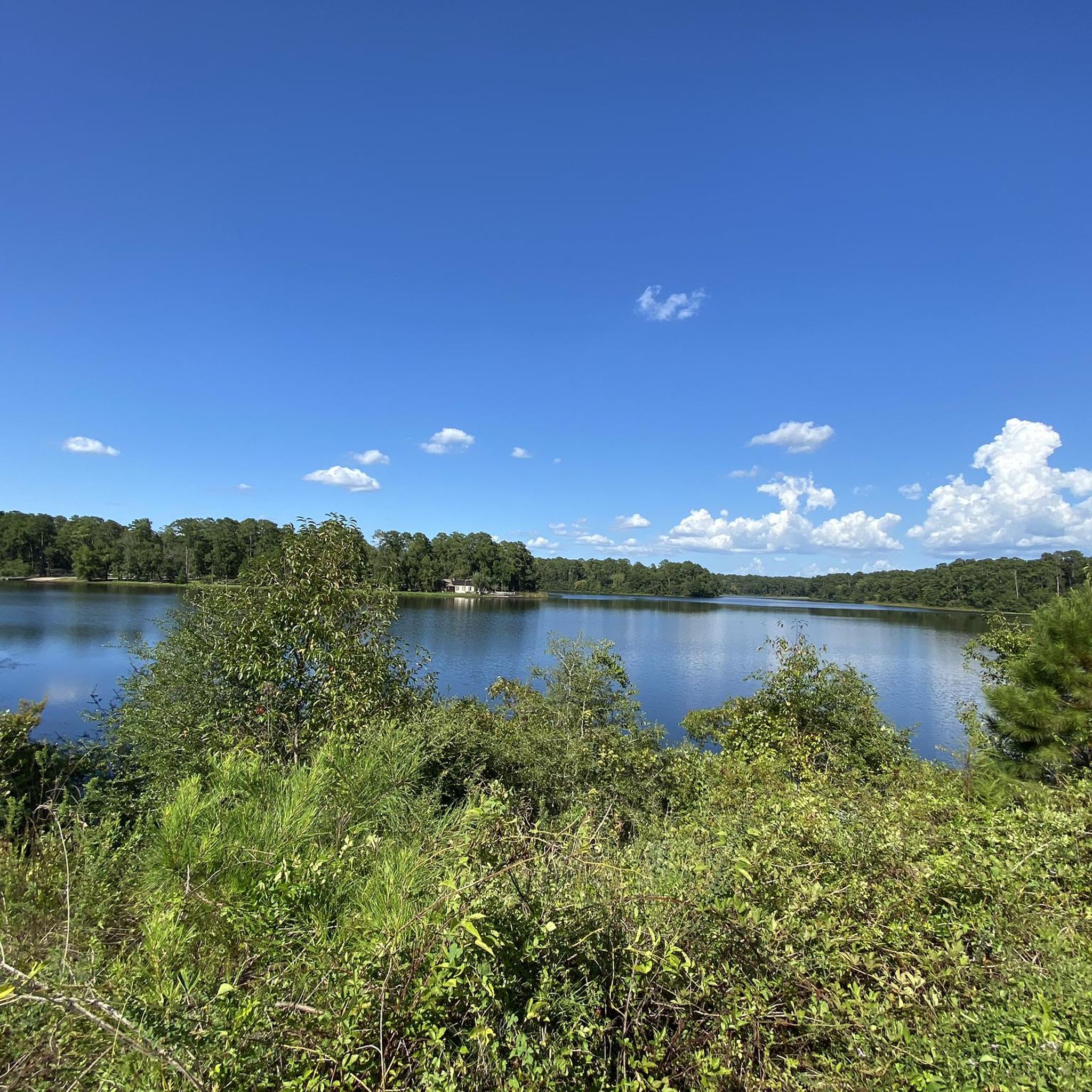
Embark on an easy hike along the Prairie Branch Loop Trail, a 1.5-mile (2.4 km) route that offers a pleasant outdoor experience. You will encounter minimal elevation gain, just 32 feet (10 metres), making it accessible for nearly everyone and completable in about 37 minutes. As you walk, you will journey through two distinct environments. One section winds through a vibrant mixed pine and hardwood forest, providing a classic woodland atmosphere. The other half of the loop runs directly alongside Lake Raven, where you can enjoy beautiful water views and look for local wildlife like shorebirds or even alligators. In spring, keep an eye out for dogwoods adding splashes of white to the scenery.
To access the Prairie Branch Loop Trail, you will need to enter Huntsville State Park, which typically requires an entrance fee. Parking is generally available within the state park, making it convenient to start your adventure. This route is considered family friendly, so it is a great option for all ages. You can also bring your leashed dog along to enjoy the natural surroundings with you.
This trail is notable for its unique combination of woodland and lakeside scenery, offering a varied experience within a short distance. The opportunity to spot wildlife along Lake Raven, from various bird species to alligators, adds an exciting element to your hike. Its location within Huntsville State Park means you are also close to other park amenities and trails, allowing for a longer day out if you wish to explore further.
6
hikers
5.34km
01:23
30m
30m
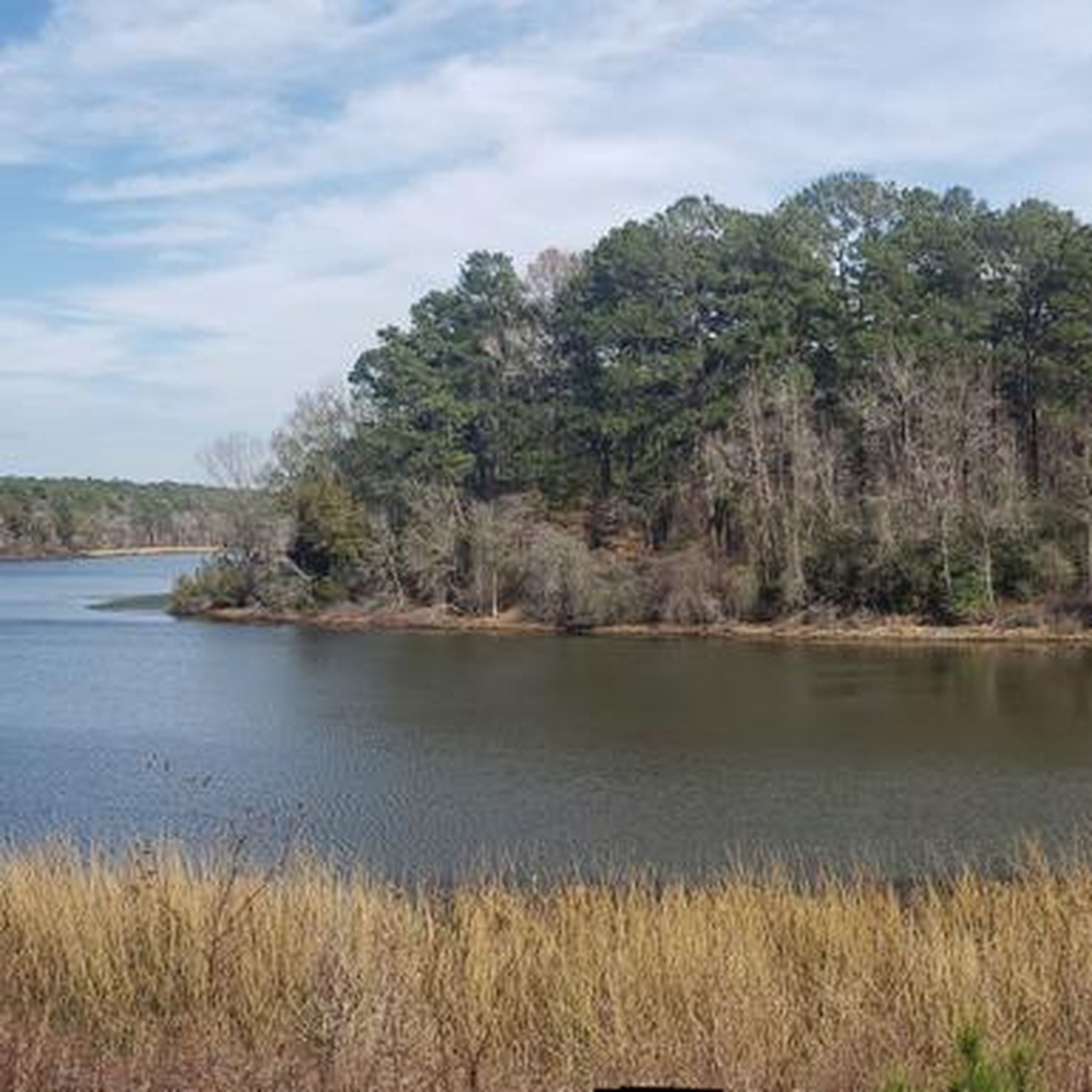
The Ratcliff Lake Trail offers a peaceful hike through the East Texas Pineywoods, where you will be surrounded by towering loblolly pine and oak trees. This easy route covers 3.3 miles (5.3 km) with a gentle elevation gain of 84 feet (26 metres), making it a perfect choice for a relaxed outing that takes about 1 hour and 22 minutes. As you walk, you will enjoy diverse scenery, including a vibrant green understory and picturesque views of the 45-acre Ratcliff Lake.
To plan your visit, head to the Ratcliff Lake Recreation Area, which provides a serene setting for your adventure. The trails are generally well-marked and maintained, ensuring a smooth experience for all hikers. If you wish to extend your stay, a heavily-wooded campground is available within the recreation area. Consider visiting in the fall for the potential to see beautiful changing leaves.
Beyond hiking, the Ratcliff Lake area is known for its natural environment and offers several other activities. You can enjoy swimming in a designated area, fishing, or kayaking on the lake, where only electric motors are permitted. Keep an eye out for local wildlife, as the area is home to species like the endangered red-cockaded woodpecker, adding a unique ecological highlight to your trip.
Get access to more routes and recommendations from other explorers.
Already have an account?
Our route recommendations are based on thousands of hikes, rides, and runs completed by other people on komoot.
Start today with a free account
Your next adventure awaits.

Other adventures in National Forests In Texas

Tips from the Community

This trailhead, also known as Richards Trailhead Parking Lot #1, is the official access point for the Wilderness Section—the first of 11 segments of the 96-mile Lone Star Hiking Trail (LSHT) from west to east. Parking is available, and there is a posted sign with up-to-date trail information. Access to the trailhead is free to the public. There is no restroom here, and potable water is available only at Double Lake and Stubblefield recreation areas, so bring a filter or pack plenty of water. From this trailhead, the Little Creek Loop Trail, also part of the designated LSHT system, branches off in a 13-mile loop, connecting back onto the main trail. It is popular with day hikers looking to spend a few hours exploring, as well as backpackers heading out on the “Grand Loop”—a 30-mile hiking adventure that connects with several other trails in the area.
1
0

This trail, part of the Prairie Branch Loop, is for hikers only. This is because it is highly erosive. The other half of the Prairie Branch Loop takes you inland through the park's mixed pine and hardwood forest.
1
0
Ratcliff Lake is the southern trailhead and start point of the 4 C National Recreation Trail in the Davy Crockett National Forest. From here, it's possible to run the full 32 kilometers (20 mi) to the northern trailhead at Neches Bluff Overlook, though you'd need to arrange transport to get back to the start.
0
0
Ratcliff Lake is the southern trailhead and start point of the 4 C National Recreation Trail in the Davy Crockett National Forest. The lake was once a mill pond for a sawmill, which operated in the early 20th century. At the site there are swimming areas, an amphitheater, camping grounds and a plethora of wildlife.
0
0
This is the western trailhead of Texas' longest continuous footpath, the 96-mile (154 km) Lone Star Hiking Trail. If you include the loop routes, the trail is 128 miles (206 km) in length. The trail explores a variety of habitats, from pine forests to swamps.
0
0
Pole Creek, Sand Branch, and Little Lake Creek all flow through the Little Lake Creek Wilderness, a 3,855-acre (1,560 ha) area set aside in the Texas Wilderness Act of 1984. Wildlife here includes deer, owls, armadillos and the endangered red-cockaded woodpecker. The area features on the Lone Star Hiking Trail, a 208-kilometer (129 mi) route across the Sam Houston National Forest.
0
0
Frequently Asked Questions
Are the hiking trails in the Texas National Forests dog-friendly?
Yes, dogs are generally welcome on the trails within the Texas National Forests, but they must be kept on a leash at all times. It's a good practice to bring plenty of water for your pet, especially during the warmer months, and to check for any specific regulations in the recreation or wilderness area you plan to visit.
What are some good family-friendly hikes in the region?
For an easy and enjoyable outing with the family, consider the Dogwood and Prairie Branch Loop. At just over 3 miles (5.1 km), it's a manageable length for most ages and offers a pleasant walk through the woods. The trails around the Ratcliff Lake Recreation Area in Davy Crockett National Forest are also great for families, offering swimming and picnic spots.
Which national forest is best for a quieter, more remote hiking experience?
For a more secluded hike, the Sabine and Angelina National Forests often feel less crowded than the Sam Houston National Forest. The 28-mile Trail Between the Lakes in Sabine National Forest offers a peaceful long-distance path through mature pine stands. In Angelina, the Sawmill Trail to the Aldridge Sawmill ruins provides a sense of history and solitude along its 5.5-mile path.
What is the best time of year to hike in the Texas National Forests?
The best times to hike are during the spring and fall. In spring, you'll enjoy pleasant temperatures and blooming wildflowers, like dogwoods. Autumn brings cooler, less humid air and beautiful fall foliage in the hardwood sections of the forests. Summers can be very hot and humid, so if you hike then, start early, carry extra water, and be prepared for the heat.
Are there any long-distance hiking trails available?
Yes, the most famous is the 128-mile Lone Star Hiking Trail, the longest continuous footpath in Texas, which winds through the Sam Houston National Forest. For a shorter but still substantial trek, the 20-mile Four C National Recreation Trail in Davy Crockett National Forest connects Ratcliff Lake to the scenic Neches Bluff Overlook.
How do the hiking experiences in Sam Houston and Davy Crockett National Forests compare?
Sam Houston National Forest is very popular, partly due to its proximity to Houston and the famous Lone Star Hiking Trail. It offers varied scenery, including the dense Little Lake Creek Wilderness. Davy Crockett National Forest provides a different experience, centered around the historic Ratcliff Lake and the 20-mile Four C Trail, which leads to the stunning Neches Bluff Overlook, offering panoramic views of the Neches River bottomlands.
What kind of wildlife might I see while hiking?
The forests are rich in wildlife. It's common to see white-tailed deer, squirrels, and a wide variety of birds, including woodpeckers. The endangered red-cockaded woodpecker is a special resident of the pine forests. Near creeks and in wetland areas like the Big Slough Wilderness, you might spot beavers, turtles, and occasionally even an American alligator. Birdwatching is particularly rewarding, with chances to see bald eagles near Lake Conroe in winter.
Are there opportunities for primitive or dispersed camping?
Yes, all four national forests offer opportunities for primitive and dispersed camping outside of developed recreation areas. Sam Houston National Forest allows dispersed camping in its general forest area, and places like the Bouton Lake area in Angelina National Forest offer a more primitive campground experience. Always follow Leave No Trace principles and check with the local ranger district for any specific rules or fire restrictions.
Are there any trails with waterfalls?
While the East Texas landscape is more known for its serene creeks, pine forests, and lakes, significant waterfalls are not a common feature of the trails in these national forests. One notable man-made water feature is the historic rock spillway at Boykin Springs Lake in the Angelina National Forest, which can be quite scenic after a good rain.
Where can I find a good circular hike?
There are several excellent loop trails. For a moderately challenging option, the North Wilderness Loop in Sam Houston National Forest is a great choice. This 6.2-mile (10 km) trail takes you through a beautiful and quiet section of the forest's wilderness area.
What do other hikers enjoy about the trails in this region?
The trail network is highly regarded by the komoot community, with an average rating of over 4.5 stars. Hikers frequently praise the well-shaded paths through the tall piney woods, which offer a welcome escape from the Texas sun. The serene atmosphere of the wilderness areas and the scenic trails along the shores of the region's many lakes are also popular highlights.
Most popular routes in National Forests In Texas
Most popular attractions in National Forests In Texas

Get inspired with the komoot mobile app


Explore more
Browse the best Hikes in other regions.
