Attractions and Places To See in Bitterroot National Forest - Top 9
Best attractions and places to see in Bitterroot National Forest span over 1.6 million acres across west-central Montana and east-central Idaho. This region features rugged mountain terrain, pristine lakes, and dense forests. Established in 1898, it offers diverse natural beauty and historical insights. Approximately half of the forest's acreage is part of designated wilderness areas, providing extensive opportunities for outdoor exploration.
Best attractions and places to see in Bitterroot National Forest
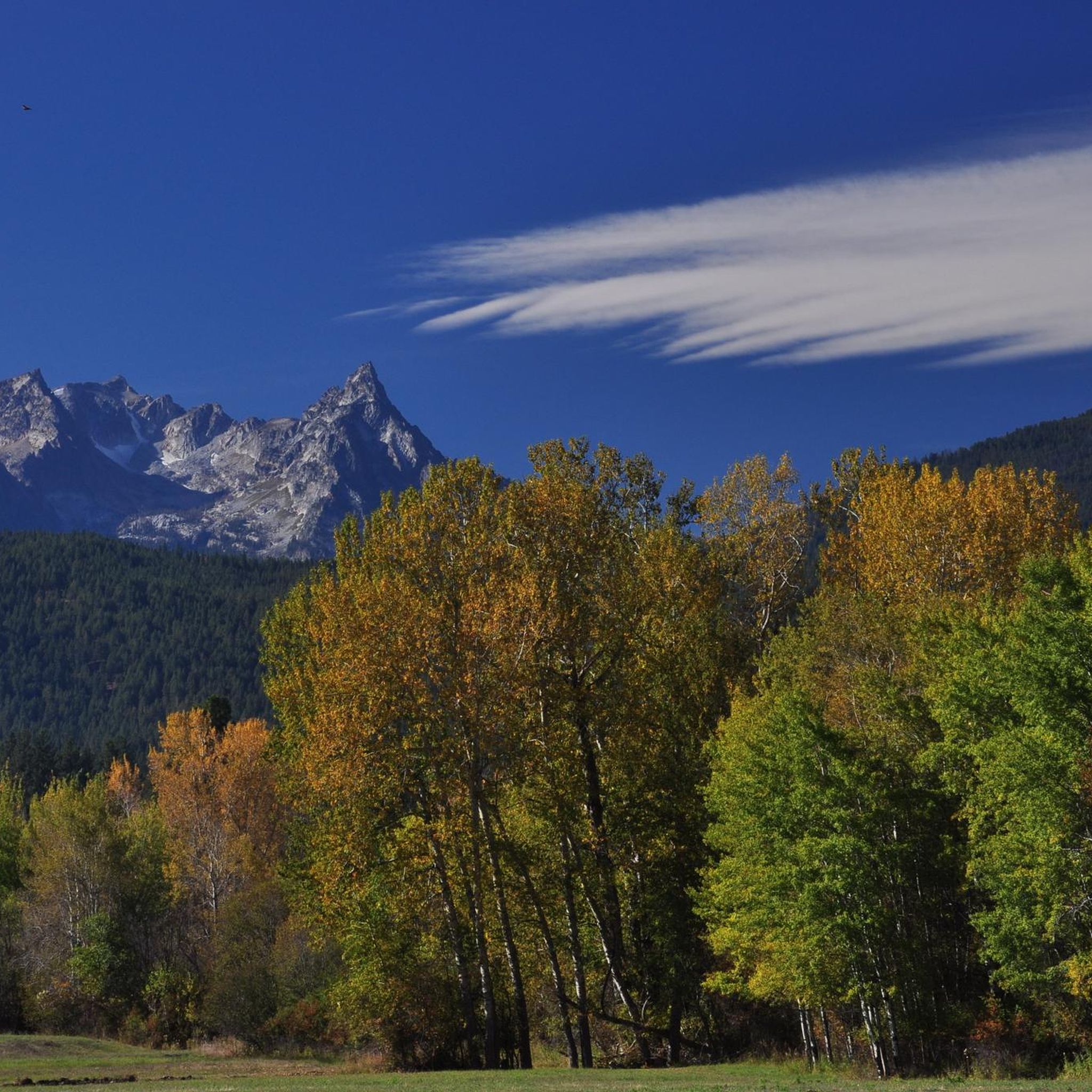
- The most popular attractions is Trapper Peak, a summit that is the highest point in the Bitterroot Range. It rises to 10,157 feet (3,096 m) and offers superb views across western Montana for those who reach its summit.
- Another must-see spot is Blodgett Canyon Overlook, a viewpoint offering vistas of the glacially carved canyon below and the surrounding mountain range. The trail to the overlook is considered relatively easy compared to other area hikes.
- Visitors also love Mill Creek Trail, a trail offering a lovely escape into nature. This trail features gentle gradients and a picturesque waterfall about 3 miles (5 km) in, making it suitable for families.
- Bitterroot National Forest is known for its challenging mountain summits, scenic canyon overlooks, and family-friendly trails. The area offers a variety of natural features to explore, from high peaks to serene rivers and lakes.
- The attractions in Bitterroot National Forest are appreciated by the komoot community, with 1 upvote and 4 photos shared by visitors.
Last updated: August 18, 2026
Trapper Peak
Highlight • Summit
Tip by

Blodgett Canyon Overlook
Highlight • Viewpoint
Tip by

Sign up now to discover places like this
Get recommendations on the best single tracks, peaks, & plenty of other exciting outdoor places.
Sign up for free
Mill Creek Trail
Highlight (Segment) • Trail
Tip by
Kootenai Creek Trail
Highlight • Trail
Tip by
Along the Selway River
Highlight (Segment) • River
Tip by
Sign up for free to discover even more attractions in Bitterroot National Forest.
Sign up for free
Already have an account?
Start today with a free account
Your next adventure awaits.
Login or Signup
Popular around Bitterroot National Forest
Tips from the Community

Compared to most other hikes in the area, the trail to Blodgett Canyon Overlook is relatively easy (but don't underestimate it!). But once you reach the top, the views are no less exciting. Breath in the fresh air and soak in the vistas of the canyon below and the mountain range in front of you!
0
0

While Trapper Peak is one of the most popular peaks in the area, the journey to the top is not for the faint of heart! You will climb nearly 1,000 feet of elevation per mile in your quest to reach the summit.
0
0

Trapper Peak is the highest point in the Bitterroot Range. It rises to 10,157 feet (3,096 m) and rewards hikers that make the trek to its summit with superb views across western Montana. There's a trail that ascends to the summit from the southeast, entailing around 3,600 feet (1,100 m) of elevation gain.
0
0
Around 160 kilometer (100 mi) in length, the Selway River is a scenic companion to any hike. As you follow its flowing water, keep your eyes peeled for the wildlife that inhabits the region, including ospreys and bald eagles in the sky and American black bears on the land.
0
0
Kootenai Creek Trail is located in the Selway-Bitterroot Wilderness and follows the creek of the same name into a classic Bitterroot canyon. The creek is very scenic, as it tumbles through the canyon over rocks and boulders. The trail ends at Kootenai Lakes, a group of gorgeous alpine lakes, though it's quite a trek to get that far.
0
0
The Mill Creek Trail offers a lovely escape into nature. There are various scenic spots to pause and take it all in, including a picturesque waterfall about 3 miles (5 km) along. The gradients on the trail are mostly gentle, a good one for the whole family.
0
0
Frequently Asked Questions
What are some of the most impressive natural landmarks and scenic viewpoints in Bitterroot National Forest?
The Bitterroot National Forest boasts several breathtaking natural features. You can challenge yourself with a hike to Trapper Peak, the highest point in the Bitterroot Range, offering superb panoramic views. For a less strenuous but equally rewarding experience, visit the Blodgett Canyon Overlook, which provides stunning vistas of the glacially carved canyon. Other notable natural sites include St. Mary's Peak, Lake Como, and the vast Selway-Bitterroot Wilderness.
Are there family-friendly hiking trails in Bitterroot National Forest?
Yes, the forest offers several trails suitable for families. The Mill Creek Trail is a great option, featuring gentle gradients and a picturesque waterfall about 3 miles (5 km) in. Another good choice is the Bear Creek Trail, which offers a scenic 5.7-mile round-trip hike with beautiful canyon views.
What historical and cultural sites can I explore in the Bitterroot Valley?
The Bitterroot Valley is rich in history. You can visit the Historic St. Mary's Mission in Stevensville, Montana's oldest town, to learn about early settlers and Native American interactions. The Daly Mansion in Hamilton offers a glimpse into Montana's Gilded Age, while Travelers' Rest State Park near Lolo allows you to trace the path of the Lewis and Clark Expedition. Fort Owen State Park and the Darby Pioneer Memorial Museum also provide insights into the region's past.
What kind of outdoor activities can I do near the attractions in Bitterroot National Forest?
Beyond exploring the attractions, the Bitterroot National Forest is a hub for outdoor activities. You can find numerous hiking opportunities, including routes like the Larry Creek Ecology Loop or the Boulder Creek Trail. For cycling enthusiasts, there are routes such as the Bitterroot Trail or loops around Lake Como. You can find more details on these activities in the dedicated guides for Hiking in Bitterroot National Forest and Cycling in Bitterroot National Forest.
Where can I experience pristine wilderness and spot wildlife?
The Selway-Bitterroot Wilderness, which encompasses a significant portion of the Bitterroot National Forest, is ideal for experiencing pristine landscapes and diverse wildlife. Along the Selway River, you might spot ospreys, bald eagles, and American black bears. The Lee Metcalf National Wildlife Refuge is another excellent spot for wildlife viewing, offering serene natural settings.
Are there any challenging hikes for experienced adventurers?
Absolutely. The ascent to Trapper Peak is considered challenging, involving nearly 1,000 feet of elevation gain per mile to reach its 10,157-foot summit. The Kootenai Creek Trail, while scenic, can also be quite a trek, especially if you aim to reach the remote Kootenai Lakes.
What is the best time of year to visit Bitterroot National Forest?
The Bitterroot National Forest offers year-round appeal, but the best time depends on your preferred activities. Summer (June to August) is ideal for hiking, fishing, and water sports on Lake Como. Fall brings stunning foliage. Winter offers opportunities for ice skating on Lake Como when it freezes, though many trails may be snow-covered. Spring can be beautiful with wildflowers but some higher elevation trails might still be inaccessible.
Are there opportunities for rock climbing in the area?
Yes, Blodgett Canyon is particularly renowned for rock climbing. The south face of Flathead Buttress is a legendary spot among climbers, offering challenging routes amidst towering cliffs and stunning scenery.
Can I find unique overnight stays in the forest?
For a unique experience, consider staying at one of the historic viewpoint cabins. Gird Point Lookout and Medicine Point Lookout, formerly used for forest fire watch, offer rustic overnight stays with incredible views of the surrounding mountains.
What do visitors enjoy most about the Bitterroot National Forest?
Visitors consistently praise the forest's diverse natural beauty, from challenging mountain summits like Trapper Peak to serene river valleys and pristine lakes. The opportunity for solitude in vast wilderness areas, the abundance of wildlife, and the variety of trails catering to all skill levels are frequently highlighted as major draws.
Where can I find information and permits for the wilderness areas?
The Historic Darby Ranger Station Visitor's Center and Museum, open between May and October, serves as an excellent resource. Here, you can obtain maps, permits, and detailed information about the surrounding wilderness and forests.
Are there any scenic drives or overlooks that are easily accessible?
Yes, the Blodgett Canyon Overlook is relatively easy to access and provides breathtaking views without a strenuous hike. Additionally, areas like Wahoo Pass and Twin Lakes within the Lost Horse Corridor offer stunning vistas that can often be enjoyed from scenic drives.
Most popular routes in Bitterroot National Forest

Get inspired with the komoot mobile app


Explore more
Still not found the Highlight you’re looking for? See guides of the top attractions in other regions:
