Attractions and Places To See around Lake Mendota - Top 20
Best attractions and places to see around Lake Mendota, the largest of Madison, Wisconsin's four lakes, offer a blend of natural beauty and cultural significance. Bordered by the University of Wisconsin-Madison campus and various parks, the lake is a central feature of the region. It is known for its diverse ecosystems, historical archaeological sites, and its role as a living laboratory for limnological research. The area provides opportunities to explore natural landscapes and learn about the region's past.
Best attractions and places to see around Lake Mendota
- The most popular attractions is Lake Mendota, a lake that formed around 15,000 years ago when glacial ice began to melt. It is biodiverse, with over 34 common species of fish and 255 bird species.
- Another must-see spot is Lakeshore Nature Preserve, a natural preserve offering a tranquil refuge with diverse ecosystems, including wetlands, marshes, meadows, and forests. It provides opportunities for waterfront hikes and quiet contemplation.
- Visitors also love Picnic Point Mound Group, an archaeological site with ancient burial mounds. These mounds, some dating back over 2,000 years, reflect the rich history and cultural significance of the area.
- Lake Mendota is known for its natural features, historical sites, and recreational activities. The region offers a variety of attractions to see and explore, from ancient effigy mounds to extensive nature preserves.
- The attractions around Lake Mendota are appreciated by the komoot community, with 12 upvotes and 5 photos shared by visitors.
Last updated: October 18, 2026
Picnic Point Mound Group
Highlight • Historical Site
Tip by

Lake Mendota
Highlight • Lake
Tip by

Sign up now to discover places like this
Get recommendations on the best single tracks, peaks, & plenty of other exciting outdoor places.
Yahara River Bike Path
Highlight (Segment) • Cycleway
Tip by

Tent Colony Caretakers Woods, Lakeshore Nature Preserve
Highlight (Segment) • Forest
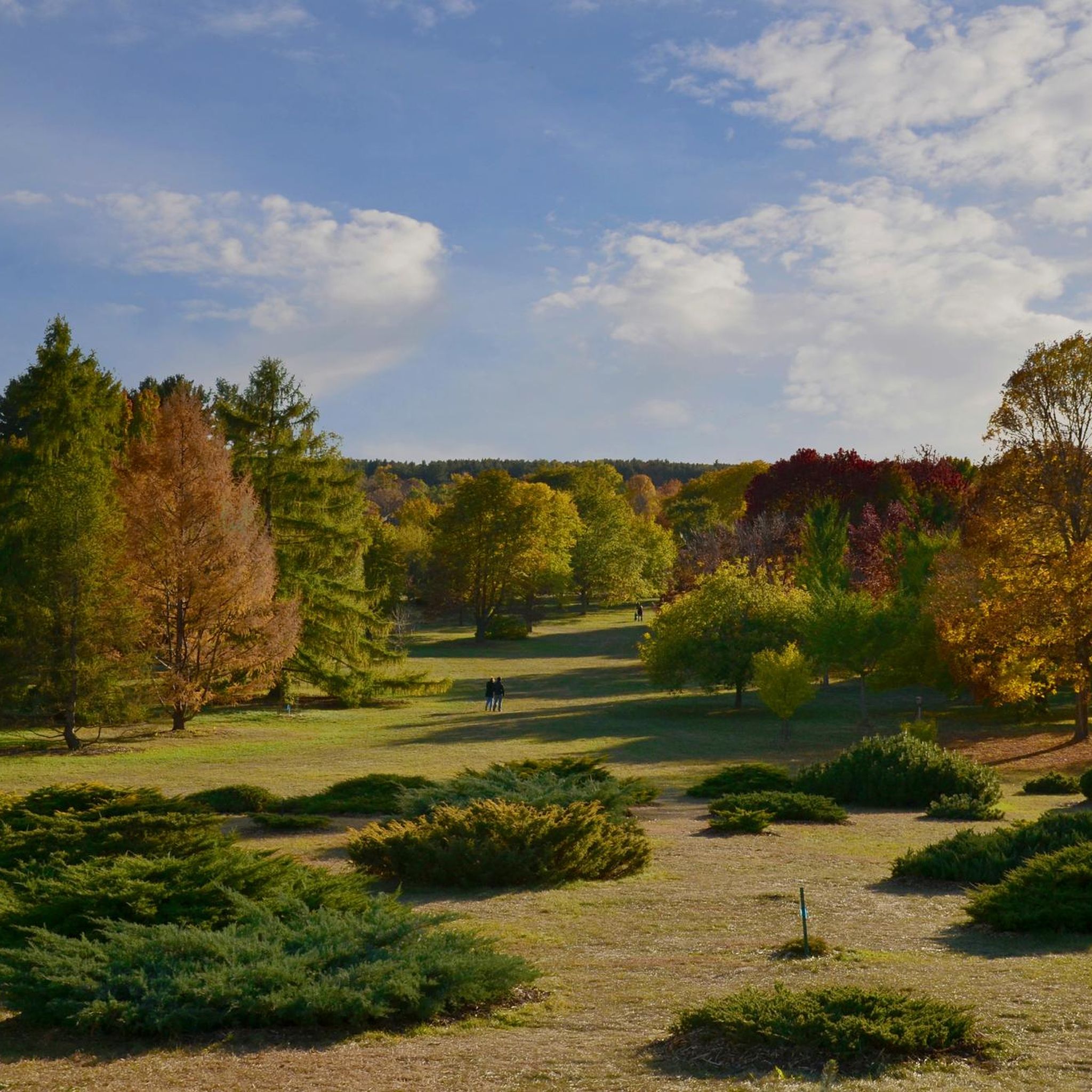
The land here slopes fairly steeply down toward the lake, giving it a north-facing aspect. This means that these woods receive less direct sunlight than is true of some other parts of the Preserve, making the soil here moister and cooler. The tendency of the habitat is thus toward mesic (moist and cool) vegetation.
Like Second Point Woods to the northwest, the trees here are a complicated mixture of older, more mature individuals that once grew in a more open forest, and much younger individuals that are successionally shifting the overall vegetation in a mesic direction. The oldest trees are principally red oaks, some of them spreading their branches wide to indicate that they once grew in an open pasture or savanna, and others showing the more vertical growth patterns we associate with trees that grew in a forest. Beneath these older oaks, younger maples, basswoods, and slippery elms are becoming a more important part of the understory, pointing toward a future in which oaks will be a much less significant part of these woods.
Tip by

Lakeshore Nature Preserve
Highlight • Forest
Tip by

Sign up for free to discover even more attractions around Lake Mendota.
Already have an account?
Start today with a free account
Your next adventure awaits.




Other adventures around Lake Mendota

Tips from the Community

There are four “extant” (still visible) mound groups you can visit on the main campus, all but one of them located within the boundaries of the Lakeshore Nature Preserve. Recently these mound groups were surveyed and entered in a special burial sites catalog maintained by the Wisconsin Historical Society. The label associated with each location includes a number used in the state Archaeological Site Inventory (ASI) maintained by the Wisconsin Historical Society. The site surveys establish a 25-foot preservation buffer around the mounds.
0
0
Picnic Point Mound Group (DA121) The sixth extant mound is a large hemispherical form visible on your right just before you reach The Narrows (where the main trail dips near the beach).
0
0
This 8-acre triangular patch of woodland lies immediately east of Biocore Prairie, and is named for the Caretaker’s House that once stood at the southwestern apex of the triangle. The land here slopes fairly steeply down toward the lake, giving it a north-facing aspect. This means that these woods receive less direct sunlight than is true of some other parts of the Preserve, making the soil here moister and cooler. The tendency of the habitat is thus toward mesic (moist and cool) vegetation. Like Second Point Woods to the northwest, the trees here are a complicated mixture of older, more mature individuals that once grew in a more open forest, and much younger individuals that are successionally shifting the overall vegetation in a mesic direction. The oldest trees are principally red oaks, some of them spreading their branches wide to indicate that they once grew in an open pasture or savanna, and others showing the more vertical growth patterns we associate with trees that grew in a forest. Beneath these older oaks, younger maples, basswoods, and slippery elms are becoming a more important part of the understory, pointing toward a future in which oaks will be a much less significant part of these woods.
0
0
Major hub for Lakeshore Nature Preserve. Direct access to Bicore Prarie, Picnic Point, Howard Temin Path, Young Farmhouse, 1918 Marsh, Big Oak Trail, Angler’s Cove (Second Frautchi Point), Frautschi Point, Raymer’s Cove, Garrett’s Cove, Bambi’s Pad, and Eagle Heights Effigy Mounds. Parking is paid except for certain hours. Has a bike rack & bus stop. No public restrooms. Close access to trails & the University. Parking garage & other university lots nearby. Parking at Frautschi Point & Raymer’s Cove are free. Preserve is open 4AM-10PM. Howard Temin doesn’t close.
0
0

Around 2,000 years ago, local inhabitants initiated the burial of their dead in the sacred mounds that scatter across the Point. At one time, Picnic Point boasted seven mounds, but relic hunters destroyed one mound before 1912. Today, the Preserve harbors numerous burial mounds and other ancient archaeological sites, reflecting the rich history and cultural significance of the area.
1
0

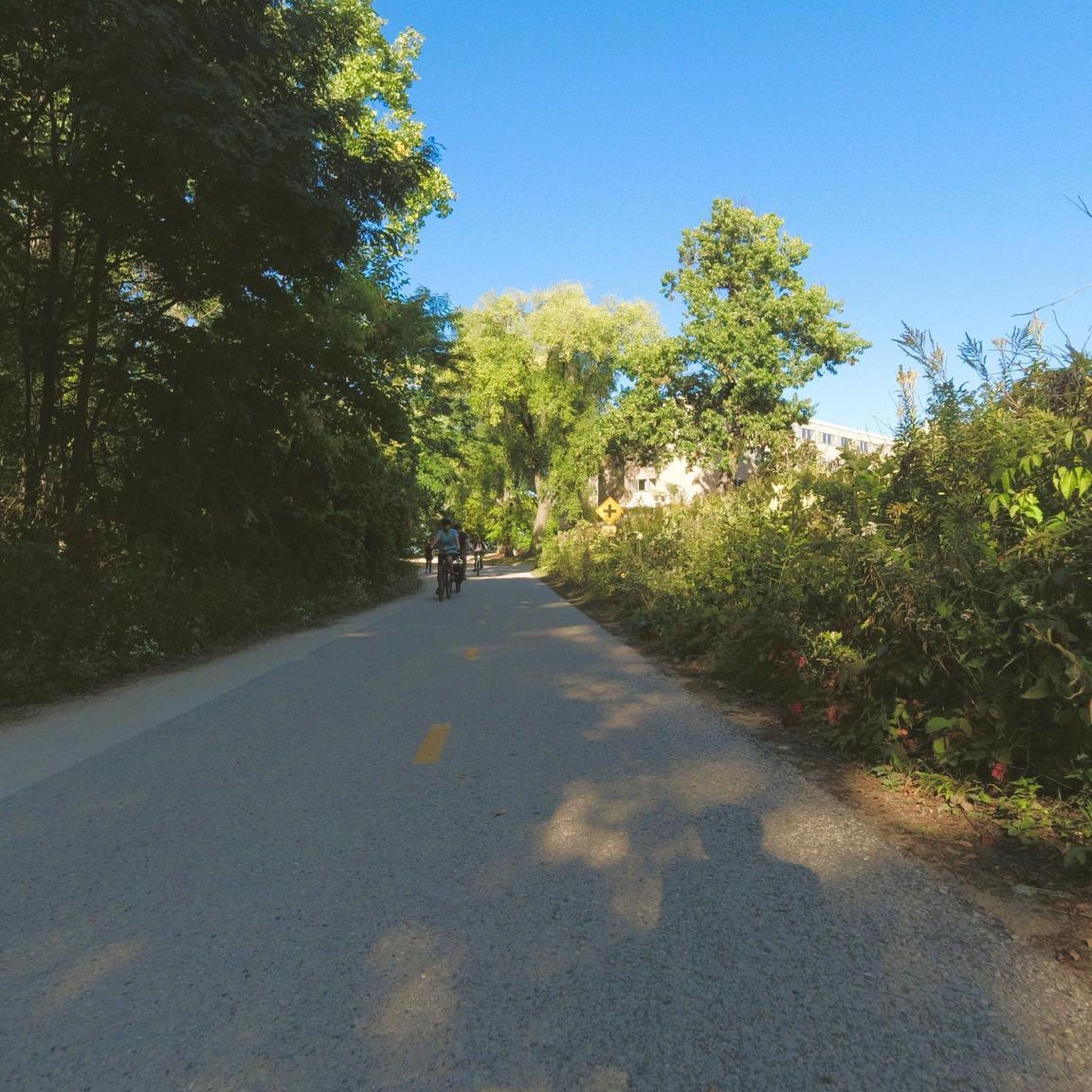
The Yahara River Bike Path is anchored by Tenney Park on the Lake Mendota side and the Capital City Trail on the other. It traverses the Yahara River Parkway and is dotted with trees. It is a short, less than a mile, bike path but it is big in attitude and riverside views.
0
0

Whether you're seeking a quiet reading spot under a shady tree or a relaxing picnic by the lake, the preserve offers a tranquil refuge from the city's hustle and bustle. From wetlands and marshes to meadows and forests, the preserve boasts a variety of ecosystems teeming with life.
0
0

Lake Mendota formed around 15,000 years ago when glacial ice began to melt. It's very biodiverse, with over 34 common species of fish and 255 bird species.
1
0
Frequently Asked Questions
What natural features can I explore around Lake Mendota?
Lake Mendota itself is a significant natural feature, formed around 15,000 years ago and home to over 34 fish species and 255 bird species. You can explore the Lakeshore Nature Preserve, which offers diverse ecosystems including wetlands, marshes, meadows, and forests along 4.3 miles of shoreline. Another notable spot is Picnic Point, a mile-long peninsula extending into the lake, ideal for birdwatching and enjoying views of the Madison skyline. Governor Nelson State Park also provides natural beauty with hiking trails and a boat launch.
Are there historical or cultural sites to visit near Lake Mendota?
Yes, the area is rich in history. You can visit the Picnic Point Mound Group, an archaeological site with ancient burial mounds, some dating back over 2,000 years, reflecting the rich history of Indigenous peoples. The Red Gym, a Romanesque Revival-style building on the UW-Madison campus, is a National Historic Landmark. Lake Mendota has also yielded significant archaeological discoveries, including ancient dugout canoes, with the oldest found being approximately 3,000 years old.
What activities are available for families around Lake Mendota?
Lake Mendota offers many family-friendly activities. You can enjoy boating, sailing, paddleboarding, kayaking, and canoeing on the lake. Public beaches are available for swimming at locations like Memorial Union, Governor Nelson State Park, and Tenney Park. Picnicking and birdwatching are popular at spots like Picnic Point and Raymer's Cove. The Lakeshore Nature Preserve also provides easy trails suitable for family walks.
Can I go hiking or running near Lake Mendota?
Absolutely! The area around Lake Mendota features numerous trails for hiking and running. The Lakeshore Nature Preserve offers waterfront hikes, and Governor Nelson State Park has miles of hiking trails. For more options, you can explore various routes listed in the Hiking around Lake Mendota guide, which includes easy loops like the Picnic Point Marsh Loop, or the Running Trails around Lake Mendota guide for routes like the Lake Mendota – Howard Temin Lakeshore Path loop.
What water sports and activities can I enjoy on Lake Mendota?
Lake Mendota is perfect for a variety of water activities. You can go boating, including pontoon boat adventures, sailing, paddleboarding, kayaking, and canoeing. Fishing is also popular, with a diverse range of species like walleye, northern pike, and bluegill. Several companies offer sightseeing cruises around the lake, and you can even try unique experiences like paddling yoga.
Is Lake Mendota suitable for birdwatching or wildlife spotting?
Yes, Lake Mendota is an excellent spot for birdwatching and wildlife spotting. The lake itself is home to 255 bird species. Areas like Picnic Point and Raymer's Cove are ideal for birdwatching. The Lakeshore Nature Preserve, with its diverse ecosystems including wetlands and marshes, is teeming with life and offers great opportunities to observe local wildlife.
Where can I find a good spot for a picnic with lake views?
Picnic Point is a prime location for picnicking, offering breathtaking views of Lake Mendota and the Madison skyline, complete with a stone fire circle. The Memorial Union Terrace also provides a vibrant atmosphere with dining options and panoramic lake views. Additionally, many parks and natural areas around the lake, such as Raymer's Cove, are perfect for a relaxing picnic.
What are the options for swimming around Lake Mendota?
Lake Mendota offers several public beaches for swimming. Popular spots include the swimming pier at the Memorial Union Terrace, Governor Nelson State Park, Tenney Park, Warner Park, Marshall Park, Spring Harbor, and James Madison Park. Three Foot Bay, on the northeast part of the lake, is known for its shallow, waist-deep water, making it a tranquil area for cooling off.
Are there any unique winter activities on Lake Mendota?
When Lake Mendota freezes over, it transforms into a winter playground. Popular activities include ice fishing, cross-country skiing, ice hockey, and snowkiting. Occasionally, a replica of the Statue of Liberty, known as "Lady Liberty on Ice," appears as a local prank, adding a unique touch to the winter landscape.
What is the best time of year to visit Lake Mendota?
Lake Mendota offers attractions year-round. Spring and summer are ideal for water sports, hiking, and enjoying the vibrant atmosphere of the Memorial Union Terrace. Fall brings beautiful changing colors, making waterfront hikes particularly scenic. Winter provides unique opportunities for ice-based activities when the lake freezes. Your best time to visit depends on the activities you wish to enjoy.
Are there any dog-friendly options around Lake Mendota?
Yes, Governor Nelson State Park features a dedicated dog park, and many of the hiking trails in the area, including those within the Lakeshore Nature Preserve, are dog-friendly, provided dogs are kept on a leash. Always check specific park regulations for any restrictions.
Where can I learn more about the history of Lake Mendota and its Indigenous connections?
The area around Lake Mendota is rich with the history of Indigenous peoples, particularly the Ho-Chunk Nation. You can visit the Picnic Point Mound Group to see ancient burial mounds. The UW-Madison campus and surrounding areas contain numerous effigy mounds, which are sacred burial sites. The lake itself has yielded ancient dugout canoes, providing insights into the region's past. For more historical context, you can visit the Red Gym, a National Historic Landmark on the UW-Madison campus.
Are there mountain biking trails near Lake Mendota?
Yes, there are mountain biking opportunities around Lake Mendota. You can find various routes in the MTB Trails around Lake Mendota guide. These include routes like the Dawley Conservancy Park – Capital City State Trail loop, which offers an easy ride, or the Dawley Conservancy Park – Glenway Woods loop for a moderate challenge.
Most popular routes around Lake Mendota
Most popular attractions around Lake Mendota

Get inspired with the komoot mobile app


Explore more
Still not found the Highlight you’re looking for? See guides of the top attractions in other regions:
