The best MTB trails around Dagebüll
4.5
(52)
189
riders
13
rides
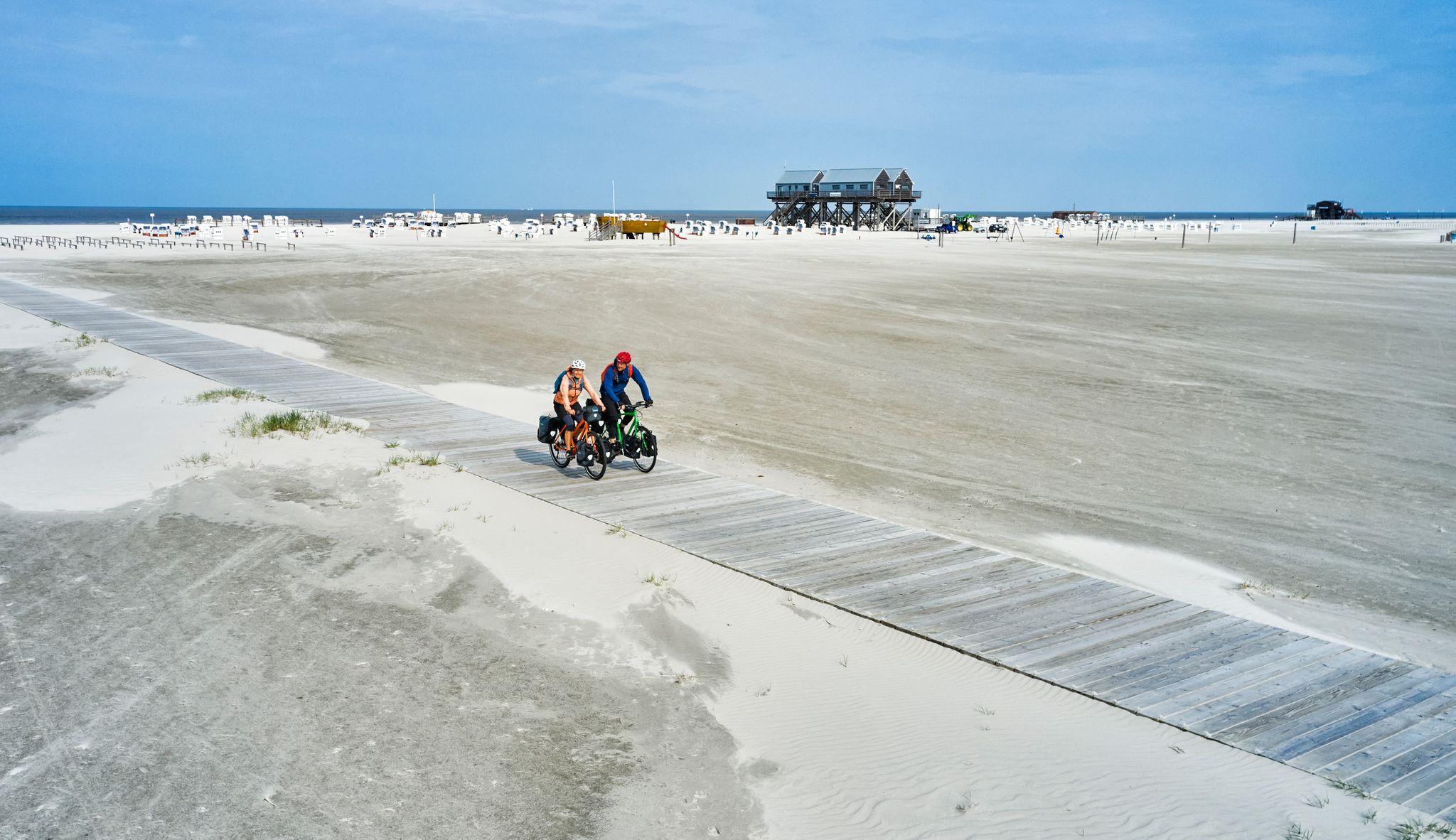
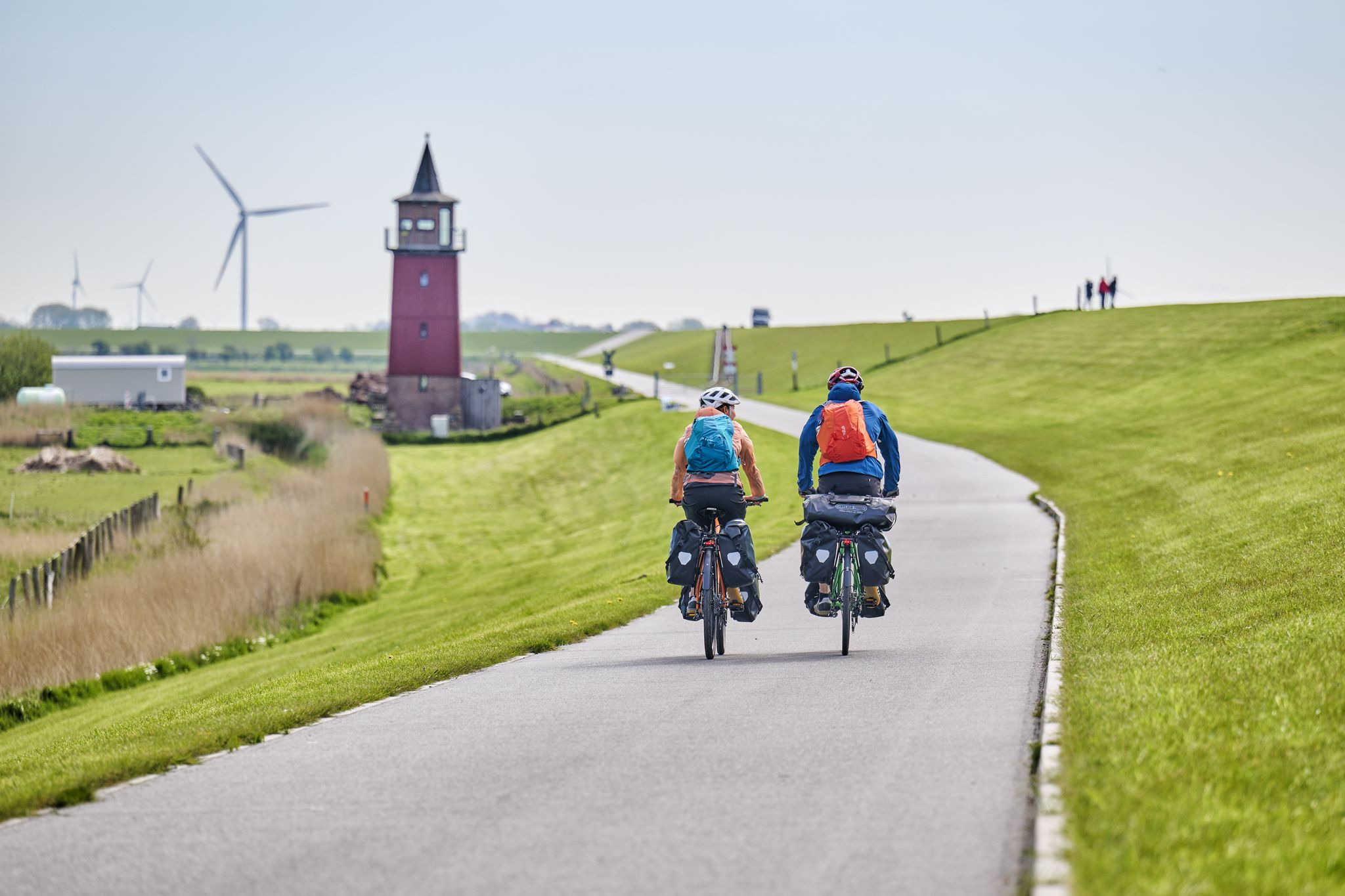
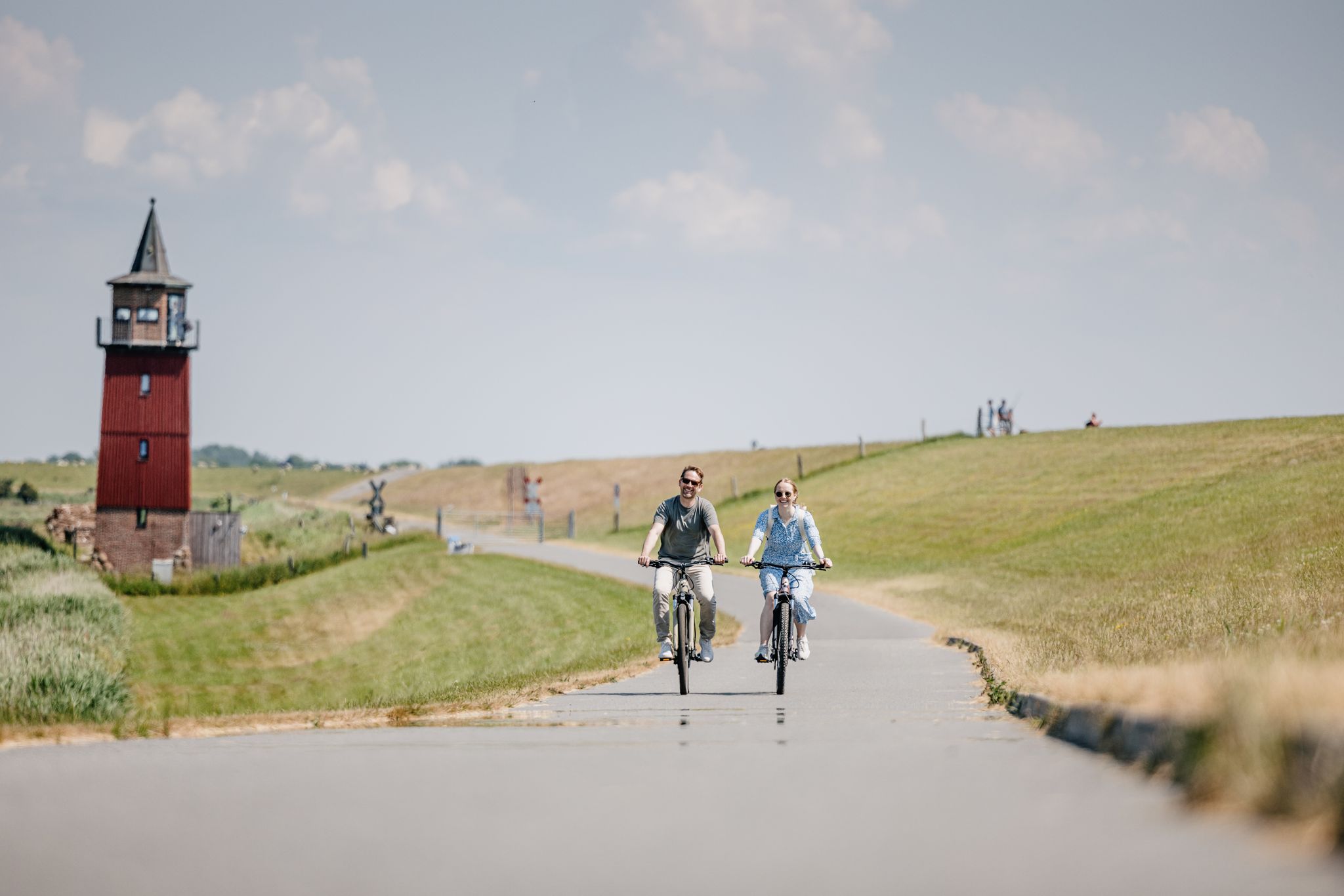
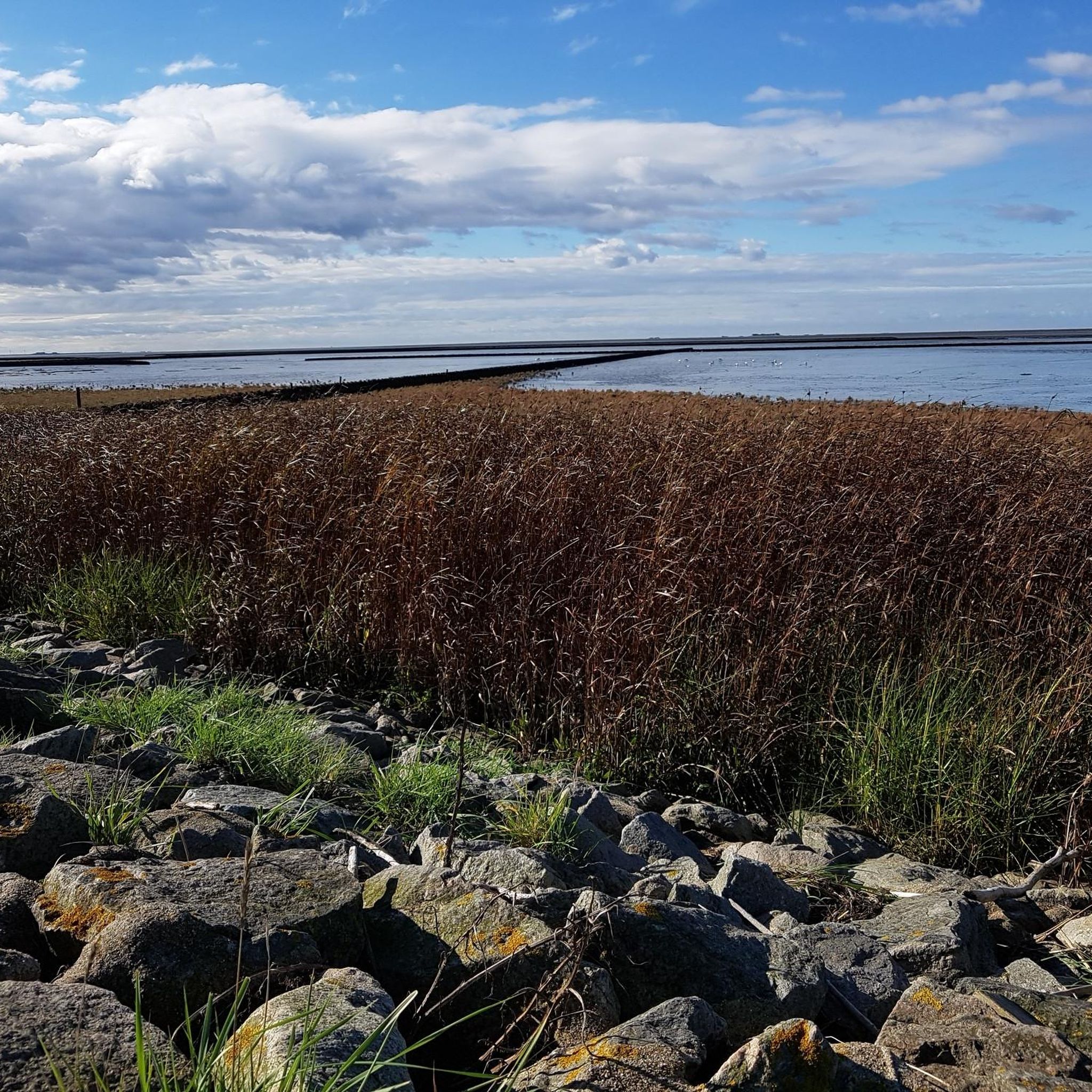
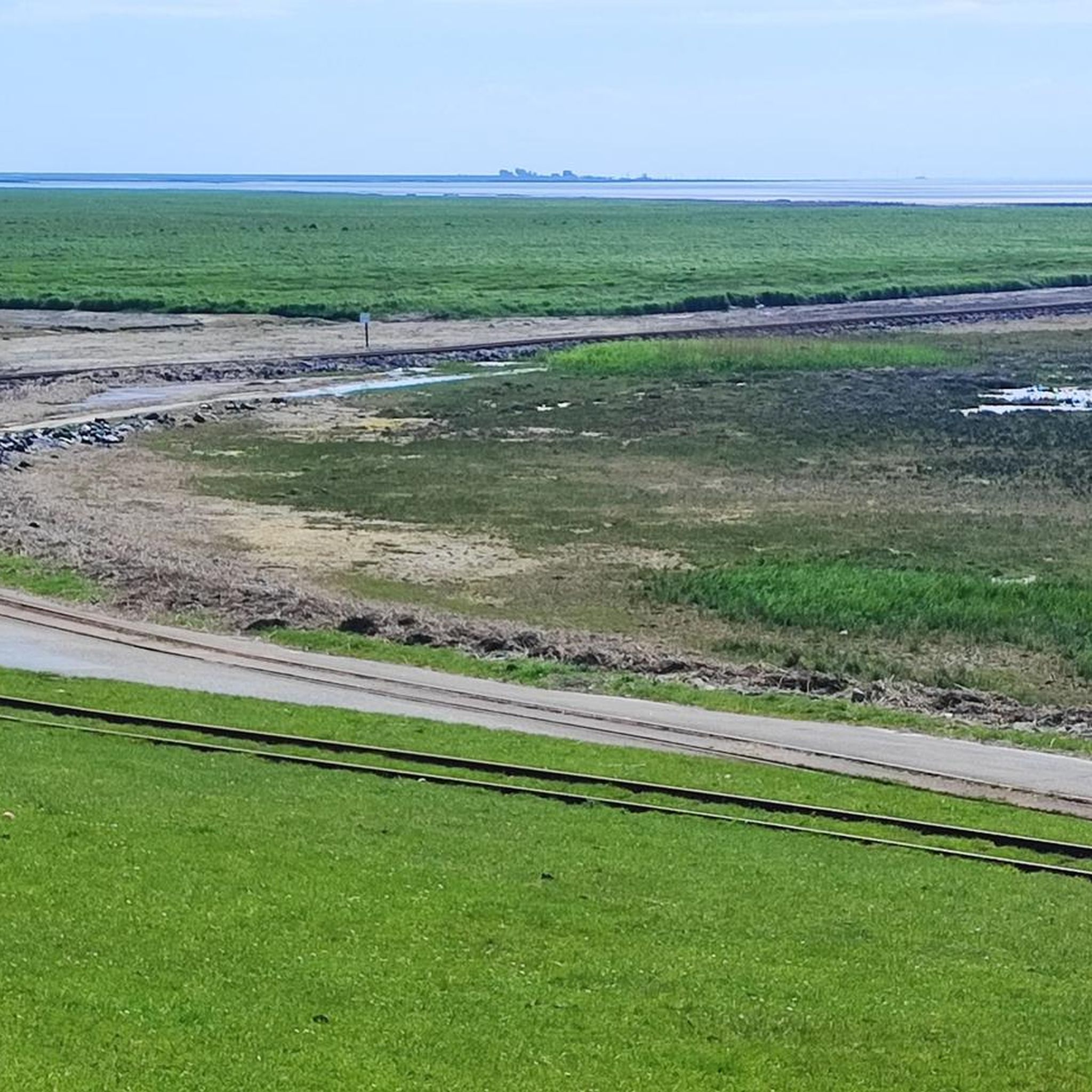
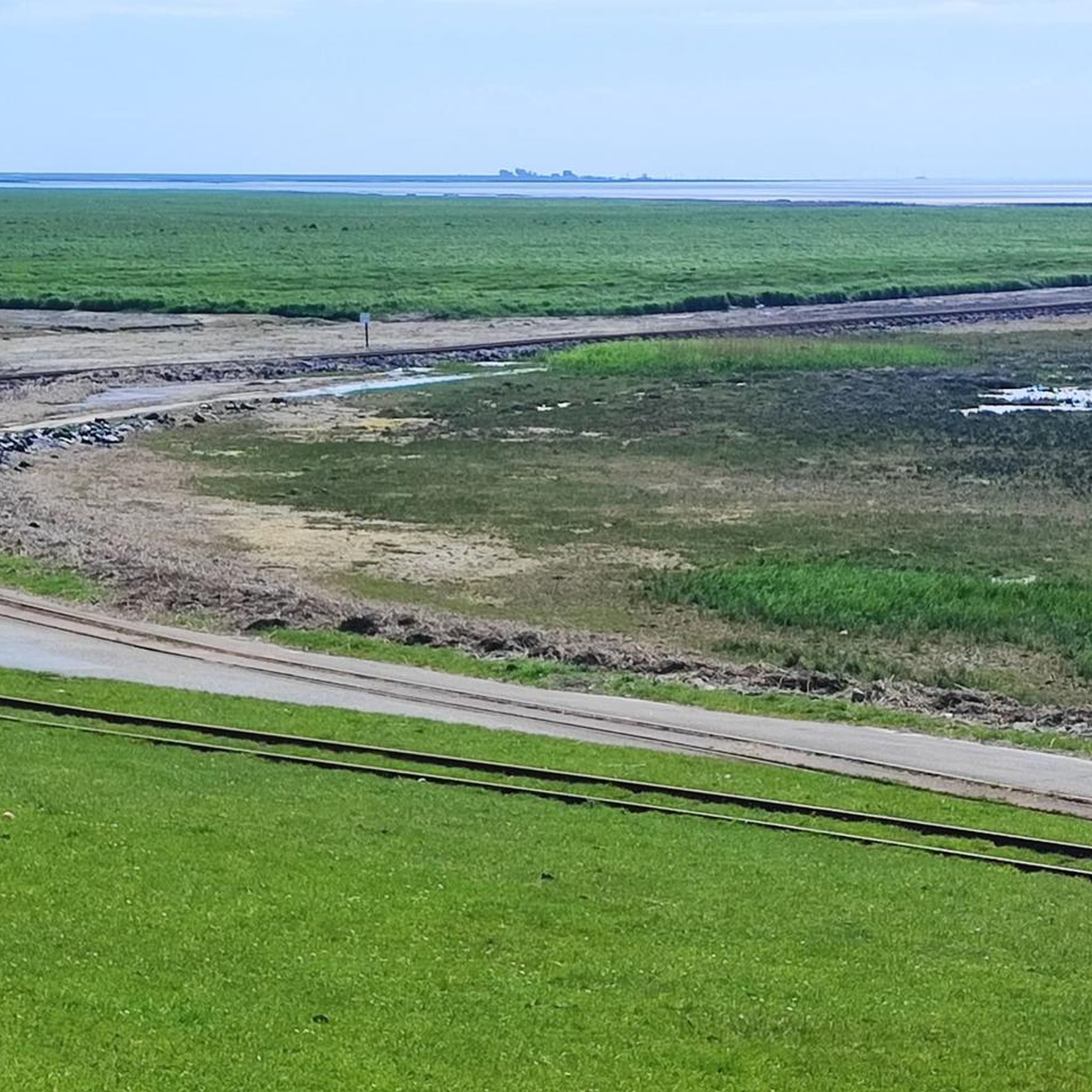
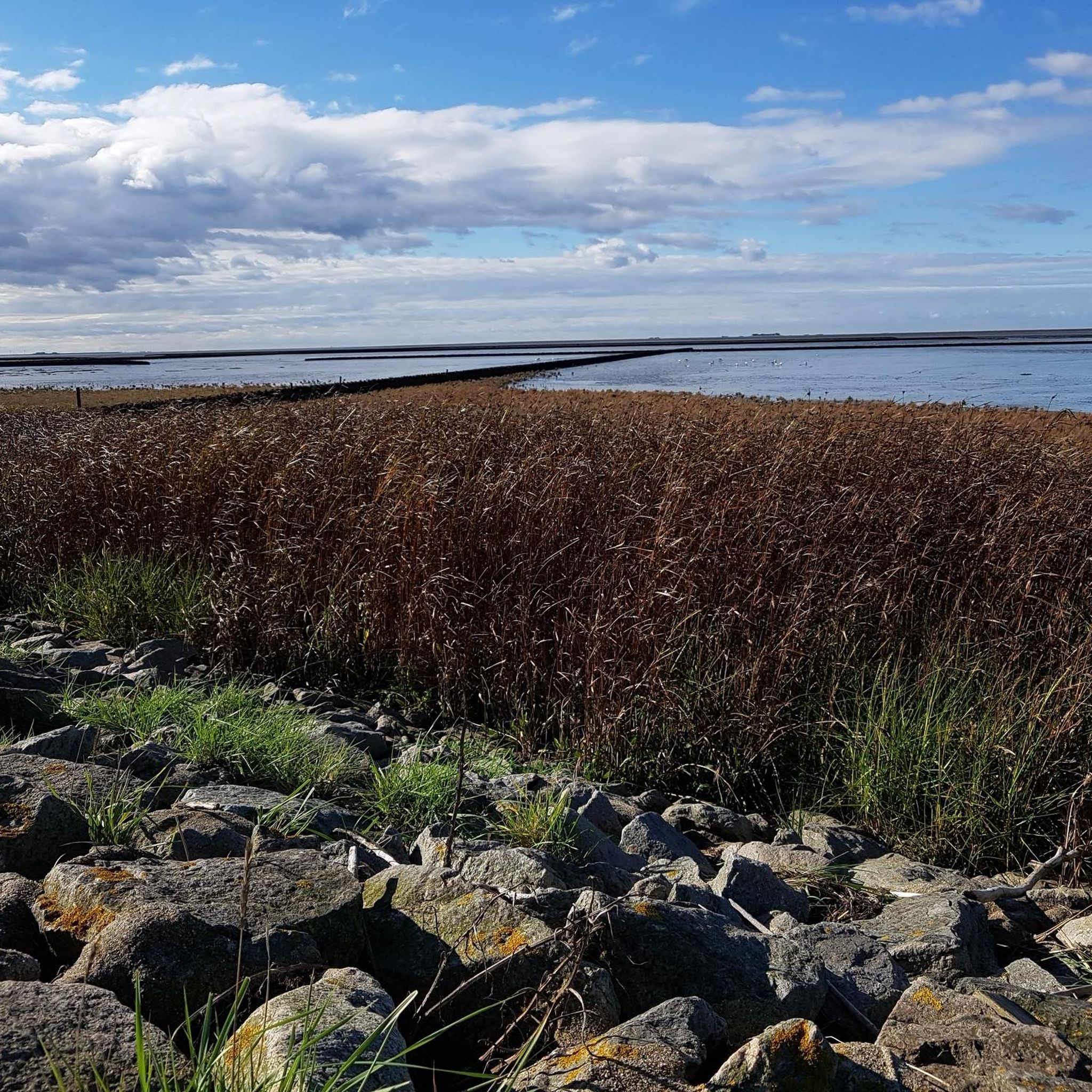
Mountain biking around Dagebüll offers a unique experience across its largely flat coastal terrain in Schleswig-Holstein. The region is characterized by extensive dikes and marshlands, providing minimal elevation gain but distinctive North Sea landscapes. Routes often traverse land that was once seabed, offering panoramic views of the Wadden Sea and glimpses of the North Frisian Islands. This area provides varied cycling surfaces, including unpaved segments, suitable for mountain biking despite the lack of traditional mountainous singletrack.
Best mountain bike trails…
Last updated: October 13, 2026
5.0
(3)
8
riders
22.6km
01:14
20m
20m
Easy mountain bike ride. Great for any fitness level. Suitable for all skill levels.
5
riders
Moderate mountain bike ride. Good fitness required. Suitable for all skill levels.

4.0
(1)
6
riders
Moderate mountain bike ride. Great for any fitness level. Advanced riding skills necessary.
4.0
(1)
4
riders
Moderate mountain bike ride. Good fitness required. Suitable for all skill levels.
4.7
(3)
8
riders
41.3km
02:18
80m
80m
Moderate mountain bike ride. Good fitness required. Suitable for all skill levels.
Get access to more routes and recommendations from other explorers.
Already have an account?
Our route recommendations are based on thousands of hikes, rides, and runs completed by other people on komoot.
Start today with a free account
Your next adventure awaits.
Other adventures around Dagebüll


Tips from the Community

Nice café in Dagebüll, here you can get coffee and cake, delicious homemade cakes, delicious waffles and ice cream. Nice ambiance with a beautiful interior and a large wind-protected outdoor terrace. Open daily.
0
0


Optimal connection and not so expensive ✊
0
0

The Niebüll water tower is a historic structure built in 1908 to supply water to the steam locomotives of the Marschbahn. It is the only remaining structure of its kind along this route and was expanded in 1926 with a larger reinforced concrete head. After operations ceased in 1972, the tower began to decay and was even on the verge of demolition. However, thanks to the commitment of Sven Vogt and the Nordfriesland-Nord district trade association, the tower was saved and extensively renovated. Today it serves as a unique one-room hotel and offers its guests exceptional accommodation on four levels with a panoramic view of the station area.
2
1
The Amsinck House in the Sönke-Nissen-Koog is an information and service center that specializes in the nature and culture of central North Frisia. It is located directly on the dike in front of the Hamburger Hallig and offers an exciting exhibition about the history and natural treasures of the region. The Amsinck House was named after the Hamburg merchant family Amsinck, who made a significant contribution to the embankment of the Hamburger Hallig. Since 1985, the Hallig has been part of the Schleswig-Holstein Wadden Sea National Park and is under special protection. The house provides information about the flora and fauna of the Wadden Sea, the importance of the dikes and sustainable agriculture in the region. One of the highlights of the Amsinck House is a multimedia exhibition, which is supplemented by radio plays, films and interactive stations. Visitors can learn interesting facts about dike construction, the energy industry and agriculture in North Frisia. Guided tours and mudflat hikes are also offered, providing a deeper insight into the nature and history of the area. The Amsinck House is also an ideal starting point for walks and bike tours to the Hamburger Hallig. A bike rental and a camper van parking space are available, and the nearby Hallig-Krog restaurant offers culinary delights in a unique location.
0
0


A beautiful water tower right next to the train station
2
0
The water tower at both train stations in Niebüll
0
0
Frequently Asked Questions
How many mountain bike trails are available in Dagebüll?
There are 15 mountain bike trails around Dagebüll listed on komoot, offering a range of experiences across the coastal landscape.
What are the typical difficulty levels for mountain biking in Dagebüll?
The mountain bike trails in Dagebüll are generally accessible, with 4 routes rated as easy and 11 as moderate. There are no difficult trails, making the area suitable for various skill levels, including beginners and families.
What kind of terrain can I expect on mountain bike trails in Dagebüll?
Dagebüll's mountain biking experience is defined by its largely flat coastal terrain. You'll ride along extensive dikes, through vast marshlands, and on varied surfaces, including some unpaved segments. Many routes traverse land that was once seabed, offering unique perspectives and panoramic views of the North Sea and the Wadden Sea.
Are there any family-friendly mountain bike routes in Dagebüll?
Yes, Dagebüll offers several family-friendly mountain bike routes due to its flat topography and well-maintained paths. The 4 easy routes are particularly suitable for families, providing a gentle introduction to cycling in the region's distinctive coastal environment.
Are there any circular mountain bike routes in Dagebüll?
Yes, many of the mountain bike routes in Dagebüll are designed as loops. For example, the Dagebüll Lighthouse – Schlüttsiel Harbor loop from Broderswarft is an easy 14.1-mile (22.6 km) circular path offering scenic views.
What are some of the longer mountain bike routes available?
For those looking for a longer ride, the Amrum Odde Nature Reserve – Amrum Windmill loop from Dagebüll Hafen is a moderate 49.8-mile (80.1 km) trail that extends towards Amrum Island. Another option is the Deichtorplatz Dagebüll – Wadden Sea Info Point loop from Dagebüll Hafen, a moderate 46.4-mile (46.4 km) route.
What can I see along the mountain bike trails in Dagebüll?
Along the trails, you can enjoy panoramic views of the North Sea and the Wadden Sea, a UNESCO World Heritage Site. Notable landmarks include the historic Dagebüll Lighthouse. You might also encounter the Salt Marsh Trail to Hamburger Hallig and various facilities related to the Wadden Sea National Park, such as the Watt Workshop.
Are there any specific viewpoints or scenic spots along the routes?
Yes, many routes offer excellent viewpoints. Cycling along the dikes provides continuous scenic vistas of the North Sea and the Wadden Sea. You can also find specific spots like the View of the Wadden Sea from the Föhr dike, which offers breathtaking views across the tidal landscape.
What do other mountain bikers enjoy most about Dagebüll?
The mountain bike trails in Dagebüll are highly rated by the komoot community, with an average score of 4.7 stars from over 40 reviews. Riders often praise the unique coastal scenery, the extensive network of dikes, and the opportunity to explore the Wadden Sea landscape on two wheels.
Are there any routes that connect to the North Frisian Islands?
While the trails are on the mainland, Dagebüll serves as a gateway to the North Frisian Islands. You can take a ferry from Dagebüll to islands like Föhr and Amrum, allowing you to combine your land-based cycling with island excursions. The Amrum Odde Nature Reserve – Amrum Windmill loop from Dagebüll Hafen is an example of a route that spans towards Amrum Island, requiring a ferry connection.
What is the best time of year to go mountain biking in Dagebüll?
The coastal climate means that spring, summer, and early autumn generally offer the most pleasant conditions for mountain biking in Dagebüll, with milder temperatures and less chance of strong winds or rain. However, the flat terrain means routes are often accessible year-round, though winter rides may require appropriate gear for colder, potentially wetter conditions.
Are there any cafes or places to stop for refreshments along the trails?
While specific cafes are not listed for every route, the region's extensive cycling network often passes through or near charming villages and coastal towns where you can find opportunities for refreshments. The Dagebüll area is integrated into a comprehensive network, so planning your route with komoot can help identify suitable stops.
Most popular attractions around Dagebüll

Get inspired with the komoot mobile app


Explore more
Browse the best MTB trails in other regions.
