The best running trails in Lake Clark National Park
2
runners
4
runs
Jogging in Lake Clark National Park offers routes through a landscape characterized by glacial lakes, active volcanoes, and dense forests. The region features varied terrain, from river valleys to mountain slopes, providing diverse running environments. Elevations range from gentle inclines along waterways to significant climbs on mountain trails. This national park provides opportunities for runners to experience its wilderness, including its unique geological formations and diverse ecosystems.
Best jogging routes in Lake Clark National Park
- The most popular jogging route…
Last updated: July 7, 2026
10.5km
01:40
580m
580m
Hard run. Very good fitness required. Mostly paved surfaces. Suitable for all skill levels.
1
runners
10.9km
01:19
190m
190m
Moderate run. Good fitness required. Mostly paved surfaces. Suitable for all skill levels.

Sign up for free
1
runners
6.01km
00:45
110m
110m
Moderate run. Good fitness required. Mostly paved surfaces. Suitable for all skill levels.
14.4km
02:36
1,030m
1,030m
Hard run. Very good fitness required. Mostly paved surfaces. Suitable for all skill levels.
Our route recommendations are based on thousands of hikes, rides, and runs completed by other people on komoot.
Start today with a free account
Your next adventure awaits.
Login or Signup
Popular around Lake Clark National Park
Tips from the Community

The Portage Creek Trail climbs from the northern banks of Lake Clark up to the tundra. It follows Portage Creek up the hillside after a pretty flat first mile. The trail can have a lot of growth and can be hard to see at times. Try to stick to the trail since there is private property close by.
0
0
The Joe Thompson Public Use Cabin sits at the trailhead for the Portage Creek Trail. You have to pay a fee and make a reservation to actually stay at the Joe Thompson Public Use Cabin, but you can run the trail and head back to the main part of the island in just a few hours. Note that like many trailheads in Lake Clark National Park, you can only get here by boat or float plane.
0
0
The trail that passes by Beaver Pond is more gradual than the Falls Trail that leads to the same spot headed towards Kontrashibuna Lake. The small pond is peaceful and has an awesome backdrop of forest and mountains.
0
0
The trail up Tanalian Mountain climbs quickly and steeply up to 3,960 feet. It overlooks Lake Clark National Park and a lot of the surrounding mountains, glaciers, and lakes. This is a tough run that is primarily a power-hike during the uphill. Coming down can be slick but offers a real Alaskan mountain running experience.
0
0
The trail that goes to Tanalian Falls and connects to the Kontrashibuna Lake Trail is commonly referred to as the Falls Trail. The footing is pretty good on this trail; it doesn't start to deteriorate at all until after you pass the falls.
0
0
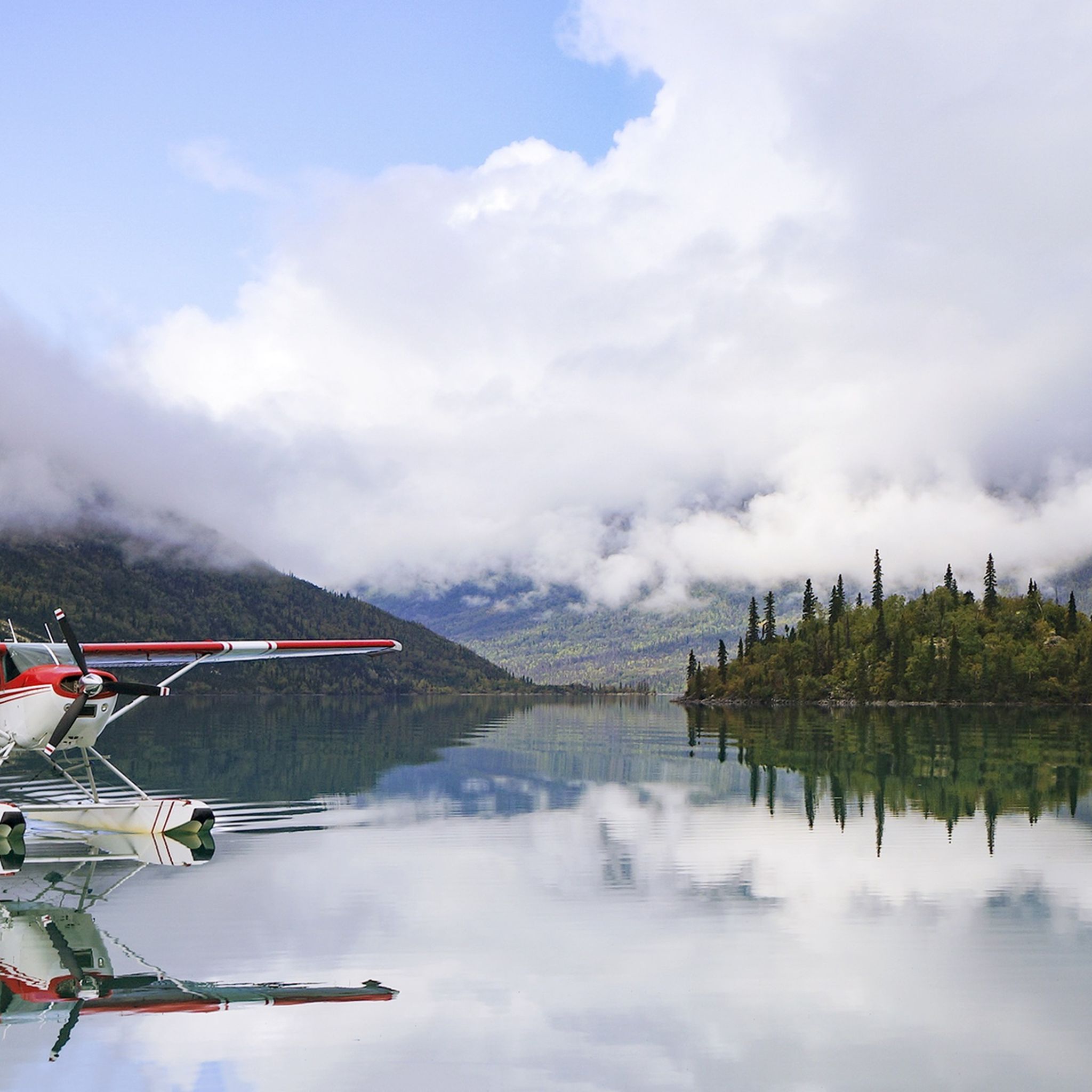
The only logical way to get to Lake Clark National Park is via plane or boat. One of the most popular sites for arriving to the park is at Port Alsworth. Only small passenger planes can land here along with boats, so it's best to plan your visit well in advance. That being said, a run in Lake Clark National Park can be an inspiring outing. For more information about flights and boat reservations, visit the NPS website: https://www.nps.gov/lacl/planyourvisit/directions.htm
0
0
Kontrashibuna Lake is located within Lake Clark National Park's wilderness area. The trails are more primitive, and so is the nature you will encounter.
0
0
Tanalian Falls is a 30-foot waterfall found near Kontrashibuna Lake along the Tanalian River. There are some benches at the overlook area and camping at the end of the Lake Trail. The further past the falls you run, the fewer people you will see.
0
0
Frequently Asked Questions
Are there any easy running trails in Lake Clark National Park?
While Lake Clark National Park is known for its rugged wilderness, there are moderate options available. The Tanalian Falls Trail is a moderate 6-mile (9.7 km) path with a manageable elevation gain of around 105 meters, offering a less strenuous experience compared to the more challenging mountain ascents.
What are some longer running routes for experienced runners in Lake Clark National Park?
For those seeking a challenge, the Tanalian Mountain Trail is a difficult 8.9-mile (14.4 km) route with over 1,000 meters of elevation gain, providing a significant workout and panoramic views. Another difficult option is the Portage Creek Trail, which spans 6.5 miles (10.5 km) with over 570 meters of climbing.
Can I bring my dog on the running trails in Lake Clark National Park?
Lake Clark National Park generally allows pets on trails, but they must be kept on a leash no longer than 6 feet (1.8 meters) at all times. Always practice Leave No Trace principles, including packing out all pet waste. It's advisable to check the latest park regulations before your visit, as rules can change.
Are there any family-friendly jogging routes in the park?
For families looking for a moderate outing, the Tanalian Falls and Kontrashibuna Lake Trail is a good choice. This 6.8-mile (10.9 km) path offers scenic views of the falls and the lake, with a moderate elevation gain, making it suitable for active families.
What kind of wildlife might I see while running in Lake Clark National Park?
Lake Clark National Park is home to diverse wildlife. Runners might encounter brown bears, black bears, moose, caribou, and various bird species. Always carry bear spray, know how to use it, and make noise while running to avoid surprising animals. Maintain a safe distance if you spot any wildlife.
What are some points of interest or landmarks I can see along the running routes?
Many routes offer stunning natural landmarks. The Tanalian Falls and Kontrashibuna Lake Trail, for instance, provides views of the beautiful Kontrashibuna Lake and the impressive Tanalian Falls. The Tanalian Mountain Trail leads to the summit of Tanalian Mountain, offering expansive vistas.
Are there any circular running routes in Lake Clark National Park?
Many of the trails in Lake Clark National Park are out-and-back, but some can be combined or offer loop sections. For example, the Tanalian Falls and Kontrashibuna Lake Trail offers a scenic loop around the lake after reaching the falls.
What is the best time of year for trail running in Lake Clark National Park?
The prime season for trail running in Lake Clark National Park is typically from late spring through early fall (June to September). During these months, trails are generally free of snow, and the weather is milder. Always be prepared for variable conditions, even in summer, and check local forecasts.
Do I need a permit to jog in Lake Clark National Park?
Generally, no specific permit is required for day hiking or jogging on established trails in Lake Clark National Park. However, if you plan on backcountry camping or engaging in other specific activities, permits might be necessary. Always check the official National Park Service website for the most current regulations before your visit.
What should I wear for trail running in Lake Clark National Park?
Given the park's remote and often unpredictable weather, layered clothing is essential. Wear moisture-wicking base layers, an insulating mid-layer, and a waterproof/windproof outer shell. Sturdy trail running shoes with good grip are crucial for the varied terrain. Don't forget a hat, gloves, and bear spray.
How many running routes are available in Lake Clark National Park on komoot?
Komoot features several running routes in Lake Clark National Park, with a current selection of 4 distinct trails. These routes vary in difficulty from moderate to difficult, catering to different fitness levels and preferences.
What do other runners enjoy most about jogging in Lake Clark National Park?
Runners often praise the park's untouched wilderness and the opportunity to experience Alaska's raw beauty. The diverse terrain, from river valleys to mountain slopes, provides a unique and challenging running environment, allowing for a true escape into nature.
Most popular routes in Lake Clark National Park
Most popular attractions in Lake Clark National Park

Get inspired with the komoot mobile app


Explore more
Browse the best Running Trails & Routes in other regions.
