Attractions and Places To See in White Sands National Park - Top 7
Best attractions and places to see in White Sands National Park include the world's largest gypsum dunefield, located in New Mexico. This unique landscape features pure white dunes composed of gypsum crystals, offering an environment distinct from typical sand deserts. The park also holds cultural significance with ancient fossilized footprints and historical structures. It provides opportunities to explore natural features and learn about the Chihuahuan Desert ecosystem.
Best attractions and places to see in White Sands National Park
- The most…
Last updated: July 2, 2026
Alkali Flat Trailhead, White Sands National Park
Highlight • Trail
The white gypsum sand …
Tip by

Alkali Flat Trail Overlook
Highlight • Viewpoint
Tip by
Sign up now to discover places like this
Get recommendations on the best single tracks, peaks, & plenty of other exciting outdoor places.
Sign up for free
Dune Life Nature Trail
Highlight (Segment) • Trail
Tip by
Backcountry Camping Trail
Highlight (Segment) • Trail
Tip by
Lake Lucero
Highlight • Lake
Tip by
Sign up for free to discover even more attractions in White Sands National Park.
Sign up for free
Already have an account?
Start today with a free account
Your next adventure awaits.
Login or Signup
Popular around White Sands National Park
Tips from the Community

Recommended as a beginner's path. Nevertheless, bring water!
0
0

Really beautiful!!
1
0

Early morning hiking to avoid the heat. Ok for dogs early in the day with water.
0
0

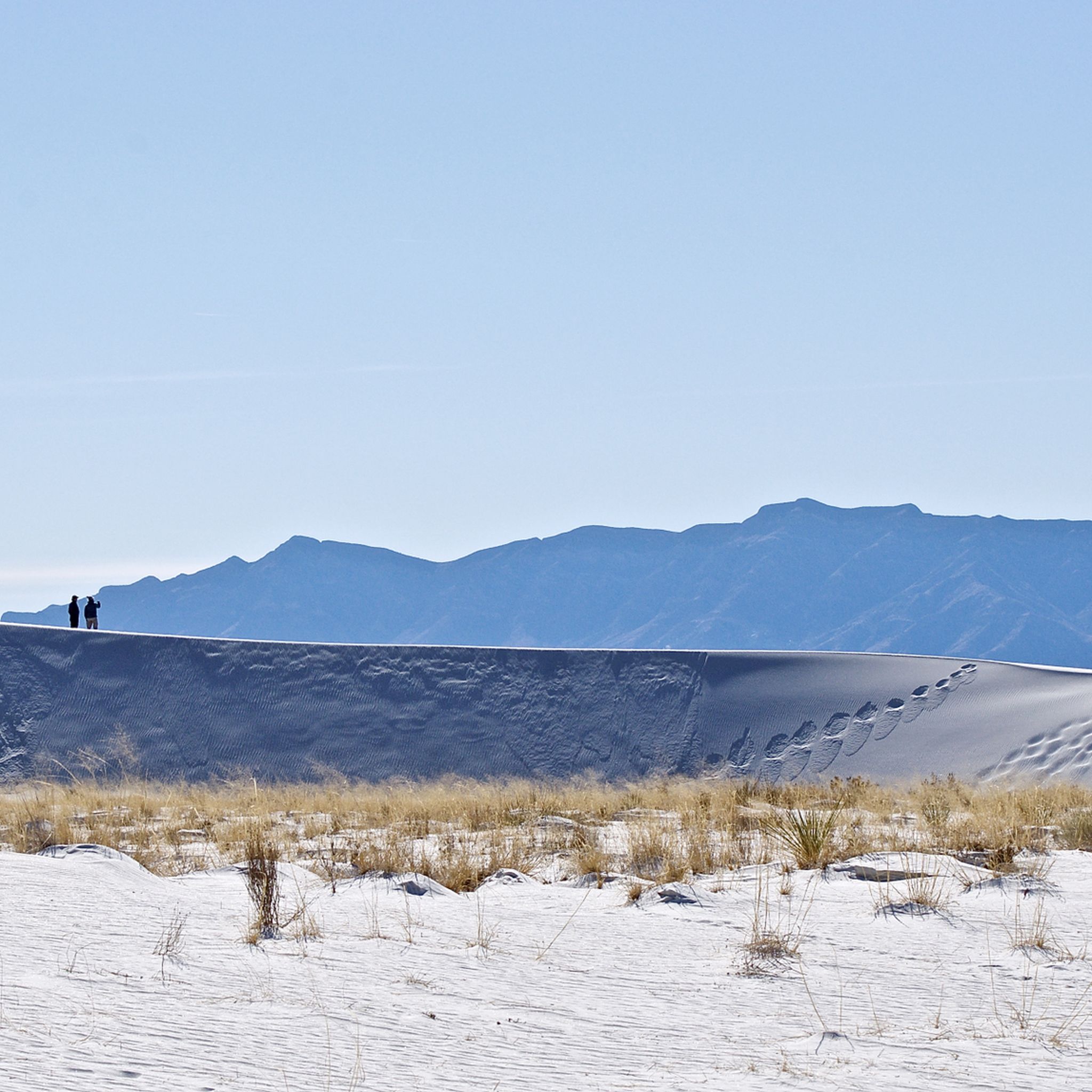
At the summit of the dunes hikers are treated to a view of the San Andres Mountains to the west. The white dunes that stretch across the valley mark the site of an ancient lake, Lake Otero, which evaporated after the last ice age to create selenite crystals that eroded into fine white gypsum sand.
0
0
The Alkaline Flat Trail includes a few dune climbs, and is best hiked clockwise so the second half is downhill. Bring a sled for the dunes! The white gypsum sand in the park is formed from the erosion of selenite crystals, an alkaline substance and the trail's namesake.
0
0
The Backcountry Camping Trail takes hikers up a couple sand dunes and offers views into the vast white expanse of the park. Bring a sled for the dunes!
0
0
The Dune Life Nature Trail explores the diversity of flora and fauna that thrive on the unique ecosystem at the fringe of the white gypsum dunes. Look for signs of small nocturnal mammals, birds, and reptiles!
1
0
Lake Lucero is a dried lakebed most of the year, but it fills with water after rainfall or snowmelt. 12,000 years ago there White Sands National Park was covered by Lake Otero, which evaporated and left behind selenite crystals. The erosion of these crystals created the white gypsum sand of the dunes. At Lake Lucero, this process is still visible and hikers will find crystals over a foot long arranged in large formations.
1
0
Frequently Asked Questions
What kind of natural features can I explore in White Sands National Park?
White Sands National Park is primarily known for the world's largest gypsum dunefield, a unique landscape of gleaming white dunes. You can also explore areas like the ephemeral saline Lake Lucero, which is crucial to the gypsum's origin, and the vast Alkali Flat. The park is situated within the Chihuahuan Desert, showcasing its distinct ecosystems.
Are there accessible trails for visitors with wheelchairs or strollers?
Yes, the park offers the Interdune Boardwalk, an easy and accessible 0.4-mile boardwalk trail. It's suitable for wheelchairs and strollers and features interpretive signage about the park's history and ecosystem.
What are some family-friendly activities available in the park?
A popular family activity is sledding on the dunes, with plastic saucer sleds available for purchase or rent at the visitor center. The Dune Life Nature Trail is also considered family-friendly, offering a chance to observe flora and fauna. Additionally, ranger-guided programs like Sunset Strolls can be enjoyable for all ages.
Can I bring my dog to White Sands National Park?
Yes, White Sands National Park is dog-friendly. Dogs are permitted on trails, including the Alkali Flat Trail Overlook, as long as they are on a leash. Remember to bring plenty of water for your pet, especially during warmer hours.
What are the best hiking trails for exploring the dunes?
The park offers several trails for exploring the dunes. The Alkali Flat Trailhead leads to a challenging 4.6-mile to 5-mile loop that ventures into untouched dunes. For a shorter experience, the Dune Life Nature Trail is a 1-mile to 1.2-mile loop. If you're interested in backcountry camping, the Backcountry Camping Trail is a 1.8-mile to 2-mile loop. You can find more options for hiking in the area on the Hiking in White Sands National Park guide.
What is the best time of year to visit White Sands National Park?
The cooler months, typically from late fall through early spring (October to April), are generally considered the best time to visit. During these months, temperatures are more moderate, making outdoor activities like hiking and sledding more comfortable. Summers can be very hot, though early mornings and evenings are still pleasant.
Are there any historical or cultural sites within the park?
Yes, White Sands National Park has significant historical and cultural importance. It protects the world's most extensive collection of Ice Age fossilized footprints, offering a glimpse into ancient life. The park also features the White Sands Historic District, with adobe buildings from the Depression era, including the visitor center. Additionally, the area has a rich Indigenous history, important to the Apache, Tampachoa, and Piro people.
What unique geological formations can be found here?
The most unique geological formation is the gypsum dunefield itself, composed of pure white gypsum crystals rather than silica sand. You can also see large selenite crystals at Lake Lucero, which are the source material for the dunes. The constantly shifting dunes, moving up to 30 feet per year, are another fascinating natural phenomenon.
What outdoor activities can I do near these attractions?
Beyond exploring the attractions, you can enjoy various outdoor activities. The park is excellent for hiking, with trails ranging from easy to challenging. You can find detailed information on routes like the Alkali Flat Trail and Dune Life Nature Trail in the Easy hikes in White Sands National Park guide and the Hiking in White Sands National Park guide.
What do visitors enjoy most about the trails in White Sands National Park?
Visitors frequently praise the unique experience of hiking on the soft, white gypsum sand. Many enjoy the solitude and quiet, especially when exploring trails like the Alkali Flat Trailhead. The opportunity to sled down dunes and the stunning views of the San Andres Mountains from viewpoints like the Alkali Flat Trail Overlook are also highly appreciated.
Can I go sledding on the dunes?
Yes, sledding is a very popular and iconic activity at White Sands National Park. You can purchase or rent plastic saucer sleds at the visitor center. Recommended areas for sledding include the Roadrunner picnic area and the Alkali Flat Trailhead parking area, where the dunes are ideal for this fun activity.
Are there guided tours available in the park?
Yes, the park offers various ranger-guided programs to enhance your visit. These include Sunset Strolls, which are available year-round, and monthly Full Moon Hikes from April through October. There are also special Lake Lucero Tours that provide insight into the formation of the white sands.
What should I wear when visiting White Sands National Park?
It's recommended to wear comfortable, closed-toe shoes to protect your feet from the sand and sun. Light-colored clothing is advisable to reflect the sun's rays, especially during warmer months. Don't forget a hat, sunglasses, and plenty of sunscreen, as the white sand reflects sunlight, intensifying UV exposure.
Where can I find unique views of the dunes and surrounding landscape?
For breathtaking views, drive the scenic Dunes Drive, an 8-mile (16-mile round trip) road that takes you deep into the heart of the dunes, with marked pullouts for photos. The Alkali Flat Trail Overlook also provides stunning vistas of the San Andres Mountains to the west, especially at sunrise or sunset.
What is the significance of Lake Lucero in the park's formation?
Lake Lucero is an ephemeral saline lake that plays a crucial role in the formation of the white sands. When its waters evaporate, they leave behind gypsum minerals, which are then eroded into the fine, white sand that forms the dunes. This process is still visible today, and large selenite crystals can be found in the area.
Most popular routes in White Sands National Park
Most popular attractions in White Sands National Park

Get inspired with the komoot mobile app


Explore more
Still not found the Highlight you’re looking for? See guides of the top attractions in other regions:
