Bryce Canyon National Park
Bryce Canyon National Park
Top 20 Natural Monuments in Bryce Canyon National Park
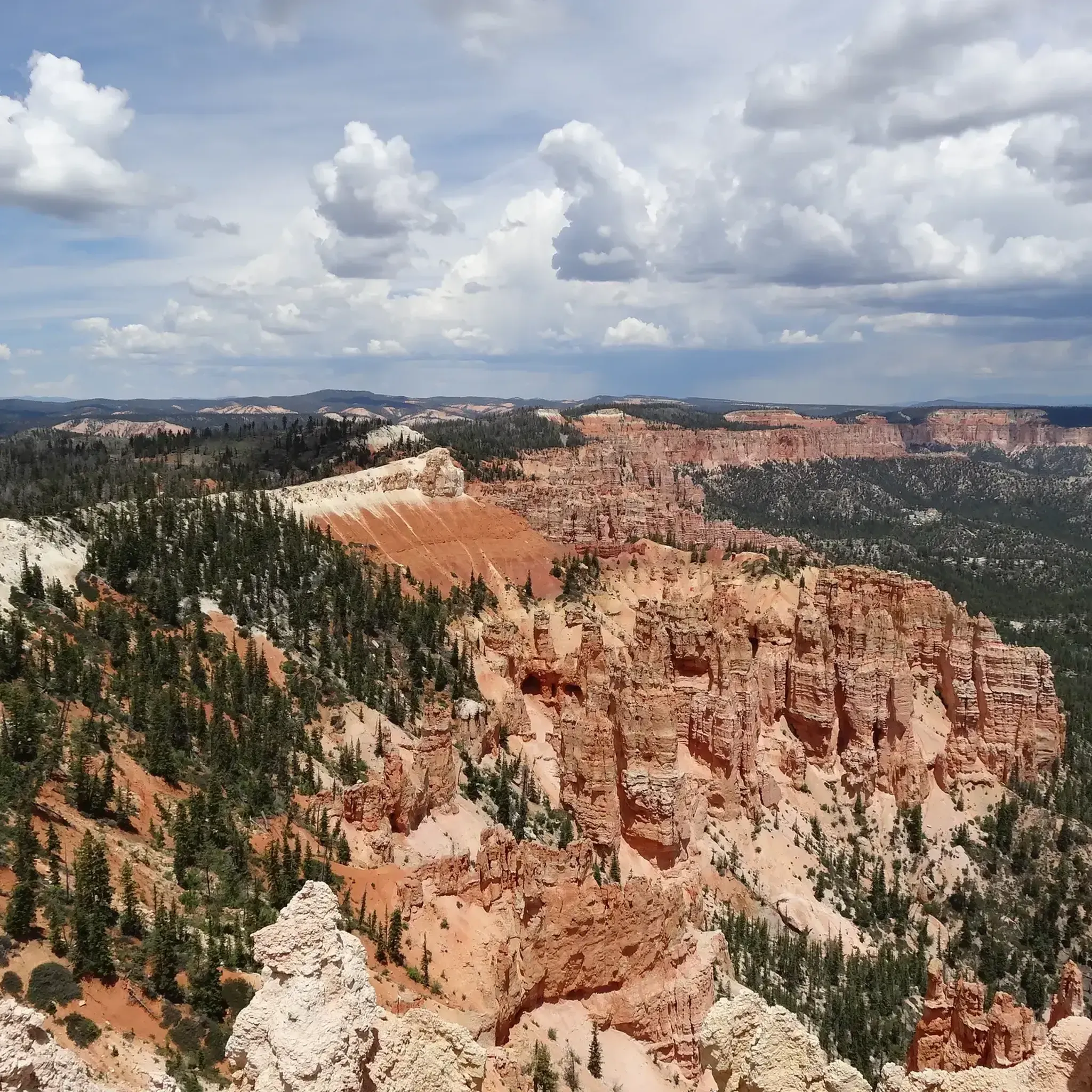
Best natural monuments in Bryce Canyon National Park are found within a collection of giant natural amphitheaters carved into Utah's Paunsaugunt Plateau. The park is characterized by distinctive geological structures known as hoodoos, which are pillars of sandstone formed by uneven weathering and erosion. These vibrant red, orange, and white rock formations create a unique landscape. Bryce Canyon National Park is renowned for its high concentration of these natural features.
Best natural monuments in Bryce Canyon National Park
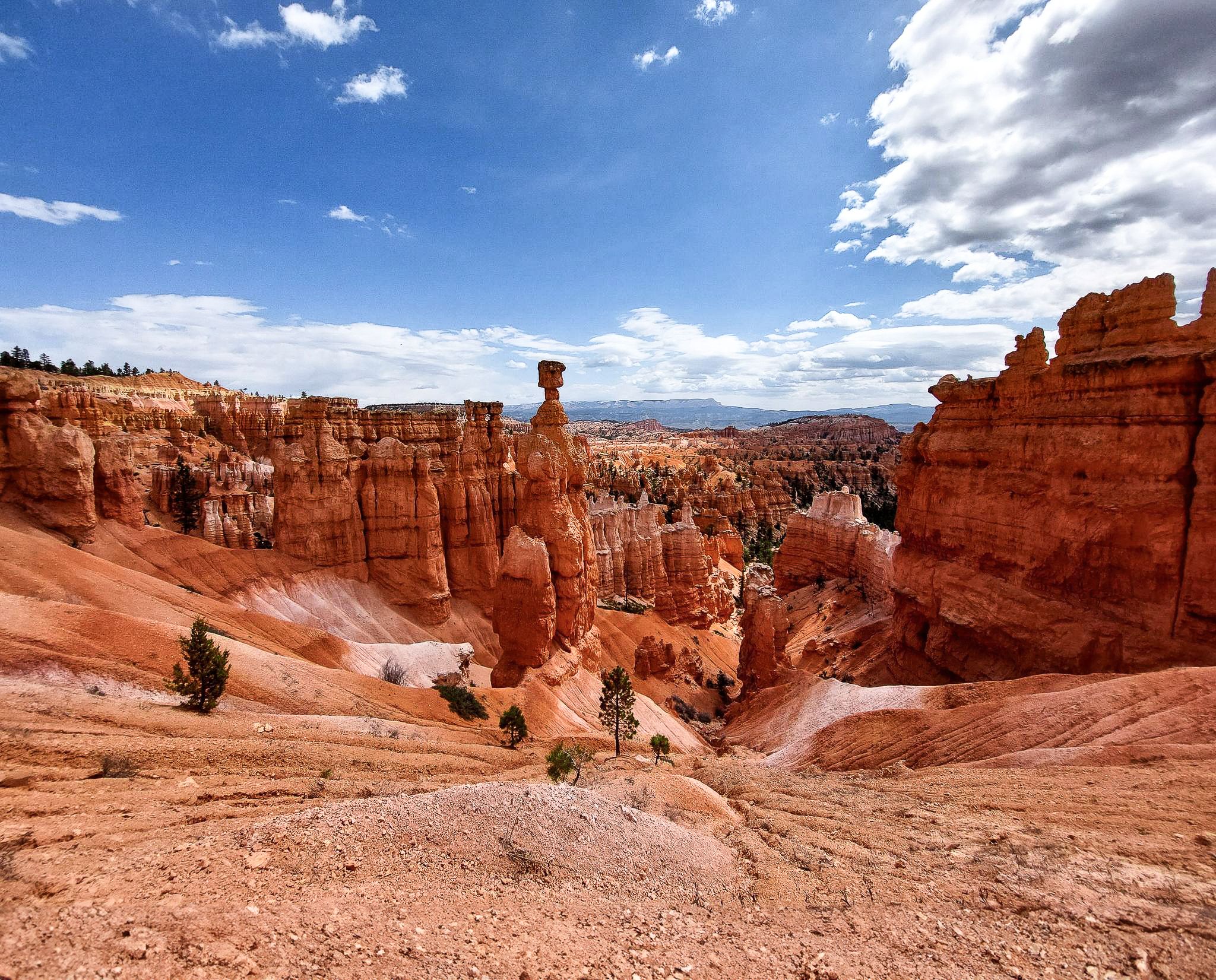
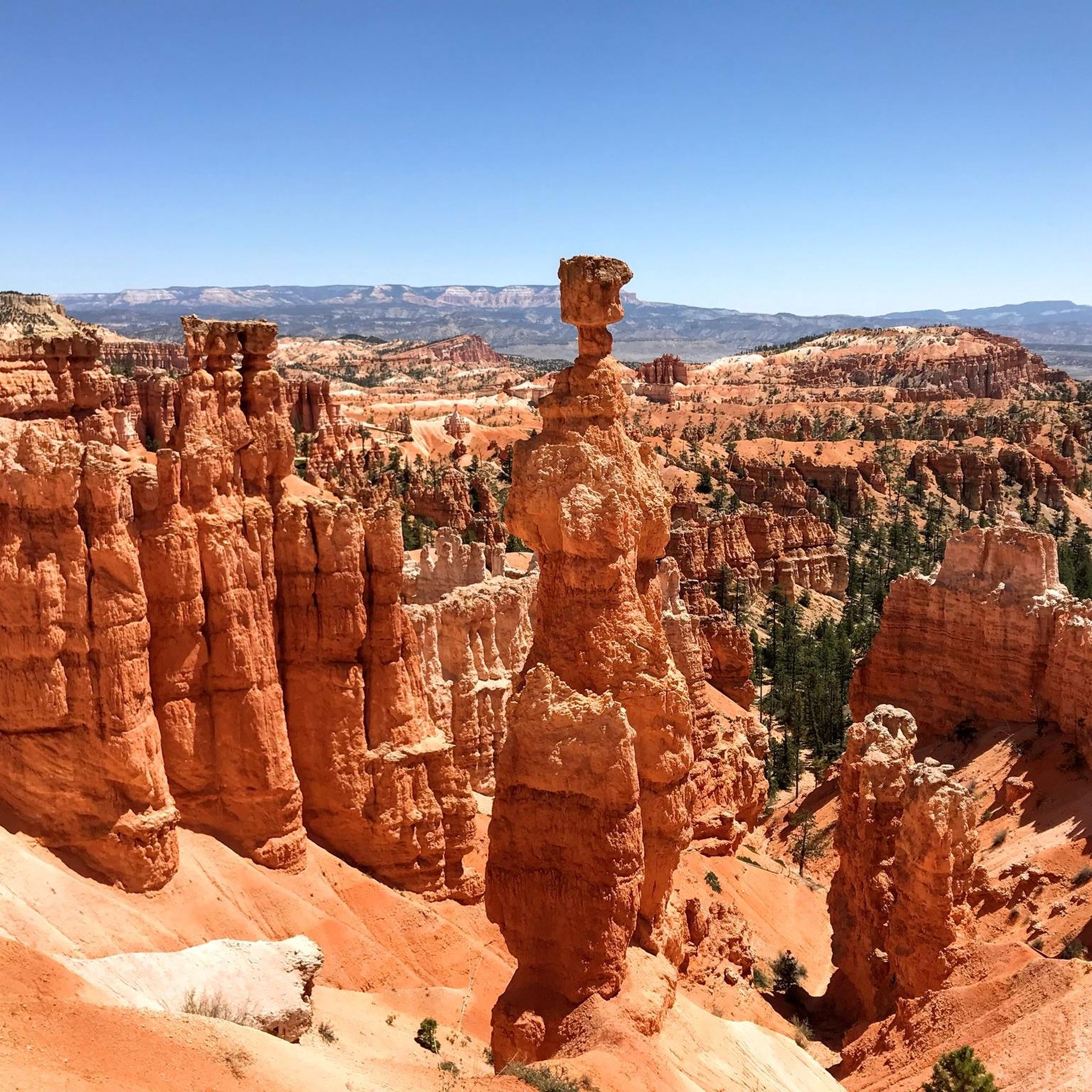
- The most popular natural monuments is Sunset Point, a viewpoint that offers views of the Silent City, Thor's Hammer, and other hoodoos. This vista is a location to watch a sunset in Bryce Canyon National Park.
- Another must-see spot is Queens Garden Trail, a trail that leads through the National Park. This well-maintained path offers new views around every turn.
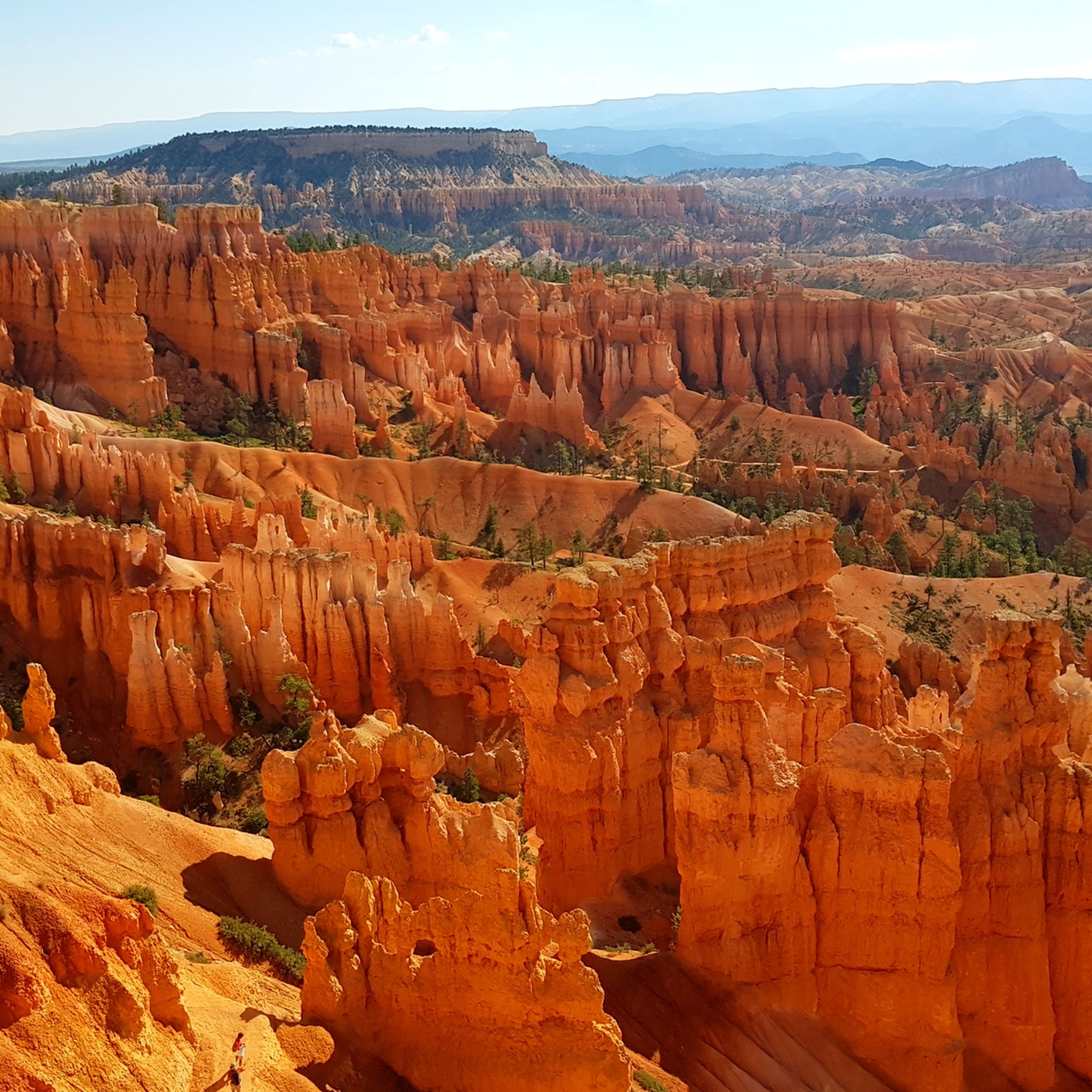
- Visitors also love Bryce Amphitheater, a large chasm in the landscape. This area contains the greatest concentration of hoodoos on the planet, with the red sandstone creating flashes of color across the terrain.
- Bryce Canyon National Park is known for its hoodoos, canyons, and viewpoints. The park offers a variety of natural monuments to see and explore, showcasing diverse geological formations.
- The natural monuments in Bryce Canyon National Park are appreciated by the komoot community, with more than 690 upvotes and over 270 photos shared.
Last updated: July 10, 2026
Sunset Point
Highlight • Viewpoint
Tip by

Sunrise Point
Highlight • Viewpoint
Tip by
Sign up now to discover places like this
Get recommendations on the best single tracks, peaks, & plenty of other exciting outdoor places.
Sign up for free
Queen's Garden Hoodoos, Bryce Canyon National Park
Highlight • Canyon
Tip by
Thor’s Hammer (hoodoo)
Highlight • Natural Monument
Tip by
Queens Garden Trail
Highlight • Trail
Translated by Google •
Tip by

Sign up for free to discover even more natural monuments in Bryce Canyon National Park.
Sign up for free
Already have an account?
Start today with a free account
Your next adventure awaits.
Login or Signup
Popular around Bryce Canyon National Park
Other adventures in Bryce Canyon National Park


Tips from the Community

"Queen Victoria" holds court over the Queen's Garden Trail. Many believe this hoodoo, or weathered pinnacle of rock, resembles the famous memorial statue to Queen Victoria in London.
2
0

We reach the spectacular Bryce Canyon. The bizarre rock formations ("hoodoos") are just as characteristic of Bryce Canyon as its forests. The combined forces of wind, water and ice have created a landscape of rock pillars in strange shapes and sizes. These rock formations are also called hoodoos. The hoodoos create a labyrinth of constantly changing shapes and colors from bright orange to pale pink or ochre. Here we take the opportunity to descend into the canyon. The change of perspective makes us really aware of the size of the individual rock formations. We see several chipmunks that are far too quick for my camera.
4
0

A worthwhile and easy hike to Queen's Garden that should not be missed. These hoodoos will amaze you forever.
4
0

We were here in September, take a look and go there :) https://youtu.be/NqofJUHjKys
5
0

Easy hike between Sun Rise Point and Sun Set Point, which can be extended, with the Navajo Trail as a potential extension, which is also indicated on the Komoot tour, closed in winter.
4
0
The rock formation in the center is intended to commemorate Queen Victoria. I see a greater similarity to Maria Theresa.
4
0

Even before the first bird begins to sing, there is a special calm that hangs over Bryce Canyon. The darkness of the night sky slowly fades, and in that meantime, you find yourself drawn, almost magnetically, to Sunrise Point. Just steps from the parking lot, here is a window to a world that comes alive in the gentle morning rays. As the day begins at Sunrise Point, the first rays of sunlight are captured by the east-facing cliffs. These cliffs transform into a living work of art, glowing in shades of red and orange, setting the hearts of everyone present racing. Your gaze wanders to Boat Mesa and Sinking Ship, two iconic hoodoos set against the backdrop of the pink cliffs of the Aquarius Plateau. Boat Mesa, crowned by the rugged "The Conglomerate at Boat Mesa," towers over Fairyland Canyon, rising majestically to a height of 8,073 feet. While numerous photographers set up their cameras to capture the spectacle, it is worth looking away from the obvious eye-catchers. A little tip: A look to the right of Sunrise Point could reward you with a breathtaking picture that you would otherwise have missed. Bryce Canyon, a jewel in southwest Utah, is not actually a canyon. Rather, it is a huge, natural amphitheater that stretches along the east side of the Paunsaugunt Plateau. But Sunrise Point offers you more than just a magnificent natural spectacle. From here you can also venture onto the Queens Garden Trail, one of the most famous trails in Bryce Canyon. Don't worry, the trail is well maintained and offers numerous breathtaking views. And as the day slowly awakens at Bryce Canyon and the sun's rays intensify the play of colors in nature, you realize how privileged you are to be able to experience this awakening. But don't forget to dress warmly. Despite the heat of the day, the morning hours at Sunrise Point can be quite cool. But this coolness, combined with the warmth of the first rays of sun on your skin and the incomparable panorama in front of you, makes the moment even more magical.
5
0

Just awesome, this powerful natural spectacle, these colors, this calm....
4
0
Frequently Asked Questions
What are some of the most iconic natural monuments to see in Bryce Canyon National Park?
Bryce Canyon National Park is famous for its unique geological formations. Among the most iconic are the vast Bryce Amphitheater, which holds the largest concentration of hoodoos on Earth. You should also visit Sunset Point, known for views of the Silent City and the impressive Thor's Hammer. Another must-see is Sunrise Point, offering stunning vistas of Boat Mesa and Sinking Ship, especially at dawn.
What makes Bryce Canyon National Park's natural monuments unique?
The natural monuments in Bryce Canyon National Park are primarily characterized by their distinctive geological structures called hoodoos. These are pillars of sandstone and other sedimentary rock, sculpted by uneven weathering and erosion into vibrant red, orange, and white formations. The park boasts the largest concentration of these 'otherworldly' rock spires globally, creating a truly unique landscape.
When is the best time to visit Bryce Canyon National Park to see its natural monuments?
The natural monuments in Bryce Canyon National Park are spectacular year-round, but each season offers a different experience. Spring and fall provide pleasant temperatures for hiking. Summer is popular but can be crowded. Winter offers a magical, snow-dusted landscape, with the red hoodoos contrasting beautifully against white snow, though some trails or roads might be temporarily closed due to conditions. Early morning and late afternoon light dramatically enhances the colors of the hoodoos.
Are there family-friendly natural monuments or trails in Bryce Canyon National Park?
Yes, many natural monuments and trails in Bryce Canyon are suitable for families. Viewpoints like Sunset Point and Sunrise Point are easily accessible. For a family-friendly hike, the Queens Garden Trail is a well-maintained path that offers new views around every turn and leads down among the hoodoos. The Mossy Cave trail is another easy option, leading to a grotto with moss and ferns.
What kind of hiking trails can I find around Bryce Canyon National Park's natural monuments?
Bryce Canyon National Park offers a variety of hiking trails that allow you to explore its natural monuments up close. You can find everything from easy rim walks to more challenging descents into the amphitheaters. Popular options include the Navajo and Queen's Garden Loop, the Fairyland Loop Trail, and the Peekaboo Loop. For more detailed information on routes and their difficulty, you can explore the Hiking in Bryce Canyon National Park guide and the Easy Hikes in Bryce Canyon National Park guide.
Are there accessible viewpoints for those with limited mobility in Bryce Canyon National Park?
Yes, several viewpoints along the rim of Bryce Canyon National Park offer accessible options for visitors with limited mobility. Many of the main viewpoints, such as Sunset Point and Sunrise Point, have paved paths and accessible viewing areas, allowing everyone to experience the stunning vistas of the hoodoos and amphitheaters.
What are the geological features that created the natural monuments in Bryce Canyon?
The natural monuments in Bryce Canyon are primarily formed by a combination of frost wedging and stream erosion. Water seeps into cracks in the sandstone, freezes, expands, and breaks the rock apart (frost wedging). Rain and melting snow then wash away the loosened material, carving out the distinctive hoodoos, fins, and arches. This ongoing process, acting on the park's unique sedimentary rock layers, creates the vibrant and ever-changing landscape.
Where can I find information about parking and shuttle services for Bryce Canyon National Park?
Parking can be limited at popular viewpoints, especially during peak season. Bryce Canyon National Park operates a free shuttle system that provides convenient access to many of the park's main attractions and viewpoints, reducing congestion. For the most current information on parking availability, shuttle routes, and operating hours, it's best to check the official National Park Service website: nps.gov/brca.
What outdoor activities can I do near these natural monuments besides hiking?
Beyond hiking, Bryce Canyon National Park offers other outdoor activities to enjoy the natural monuments. You can find various running trails that allow you to experience the park's beauty at a faster pace. For specific routes and details, refer to the Running Trails in Bryce Canyon National Park guide. Stargazing is also a popular activity, as the park boasts some of the darkest night skies in North America, offering incredible views of the cosmos above the hoodoos.
What do visitors enjoy most about the natural monuments in Bryce Canyon National Park?
Visitors consistently praise the 'otherworldly' beauty and unique geological formations of Bryce Canyon. Many are captivated by the sheer number and density of hoodoos, especially the dramatic interplay of light and shadow that changes their appearance throughout the day. The panoramic views from various points like Sunset Point and Sunrise Point are frequently highlighted as unforgettable experiences. The opportunity to hike among these formations on trails like the Queens Garden Trail is also a major draw.
Are there any specific natural arches or bridges to look for in Bryce Canyon National Park?
Yes, while the park is most famous for its hoodoos, Bryce Canyon also features a prominent arch-like formation known as the Natural Bridge. It's a popular stop along the Southern Scenic Drive and showcases another magnificent form of natural rock architecture, demonstrating the diverse ways erosion has sculpted the landscape.
Can I visit Bryce Canyon National Park's natural monuments in winter?
Visiting Bryce Canyon in winter offers a unique and often less crowded experience. The hoodoos, dusted with snow, create a stunning contrast against the red rock. While some higher elevation roads or trails may close temporarily due to heavy snowfall, many viewpoints and trails remain accessible. It's essential to dress warmly and check current park conditions before your visit, as temperatures can be very cold.
What is the 'Silent City' and where can I see it?
The 'Silent City' is a dense collection of hoodoos that, from certain viewpoints, resemble a miniature metropolis carved from stone. Its intricate formations are a testament to the ongoing geological processes in the park. You can get excellent views of the Silent City from Sunset Point and Inspiration Point, offering a breathtaking perspective of this unique natural monument.
Most popular routes in Bryce Canyon National Park
Most popular attractions in Bryce Canyon National Park

Get inspired with the komoot mobile app


Explore more
Extend your search for the best caves by checking out these guides of the top ones in Bryce Canyon National Park:
