Attractions and Places To See in Bryce Canyon National Park - Top 20
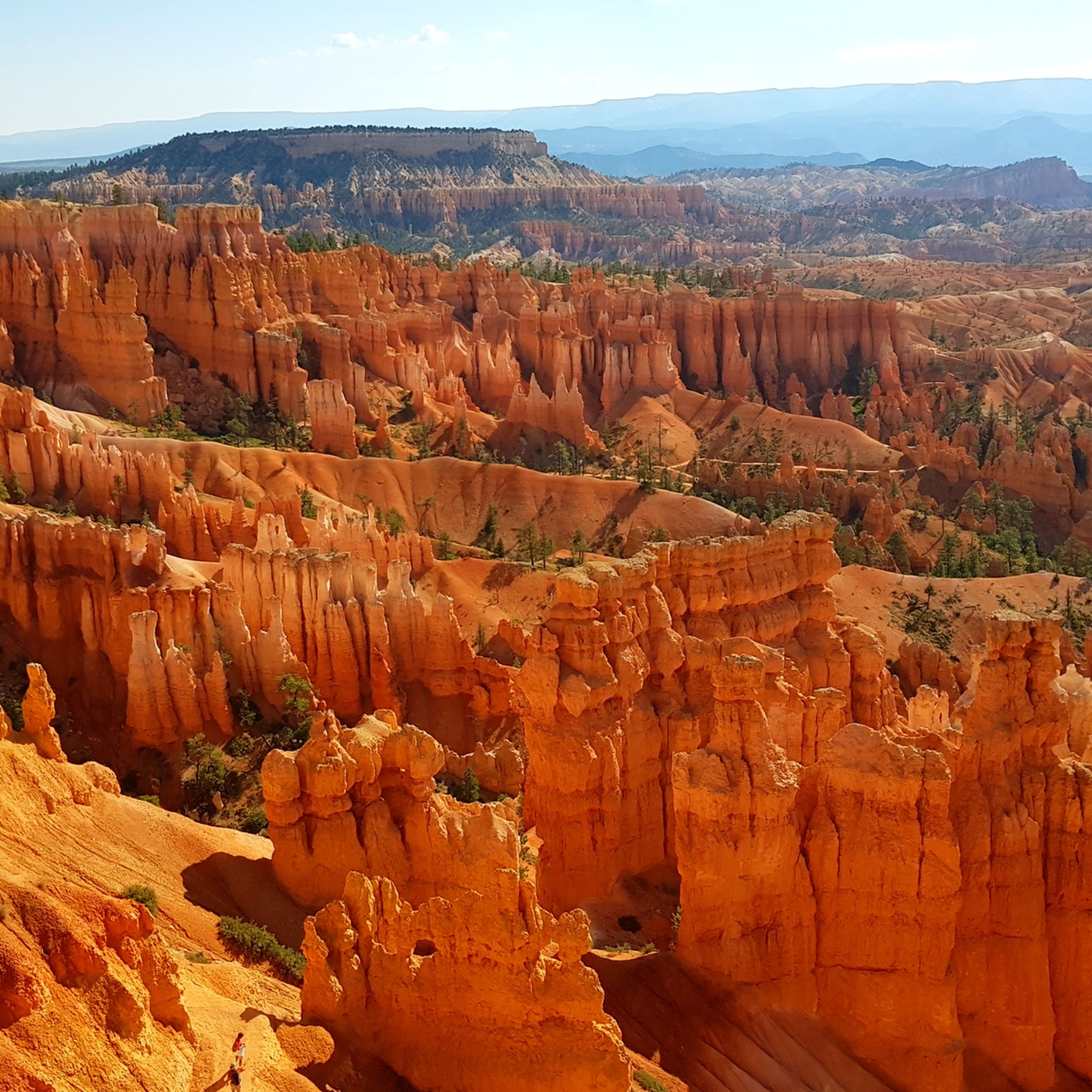
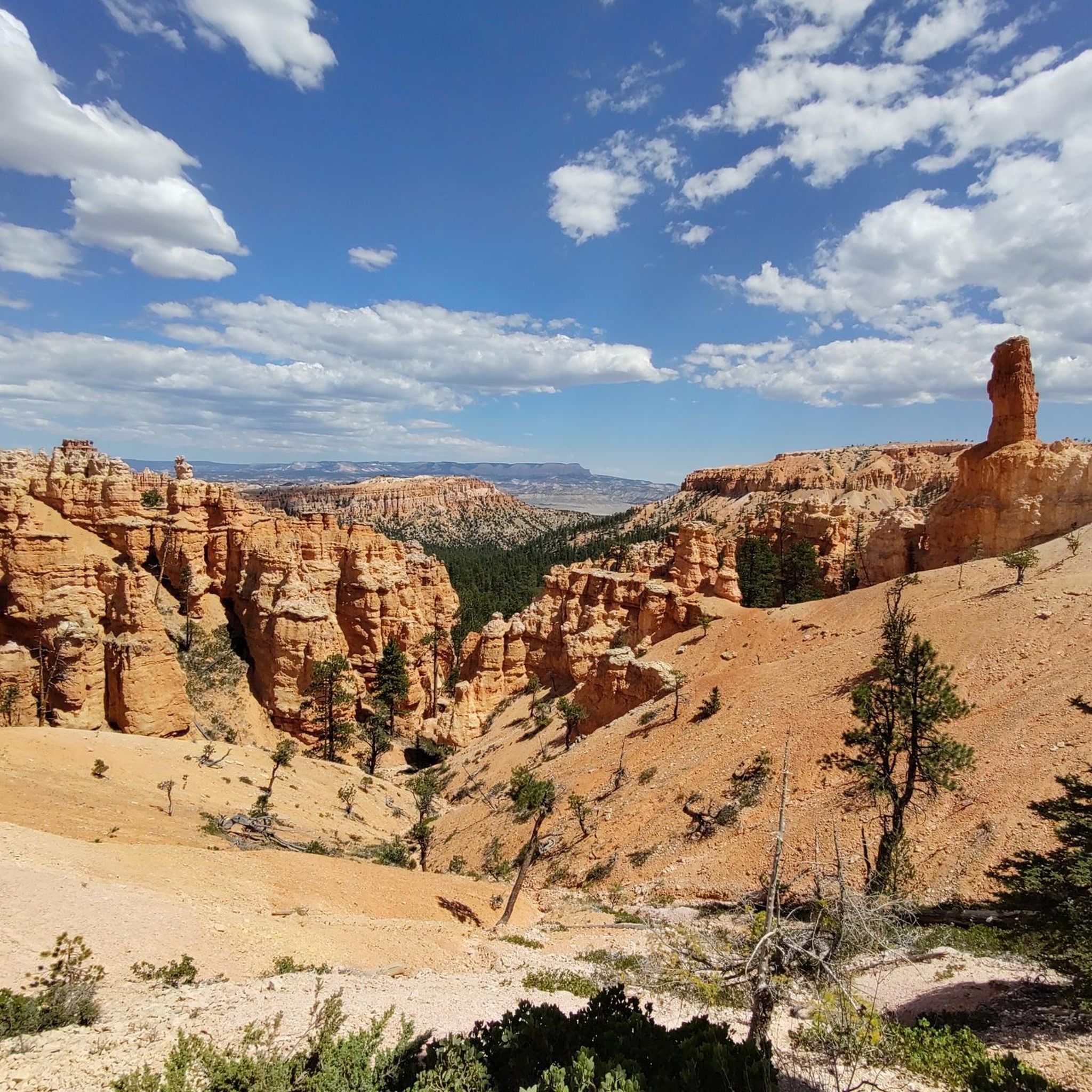
Best attractions and places to see in Bryce Canyon National Park include a series of natural amphitheaters carved into the eastern side of the Paunsaugunt Plateau. The park is characterized by unique geological formations known as hoodoos, which are colorful, spire-shaped rock formations. These structures, along with natural arches and diverse landscapes, are sculpted by erosion and weathering. The area also holds cultural significance, with evidence of human habitation for over 10,000 years by various Native American groups.
Best attractions and places to see in Bryce Canyon National Park
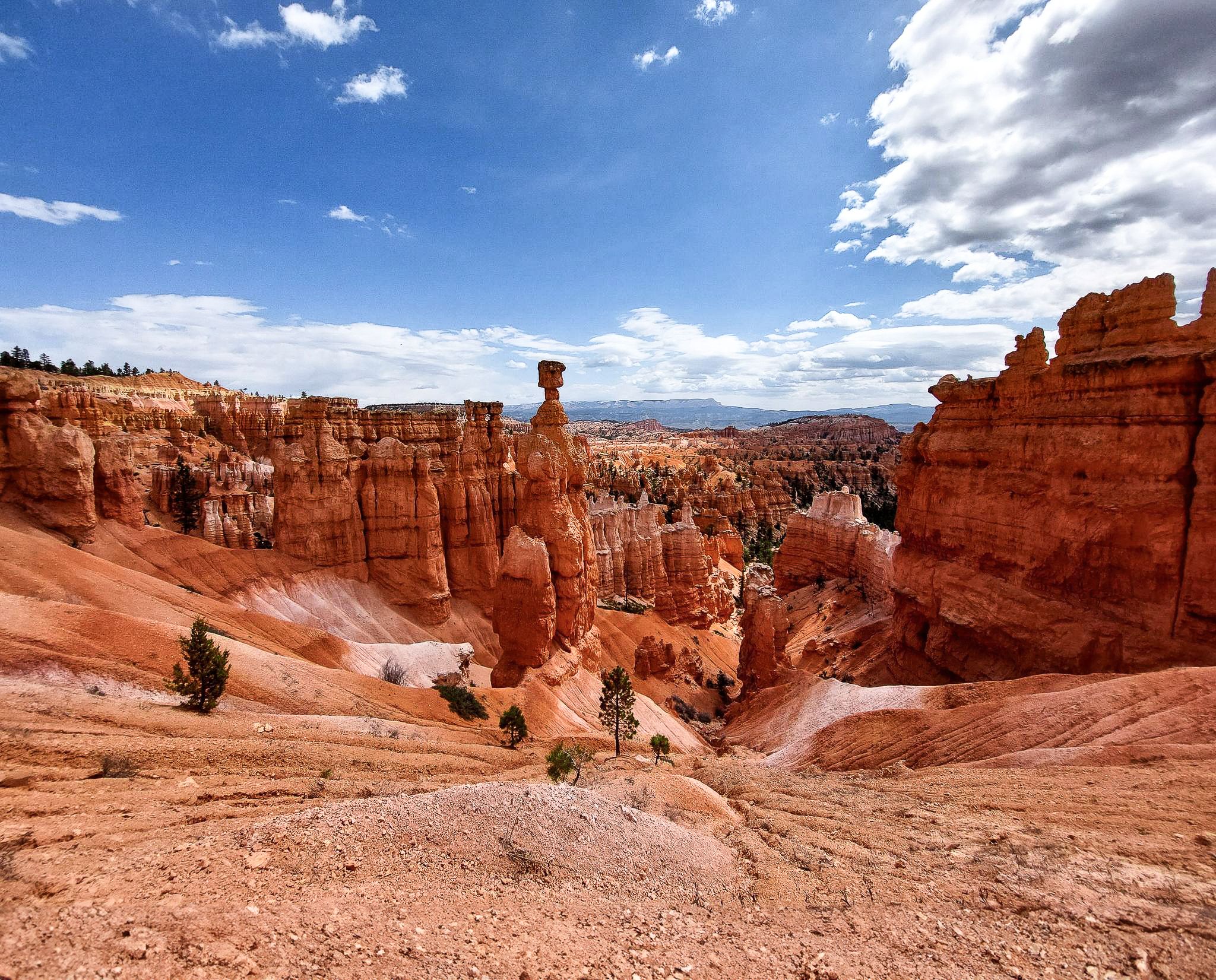
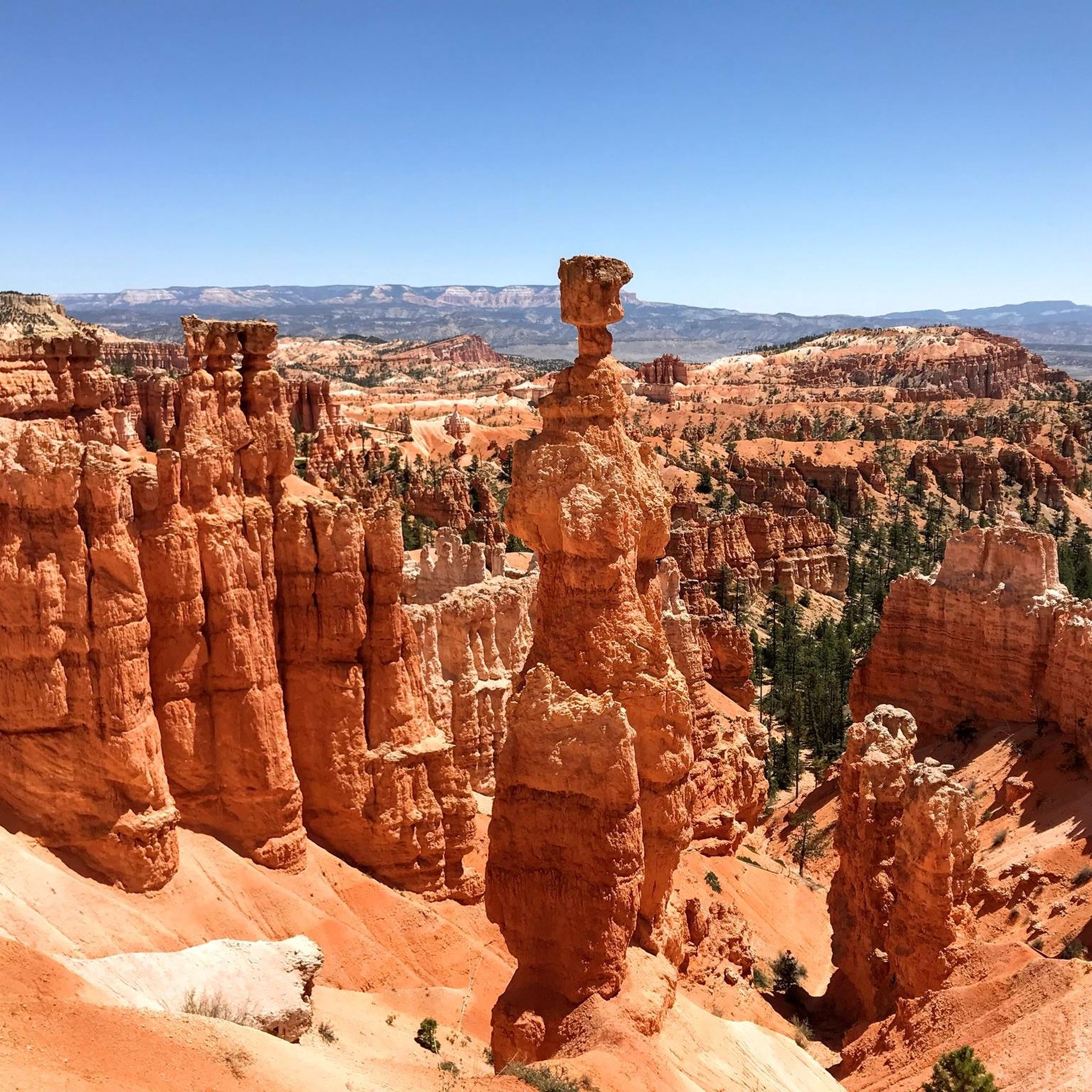
- The most popular attractions is Sunset Point, a viewpoint that offers views of the Silent City, Thor's Hammer, and other hoodoos. This location is particularly noted for its sunset views, illuminating the rock formations.
- Another must-see spot is Queens Garden Trail, a trail through the National Park. This well-maintained path provides varied views of the canyon's formations and colors.
- Visitors also love Sunrise Point, a viewpoint offering views into Bryce Canyon. It is an ideal spot to watch the sunrise, as the eastern-facing cliffs catch the early morning light, glowing in shades of red and orange.
- Bryce Canyon National Park is known for its numerous viewpoints, hiking trails, and distinctive natural monuments. The park offers a variety of attractions to see and explore, from iconic hoodoos to expansive canyon vistas.
- The attractions in Bryce Canyon National Park are appreciated by the komoot community, with more than 690 upvotes and over 270 photos shared by visitors.
Last updated: April 24, 2026
Sunset Point
Highlight • Viewpoint
Tip by

Bryce Amphitheater
Highlight • Canyon
Tip by
Sign up now to discover places like this
Get recommendations on the best single tracks, peaks, & plenty of other exciting outdoor places.
Sign up for free
Sunrise Point
Highlight • Viewpoint
Tip by
Queen's Garden Hoodoos, Bryce Canyon National Park
Highlight • Canyon
Tip by
Thor’s Hammer (hoodoo)
Highlight • Natural Monument
Tip by
Sign up for free to discover even more attractions in Bryce Canyon National Park.
Sign up for free
Already have an account?
Start today with a free account
Your next adventure awaits.
Login or Signup
Other adventures in Bryce Canyon National Park


Tips from the Community

Beautiful to see and to walk in
0
0

"Queen Victoria" holds court over the Queen's Garden Trail. Many believe this hoodoo, or weathered pinnacle of rock, resembles the famous memorial statue to Queen Victoria in London.
2
0

We reach the spectacular Bryce Canyon. The bizarre rock formations ("hoodoos") are just as characteristic of Bryce Canyon as its forests. The combined forces of wind, water and ice have created a landscape of rock pillars in strange shapes and sizes. These rock formations are also called hoodoos. The hoodoos create a labyrinth of constantly changing shapes and colors from bright orange to pale pink or ochre. Here we take the opportunity to descend into the canyon. The change of perspective makes us really aware of the size of the individual rock formations. We see several chipmunks that are far too quick for my camera.
4
0

A worthwhile and easy hike to Queen's Garden that should not be missed. These hoodoos will amaze you forever.
4
0

We were here in September, take a look and go there :) https://youtu.be/NqofJUHjKys
5
0

The amphitheater is the entire overview of the rocks below. These can also be admired from a worm's eye view on various trails through the valley.
3
0
The rock formation in the center is intended to commemorate Queen Victoria. I see a greater similarity to Maria Theresa.
4
0

From afar you can see the shades of red, orange and white that extend across the entire amphitheater. But the true magic is revealed when you walk the paths between these stone giants. With every step the panorama changes, every bend offers a new perspective on this stone labyrinth. The moments when the sunlight kisses the canyon are particularly impressive: the shadows dance, colors light up, and the hoodoos shine in a fireworks display of red and orange tones. This unique natural spectacle lies at an altitude of up to 2700 meters, which gives it a special, clear air and a fascinating atmosphere. It is not for nothing that the place bears the name of a pioneer: Ebenezer Bryce, who settled here in the late 19th century, was so impressed by the beauty and shapes of this canyon that he gave it his name.
3
0
Frequently Asked Questions
What are the most iconic natural features in Bryce Canyon National Park?
Bryce Canyon is most famous for its unique geological formations called hoodoos—colorful, spire-shaped rock formations sculpted by erosion. A particularly famous hoodoo is Thor's Hammer, which can be seen from Sunset Point. The park also features natural arches, such as the Natural Bridge, and vast amphitheaters like the Bryce Amphitheater, which is 12 miles long and 800 feet deep.
Which viewpoints offer the best panoramic views of Bryce Canyon?
For breathtaking panoramic views, consider visiting Sunrise Point, especially at dawn to see the hoodoos glow. Sunset Point provides stunning views of formations like the Silent City and Thor's Hammer. Other notable viewpoints include Inspiration Point, Bryce Point, and Rainbow Point, the highest part of the park, offering vistas stretching up to 100 miles.
Are there easy hiking trails suitable for families or those with limited mobility?
Yes, Bryce Canyon offers several family-friendly and easier trails. The Queens Garden Trail, starting from Sunrise Point, is a well-maintained path with varied views. The Rim Trail is a paved, relatively flat path connecting various viewpoints, suitable for easier strolls. For more options, you can explore the Easy hikes in Bryce Canyon National Park guide.
What are some popular hiking trails that descend into the canyon?
The Navajo Loop Trail is arguably the most iconic, winding down and up canyons surrounded by towering hoodoos, passing Thor's Hammer and Wall Street. The Peek-a-Boo Loop Trail is another picturesque option below the rim, often combined with the Navajo Loop for a longer adventure. The Queens Garden Trail can also be combined with the Navajo Loop to form a popular 3.1-mile loop.
Can I go cycling in Bryce Canyon National Park?
Yes, cycling is a great way to experience the park and its surroundings. There are several routes available, including multi-use paths that offer scenic rides. You can find detailed information and routes in the Cycling in Bryce Canyon National Park guide.
What is the best time of year to visit Bryce Canyon National Park?
Bryce Canyon offers unique experiences year-round. Spring and fall provide pleasant temperatures for hiking and fewer crowds. Summer is popular but can be hot, while winter offers a magical landscape with snow-dusted hoodoos, though some roads and trails may be closed. Always check current conditions before your visit.
Are there any cultural or historical sites to explore in the park?
The Bryce Canyon Lodge holds National Historic Landmark status, showcasing 1920s National Park Service architecture. The area also has a rich Native American history, with archaeological evidence of human habitation for over 10,000 years by groups like the Paiute, who developed mythology around the hoodoos, believing them to be 'Legend People' turned to stone.
What makes Bryce Canyon's geology unique compared to other canyons?
Unlike a single canyon, Bryce Canyon is a series of natural amphitheaters carved into the eastern side of the Paunsaugunt Plateau. Its distinctive feature is the abundance of hoodoos, which are formed by frost weathering and stream erosion of the sedimentary rock layers. The park is part of the 'Pink Cliffs' layer of the Grand Staircase, displaying subtle shades of pink, red, orange, white, and gray.
Are there options for stargazing in Bryce Canyon?
Yes, Bryce Canyon National Park is renowned for its exceptionally dark night skies. Its high elevation, pristine air, and remote location make it an excellent spot for stargazing. The park often hosts astronomy programs, allowing visitors to experience the Milky Way and countless stars with incredible clarity.
What are some attractions outside the main Bryce Amphitheater area?
Beyond the main amphitheater, you can explore the Mossy Cave Trail, which features the park's only named waterfall and a grotto. The Bristlecone Loop leads through ancient 1,600-year-old bristlecone pine trees. Nearby, Red Canyon offers its own hoodoos and red rock formations, and Kodachrome Basin State Park, just 20 miles away, also provides unique sandstone chimneys and outdoor activities.
What do visitors particularly enjoy about Bryce Canyon National Park?
Visitors consistently praise the stunning and unique geological formations, especially the hoodoos, and the vibrant colors of the canyon at sunrise and sunset. Many highlight the immersive experience of hiking trails like the Navajo Loop and Queens Garden Trail, which offer close-up views. The expansive panoramic views from various points, such as Sunset Point, are also frequently mentioned as favorites.
Is Bryce Canyon National Park accessible by public transport or shuttle?
Bryce Canyon National Park operates a free shuttle system during peak season, which helps visitors access popular viewpoints and trailheads along the scenic drive, reducing traffic and parking congestion. This is a convenient way to get around the main amphitheater area. For detailed information on shuttle schedules and stops, it's best to check the official park website: nps.gov/brca.
Where can I find information about permits for backcountry camping in Bryce Canyon?
For information regarding permits for backcountry camping, including regulations, available campsites, and how to apply, you should consult the official National Park Service website for Bryce Canyon. This is the most reliable source for up-to-date permit requirements and booking procedures: nps.gov/brca.
Most popular routes in Bryce Canyon National Park
Most popular attractions in Bryce Canyon National Park

Get inspired with the komoot mobile app


Explore more
Still not found the Highlight you’re looking for? See guides of the top attractions in other regions:
