Theodore Roosevelt National Park
Theodore Roosevelt National Park
Attractions and Places To See in Theodore Roosevelt National Park - Top 20
Best attractions and places to see in Theodore Roosevelt National Park are found across its South, North, and Elkhorn Ranch Units, showcasing North Dakota's badlands. The park features dramatic landscapes shaped by the Little Missouri River, diverse wildlife, and sites commemorating President Theodore Roosevelt's conservation legacy. Visitors can explore unique geological formations, prairies, and historical points of interest within this varied terrain.
Best attractions and places to see in Theodore Roosevelt National Park
- The most popular attractions is Painted Canyon…
Last updated: October 11, 2026
Caprock Coulee Nature Trail
Highlight (Segment) • Trail
Tip by

Painted Canyon Overlook
Highlight • Viewpoint
Tip by
Sign up now to discover places like this
Get recommendations on the best single tracks, peaks, & plenty of other exciting outdoor places.
Painted Canyon Visitor Center, Theodore Roosevelt National Park
Highlight • Rest Area
Tip by
Big Plateau Trail
Highlight (Segment) • Trail
Tip by
Wind Canyon Nature Trail
Highlight (Segment) • Trail
Tip by
Sign up for free to discover even more attractions in Theodore Roosevelt National Park.
Already have an account?
Start today with a free account
Your next adventure awaits.
Popular around Theodore Roosevelt National Park
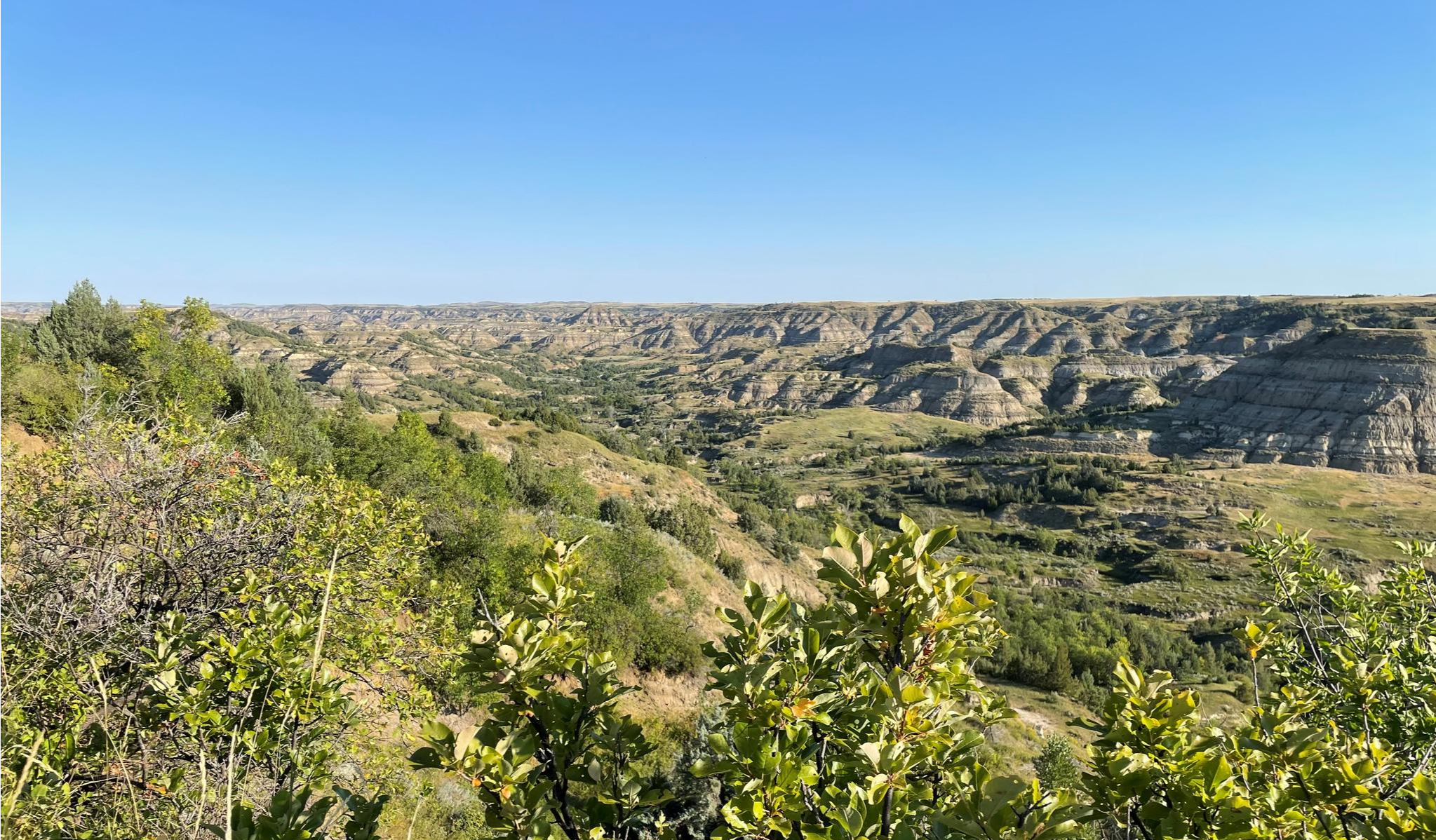
Maah Daah Hey Trail — The legendary Badlands trek
From the mountain peaks to the prairie – Rocky Mountains and Great Plains
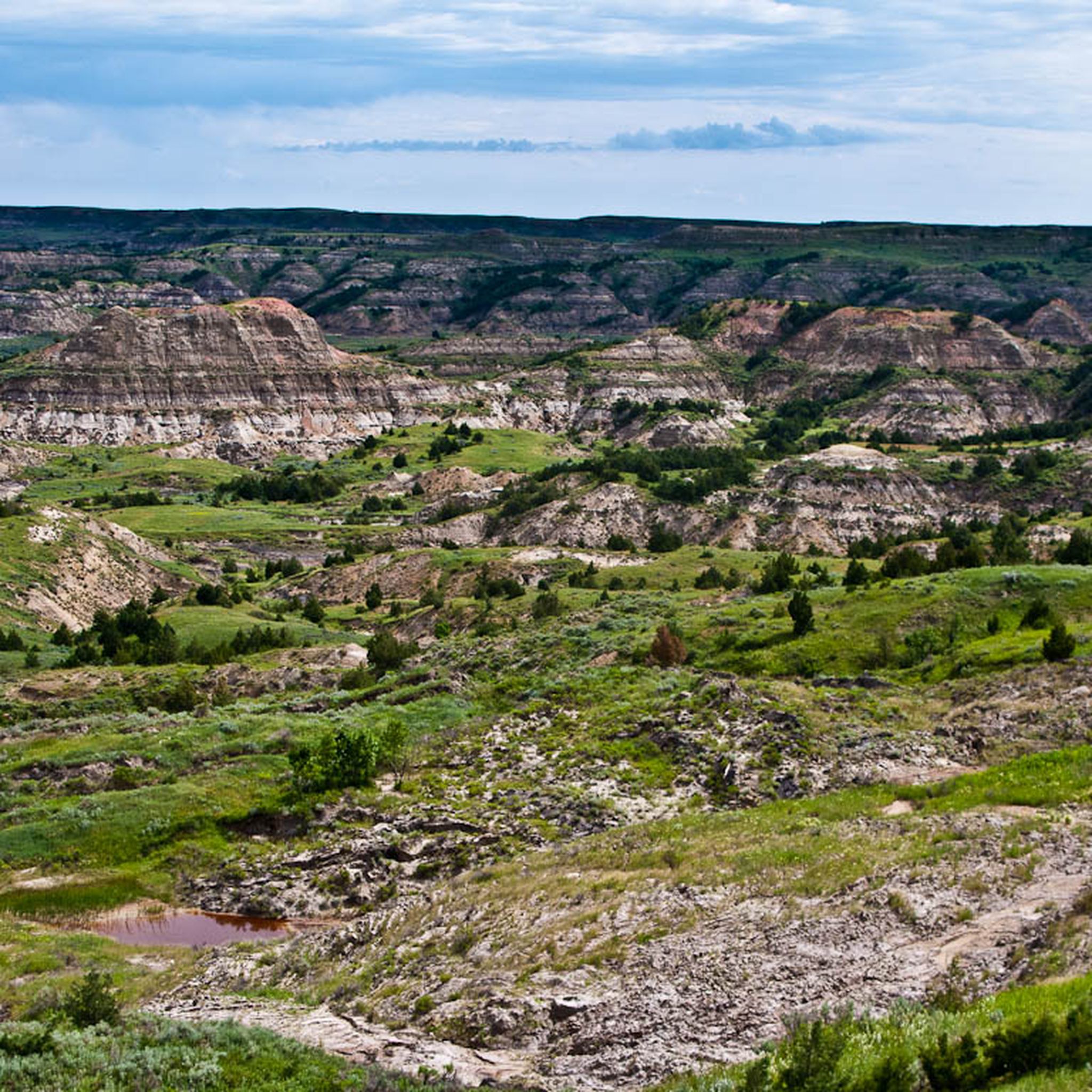
Hiking in Theodore Roosevelt National Park
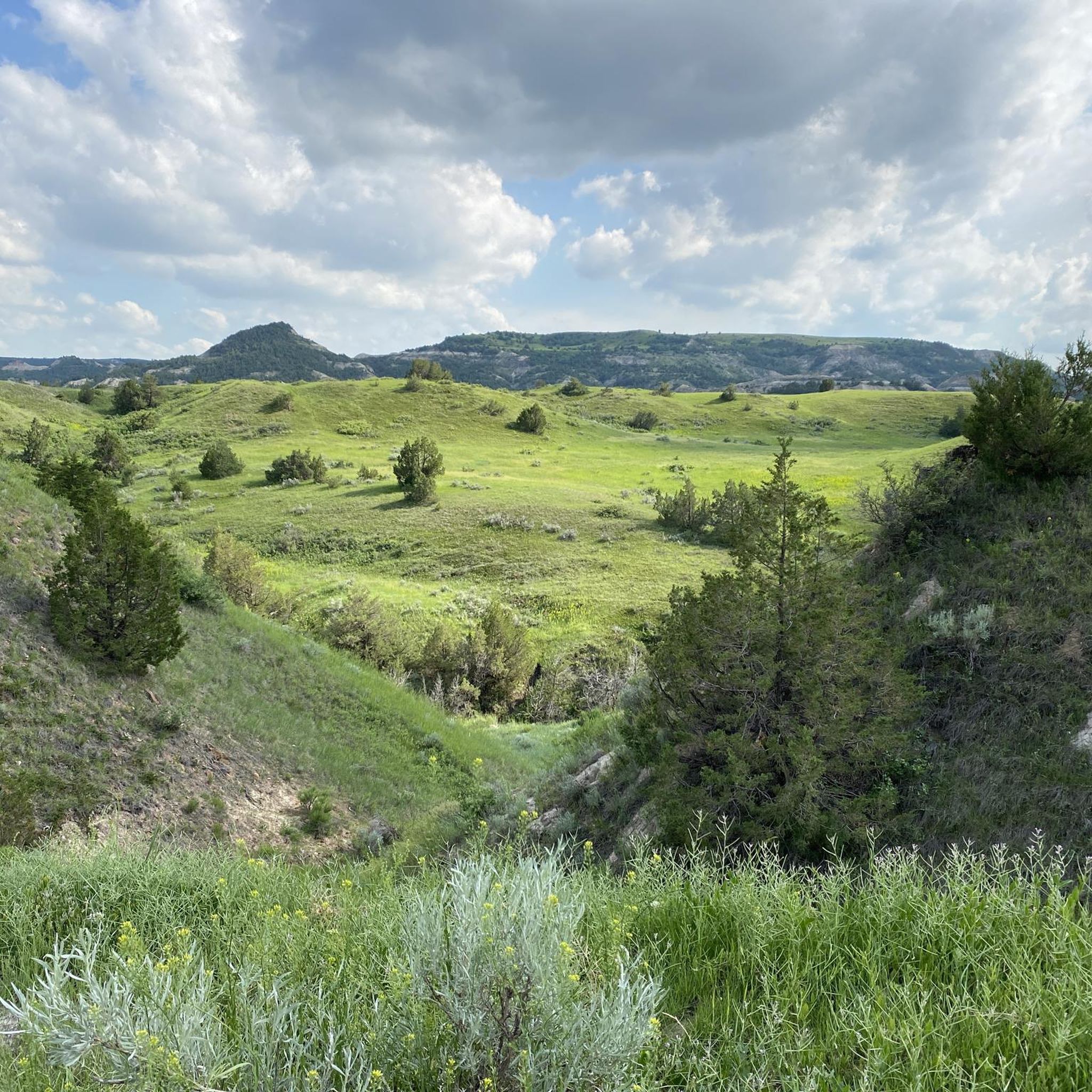
Running Trails in Theodore Roosevelt National Park
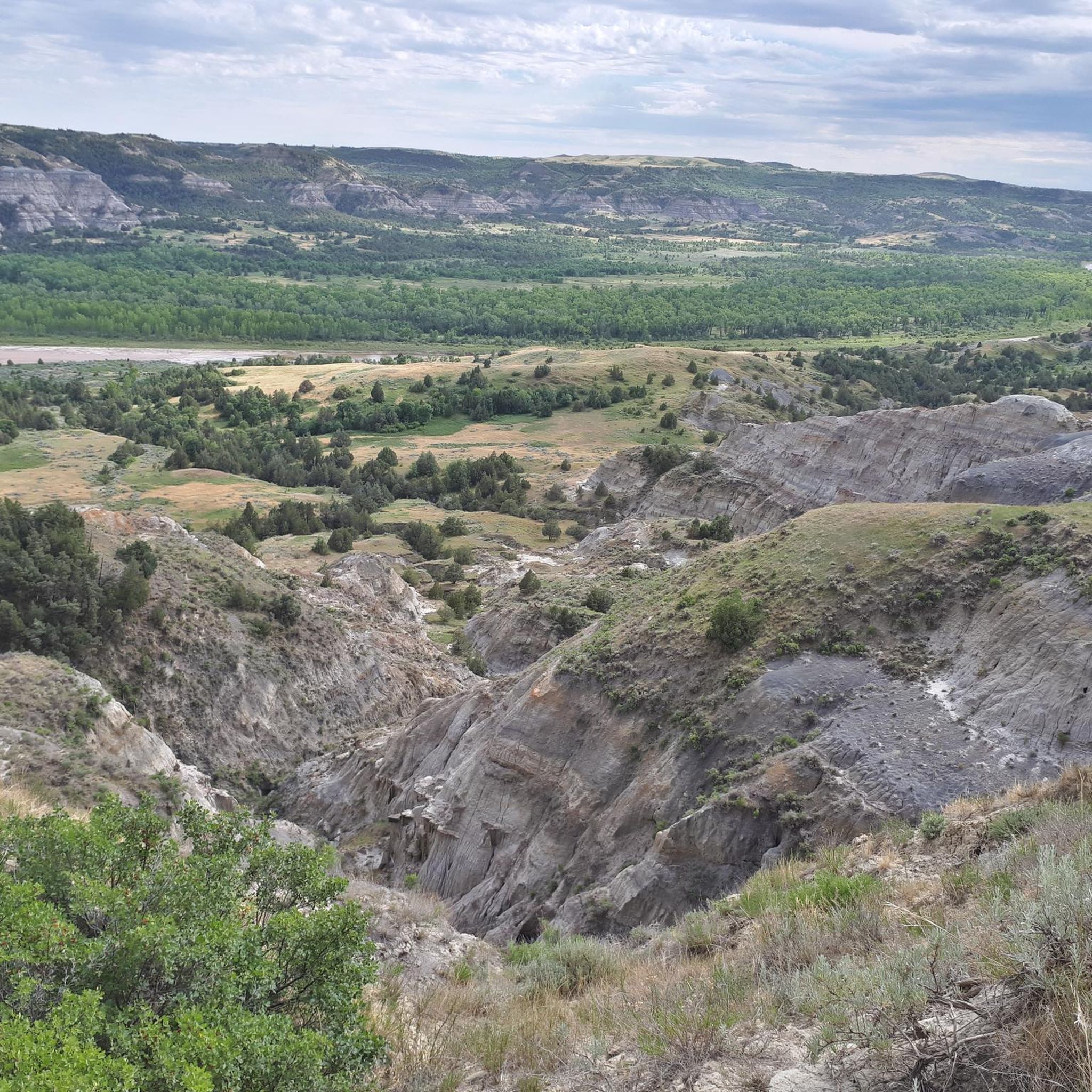
MTB Trails in Theodore Roosevelt National Park
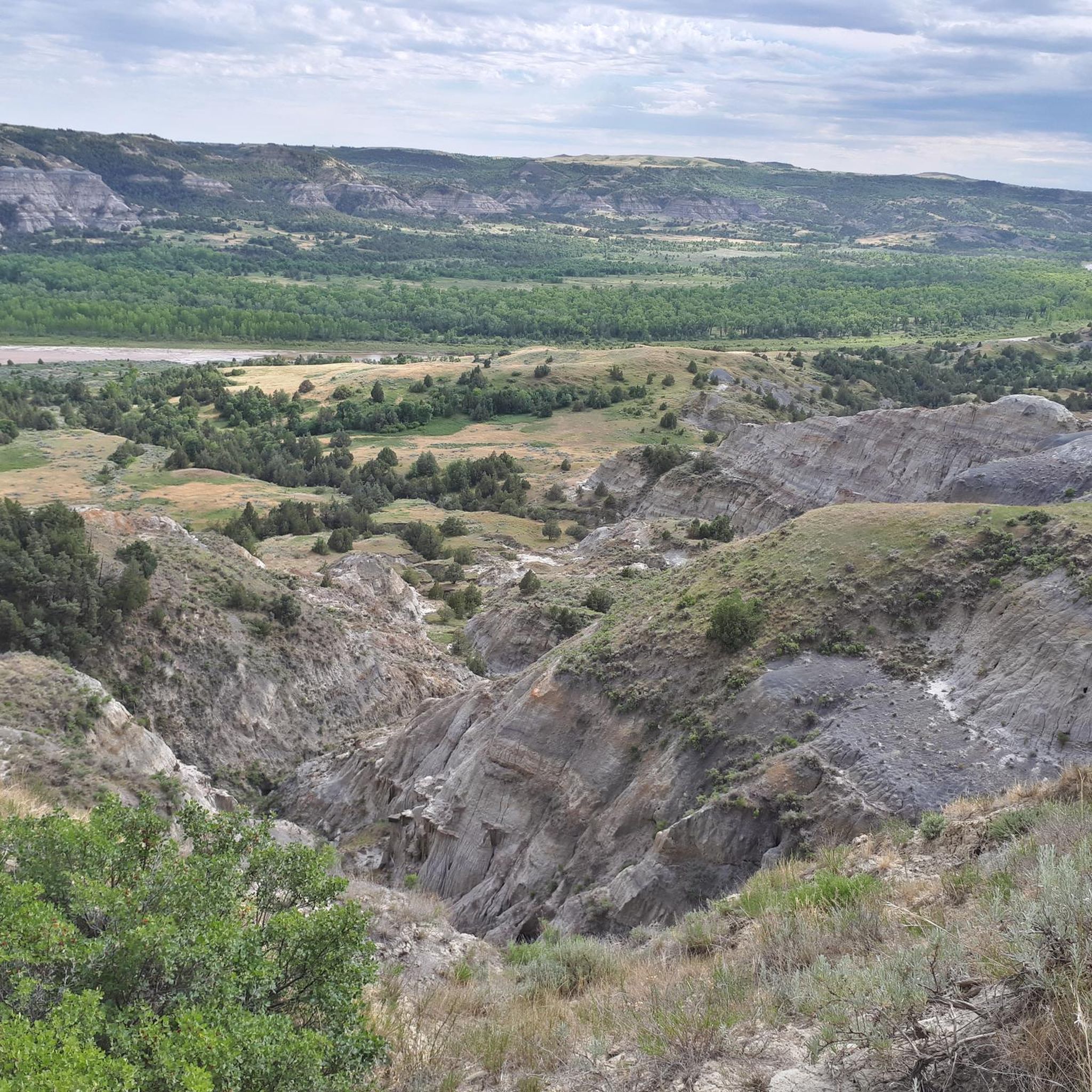
Cycling in Theodore Roosevelt National Park
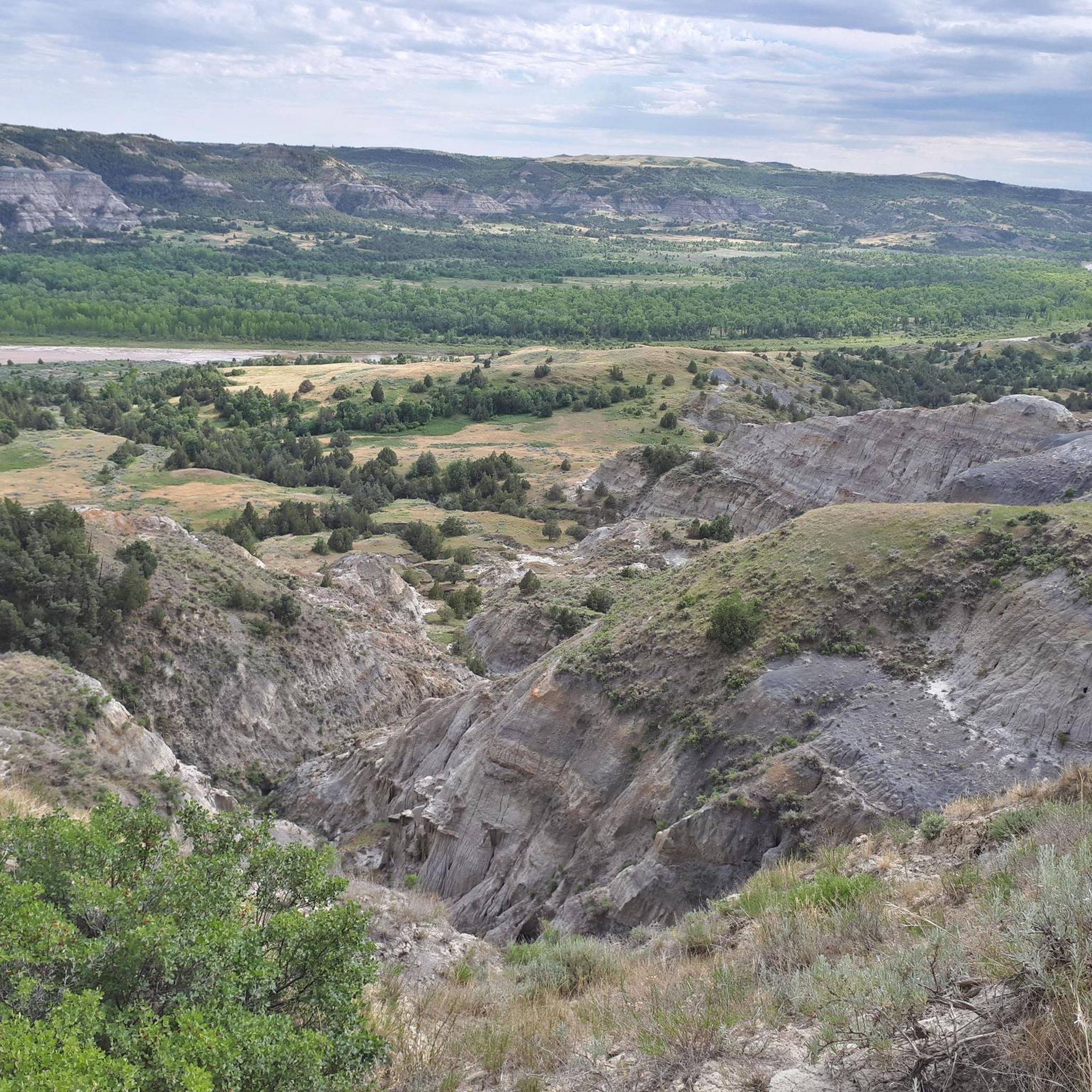
Road Cycling Routes in Theodore Roosevelt National Park
Other adventures in Theodore Roosevelt National Park


Tips from the Community

This nature trail (part of the overall Caprock Coulee loop) doesn't have much elevation gain, so it makes a great warm-up or a short run in and of itself. It's very popular with hikers, though, so your best chance of an uninterrupted run is getting out here early or late, or maybe during the week. Keep an eye out for wildlife, including bison, which are fast and dangerous — you don't want to end up running sprints with one of those behind you.
0
0

This viewpoint of Painted Canyon is very close to a parking lot, so it is easy to access and normally fairly busy. It is a good place to stop on your way to the Painted Canyon Trail.
0
0

Wind Canyon Nature Trail is one of many short but beautiful hikes along the Scenic Loop Drive in Theodore Roosevelt National Park - South Unit. The path winds along the Little Missouri River to provide you with dramatic river views.
1
0

To get there, you have to wade across the Little Missouri River from the parking lot. There are a lot of prairie dogs there.
0
0
Most of the Big Plateau Trail runs over (surprise!) a big plateau with grasslands. This means little elevation changes on most of the trail. The only elevation changes are at the start and the end of the trail going up and down the canyons. It's never a certainty, but the big plateau is known for big herds of bison hanging out. A river crossing is mandatory to make it out to both Big Plateau and Lone Tree Spring Loop Trail. Check-in with the visitor center about water depth and safety measures.
2
0
You will find Painted Canyon Overlook right off the parking lot next to the Painted Canyon Visitor Center. This is a great opportunity to soak in the views before you set out to hike either the Painted Canyon Nature Trail or the Painted Canyon Trail towards Upper Paddock Creek Trail.
1
0
The Painted Canyon Visitor Center is a small visitor center, but there's plenty to do in and around it. Of course, there are beautiful panoramic views of Painted Canyon, and with multiple hikes starting from here you can really get the most out of these views. There is also a staffed information desk offering exhibits, a small gift shop, and of course a drinking fountain, public restrooms, and some vending machines.
1
0
Caprock Coulee Nature Trail is a 0.8-mile section of the Caprock Coulee Trail Loop, making it a 1.6-mile out-and-back hike if you don't feel like hiking the entire loop. The Nature Trail section also has the least amount of elevation change of the entire loop making it more accessible. Like most 'Nature Trails' the NPS has provided signs to give you more information about the area along the trail.
1
0
Frequently Asked Questions
What are the best scenic drives in Theodore Roosevelt National Park?
The park offers two primary scenic drives. In the South Unit, the Scenic Loop Drive is a 36-mile paved loop with numerous pullouts for expansive views and wildlife spotting. In the North Unit, the North Unit Scenic Drive is a 14-mile byway showcasing colorful badlands vistas. Both provide excellent opportunities to experience the park's dramatic landscapes.
Where can I find the most impressive viewpoints in Theodore Roosevelt National Park?
For breathtaking vistas, visit Painted Canyon Overlook in the South Unit, offering an initial panoramic view of the Badlands. In the North Unit, Oxbow Overlook is renowned for its dramatic U-shaped bend of the Little Missouri River, especially at sunrise, while River Bend Overlook is ideal for sunset views. Wind Canyon Overlook in the South Unit also provides striking views of the river.
What unique natural features can I explore in Theodore Roosevelt National Park?
The park is famous for its deeply eroded badlands terrain, characterized by sharp ridges, cliffs, and unique rock formations with striking color variations. You can also explore the Petrified Forest Trail in the South Unit to see ancient, mineralized trees, or discover the wacky, spherical Cannonball Concretions along the Buckhorn Trail in the North Unit. The Little Missouri River, prairies, and grasslands are also prominent natural features.
Where can I see wildlife in Theodore Roosevelt National Park?
The park is home to diverse wildlife, including bison, wild horses, elk, deer, bighorn sheep, pronghorn, and coyotes. The Scenic Loop Drive in the South Unit and the North Unit Scenic Drive are excellent places for wildlife viewing. You can often spot prairie dog towns, notably near Skyline Vista in the South Unit, and bison herds are frequently seen on the Big Plateau Trail.
What historical sites related to Theodore Roosevelt can I visit?
Visitors can explore sites commemorating President Theodore Roosevelt's connection to the area. His original Maltese Cross Cabin, built in 1883-84, is located near the South Unit Visitor Center. The more remote Elkhorn Ranch Unit, where only the foundation stones remain, offers insight into his ranching days and conservation legacy.
Are there family-friendly activities or trails in Theodore Roosevelt National Park?
Yes, the park offers several family-friendly options. The Painted Canyon Visitor Center provides exhibits and serves as a starting point for easy walks. The Caprock Coulee Nature Trail in the North Unit is a 0.8-mile section with minimal elevation change and interpretive signs, making it accessible for families. The Little Mo Nature Trail in the North Unit is also paved and kid-friendly.
What hiking trails are available in Theodore Roosevelt National Park?
The park offers a variety of hiking trails. For an accessible option, try the Caprock Coulee Nature Trail. More extensive options include the Petrified Forest Trail for geological exploration and the Coal Vein Trail, which explores an area where a coal vein once burned. For a longer adventure, the Maah Daah Hey Trail connects all three units of the park. You can find more hiking options in the Hiking in Theodore Roosevelt National Park guide.
Are there options for cycling in Theodore Roosevelt National Park?
Yes, cycling is a popular way to experience the park's scenic beauty. The Scenic Loop Drive in the South Unit is a favored route for road cyclists. For more detailed routes and options, explore the Road Cycling Routes in Theodore Roosevelt National Park guide.
What is the best time of year to visit Theodore Roosevelt National Park?
The best time to visit is generally spring (April-May) and fall (September-October) when temperatures are milder, and wildlife is often more active. Summer (June-August) can be hot, but offers full access to all park facilities and activities. Winters are cold with snow, but provide a unique, quiet experience for those prepared for the conditions.
Are there campgrounds available within Theodore Roosevelt National Park?
Yes, the park offers camping facilities. Cottonwood Campground in the South Unit is a fantastic spot with shaded sites and views of the badlands. It offers both reservable and first-come, first-served sites, with amenities like flush toilets and potable water seasonally.
What is Medora, and what does it offer visitors to the park?
Medora is a charming town that serves as the gateway to the South Unit of Theodore Roosevelt National Park. It offers a visitor center, shops, restaurants, and historical attractions like the Maltese Cross Cabin. It's a convenient base for exploring the park and provides amenities for travelers.
Can I bring my dog to Theodore Roosevelt National Park?
Dogs are generally allowed in developed areas such as paved roads, parking lots, and campgrounds like Cottonwood Campground, as long as they are on a leash. However, pets are typically not permitted on hiking trails or in park buildings to protect wildlife and ensure visitor safety. Always check current park regulations before your visit.
Most popular routes in Theodore Roosevelt National Park
Most popular attractions in Theodore Roosevelt National Park

Get inspired with the komoot mobile app


Explore more
Still not found the Highlight you’re looking for? See guides of the top attractions in other regions:
