The best running trails in Joshua Tree National Park
5.0
(1)
177
runners
18
runs
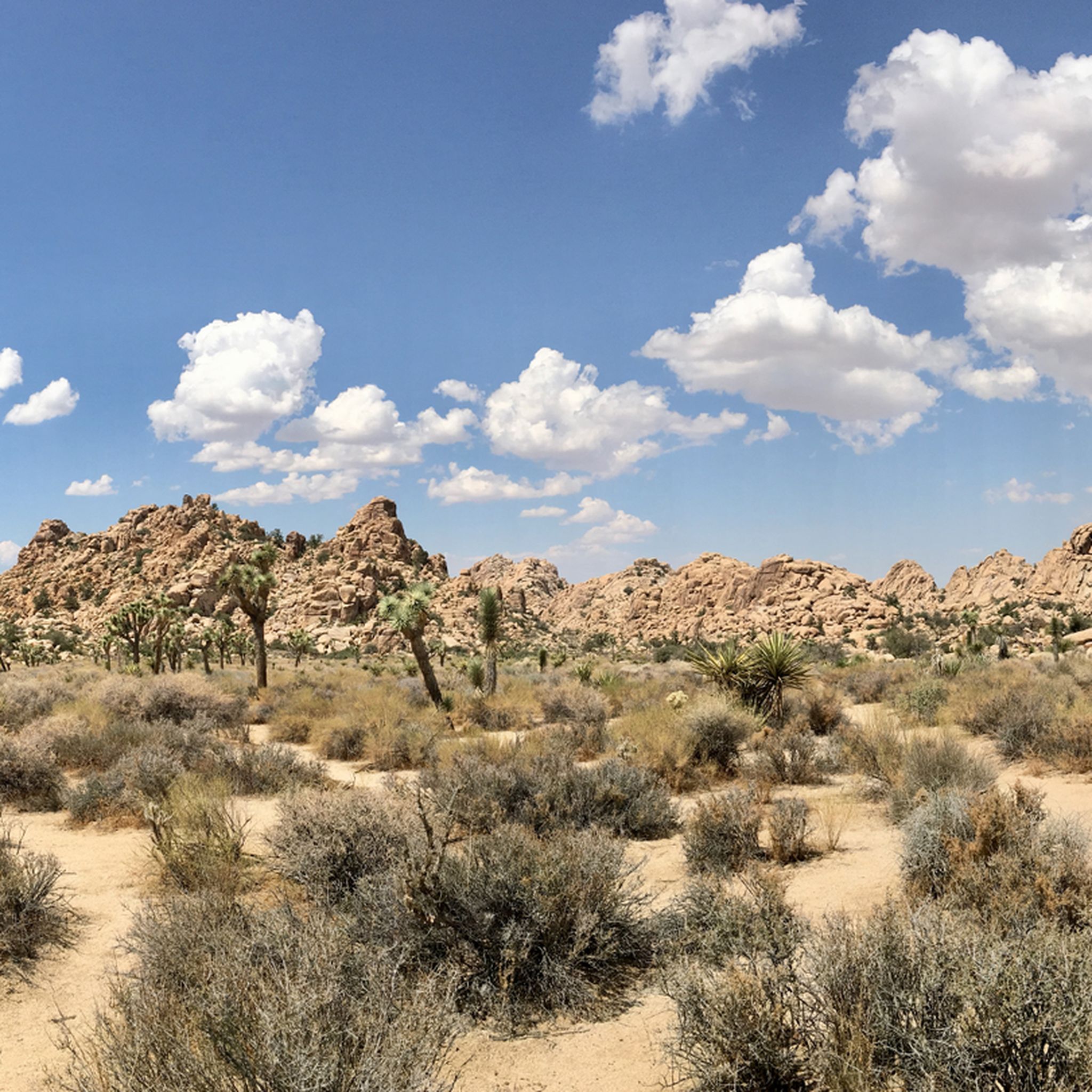
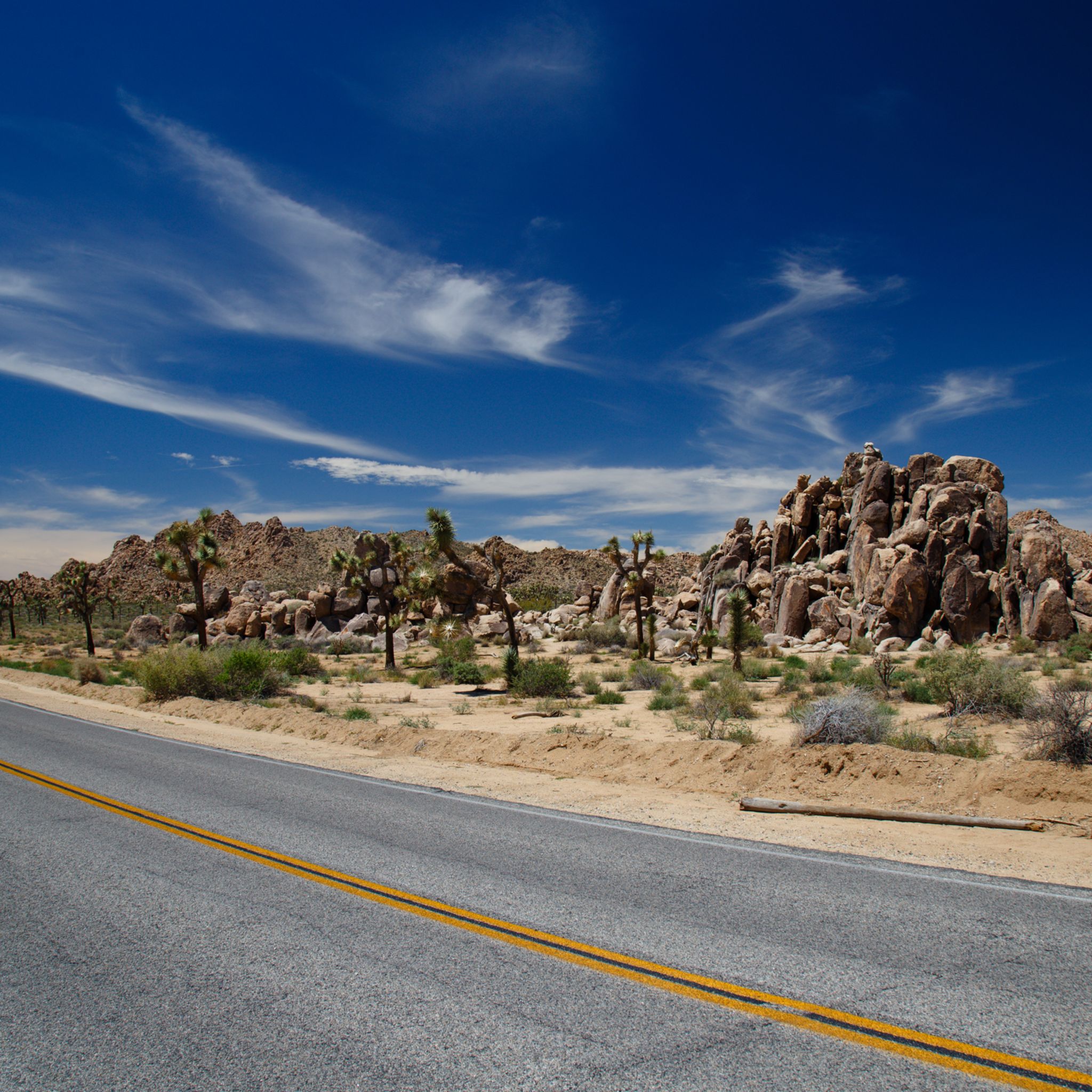
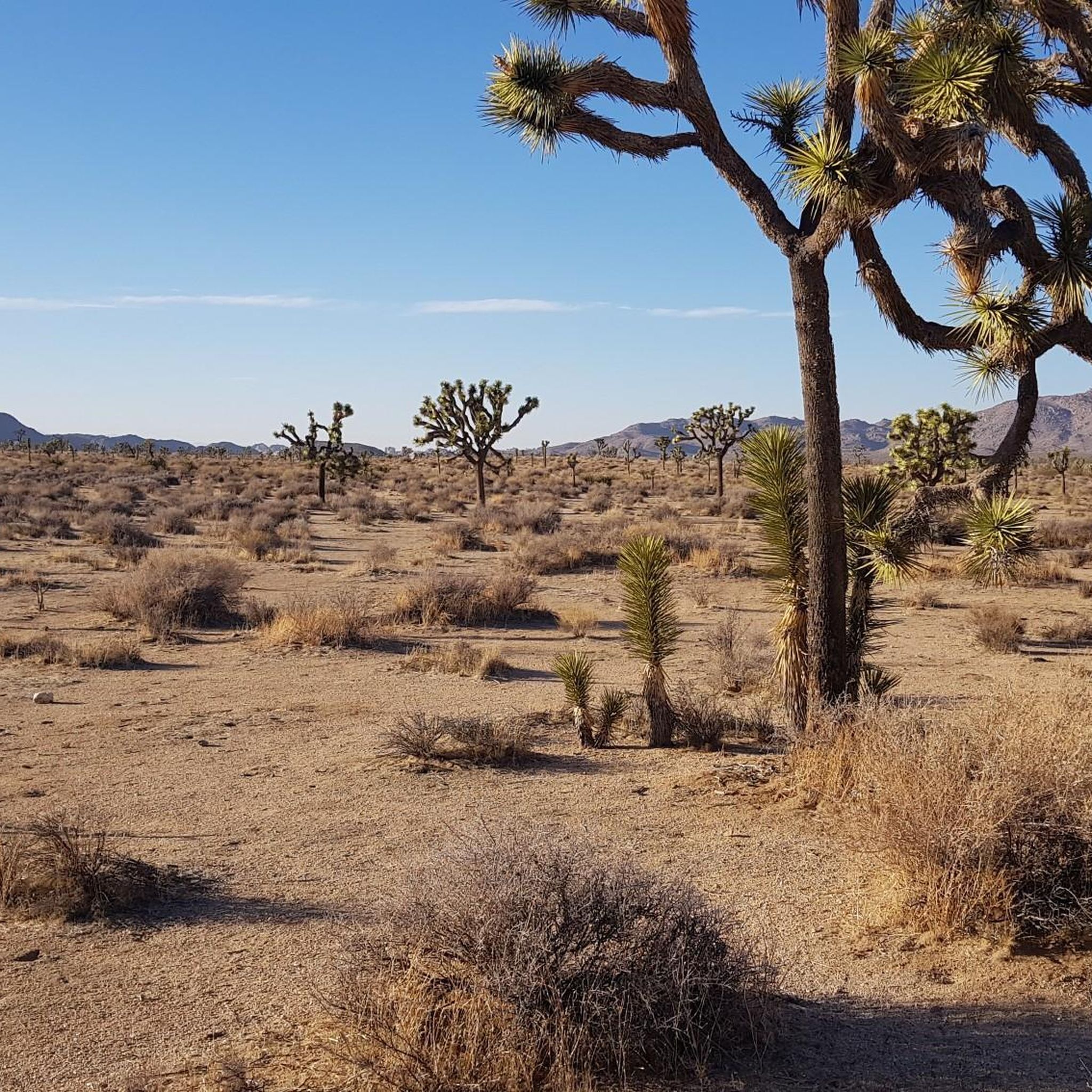
Jogging in Joshua Tree National Park offers a unique experience across a high desert landscape where two distinct desert ecosystems, the Mojave and the Colorado, converge. The region is characterized by iconic Joshua trees, massive granite outcrops, and diverse desert flora, providing a rugged and varied terrain for runners. Elevations vary across the park, including six mountain ranges and several palm oases, creating a dynamic environment for trail running.
Best jogging routes in Joshua Tree National Park
- The most popular…
Last updated: July 7, 2026
26
runners
10.4km
01:20
200m
200m
Moderate run. Good fitness required. Mostly paved surfaces. Suitable for all skill levels.
12
runners
4.99km
00:38
120m
120m
Moderate run. Good fitness required. Mostly paved surfaces. Suitable for all skill levels.

Sign up for free
9
runners
11.9km
01:32
260m
260m
Moderate run. Good fitness required. Mostly paved surfaces. Suitable for all skill levels.
4
runners
15.6km
02:02
470m
470m
Hard run. Very good fitness required. Mostly paved surfaces. Suitable for all skill levels.
4
runners
4.00km
00:27
20m
20m
Easy run. Great for any fitness level. Mostly paved surfaces. Suitable for all skill levels.
Get access to more routes and recommendations from other explorers.
Sign up for free
Already have an account?
Our route recommendations are based on thousands of hikes, rides, and runs completed by other people on komoot.
Start today with a free account
Your next adventure awaits.
Login or Signup

Tips from the Community

Leading to Mastodon Peak, the Mastodon Mine Loop Trail is a straightforward, 3-mile trail with peaceful surroundings within Joshua Tree.
0
0

This small mountain in the lower part does not see as many visitors as the center of Joshua Tree National Park. Leave the crowds behind and enjoy a hike to this peak and the scenic ruins of the old Mastodon Mine. In the 1930s, the Hulsey Family found some gold ore, but was not able to get to the main vein, so the mine was abandonded pretty soon.
0
0

Great little walk with a bit of history. Best time morning or evening with mosquito spray
0
0

Be careful, if you intend to climb in for some pictures
1
0

Eureka Peak is not the highest mountain in Joshua Tree National Park, but a great workout for running, especially if you like to get away from the crowds. At a height of 5,518 feet the summit offers a scenic panorama over the park, its canyons, and snow capped mountains in the distance.
1
1
Eureka Peak is not the highest mountain in Joshua Tree National Park, but worth a hike if you like to get away from the crowds. At a height of 5,518 feet the summit offers a scenic panorama over the park, its canyons, and snow capped mountains in the distance.
4
0
This small mountain in the lower part does not see as many visitors as the center of Joshua Tree National Park. Leave the crowds behind and enjoy a hike to this peak and the scenic ruins of the old Mastodon Mine. In the 1930s, the Hulsey Family found some gold ore, but was not able to get to the main vain, so the mine was abandonded pretty soon.
4
0
Frequently Asked Questions
How many running routes are available in Joshua Tree National Park?
Joshua Tree National Park offers a wide variety of running experiences, with over 20 routes available on komoot. These range from easy paths to more challenging trails, catering to different fitness levels. In total, the park boasts approximately 300 miles of hiking trails, many of which are suitable for running.
Are there any easy jogging trails suitable for beginners or families in Joshua Tree National Park?
Yes, there are several easy running routes perfect for beginners or families. The Wall Street Mill Trail is an easy 4.0 km path that takes you past historical remnants. For a unique experience, consider exploring the Cholla Cactus Garden, which features an elevated boardwalk through dense cactus concentrations.
What kind of terrain can I expect on the running routes in Joshua Tree National Park?
The terrain in Joshua Tree National Park is incredibly varied, reflecting its unique high desert landscape. Runners can expect sandy washes, rocky sections, and varied elevations. The park encompasses two distinct desert ecosystems, the Mojave and the Colorado, leading to a remarkable diversity in flora and terrain, including iconic Joshua trees and massive granite outcrops.
Are there any challenging running trails with significant elevation gain in the park?
For runners seeking a more rigorous experience, Joshua Tree National Park offers challenging routes with notable elevation gains. The Eureka Peak Trail is a difficult 15.6 km run with significant elevation, providing a strenuous workout and rewarding views from Eureka Peak.
What are some notable natural features or landmarks I can see while running in Joshua Tree National Park?
Joshua Tree National Park is rich with striking natural features. You can run amidst the park's namesake Joshua trees, explore massive rock formations like Skull Rock and Split Rock, or discover refreshing palm oases such as the Lost Palms Oasis. The park also features diverse desert flora, including the unique cholla cacti.
Are there any running routes that offer a glimpse into the region's history?
Yes, several routes provide insights into the area's mining history. The Lost Horse Mine Loop Trail, a 10.4 km moderate route, leads past historical mining remnants. Another option is the Mastodon Mine Loop Trail, which also features historical elements alongside unique rock formations.
What do other runners say about jogging in Joshua Tree National Park?
The running routes in Joshua Tree National Park are highly regarded by the komoot community. Over 280 runners have used komoot to explore the park's varied terrain, often praising the unique Joshua tree scenery, the striking rock formations, and the diverse desert flora that make for an unparalleled visual experience.
Can I find routes that lead to scenic viewpoints in Joshua Tree National Park?
Absolutely. The park offers numerous opportunities for panoramic vistas. While running, you might encounter viewpoints like the Vista from second peak Warren peak or the View from Ryan Mountain, which provide sweeping views of the desert landscape and mountain ranges.
What is the best season for running in Joshua Tree National Park?
The high desert environment of Joshua Tree National Park experiences significant temperature swings. While running is possible year-round, spring and fall generally offer the most pleasant conditions with milder temperatures. Summer can be extremely hot, requiring early morning or late evening runs and careful hydration planning. Winter mornings can be cold, but daytime temperatures are often ideal for running.
Are there any loop running trails in Joshua Tree National Park?
Yes, Joshua Tree National Park features several loop trails that are great for running. The Lost Horse Mine Loop Trail and the Mastodon Mine Loop Trail are both popular loop options, offering varied scenery and historical points of interest.
What should I bring for running in Joshua Tree, especially during warmer months?
Given the exposed nature of the terrain and the potential for high temperatures, especially in warmer months, it's crucial to be prepared. Always carry plenty of water, wear sun protection (hat, sunscreen, sunglasses), and light, breathable clothing. It's also advisable to bring a map or GPS device, as well-marked trails are noted, but conditions can change. Testing gear and acclimating to the climate is part of the unique experience here.
Most popular routes in Joshua Tree National Park
Most popular attractions in Joshua Tree National Park

Get inspired with the komoot mobile app


Explore more
Browse the best Running Trails & Routes in other regions.
