4.8
(339)
6,700
hikers
136
hikes
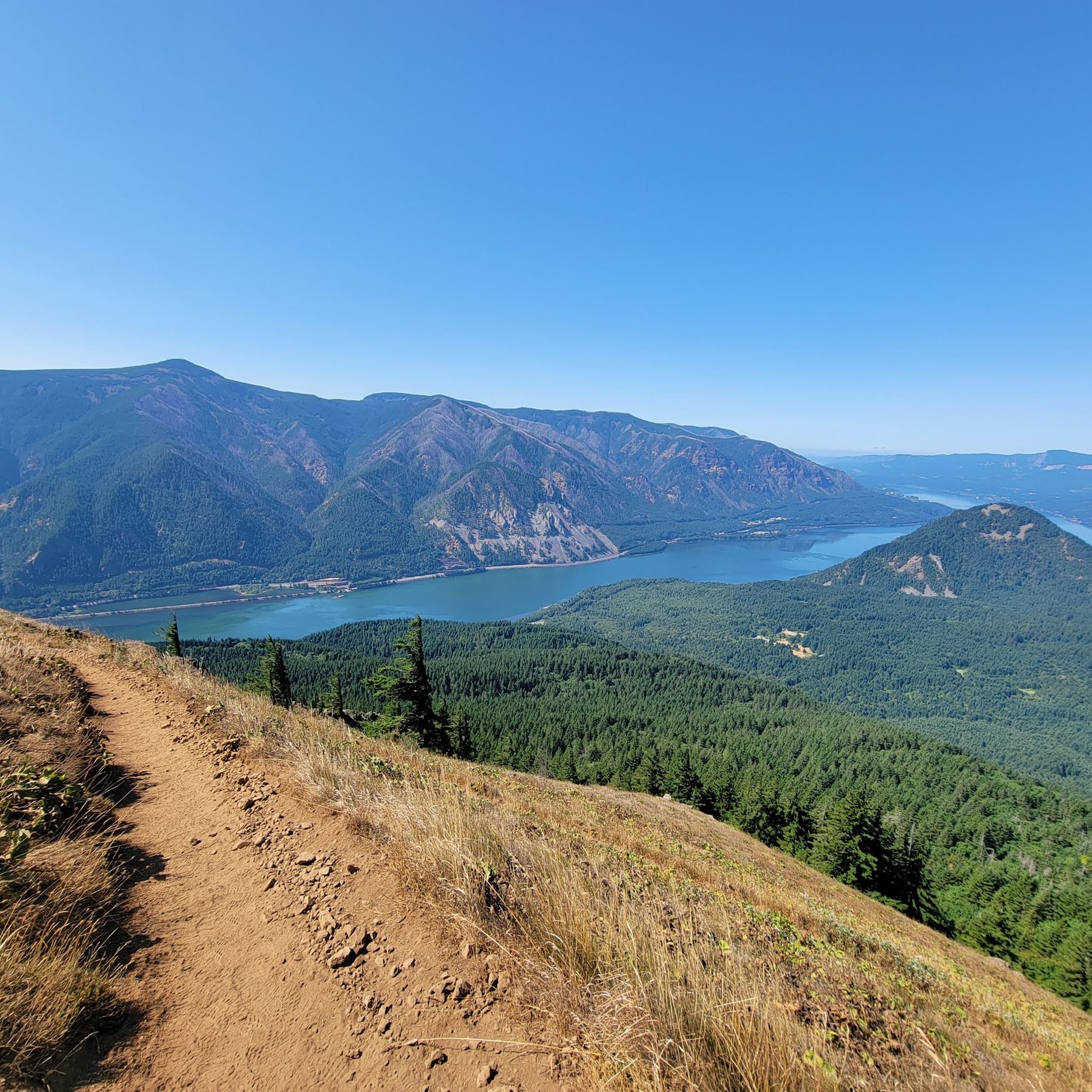
Hiking in Skamania County navigates the dramatic landscape of the Columbia River Gorge and the forested slopes of the Cascade Mountains. The region is characterized by significant elevation changes, numerous waterfalls, and trails that pass through both dense, old-growth forests and exposed volcanic terrain. Much of the area is within the Gifford Pinchot National Forest and the Columbia River Gorge National Scenic Area, offering a vast network of routes.
Last updated: April 26, 2026
5.0
(9)
230
hikers
10.5km
04:41
1,220m
650m
Embark on the challenging Dog Mountain Trail, a difficult hike that spans 6.5 miles (10.5 km) and climbs a significant 3986 feet (1215 metres). This route typically takes around 4 hours and 41 minutes to complete, offering a strenuous but rewarding journey through varied landscapes. As you ascend, you'll move from dense temperate forests into expansive meadows, often bursting with vibrant wildflowers like yellow balsamroot and purple lupine. The highlight is reaching the summit, where you're greeted with sweeping views of the Columbia River Gorge, and on clear days, distant glimpses of Mount Hood and Mount St. Helens.
Planning your hike requires some foresight, especially if you aim to visit during the popular wildflower season from mid-April to mid-June. During this peak time, permits are mandatory for weekend hikes. Be aware that the trailhead parking lot fills up very early, so consider utilizing the transit service from Stevenson, which often includes your permit. For this demanding ascent and descent, trekking poles are highly recommended, and if you plan a winter visit, be prepared for snow-covered conditions at the peak, potentially requiring mountaineering gear.
The Dog Mountain Trail is a renowned destination within the Columbia River Gorge National Scenic Area, celebrated for its dramatic elevation changes and seasonal floral displays. It stands out as a prime example of the region's diverse ecosystems, transitioning from lush forest floors to exposed, sun-drenched slopes. The trail's popularity underscores its status as a classic Pacific Northwest experience, drawing hikers seeking both a physical challenge and unparalleled natural beauty.
5.0
(12)
139
hikers
11.3km
07:33
1,640m
890m
Embark on the challenging Mount Saint Helens Summit via Ptarmigan Trail, a difficult route that spans 7.0 miles (11.3 km) and demands a significant elevation gain of 5388 feet (1642 metres). You can expect to spend around 7 hours and 33 minutes on this strenuous hike. The journey begins in a lush, regrowing forest, gradually transitioning to a demanding boulder field before you tackle the loose volcanic ash and sand leading to the summit. From the crater rim, you are rewarded with expansive views of the volcano's interior and distant Cascade peaks. This trail offers a raw, immersive experience of a volcanic landscape in recovery.
Planning your ascent requires careful consideration, as permits are mandatory for climbing between April 1 and October 31. These permits are highly sought after, especially for weekend dates, so secure yours well in advance. Be prepared for full sun exposure and potentially strong winds once you climb above the treeline. Always maintain a safe distance from the crater rim, as conditions can be unpredictable. Look for blue markers along the route to help guide your way to the top.
This route takes you directly to the iconic crater rim of Mount Saint Helens, offering a unique perspective on the 1980 eruption's impact and the subsequent natural regeneration. The landscape tells a powerful story of destruction and rebirth, from the initial forested sections showing signs of recovery to the stark, volcanic terrain higher up. You will witness the raw power of nature and the resilience of the environment as you traverse this historic and geologically significant mountain. The panoramic vistas from the summit are a testament to the region's dramatic beauty.

Sign up for free
4.9
(7)
91
hikers
18.9km
05:54
610m
940m
Embark on the Cape Horn Loop Trail for a challenging hike through the Columbia River Gorge. This difficult route spans 11.7 miles (18.9 km) and involves a significant elevation gain of 1989 feet (606 metres), typically taking around 5 hours and 53 minutes to complete. As you hike, you will pass through old-growth forests and over moss-covered talus slopes, with sections that follow country roads. Look out for panoramic views of the Columbia River, including distant landmarks like Beacon Rock, and get up close to Cape Horn Falls. The vistas from Pioneer Point offer a memorable reward for your effort.
Before you set out, be aware of the seasonal closure affecting the southern part of the loop. From February 1st to July 15th each year, this section is closed to protect nesting peregrine falcons. During this period, you will need to complete the Cape Horn Loop Trail as an out-and-back route instead of a full loop. Multiple parking options are available, giving you flexibility on where to begin your hike. Plan your start time to allow ample daylight for the nearly six-hour journey.
The Cape Horn Loop Trail is a highlight within the Columbia River Gorge National Scenic Area, known for its diverse landscapes and geological formations. You will encounter unique basalt rock pillars, such as Cigar Rock, which add to the trail's distinctive character. The commitment to protecting nesting peregrine falcons underscores the area's rich biodiversity. This route offers a deep immersion into the natural beauty and ecological significance of the Gorge.
5.0
(1)
61
hikers
13.0km
09:17
2,080m
890m
Prepare for a challenging ascent on the Worm Flows Climbing Route, a difficult hike that takes you through the dynamic landscape of Mount St. Helens. You will cover 8.1 miles (13.0 km) with a substantial elevation gain of 6809 feet (2075 metres), typically requiring around 9 hours and 16 minutes to complete. The journey begins on the Swift Ski Trail, leading you past the picturesque Chocolate Falls before the terrain opens up to exposed mudflows and rocky sections, eventually giving way to consistent snow and ice as you climb higher towards the summit. From the top, you can expect expansive views of the crater and distant peaks like Mount Rainier and Mount Adams.
This route is best undertaken in winter and early spring, but be ready for deep snow, ice, and strong winds, which add to the difficulty. A climbing permit is essential for this trail, so make sure to secure yours well in advance of your planned trip. You will also need specialized gear, including an ice axe, crampons, and potentially snowshoes, to navigate the alpine conditions safely and effectively. Proper preparation ensures you are equipped for the demanding environment.
The Worm Flows Climbing Route offers a unique opportunity to experience the raw, volcanic environment of Mount St. Helens National Volcanic Monument. It provides a distinct perspective on the mountain's geology, showcasing the dramatic changes in terrain from dense forest to exposed, high-altitude volcanic features. This trail is particularly notable for its winter and early spring access to the summit, making it a prime destination for experienced climbers seeking a challenging and rewarding adventure in a truly iconic Pacific Northwest setting.
3.0
(1)
41
hikers
25.0km
08:27
1,130m
1,250m
Embark on the Table Mountain Loop via Pacific Crest Trail, a difficult hike spanning 15.5 miles (25.0 km) with a significant elevation gain of 3699 feet (1127 metres). This demanding route will take you around 8 hours and 26 minutes to complete, offering a true test of endurance. As you ascend, you'll experience varied terrain, including a challenging section known as "Heartbreak Ridge" and a boulder scramble leading to the summit. From the top of Table Mountain, you are rewarded with expansive vistas of the Columbia River Gorge and the Bonneville Dam. The journey provides a rewarding experience for those seeking a strenuous day out.
Planning your hike on this loop requires good preparation. You will need very good fitness for this demanding day hike, and sure-footedness is essential due to the significant length and elevation gain. While parts of the Pacific Crest Trail are well-maintained, this specific loop includes more strenuous elements. Be ready for a true grind that culminates in incredible scenic views. Always check local conditions before you go.
This trail is located within the Table Mountain Natural Resources Conservation Area, making it one of the most popular trails in the region for its challenging nature and panoramic rewards. The route offers a unique perspective of the Columbia River Gorge, a historically significant and naturally stunning landscape. It stands out for its combination of a well-known long-distance trail section with a more rugged, summit-focused loop. This makes it a notable choice for hikers looking for both a physical challenge and expansive views.
22
hikers
12.1km
03:21
200m
200m
Embark on the Lewis River Falls Trail, a moderate hiking route that guides you through a lush old-growth forest. You will discover towering Douglas fir and western red cedar as you follow the remarkably clear Lewis River, often hearing its gentle flow or seeing its pristine waters. The route spans 7.5 miles (12.1 km) with an elevation gain of 668 feet (203 metres), offering a rewarding journey that typically takes about 3 hours and 21 minutes to complete. The highlight of your hike will be encountering a series of impressive waterfalls, with the powerful Lower Lewis River Falls standing out as a true spectacle. This trail provides a serene escape into nature, perfect for a half-day adventure.
When planning your visit, be aware that parking within the Lewis River Recreation Area requires a permit during the peak season, which runs from June 15 to September 15. You will need to secure this permit in advance, in addition to holding either a Northwest Forest Pass or an America the Beautiful Pass. The trail is generally accessible for hiking from late spring through the fall months, offering the best conditions for your adventure. Always check local conditions before heading out, especially regarding parking availability and any potential closures.
This trail is nestled within Washington's vast Gifford Pinchot National Forest, a region renowned for its pristine natural beauty and extensive outdoor recreation opportunities. The Lewis River itself is a vital waterway, supporting diverse ecosystems and providing a scenic backdrop for your journey. Exploring this area offers a chance to connect with the Pacific Northwest's rich natural heritage and experience its unique blend of ancient forests and dynamic river landscapes.
5.0
(1)
29
hikers
4.51km
01:28
220m
220m
Start your hike on the Cape Horn Trail, an easy 2.8 miles (4.5 km) route that takes about 1 hour and 28 minutes to complete. You will gain 713 feet (217 metres) in elevation as you explore varied terrain, moving from forested paths to more rocky sections. Along the way, you can expect wide views of the Columbia River Gorge, including distant glimpses of landmarks like Angel's Rest. Make sure to pause at Pioneer Point for expansive vistas across the landscape. In spring, the trail bursts with wildflowers such as trillium, while autumn transforms the big leaf maples into a display of rich colors.
When planning your visit to the Cape Horn Trail, be aware of seasonal closures that affect the lower section. From February 1st to July 15th each year, this part of the route is closed to protect nesting peregrine falcons. During these months, you can still hike the upper portion of the trail. This allows you to experience a significant part of the route as an out-and-back journey.
This trail is located within the Columbia River Gorge National Scenic Area, offering a quick yet rewarding outdoor experience. It provides a chance to see diverse plant life and impressive geological features. The route is known for its varied landscape, making it a good choice if you are looking for a short hike with changing scenery.
5.0
(1)
12
hikers
2.57km
00:51
200m
0m
Embark on an easy hike along the Lower Falls Creek Trail, a 1.6-mile (2.6 km) route that guides you through a vibrant green forest. You will experience a gentle uphill climb, gaining 659 feet (201 metres) in elevation, which takes about 51 minutes to complete. As you follow Falls Creek, you will notice mossy rocks and fallen trees, adding to the natural charm. The path eventually leads you to a cable suspension bridge, offering striking views of the gorge below. The main attraction is the impressive Falls Creek Falls, a triple-tiered waterfall that creates a cool, misty atmosphere, perfect for a refreshing stop.
This trail is an excellent choice for active families looking for an accessible outdoor adventure. You can typically find parking available directly at the trailhead, making access straightforward. Be aware that a creek crossing just before the falls can become challenging, especially during early season melts when water levels are higher. Planning your visit during drier periods might offer a more comfortable experience.
The Lower Falls Creek Trail is nestled within the expansive Gifford Pinchot National Forest, a region known for its lush, verdant landscapes. The constant presence of Falls Creek alongside the path contributes to the rich, mossy environment you will encounter. This area is a prime example of the Pacific Northwest's temperate rainforest ecosystem, characterized by its dense canopy and abundant undergrowth. The trail provides a wonderful opportunity to immerse yourself in this unique natural setting.
3
hikers
20.6km
06:44
980m
810m
Embark on the Hardy Ridge and Hamilton Mountain Loop for a challenging hike that spans 12.8 miles (20.6 km) and climbs 3224 feet (983 metres) over an estimated 6 hours and 44 minutes. This difficult route takes you through a varied landscape, from lush creekside paths to demanding mountain ascents. You will traverse open meadows and dense forests, eventually reaching rocky knobs that offer panoramic views of the Columbia River Gorge, with the Bonneville Dam visible below. Keep an eye out for impressive waterfalls like Hardy Falls and Rodney Falls along the way.
Before you head out, know that the trailhead features a historic pavilion. Be aware that some sections of Hardy Ridge can be overgrown and brushy, which might make for tougher going. A portion of the trail past Hardy and Rodney Falls is also known for severe erosion, which could be dangerous in wet weather. Plan your visit carefully, especially if rain is in the forecast, to ensure a safer and more enjoyable experience.
This loop is notable for combining two prominent peaks, offering a comprehensive and strenuous outdoor adventure. The diverse landscape provides a rich experience, transitioning from forest floors to high mountain vistas. The historic pavilion at the trailhead, built by the Civilian Conservation Corps, adds a touch of history to your journey. It is a truly unique way to experience the natural beauty and challenging terrain of the region.
4
hikers
43.0km
13:23
1,580m
1,580m
The Loowit Trail presents a challenging 26.7 miles (43.0 km) hike, wrapping around Mount St. Helens. You will navigate an otherworldly landscape profoundly shaped by the 1980 volcanic eruption, gaining 5181 feet (1579 metres) in elevation. Expect to traverse vast expanses of volcanic ash, lava fields, and pumice plains, with the entire route estimated to take 13 hours and 23 minutes of moving time. This difficult journey offers a continuous 360-degree perspective of the mountain and its crater, providing a unique sense of scale and isolation.
Planning your visit requires careful preparation for this rugged adventure. The trail is consistently demanding, featuring sections of loose volcanic ash, scree, and boulder fields that demand careful navigation. Water sources are scarce and seasonal, so you must carry enough supplies for your entire trip. Be aware that snow can persist well into the summer months, and route finding can be difficult in places, making strong navigation skills and a GPS device essential for your safety.
This route stands out for its immersive journey through the Mount Saint Helens National Volcanic Monument. You will experience the stark beauty of the blast zone firsthand, walking through areas that were completely transformed by the eruption. The expansive views from the Plains of Abraham are a highlight, showcasing the raw power of nature. This trail is best suited for experienced hikers seeking a profound connection with a dynamic geological history.
Get access to more routes and recommendations from other explorers.
Sign up for free
Already have an account?
Our route recommendations are based on thousands of hikes, rides, and runs completed by other people on komoot.
Start today with a free account
Your next adventure awaits.
Login or Signup
Popular around Skamania County
Hiking around Carson
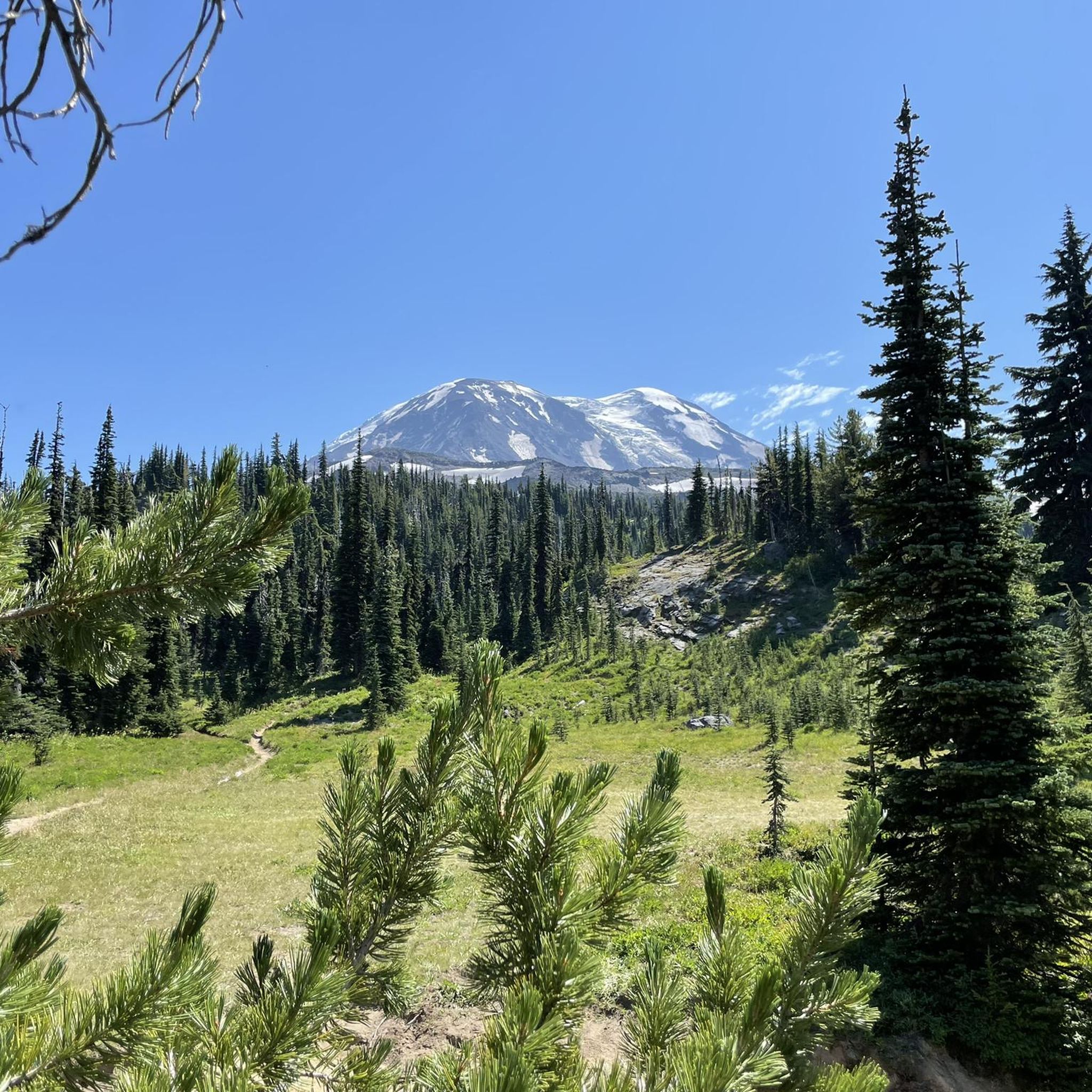
Hiking in Mount Adams Wilderness
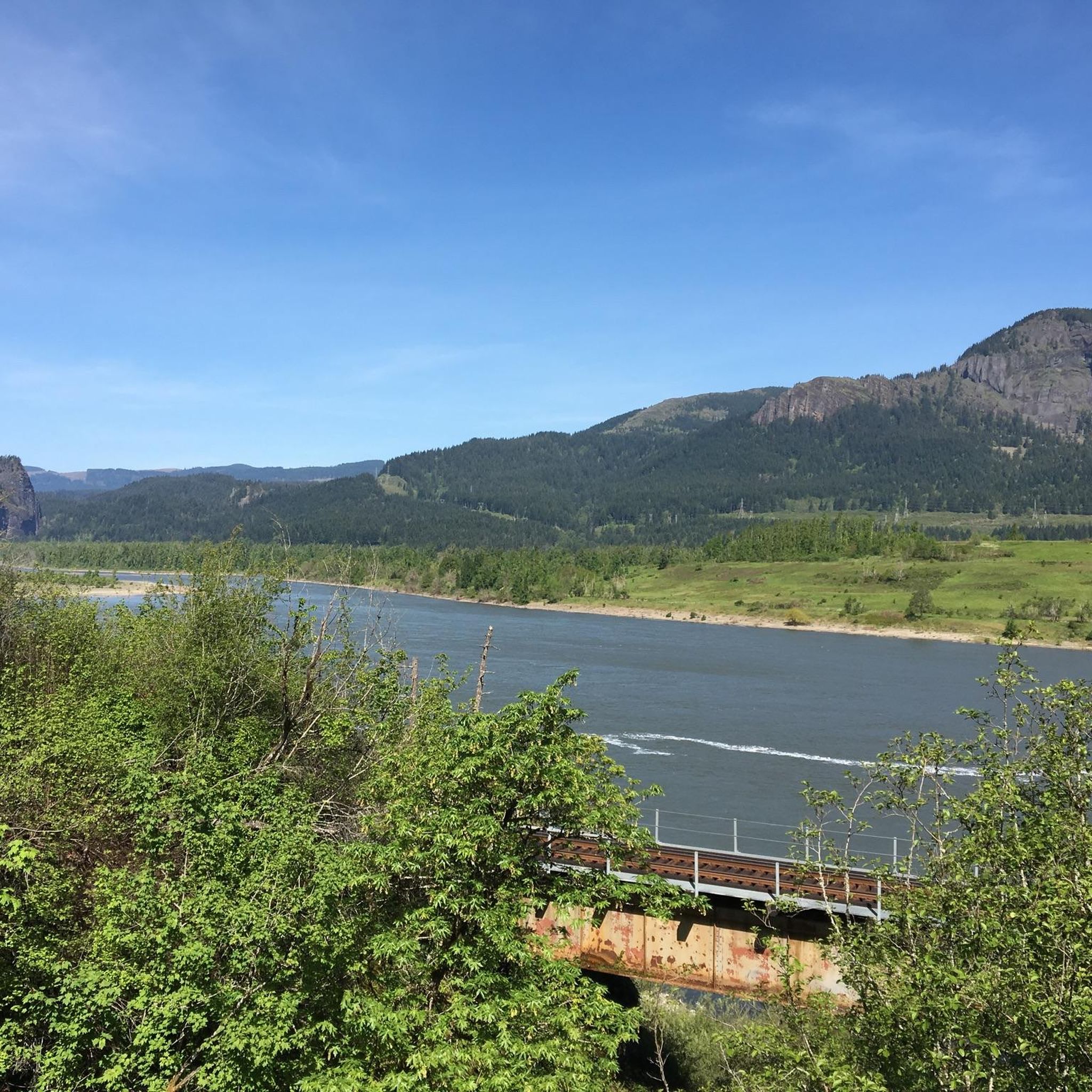
Hiking around North Bonneville
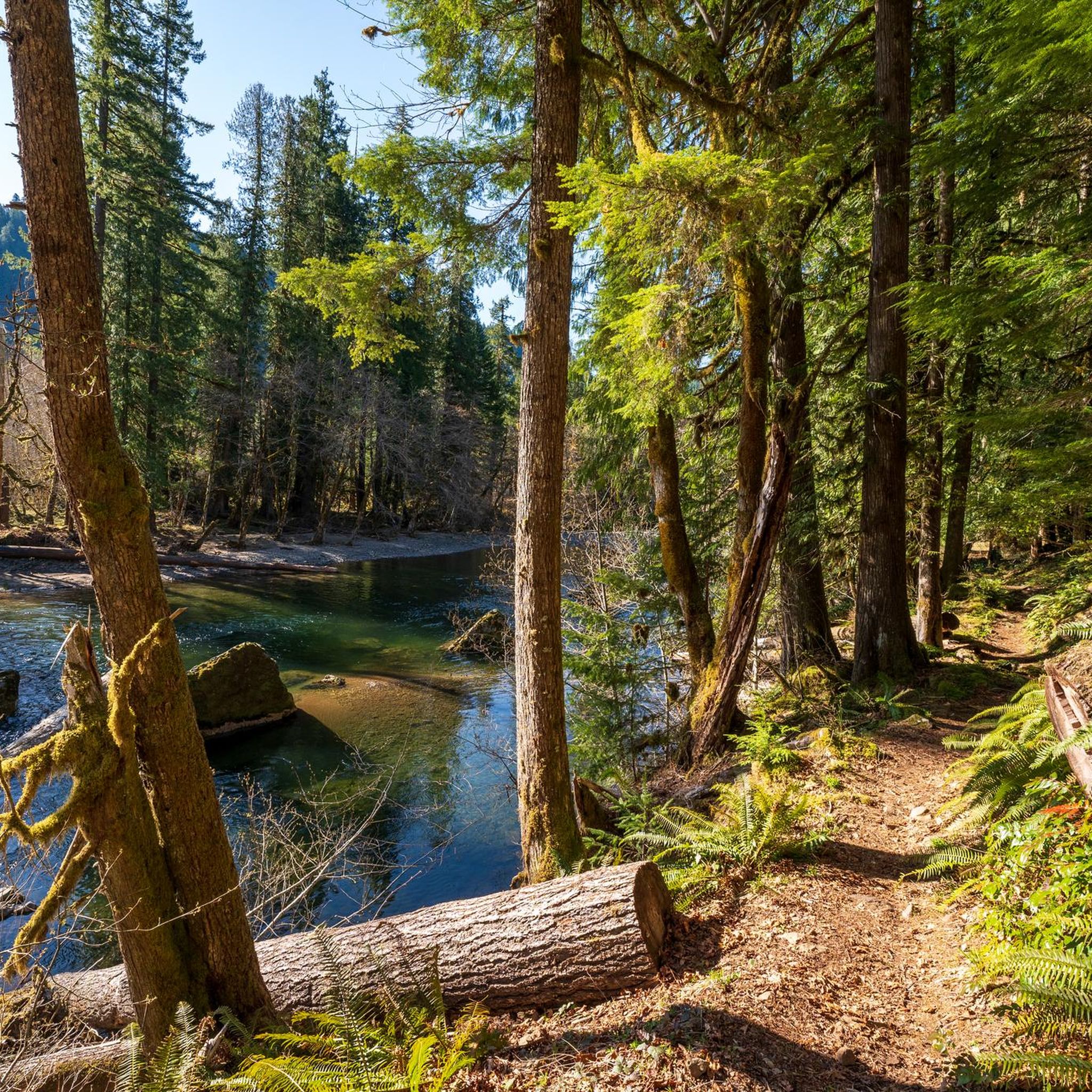
Hiking in Indian Heaven Wilderness
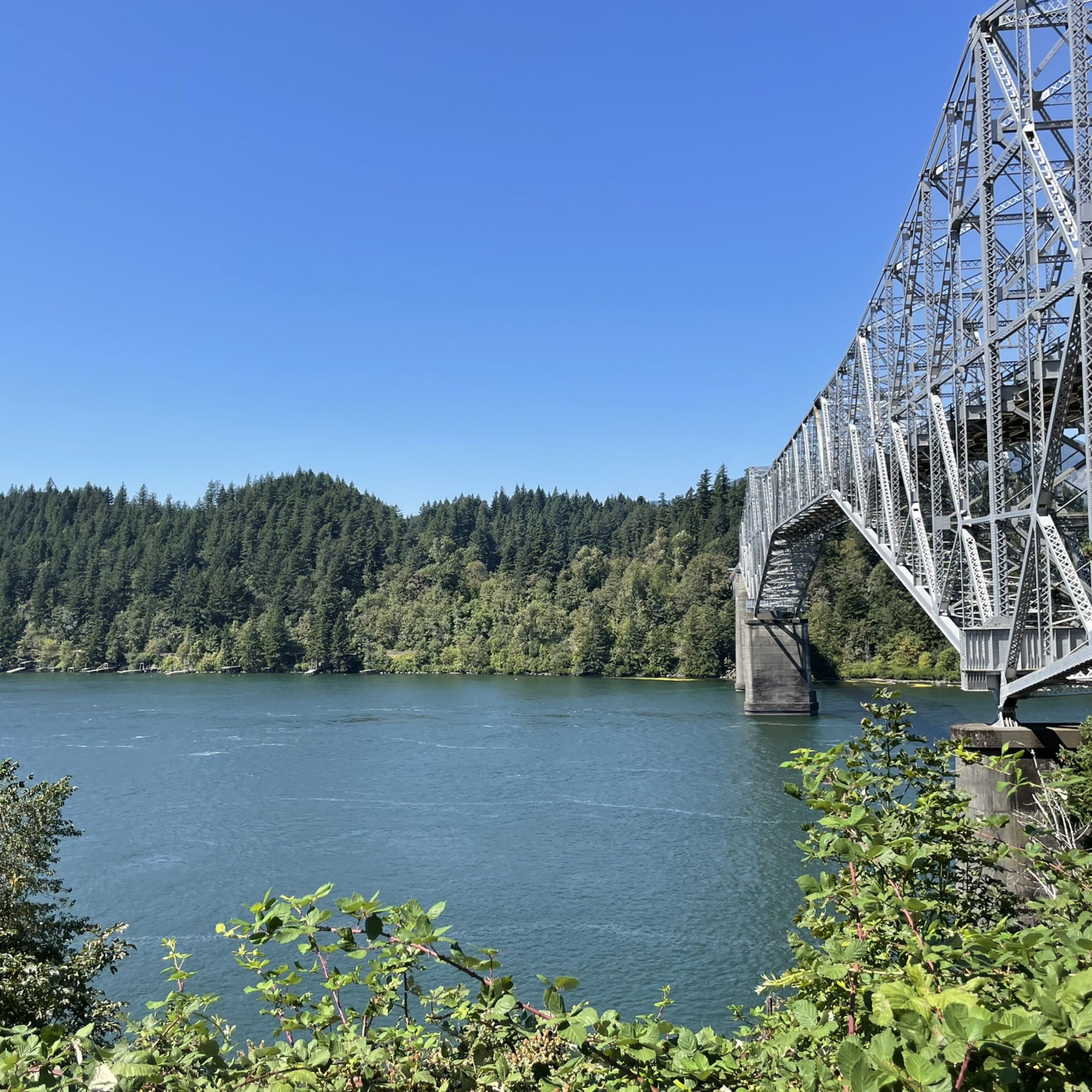
Hiking around Stevenson

Hiking in Trapper Creek Wilderness
Pacific Crest Trail from Mexico to Canada – 4,200 kilometres of wilderness
The tour of your life – music trails on the Pacific coast
Volcanic peaks and glistening shores – discover Oregon and Washington
Running Trails in Skamania County
Pioneer Point is one of the most visited viewpoints in Cape Horn, offering scenic views of the Columbia River as well as Oregon, on the other side of the river.
0
0
A refreshing viewpoint over the Lewis River, which also produces some dramatic waterfalls farther downstream.
0
0
The South Fork Toutle River is a reliable water source along the Loowit Trail. There are also spots to pitch your tent at the south side of the river. A rope will help you to climb over the loose rock down and up the river bank.
5
0
On your way up to the summit of Mount Saint Helens, this is the last spot that has at least some shade. So take a short break, before you head out into the sun. This is also the boundary of the restricted area. You can hike up to this point without a permit, but to continue, you have to obtain a permit at https://www.recreation.gov/.
2
0
This is where the Ptarmigan Trail meets with the Loowit Trail and Monitor Ridge. If you plan to summit Mount Saint Helens, you continue along the rough Monitor Ridge. Keep in mind that you need a permit to do so. The Loowit Trail, however, circumfences Mount Saint Helens and leads you to the blast zone. It is 30 miles long, so it can be a great multi-day adventure. There is no permit needed to complete the Loowit Trail.
3
0
Climbers Bivouac is the main trailhead to summit majestic Mount Saint Helens. If you just hike to the base of the volcano, you can do so without a permit. But if you – like most people – want to climb this active volcano, you need to obtain a permit at https://www.recreation.gov/ in advance. There are great camping options at the trailhead. Arrive early, since it fills quickly with hikers who plan to summit the next day. The trailhead is equipped with two pit toilets.
3
0
While the PCT stays at lower elevation, you can decide for a more challenging alternate that will lead you over Table Mountain.
2
0
Most people will know the name of Mount St. Helens due to the massive eruption that happened in May 1980. In that event, the top of the mountain was blasted away by the pressure that was released instantly and the north side collapsed with a gigantic landslide. Today, the volcano is still mildly active. You can see steam coming out of the crater and timelapse videos show the evolution of new cones over the years. A steep trail will lead you to the rim with some difficult terrain, the true summit is another 0.4 miles to the west. For summiting Mount St. Helens, you need to obtain a permit year round.
4
0
While hiking is possible year-round, spring is particularly spectacular for wildflower blooms, especially on the slopes of Dog Mountain. Summer offers clear skies and access to higher elevation trails, while autumn provides beautiful fall colors throughout the Columbia River Gorge.
Yes, Skamania County is famous for its waterfalls. For a rewarding hike, the Hamilton Mountain Trail loop takes you past the beautiful Rodney and Hardy Falls. For an easily accessible viewpoint, the trail to the highly-regarded Panther Creek Falls leads to a stunning 130-foot fan waterfall.
For a unique and manageable adventure, the Beacon Rock Trail is a great choice. It's a short hike with switchbacks and handrails leading to the top of an ancient volcanic core, offering incredible views of the Columbia River Gorge. Another excellent option is the gentle trail to Falls Creek Falls, which is well-suited for all ages.
Many trails in Skamania County are dog-friendly, but regulations can vary. In areas like the Gifford Pinchot National Forest, dogs are generally welcome but must be on a leash. However, some specific trails, especially in state parks or sensitive areas, may have restrictions. Always check the specific regulations for the trail you plan to hike before you go.
For most day hikes, you won't need a special permit, though a Northwest Forest Pass or Discover Pass is often required for parking at trailheads. However, for strenuous and popular hikes like summiting Mount St. Helens or hiking Dog Mountain during peak wildflower season, a permit system is in place and reservations are required in advance.
For a truly demanding challenge, the ascent to the summit of Mount St. Helens is one of the most difficult hikes available. The Climbers Bivouac Trail is a strenuous, high-elevation route that requires a permit and rewards experienced hikers with an unparalleled experience on the slopes of an active volcano.
The Cape Horn Loop Trail is a fantastic choice. This moderate loop offers stunning, expansive vistas of the Columbia River Gorge from several viewpoints as it winds through beautiful forested sections. Note that the lower part of the loop is typically closed from February to mid-July to protect wildlife.
The terrain is incredibly varied. You'll find everything from lush, old-growth forests and paths alongside 'swift waters' in the Columbia River Gorge to the stark, volcanic landscapes around Mount St. Helens. Many trails involve significant elevation gain, leading to exposed ridges with panoramic views. Be prepared for steep sections and potentially rocky footing.
Yes, for a unique subterranean adventure, you can explore the Ape Cave Trail. This route takes you through one of the longest continuous lava tubes in North America, offering a fascinating glimpse into the region's volcanic past. It's a cool, dark environment, so be sure to bring layers and a reliable light source.
There are over 90 designated hiking routes in Skamania County, ranging from easy nature walks to difficult mountain ascents. The extensive network within the Gifford Pinchot National Forest and the Columbia River Gorge National Scenic Area provides a vast array of options for every skill level.
The region is highly rated by the komoot community, with an average score of 4.8 stars. Hikers frequently praise the dramatic and rewarding views of the Columbia River Gorge, the sheer number of spectacular waterfalls, and the diversity of the trails that wind through everything from dense forests to open, wildflower-covered hillsides.


Check out more Hikes throughout Skamania County below and find the perfect route in your destination.
Browse the best Hikes in other regions.