Top 7 Mountain Passes in Salt Lake County
Best mountain passes in Salt Lake County are situated within the Wasatch Range, offering diverse geographic features and natural landscapes. This region is characterized by prominent canyons, high-elevation summits, and historical routes. The area provides access to alpine valleys, granite cliffs, and significant historical landmarks. These passes connect various parts of the county and beyond, serving as both scenic routes and recreational hubs.
Best mountain passes in Salt Lake County
- The most popular mountain passes is Little Mountain Summit, a summit that offers awesome views from this high point on Emigration Canyon Road. This location provides a high vantage point for observing the surrounding landscape.
- Another must-see spot is Big Mountain Pass, a mountain pass that stands as one of the highest points along the California, Pony Express, and Mormon Pioneer National Historic Trails. Visitors can expect stunning views and restroom facilities at this historical site.
- Visitors also love Parleys Canyon, a canyon and mountain pass that pays homage to 19th-century pioneer Parley P. Pratt’s surveying of this route to Salt Lake Valley. It features rewarding valley and peak vistas.
- Salt Lake County is known for its canyons, summits, and historical mountain passes. The region offers a variety of mountain passes to see and explore, including challenging climbs and scenic viewpoints.
- The mountain passes in Salt Lake County are appreciated by the komoot community, with 24 upvotes and 8 photos contributed by users.
Last updated: October 13, 2026
Little Mountain Summit
Highlight • Summit
Tip by

Catherine Pass
Highlight • Mountain Pass
Tip by

Sign up now to discover places like this
Get recommendations on the best single tracks, peaks, & plenty of other exciting outdoor places.
Big Mountain Pass
Highlight • Mountain Pass
Tip by

Big Cottonwood Climb
Highlight (Segment) • Climb
Tip by

Guardsman Pass
Highlight (Segment) • Mountain Pass
Tip by
Parleys Canyon
Highlight • Canyon
Tip by

Butterfield Canyon Road Climb
Highlight (Segment) • Climb
Tip by

Start today with a free account
Your next adventure awaits.
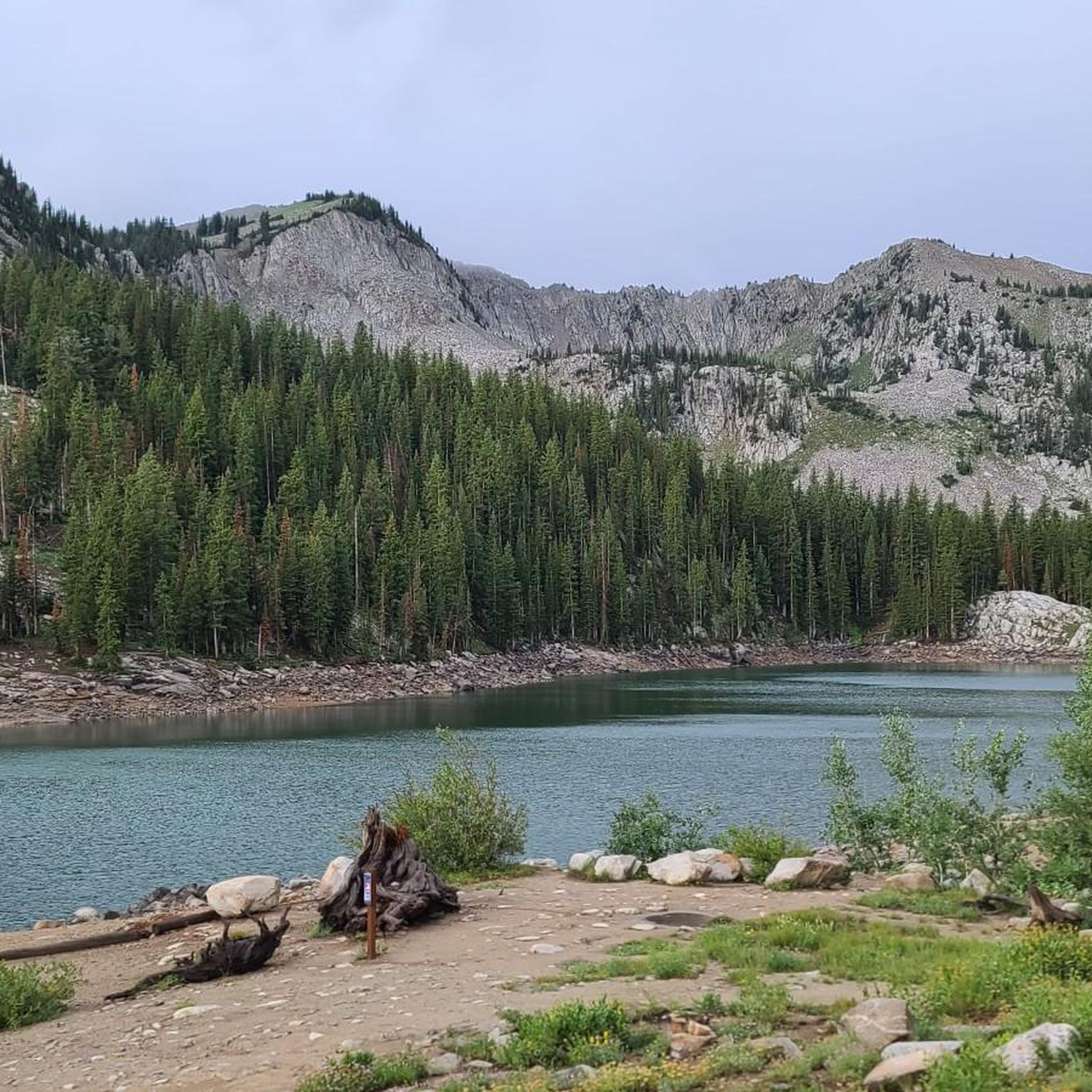
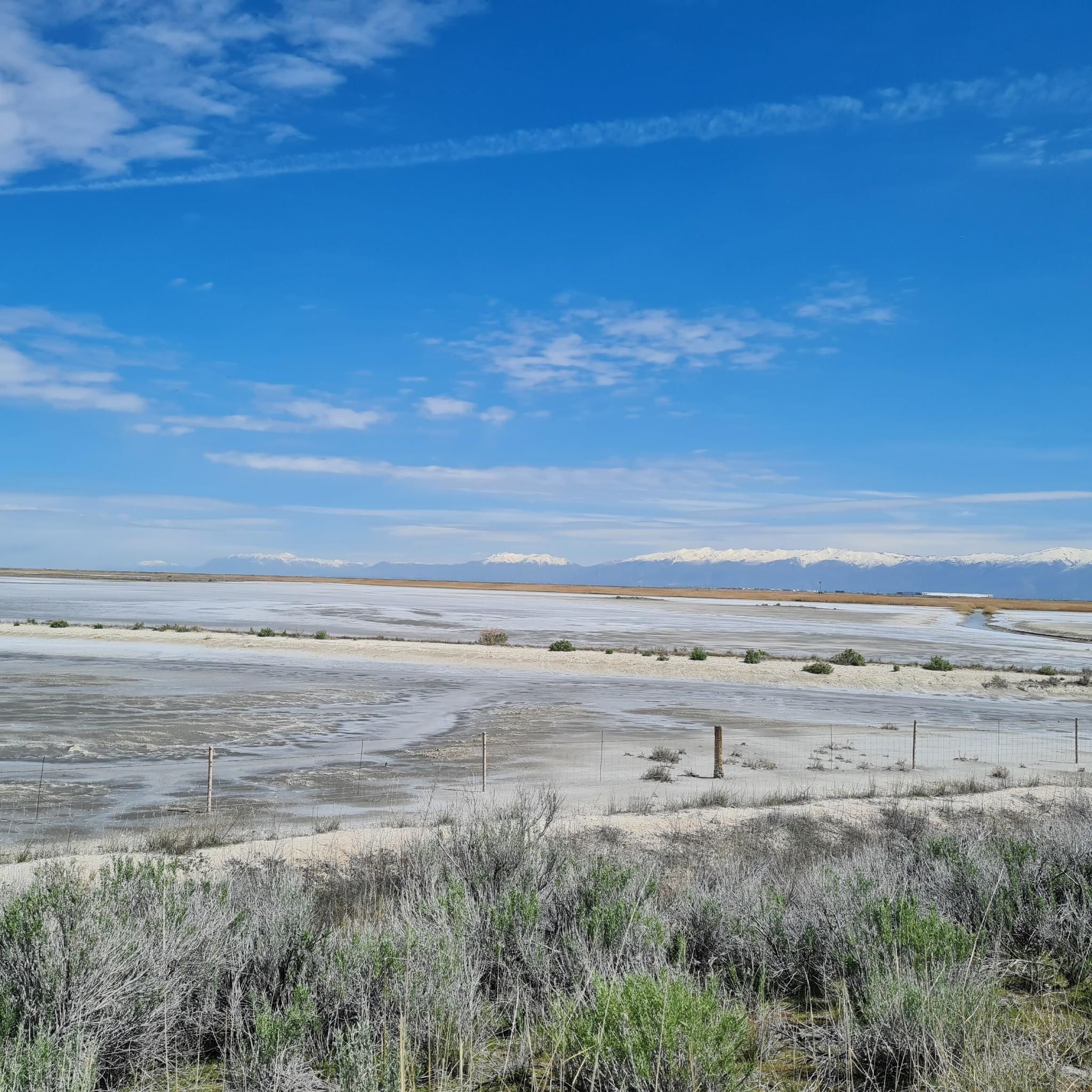

Other adventures in Salt Lake County

Tips from the Community


If you're in search of a picturesque ride that provides a solid workout, this is the perfect choice. As you ascend, you'll leave behind the typical dry oak and brush and immerse yourself in areas filled with Douglas fir, maple, and aspen trees. While much of the mostly gravel road is exposed, there are a few shaded spots along the way. There are endless views of the canyon and the Salt Lake area, and once you reach Butterfield Pass, you’ll also catch a glimpse of Tooele Valley.
0
0

This challenging climb begins in the picturesque Big Cottonwood Canyon, a stunning alpine valley nestled in the Wasatch Range, and ascends toward Guardsman Pass. The early stretch features a gentle grade, but as you progress, the road becomes steeper with tight, twisting corners that offer breathtaking views of the surrounding canyon. As you near the top, the scenery intensifies, revealing dramatic mountain vistas, with the climb culminating at Guardsman Pass, where the panorama stretches across the valley. The descent is equally thrilling but requires caution due to sharp turns and the potential for hikers or parked cars along the road.
0
0
This challenging 8.8-mile climb begins with a moderate ascent and gradually steepens as you approach the summit, surrounded by dense forests of aspen trees. The route winds through lush, green terrain, offering glimpses of rugged mountain slopes and rocky outcrops as you gain elevation. As you near the top, the trees part to reveal stunning panoramic views of the high-altitude mountains, with the summit at Guardsman Pass offering a breathtaking perspective of the surrounding landscape.
0
0

wonderful views over the lakes of Brighton, and many peaks near and far
0
0

At 10,220 feet in elevation, Catherine Pass offers great views down over Lake Catherine, the last of the three lakes along this trail. If you want even more incredible views, continue your run onto one of the ridges to the south, then turn east to visit either Sunset Divide (Sunset Pass) or the peak of the same name.
1
0

"Little Mountain Pass" is really the summit of Little Mountain. There are awesome views from this high point on Emigration Canyon Road.
1
0
This 7,420-foot pass isn't just great for the views: It's also a nice spot for a restroom break as you hop on or off the nearby Great Western Trail.
0
0
Frequently Asked Questions
What are some family-friendly mountain passes in Salt Lake County?
Several mountain passes in Salt Lake County offer family-friendly experiences. Big Mountain Pass is a great option, providing stunning views and restroom facilities, making it suitable for a stop with children. Parleys Canyon also features family-friendly areas, including Parley's Historic Nature Park at its mouth, which has hiking trails. Additionally, the Butterfield Canyon Road Climb is noted as family-friendly, offering picturesque views as you ascend.
Are there any dog-friendly mountain passes or areas in Salt Lake County?
Yes, there are dog-friendly options. Parleys Canyon is considered dog-friendly, particularly Parley's Historic Nature Park, which offers off-leash dog areas. The Butterfield Canyon Road Climb is also noted as dog-friendly. However, it's important to note that Big Cottonwood Canyon is a protected watershed area, and dogs are generally not permitted in most areas there.
What historical significance do the mountain passes in Salt Lake County hold?
Many passes in Salt Lake County are rich in history. Big Mountain Pass is a significant historical site, being one of the highest points on the Mormon Pioneer, California, and Pony Express National Historic Trails. Emigration Canyon, which leads to Big Mountain Pass, was the route the Mormon pioneers took to enter the Salt Lake Valley in 1847. Parleys Canyon is named after Parley P. Pratt, who surveyed this route for pioneers, and historic sites like an 1890s sandstone aqueduct and Dudler's Inn from the 1860s can still be viewed there.
What natural features and viewpoints can I expect to see at these mountain passes?
The mountain passes in Salt Lake County offer diverse natural beauty. From Little Mountain Summit, you can enjoy awesome views from its high vantage point on Emigration Canyon Road. Big Mountain Pass provides stunning panoramic views. The Big Cottonwood Climb, leading to Guardsman Pass, reveals breathtaking views of the surrounding canyon and dramatic mountain vistas. Little Cottonwood Canyon is known for vibrant wildflower displays, especially in Albion Basin, and spectacular granite cliffs. The Butterfield Canyon Road Climb offers endless views of the canyon and the Salt Lake area, with glimpses of Tooele Valley from Butterfield Pass.
What outdoor activities are available near the mountain passes in Salt Lake County?
The areas around Salt Lake County's mountain passes are hubs for outdoor activities. You can find numerous opportunities for mountain biking, running, and road cycling. For mountain biking, explore trails like the Bonneville Shoreline Trail or the Big Mountain Loop; find more options in the MTB Trails in Salt Lake County guide. Runners can enjoy routes such as Lake Blanche Trail or Grandeur Peak Loop; discover more in the Running Trails in Salt Lake County guide. Road cyclists can tackle challenging climbs like the Little Mountain Summit loop or the Big Water Trailhead loop; see more in the Road Cycling Routes in Salt Lake County guide. Additionally, hiking, picnicking, rock-climbing, camping, and fishing are popular in canyons like Big Cottonwood and Little Cottonwood.
When is the best time to visit the mountain passes in Salt Lake County?
The best time to visit depends on your desired activities. For hiking, biking, and general scenic drives, late spring through fall (May to October) offers pleasant weather and vibrant foliage. Summer is ideal for accessing higher elevation areas like Guardsman Pass, which is typically open for travel from Big Cottonwood Canyon to Park City during this season. Some routes, like the road to Big Mountain Pass via Utah State Route 65, are typically closed from November to June due to heavy snowfall. Winter transforms the canyons into popular destinations for skiing, snowboarding, cross-country skiing, snowshoeing, and fat biking, especially in areas like Big Cottonwood and Little Cottonwood Canyons.
Are there challenging climbs for cyclists in Salt Lake County's mountain passes?
Yes, Salt Lake County offers several challenging climbs popular with cyclists. The Big Cottonwood Climb, ascending towards Guardsman Pass, features a gentle grade initially but becomes steeper with tight, twisting corners as you progress. Little Cottonwood Canyon's scenic byway (SR-210) is also renowned for its challenging 9.2% average grade. The Parleys Canyon route is described as a challenging ride with rewarding vistas. For more cycling routes, refer to the Road Cycling Routes in Salt Lake County guide.
What should I know about accessibility and road conditions for these mountain passes?
Most major canyons like Big Cottonwood, Little Cottonwood, and Parley's are easily accessible from Salt Lake City. Big Cottonwood Canyon Scenic Byway (SR-190) and Little Cottonwood Canyon Scenic Byway (SR-210) are well-maintained. However, winter conditions can significantly impact accessibility. Little Cottonwood Canyon, in particular, is known for significant avalanche risks and frequent road closures during winter. The route to Big Mountain Pass via Utah State Route 65 is typically closed from November to June due to heavy snowfall. Always check current road conditions before planning a winter visit.
Can I find facilities like restrooms or parking at the mountain passes?
Yes, some mountain passes offer facilities. Big Mountain Pass is noted for having restroom facilities and parking, making it a convenient stopping point. Little Mountain Summit also has parking available. While specific facilities vary, popular areas like Big Cottonwood Canyon and Millcreek Canyon have designated parking and picnic areas. It's always advisable to plan ahead and check for specific amenities at your chosen destination.
What makes Guardsman Pass a notable destination?
Guardsman Pass is a prominent mountain pass located at the upper end of Big Cottonwood Canyon. It's known for its challenging climbs, stunning viewpoints, and forested surroundings. The pass allows summer travel to Park City and offers dramatic mountain vistas, especially when approached via the Big Cottonwood Climb. It's a popular spot for cyclists and those seeking breathtaking alpine scenery.
Are there opportunities for winter sports near the mountain passes?
Absolutely. The mountain passes and surrounding canyons in Salt Lake County are prime locations for winter sports. Big Cottonwood Canyon is home to Brighton and Solitude ski resorts, while Little Cottonwood Canyon boasts Alta and Snowbird, all renowned for skiing and snowboarding. Millcreek Canyon is popular for cross-country skiing, snowshoeing, and fat biking in winter, with its canyon road groomed for these activities past a certain point. Be aware of potential road closures and avalanche risks, especially in Little Cottonwood Canyon.
What unique wildlife or plant life can be observed in these mountain pass areas?
The mountain pass areas in Salt Lake County are home to diverse ecosystems. Little Cottonwood Canyon, particularly Albion Basin, is known for its vibrant wildflower displays and rare and endemic plant species. The canyon's geology also features ancient granitic intrusions. Parley's Canyon has a $5 million wildlife overpass to allow animals to cross I-80 safely, indicating the presence of local wildlife. As you ascend the Butterfield Canyon Road Climb, you'll transition from dry oak and brush to areas filled with Douglas fir, maple, and aspen trees.
Most popular routes in Salt Lake County
Most popular attractions in Salt Lake County

Get inspired with the komoot mobile app


Didn’t find what you were looking for?
Find even more amazing mountain passes in Salt Lake County organized by region:
Explore more
See even more epic mountain passes by checking out these guides in Salt Lake County:
