Attractions and Places To See in Coconino County - Top 20
Best attractions and places to see in Coconino County include a diverse range of natural wonders, historical landmarks, and cultural sites in Arizona. The county is home to a significant portion of the Grand Canyon, along with other geological formations like slot canyons and volcanic landscapes. Visitors can explore ancient Native American pueblos and historic observatories, set within a varied natural landscape that spans from deserts to alpine tundra.
Best attractions and places to see in Coconino County
- The most popular attractions is South Kaibab Trailhead, a trail that leads to one of the two corridor trails through the Grand Canyon. There is no parking at the trailhead; visitors access it via shuttle.
- Another must-see spot is Ooh Aah Point, a viewpoint. This location offers panoramic views into the Grand Canyon, situated a short distance from the South Kaibab Trailhead.
- Visitors also love Skeleton Point, a viewpoint on the South Kaibab Trail. It provides views into the canyon and is often a recommended turnaround point for day hikes.
- Coconino County is known for its natural monuments, extensive trails, and significant viewpoints. The region offers a variety of attractions, from the depths of the Grand Canyon to ancient cultural sites and scenic river bends.
- The attractions in Coconino County are appreciated by the komoot community, with more than 450 upvotes and over 230 photos shared across 364 highlights.
Last updated: October 10, 2026
Bright Angel Trailhead
Highlight • Trail
Bus shuttle will get you to and from the trailhead into Grand Canyon Village with connections to Tusayan and the backcountry office, where you can park you car for a backcountry adventure.
Tip by

South Kaibab Trailhead
Highlight • Trail
The South Kaibab Trail is also part of the 800 mile Arizona National Scenic Trail that stretches from the Mexican border to Utah stateline.
Tip by
Sign up now to discover places like this
Get recommendations on the best single tracks, peaks, & plenty of other exciting outdoor places.
Ooh Aah Point
Highlight • Viewpoint
Tip by
1.5-Mile Resthouse
Highlight • Rest Area
Tip by
Cedar Ridge
Highlight • Viewpoint
Tip by
Rim Trail (Grand Canyon National Park)
Highlight (Segment) • Trail
Tip by

Tunnel on the Bright Angel Trail
Highlight • Structure
Tip by

Skeleton Point
Highlight • Viewpoint
There is no parking at South Kaibab Trailhead. You will have to take the shuttle (orange line) to get to and off the trail.
Tip by
Horseshoe Bend
Highlight • Viewpoint
Until 2018 you could visit it for free, but since the crowds have arrived, you have to pay 10 Dollar at the parking lot. In 2019 there was a new platform installed to offer a safe view point for the increasing number of tourists.
Tip by
Havasupai Gardens
Highlight • Rest Area
For a long time, this place was known as Indian Garden. It was renamed in May 2023 as Havasupai Gardens.
Tip by
Sign up for free to discover even more attractions in Coconino County.
Already have an account?
Start today with a free account
Your next adventure awaits.
Popular around Coconino County
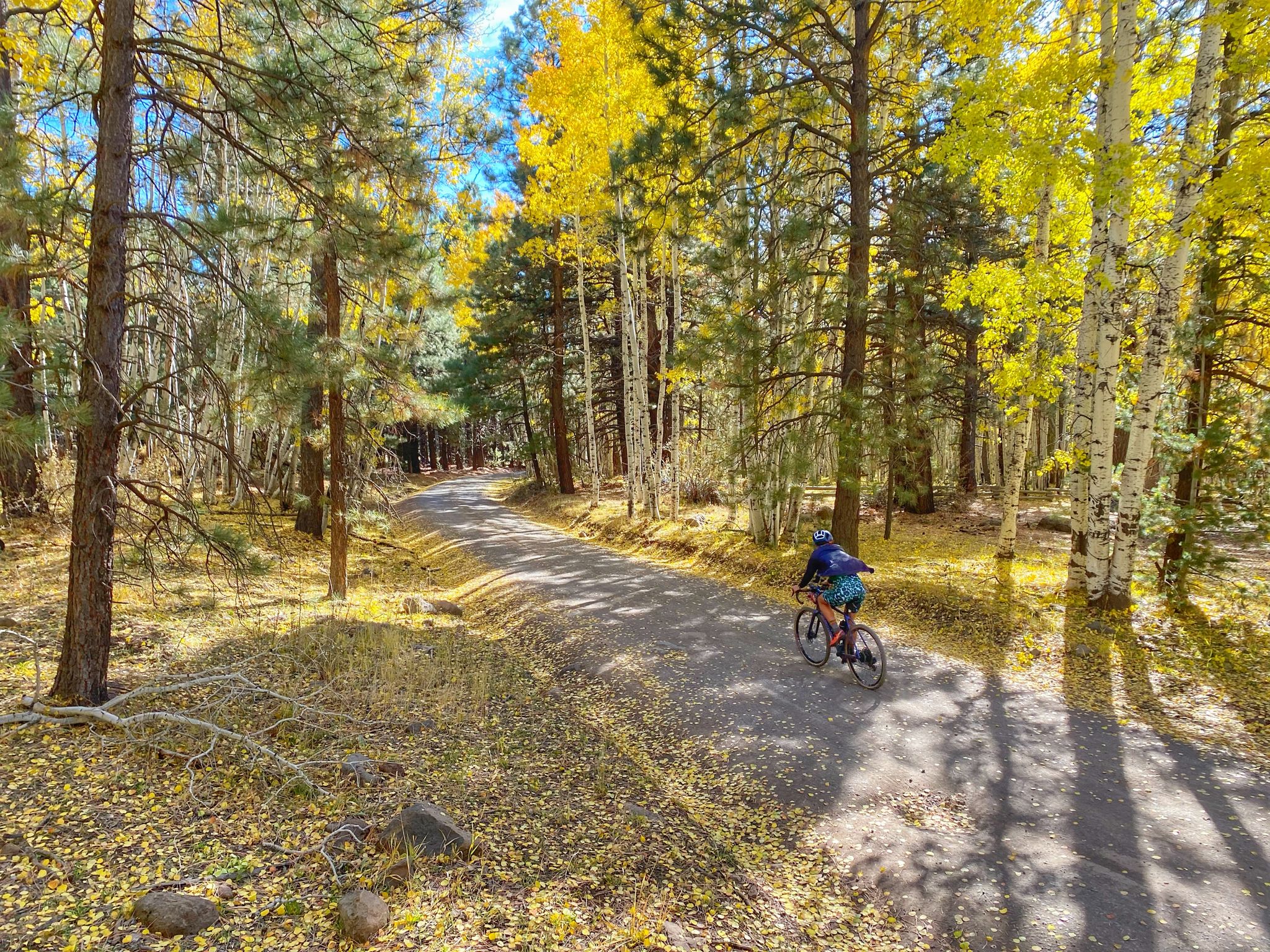
Grand Canyon to Mount Humphreys — a run, bike, run adventure
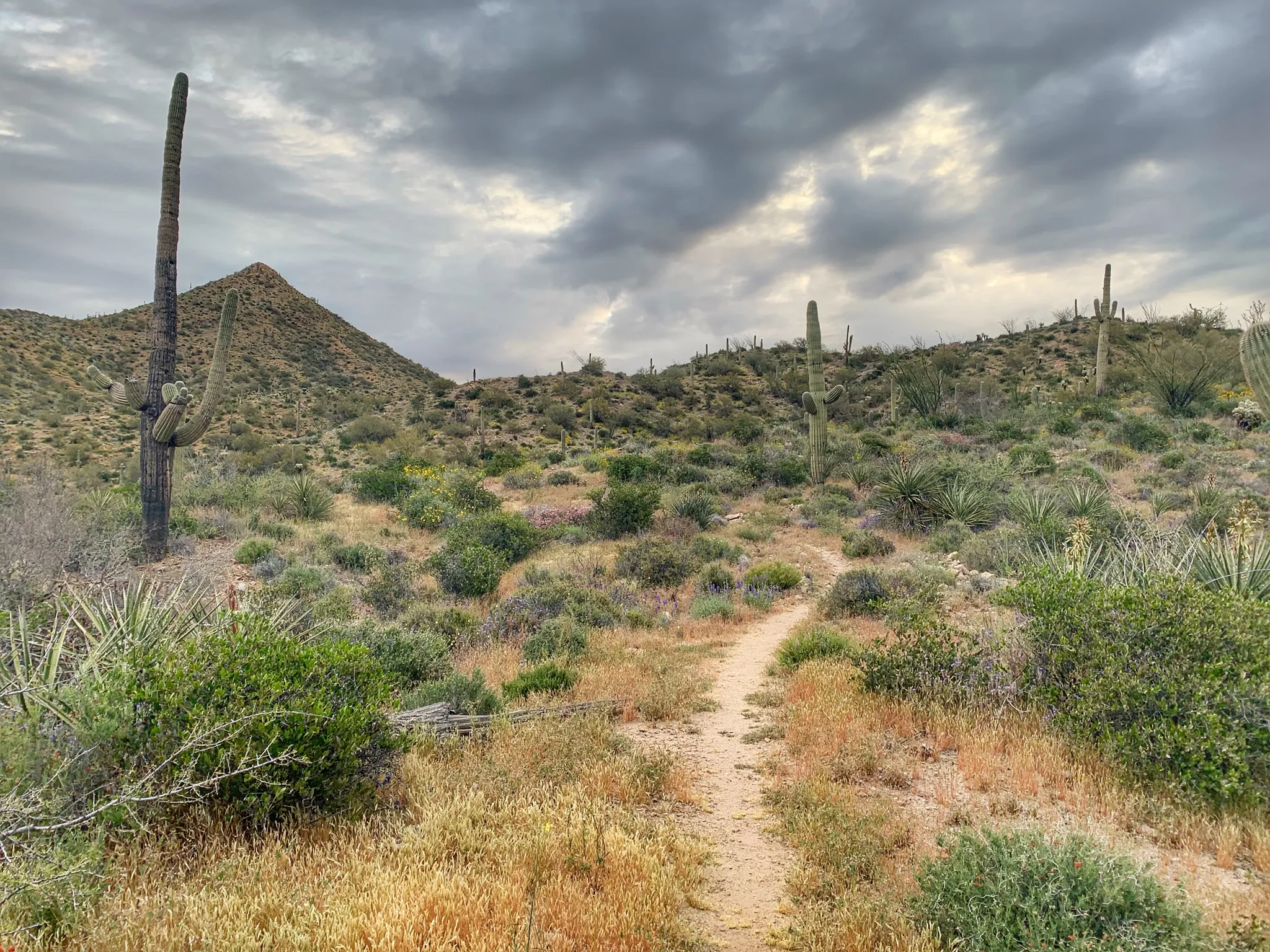
Arizona Trail — A beautiful 800-mile struggle
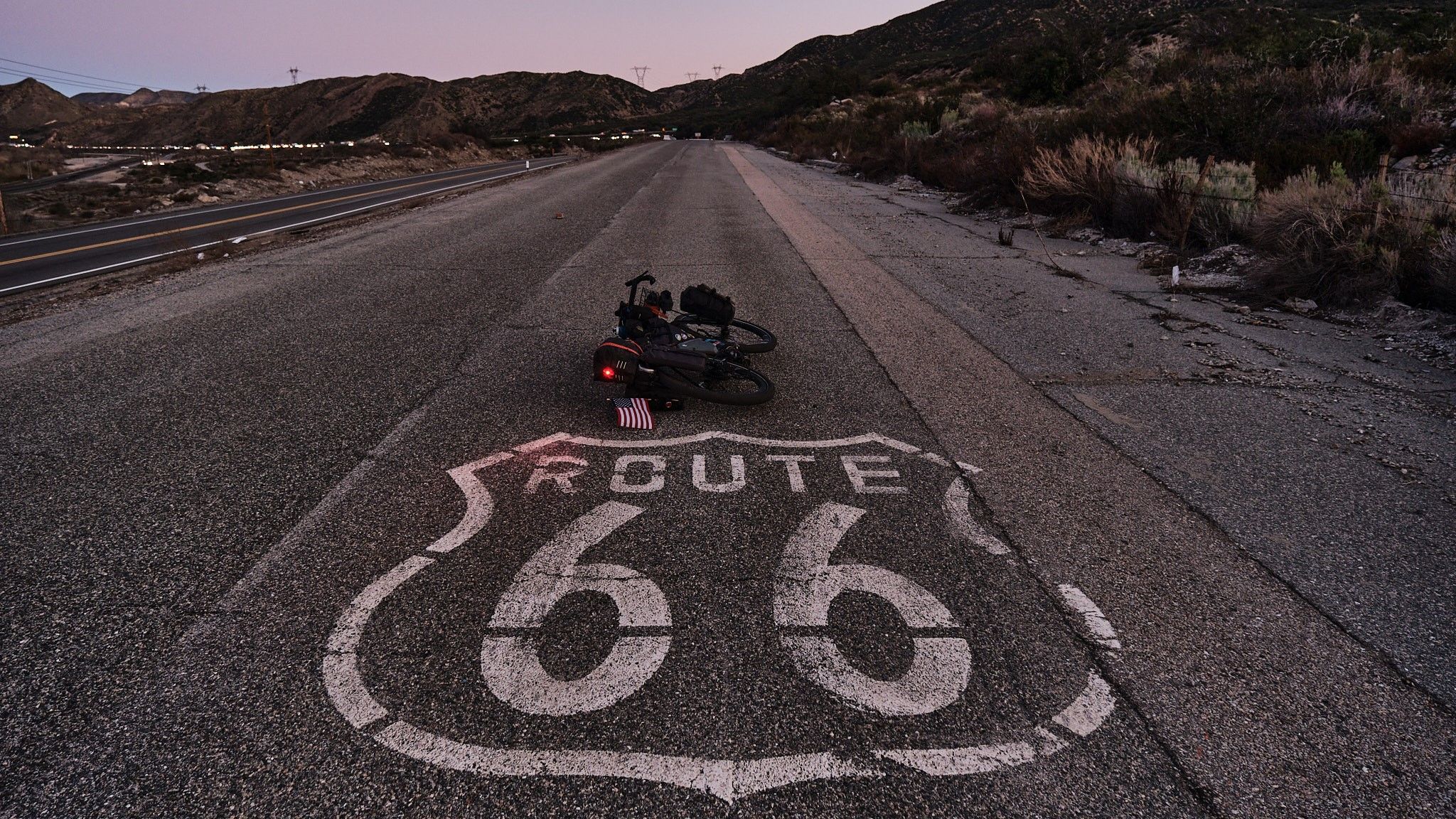
Adventure Cycling Association's Bicycle Route 66 — LA to Chicago
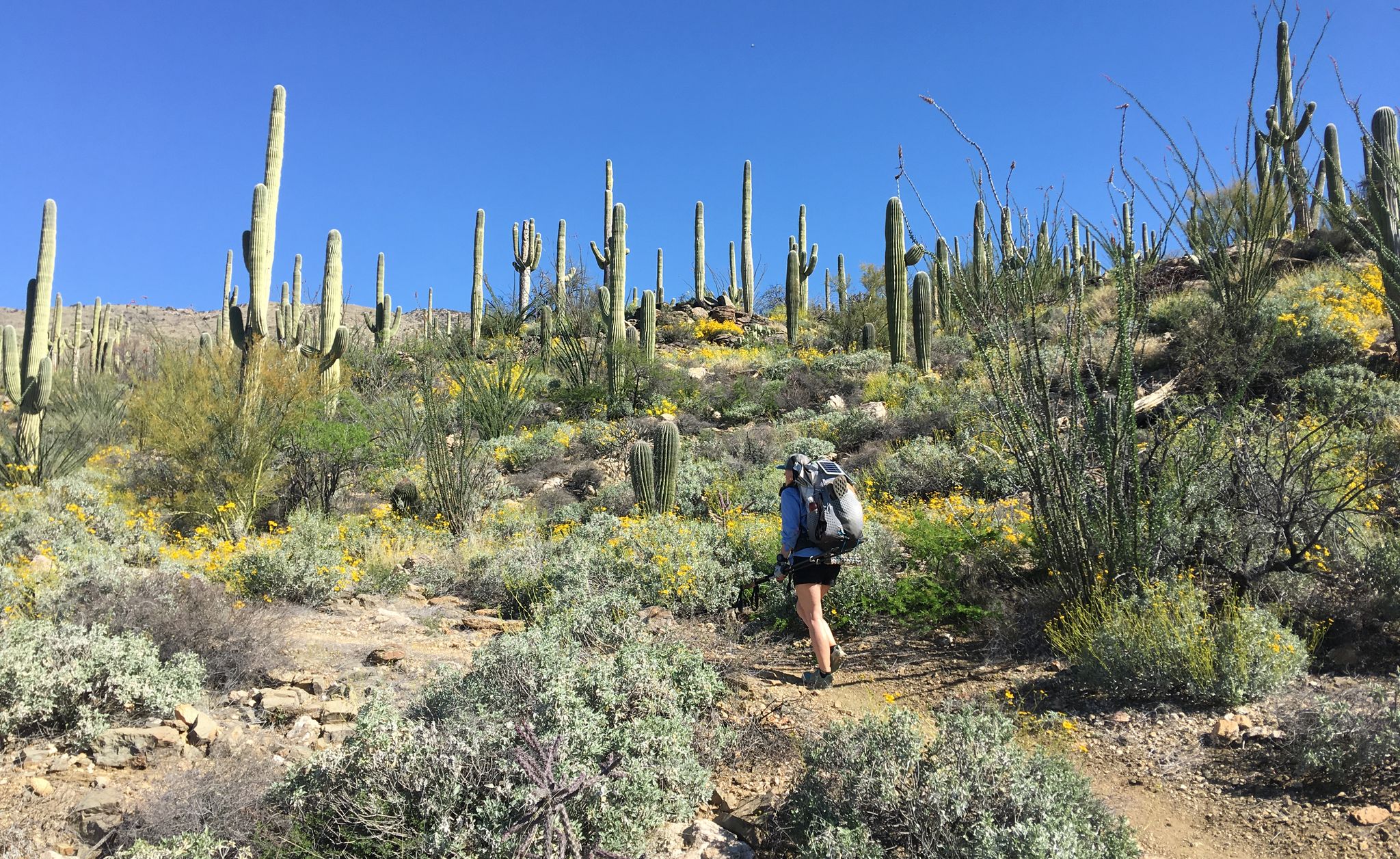
The Arizona Trail — From Mexico to Utah in 43 days
Rim-to-Rim-to-Rim – top to bottom through the Grand Canyon
Rim-to-Rim-to-Rim — Fastpacking into the Grand Canyon’s heart
Historic Route 66 – curiosities, selfie spots and diners
Arizona to Colorado – national parks and Native American culture
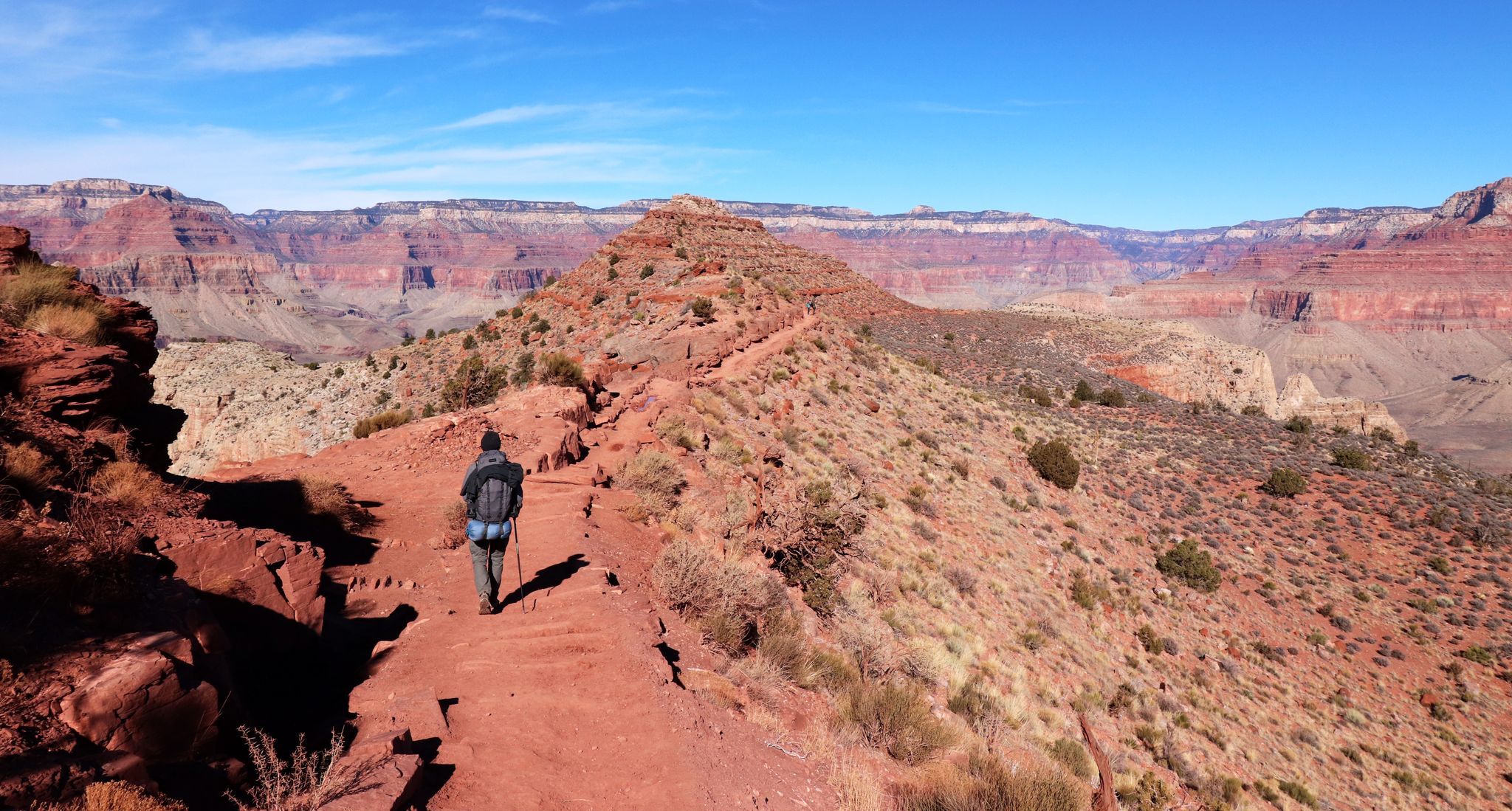
An unforgettable winter hike through the Grand Canyon
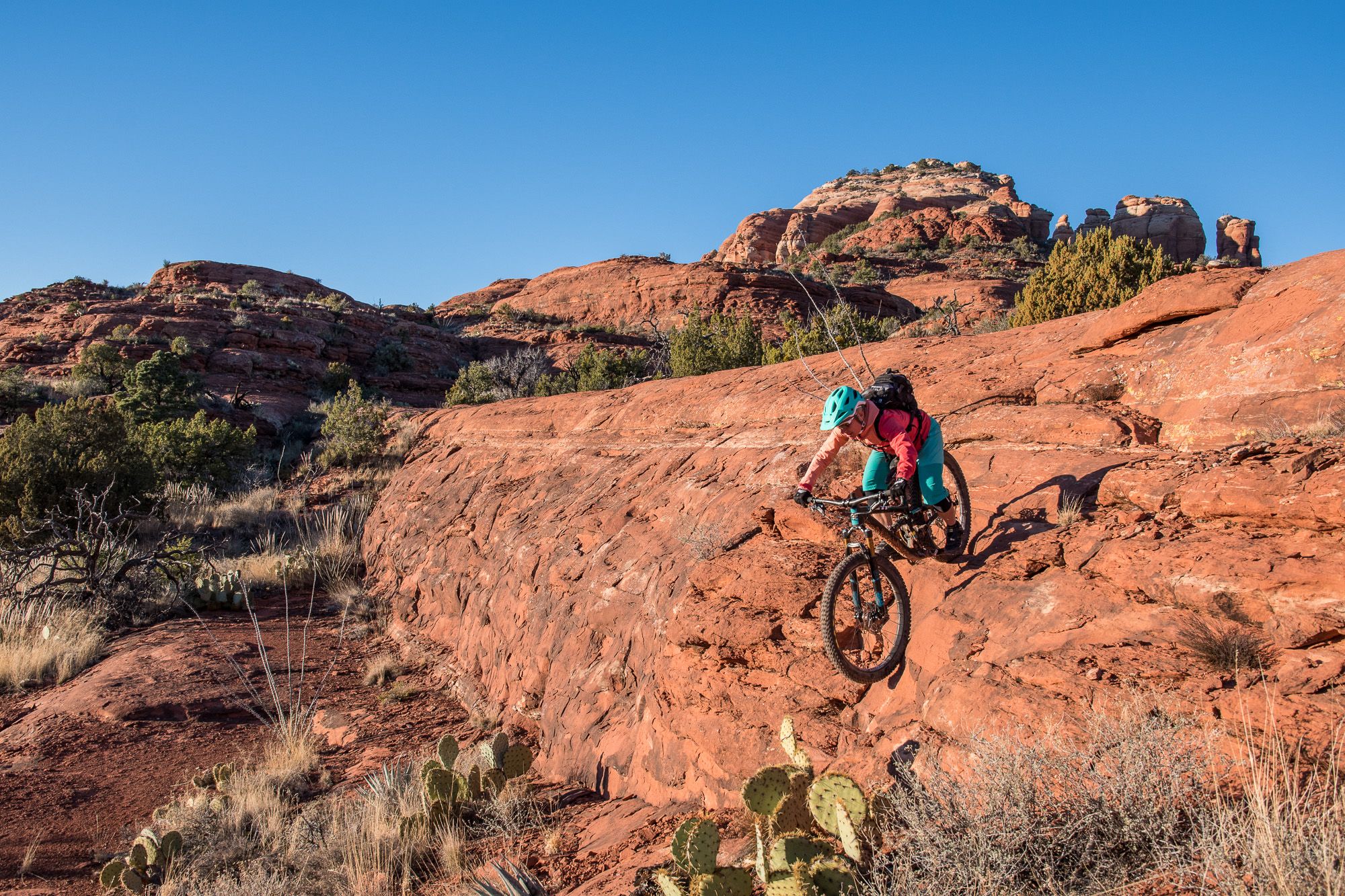
Shred the Red – Mountain biking in Sedona’s MTB hotspot
Other adventures in Coconino County


Tips from the Community

Once you've descended past the tunnel, look up to your left to see some amazing petroglyphs, including very-detailed deer done in red, with beautiful antlers!
0
0
Unlike at the 3-mile resthouse, this resthouse does not have benches inside the shelter
0
0

You can only recommend walking a few meters on this path in front of this breathtaking scenery. It's worth it.
0
0

This is a great rest stop or turnaround point on your run. Expect vault toilets and shade, and during the summer there's usually potable water here, too. Always check current conditions before you set out, though, because sometimes the water is turned off for maintenance projects. It's usually turned off during the winter, too.
0
0
We're all here for the incredible panoramic views; the elevation gain to get here also makes this a satisfying turnaround point if you're out for a short run. There is a pit toilet here (no running water). Use with caution and consider noseplugs. Hopefully it goes without saying that heat is a serious consideration here, as is lack of water (there is none available on the ridge).
0
0

Interesting tunnel that has been cut out of the rock. To add to the fun of passing through the tunnel, there are great canyon views on either side.
0
0
There is no parking at the trailhead for the South Kaibab Trail. If you need parking, you can leave your car at the Visitor Center, then take the Kaibab Route shuttle bus to the trailhead. The trail itself is a wonderfully well maintained dirt trail that gives you amazing views.
0
0

The tunnel is right after the entrance to the Bright Angel Trail, and there is a second one further down.
1
0
Frequently Asked Questions
What are some of the most impressive natural attractions in Coconino County?
Coconino County is home to a wealth of natural wonders. Beyond the iconic Grand Canyon, you can explore the stunning slot canyons of Antelope Canyon, the dramatic bend of the Colorado River at Horseshoe Bend, and the unique volcanic landscapes of Sunset Crater Volcano National Monument. The vast Coconino National Forest also offers diverse natural beauty, including Arizona's highest point, Humphreys Peak.
Where can I find the best viewpoints of the Grand Canyon?
For breathtaking views into the Grand Canyon, consider visiting Ooh Aah Point, a short distance from the South Kaibab Trailhead. Another popular spot is Skeleton Point on the South Kaibab Trail, often recommended as a turnaround point for day hikes. The Rim Trail also offers accessible, panoramic views along the canyon's edge.
Are there any historical or cultural sites to visit in Coconino County?
Yes, Coconino County boasts a rich history. You can visit Lowell Observatory in Flagstaff, a historic astronomical research facility. Ancient Native American communities are preserved at Wupatki National Monument and Walnut Canyon National Monument, featuring cliff dwellings and pueblos. Flagstaff's historic downtown also offers a glimpse into the past with its 1890s sandstone buildings and the Pioneer Museum.
What kind of hiking trails are available near the attractions?
Coconino County offers a wide range of hiking experiences. For challenging canyon descents, the Bright Angel Trailhead and South Kaibab Trailhead lead into the Grand Canyon. For easier, scenic walks, the Rim Trail is mostly paved and accessible. You can find more detailed information on various hiking options, including easy, moderate, and difficult trails, in the Hiking in Coconino County guide.
Are there any family-friendly attractions in Coconino County?
Many attractions in Coconino County are suitable for families. The Rim Trail at the Grand Canyon is largely paved and wheelchair-accessible, making it great for all ages. Meteor Crater offers an educational and awe-inspiring experience. Slide Rock State Park is famous for its natural water slide and swimming holes, perfect for a fun day out. The Arboretum at Flagstaff also provides a pleasant outdoor experience focused on native plants.
What are some unique outdoor activities I can do in Coconino County?
Beyond hiking, Coconino County offers diverse outdoor adventures. You can explore the stunning slot canyons of Antelope Canyon on a guided tour, or enjoy water-based activities at Lake Powell and Glen Canyon National Recreation Area. In winter, Arizona Snowbowl and Flagstaff Snow Park provide opportunities for skiing and snowboarding. For more specific hiking routes, including waterfall hikes, check out the Waterfall hikes in Coconino County guide.
What do visitors particularly enjoy about the Grand Canyon trails in Coconino County?
Visitors frequently praise the unparalleled views and the immersive experience of descending into the canyon. For instance, the Ooh Aah Point is often highlighted for its 'indescribable panorama.' Hikers on the South Kaibab Trail appreciate the well-maintained path and the amazing views it offers, though they emphasize the importance of carrying plenty of water due to lack of shade and water sources.
Are there any accessible trails or attractions for visitors with mobility considerations?
Yes, the Rim Trail within Grand Canyon National Park is largely paved and considered wheelchair-accessible, offering stunning views along the canyon's edge. Many visitor centers and viewpoints at major attractions also provide accessible facilities and viewing platforms.
When is the best time to visit Coconino County for outdoor activities?
The best time to visit Coconino County depends on your preferred activities. Spring and fall generally offer pleasant temperatures for hiking and exploring the Grand Canyon. Summers can be very hot, especially within the canyon, making early mornings or late afternoons ideal for shorter hikes. Winter brings opportunities for snow sports at higher elevations like Arizona Snowbowl, but some canyon trails may have ice or snow.
Can I find ancient cliff dwellings or pueblos in Coconino County?
Absolutely. Coconino County is rich in ancient Native American heritage. You can explore the well-preserved cliff dwellings at Walnut Canyon National Monument and the ancient pueblos at Wupatki National Monument. Additionally, the Coconino National Forest contains several heritage sites like Palatki Heritage Site and Elden Pueblo Heritage Site, offering insights into the Sinagua culture.
What should I know if I plan to hike into the Grand Canyon?
Hiking into the Grand Canyon requires careful planning. Trails like the South Kaibab Trail and Bright Angel Trail are strenuous, especially the ascent. There is no water or shade on the South Kaibab Trail, so carry at least 4 liters of water per person. Temperatures inside the canyon can be significantly hotter than at the rim. For multi-day hikes, a backcountry permit is required and should be applied for months in advance.
Most popular routes in Coconino County
Most popular attractions in Coconino County

Get inspired with the komoot mobile app


Didn’t find what you were looking for?
Are you keen on exploring more awesome places nearby? Browse our guides:
Explore more
Still not found the Highlight you’re looking for? See guides of the top attractions in other regions:
