Attractions and Places To See around Vistula Lagoon - Top 20
Attractions and places to see around Vistula Lagoon include a diverse range of natural and historical sites. This unique brackish water body, shared by Poland and Russia, is separated from Gdańsk Bay by the Vistula Spit. The region offers a blend of natural beauty, including extensive beaches and nature reserves, alongside significant historical and cultural landmarks. It is a destination for exploring coastal landscapes and understanding regional history.
Best attractions and places to see around Vistula Lagoon
- The most popular attractions is Polish-Russian Border at Piaski, a beach that marks the end of the European Union. It offers a unique geographical perspective and is a common turnaround point for visitors.
- Another must-see spot is Border of the European Union and Russian Federation at Krynica Morska, a man-made monument and viewpoint. Visitors can experience a trip to the border, which is about 2.8 kilometers from the forest parking lot.
- Visitors also love Border crossing at Mierzeja Wiślana Landscape Park, an area near the border. This location is suitable for a short hike and offers historical context.
- Vistula Lagoon is known for its natural features like the Vistula Spit, diverse beaches, and historical sites. The area provides a variety of attractions, from natural reserves to cultural landmarks and unique border experiences.
- The attractions around Vistula Lagoon are appreciated by the komoot community, with more than 240 upvotes and over 210 photos shared by visitors.
Last updated: August 30, 2026
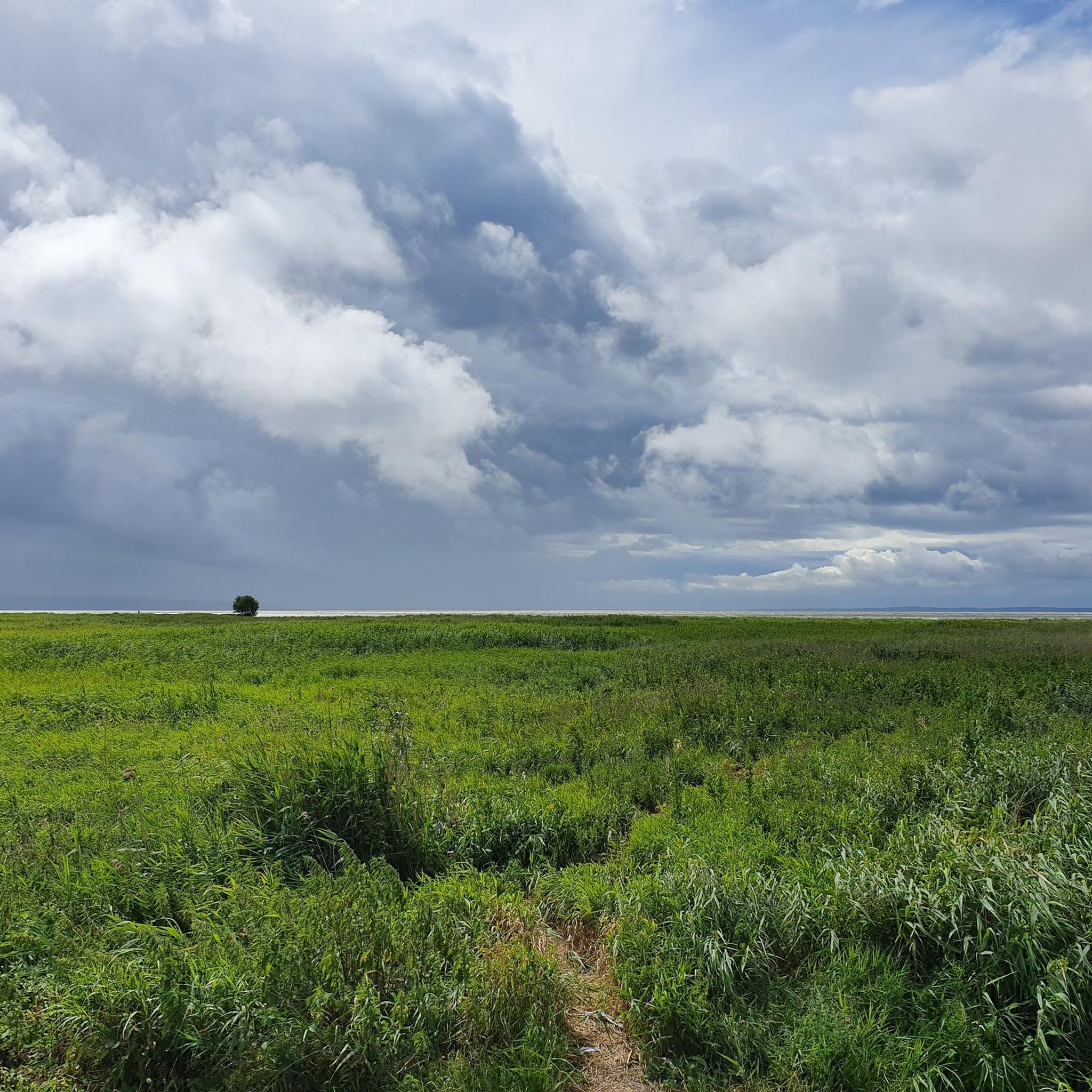
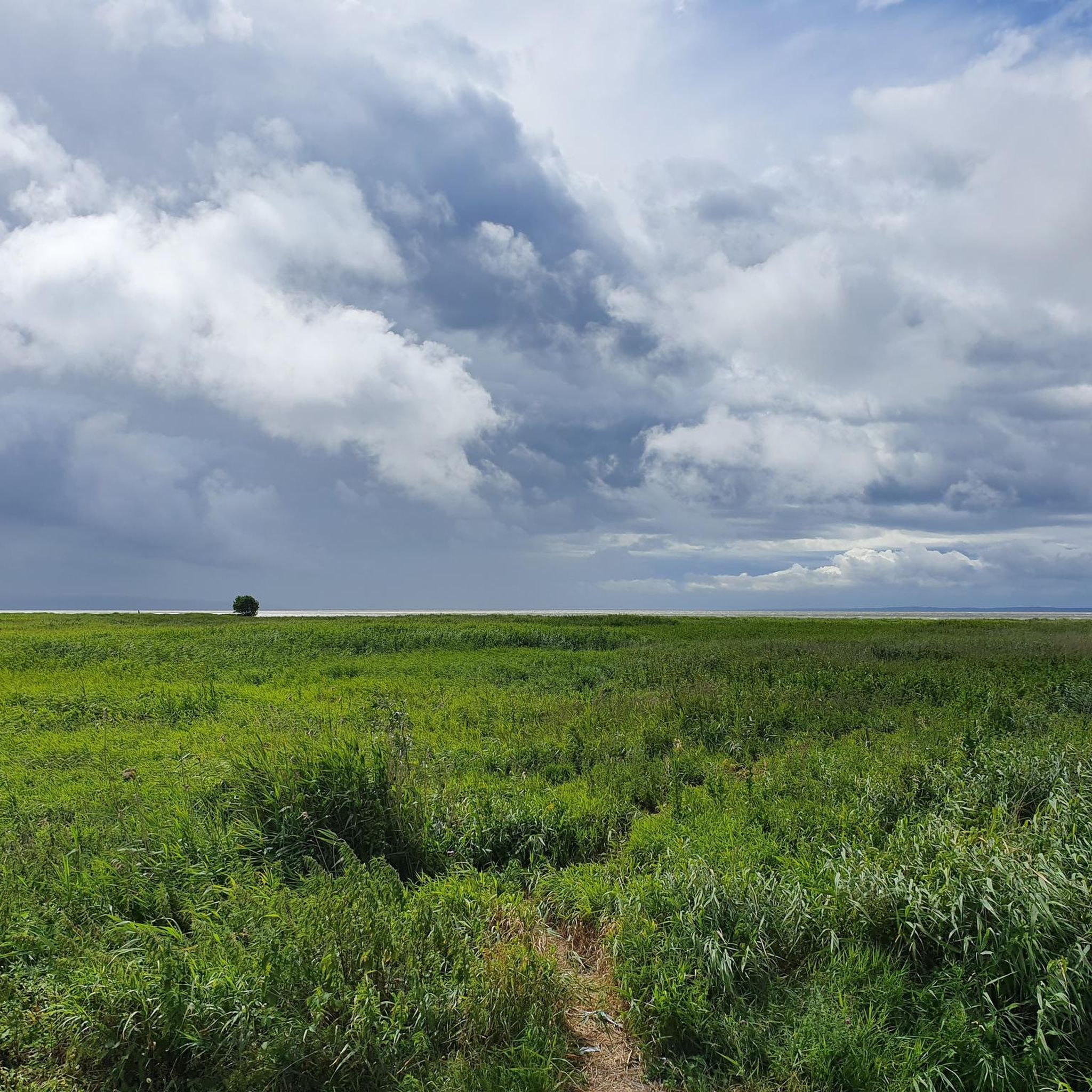
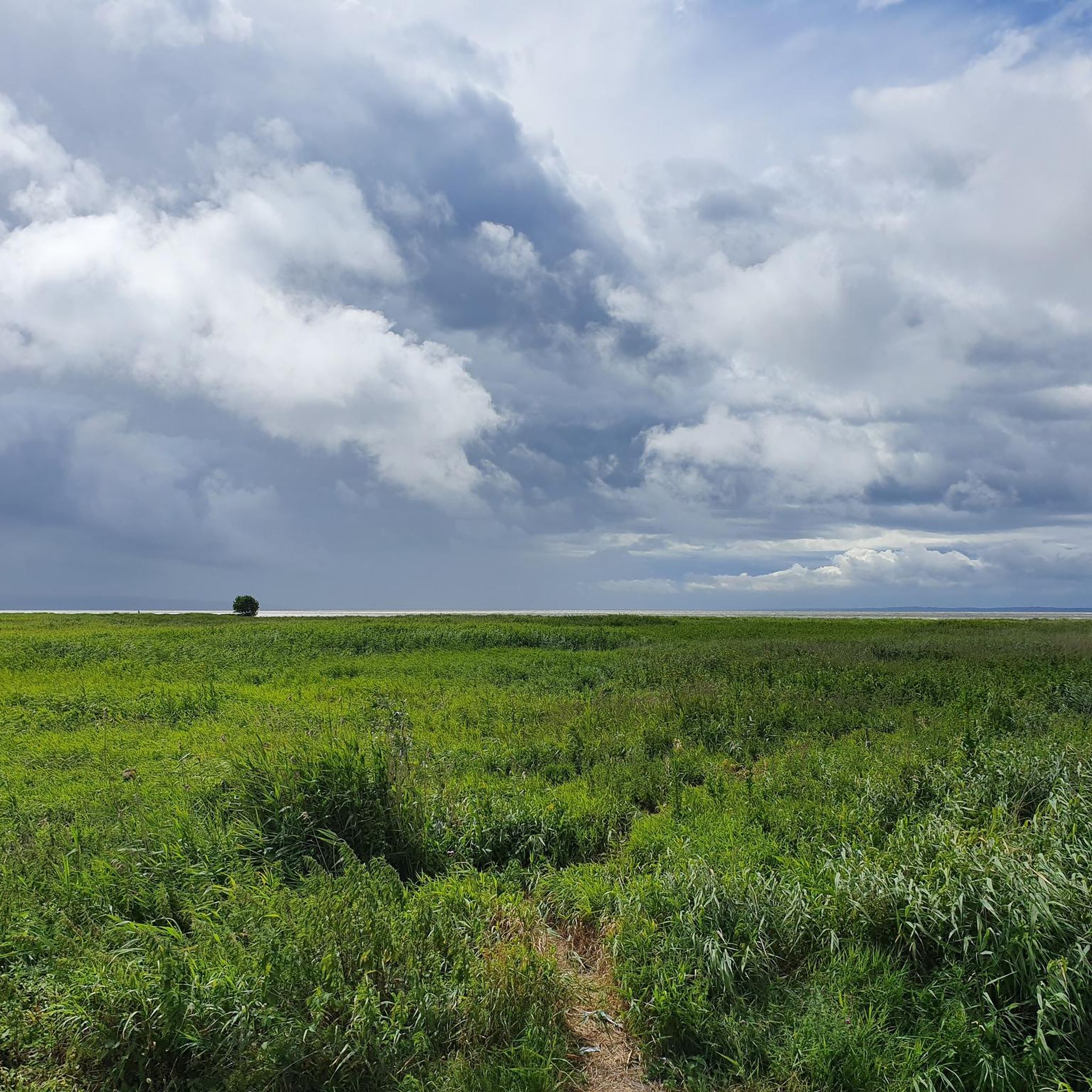
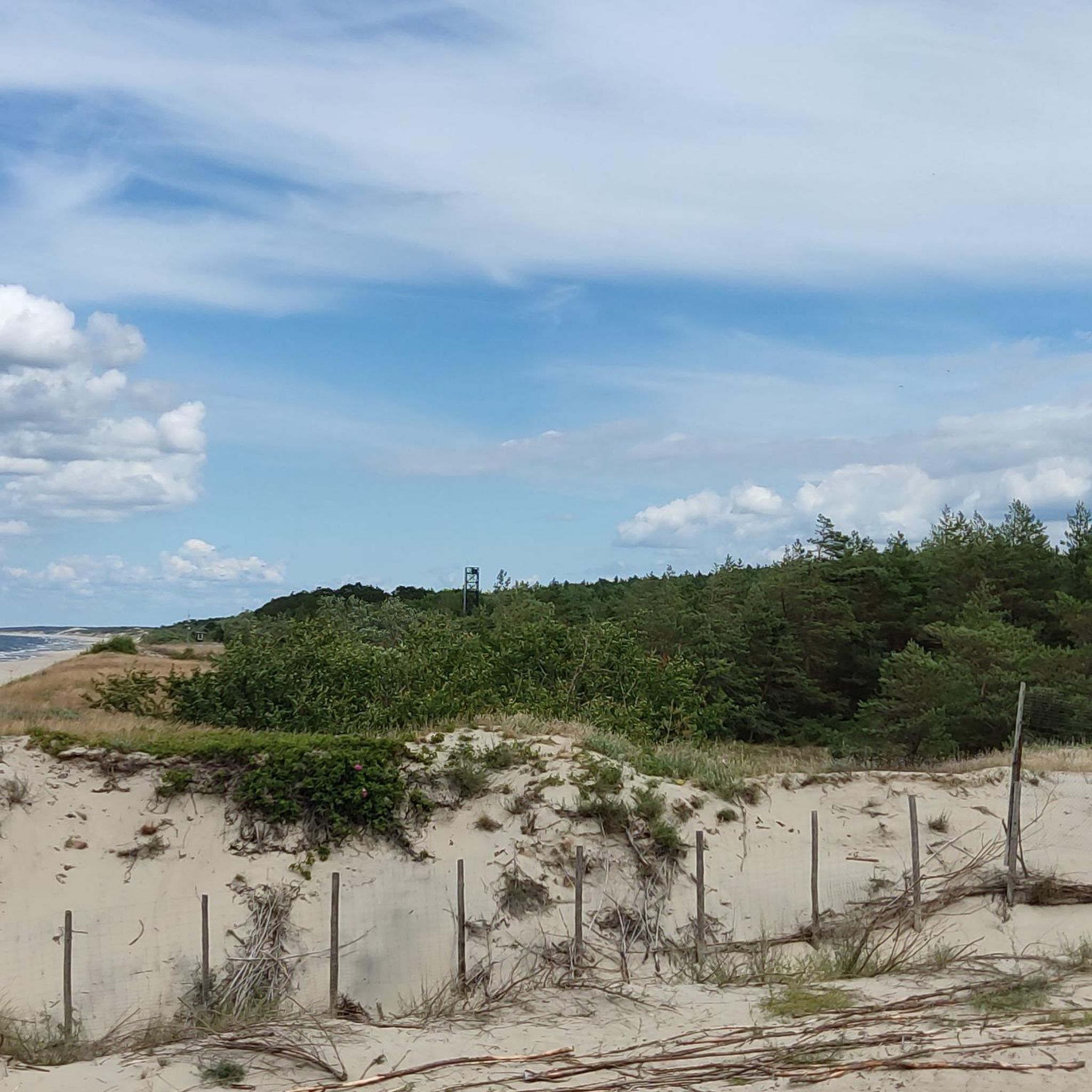
Polish-Russian border on the Vistula Spit
Highlight • Beach
Translated by Google •
Tip by

Parking Area at Park Krajobrazowy Mierzeja Wiślana
Highlight • Parking
Translated by Google •
Tip by

Sign up now to discover places like this
Get recommendations on the best single tracks, peaks, & plenty of other exciting outdoor places.
Sign up for free
Marina in Piaski
Highlight • Structure
Fishing was the basis of the inhabitants' existence: the young port served fishing boats, building a local community and culture.
Translated by Google •
Tip by

Fisherman's Bench in Kąty Rybackie
Highlight • Monument
Translated by Google •
Tip by

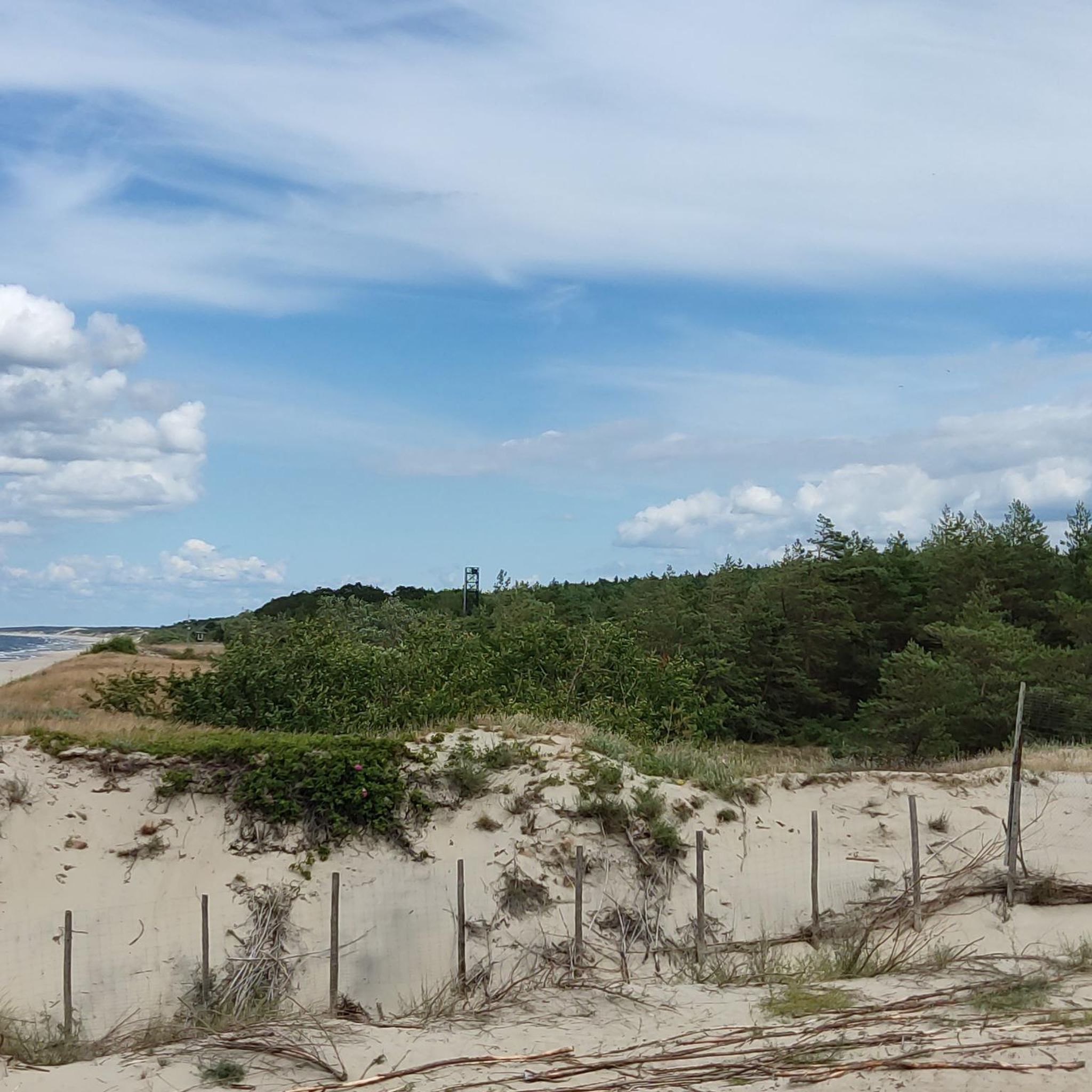
Pirate Mountain Observation Tower
Highlight • Viewpoint
Translated by Google •
Tip by

Sign up for free to discover even more attractions around Vistula Lagoon.
Sign up for free
Already have an account?
Start today with a free account
Your next adventure awaits.
Login or Signup

Tips from the Community


A very good starting point for a hike toward the Russian border. However, the road there takes some getting used to: very narrow, lots of potholes, crooked armor plates...but kind of cool.
0
0
Best starting point for hiking to the border, but the access is, due to habit, somewhat worse than the patrol roads on the former inner-German border. Drive slowly and hope that there is no oncoming traffic, because then it gets really tight.
0
0

Pirat Mountain is a hill located halfway between Krynica Morska and Piaski, on the Vistula Spit. On Pirat Mountain there is an observation tower, which is used by both tourists and scientists to observe birds. The Vistula Spit is an important migration route for birds in Europe, and from the tower you can admire this phenomenon, especially intensive in spring and autumn. The tower offers a view of the Vistula Lagoon and the Bay of Gdańsk.
2
0
Very steep and sandy path to the observation tower.
2
0
Piaski (formerly NowaKarczma, German Neukrug) dates back to the Middle Ages. The settlement developed around fishing and amber, with wooden fishing buildings from the 19th century and typical elements such as sturgeon huts, smokehouses and Żuławy hangars. Fishing was the basis of the inhabitants' existence: the young port served fishing boats, building a local community and culture.
3
0

Interesting tower and nice views in the summer on the cliffs of the Vistula Bay
1
0
Fishing port, cutters, boats, fishing equipment.
0
0
Frequently Asked Questions
What natural features can I explore around the Vistula Lagoon?
The Vistula Lagoon region is rich in natural beauty. A prominent feature is the Vistula Spit (Mierzeja Wiślana), a sandy peninsula offering diverse habitats and beaches. You can visit the Amber Coast at Krynica Morska for its scenic views. The area also includes the Vistula Spit Landscape Park, the Cormorant and Grey Heron Reserve in Kąty Rybackie, and the Mewia Łacha Reserve, known for wetland birds and seals.
Are there any significant historical or cultural sites to visit?
Yes, the region offers several historical and cultural landmarks. The Stutthof Museum in Sztutowo, a former concentration camp, provides a somber but important historical reflection. In Frombork, you can explore Cathedral Hill, home to a medieval cathedral where Nicolaus Copernicus is buried. The Vistula Lagoon Museum in Kąty Rybackie details the area's fishing history, and the Church in Stegna is a 17th-century architectural gem.
What kind of outdoor activities are available near the Vistula Lagoon attractions?
The Vistula Lagoon is excellent for various outdoor activities. The lagoon itself is well-suited for windsurfing and kitesurfing. For cycling, you can find numerous routes, including those for gravel biking, road cycling, and general touring bicycle routes. Many routes offer scenic views of the lagoon and the Vistula Spit.
Are there family-friendly attractions around Vistula Lagoon?
Absolutely. Many attractions are suitable for families. Beaches like those in Krynica Morska, Stegna, and Jantar offer infrastructure for a fun day out. The Border of the European Union and Russian Federation at Krynica Morska is a unique viewpoint that can be reached via a pleasant walk. Rope parks in Krynica Morska also provide entertainment for children.
What are some unique experiences related to the Polish-Russian border in the area?
The Vistula Lagoon area offers several unique border-related experiences. You can visit the Polish-Russian Border at Piaski, which marks the end of the European Union and is a common turnaround point for visitors. Another interesting spot is the Border crossing at Mierzeja Wiślana Landscape Park, suitable for a short hike with historical context. Visitors often enjoy the trip to the Border of the European Union and Russian Federation at Krynica Morska, a man-made monument and viewpoint.
Where can I find the best beaches in the Vistula Lagoon area?
The Vistula Spit boasts a variety of beaches. For lively options with full infrastructure, bars, and rentals, consider towns like Krynica Morska, Stegna, and Jantar. Kąty Rybackie offers charming fishing beaches, while Mikoszewo is known for its wild and wide shores. For the most secluded experience, Piaski provides unspoiled beaches, including the Amber Coast at Krynica Morska.
What is the Vistula Spit Canal and can I visit it?
The Vistula Spit Canal is a modern engineering marvel that provides Poland with direct access from the port of Elbląg to the Baltic Sea. You can observe it from various vantage points or during special cruises. It's a significant contemporary landmark in the region.
Are there any interesting museums in the Vistula Lagoon region?
Yes, the region has several notable museums. The Vistula Lagoon Museum in Kąty Rybackie, a branch of the National Maritime Museum, showcases the history of fishing and shipbuilding. In Frombork, you'll find a museum dedicated to Nicolaus Copernicus. Additionally, the Elbląg Museum in the city of Elbląg holds rich collections of urban archaeology exhibits.
What is the best way to experience the Vistula Spit?
To best experience the Vistula Spit, consider exploring its diverse landscapes. You can hike or cycle along its trails, visit its various beaches, or climb the Lighthouse in Krynica Morska for panoramic views of both the Vistula Lagoon and the Baltic Sea. The Vistula Spit Landscape Park also offers protected natural beauty.
What is the significance of Frombork in the Vistula Lagoon area?
Frombork, located on the southern shore of the Vistula Lagoon, is historically significant as the home of Cathedral Hill. This site features a medieval cathedral where the renowned astronomer Nicolaus Copernicus is laid to rest. The town also hosts a museum dedicated to his life and work.
Can I find unique natural reserves or wildlife viewing opportunities?
Yes, the Vistula Lagoon area is home to several important nature reserves. The Cormorant and Grey Heron Reserve in Kąty Rybackie protects one of Poland's largest cormorant breeding colonies. The Mewia Łacha Reserve is a crucial site for wetland birds and is noted as the only place in Poland where gray seals can be observed year-round. The Kadyński Las Nature Reserve protects ancient beech and oak forests.
What do visitors enjoy most about the attractions around Vistula Lagoon?
Visitors particularly enjoy the unique geographical perspective offered by the border areas, such as the Polish-Russian Border at Piaski. The scenic views from places like the Lighthouse in Krynica Morska and the opportunity for peaceful walks or bike rides through the Vistula Spit Landscape Park are also highly appreciated. Many find the combination of natural beauty and historical sites very engaging.
Most popular routes around Vistula Lagoon
Most popular attractions around Vistula Lagoon

Get inspired with the komoot mobile app


Explore more
Still not found the Highlight you’re looking for? See guides of the top attractions in other regions:
