The 14 Most Amazing Peaks around Mieres
Best mountain peaks around Mieres are found in the mountainous region of Asturias, Spain. Mieres is situated in a valley, with several notable mountains and ranges easily accessible from the town. This makes it a prime location for nature enthusiasts and hikers seeking diverse outdoor experiences. The area offers a variety of peaks and ranges, providing both challenging climbs and more accessible routes.
Best mountain peaks around Mieres
- The most popular mountain peaks is La Cubilla Pass, a mountain…
Last updated: October 11, 2026
La Cubilla Pass
Highlight • Mountain Pass
By MTB you can get there …
Translated by Google •
Tip by

Alto de l'Angliru Summit Monument
Highlight • Monument
Translated by Google •
Tip by

Sign up now to discover places like this
Get recommendations on the best single tracks, peaks, & plenty of other exciting outdoor places.
Cueto Negro Summit
Highlight • Summit
Translated by Google •
Tip by

Coto Bello Viewpoint
Highlight • Viewpoint
Translated by Google •
Tip by

Urbiés Viewpoint
Highlight • Viewpoint
Translated by Google •
Tip by

Peña Ubiña
Highlight • Summit
Translated by Google •
Tip by

Ascent to Altu d'El Gamoniteiru / Alto Gamoniteiro from Pola de Lena
Highlight (Segment) • Climb
15 kilometers and …
Translated by Google •
Tip by

Pico Polio
Highlight • Summit
Translated by Google •
Tip by

Pico Llosorio
Highlight • Summit
Translated by Google •
Tip by

Cuitu Negru summit and monument
Highlight • Summit
Translated by Google •
Tip by

Sign up for free to discover even more peaks around Mieres.
Already have an account?
Start today with a free account
Your next adventure awaits.
Popular around Mieres
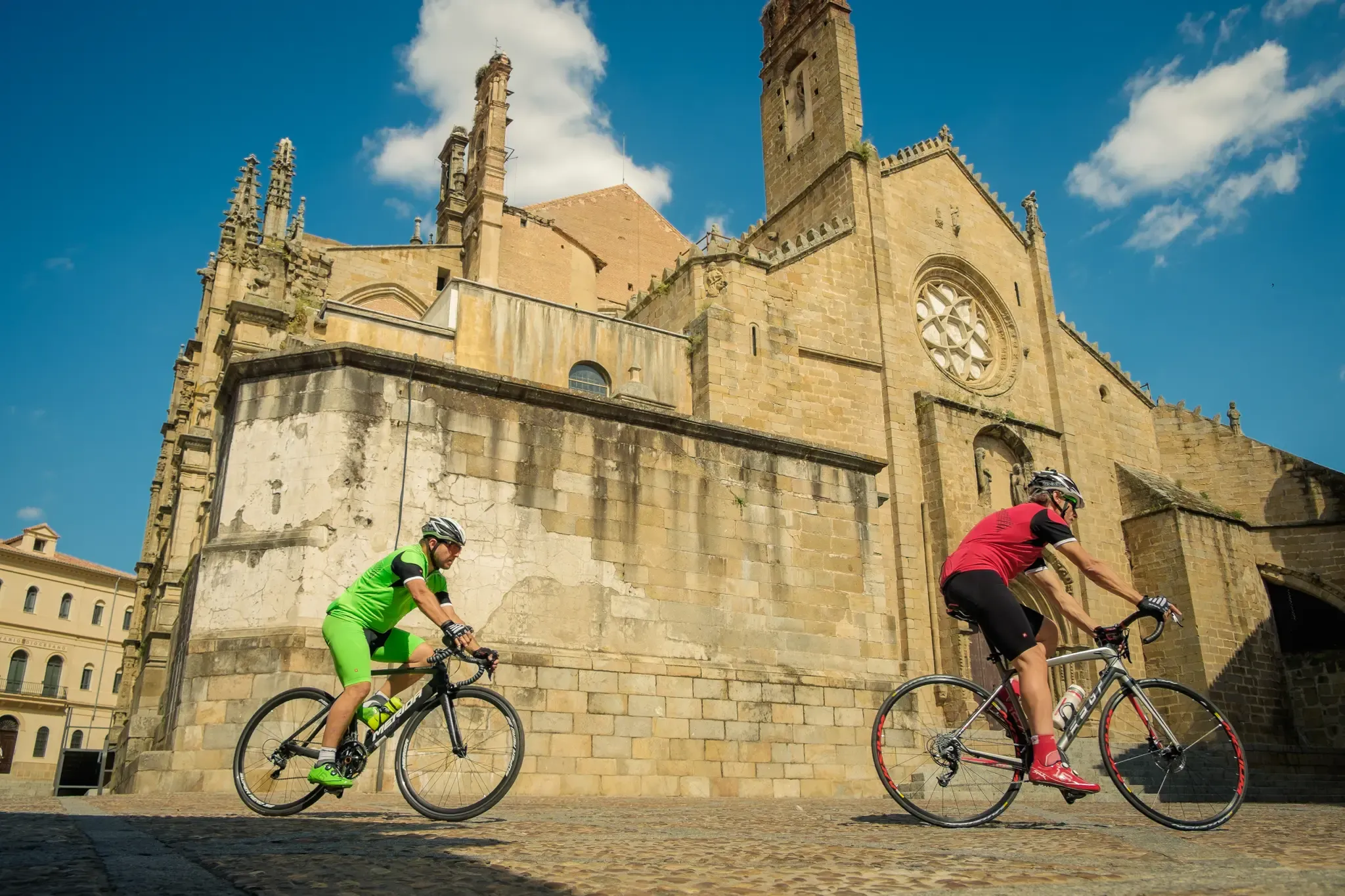
Vía de la Plata – from Seville to Gijón by bike
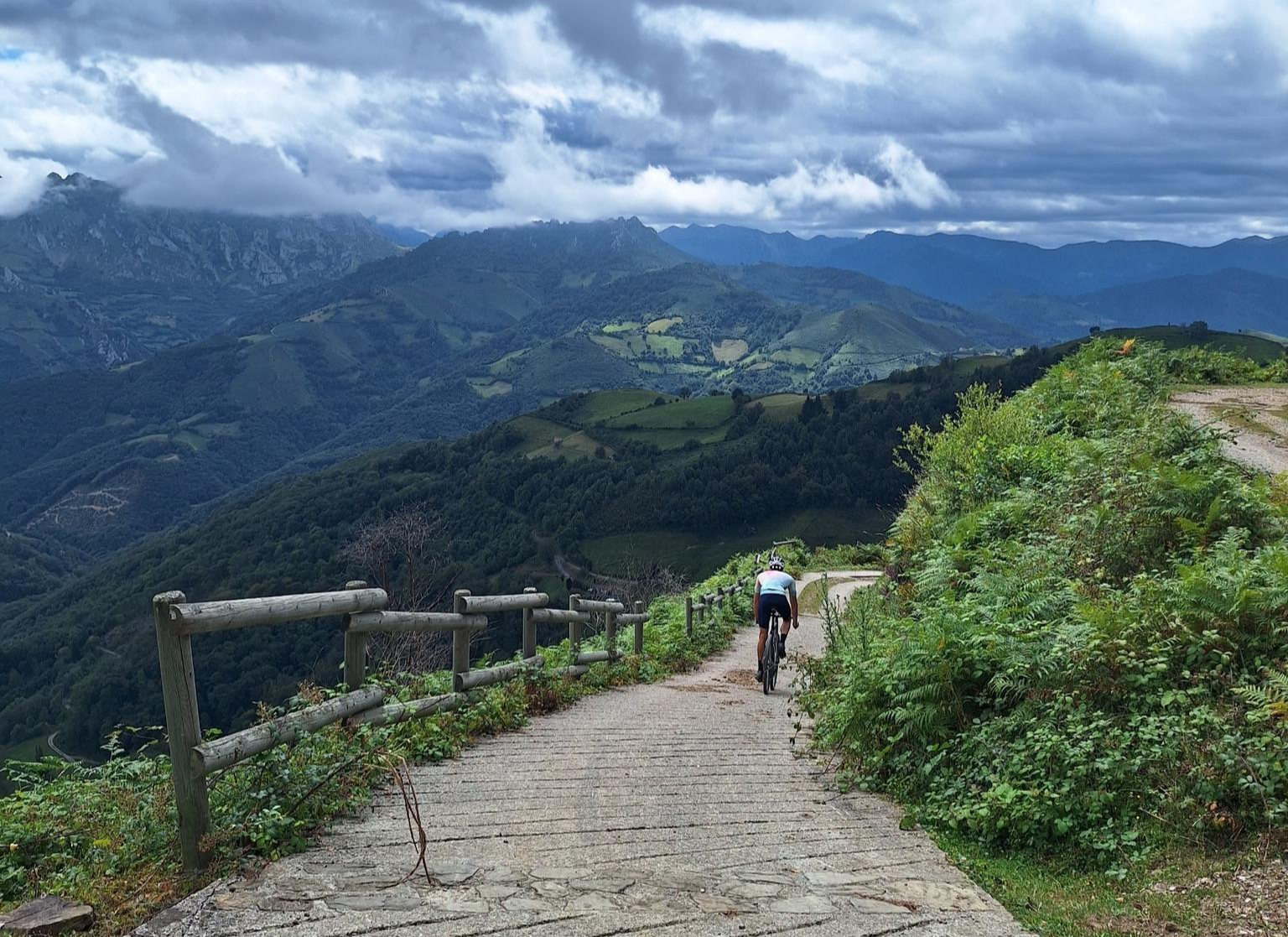
Central Mountain Cycling Ring GR 208 - Tour of the Asturian Mountains
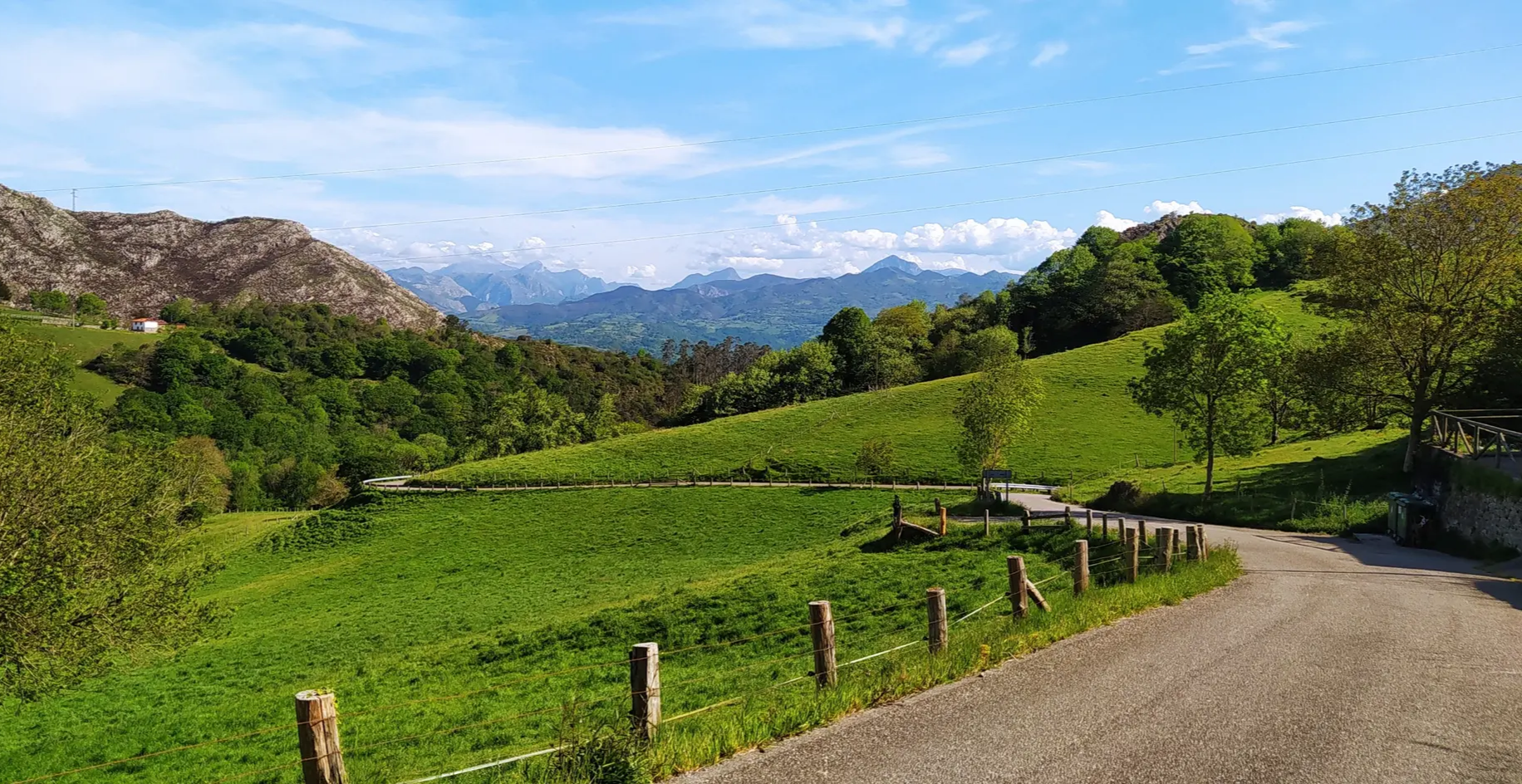
Great mountain passes of Picos de Europa on road bikes
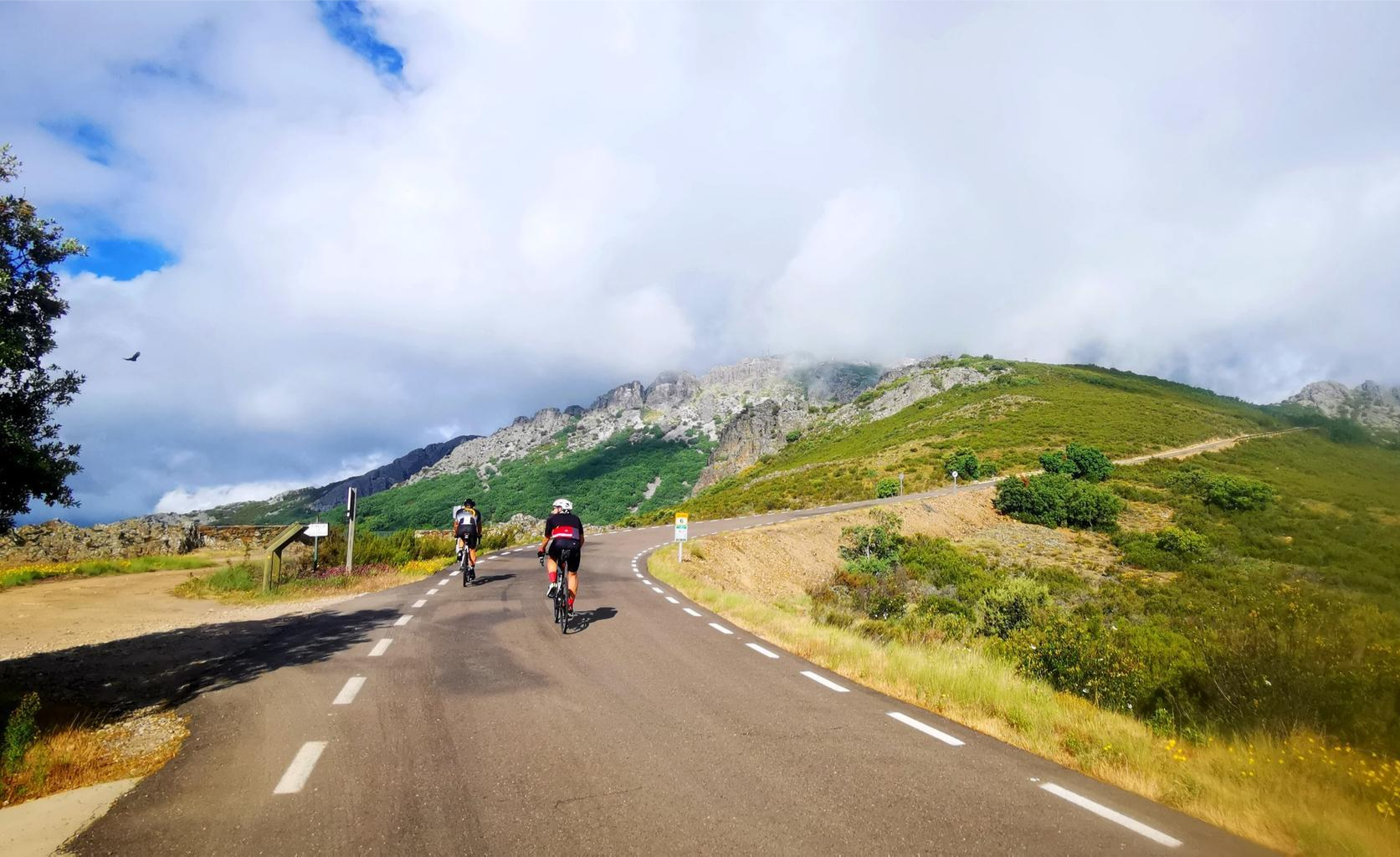
Legendary climbs - Ports of La Vuelta a España
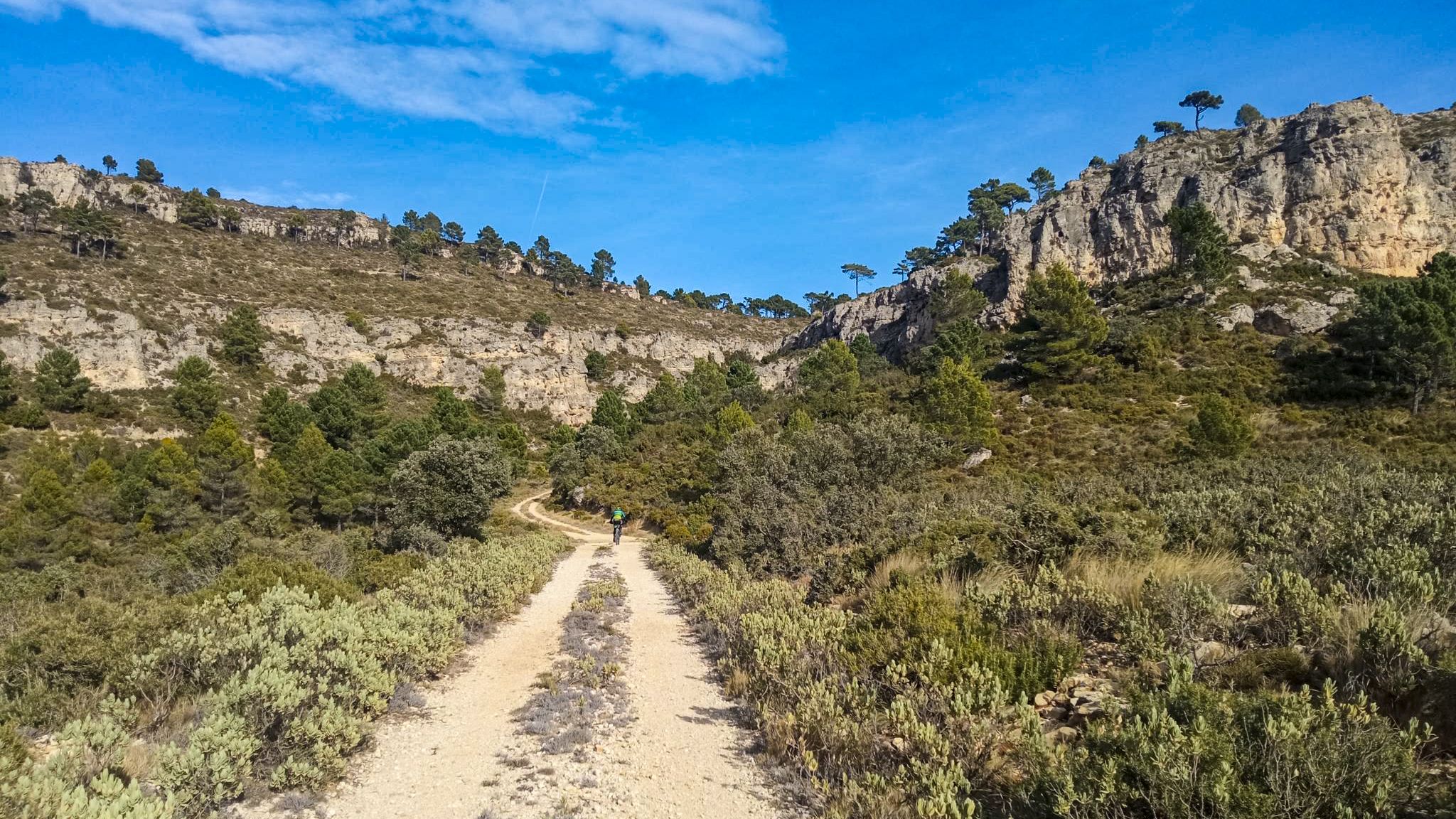
10 gravel routes to discover hidden gems in Spain
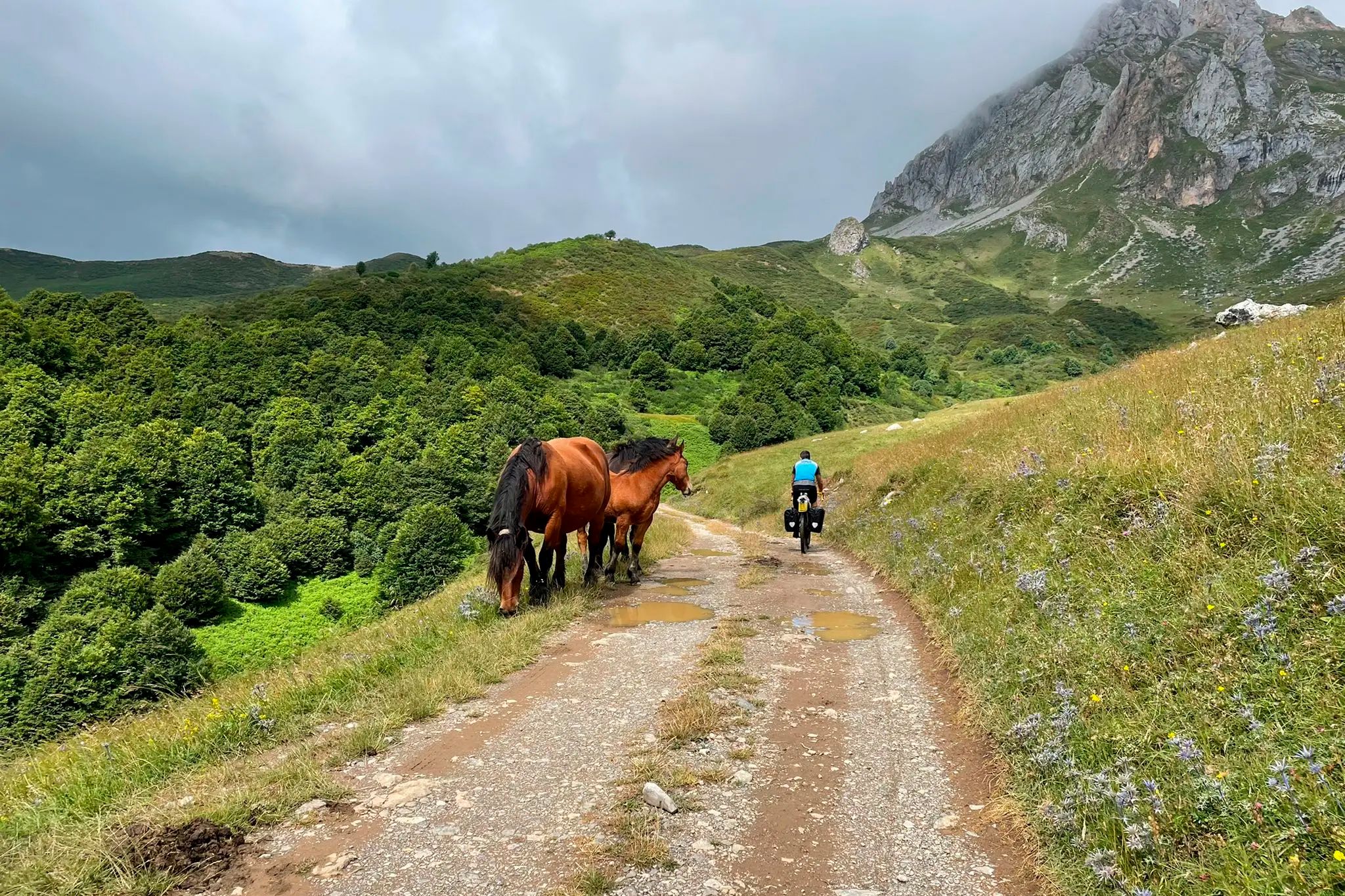
TransCantabrica – Extreme mountain biking in northern Spain
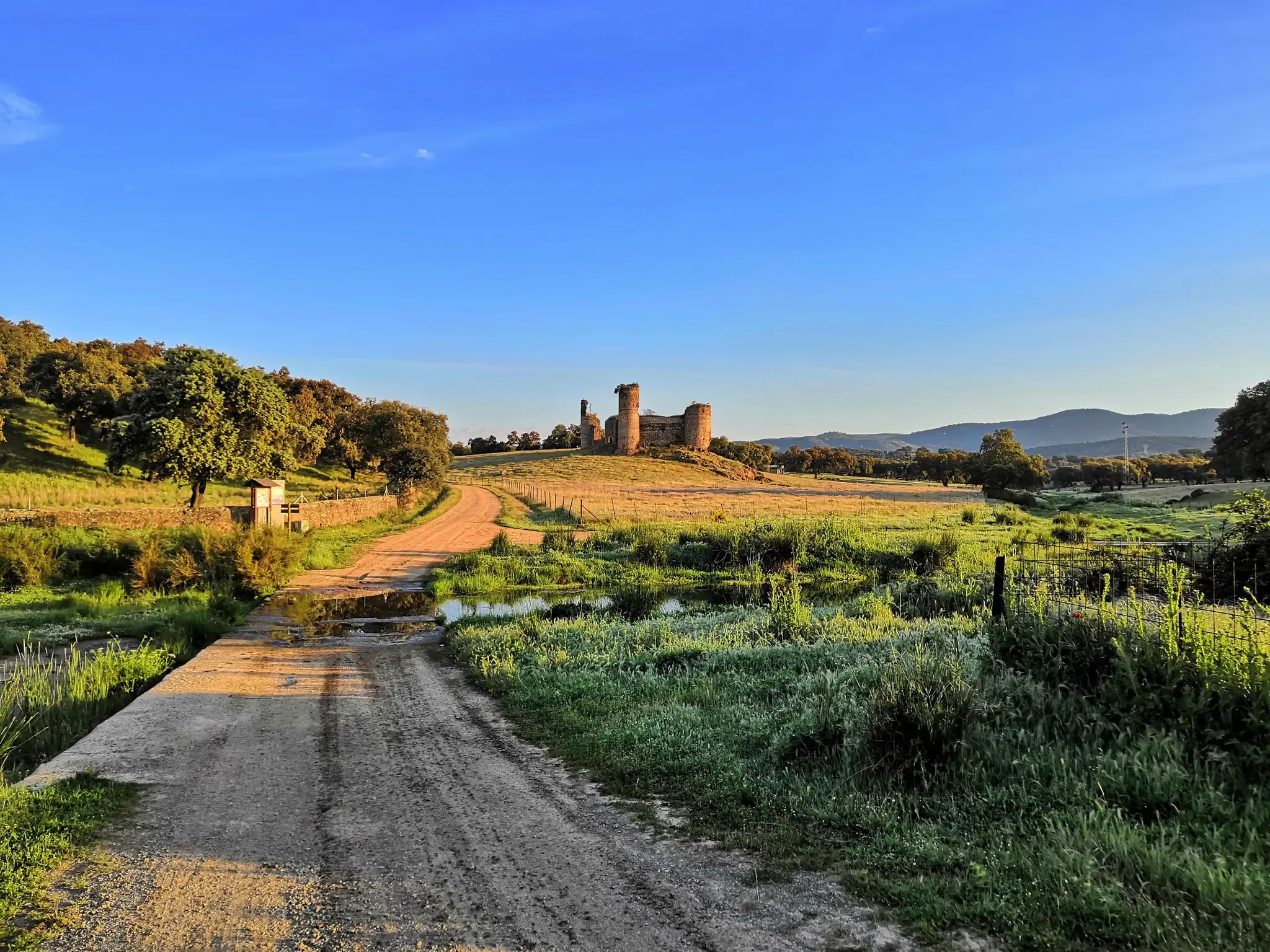
A romantic journey in the footsteps of the Romans – Via de la Plata
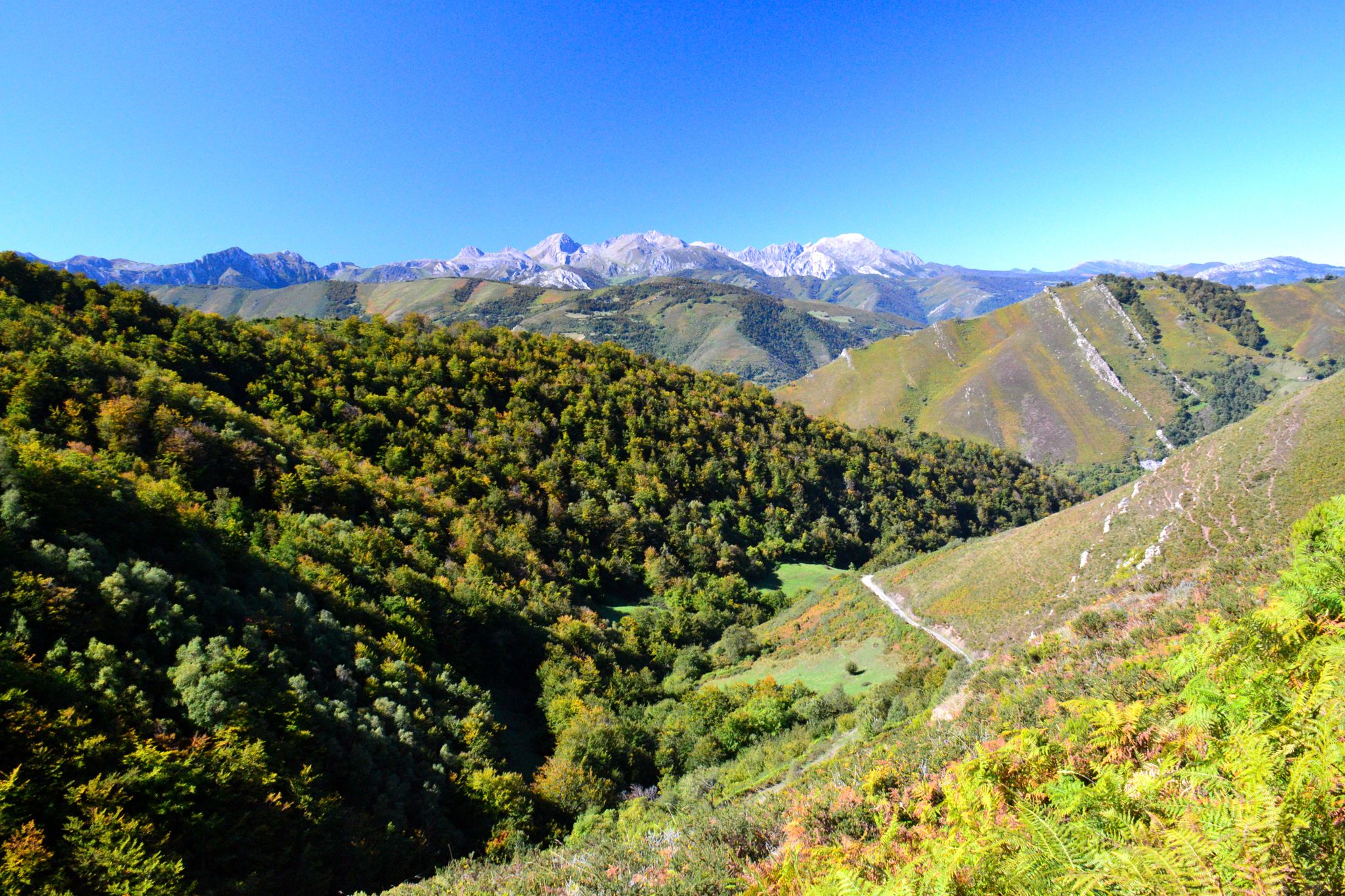
The heart of Asturias – Central Mountain Cycling Ring
The secrets of the Cantabrian Mountains – GR 109 Asturias Interior
Explore Spain’s monuments and landscapes – cycle the Via de la Plata
Other adventures around Mieres


Tips from the Community

Gamoniteiru is the highest peak in the Aramo mountain range, located in the geographical center of Asturias. Its 1791 meters stand out above the other peaks in the area. It has an average gradient of approximately 10% and a maximum of 18%, is about 15 km long, and climbs 1465 meters. It's a tough climb with little respite. If you start too fast, it feels incredibly long.
0
0

Upon reaching the summit, you don't arrive at a village or a tourist center, but rather at a kind of natural balcony overlooking the Lena mountain passes, which gives a strange feeling, as if you've stepped onto an empty stage. And on clear days, the wind is louder among the mountain passes than any car, because traffic is minimal.
0
0
For decades, La Cubilla was practically a ghost town: a road built to connect mining valleys, used more by livestock farmers and scattered trucks than by travelers. This lack of traffic left a remarkably clean route, free of curves, absurd straights, and modern widenings: pure mountain design from another era. That's why many cyclists say it "looks more like an Alpine pass than a Cantabrian one," with those giant limestone walls silently accompanying you.
0
0
One of the toughest climbs in Europe, try to save your strength, the hard part is at the end.
0
0

Only the most avid cyclists dare to climb this plain in the middle of nowhere. The satisfaction of summiting this extremely tough pass and taking in the views is within reach of only a few.
0
0
The La Cubilla mountain pass is located at an altitude of 1,683 meters, on the border between Asturias and León. Its rugged terrain and the beauty of its surroundings have earned it the title of stage finisher of the Vuelta a España, making it one of the most iconic climbs among cyclists.
0
0
The climb can be tough, but the descent shouldn't be underestimated, especially for those with caliper brakes, as the tires can get very hot, and my advice is to stop every two or three minutes to give it time to cool down.
0
0
save your strength at the beginning, the hardest part is at the end
0
0
Frequently Asked Questions
What are some popular mountain passes and viewpoints near Mieres?
You can explore several notable mountain passes and viewpoints. La Cubilla Pass, on the border of Asturias and Castilla y León, offers magnificent landscapes and is known for its long, but not overly steep, routes. For stunning panoramic views of the Cantabrian Mountains, visit Coto Bello Viewpoint, where you might even see cows and horses grazing. Another great option is Urbiés Viewpoint, which provides a balcony-like perspective over the valley from an altitude of 1,102 meters.
Are there any challenging mountain peaks for experienced hikers near Mieres?
Yes, Mieres offers several challenging peaks for experienced hikers. Peña Ubiña, part of the Ubiña Massif, is a prominent peak popular among mountaineers. The summit trail to Peña Mea is also considered challenging, offering rewarding vistas and a unique geological formation known as the 'Ojo de Buey'. For a demanding trek, consider the 12-mile circular route to Pico Polio, which provides panoramic views of other Asturian peaks.
What kind of natural features can I expect to see on mountain trails around Mieres?
The mountain trails around Mieres showcase diverse natural beauty. You'll encounter expansive views of the Asturian landscape, often with grazing cows and horses in green meadows, especially around Coto Bello Viewpoint. Peaks like Peña Mea feature unique geological formations such as the 'Ojo de Buey' natural arch. The region is characterized by its mountainous terrain, contributing to scenic backdrops throughout your hikes.
Are there family-friendly mountain walks or viewpoints near Mieres?
Yes, there are options suitable for families. Coto Bello Viewpoint is noted as family-friendly, offering beautiful views of the Cantabrian Mountains. For less demanding routes, the Cordal de Urbiés mountain range provides an easy circular route that passes through the historical village of San Justo, ideal for a relaxed walk or trail running.
What historical or cultural sites can be found near the mountain peaks of Mieres?
The region around Mieres blends natural beauty with industrial heritage. The Sierra de Navaliego offers a route that passes through historical sites like the ruins of buildings from the La Güeria group of Hulleras de Turón (an old mining company) and the '5º de La Barrera' mine entrance. Additionally, Cueto Negro Summit features a monument to Santa María de Valgrande, adding a cultural touch to its expansive views.
What are some popular hiking routes around Mieres?
Mieres offers a variety of hiking routes for different skill levels. For challenging treks, consider the Peña Mea Summit Trail or the Cabeza de Arco Trail. Moderate options include the Tabayón de Mongallu Route and Pico Tapinón Circular from Tuiza de Arriba. You can find more details and routes in the Hiking around Mieres guide.
Are there easy hiking options for beginners near Mieres?
Absolutely. For those seeking easier walks, the Cordal de Urbiés mountain range offers an accessible circular route with good views. You can also explore routes like the Way of the Savior or the Cascada Xurbeu loop from Murias. More easy options are available in the Easy hikes around Mieres guide.
What cycling opportunities are available in the mountains around Mieres?
The mountains around Mieres are a popular destination for cyclists, especially road cyclists. The Alto de l'Angliru is legendary for its challenging ascent, featuring steep inclines and ramps over 20%. Other cycling routes include the Senderos del Carbón Loop and the Collada de Arnicio Loop. You can find more cycling routes in the Cycling around Mieres guide.
What do visitors enjoy most about the mountain peaks around Mieres?
Visitors frequently praise the magnificent landscapes and stunning panoramic views offered by the peaks and passes. The sense of accomplishment from challenging climbs, the unique geological features like the 'Ojo de Buey' at Peña Mea, and the blend of natural beauty with historical mining heritage in areas like Sierra de Navaliego are also highly appreciated. The presence of monuments, such as the one at Cueto Negro Summit, adds to the local appeal.
Can I find information about specific climbs like Alto de l'Angliru or Cuitu Negru?
Yes, Alto de l'Angliru is renowned as a challenging road cycling climb. For hiking, you can find details on the Ascent to Altu d'El Gamoniteiru / Alto Gamoniteiro from Pola de Lena. Another significant climb is to Cuitu Negru summit and monument, which involves a very rough asphalt climb with 25% ramps, famously paved for the Vuelta a España. There's also an Ascent to Cuitu Negru from Campomanes.
What is the Ubiña Massif and where can I experience it near Mieres?
The Ubiña Massif is a prominent mountain range within the Cantabrian Mountains. Near Mieres, you can experience it by visiting Peña Ubiña, a popular peak for mountaineers. Routes to this peak often start from villages like Tuiza de Arriba, offering expansive views from its elevation of approximately 2,194 meters (7,198 feet).
Are there any mountain ranges visible from Mieres that enhance the scenic backdrop?
Yes, the Sierra del Aramo is a mountain range that is widely visible from many hiking routes around Mieres. While not a single peak to climb, its presence significantly enhances the beautiful scenic backdrops you'll experience during outdoor activities in the area, contributing to the overall natural beauty of the region.
Most popular routes around Mieres
Most popular attractions around Mieres

Get inspired with the komoot mobile app


Didn’t find what you were looking for?
Discover Mieres’s best peaks and summits by region:
Explore more
See even more amazing summits around Mieres with these guides:
