Top 6 Caves around La Axarquía
Best caves around La Axarquía offer a glimpse into the region's geological history and natural beauty. La Axarquía, located in Andalusia, Spain, is characterized by its diverse landscape, ranging from coastal areas to mountainous terrain. The area is known for its limestone formations, which have led to the creation of numerous caves and underground systems. These natural features provide opportunities for exploration and discovery, showcasing unique geological formations.
Best caves around La Axarquía
- The most popular caves is Nerja Cave…
Last updated: October 11, 2026
Nerja Cave
Highlight • Cave
Translated by Google •
Tip by

Cueva del Tesoro
Highlight • Cave
Translated by Google •
Tip by

Sign up now to discover places like this
Get recommendations on the best single tracks, peaks, & plenty of other exciting outdoor places.
Barranco de la Coladilla Caves
Highlight • Cave
Translated by Google •
Tip by

Fájara Cave
Highlight • Cave
Translated by Google •
Tip by

Monte San Antón Cave
Highlight • Cave
Translated by Google •
Tip by

Trail Entrance to the Caves of Salobreña
Highlight • Trail
Translated by Google •
Tip by

Cueva Oreí
Highlight • Cave
Translated by Google •
Tip by

Cave in the Sierra de Tejeda, Almijara and Alhama Natural Park
Highlight (Segment) • Cave
Translated by Google •
Tip by

Start today with a free account
Your next adventure awaits.
Popular around La Axarquía
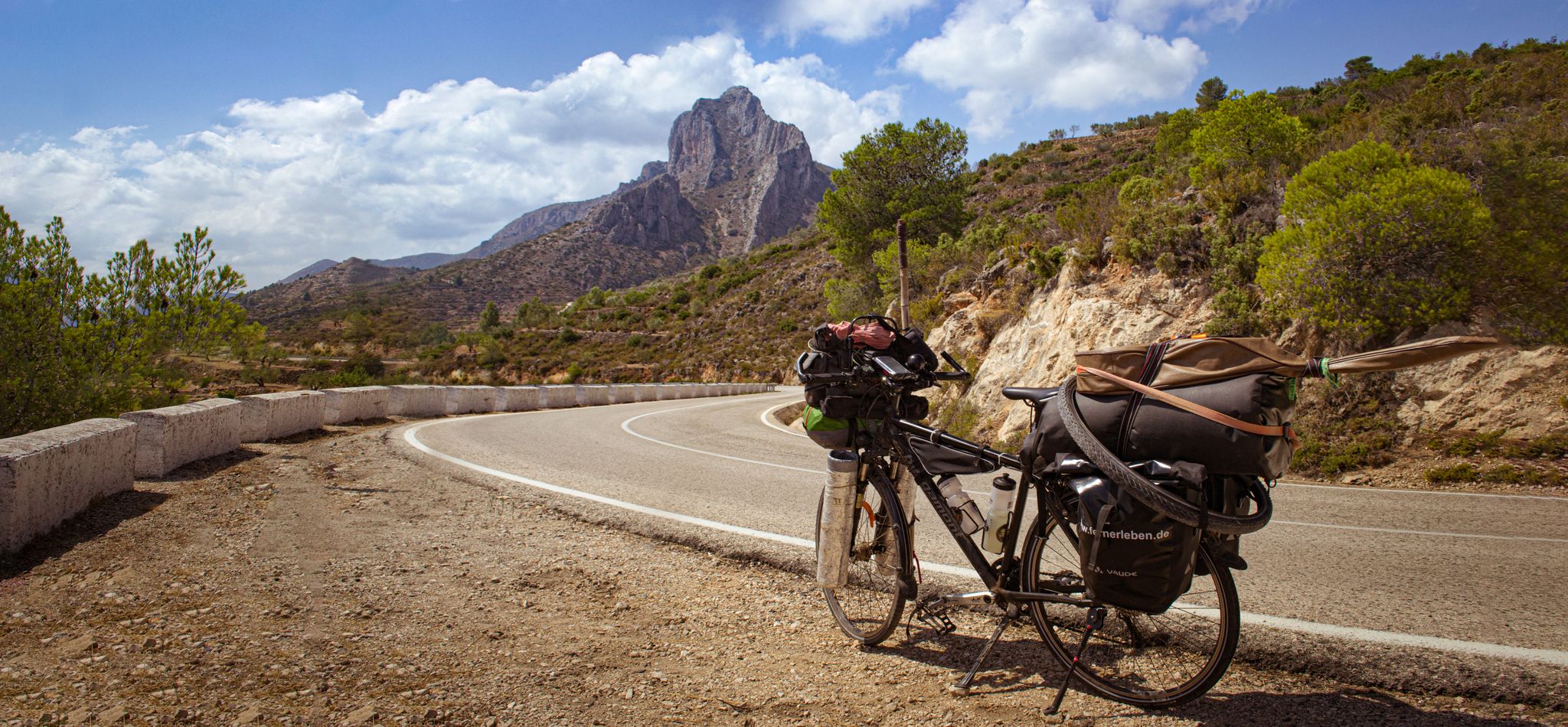
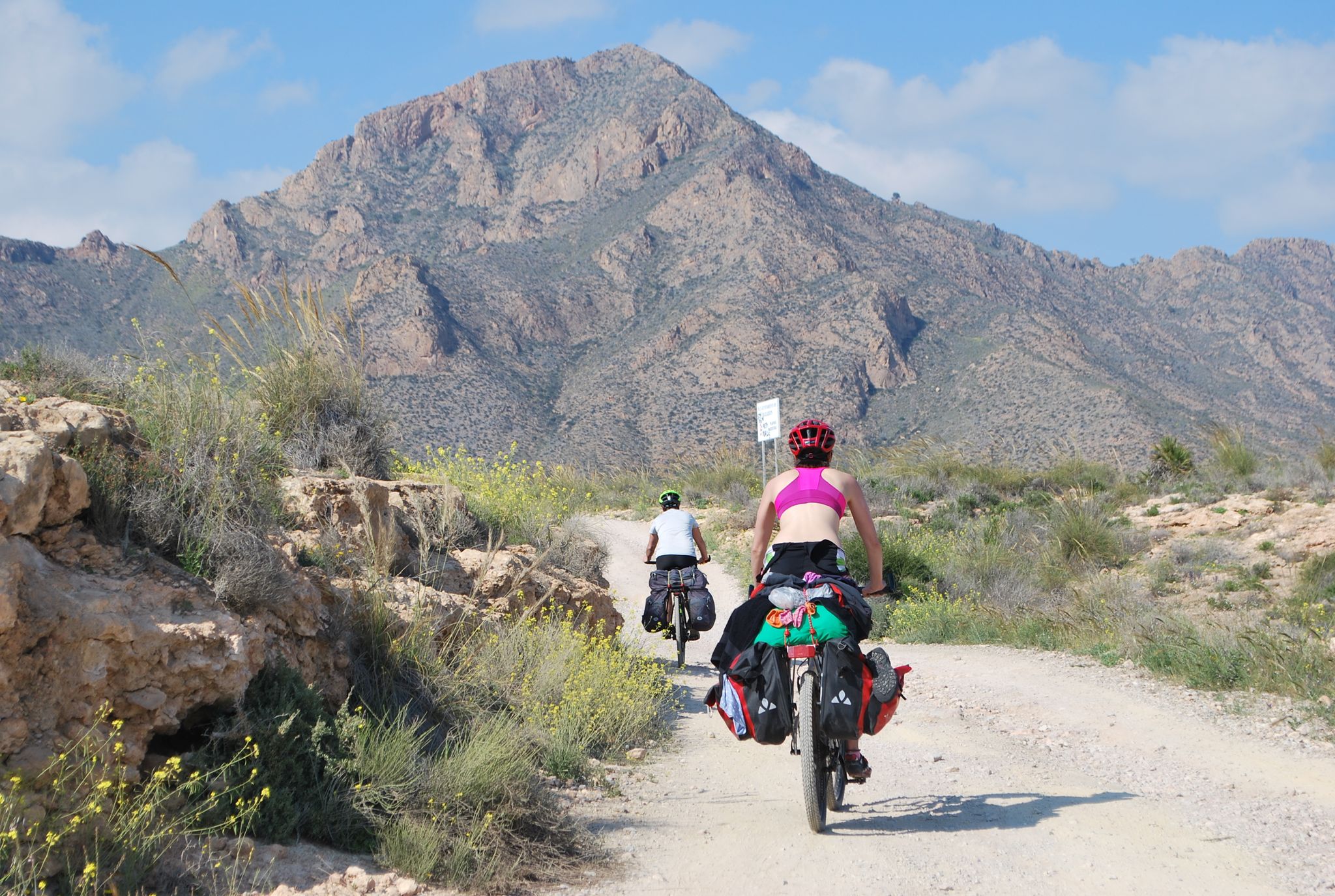
On the road to the sun — bikepacking to southeast Spain
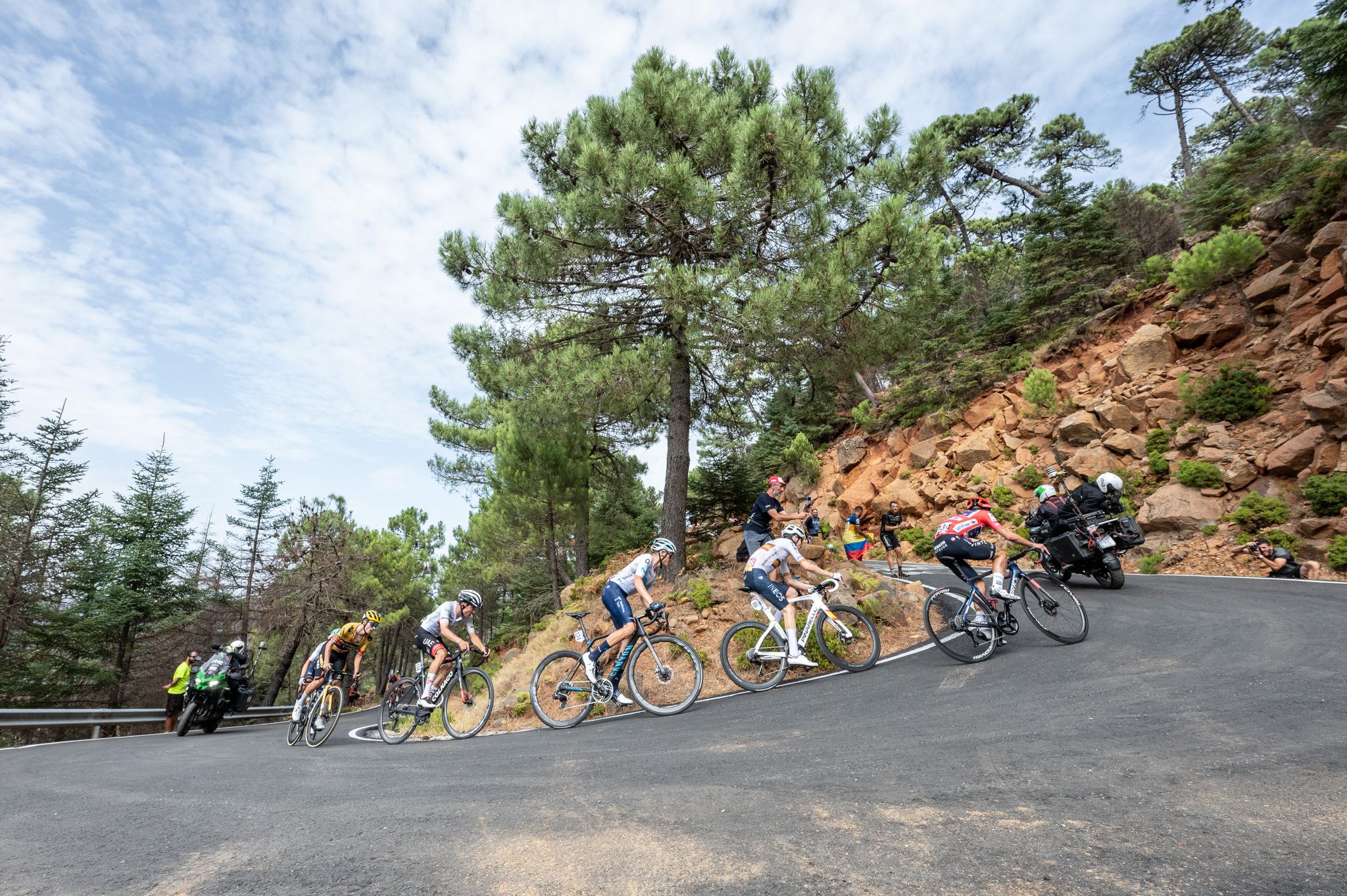
La Vuelta 26 — All Official Stages
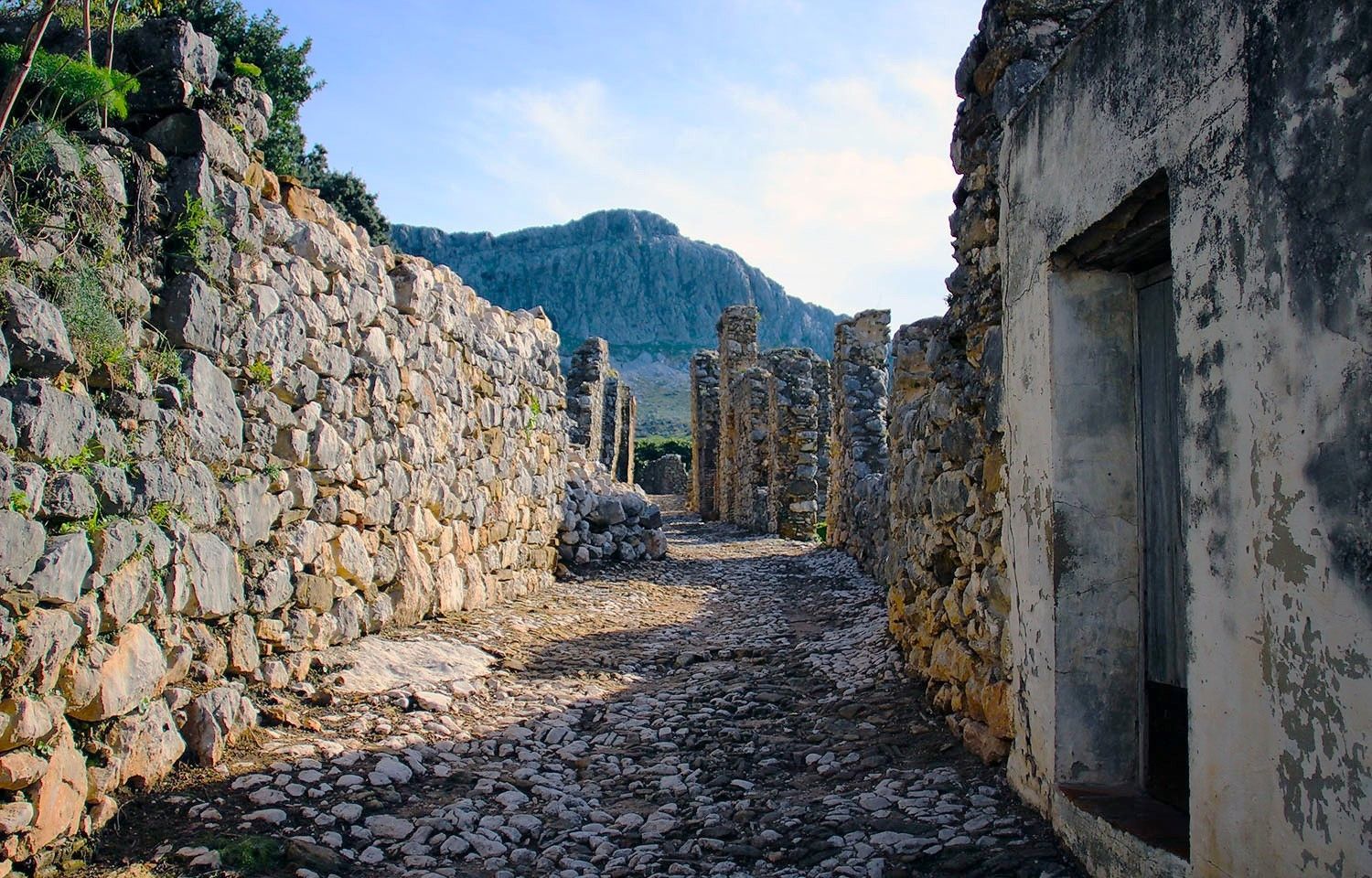
Andalusia without limits – Tarifa to La Puebla de Don Fabrique on the GR 7
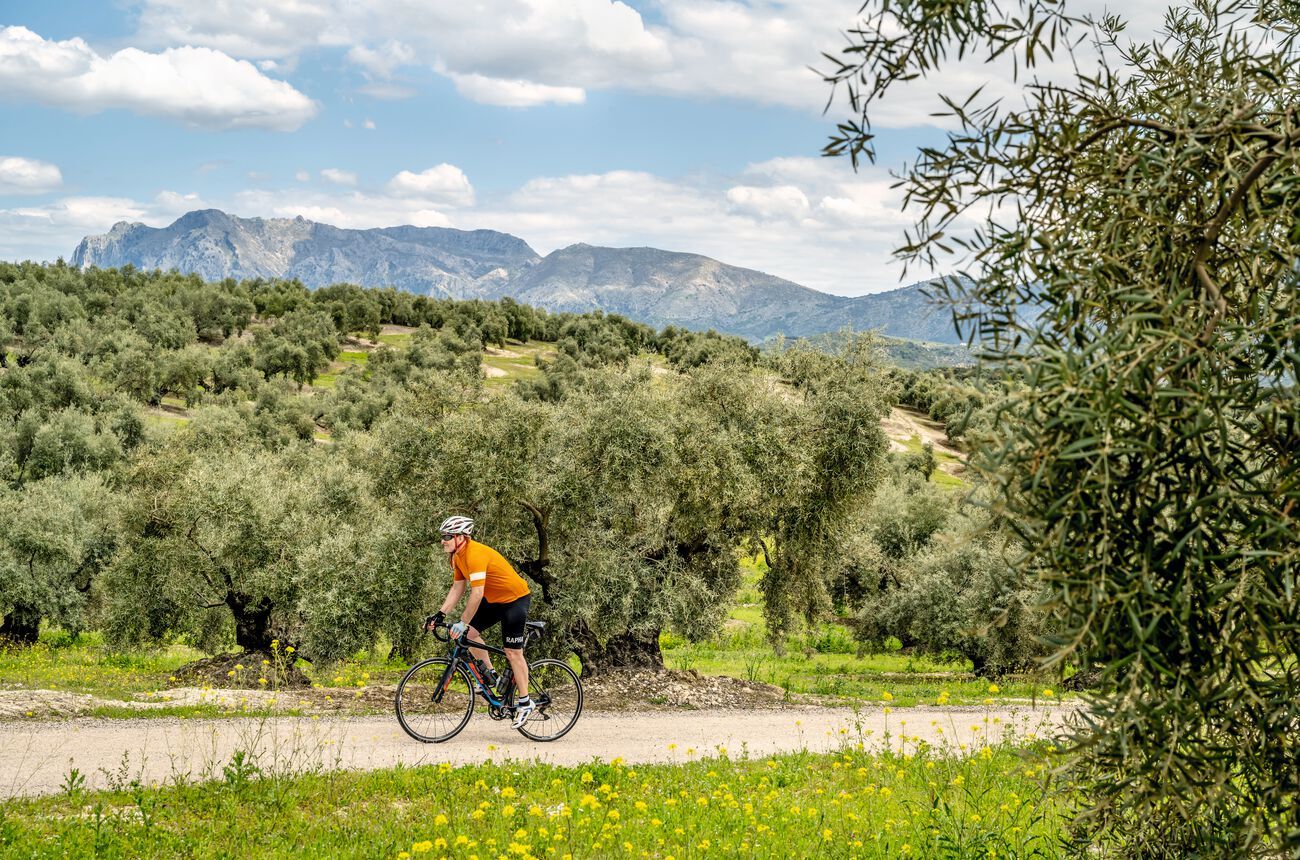
With TOUR in Andalusia - Costa del Sol and hinterland
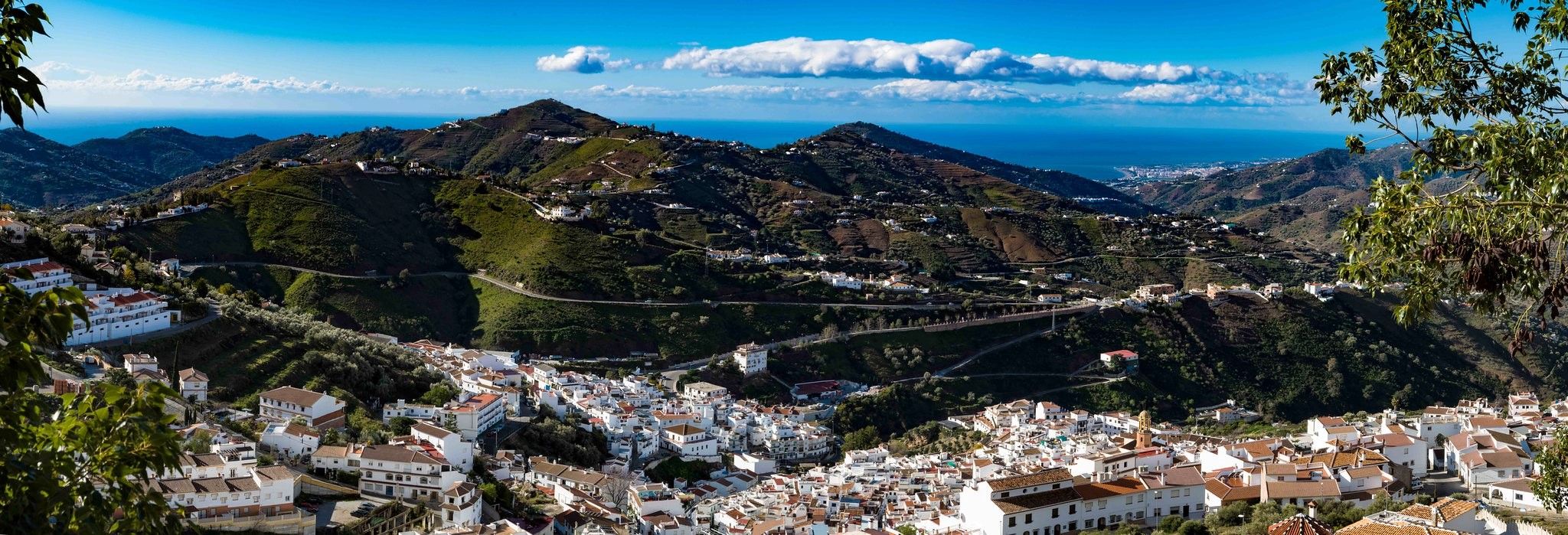
Between white villages and mountains – GR 242 Tejeda-Almijara
Mediterranean coastal paradise – EuroVelo 8 in Spain
Hike between sea and mountains — Gran Senda de Málaga (GR 249)
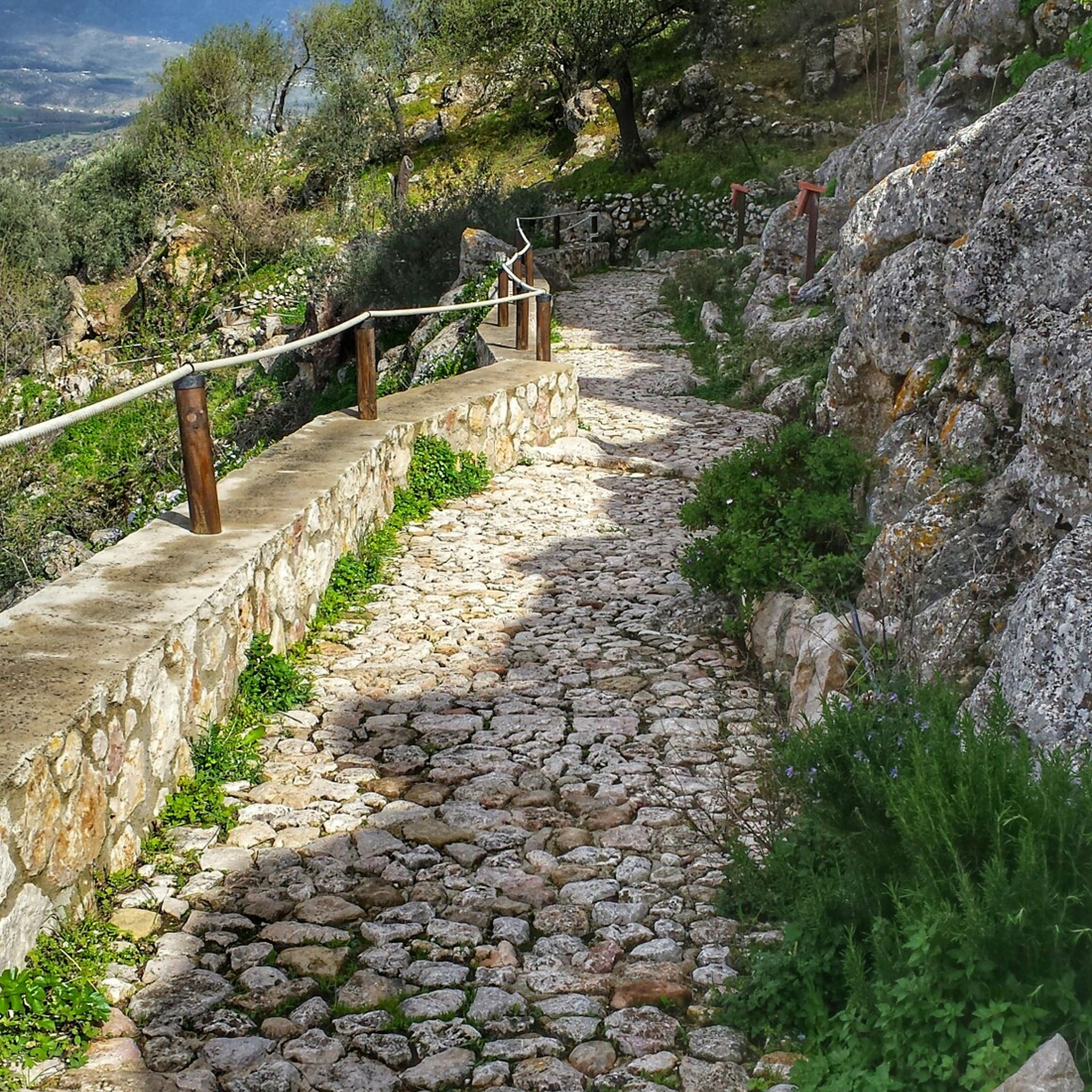
Hiking around La Axarquía
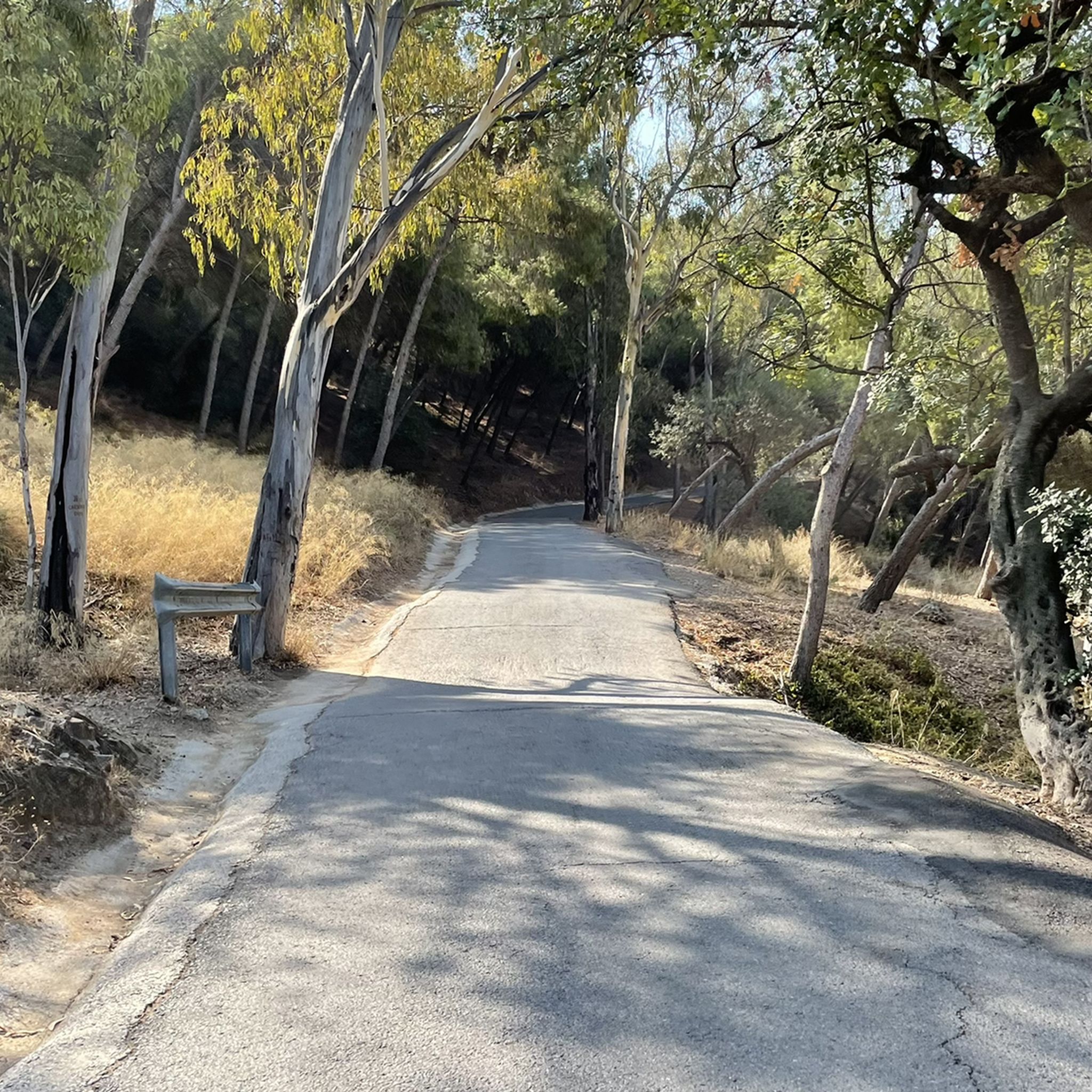
Road Cycling Routes around La Axarquía
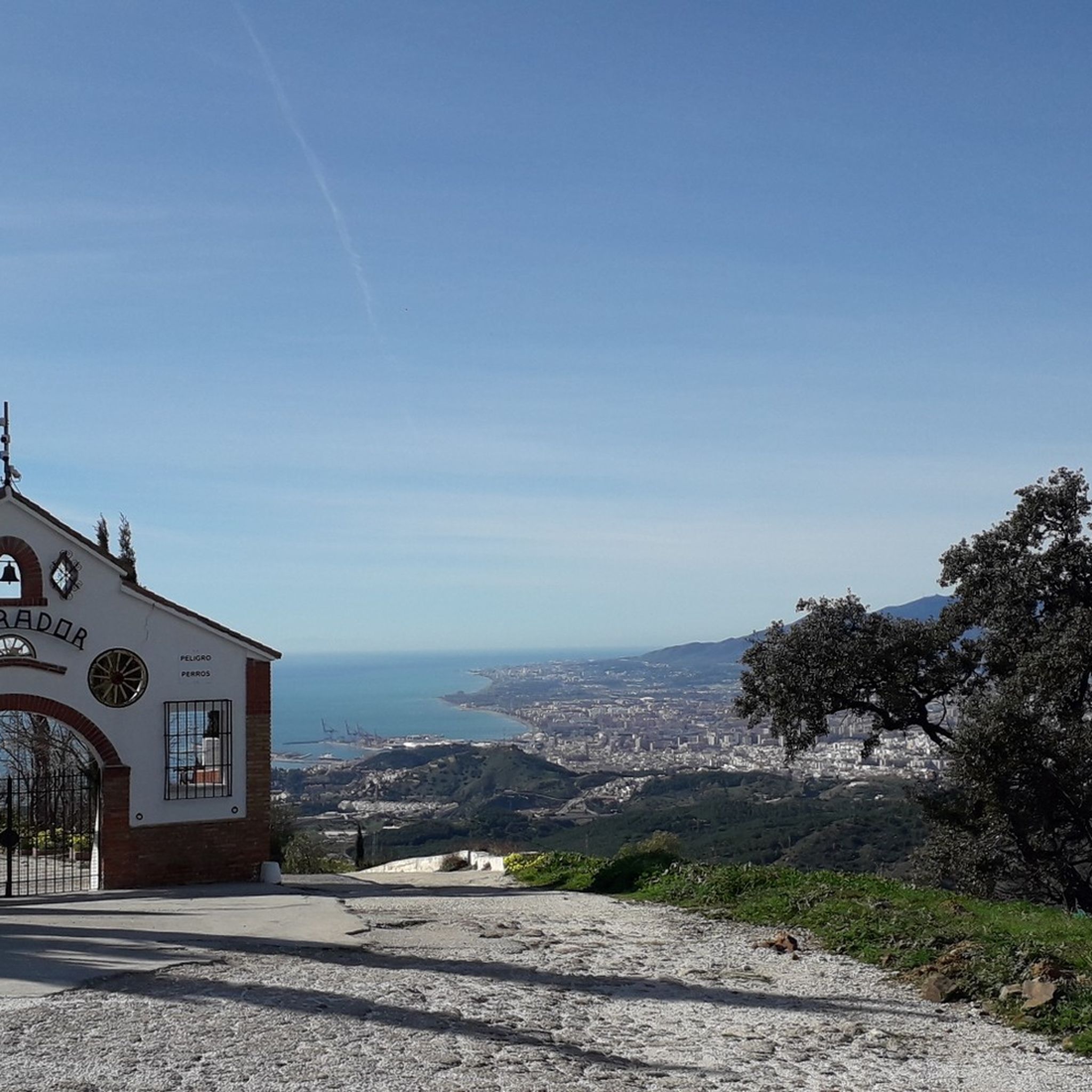
Cycling around La Axarquía
Other adventures around La Axarquía


Tips from the Community

Amazing what five boys found in 1959. The Great Hall was found a little later after they dared to venture further inside. For an entrance fee of €18, you get to see a very impressive cave. Additionally, an audio guide, but some don't know how to use it properly - they move around the cave with their phones at full volume.
2
0

Sturdy footwear is highly recommended.
1
0

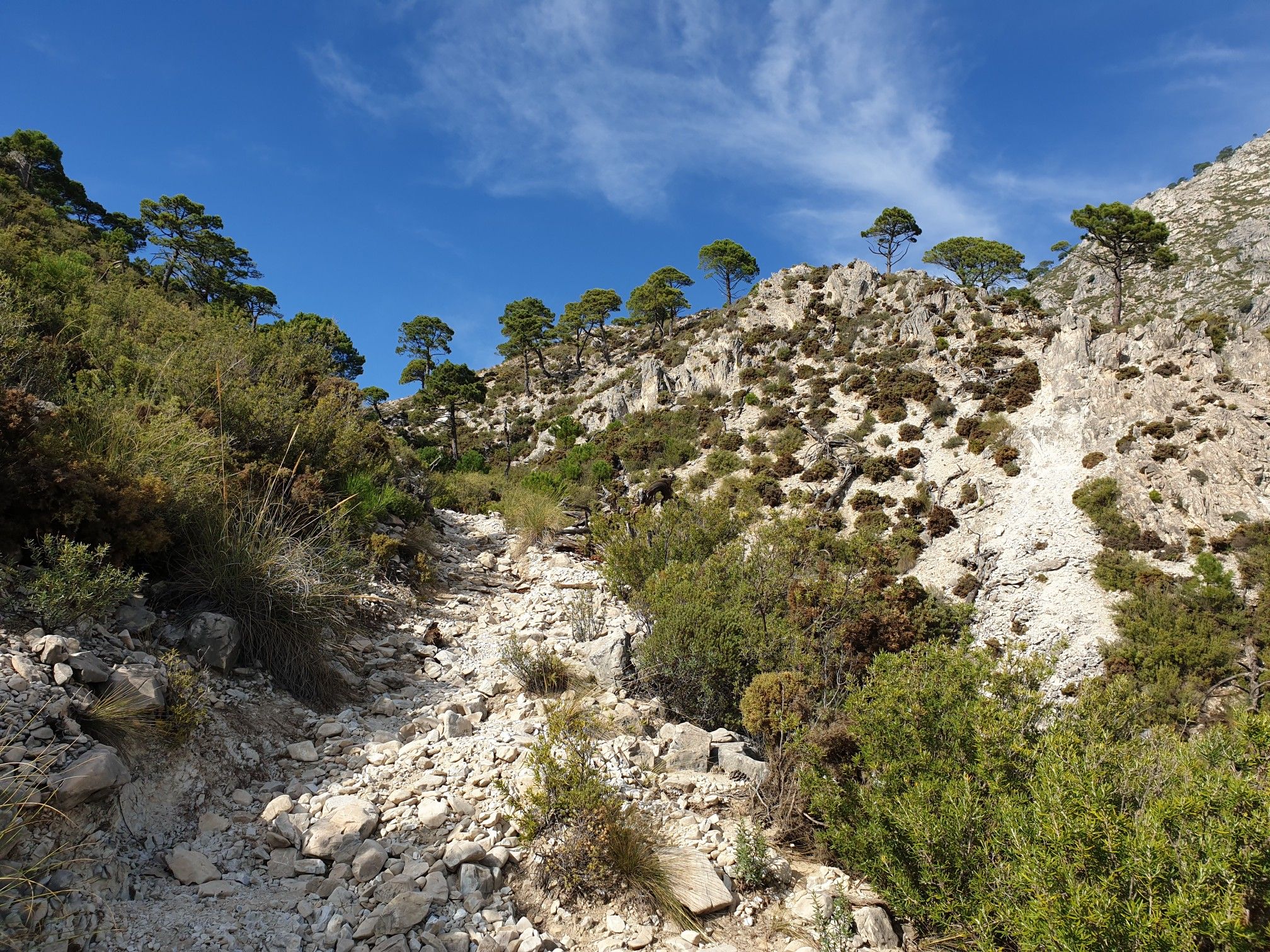
Go easy. Lots of loose rocks and dry, flaky soil on a very steep climb to the caves. The walk to the nature park is easy, it's the rest that's lots of climbing and hard work.
0
0

The Cueva del Tesoro "Treasure Cave" is one of the most important caves in Spain and the only known sea cave in Europe that can be visited. It is located east of Málaga in Rincón de la Victoria. The cave was formed by the sea, creating impressive underground galleries, tunnels and cave rooms. It impresses with its stalactites, stalagmites and mysterious underground lakes. The name "Treasure Cave" comes from legends about hidden riches of Arab rulers, in particular a fabulous treasure from the time of the Caliphate of Córdoba. The Cueva del Tesoro is a fascinating mix of natural wonder, history and myth. It offers not only spectacular rock formations, but also a mysterious atmosphere surrounded by its legends. Open daily, times vary depending on the season.
3
0
The caves were discovered by chance in 1959 by a group of five young people and are now one of the most famous sights in the region. The Cuevas de Nerja are a perfect combination of natural wonders and cultural history and are one of the most important attractions in Andalusia. For a special experience, we recommend a guided tour, which also offers deeper insights into the lesser-known areas of the caves.
12
0

It is recommended not to deviate from the main trail and follow indications, to avoid taking other trails with more irregular terrain.
2
0

The Nerja Cave (Spanish: Cueva de Nerja) is a stalactite cave in Spain that was discovered by chance in January 1959. It consists of a series of cave galleries that extend over a length of almost 5 km. It is located near the town of Nerja in the Spanish province of Málaga. It was declared a protected cultural asset in 2006 and is therefore part of Spain's historical heritage. Thanks to the numerous finds of human remains and evidence of burial rites, Nerja is important for research into the prehistoric population of Andalusia. Source and further information https://de.m.wikipedia.org/wiki/H%C3%B6hlen_von_Nerja
4
1

Beautiful walk up the ravine, although a little tricky in some places with a small bit of scrambling involved.
1
0
Frequently Asked Questions
How difficult are the caves in La Axarquía to explore?
The difficulty varies significantly. Caves like Nerja Cave and Cueva del Tesoro are generally accessible for visitors. However, others such as Fájara Cave and Monte San Antón Cave are challenging and require appropriate knowledge, equipment, and often special permits due to loose rocks and steep climbs. Barranco de la Coladilla Caves involves some scrambling.
Are there family-friendly cave tours in La Axarquía?
Yes, Nerja Cave and Cueva del Tesoro are both excellent options for families. They offer guided tours and are designed to be accessible for a wide range of visitors.
Are permits required for exploring caves in La Axarquía?
For publicly accessible and tourist-oriented caves like Nerja Cave and Cueva del Tesoro, you typically only need to purchase an entrance ticket. However, for more challenging and undeveloped caves such as Fájara Cave, special permits are required, along with appropriate caving knowledge and equipment.
What kind of geological features can I expect to see in La Axarquía's caves?
La Axarquía's caves, formed in limestone, feature impressive geological formations. You can see large stalactites and stalagmites, as found in Nerja Cave. Cueva del Tesoro, a rare sea cave, showcases unique galleries, tunnels, and cave rooms carved by the sea, along with mysterious underground lakes.
What is the best time of year to visit the caves in La Axarquía?
Caves generally maintain a stable temperature year-round, making them a good destination in any season. However, visiting during spring or autumn allows for more comfortable exploration of the surrounding areas and trails. Summer can be a popular time to visit caves to escape the heat, but it's advisable to book tickets in advance during peak season.
What should I wear for cave exploring in La Axarquía?
For developed tourist caves, comfortable walking shoes and light layers are usually sufficient, as cave temperatures are cooler than outside. For more challenging caves, specialized caving gear, including helmets, headlamps, and appropriate protective clothing, is essential. Always check specific requirements for the cave you plan to visit.
Are there any historical or cultural aspects to the caves in La Axarquía?
Yes, several caves have significant historical and cultural value. Nerja Cave, discovered in 1959, is known for its prehistoric findings, including stone tools, bones, paintings, and ceramics. Cueva del Tesoro is steeped in legends of hidden riches from Arab rulers, adding a mythical layer to its natural beauty.
What outdoor activities can I do near the caves in La Axarquía?
The region around La Axarquía's caves offers diverse outdoor activities. You can find numerous road cycling routes, such as the 'Nerja, Frigiliana, and Torrox Loop', or explore general cycling routes like the 'Puerto del León Loop from Málaga'. There are also easy hiking trails, including the 'Caves of Nerja - Eagle Aqueduct - Maro Gorge Cove' route. For more details, explore the Road Cycling Routes around La Axarquía, Cycling around La Axarquía, and Easy hikes around La Axarquía guides.
Is public transport available to reach the caves in La Axarquía?
Public transport options vary by cave. Nerja Cave is well-connected by local buses from Nerja town. For other, more remote caves like those in Barranco de la Coladilla or Fájara, public transport may be limited or non-existent, requiring a private vehicle or taxi.
Are there any hidden gem caves in the La Axarquía region?
While Nerja Cave and Cueva del Tesoro are well-known, the Barranco de la Coladilla Caves offer a more rugged and less commercialized experience. This gorge features over a hundred caves and is appreciated by those seeking a walk through nature with some scrambling involved, away from the main tourist crowds.
What do visitors enjoy most about the caves in La Axarquía?
Visitors frequently praise the stunning natural beauty and the sheer scale of the formations, particularly the huge stalactites and stalagmites in Nerja Cave. The unique experience of exploring a sea cave at Cueva del Tesoro and the adventurous feel of the Barranco de la Coladilla Caves are also highly rated. The combination of natural wonders with historical context is a significant draw.
Are there accessible caves for wheelchairs in La Axarquía?
While many caves present natural challenges for wheelchair access, some developed tourist caves may offer partial accessibility. It is recommended to check directly with the specific cave attraction, such as Nerja Cave or Cueva del Tesoro, for their current accessibility provisions and facilities.
Most popular routes around La Axarquía
Most popular attractions around La Axarquía

Get inspired with the komoot mobile app


Didn’t find what you were looking for?
Discover more caves around La Axarquía region by region:
Explore more
Extend your search for the best caves by checking out these guides of the top ones around La Axarquía:
