Attractions and Places To See around Comarca de la Costa Granadina - Top 20
Best attractions and places to see around Comarca de la Costa Granadina, also known as the Costa Tropical, features a diverse landscape with 73 kilometers of coastline, subtropical climate, and the backdrop of the Sierra Nevada mountains. This region combines historical sites, natural features, and cultural experiences. It is characterized by its varied beaches, ancient castles, and natural parks. The area is also known for its tropical fruit cultivation.
Best attractions and places to see around Comarca de la Costa…
Last updated: July 6, 2026
Jolúcar Glass Walkway
Highlight • Bridge
Translated by Google •
Tip by

Río Verde Waterfalls, Barranco de las Chortales
Highlight • Waterfall
Translated by Google •
Tip by

Sign up now to discover places like this
Get recommendations on the best single tracks, peaks, & plenty of other exciting outdoor places.
Sign up for free
Sanctuary of Our Lady of the Head
Highlight • Religious Site
Translated by Google •
Tip by

Park of the Peoples of the Americas
Highlight • Natural
Translated by Google •
Tip by
Castillo de Salobreña
Highlight • Castle
Translated by Google •
Tip by
La Caleta de Salobreña
Highlight • Settlement
Translated by Google •
Tip by
Carchuna Castle
Highlight • Castle
Translated by Google •
Tip by
Cerro Gordo Tower
Highlight • Monument
Surefootedness required.
Better with Navi / GPS / Komoot on the road, when you leave the track, everything looks similar and you can …
Translated by Google •
Tip by

Church of Our Lady of the Rosary
Highlight • Religious Site
Translated by Google •
Tip by
Loro Sexi Ornithological Park
Highlight • Structure
Translated by Google •
Tip by
Sign up for free to discover even more attractions around Comarca de la Costa Granadina.
Sign up for free
Already have an account?
Start today with a free account
Your next adventure awaits.
Login or Signup
Popular around Comarca de la Costa Granadina
Triathlon 360 – my journey around the world
La Vuelta 26 — All Official Stages
The challenge of the south - Routes through Sierra Nevada
Mediterranean coastal paradise – EuroVelo 8 in Spain
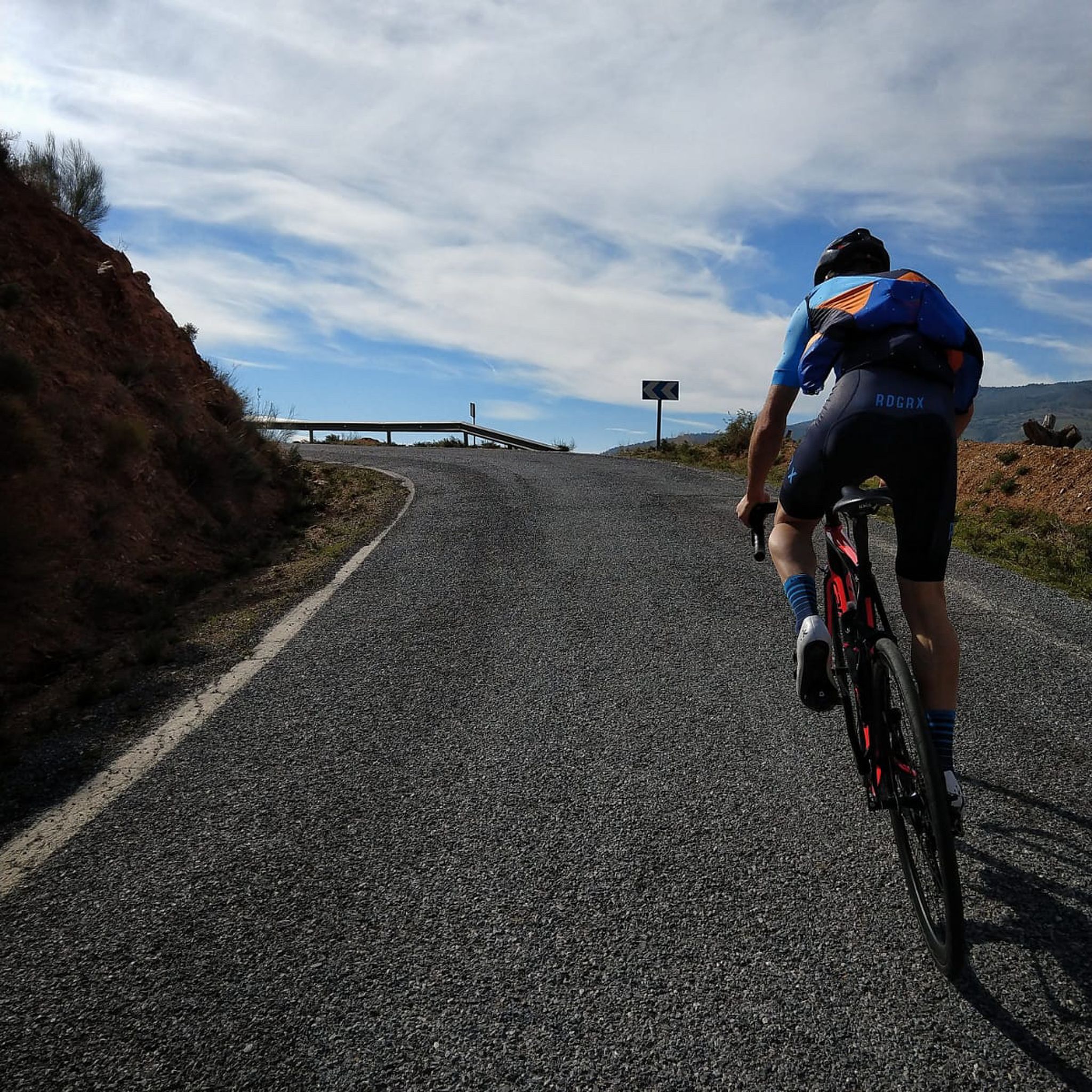
Road Cycling Routes around Comarca de la Costa Granadina
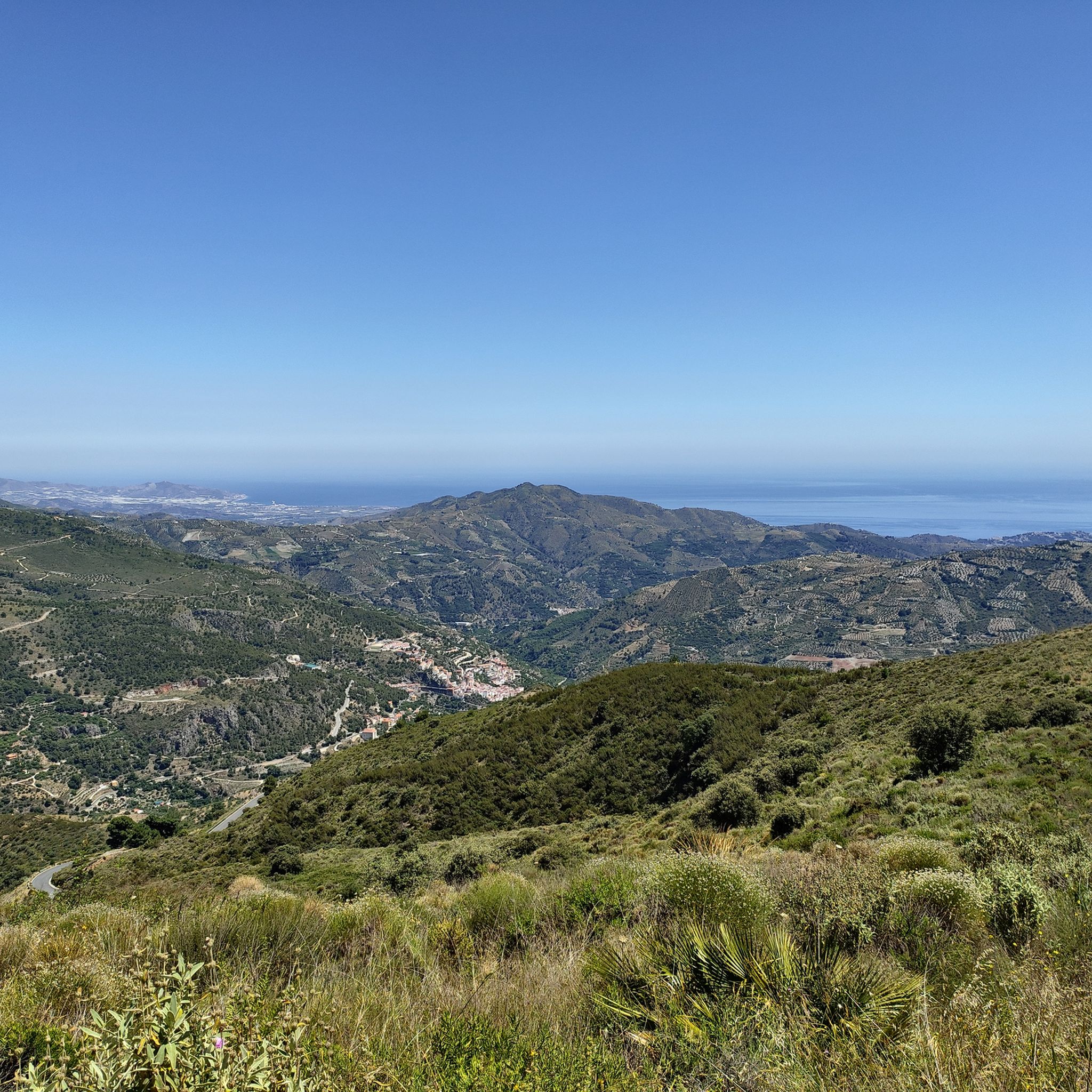
Hiking around Comarca de la Costa Granadina
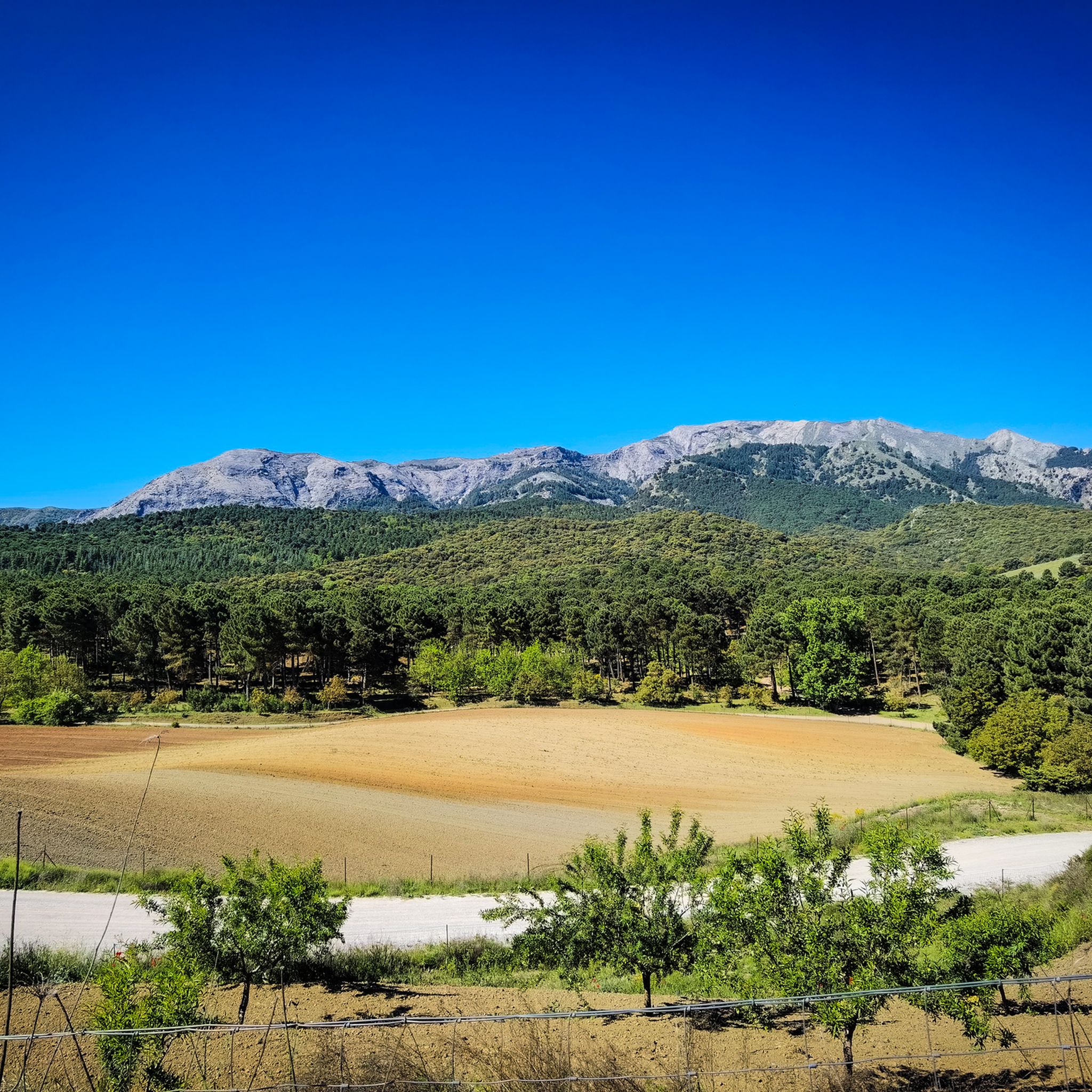
Cycling around Comarca de la Costa Granadina
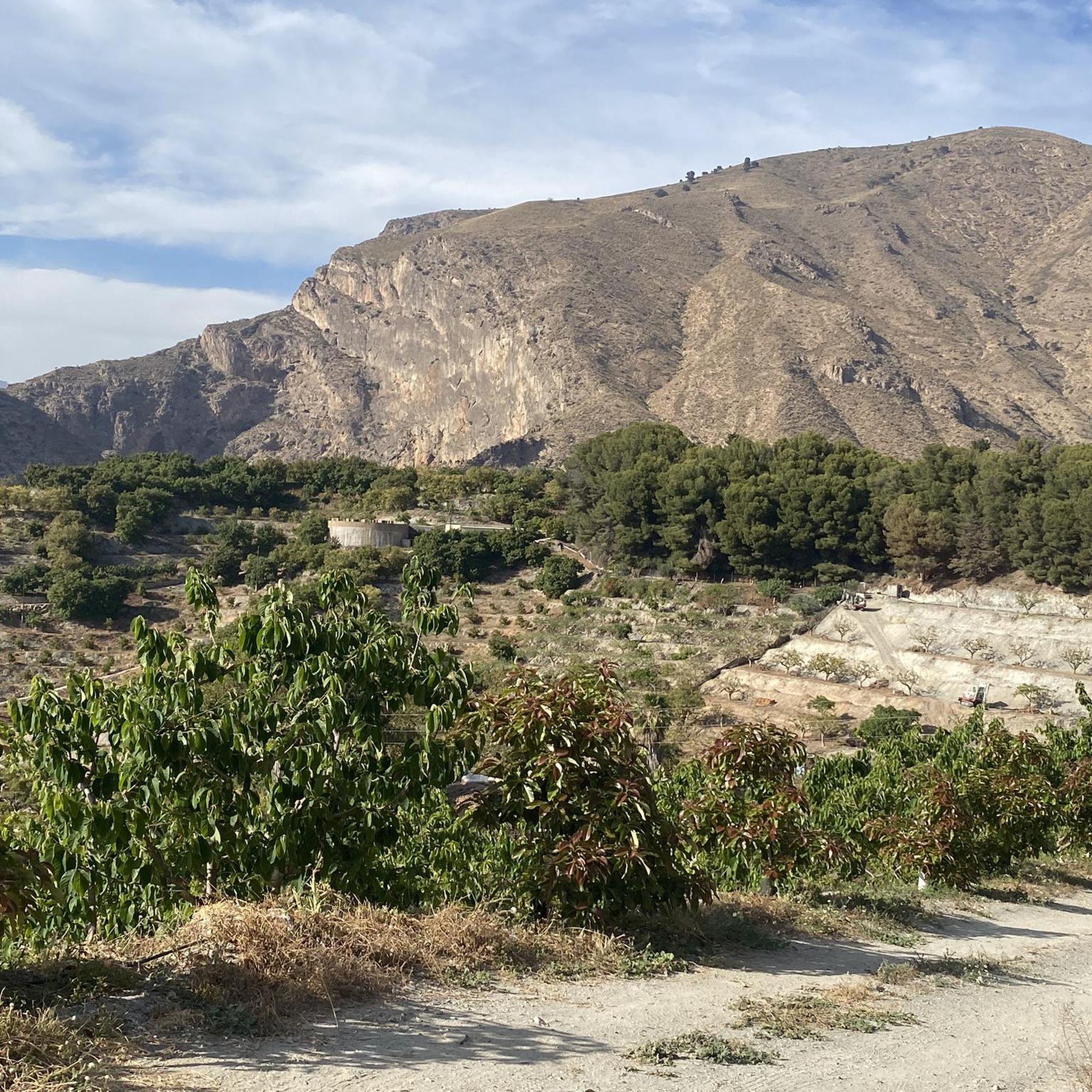
Running Trails around Comarca de la Costa Granadina
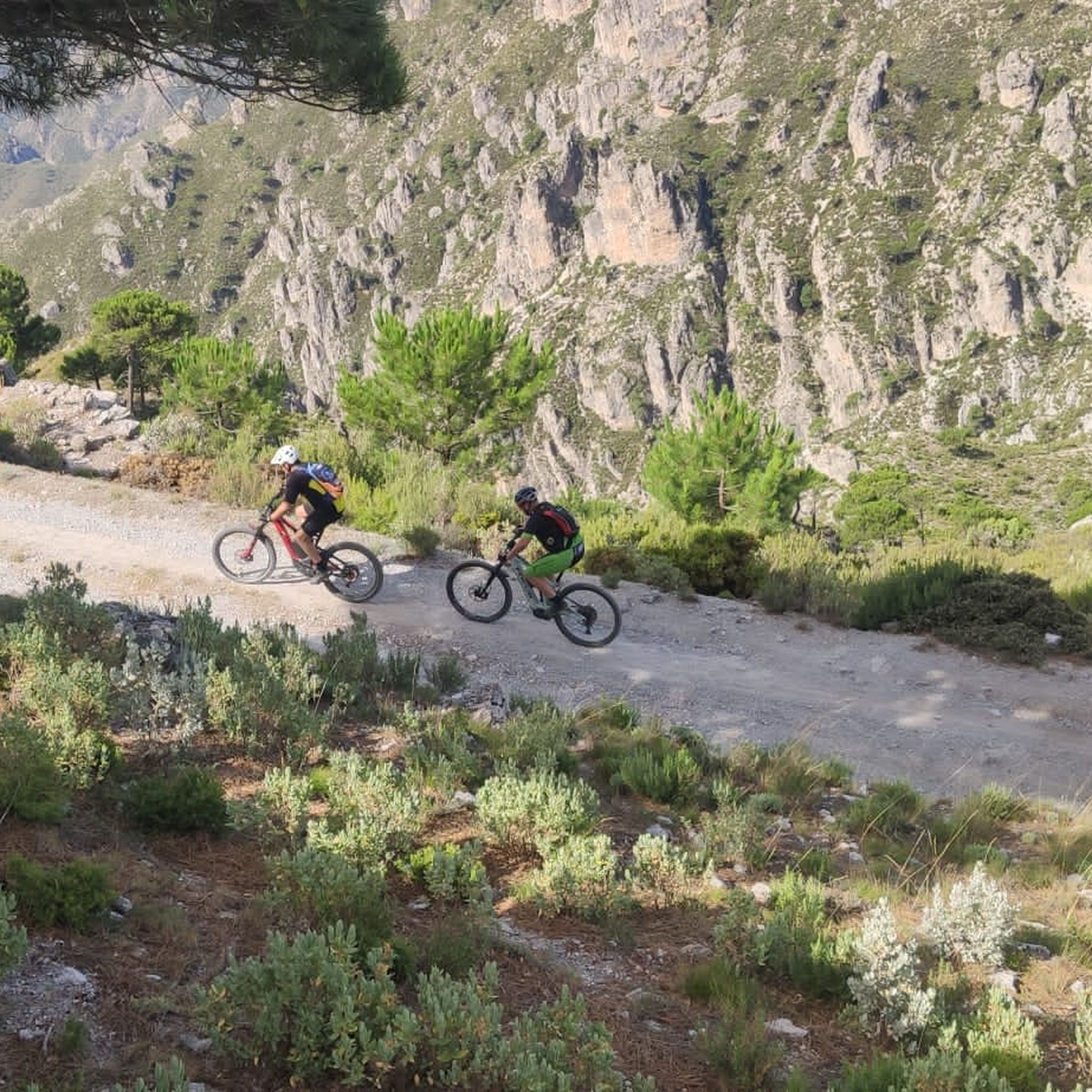
MTB Trails around Comarca de la Costa Granadina

Gravel biking around Comarca de la Costa Granadina
Other adventures around Comarca de la Costa Granadina


Tips from the Community

In one of the wonderfully told stories about the two protagonists “Don Camillo and Peppone,” conceived by the Italian writer Giovanni Guareschi, it is also about the Mother of God, Mary. Peppone's youngest son is very seriously ill, and so one evening the communist mayor sets off for the church with five large candles. Don Camillo intends to place them in front of the crucifix on the high altar, but Peppone has objections and wants the candles placed at the Chapel of Mary: “That one belongs to your party. Light them in front of that one there, which doesn’t engage in politics.” After he has left, Don Camillo – who, as always, converses with the crucified Christ – implores him, “not to be hard on him.” The dialogue continues: “And why should I be?” whispered Christ. “By honoring my Mother, he fills my heart with gentleness. I only dislike a little that he called her ‘that one there’.” Don Camillo shook his head. “You heard incorrectly,” he objected. “He said: ‘Light them all in front of the Holy Virgin in that chapel there’.” (Giovanni Guareschi in “Fünf und fünf”)
0
0
In the diary of his pilgrimage on the Camino de Santiago, published later, the German entertainer Hape (Hans-Peter) Kerkeling also writes about the meditative experience of praying the Rosary together, which he personally experienced in the "grandiose village church that has what it takes to be a cathedral" in Castildelgado (Castile). Under the date of June 21, 2001, he notes: "I really have to see the only sight in the village! (...) The more pleased she is that I want to see the jewel of Castildelgado, the more she accompanies me into the interior. Our sightseeing tour is quickly over in front of the altar, and so the woman asks me to take a seat on one of the wonderfully cool church pews. Gradually, more [people] enter... the church. The older lady begins to pray the Rosary. The monotonous chanting has a calming effect, and the constantly repeating lament gives strength, security, and makes one peaceful! So, after I can say the words along, I join in the mantra..." (Hape Kerkeling in "Ich bin dann mal weg. Meine Reise auf dem Jakobsweg")
2
0

Sanctuary of Our Lady of the Head is truly the jewel in the crown. What a delight to admire the art work of this sacred place and then walk the grounds of the beautiful park surrounding
1
0
The Carchuna Castle, also known as “El Castillejo”, has been declared as Cultural Heritage Asset since 1993. Built at the end of the 18th century under the order of King Carlos III, its main purpose was to protect and give safety to the area due to the continuous pirate attacks. Until the 17th century, this coast and plains were deserted and shelter of Berber corsairs. After the construction of this fortress, the pirate attacks ceased and Carchuna-Calahonda was eventually formed due to the settlement of people from the Alpujarra and Motril as well as the cultivation of the area
0
0

It is located next to the Parque de los Pueblos de América (Park of the Peoples of America). It is one of the city's main green spaces. This park originated as a link to the American continent, a fact reflected in its flora. As you stroll through the park, you can appreciate a wide variety of tree, shrub, and palm species, all from different parts of the Americas.
7
0
La Caleta de Salobreña is a picturesque coastal hamlet located west of the town of Salobreña, in the province of Granada. This enclave combines industrial history, fishing tradition, and natural beauty, making it one of the most authentic spots on the Costa Tropical.
3
0

The bridge can also be bypassed from the side. There are glass panels in the middle of the bridge that allow you to look underneath. A truly amazing experience.
2
0

A bike ride to Salobreña on the Costa Tropical combines sea, culture, and Andalusian flair. Even from afar, you can see the white hillside houses, picturesquely nestled around the rock with its Moorish castle. Whether coming from Motril or the Sierra de Granada, the route leads through fertile valleys dotted with mangoes, avocados, and cherimoyas – the subtropical character of this region makes every ride special. In Salobreña itself, it's worth getting off your bike and exploring the old town with its narrow, steep streets. The climb to the castle rock is rewarded with sweeping views over the Mediterranean and the surrounding coastal plain. Several beaches await down by the sea: the lively Playa de la Charca with its promenade and chiringuitos, or the quieter natural area at Punta del Río – ideal for a rest or a refreshing swim after the ride. The mild, year-round pleasant climate of the Costa Tropical makes Salobreña an ideal destination for cyclists – even outside of summer. Along the tour, you'll encounter small parks like the Parque de la Fuente, flower-filled lookout points, and traditional Andalusian cuisine: freshly caught fish, sardine skewers, or a plate of "migas" provide the perfect refreshment. Thus, a bike tour to Salobreña is a perfect combination of exercise, history, and Mediterranean delights – a true highlight for anyone who wants to experience Andalusia on two wheels.
0
0
Frequently Asked Questions
What kind of historical sites can I explore in Comarca de la Costa Granadina?
The region is rich in history, featuring numerous Moorish castles and Roman remains. You can visit the impressive Castillo de Salobreña, perched on a rocky hill with panoramic views, or the ancient Almuñécar Castle, which dates back to Phoenician times. Other notable historical sites include Carchuna Castle and the Roman Fish Salting Factory in Majuelo Park, Almuñécar.
Are there any family-friendly attractions in the Comarca de la Costa Granadina?
Yes, the region offers several family-friendly options. The Jolúcar Glass Walkway provides exciting views that are suitable for all ages. Children will also enjoy the Loro Sexi Ornithological Park in Almuñécar, home to a fascinating collection of tropical birds. Additionally, the Park of the Peoples of the Americas in Motril is a great green space for families to relax and explore.
What natural features are prominent in the Comarca de la Costa Granadina?
The Comarca de la Costa Granadina is known for its diverse natural beauty. You can discover stunning waterfalls like Río Verde Waterfalls, Barranco de las Chortales, which offers a refreshing spot for swimming. The region also boasts beautiful beaches and coves, such as Playa de la Rijana, and important wetlands like Charca Suárez, ideal for birdwatching.
Where can I find the best viewpoints for scenic panoramas?
For breathtaking views, head to the Jolúcar Glass Walkway, which offers extensive vistas of the sea and beaches. The Cerro Gordo Tower is another excellent spot, particularly at sunset, providing fantastic coastal panoramas. The historic Castillo de Salobreña also provides sweeping views of the Mediterranean and the town's charming white streets.
Are there opportunities for outdoor activities like hiking or cycling near these attractions?
Absolutely! The region is perfect for outdoor enthusiasts. You can find numerous hiking trails, including those leading to waterfalls like the 'Sendero del Río Verde en Otívar – Barranco de las Chortales'. For cyclists, there are diverse routes for road cycling and gravel biking, such as the 'Motril and Salobreña Vega Loop' or the 'Los Castillejos Climb – View from Cerro Gordo loop'. You can explore more options on the waterfall hikes guide, road cycling guide, and gravel biking guide for the area.
What types of beaches can I expect to find along the Costa Granadina?
The Costa Granadina, also known as the Costa Tropical, features 73 kilometers of diverse coastline. You'll find a mix of beaches with black sand or pebbles, and crystalline waters. Popular options include the beaches of Almuñécar (San Cristobal, Puerta del Mar), Salobreña (Playa La Guardia), and Motril (Poniente Beach). Many coves, like Playa de la Rijana, are ideal for swimming and offer a more secluded experience.
What is the best time to visit Comarca de la Costa Granadina for outdoor activities?
Thanks to its unique subtropical climate, the Comarca de la Costa Granadina is pleasant for outdoor activities for much of the year. Spring and autumn offer ideal temperatures for hiking and cycling. Even in summer, places like Río Verde Waterfalls provide refreshing conditions for swimming and canyoning.
Are there any cultural or spiritual sites to visit in the region?
Yes, the region has significant cultural and spiritual sites. The Sanctuary of Our Lady of the Head in Motril is a notable religious building, originally built on the site of a Nasrid citadel. Additionally, exploring the charming 'white villages' (Pueblos Blancos) like Salobreña and Vélez de Benaudalla offers a glimpse into the local culture and traditional architecture.
What do visitors enjoy most about the attractions in Comarca de la Costa Granadina?
Visitors frequently highlight the stunning views and refreshing natural spots. Many appreciate the opportunity to swim in places like Río Verde Waterfalls on hot days. The historical significance of sites like Cerro Gordo Tower and Castillo de Salobreña, combined with their panoramic vistas, also receives high praise. The unique experience of the Jolúcar Glass Walkway is also a community favorite.
Are there any wheelchair-accessible attractions in the area?
Yes, the Park of the Peoples of the Americas in Motril is noted as being wheelchair accessible, offering a pleasant green space for all visitors to enjoy.
Can I find opportunities for water sports in Comarca de la Costa Granadina?
The diverse coastline and clear waters of the Costa Tropical make it an excellent destination for water sports. You can enjoy activities such as diving, snorkeling, kayaking, windsurfing, kitesurfing, and sailing in various locations along the coast, particularly around areas like La Herradura and Almuñécar.
What is the significance of the Río Verde in the region?
The Río Verde, named for its emerald waters, is a significant natural attraction, particularly renowned as a top spot for canyoning in Granada. Its waterfalls and natural pools, especially in the 'Junta de los Ríos' area, provide a popular destination for adventure seekers and those looking for a refreshing swim, as seen at Río Verde Waterfalls, Barranco de las Chortales.
Most popular routes around Comarca de la Costa Granadina
Most popular attractions around Comarca de la Costa Granadina

Get inspired with the komoot mobile app


Didn’t find what you were looking for?
Are you keen on exploring more awesome places nearby? Browse our guides:
Explore more
Still not found the Highlight you’re looking for? See guides of the top attractions in other regions:
