Attractions and Places To See around Cuenca Pamplona - Top 20
Best attractions and places to see around Cuenca Pamplona offers a diverse landscape, blending historical significance with natural beauty. This region, centered around Pamplona, is known for its rich cultural heritage and its role as a key point on the Way of St. James. Visitors can explore ancient structures, scenic routes, and significant religious sites. The area provides a variety of experiences for those interested in history, architecture, and outdoor exploration.
Best attractions and places to see around Cuenca Pamplona
…Last updated: July 6, 2026
Pilgrim Monument at Alto del Perdón
Highlight • Monument
Translated by Google •
Tip by

Puente la Reina Romanesque Bridge
Highlight • Bridge
Translated by Google •
Tip by

Sign up now to discover places like this
Get recommendations on the best single tracks, peaks, & plenty of other exciting outdoor places.
Sign up for free
Pamplona Cathedral and the Citadel
Highlight • Historical Site
Translated by Google •
Tip by

Portal de Francia
Highlight • Monument
Translated by Google •
Tip by
Church of Saint John the Baptist, Obanos
Highlight • Religious Site
Translated by Google •
Tip by

Gazebo in Plaza del Castillo
Highlight • Monument
Translated by Google •
Tip by

Magdalena Bridge
Highlight • Bridge
Tip by

Pamplona Bullring
Highlight • Monument
Translated by Google •
Tip by
Plazaola Greenway
Highlight • Cycleway
Translated by Google •
Tip by

Church of Santa María de Eunate
Highlight • Religious Site
Translated by Google •
Tip by

Sign up for free to discover even more attractions around Cuenca Pamplona.
Sign up for free
Already have an account?
Start today with a free account
Your next adventure awaits.
Login or Signup
Popular around Cuenca Pamplona
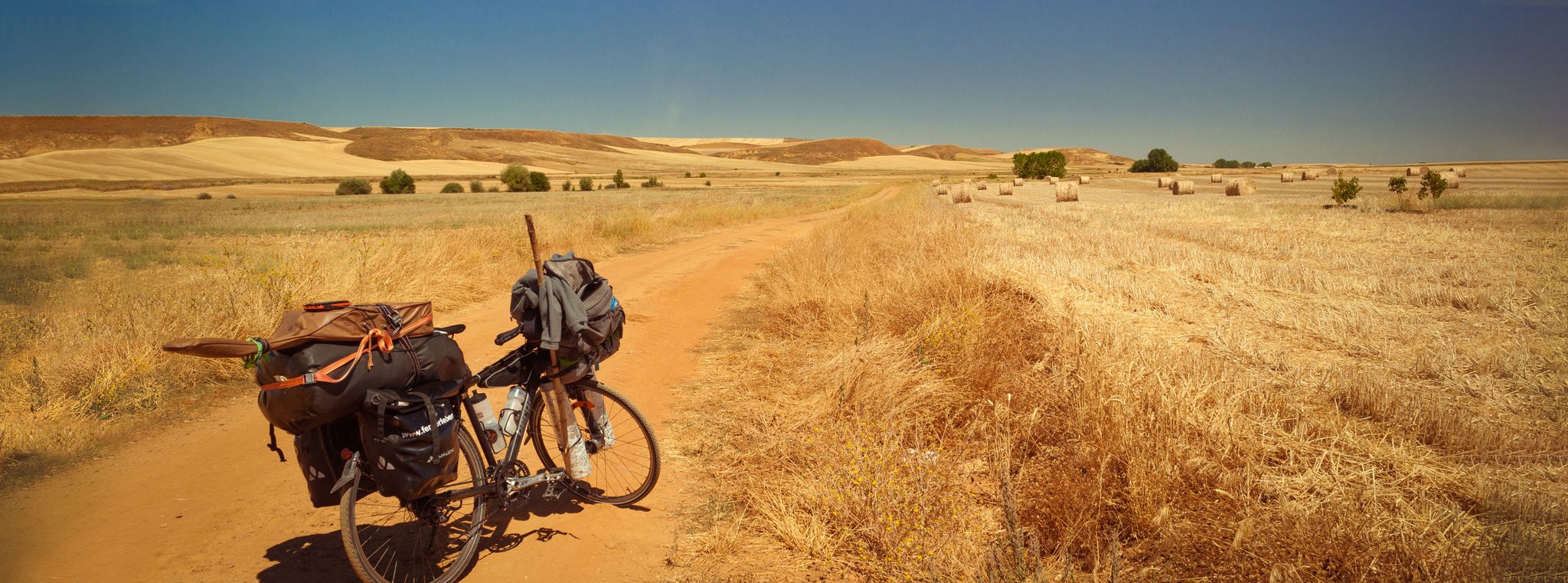
Camino Francés and Camino Finisterre – Cycling pilgrimages in Spain
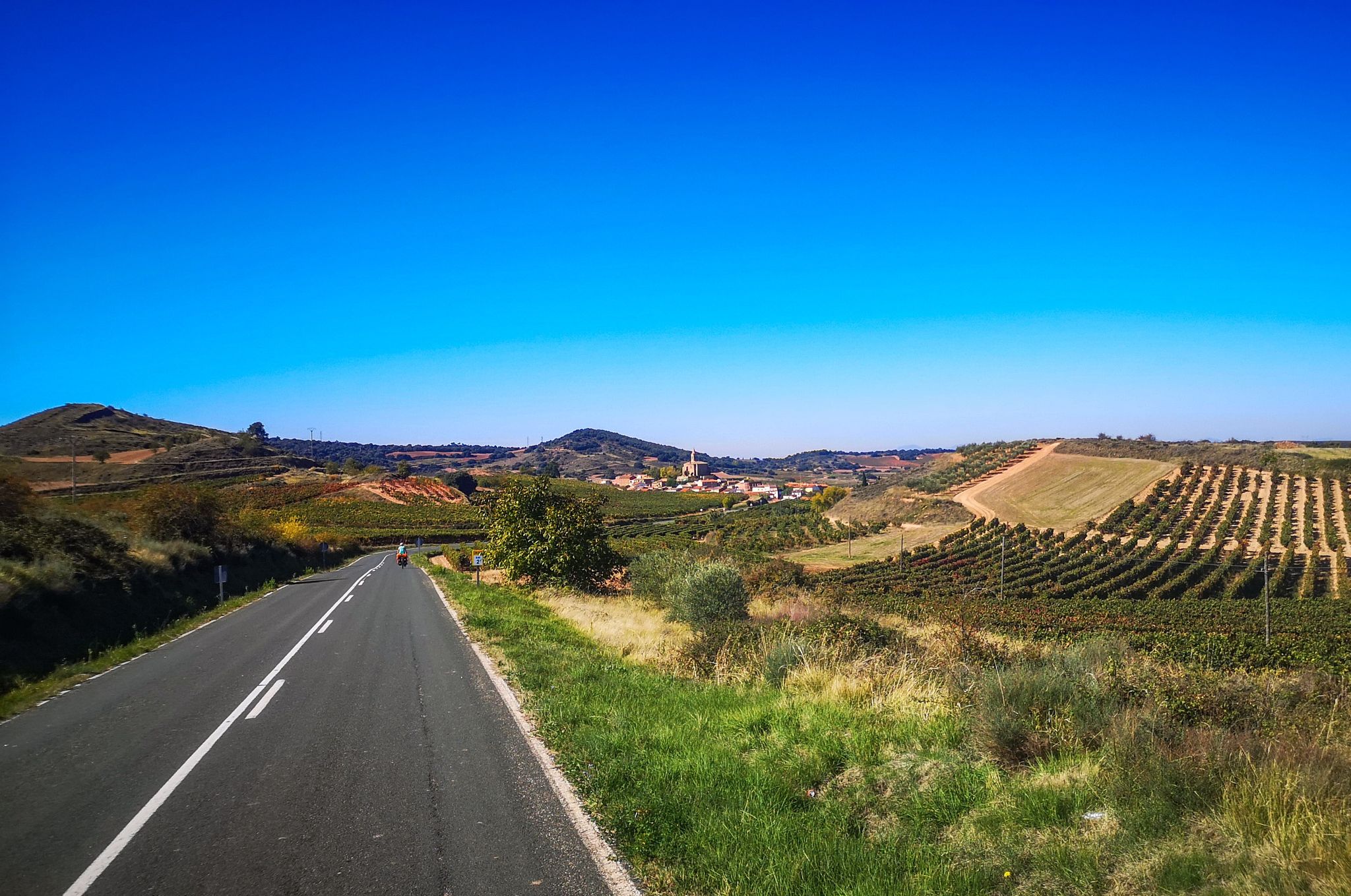
Santiago de Compostela – A journey through northern Spain (10 days)
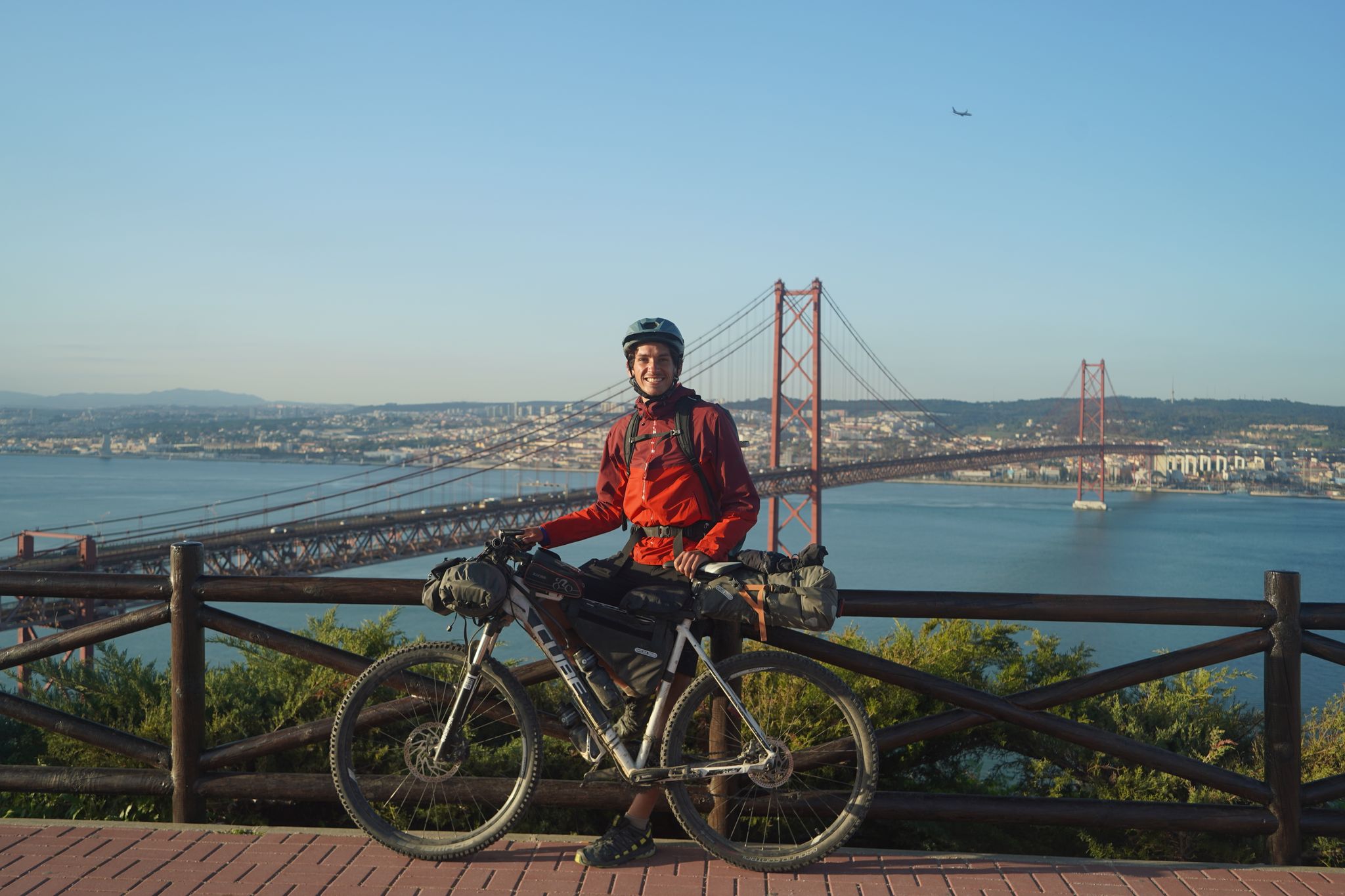
Road to Lisbon – bikepacking the Alps, Pyrenees and Picos de Europa
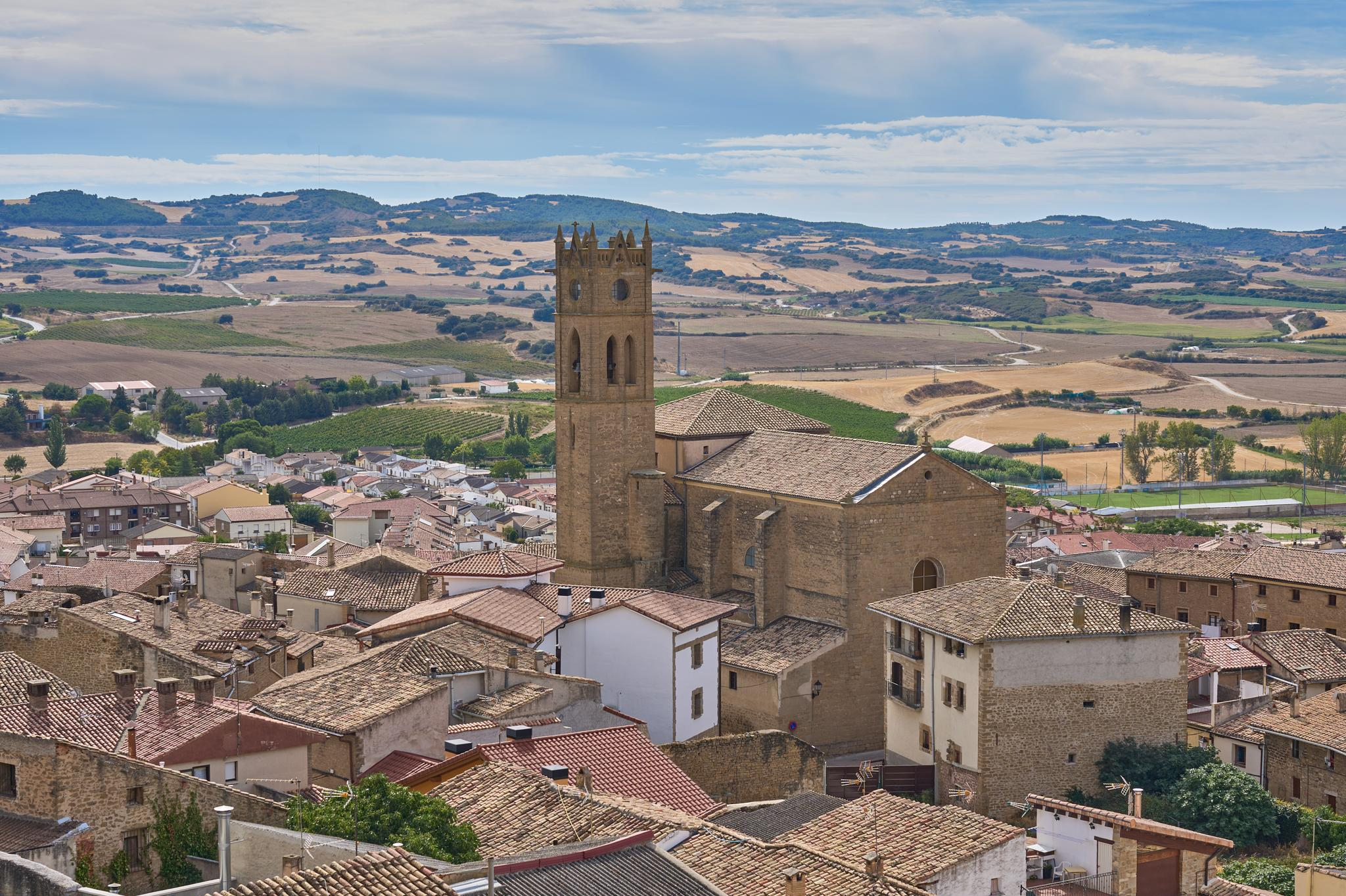
Path of the Templars — Path of the True Cross (GR 250)
A magical bike Tour in Spain’s Basque Country – Plazaola Greenway
The great forgotten Jacobean pilgrimage – the Aragonese Way
The Pilgrim Route — EuroVelo 3 through Spain
Vías Verdes – traffic-free cycling along railway history in Spain
Road Cycling Routes around Cuenca Pamplona
Hiking around Cuenca Pamplona
Other adventures around Cuenca Pamplona


Tips from the Community

An impressive bullring here in Pamplona
3
0

During the Pamplona bullfight, young men in particular risk their health and sometimes their lives. Despite protests from animal rights activists, the "Sanfermines" festival attracts millions of people every year. Around 6,000 bulls are said to have died in the arena over the past 100 years. Since 1911, a total of 16 deaths have been linked to the Pamplona bull runs and fights.
2
1

Santa María de Eunate is a Romanesque church on the Aragonese branch of the Way of St. James in Navarre. The church was built at the end of the 12th century in the Romanesque style with Mozarabic influences. The octagonal design is a reference to the Templars. There used to be a hospice here that belonged to the Order of St. John and today it is a hostel for pilgrims.
0
0

The Church of San Juan Bautista in Obanos, located in the Plaza de los Fueros, is a beautiful example of neo-Gothic architecture. Built in 1912, this church exudes an impressive historical charm. The church’s façade features a portico and a square tower, which contribute to the building’s majestic appearance. Inside, the church exudes a serene and sacred atmosphere, with beautiful stained glass windows and detailed decorations that reflect the church’s rich history.
1
0

The centre of the ''Plaza do Castillo'' has been occupied since 28 June 1943 by an 18-metre-high bandstand raised on a stepped drum and whose dome is supported by Ionic columns. Previously, there was a wooden one that replaced the Beneficencia fountain in 1910, the work of Luis Paret, known in Pamplona as "La Mariblanca", which currently adorns the city's Taconera gardens.
1
0
The Plaza de toros de Pamplona is a bullring located in Pamplona and is used for bullfights, but also for sporting and cultural events and concerts. Built in 1922, the plaza de toros can accommodate up to 19,721 people and is the second largest in Spain, after Las Ventas in Madrid, and the fifth largest in the world. The plaza de toros is the finishing point of the famous running of the bulls that takes place in Pamplona during the San Fermin festival and, during the Spanish Civil War, it was used as a concentration camp by Franco's troops with a capacity for 3,000 Republican prisoners.
1
0

Beautiful charming and ancient bridge over which the Santiago de Compostela trail passes.
0
0
Beautifully restored city gate through which all Santiago de Compostela walkers pass. Even the mechanism to open and close the gate is still there (with counterweights).
1
0
Frequently Asked Questions
What historical sites can I explore in Cuenca Pamplona?
Cuenca Pamplona is rich in history. You can visit the iconic Puente la Reina Romanesque Bridge, a crucial meeting point on the Way of St. James. Another significant site is the Pilgrim Monument at Alto del Perdón, an art installation depicting pilgrims through the ages. Don't miss Pamplona Cathedral and the Citadel, which showcase the city's ancient defenses and religious heritage, or the 16th-century Portal de Francia, a well-preserved city gate.
Are there family-friendly attractions in the area?
Yes, several attractions are suitable for families. The Puente la Reina Romanesque Bridge offers an interesting historical walk. Pamplona Cathedral and the Citadel provide a glimpse into the past that can engage older children. Additionally, the Gazebo in Plaza del Castillo is a central, lively spot in Pamplona, perfect for a family stroll and people-watching.
What outdoor activities are available near Cuenca Pamplona's attractions?
The region offers a variety of outdoor activities. You can enjoy cycling along the Plazaola Greenway, a former railway line transformed into a scenic path. There are also numerous hiking opportunities, from easy strolls to more challenging routes. For specific routes, explore the easy hikes around Cuenca Pamplona, road cycling routes, and MTB trails guides.
Can I find easy hiking trails around Cuenca Pamplona?
Absolutely. Cuenca Pamplona offers several easy hiking options. For example, you can try the 'Arnotegi Hermitage Loop from Puente la Reina' or the 'Obanos-Puente la Reina – circular via the Camino Frances'. These routes are generally under 7 km and are suitable for a relaxed walk. You can find more details and routes in the Easy hikes around Cuenca Pamplona guide.
Are there any challenging hikes for experienced trekkers?
Yes, for those seeking more challenging adventures, the region provides options. While specific challenging hikes are not listed directly with attractions, the area around Cuenca Pamplona, particularly in the surrounding mountains, offers more demanding trails. For mountain biking, routes like 'Ezkaba Xtreme – circular desde Ansoáin' or 'Castillo de Irulegui – circular por la Sierra de Tajonar y Balsa Eskoriz' are rated as difficult, suggesting the terrain can be quite challenging for hikers as well. Check the MTB Trails around Cuenca Pamplona guide for an idea of the rugged terrain.
What are some notable religious buildings to visit?
The region features several significant religious buildings. The Pamplona Cathedral is a prominent example. You can also visit the Church of Saint John the Baptist in Obanos, known for its historical significance on the Way of St. James. Another unique site is the Church of Santa María de Eunate, an octagonal Romanesque church with a distinctive cloister.
Is the Plazaola Greenway suitable for cycling?
The Plazaola Greenway is an excellent choice for cycling, developed from a former railway line. It leads through an idyllic river valley, offering a scenic route. Be aware that large parts are unpaved, making it more suitable for mountain bikes or hybrid bikes rather than racing bikes. There are also unlit tunnels, so a bike light is essential.
What do visitors particularly enjoy about the Pilgrim Monument at Alto del Perdón?
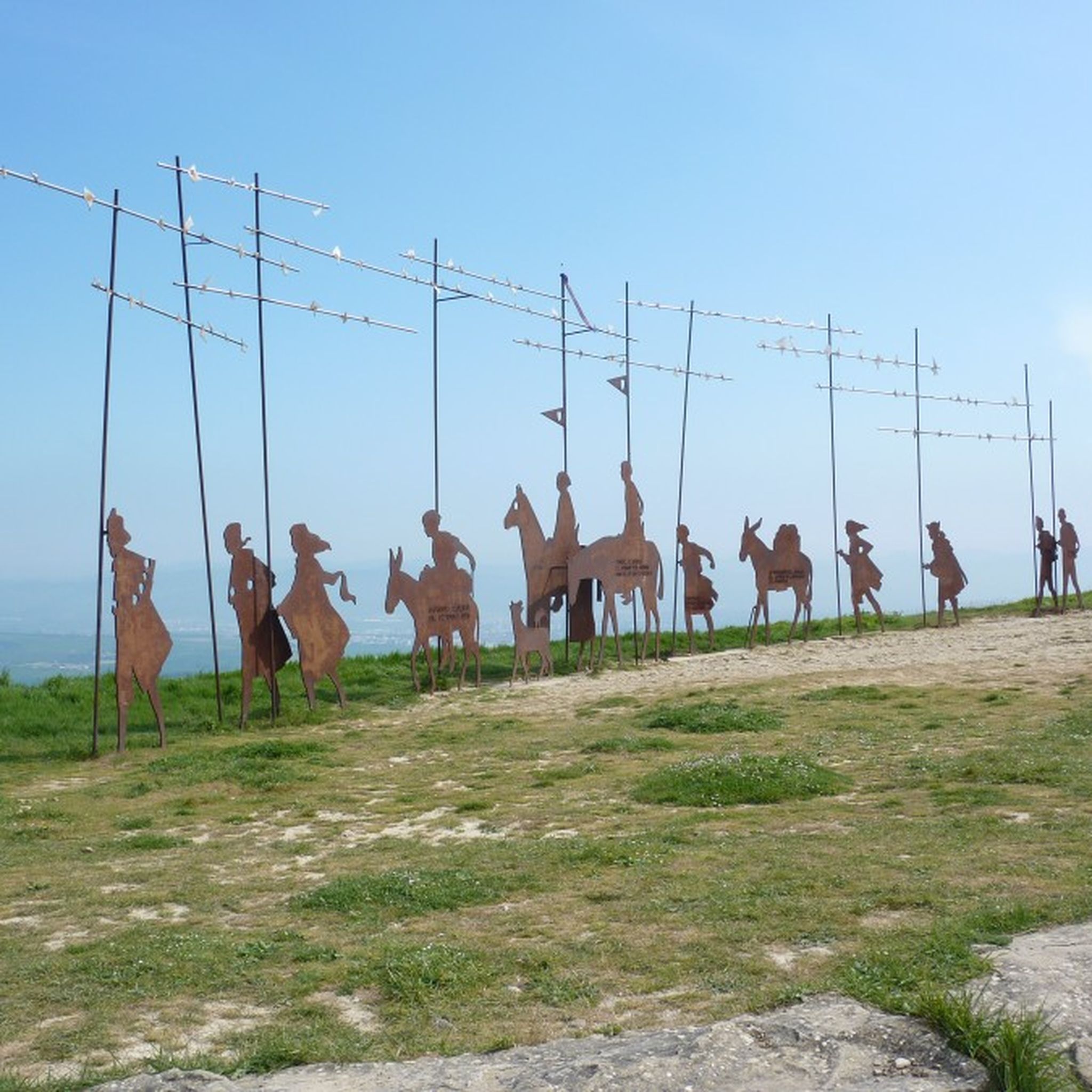
Visitors are often moved by the Pilgrim Monument at Alto del Perdón. This art installation, featuring seventeen life-size flat figures of naturally rusted iron, is known as the 'pilgrim train' or 'pilgrim caravan.' It's appreciated for its prominent location on the Way of St. James and its artistic representation of pilgrims from different eras, social classes, and age groups, symbolizing the centuries-long continuity of the pilgrimage.
Are there any wheelchair-accessible attractions in Cuenca Pamplona?
Yes, the Gazebo in Plaza del Castillo in Pamplona is noted as wheelchair accessible. This central square is a great place to experience the city's atmosphere and is designed to be inclusive for all visitors.
What is the significance of the Puente la Reina Romanesque Bridge?
The Puente la Reina Romanesque Bridge is historically significant as the meeting point where the Aragonese and Navarrese branches of the Way of St. James converge. Built in the 11th century, it provided pilgrims with a safe passage across the Arga river, which was crucial for the development of the town and the pilgrimage route itself. It's a prime example of medieval infrastructure designed to support the Camino.
What are some unique man-made monuments in the region?
Beyond the well-known historical sites, the Pilgrim Monument at Alto del Perdón stands out as a unique contemporary art installation with deep historical ties to the Camino de Santiago. The Portal de Francia, a 16th-century city gate, also offers a glimpse into Pamplona's fortified past.
What is the best time of year to visit Cuenca Pamplona for outdoor activities?
The best time to visit Cuenca Pamplona for outdoor activities is generally during the spring (April to June) and autumn (September to October). During these months, the weather is typically mild and pleasant, ideal for hiking, cycling, and exploring historical sites without the intense heat of summer or the colder, wetter conditions of winter. Summer (July and August) can also be good, but temperatures can be high.
Are there options for mountain biking around Cuenca Pamplona?
Yes, Cuenca Pamplona offers excellent opportunities for mountain biking. The region features a variety of trails, from moderate to difficult, catering to different skill levels. You can explore routes like 'Ezkaba Xtreme – circular desde Ansoáin' or 'Eltxumendi and San Gregorio Loop via Plazaola Greenway'. For a comprehensive list and details, refer to the MTB Trails around Cuenca Pamplona guide.
Where can I find circular walks near Cuenca Pamplona?
Several circular walks are available in the vicinity of Cuenca Pamplona. For easy options, you can find routes such as the 'Arnotegi Hermitage Loop from Puente la Reina' or the 'Obanos-Puente la Reina – circular via the Camino Frances'. Within Pamplona itself, there's the 'Taconera Bastion – Gazebo in Plaza del Castillo loop'. More circular routes can be found in the Easy hikes around Cuenca Pamplona guide.
What is the historical importance of Pamplona Cathedral and the Citadel?
Pamplona Cathedral and the Citadel are central to the city's history. The Cathedral, a significant religious structure, has evolved over centuries and reflects various architectural styles. The Citadel, a star-shaped fortress, was built in the 16th century to defend Pamplona, showcasing its strategic importance as a border city. Together, they represent Pamplona's long history as a capital and a key point on the Way of St. James.
Most popular routes around Cuenca Pamplona
Most popular attractions around Cuenca Pamplona

Get inspired with the komoot mobile app


Didn’t find what you were looking for?
Are you keen on exploring more awesome places nearby? Browse our guides:
Explore more
Still not found the Highlight you’re looking for? See guides of the top attractions in other regions:
