Attractions and Places To See around Interior - Top 20
Best attractions and places to see around Interior include a variety of historical and natural sites, primarily featuring ancient bridges, religious buildings, and scenic trails. This region offers insights into historical routes and local architecture, with many points of interest connected to traditional pathways. Visitors can explore settlements and natural landscapes that showcase the area's heritage and environment. The diverse attractions provide opportunities for cultural immersion and outdoor exploration.
Best attractions and places to see around Interior
- The most popular…
Last updated: June 23, 2026
Ribadiso Medieval Bridge
Highlight • Bridge
Translated by Google •
Tip by

Roman Bridge of Furelos
Highlight • Bridge
Translated by Google •
Tip by

Sign up now to discover places like this
Get recommendations on the best single tracks, peaks, & plenty of other exciting outdoor places.
Sign up for free
Stone bridge over the Catasol River
Highlight • Bridge
Translated by Google •
Tip by
Church of Saint Mary of Leboreiro
Highlight • Religious Site
Translated by Google •
Tip by

Eucalyptus Forest on the Camino de Santiago
Highlight (Segment) • Forest
Tip by

Santa Irene Fountain
Highlight • Natural Monument
Translated by Google •
Tip by

Church of Santa María in Melide
Highlight • Religious Site
Translated by Google •
Tip by
Monastery of Saint Mary of Sobrado
Highlight • Religious Site
Translated by Google •
Tip by
Calle
Highlight • Pub
Translated by Google •
Tip by

Arzúa
Highlight • Settlement
Translated by Google •
Tip by

Sign up for free to discover even more attractions around Interior.
Sign up for free
Already have an account?
Start today with a free account
Your next adventure awaits.
Login or Signup
Popular around Interior
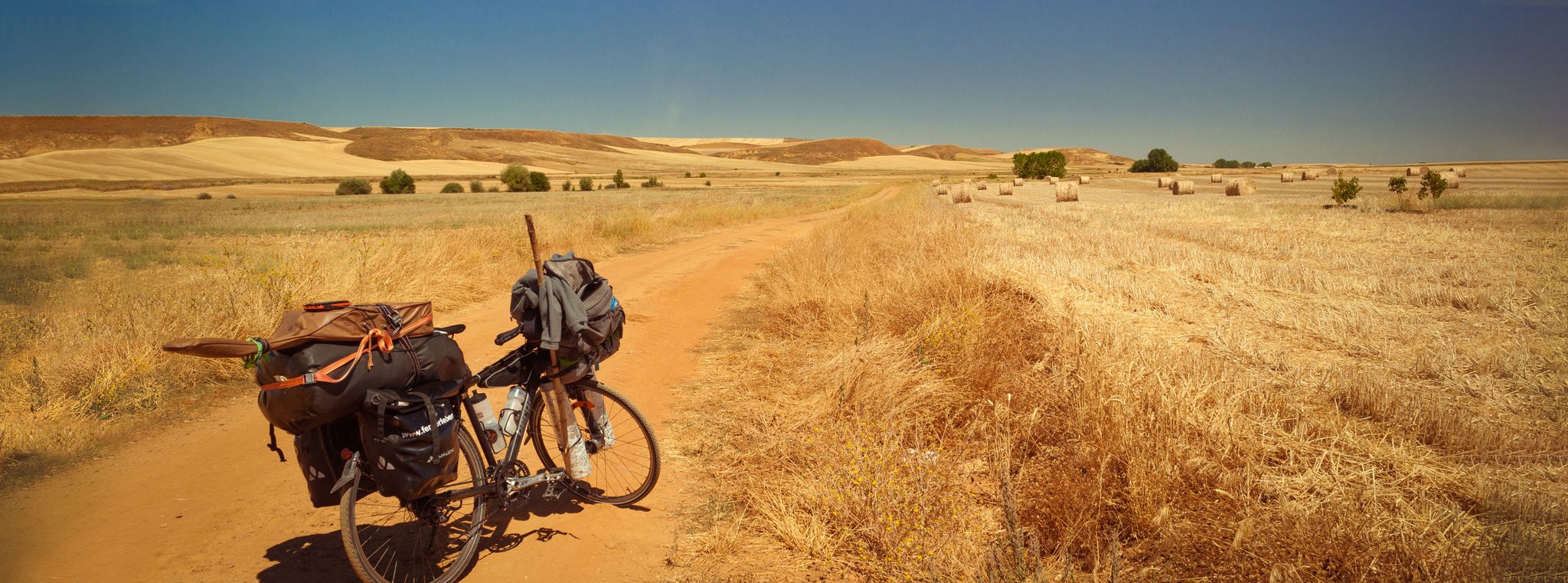
Camino Francés and Camino Finisterre – Cycling pilgrimages in Spain
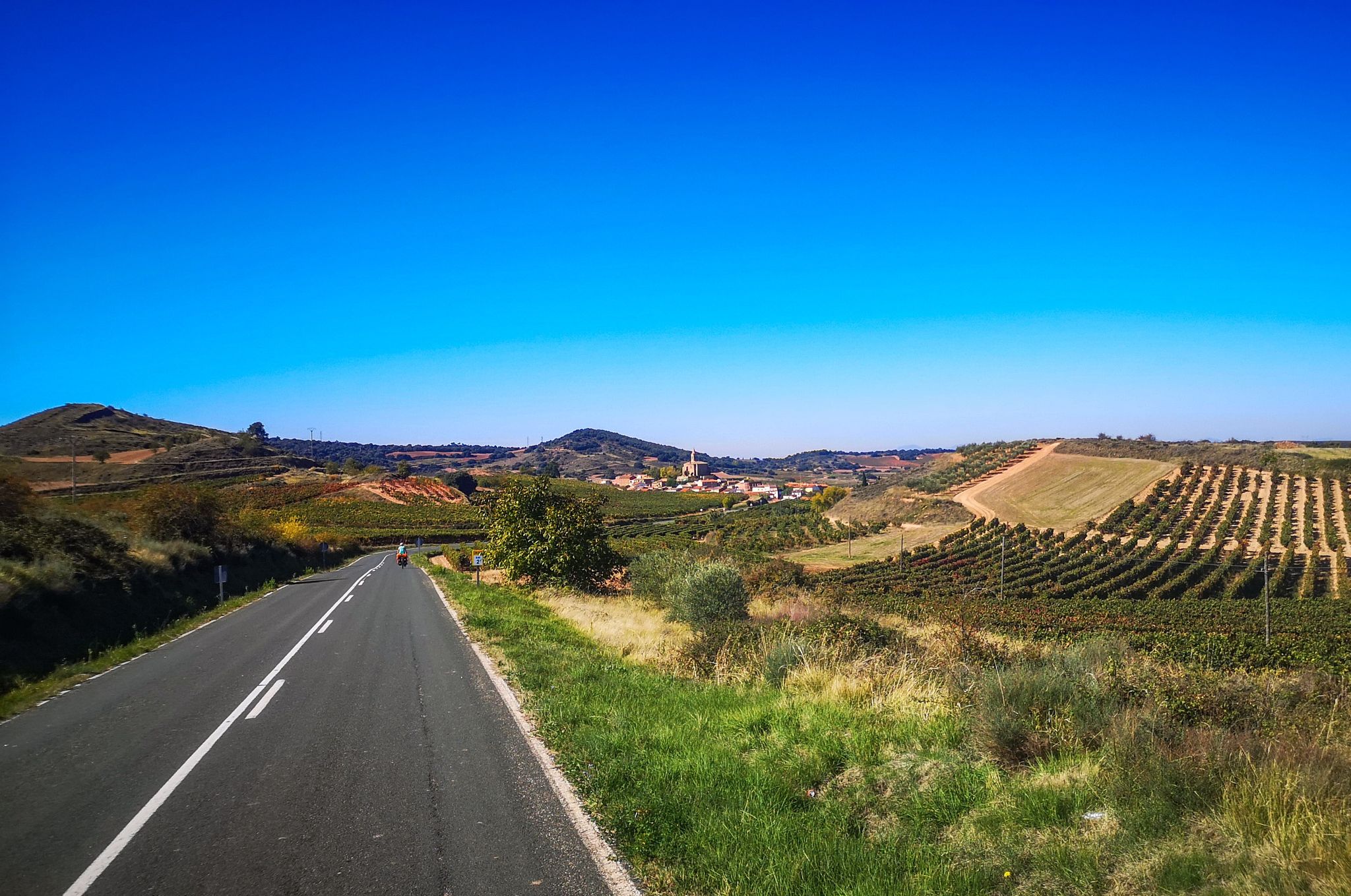
Santiago de Compostela – A journey through northern Spain (10 days)
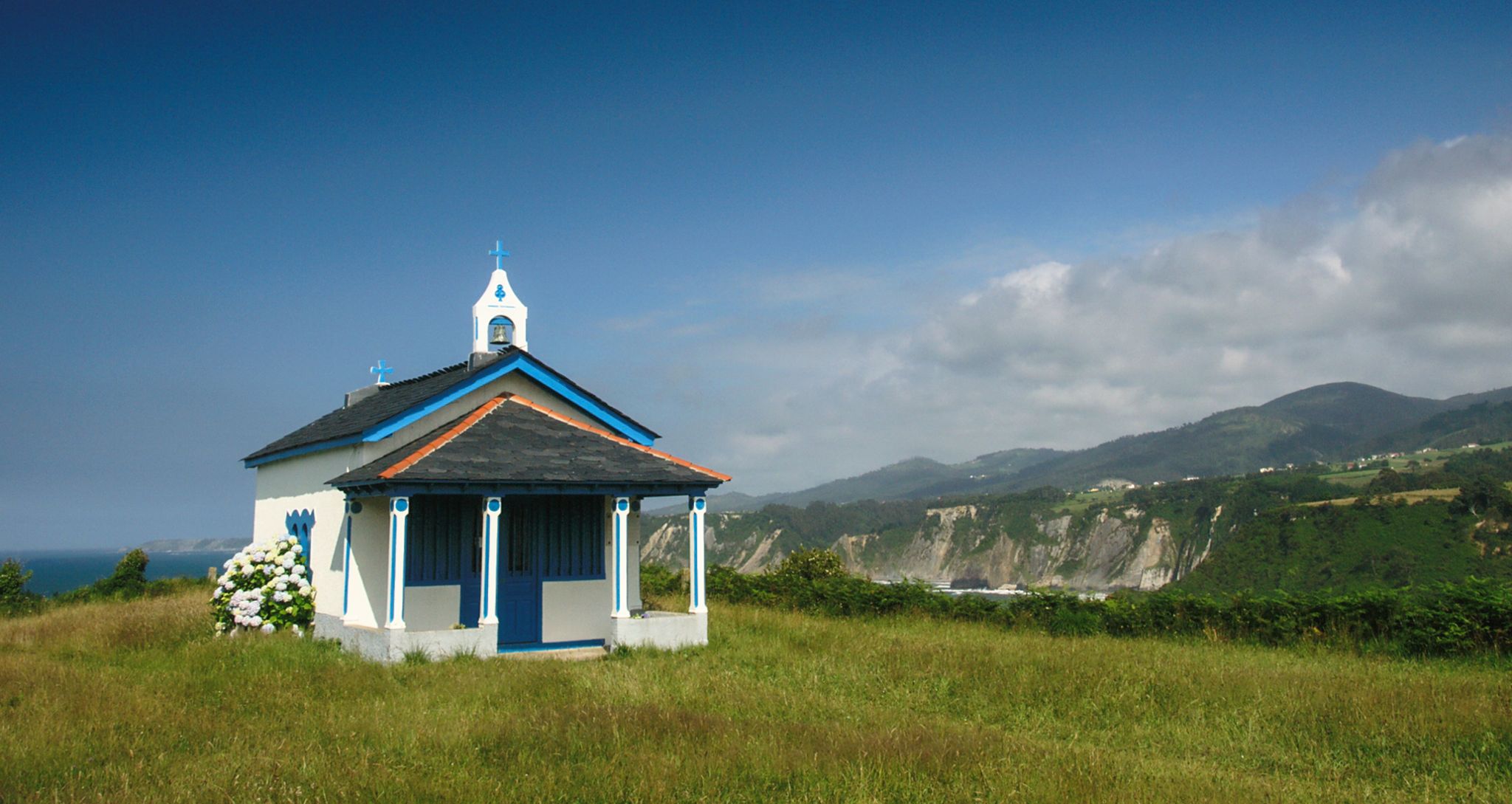
Camino del Norte – 15 stages
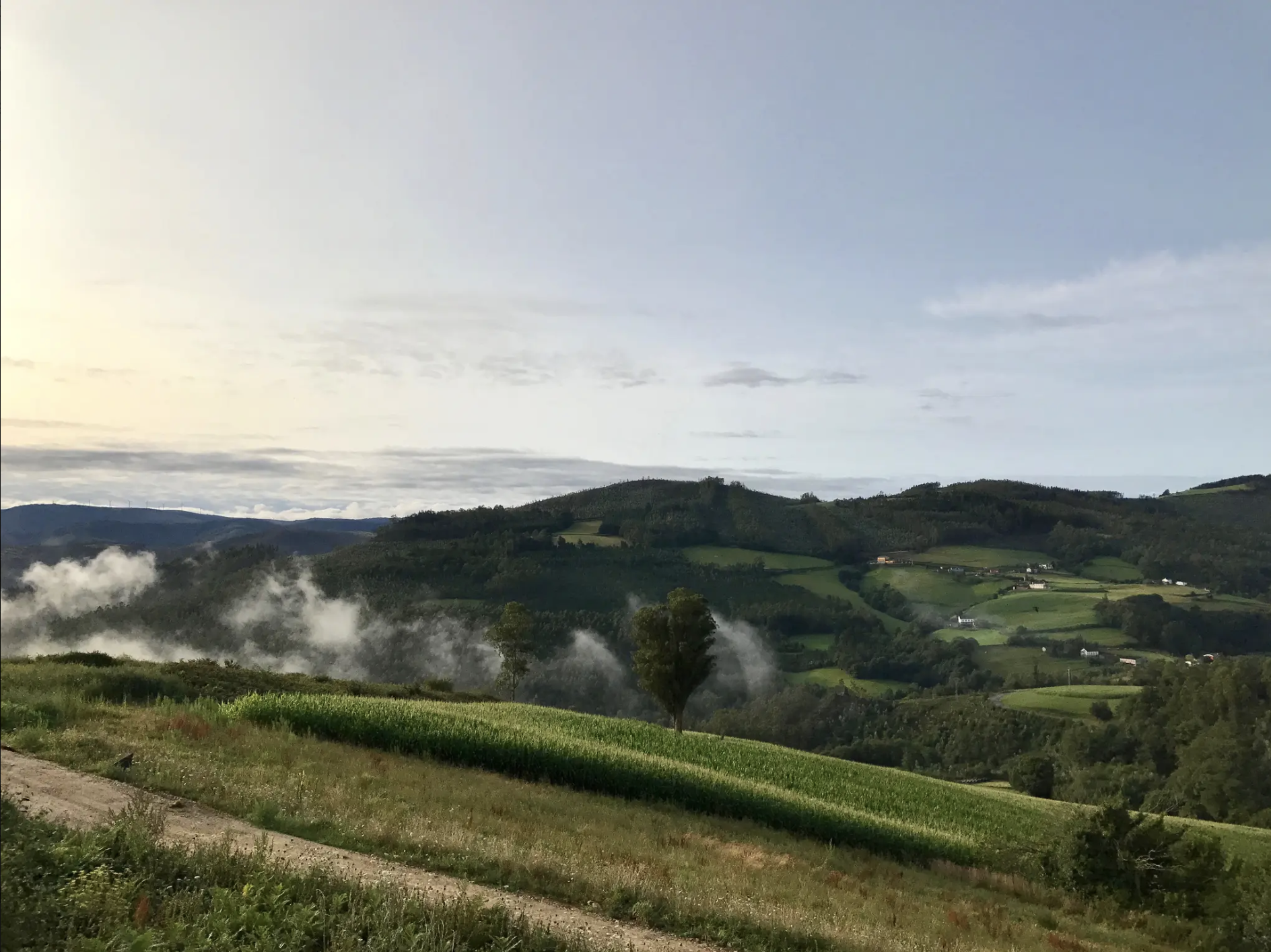
Camino del Norte (in reverse) – Discovering northern Spain's stunning coastline
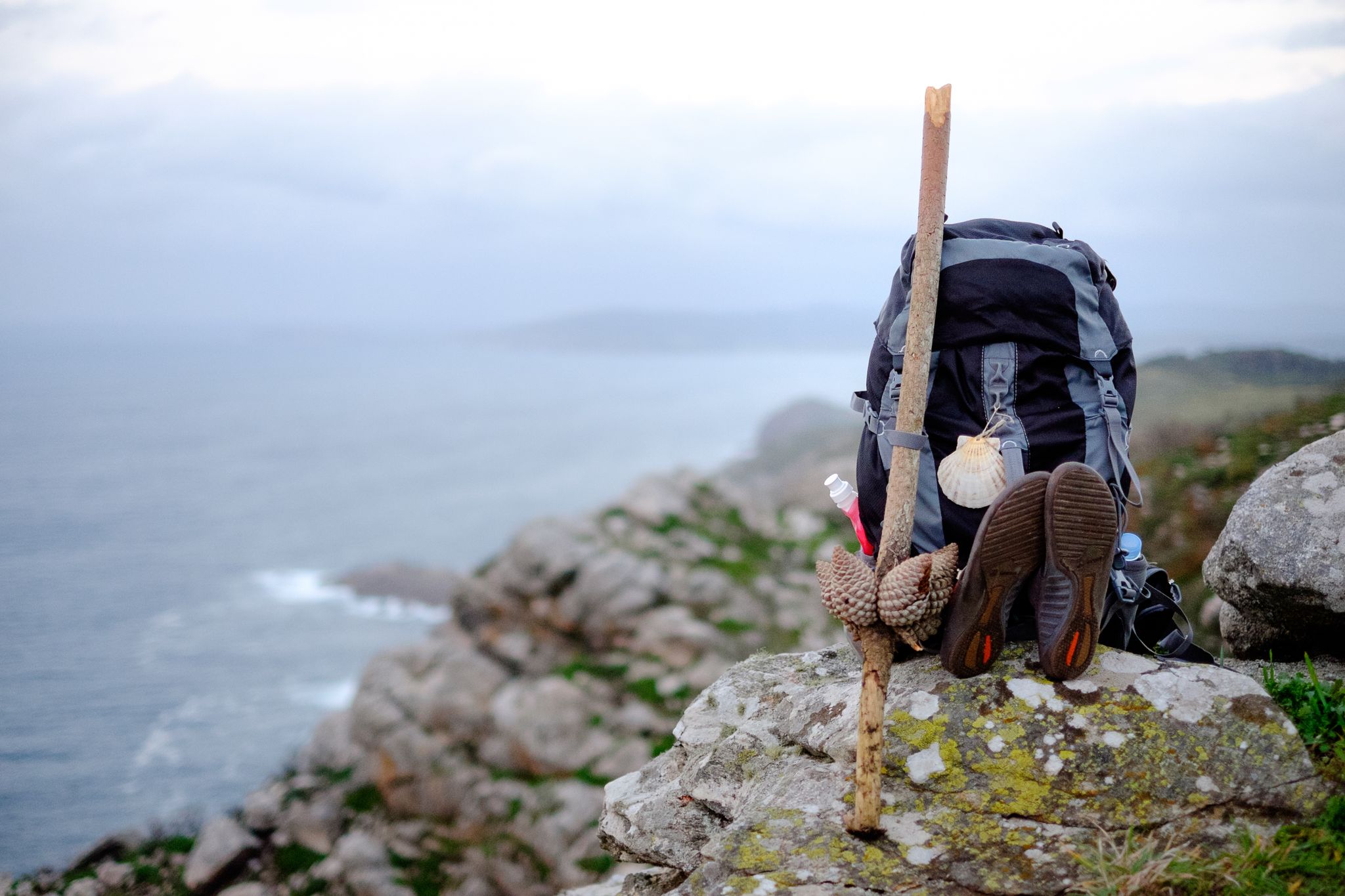
Way of St. James – 60 miles
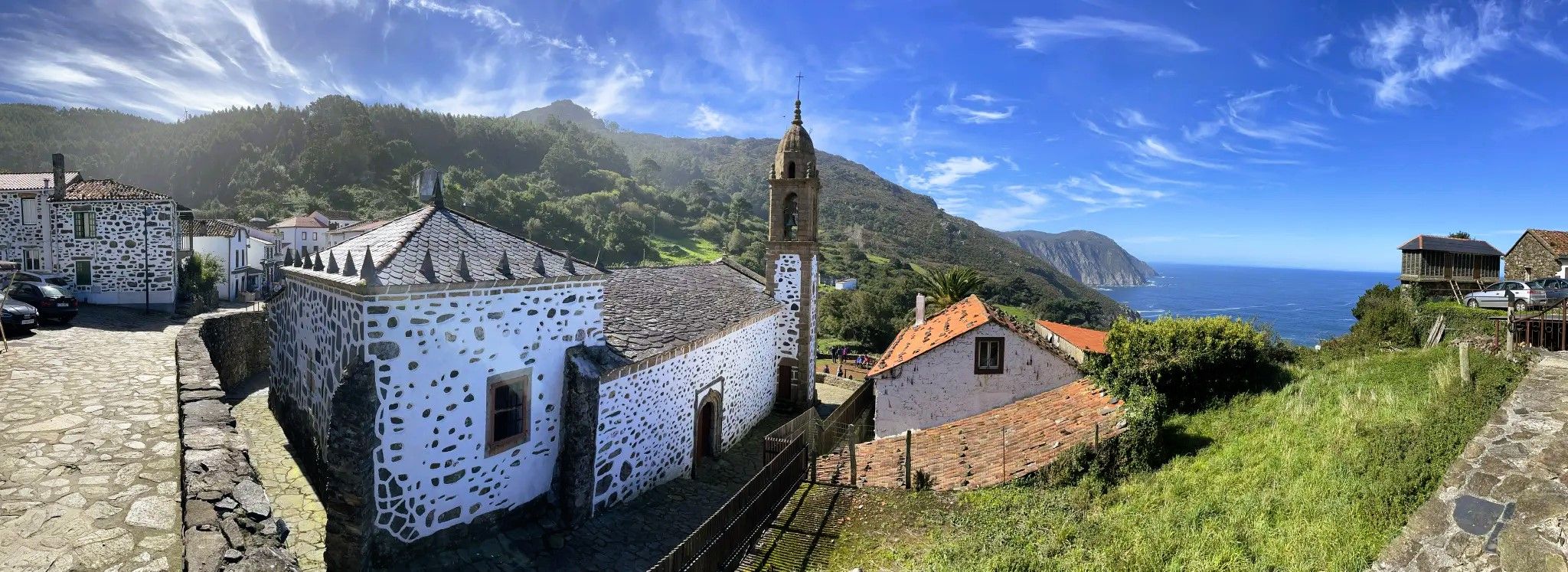
A journey through time – Camiño do Medievo (GR 55)
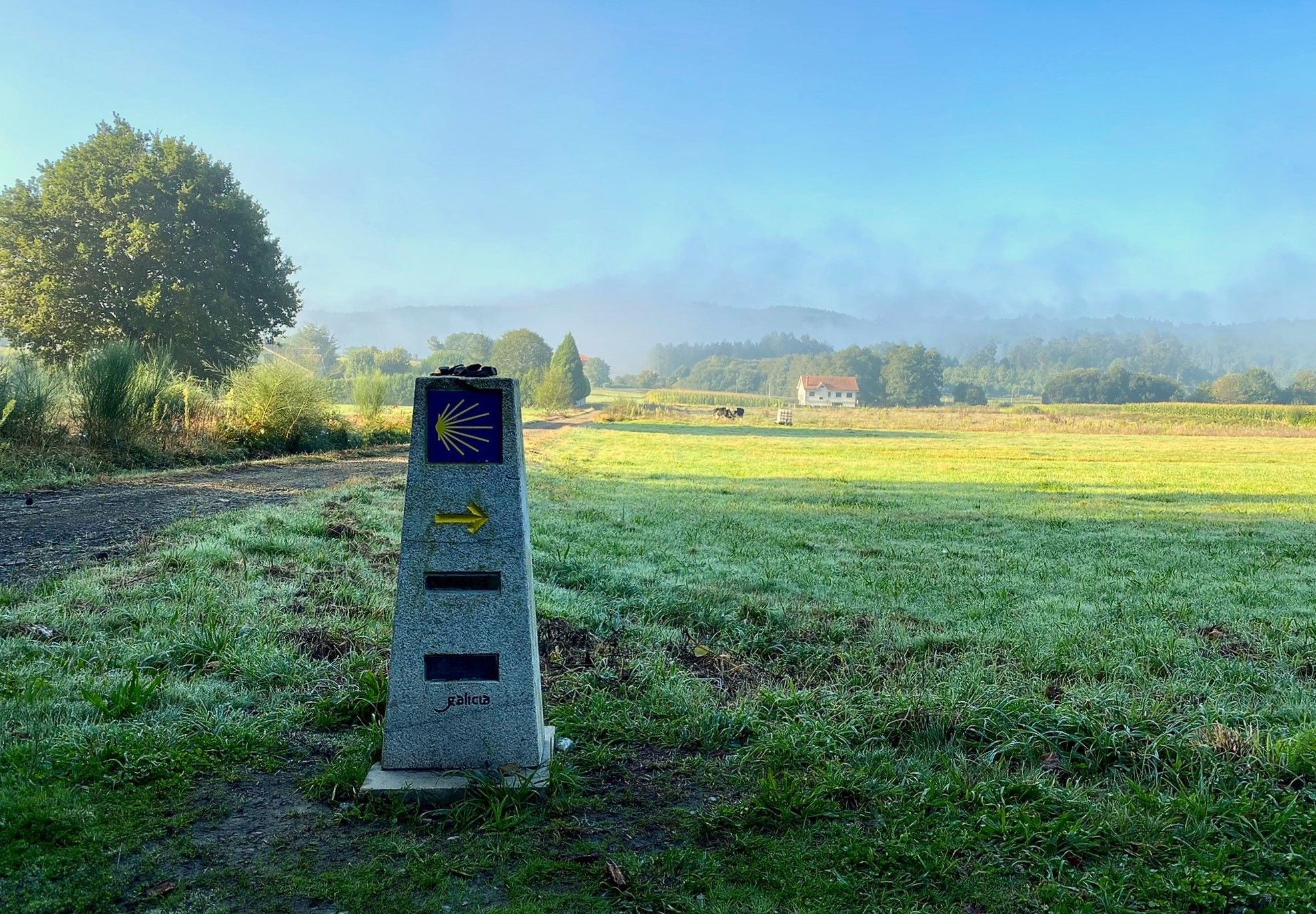
A pilgrimage on foot – Spain’s Primitive Way
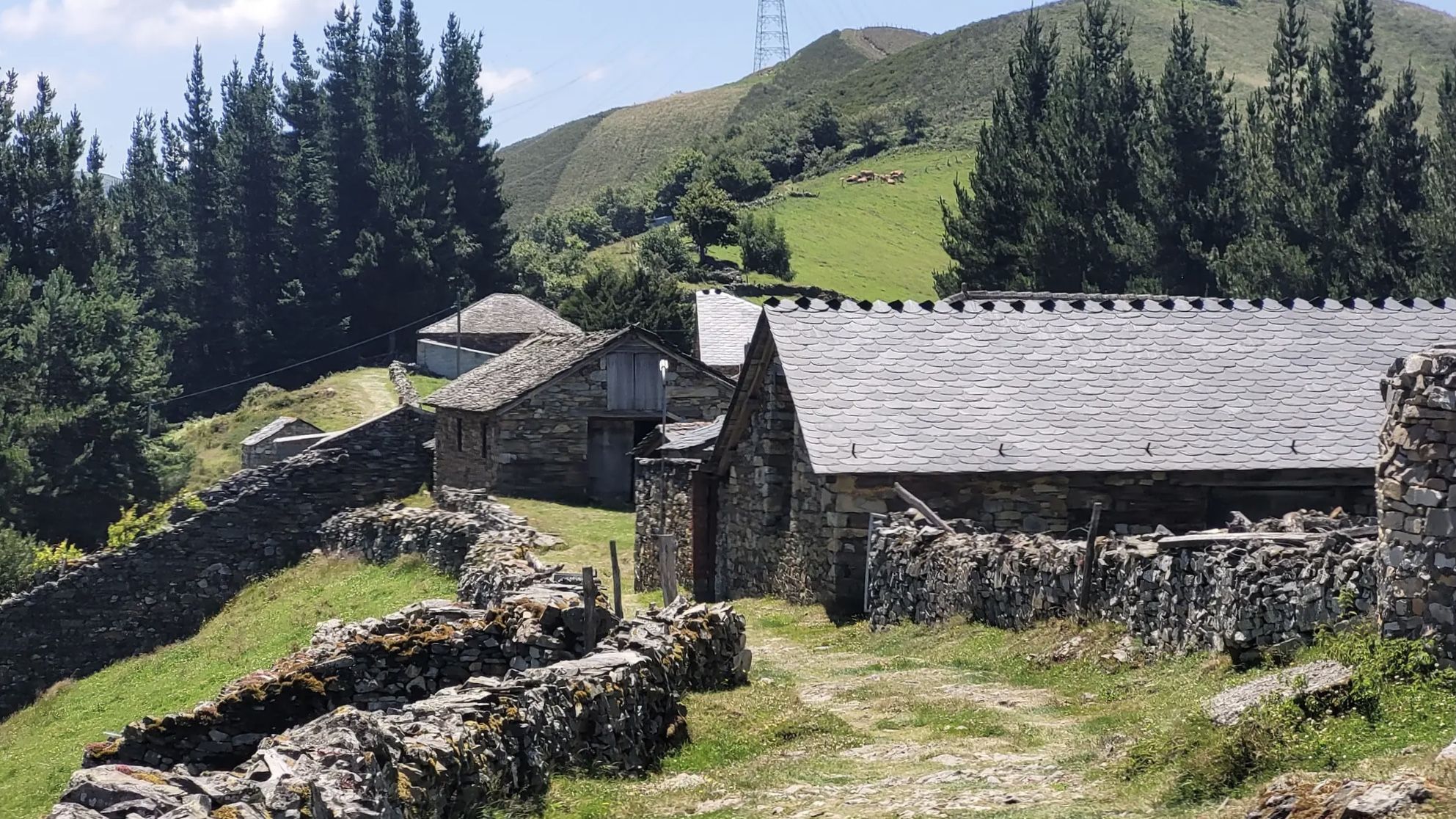
The Camino Primitivo — From Oviedo to Santiago through history
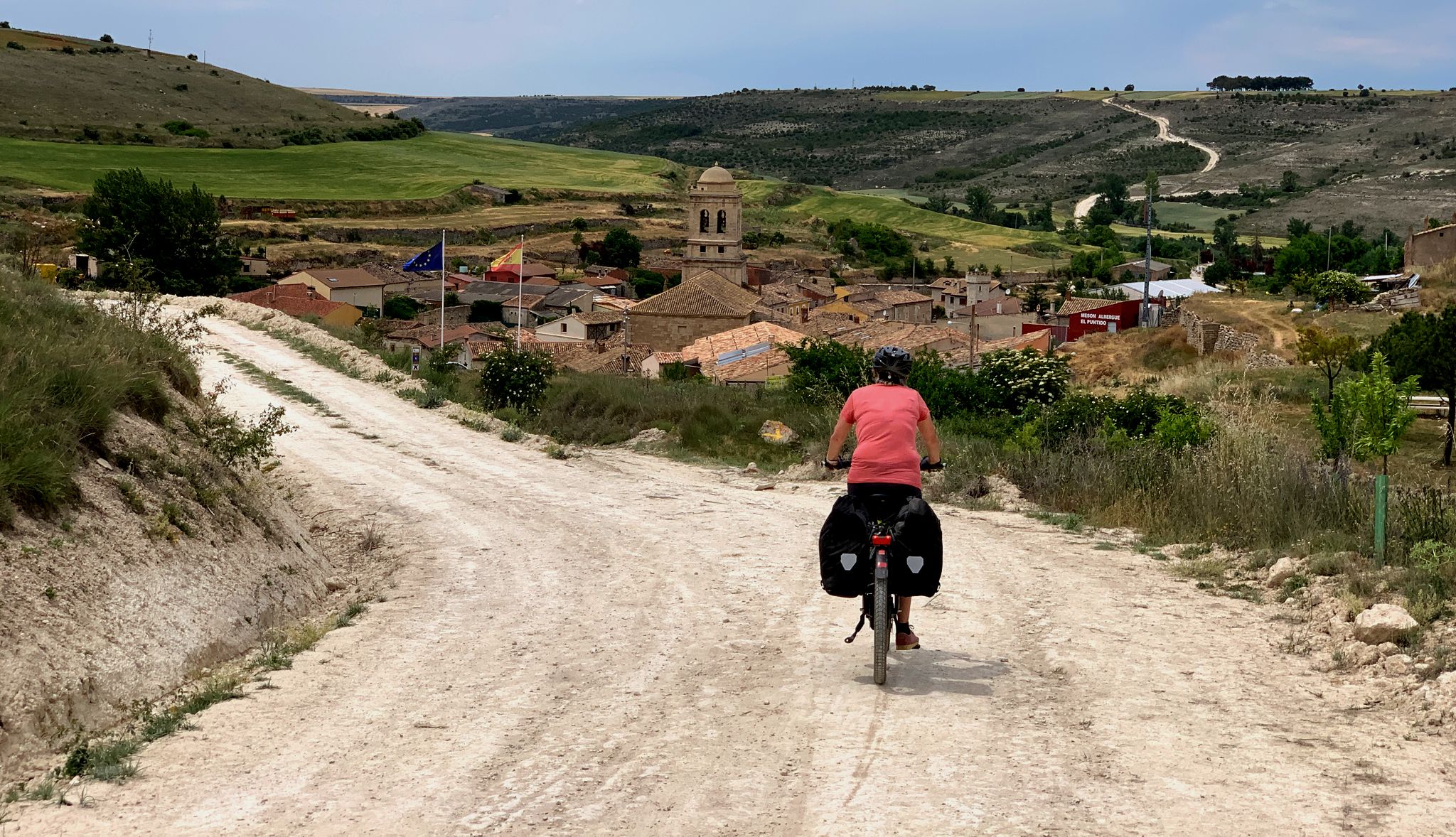
The Pilgrim Route — EuroVelo 3 through Spain
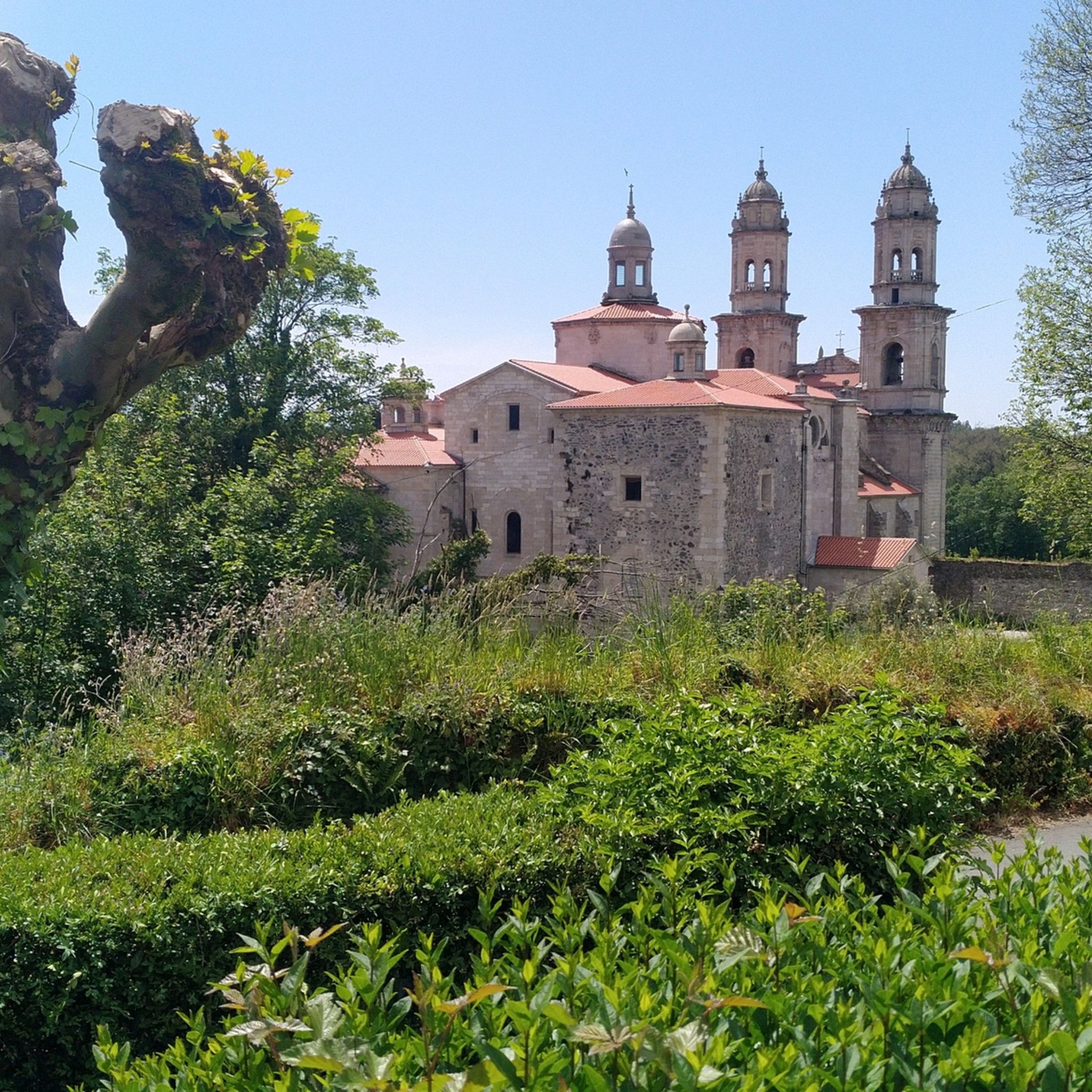
Hiking around Interior
Other adventures around Interior


Tips from the Community

O Leboreiro, capital of the parish of Santa María do Castelo in north-western Spain, is located along the French Way of the pilgrimage to Santiago de Compostela.
4
0
The village of Arzua, in reality, apart from accommodation and refreshments, does not offer much and the outskirts are quite sad and abandoned.
5
0

because it's simply beautiful there
2
0

Eucalyptus forest sections are always beautiful, especially in the morning with fog/ mist 🤙
1
1
Beautiful baroque church, a stop to pause 🤙
1
1

After the renovation, the Albergue in the monastery is actually once again a must on the Camino del Norte. But if you want to take the alternative route to O Pedrouzo to save yourself a day on the overcrowded Camino Frances, I recommend the Eco-Albergue Abeiro da Loba in Madelos.
4
0

Frequently Asked Questions
What historical landmarks can I explore around Interior?
The Interior region is rich in historical sites, particularly along the Camino Frances. You can visit the Roman Bridge of Furelos, a significant example of civil architecture, or the Ribadiso Medieval Bridge, known for its picturesque setting. Another notable site is the Monastery of Saint Mary of Sobrado, a large religious complex with a Baroque church and multiple cloisters.
Are there any religious buildings or sites of spiritual significance in Interior?
Yes, the region features several important religious sites. The Monastery of Saint Mary of Sobrado is a prominent example, showcasing centuries of architectural and spiritual history. You can also visit the late Romanesque Church of Saint Mary of Leboreiro and the Church of Santa María in Melide.
What natural features can I enjoy around Interior?
Beyond historical structures, Interior offers beautiful natural settings. The Stone bridge over the Catasol River is nestled within a lush forest of ash and alder trees, providing a serene atmosphere. You can also experience the unique Eucalyptus Forest on the Camino de Santiago, known for its distinctive aroma and scenic trails.
Are there family-friendly attractions in the Interior region?
Many attractions in Interior are suitable for families. Historical bridges like the Roman Bridge of Furelos and the Ribadiso Medieval Bridge offer interesting sights and opportunities for gentle walks. Settlements like Arzúa provide amenities and a glimpse into local life. The natural trails, such as those near the Eucalyptus Forest, are also great for family outings.
What do visitors enjoy most about the attractions in Interior?
Visitors frequently praise the historical significance and natural beauty of the region. The medieval bridges, like the Roman Bridge of Furelos, are often highlighted as architectural jewels. The serene settings, such as the forest surrounding the Stone bridge over the Catasol River, are appreciated for their ecological richness and pure air. Many also enjoy the sense of history and community found in the small villages and along the Camino de Santiago.
Can I find places to rest or cool off near the attractions?
Yes, several spots offer opportunities to rest. Near the Ribadiso Medieval Bridge, there's a recreational area by the Iso river where pilgrims can cool their feet. The village of Furelos, near its Roman bridge, also has nice places to rest. Additionally, many settlements along the Camino, such as Leboreiro and Arzúa, offer cafes and accommodations.
Are there hiking trails near the attractions in Interior?
Absolutely. The region is known for its trails, many of which are part of the Camino de Santiago. You can find various hiking options, including easy routes like the 'Eucalyptus Forest – Santa Irene Fountain loop from O Pedrouzo' or more challenging ones like the 'Ribadiso Medieval Bridge – View Over the Valley loop from Melide'. For more details on routes, you can explore the Hiking around Interior guide.
What kind of outdoor activities can I do near these attractions?
Besides exploring the attractions themselves, you can engage in various outdoor activities. Hiking is very popular, with numerous trails available for different difficulty levels. You can also find running trails, such as the 'A Saleta Fountain in Boente – Ribadiso Medieval Bridge loop from Parabispo'. For more information on outdoor routes, check the Running Trails around Interior guide and the Easy hikes around Interior guide.
Where can I find a traditional village experience in Interior?
For a traditional village experience, consider visiting Leboreiro, home to the Church of Saint Mary of Leboreiro. This small village consists almost exclusively of houses in a typical style, offering craft shops and souvenirs related to the Camino de Santiago. Arzúa is another settlement with historical significance and local amenities.
Are there any viewpoints to enjoy scenic landscapes?
Yes, several attractions offer scenic views. The Ribadiso Medieval Bridge is situated in a beautiful setting next to the Iso river. The Stone bridge over the Catasol River provides views of a lush forest. Many points along the Camino de Santiago, including sections of the Eucalyptus Forest, also offer picturesque landscapes.
What is the significance of the bridges in Interior?
The bridges in Interior are highly significant, often serving as historical crossings along the Camino de Santiago. The Roman Bridge of Furelos is considered a jewel of civil architecture, mentioned in historical texts. The Ribadiso Medieval Bridge is another important crossing, known for its well-preserved medieval structure and role in pilgrim routes.
Are there any unique natural monuments to see?
While the region is known for its man-made historical sites, you can also find the Santa Irene Fountain. This site is considered a natural monument and holds historical significance, often visited by pilgrims on the Camino.
Most popular routes around Interior
Most popular attractions around Interior

Get inspired with the komoot mobile app


Didn’t find what you were looking for?
Are you keen on exploring more awesome places nearby? Browse our guides:
Explore more
Still not found the Highlight you’re looking for? See guides of the top attractions in other regions:
